Discover the visionary filmmakers behind cinema's greatest works.
Explore our selection of acclaimed directors and their remarkable films.
Showing 3769-3780 out of 4148

Susan Seidelman is a trailblazing American film director known for her distinctive blend of comedy and drama, characterized by her keen eye for urban life and female-centric storytelling. With a career spanning several decades, Seidelman has left an indelible mark on cinema with her unique vision and directorial style. She first gained widespread recognition with her breakout film "Desperately Seeking Susan" (1985), a cult classic starring Madonna and Rosanna Arquette. This comedy-drama not only showcased Seidelman's knack for capturing the zeitgeist of 1980s New York City but also established her as a director with a sharp understanding of female characters navigating complex urban landscapes. Seidelman's directorial style is marked by a vibrant and distinct visual aesthetic, often incorporating elements of pop culture and a strong sense of place. Her films frequently explore themes of female empowerment, identity, and the pursuit of self-discovery, resonating with audiences for their relatable and authentic portrayal of women's experiences. Following the success of "Desperately Seeking Susan," Seidelman continued to carve out her niche in the industry with "She-Devil" (1989), a dark comedy starring Meryl Streep and Roseanne Barr. The film further demonstrated Seidelman's ability to infuse her work with biting humor and social commentary, cementing her reputation as a director unafraid to challenge conventions and push boundaries. Seidelman's impact on cinema extends beyond her individual films, as she has been a pioneering force in championing female voices in the male-dominated world of filmmaking. Her ability to craft narratives that center on the female experience has contributed to a more diverse and inclusive cinematic landscape. As a director, Seidelman has consistently challenged stereotypes and offered nuanced representations of women, earning her a revered place in the pantheon of influential filmmakers. With a filmography that reflects her commitment to telling compelling stories with authenticity and heart, Susan Seidelman remains a visionary director whose work continues to inspire and resonate with audiences worldwide.

Swaroop Rsj is an Indian film director known for his unique vision and storytelling prowess in the world of cinema. With an impressive filmography that includes the critically acclaimed "Agent Sai Srinivasa Athreya" (2019), Swaroop Rsj has made a significant impact on the Indian film industry with his directorial style. "Agent Sai Srinivasa Athreya" is a comedy, crime, and mystery film that showcases Swaroop Rsj's knack for blending genres seamlessly while weaving an engaging narrative. The film's success solidified Swaroop Rsj's reputation as a director with a distinct storytelling style and an eye for detail. Swaroop Rsj's directorial style is characterized by his ability to infuse humor into intricate crime and mystery plots, creating a unique cinematic experience for audiences. His films often feature complex characters and layered storytelling, drawing viewers into a world of intrigue and suspense. Throughout his career, Swaroop Rsj has demonstrated a penchant for exploring themes of wit, intelligence, and unconventional problem-solving, which are evident in his directorial debut, "Agent Sai Srinivasa Athreya." His ability to craft compelling narratives while maintaining a strong visual aesthetic has garnered him a loyal fan base and critical acclaim. Swaroop Rsj's impact on cinema lies in his ability to push creative boundaries and deliver films that resonate with audiences across various genres. With a keen understanding of storytelling and a commitment to cinematic innovation, Swaroop Rsj continues to be a trailblazer in the Indian film industry, leaving an indelible mark on the world of cinema. In conclusion, Swaroop Rsj's directorial career is defined by his unique vision, innovative storytelling, and ability to captivate audiences with his distinct directorial style. As he continues to push the boundaries of Indian cinema, Swaroop Rsj remains a director to watch, with his future projects highly anticipated by fans and critics alike.

Sydney Pollack was a prolific film director known for his diverse range of works that spanned various genres. With a career spanning over five decades, Pollack left an indelible mark on cinema with his distinctive directorial style and storytelling prowess. He had a keen eye for capturing the human experience and delving into complex interpersonal relationships, which is evident in his notable films. Pollack's filmography includes a wide array of critically acclaimed movies such as "They Shoot Horses, Don't They?" (1969), "Tootsie" (1982), "Three Days of the Condor" (1975), "Out of Africa" (1985), and "The Way We Were" (1973). His ability to seamlessly navigate between genres, from drama and romance to crime thrillers and biographical epics, showcased his versatility as a director. Pollack's films often delved into themes of love, ambition, betrayal, and the human condition, resonating with audiences on a profound emotional level. One of Pollack's most significant contributions to cinema was his masterful storytelling and his ability to elicit powerful performances from his actors. His directorial style was characterized by meticulous attention to detail, nuanced character development, and immersive storytelling that brought his narratives to life. Pollack's films often explored the complexities of human relationships and the intricacies of the human psyche, offering audiences a profound and thought-provoking cinematic experience. Pollack's impact on cinema is undeniable, as his films continue to be celebrated for their timeless storytelling and enduring resonance. His directorial legacy is marked by a rich and diverse body of work that has left an indelible imprint on the film industry. Sydney Pollack's unique vision and contributions to cinema have solidified his status as a revered director whose influence will continue to inspire future generations of filmmakers. In conclusion, Sydney Pollack's illustrious career as a film director is a testament to his unparalleled storytelling ability, versatile directorial style, and enduring impact on cinema. His films have left an indelible mark on audiences and critics alike, cementing his legacy as one of the most influential directors in the history of cinema.

Sydney Sibilia is a talented Italian director known for his unique blend of adventure, comedy, and drama in his films. With a focus on storytelling and captivating visuals, Sibilia has quickly made a name for himself in the world of cinema. His notable film "Rose Island" (2020) exemplifies his directorial style, showcasing his ability to craft compelling narratives with a touch of humor and emotion. "Rose Island" is a testament to Sibilia's directorial prowess, as he expertly weaves together a lighthearted adventure with thought-provoking drama, creating a film that resonates with audiences on multiple levels. Sibilia's ability to infuse his work with a sense of wonder and human connection sets him apart as a director with a keen understanding of the human experience. Throughout his career, Sibilia has established recurring themes of resilience, humor, and the triumph of the human spirit, all of which are evident in "Rose Island." His films often celebrate the underdog, embracing the unconventional and championing the power of individuality. Sibilia's unique vision and storytelling prowess have earned him critical acclaim and a dedicated fan base. Sibilia's impact on cinema is undeniable, as he continues to push boundaries and challenge traditional storytelling norms. His ability to seamlessly blend genres and evoke genuine emotion from his audience sets him apart as a director with a distinct voice and a promising future in the film industry. As Sibilia's career continues to flourish, audiences can undoubtedly expect more captivating and thought-provoking films that showcase his exceptional directorial talent.

Sylvain Chomet is a visionary French film director renowned for his distinctive animation style and whimsical storytelling. His career took off with the critically acclaimed animated feature "The Triplets of Belleville" (2003), which garnered widespread acclaim for its unique visual aesthetic and offbeat narrative. Chomet's directorial style is characterized by a blend of traditional hand-drawn animation techniques and a penchant for surreal, dreamlike imagery that immerses audiences in a world of whimsy and nostalgia. "The Triplets of Belleville" stands as a testament to Chomet's ability to craft cinematic experiences that transcend language barriers, as the film relies on visual storytelling and a captivating score to convey its narrative. The film's success solidified Chomet's reputation as a master of animation and led to an Academy Award nomination for Best Animated Feature, cementing his status as an influential figure in the animation industry. Chomet's follow-up film, "Les triplettes de Belleville" (2003), further showcased his directorial prowess and unique storytelling sensibilities. The film, known for its eccentric characters and captivating visual design, reinforced Chomet's distinct directorial voice and established him as a leading force in the world of animated cinema. Throughout his career, Chomet has displayed a penchant for exploring themes of nostalgia, eccentricity, and the resilience of the human spirit, all of which are recurrent motifs in his work. His films are characterized by their ability to transport audiences into enchanting and surreal worlds, evoking a sense of childlike wonder and sparking the imagination of viewers. Sylvain Chomet's impact on cinema extends beyond his individual films, as he has contributed to the revitalization of hand-drawn animation and inspired a new generation of filmmakers to embrace the art form. His influence on the animation industry has been profound, and his commitment to preserving the magic of traditional animation has left an indelible mark on the medium. As Chomet continues to captivate audiences with his unique vision and storytelling prowess, his legacy as a trailblazing director in the world of animation is assured.

Sylvain White is a talented film director known for his distinct visual style and ability to seamlessly blend action, drama, and comedy in his work. With a career spanning over two decades, White has left an indelible mark on the film industry with his unique vision and storytelling prowess. His notable films, including "Stomp the Yard" (2007) and "The Losers" (2010), showcase his versatility and ability to bring dynamic characters and compelling narratives to the screen. In "Stomp the Yard," White masterfully captured the electrifying world of step dancing, infusing the film with pulsating energy and emotional depth. His keen eye for choreography and rhythm brought the vibrant subculture to life, earning the film critical acclaim and commercial success. "The Losers," on the other hand, demonstrated White's adeptness at helming action-packed, ensemble-driven stories with a comedic edge. The film's seamless blend of adrenaline-pumping sequences and witty banter solidified White's reputation as a director capable of delivering high-octane entertainment. Throughout his career, White has exhibited a penchant for exploring themes of camaraderie, resilience, and the triumph of the underdog. His films often feature diverse and multi-dimensional characters, reflecting his commitment to inclusivity and representation on screen. With a keen understanding of pacing and visual storytelling, White crafts immersive cinematic experiences that resonate with audiences across genres. White's impact on cinema extends beyond his individual films, as he continues to inspire emerging filmmakers with his innovative approach to storytelling and direction. As a visionary director with a flair for crafting compelling narratives and captivating visuals, Sylvain White remains a driving force in the evolution of contemporary filmmaking. In conclusion, Sylvain White's directorial career is defined by his ability to seamlessly navigate various genres while infusing his projects with depth, energy, and a distinct visual style. His contributions to cinema have solidified his standing as a versatile and visionary director, leaving an indelible mark on the industry. With a commitment to inclusive storytelling and a knack for delivering thrilling and emotionally resonant narratives, White's impact on film is sure to endure for years to come.

Sylvester Stallone is a legendary figure in Hollywood, renowned for his multifaceted career as an actor, screenwriter, and director. While he is best known for his iconic performances as Rocky Balboa and John Rambo, Stallone has also made his mark as a director, showcasing a distinctive directorial style characterized by intense action, raw emotion, and compelling storytelling. Stallone's directorial debut came with "Paradise Alley" in 1978, but it was his triumphant return to the Rocky franchise with "Rocky II" in 1979 that solidified his reputation behind the camera. The film's intense sports drama and emotionally charged storytelling set the tone for Stallone's directorial style, which often revolves around themes of perseverance, redemption, and the indomitable human spirit. This was further exemplified in "Rocky III" (1982) and "Rocky IV" (1985), both of which cemented Stallone's status as a proficient director with an innate ability to capture the essence of the underdog narrative. Stallone's directorial prowess extended beyond the boxing ring, as evidenced by his 1981 action-thriller "Nighthawks" and the 1983 dance drama "Staying Alive." These films showcased his versatility as a director, seamlessly transitioning between genres while maintaining a distinct visual flair and a knack for visceral storytelling. In 2006, Stallone once again donned his director's hat for "Rocky Balboa," marking a triumphant return to the franchise that propelled him to stardom. The film was lauded for its poignant portrayal of aging and the enduring legacy of Rocky Balboa, further solidifying Stallone's directorial acumen. Stallone's impact on cinema is undeniable, as his directorial ventures have left an indelible mark on the action and sports drama genres. His ability to infuse raw emotion into high-octane action sequences, coupled with his adeptness at crafting compelling character-driven narratives, has set him apart as a director with a unique vision. Stallone's directorial legacy is a testament to his enduring influence on the film industry, and his contributions continue to resonate with audiences and aspiring filmmakers alike.

Sylvia Soska, along with her twin sister Jen, forms the dynamic duo known as the Soska Sisters. Born in Canada, the sisters have made a significant impact on the horror genre with their unique, bold, and unapologetic filmmaking style. Their breakout film, "American Mary" (2012), solidified their status as boundary-pushing directors who fearlessly explore the darker aspects of human nature. Soska's directorial style is characterized by a visceral and unflinching approach to storytelling, often delving into the psychological and physical horrors that plague society. "American Mary" exemplifies her ability to blend drama and horror seamlessly, creating a thought-provoking and captivating viewing experience. Soska's visual aesthetic is marked by striking imagery and a keen attention to detail, immersing audiences in her nightmarish worlds. One of Soska's notable directorial strengths lies in her exploration of body horror and the human experience, often challenging societal norms and expectations. Her films frequently feature complex and empowered female protagonists who navigate through trauma and adversity, offering a fresh perspective on the genre. The Soska Sisters have become trailblazers for underrepresented voices in horror, using their platform to advocate for diversity and inclusion in the industry. Soska's impact on cinema extends beyond her directorial work, as she and her sister have actively championed independent filmmaking and have become influential figures in the genre community. Their fearlessness in tackling taboo subjects and their commitment to authentic storytelling have garnered a dedicated fan base and critical acclaim. As the Soska Sisters continue to push boundaries and challenge conventions, their legacy in horror cinema is sure to endure, inspiring a new generation of filmmakers to fearlessly embrace their unique visions.

Tadayoshi Yamamuro is a celebrated Japanese animation director renowned for his remarkable work on Dragon Ball Z: Resurrection "F" (2015). With a career spanning over three decades, Yamamuro has made indelible contributions to the world of animation, particularly in the realm of action and adventure. His directorial style is marked by a keen attention to detail, fluid and dynamic animation, as well as an innate ability to infuse his projects with a palpable sense of energy and excitement. Yamamuro's magnum opus, Dragon Ball Z: Resurrection "F," stands as a testament to his prowess as a director. The film, which is part of the iconic Dragon Ball franchise, showcases Yamamuro's distinct flair for bringing larger-than-life characters and epic battles to the screen with unparalleled dynamism and intensity. His ability to capture the essence of the source material while injecting his own creative vision has solidified him as a luminary in the world of anime filmmaking. Notably, Yamamuro's directorial career is characterized by a commitment to exploring themes of resilience, determination, and the eternal struggle between good and evil. His work often delves into the complexities of heroism and the human condition, resonating deeply with audiences worldwide. It is through his masterful storytelling and visually captivating narratives that Yamamuro has left an indelible mark on cinema, inspiring countless artists and filmmakers to push the boundaries of animation. Yamamuro's impact on the industry extends beyond his individual projects, as he has played a pivotal role in shaping the visual identity of some of the most beloved anime franchises. His influence can be felt in the meticulous attention to detail and the seamless integration of action and emotion that have become hallmarks of contemporary anime filmmaking. Through his dedication to his craft and his unparalleled ability to breathe life into iconic characters, Tadayoshi Yamamuro has undoubtedly earned his place as a visionary director in the world of animation. In conclusion, Tadayoshi Yamamuro's directorial career is a testament to his unwavering passion for storytelling and his ability to push the boundaries of animation. His films stand as timeless classics, captivating audiences with their exhilarating action sequences, poignant themes, and larger-than-life characters. As a trailblazer in the world of anime filmmaking, Yamamuro has left an indelible legacy, inspiring generations of filmmakers and enchanting audiences with his unparalleled vision.

Tage Danielsson was a Swedish film director, known for his exceptional storytelling and imaginative cinematic vision. His career was marked by a unique blend of humor, adventure, and heartwarming drama, making him a beloved figure in the world of Scandinavian cinema. Danielsson's directorial style was characterized by his ability to infuse his films with a sense of wonder and whimsy, captivating audiences with his enchanting storytelling. One of Danielsson's most notable directorial works is "Ronia: The Robber's Daughter" (1984), a captivating adventure film that effortlessly weaves together elements of drama and family dynamics. The film showcases Danielsson's ability to create immersive and emotionally resonant storytelling, capturing the essence of Astrid Lindgren's beloved novel of the same name. Through his direction, Danielsson brought to life the enchanting world of Ronia, a young girl who defies societal norms and forges her own path in the midst of magical forests and mystical creatures. Throughout his career, Danielsson's films often explored themes of bravery, friendship, and the power of imagination, resonating with audiences of all ages. His impact on cinema is evident in his ability to create enduring and timeless stories that continue to captivate and inspire generations of viewers. Danielsson's directorial legacy is defined by his ability to transport audiences into rich, fantastical worlds, while infusing his narratives with genuine emotion and depth. Tage Danielsson's contributions to Scandinavian cinema are immeasurable, as he left an indelible mark on the industry with his captivating storytelling and visionary direction. His ability to craft enchanting narratives and bring timeless tales to life solidifies his status as a revered director whose influence continues to be felt in the world of cinema. Danielsson's legacy lives on through his enduring films, which remain cherished and celebrated by audiences around the world.

Taika Waititi is a New Zealand filmmaker known for his unique blend of humor, heart, and visual flair. His directorial style is characterized by a keen sense of wit, vibrant storytelling, and an offbeat sensibility that sets him apart in the world of cinema. Waititi's career took off with his feature film debut, "Eagle vs Shark" (2007), a quirky romantic comedy that showcased his knack for blending humor with genuine emotion. This early work set the stage for his future successes and established him as a director to watch. Waititi's impact on cinema has been significant, with his ability to infuse even the most unlikely subjects with warmth and humor. His breakout film, "Boy" (2010), a coming-of-age comedy set in 1980s New Zealand, showcased his talent for crafting deeply human stories that resonate with audiences. He continued to make waves with "Hunt for the Wilderpeople" (2016), a heartwarming adventure comedy that further solidified his reputation as a director with a distinct voice and vision. Notably, Waititi's foray into big-budget filmmaking with "Thor: Ragnarok" (2017) and its upcoming sequel "Thor: Love and Thunder" (2022) has showcased his ability to inject blockbuster superhero fare with his trademark humor and visual flair. These films have not only been commercially successful but have also garnered critical acclaim for their fresh, irreverent take on the superhero genre. One of Waititi's most acclaimed works is "Jojo Rabbit" (2019), a daring satire that deftly blends comedy and drama to tell a poignant story set against the backdrop of World War II. This film earned Waititi an Academy Award for Best Adapted Screenplay and further cemented his reputation as a filmmaker unafraid to tackle challenging subject matter with a deft touch. Throughout his career, Waititi has explored themes of family, identity, and the human experience with a sharp comedic edge and a deep sense of empathy. His ability to infuse even the most unlikely stories with heart and humor has made him a beloved figure in the world of cinema. With a track record of both critical and commercial success, Taika Waititi continues to be a director whose work captivates and delights audiences around the globe.

Takahiro Ômori is a Japanese film director known for his distinctive and emotionally resonant storytelling in the realm of animated films. With a career spanning several decades, Ômori has left an indelible mark on the world of cinema, particularly within the realm of animation. His directorial style is characterized by a keen attention to detail, nuanced character development, and a profound exploration of human emotions, which has garnered him a dedicated fan base and critical acclaim. One of Ômori's notable works is "To the Forest of Firefly Lights" (2011), a visually stunning animated film that seamlessly combines elements of drama and fantasy. The film delves into the poignant and bittersweet tale of a young girl who befriends a supernatural being in a forest, grappling with themes of love, loss, and the passage of time. Ômori's adept direction brings a sense of ethereal beauty to the narrative, capturing the essence of the human experience in a way that resonates deeply with audiences. Throughout his career, Ômori has exhibited a penchant for exploring themes of innocence, nostalgia, and the complexities of human relationships. His films often navigate the delicate balance between reality and the fantastical, drawing viewers into immersive worlds that reflect the profound intricacies of the human psyche. Ômori's ability to infuse his works with a sense of emotional authenticity has solidified his reputation as a masterful storyteller, capable of evoking profound empathy and introspection through his art. Ômori's impact on cinema extends beyond his individual filmography, as he has contributed to the enrichment of animated storytelling as a whole. His visionary approach to directing has inspired a new generation of filmmakers and has helped elevate the status of animation as a powerful medium for storytelling. With a legacy built on artistic innovation and a deep understanding of the human experience, Takahiro Ômori continues to be a revered figure in the world of cinema, leaving an enduring imprint on the hearts and minds of audiences worldwide.
Every film by the greats, ranked by our TML Score.

Christopher Nolan
Every film, ranked

Quentin Tarantino
Every film, ranked

Stanley Kubrick
Every film, ranked

Martin Scorsese
Every film, ranked

Steven Spielberg
Every film, ranked

Alfred Hitchcock
Every film, ranked

David Fincher
Every film, ranked

Denis Villeneuve
Every film, ranked

Wes Anderson
Every film, ranked

Paul Thomas Anderson
Every film, ranked

Ridley Scott
Every film, ranked

Tim Burton
Every film, ranked

Guillermo del Toro
Every film, ranked

Hayao Miyazaki
Every film, ranked

Akira Kurosawa
Every film, ranked

Francis Ford Coppola
Every film, ranked

Clint Eastwood
Every film, ranked

Bong Joon Ho
Every film, ranked

Woody Allen
Every film, ranked

Steven Soderbergh
Every film, ranked

Ron Howard
Every film, ranked

Pedro Almodóvar
Every film, ranked

Richard Linklater
Every film, ranked

Roman Polanski
Every film, ranked

Brian De Palma
Every film, ranked

Ingmar Bergman
Every film, ranked

Oliver Stone
Every film, ranked

David Cronenberg
Every film, ranked

Robert Zemeckis
Every film, ranked

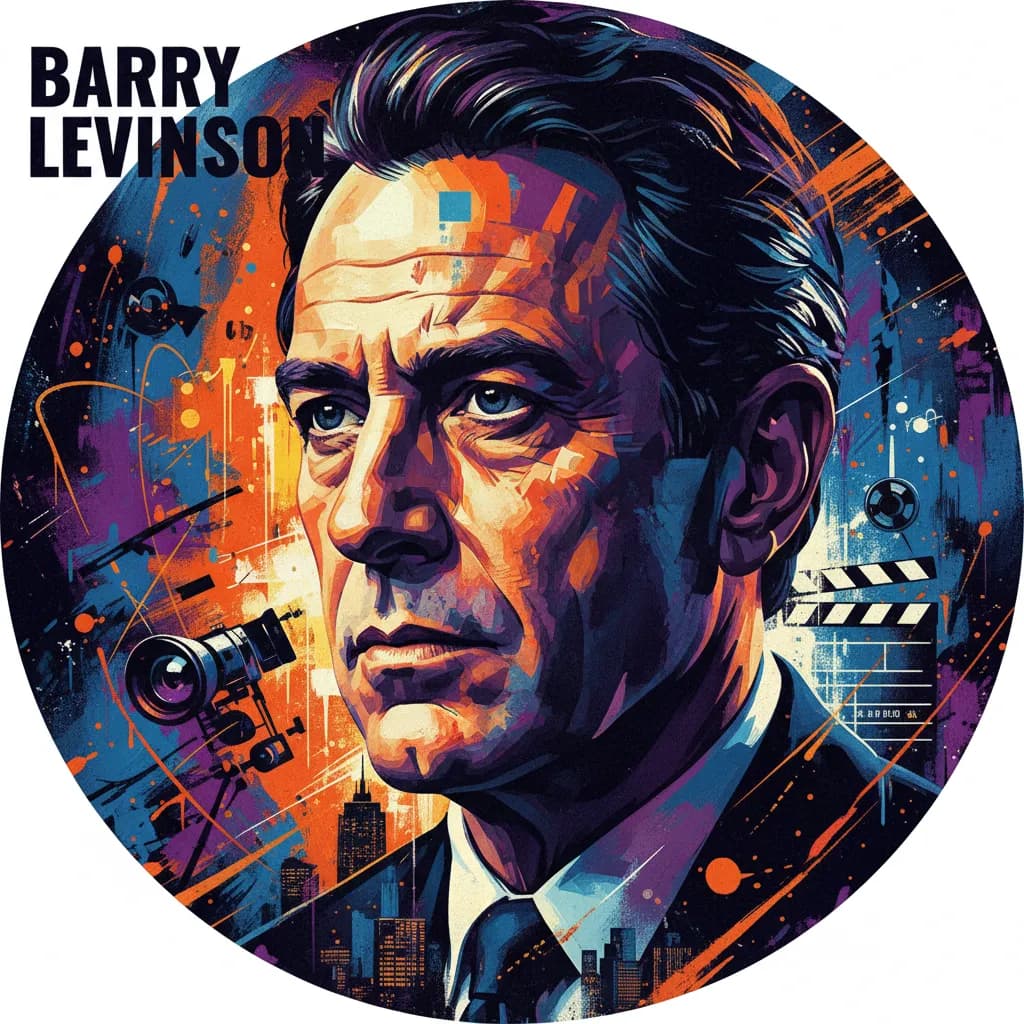
Barry Levinson
Every film, ranked

John Carpenter
Every film, ranked

Joel Schumacher
Every film, ranked

Billy Wilder
Every film, ranked

Rob Reiner
Every film, ranked

Neil Jordan
Every film, ranked

Spike Lee
Every film, ranked

Ivan Reitman
Every film, ranked

John Woo
Every film, ranked

Lasse Hallström
Every film, ranked

Stephen Frears
Every film, ranked

Luc Besson
Every film, ranked

Chris Columbus
Every film, ranked

Mike Nichols
Every film, ranked

Howard Hawks
Every film, ranked

Ang Lee
Every film, ranked

Walter Hill
Every film, ranked

Gus Van Sant
Every film, ranked

William Wyler
Every film, ranked

Renny Harlin
Every film, ranked

Sidney Lumet
Every film, ranked

Tony Scott
Every film, ranked