Director Names Starting with J
Showing 1-12 out of 539

J.A. Bayona
J.A. Bayona, born Juan Antonio García Bayona, is a Spanish film director known for his unique ability to blend emotionally resonant storytelling with visually stunning cinematic flair. With a career spanning over a decade, Bayona has established himself as a masterful storyteller with a keen eye for crafting immersive and deeply affecting narratives. Bayona's directorial debut, "The Orphanage" (2007), garnered widespread critical acclaim and firmly established him as a director to watch in the horror genre. The film, a gripping blend of drama, horror, and mystery, showcased Bayona's adeptness at creating a palpable sense of dread and suspense while delving into complex emotional themes. In 2012, Bayona's directorial prowess was further solidified with the release of "The Impossible," a harrowing and visually stunning portrayal of the 2004 Indian Ocean tsunami. The film, which seamlessly intertwined elements of adventure, drama, and historical retelling, showcased Bayona's ability to tackle real-life events with sensitivity and raw emotional power. Bayona's international breakthrough came with "Jurassic World: Fallen Kingdom" (2018), where he brought his distinctive directorial style to the blockbuster franchise. With a seamless blend of action, adventure, and sci-fi elements, Bayona's vision injected new life into the iconic series, earning praise for his ability to balance spectacle with character-driven storytelling. "A Monster Calls" (2016) further exemplifies Bayona's directorial range, as he expertly navigated the realms of fantasy, drama, and family-oriented storytelling. The film's poignant exploration of grief and imagination showcased Bayona's ability to infuse fantastical elements with profound emotional depth. Bayona's directorial style is characterized by his meticulous attention to detail, evocative visual storytelling, and a penchant for delving into the depths of human emotion. His films often explore themes of resilience, familial bonds, and the human spirit in the face of adversity, resonating with audiences on a universal level. In summary, J.A. Bayona has left an indelible mark on cinema with his distinct directorial vision, consistently delivering films that captivate audiences with their emotional depth and visual splendor. His ability to seamlessly traverse genres while maintaining a profound emotional core sets him apart as a director of immense talent and impact in the world of filmmaking.

Jack Arnold
Jack Arnold was an influential film director known for his groundbreaking work in the horror and science fiction genres during the 1950s. His unique directorial style and innovative approach to storytelling left an indelible mark on cinema, earning him a place in the annals of film history. Arnold's filmography boasts a string of iconic works, including "This Island Earth" (1955), "Tarantula" (1955), "The Incredible Shrinking Man" (1957), "Creature from the Black Lagoon" (1954), and "It Came from Outer Space" (1953). These films not only captivated audiences with their gripping narratives and imaginative visuals but also showcased Arnold's distinct directorial prowess. Arnold's directorial style was characterized by a masterful fusion of suspense, science fiction, and horror, often punctuated by cutting-edge special effects for the time. His films delved into themes of otherworldly encounters, monstrous creatures, and the awe-inspiring mysteries of the universe, captivating audiences with their imaginative storytelling and thought-provoking narratives. Arnold's ability to blend spine-tingling suspense with thought-provoking themes set him apart as a visionary director whose impact on the science fiction and horror genres remains palpable to this day. Notably, Arnold's films often explored the human condition in the face of extraordinary circumstances, delving into themes of fear, survival, and the unyielding spirit of humanity. His work exhibited a keen understanding of the human psyche, using the backdrop of fantastical scenarios to unravel profound insights into the human experience. Arnold's films were not merely tales of terror and wonder but served as allegories for the human condition, imbuing his work with a timeless relevance that transcended the confines of the genre. Jack Arnold's contributions to cinema are immeasurable, as his visionary approach to storytelling and pioneering use of special effects set new standards for the science fiction and horror genres. His films continue to inspire and influence contemporary filmmakers, and his legacy endures as a testament to the enduring power of visionary storytelling. Arnold's indelible impact on cinema cements his status as a trailblazing director whose visionary work continues to captivate and enthrall audiences across generations.

Jack Clayton
Jack Clayton was a highly influential British film director known for his distinct directorial style and masterful storytelling. He began his career in the film industry as a film editor before transitioning to directing, where he made a significant impact with his unique vision and ability to bring haunting and atmospheric narratives to life on screen. Clayton's directorial style is characterized by his meticulous attention to detail, atmospheric cinematography, and his ability to create a sense of unease and suspense. His films often delved into psychological horror, exploring the complexities of the human psyche and the blurred lines between reality and the supernatural. Clayton's films are renowned for their haunting and evocative visuals, which have left an indelible mark on the horror and fantasy genres. One of Clayton's most celebrated works is "The Innocents" (1961), a psychological horror film that remains a classic in the genre. Adapted from Henry James' novella "The Turn of the Screw," the film is a chilling exploration of paranoia and the supernatural, featuring striking black-and-white cinematography and a haunting score. "The Innocents" showcased Clayton's mastery in creating an atmosphere of dread and psychological tension, firmly establishing him as a visionary director in the horror genre. In 1983, Clayton directed "Something Wicked This Way Comes," an adaptation of Ray Bradbury's novel that seamlessly blended elements of fantasy, mystery, and thriller. The film further demonstrated Clayton's ability to craft compelling narratives that transcended traditional genre boundaries, captivating audiences with its dark and atmospheric storytelling. "Something Wicked This Way Comes" stands as a testament to Clayton's enduring influence on cinema and his adeptness at bringing imaginative and thought-provoking tales to the screen. Throughout his career, Clayton's films consistently explored recurring themes of fear, paranoia, and the supernatural, leaving a lasting impression on audiences and filmmakers alike. His distinct directorial style and profound impact on the horror and fantasy genres have solidified his legacy as a visionary filmmaker whose contributions continue to resonate in the world of cinema. In conclusion, Jack Clayton's directorial legacy is defined by his ability to craft atmospheric and psychologically compelling narratives that have left an indelible mark on the horror and fantasy genres. His meticulous attention to detail, evocative visuals, and exploration of the human psyche have cemented his status as a visionary director. From the psychological horror of "The Innocents" to the dark fantasy of "Something Wicked This Way Comes," Clayton's films continue

Jack Heller
Jack Heller is a visionary film director known for his unique blend of drama, horror, and thriller genres. His notable films include "Dark Was the Night" (2014) and "Enter Nowhere" (2011), which showcase his distinct directorial style and storytelling prowess. Throughout his career, Heller has demonstrated a keen ability to captivate audiences with his atmospheric and suspenseful narratives, solidifying his status as a master of tension and intrigue on the silver screen. Heller's directorial approach is characterized by his adeptness at crafting immersive and chilling experiences for viewers. His keen understanding of pacing, cinematography, and sound design enables him to create an atmosphere of unease and apprehension that resonates long after the credits roll. With "Dark Was the Night," he delves into the primal fears of a small town threatened by a malevolent force, while "Enter Nowhere" explores the enigmatic convergence of strangers in a remote forest, showcasing Heller's versatility in weaving compelling, multi-layered tales. A recurring theme in Heller's work is the exploration of the human psyche under duress, as well as the confrontation of the unknown and the supernatural. His films often delve into the complexities of human nature when faced with extraordinary circumstances, adding a thought-provoking dimension to his storytelling. Through his meticulous attention to detail and nuanced character development, Heller draws audiences into the intricate web of emotions and fears that permeate his narratives, leaving a lasting impression on viewers. Jack Heller's impact on cinema lies in his ability to infuse the horror and thriller genres with depth and substance, transcending mere jump scares and superficial thrills. His directorial contributions have enriched the cinematic landscape by pushing boundaries and challenging conventions, earning him a dedicated following of cinephiles who appreciate his artistry. As he continues to carve out his place in the film industry, Heller's distinct vision and storytelling prowess are sure to leave an indelible mark on audiences and fellow filmmakers alike, cementing his legacy as a director with an unparalleled knack for crafting compelling, spine-tingling experiences.

Jack Hill
Jack Hill is a pioneering director whose career spans several decades and has left an indelible mark on the world of cinema. With a focus on exploitation and genre films, Hill's work is characterized by a raw, unapologetic approach that often explores themes of empowerment, justice, and resilience. His filmography includes iconic titles such as "Coffy" (1973) and "Foxy Brown" (1974), both of which are quintessential examples of the blaxploitation genre. Hill's directorial style is marked by a keen eye for gritty, visceral storytelling and a knack for capturing the pulse of urban life. His films often feature strong, complex female protagonists who navigate treacherous worlds and confront systemic injustices. Hill's ability to infuse action-packed sequences with social commentary and compelling character arcs has solidified his reputation as a visionary director. "Coffy" and "Foxy Brown" stand as prime examples of Hill's impact on cinema. These films not only redefined the blaxploitation genre but also paved the way for a new wave of action cinema that centered on powerful, multifaceted Black women. Hill's unflinching portrayal of the challenges faced by his protagonists, coupled with their unwavering determination to seek retribution and change, has resonated with audiences for decades. Hill's influence extends beyond his directorial prowess; his films have inspired countless directors and continue to be celebrated for their innovation and cultural significance. By fearlessly tackling taboo subjects and elevating marginalized voices, Jack Hill has cemented his legacy as a maverick filmmaker whose work continues to captivate and inspire audiences worldwide.

Jackie Chan
Jackie Chan is not only a legendary martial artist and actor, but also a skilled director whose career has left an indelible mark on the action-comedy genre. With a filmography that spans over four decades, Chan's directorial style is characterized by his signature blend of high-octane action, slapstick comedy, and heart-pounding stunts. His notable films, such as "Armour of God," "Police Story," and "Project A," showcase his ability to seamlessly infuse adrenaline-pumping action sequences with humor and heart, establishing him as a pioneering force in the world of action cinema. Throughout his career, Chan has often explored recurring themes such as loyalty, honor, and the triumph of the underdog, reflecting his own personal philosophy and experiences. His films not only entertain audiences with jaw-dropping martial arts choreography and death-defying stunts, but also convey poignant messages about perseverance, camaraderie, and the triumph of good over evil. Chan's unique directorial vision has redefined the action-comedy genre, inspiring countless filmmakers and leaving an indelible impact on cinema. One of Chan's most iconic directorial achievements is "Police Story," a film that not only solidified his status as a multifaceted filmmaker but also revolutionized the action genre with its innovative use of stunts and choreography. The success of "Police Story" led to a sequel, "Police Story 2," further cementing Chan's reputation as a groundbreaking director capable of delivering exhilarating action spectacles with a touch of humor and humanity. In "Chinese Zodiac," Chan once again demonstrated his prowess behind the camera, delivering a thrilling adventure that combined breathtaking action set pieces with lighthearted comedy and a touch of introspection. The film exemplifies Chan's ability to craft larger-than-life cinematic experiences while infusing them with his trademark charm and wit. Jackie Chan's directorial contributions have undeniably shaped the landscape of action cinema, inspiring a new generation of filmmakers to push the boundaries of what is possible on screen. His unique blend of action, comedy, and heart has solidified his legacy as a visionary director whose impact on cinema continues to resonate with audiences worldwide. In conclusion, Jackie Chan's directorial career is a testament to his unparalleled creativity, innovation, and dedication to entertaining audiences with exhilarating action and infectious humor. His films continue to captivate and inspire, proving that his influence on the world of cinema is as enduring as it
Jack Kinney
Jack Kinney was an influential American film director, best known for his groundbreaking work in animation during the mid-20th century. With a career spanning several decades, Kinney's directorial style was characterized by his innovative use of animation techniques and his ability to infuse humor and heart into his storytelling. His notable films include "The Three Caballeros" (1944) and "The Adventures of Ichabod and Mr. Toad" (1949), both of which showcased his talent for blending animation, comedy, and family-friendly themes. Kinney's directorial approach was marked by his keen understanding of visual storytelling, demonstrating a remarkable ability to bring animated characters to life in a way that resonated with audiences of all ages. His work often featured vibrant, colorful animation and whimsical storytelling, capturing the imaginations of viewers and leaving a lasting impact on the world of cinema. His films showcased a recurring theme of adventure and camaraderie, as seen in "The Three Caballeros," which followed the escapades of Donald Duck, José Carioca, and Panchito Pistoles as they journeyed through Latin America. Kinney's contributions to the animation genre were significant, as he played a pivotal role in shaping the artistic and narrative direction of animated films during his era. His ability to blend humor with heartfelt storytelling set a new standard for animated features, influencing subsequent generations of filmmakers and animators. Kinney's unique vision and dedication to his craft solidified his place as a trailblazer in the world of animation, leaving behind a legacy that continues to inspire and captivate audiences to this day. In conclusion, Jack Kinney's directorial career left an indelible mark on the world of animation, as his innovative approach to storytelling and animation techniques set him apart as a visionary filmmaker. His films, such as "The Three Caballeros" and "The Adventures of Ichabod and Mr. Toad," continue to be celebrated for their timeless charm and enduring appeal. Kinney's ability to bring beloved characters to life and create enchanting, immersive worlds solidified his status as a pioneer in the realm of animated cinema, making him a revered figure in film history and a source of inspiration for future generations of filmmakers and animators.

Jack Nicholson
Jack Nicholson is an iconic figure in the film industry, known not only for his legendary acting career but also for his work as a director. With a distinctive directorial style, Nicholson has left an indelible mark on cinema. His directorial debut came in 1971 with "Drive, He Said," a film that showcased his penchant for exploring complex characters and delving into the human psyche. This was followed by his critically acclaimed film "The Last Detail" in 1973, a poignant blend of comedy and drama that displayed his ability to capture raw emotion and deliver powerful performances from his cast. In 1990, Nicholson returned to the director's chair for "The Two Jakes," a crime drama that further solidified his reputation as a versatile and skilled director. His films often delve into the darker aspects of human nature, exploring themes of morality, redemption, and the complexities of relationships. Nicholson's directorial style is characterized by his keen eye for detail, nuanced storytelling, and the ability to draw out authentic and compelling performances from his actors. Nicholson's impact on cinema is profound, as he has consistently pushed the boundaries of storytelling and brought a unique perspective to the screen. His films resonate with audiences for their raw honesty and unflinching portrayal of the human experience. With a career spanning decades, Nicholson's body of work as a director stands as a testament to his enduring influence on the art of filmmaking. In conclusion, Jack Nicholson's directorial career is marked by a commitment to storytelling that challenges and captivates audiences. His films continue to be celebrated for their emotional depth, rich character development, and thought-provoking narratives. Whether exploring the complexities of human relationships or delving into the darker corners of the human psyche, Nicholson's directorial vision remains a compelling force in the world of cinema.
Jack Sholder
Jack Sholder is an American film director known for his impactful contributions to the horror and sci-fi genres. With a career spanning several decades, Sholder has left an indelible mark on cinema through his unique directorial style and compelling storytelling. He first gained widespread recognition for his work on "A Nightmare on Elm Street 2: Freddy's Revenge" (1985), the second installment in the iconic horror franchise. Sholder's keen eye for suspense and visual storytelling set the stage for his subsequent directorial endeavors, solidifying his reputation as a master of tension and terror on the silver screen. One of Sholder's most notable films, "The Hidden" (1987), further showcased his directorial prowess, seamlessly blending horror, sci-fi, and thriller elements to create a gripping cinematic experience. The film's success underscored Sholder's ability to craft compelling narratives that resonate with audiences across various genres. His adept handling of suspense and otherworldly themes in "The Hidden" cemented his status as a visionary director with a penchant for pushing creative boundaries. Throughout his career, Sholder has demonstrated a penchant for exploring the darker facets of human nature, often delving into themes of fear, identity, and the unknown. His directorial style is characterized by a meticulous attention to detail, immersive storytelling, and a knack for eliciting visceral reactions from viewers. Sholder's filmography reflects his commitment to delivering thought-provoking narratives that transcend traditional genre conventions, earning him a dedicated following among fans of horror and science fiction. In "Supernova" (2000), Sholder showcased his versatility as a director, steering away from the horror and sci-fi genres to delve into the realm of drama and romance. This departure further underscored his ability to navigate diverse storytelling landscapes while maintaining his signature directorial flair. Sholder's impact on cinema is undeniable, with his films leaving an enduring imprint on the collective consciousness of moviegoers and inspiring future generations of filmmakers to embrace innovation and creativity in their craft. In conclusion, Jack Sholder's directorial career is a testament to his unwavering commitment to pushing artistic boundaries and crafting compelling narratives that resonate with audiences. His ability to seamlessly traverse genres and infuse his films with palpable tension and thought-provoking themes has solidified his legacy as a visionary director. As cinema continues to evolve, Sholder's contributions serve as a timeless source of inspiration for filmmakers and cinephiles alike, cementing his rightful place in the
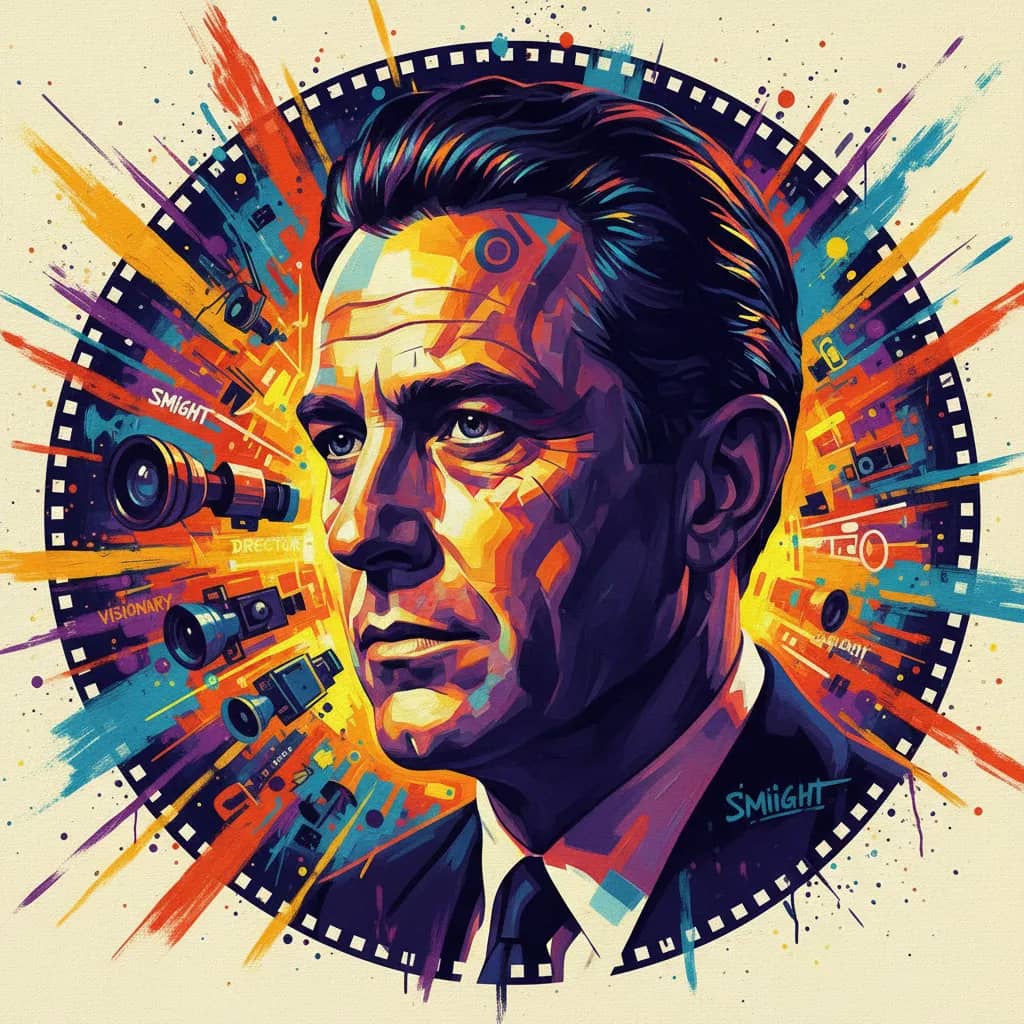
Jack Smight
Jack Smight was an American film and television director known for his versatility and ability to work across various genres. With a career spanning over four decades, Smight left an indelible mark on the industry with his distinctive directorial style and unwavering commitment to storytelling. His notable films include "Harper" (1966), a gripping crime-drama-mystery starring Paul Newman, and "Airport 1975" (1974), a high-octane action-thriller set aboard a stricken airliner. Smight's directorial style was characterized by a keen attention to detail and a knack for creating intense, suspenseful atmospheres. He had a knack for crafting taut, edge-of-your-seat sequences that kept audiences on the edge of their seats. His films often featured meticulous pacing and a strong focus on character development, drawing viewers into the complex worlds he brought to life on screen. Throughout his career, Smight demonstrated a remarkable ability to seamlessly transition between genres, showcasing his versatility as a director. From gritty crime dramas to heart-stopping thrillers, he proved his adeptness at capturing the essence of each story he told. His films often delved into the human psyche, exploring themes of morality, justice, and the resilience of the human spirit. Jack Smight's impact on cinema lies in his ability to engage audiences and immerse them in the worlds he created. His work continues to captivate viewers and inspire filmmakers, underscoring his enduring influence on the industry. With an impressive body of work that resonates with audiences to this day, Smight's legacy as a visionary director remains an integral part of cinematic history. In conclusion, Jack Smight's directorial career is a testament to his artistry and dedication to the craft of filmmaking. His ability to traverse diverse genres while maintaining a distinct directorial fingerprint sets him apart as a true visionary. With a legacy marked by gripping storytelling and memorable characters, Smight's contributions to cinema continue to leave an indelible impact on audiences and aspiring filmmakers alike.

Jacob Chase
Jacob Chase is a visionary director who has made a significant impact on the horror genre with his unique storytelling and directorial style. His notable film, "Come Play" (2020), is a captivating blend of drama, horror, and mystery that showcases Chase's ability to create deeply immersive and chilling cinematic experiences. Chase's directorial style is marked by his skillful use of tension-building techniques, atmospheric visuals, and a keen understanding of psychological horror. With "Come Play," he demonstrates a mastery of crafting suspenseful narratives that keep audiences on the edge of their seats while delving into the complexities of human emotions and relationships. His ability to blend the supernatural with deeply human themes sets him apart as a director with a distinct voice in the horror genre. One of Chase's recurring themes is the exploration of primal fears and the impact of technology on modern society. Through his films, he delves into the fears and anxieties that stem from our increasing reliance on technology, creating thought-provoking and resonant storytelling that resonates with contemporary audiences. His work stands out for its ability to tap into universal fears and anxieties while offering a fresh perspective on familiar themes. Jacob Chase's impact on cinema lies in his ability to push the boundaries of horror storytelling, offering audiences compelling narratives that transcend the genre's conventions. With "Come Play," he has solidified his position as a director to watch, showcasing his talent for crafting haunting and emotionally resonant films that leave a lasting impression. As he continues to make his mark on the industry, Jacob Chase is sure to be a driving force in shaping the future of horror cinema.

Jacob Estes
Jacob Estes is an American filmmaker best known for his unique approach to storytelling and his ability to blend genres seamlessly. His directorial debut, "Mean Creek" (2004), garnered critical acclaim for its raw and honest portrayal of teenage angst and moral dilemmas. The film, a coming-of-age drama with elements of crime, showcased Estes' talent for capturing the complexities of human emotions and relationships. "Mean Creek" not only marked Estes as a promising new voice in cinema but also established his affinity for exploring the darker aspects of human nature within the framework of gripping narratives. Estes further solidified his status as a versatile director with "Don't Let Go" (2019), a captivating blend of drama, horror, and mystery. The film demonstrated Estes' ability to craft compelling, character-driven stories while delving into the realms of the supernatural and psychological thriller. His adeptness at infusing tension and suspense into his narratives, coupled with his keen insight into human psychology, sets him apart as a director with a penchant for creating thought-provoking and emotionally resonant cinema. Throughout his career, Estes has exhibited a penchant for delving into the complexities of human behavior and relationships, often exploring themes of morality, guilt, and the consequences of one's actions. His directorial style is characterized by an immersive and evocative storytelling approach, with a focus on nuanced character development and a keen attention to detail. Estes' films often leave a lasting impact on audiences, prompting introspection and sparking conversations about the intricacies of the human experience. Jacob Estes' contributions to cinema extend beyond his directorial prowess, as he has consistently pushed the boundaries of conventional storytelling, infusing his films with a distinct blend of emotional depth and narrative intrigue. His ability to navigate multiple genres while maintaining a cohesive and compelling narrative has cemented his reputation as a visionary director with a unique perspective. As he continues to captivate audiences with his evocative storytelling and thought-provoking themes, Jacob Estes remains a director to watch, poised to leave an indelible mark on the cinematic landscape.