Director Names Starting with B
Showing 1-12 out of 201
Babak Anvari
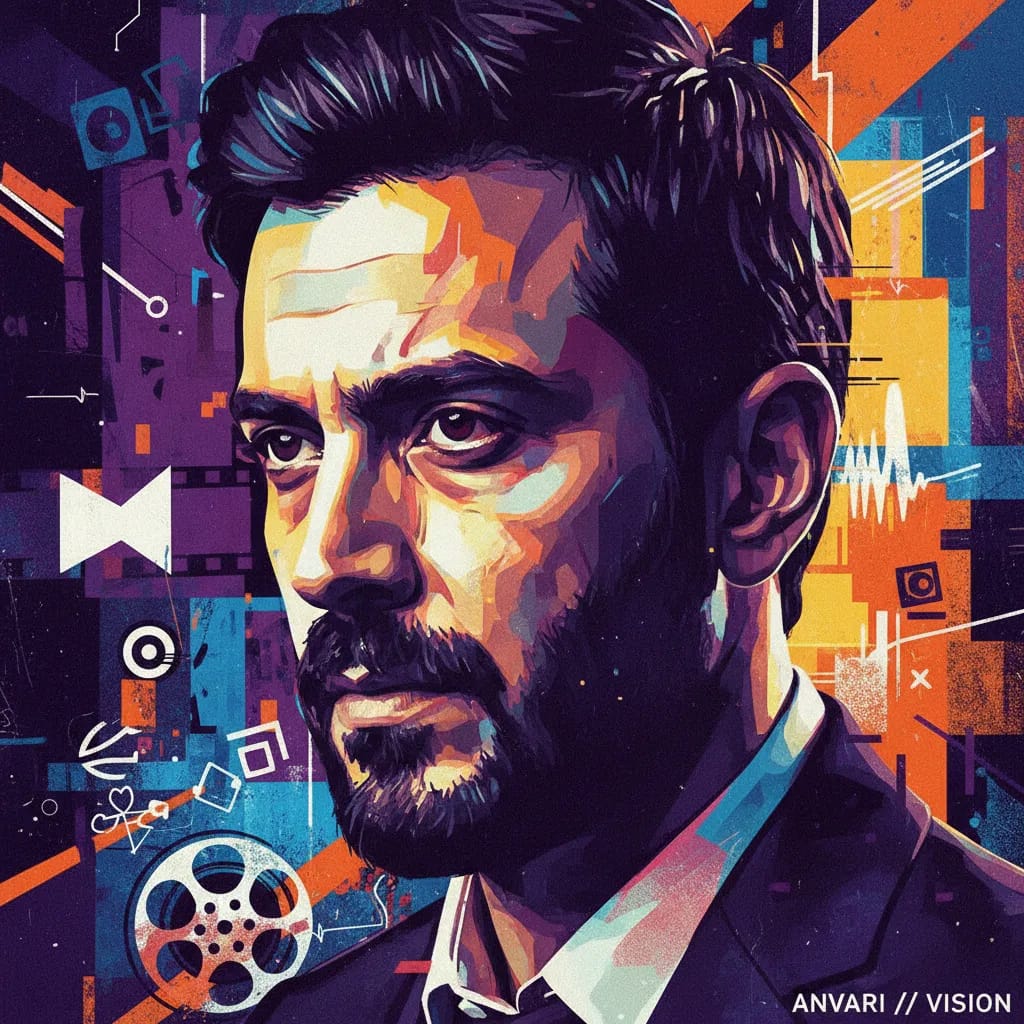
Babak Anvari is a visionary director known for his unique blend of drama, fantasy, and horror elements that have captivated audiences around the world. With a distinct directorial style that expertly weaves together elements of suspense, psychological depth, and cultural commentary, Anvari has made a significant impact on the film industry with his thought-provoking and visually stunning works. Anvari garnered widespread acclaim for his directorial debut with "Under the Shadow" (2016), a gripping horror film set in war-torn Tehran during the 1980s. The movie masterfully combines supernatural terror with the real-world horrors of war and oppression, earning Anvari accolades for his ability to seamlessly interweave societal anxieties with chilling supernatural elements. "Under the Shadow" received critical praise and solidified Anvari's reputation as a director with a keen eye for blending social commentary with genre filmmaking. Anvari continued to showcase his directorial prowess with the 2022 thriller "I Came By," further establishing himself as a formidable force in the industry. The film further highlights Anvari's ability to craft compelling narratives that delve into complex human emotions while maintaining a palpable sense of tension and suspense. Throughout his career, Anvari has displayed a penchant for exploring themes of fear, trauma, and societal upheaval, often drawing from his own experiences and cultural background to infuse his work with authenticity and depth. His films often serve as allegories for larger social and political issues, offering audiences a fresh perspective on the human condition while delivering spine-tingling thrills and thought-provoking storytelling. Babak Anvari's directorial contributions have undoubtedly left an indelible mark on cinema, with his ability to blend genres, offer profound social commentary, and evoke genuine emotional responses from audiences. As his career continues to evolve, Anvari remains a director to watch, consistently pushing the boundaries of storytelling and visual style while leaving an enduring impact on the art of filmmaking.
Babak Najafi
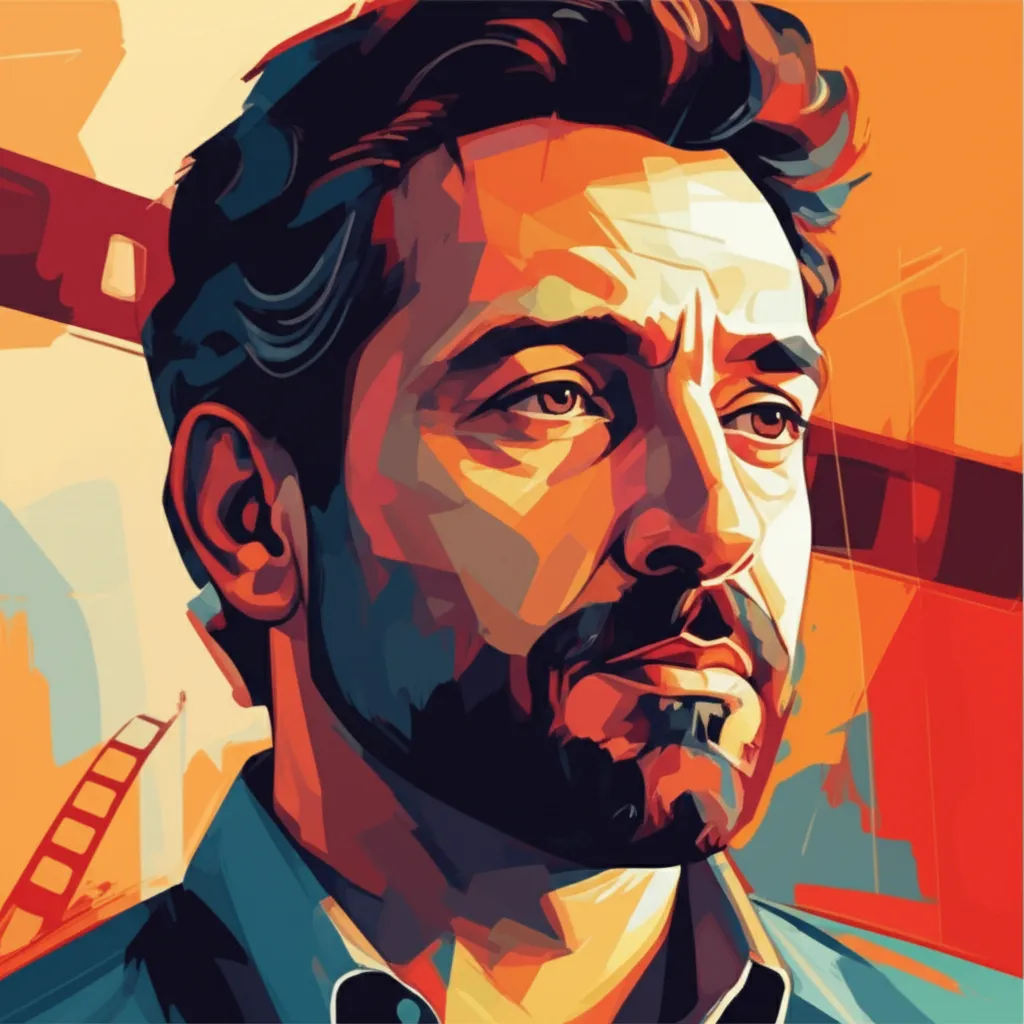
Babak Najafi is an Iranian-Swedish film director known for his work in action-packed thrillers that captivate audiences with their intense storytelling and visually stunning sequences. His unique directorial style combines high-octane action with compelling drama, creating a cinematic experience that leaves a lasting impression on viewers. Najafi's notable films include "Proud Mary" (2018) and "London Has Fallen" (2016), both of which showcase his ability to infuse adrenaline-pumping action with complex character dynamics and gripping narratives. In "Proud Mary," Najafi displays his adeptness at crafting powerful action sequences within the framework of a compelling crime drama. His keen eye for detail and ability to build tension through well-choreographed scenes have solidified his reputation as a director with a distinct vision for the action genre. "London Has Fallen" further exemplifies Najafi's skill in creating pulse-pounding, edge-of-your-seat thrills, as he masterfully orchestrates intense set pieces and high-stakes suspense throughout the film. Najafi's directorial approach often delves into themes of resilience, redemption, and the human spirit amidst adversity, resonating with audiences on a visceral level. His films frequently explore the complexities of power dynamics, loyalty, and the repercussions of personal choices, adding depth and emotional resonance to the heart-pounding action that defines his work. Through his cinematic storytelling, Najafi has made a significant impact on the action genre, pushing boundaries and redefining the expectations of what audiences can experience in the realm of action-packed storytelling. With a keen ability to blend compelling narratives with adrenaline-fueled action, Babak Najafi continues to leave an indelible mark on the world of cinema. His directorial prowess and commitment to delivering gripping, high-energy films have cemented his status as a visionary filmmaker, inspiring audiences and fellow creators alike. As he continues to push the boundaries of action cinema, Najafi's contributions stand as a testament to his unwavering dedication to captivating storytelling and immersive cinematic experiences.
Bahman Ghobadi
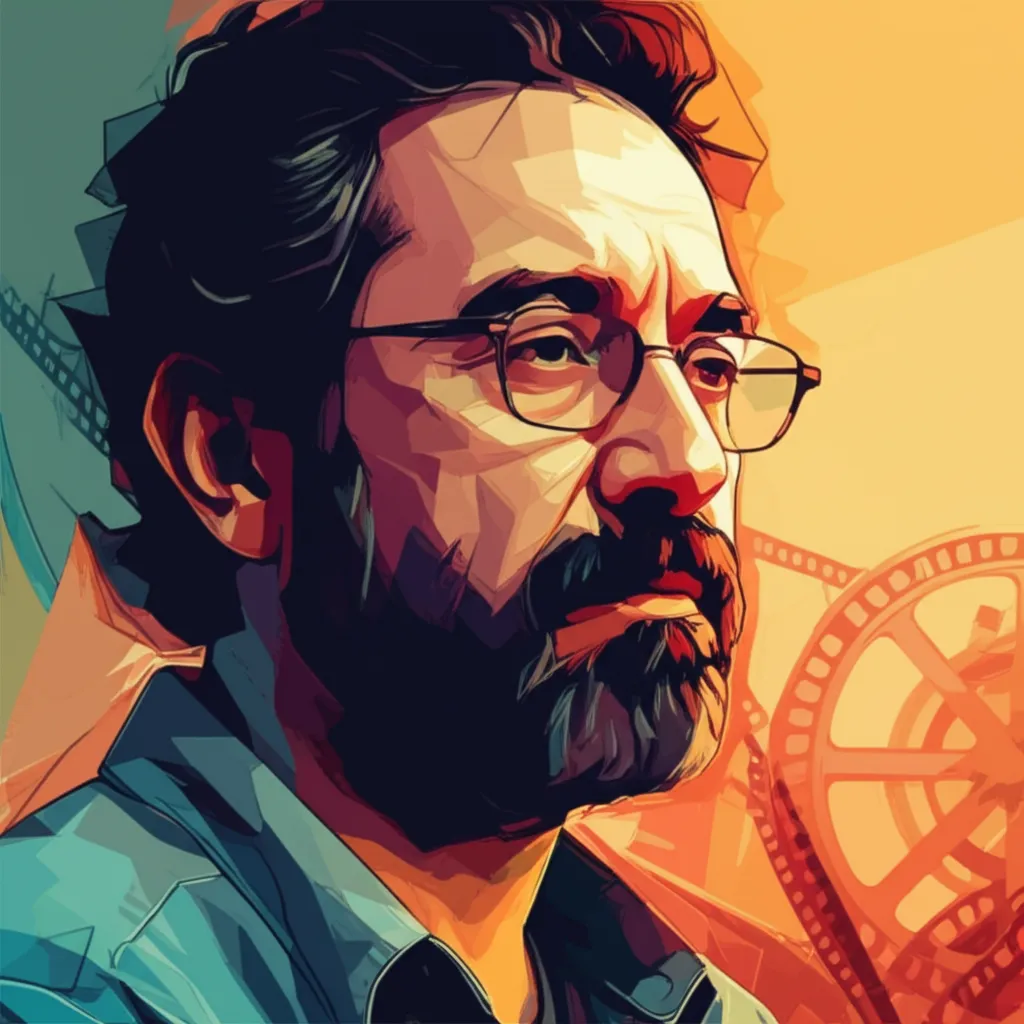
Bahman Ghobadi is an influential Iranian-Kurdish filmmaker known for his poignant and visually striking films that shed light on the struggles and resilience of the Kurdish people. His directorial style is marked by a raw, documentary-like approach that captures the harsh realities of life in war-torn regions, often using non-professional actors to bring authenticity to his narratives. Ghobadi's films are characterized by their deeply humanistic themes, exploring the resilience of individuals in the face of adversity and the impact of conflict on the most vulnerable members of society. One of Ghobadi's most notable works is "Turtles Can Fly" (2004), a powerful drama set in a Kurdish refugee camp on the Iraq-Turkey border just before the US invasion of Iraq. The film portrays the struggles of children in the midst of war and their determination to survive and find hope in the most desperate circumstances. "Turtles Can Fly" earned critical acclaim for its unflinching portrayal of the human cost of war and received numerous awards at prestigious film festivals, solidifying Ghobadi's reputation as a visionary director with a unique perspective on the human condition. Ghobadi's films often explore themes of displacement, survival, and the indomitable spirit of the human soul in the face of adversity. His works offer a rare glimpse into the lives of marginalized communities, shedding light on the often overlooked stories of those affected by conflict and political turmoil. Through his distinct visual style and emotionally resonant storytelling, Ghobadi has made a significant impact on world cinema, drawing attention to the plight of the Kurdish people and amplifying their voices on the global stage. As a director, Bahman Ghobadi has carved out a distinctive niche in the cinematic landscape, using his films to raise awareness about the human cost of conflict and to advocate for the marginalized and oppressed. His uncompromising vision and commitment to telling stories that are both universal and deeply personal have cemented his status as a pioneering filmmaker whose work continues to resonate with audiences and critics alike. Ghobadi's films serve as a testament to the power of cinema to provoke empathy, inspire social change, and illuminate the resilience of the human spirit in the face of overwhelming adversity.
Baillie Walsh
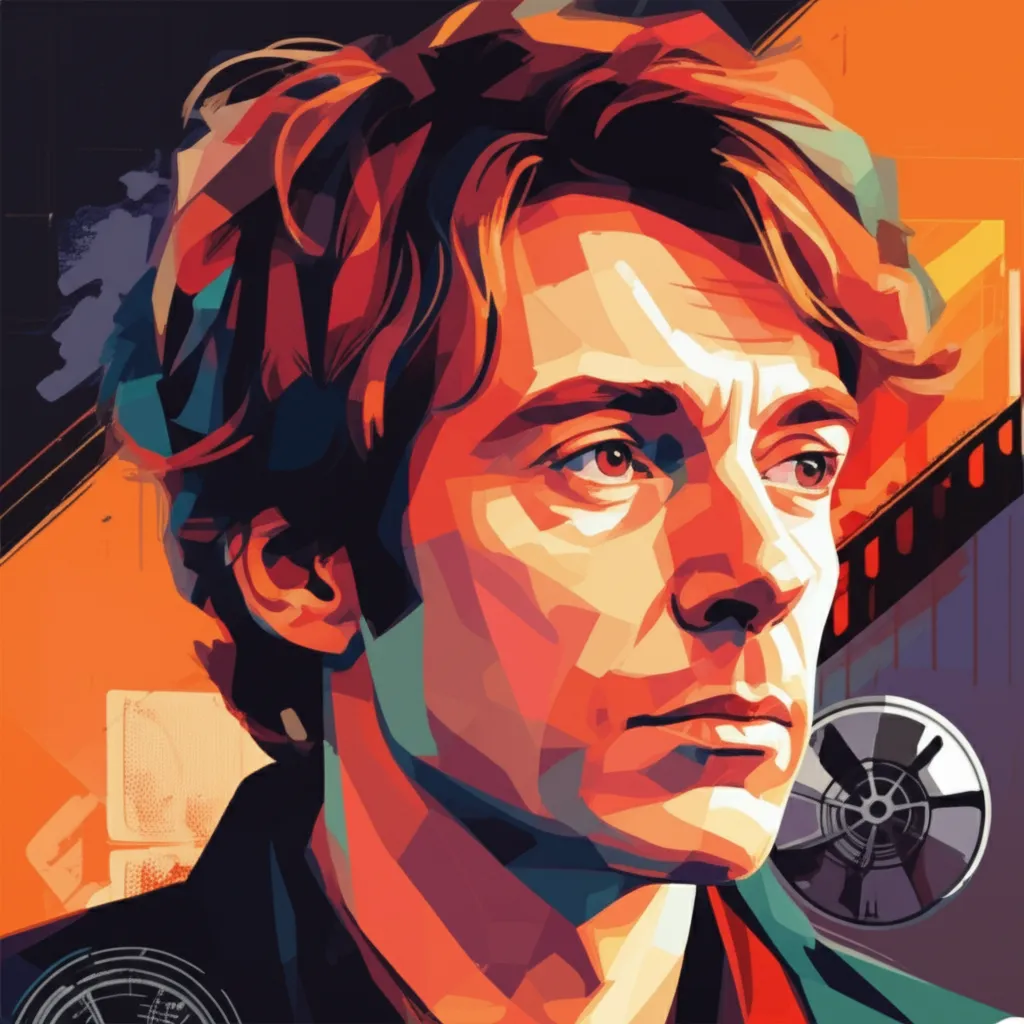
Baillie Walsh is a British film director known for his distinct visual style and unique storytelling approach. His notable filmography includes "Flashbacks of a Fool" (2008), a poignant drama that explores the complexities of fame, regret, and redemption. Walsh's directorial style is characterized by his keen eye for detail, emotionally resonant storytelling, and visually stunning cinematography. "Flashbacks of a Fool" stands as a testament to Walsh's ability to capture the raw emotions of his characters and immerse audiences in their journeys. The film's evocative visuals and compelling narrative demonstrate his knack for creating deeply affecting cinematic experiences. Walsh's directorial approach often delves into the human psyche, exploring the depths of emotion and the complexities of interpersonal relationships. Throughout his career, Walsh has demonstrated a penchant for exploring themes of nostalgia, self-discovery, and the passage of time. His films often grapple with the intricacies of human experience, offering introspective and thought-provoking narratives that resonate with audiences on a profound level. In "Flashbacks of a Fool," Walsh delves into the protagonist's introspective journey, seamlessly blending past and present to craft a compelling exploration of personal growth and self-realization. Baillie Walsh's impact on cinema lies in his ability to craft visually arresting stories that delve into the human condition with depth and sensitivity. His directorial vision has left an indelible mark on the industry, earning him a reputation as a filmmaker with a keen understanding of the complexities of human emotion. As Walsh continues to evolve as a director, audiences can anticipate more captivating and emotionally resonant narratives that showcase his unique storytelling prowess. In conclusion, Baillie Walsh's directorial career is defined by his distinct visual style, emotionally resonant storytelling, and exploration of profound human themes. His contributions to cinema have solidified his status as a filmmaker with a unique vision and an unwavering commitment to crafting compelling narratives that resonate with audiences. With "Flashbacks of a Fool" as a standout example of his directorial prowess, Walsh's impact on the film industry is sure to endure for years to come.

Baltasar Kormákur
Baltasar Kormákur is an Icelandic film director, producer, and actor known for his gripping storytelling and visually stunning films. With a career spanning over two decades, Kormákur has made a significant impact on the cinematic landscape, particularly in the action, adventure, and biographical genres. His directorial style is marked by a meticulous attention to detail, immersive storytelling, and an ability to capture the human spirit in the face of adversity. One of Kormákur's notable films is "Contraband" (2012), a gripping action-crime thriller that showcases his adeptness at creating tension-filled narratives and dynamic action sequences. The film's success solidified Kormákur's reputation as a director with a flair for adrenaline-pumping storytelling. In "Adrift" (2018), Kormákur's directorial prowess shines through in this riveting biographical adventure film based on the true story of survival at sea. His ability to intertwine heart-wrenching human drama with breathtaking visuals cements his status as a versatile and impactful filmmaker. Kormákur's recurring themes often revolve around the resilience of the human spirit, the triumph of the human will over adversity, and the exploration of the limits of human endurance. These themes are exemplified in his directorial work on "Everest" (2015), a visually stunning adventure-biography that chronicles the harrowing real-life events of a disastrous expedition to Mount Everest. Kormákur's masterful direction captures the awe-inspiring yet treacherous majesty of the world's highest peak while delving into the indomitable human spirit in the face of insurmountable challenges. Throughout his career, Baltasar Kormákur has left an indelible mark on cinema with his unique vision and storytelling prowess. His ability to seamlessly blend heart-pounding action with poignant human drama has garnered him international acclaim and a dedicated fan base. Kormákur's films continue to captivate audiences and showcase his enduring influence on the cinematic landscape, making him a director to watch for compelling, visually stunning storytelling.

Banjong Pisanthanakun
Banjong Pisanthanakun is a renowned Thai film director known for his exceptional work in the horror genre. His unique directorial style and ability to craft gripping narratives have solidified his place as a prominent figure in Asian cinema. Pisanthanakun's notable films include "Shutter" (2004) and "The Medium" (2021), both of which have garnered international acclaim for their spine-chilling storytelling and masterful execution. Pisanthanakun's directorial style is characterized by a keen understanding of suspense and a knack for creating intense, atmospheric experiences for audiences. His films often delve into the realm of supernatural horror, blending elements of mystery and psychological thriller to captivate viewers. With a focus on building tension and delivering unexpected twists, Pisanthanakun's work has left a lasting impression on the horror genre. "Shutter" (2004), Pisanthanakun's breakout film, stands as a testament to his ability to craft deeply unsettling narratives. The film's exploration of guilt, remorse, and the consequences of past actions struck a chord with audiences and critics alike, earning Pisanthanakun widespread recognition for his directorial prowess. Fast forward to 2021, "The Medium" further solidifies Pisanthanakun's reputation as a visionary director, offering a haunting exploration of shamanism and the supernatural in contemporary Thailand. Throughout his career, Pisanthanakun has demonstrated a consistent ability to weave compelling stories that resonate with audiences on a profound level. His recurring themes of the supernatural, psychological trauma, and the unknown have contributed to his impact on the horror genre, inspiring a new generation of filmmakers and captivating viewers worldwide. Pisanthanakun's dedication to pushing the boundaries of storytelling in horror cinema has undoubtedly left an indelible mark on the industry, cementing his status as a visionary director with an enduring legacy.

Baptiste Sornin
Baptiste Sornin is a visionary French film director known for his distinct directorial style and captivating storytelling. His notable film "La Piscine" (2022) has solidified his reputation as a master of crafting compelling narratives within the crime, drama, and romance genres. Sornin's directorial approach is marked by a keen attention to detail, evocative visuals, and an ability to delve into the complexities of human relationships. "La Piscine" (2022) showcases Sornin's ability to create a palpable sense of tension and sensuality on screen, as he weaves together a gripping tale of love, betrayal, and moral ambiguity. His directorial style is characterized by meticulous framing, nuanced character development, and a deliberate pacing that allows the audience to fully immerse themselves in the narrative. Sornin's films often explore the intricacies of human emotions and the consequences of our actions, adding a profound depth to his storytelling. Throughout his career, Sornin has demonstrated a consistent exploration of themes such as desire, morality, and the dark undercurrents of human nature. His films offer a thought-provoking examination of the human psyche, often challenging societal norms and pushing the boundaries of traditional storytelling. Sornin's unique vision and ability to evoke raw, unfiltered emotions from his characters have left an indelible mark on the cinematic landscape. Sornin's impact on cinema is undeniable, as he continues to push the boundaries of storytelling and captivate audiences with his thought-provoking narratives. His distinct directorial style and unwavering commitment to exploring the depths of human experiences have cemented his status as a director to watch in the contemporary film landscape. With "La Piscine" (2022), Sornin has once again showcased his ability to create captivating, emotionally resonant cinema that leaves a lasting impression on audiences and critics alike.
Baran bo Odar
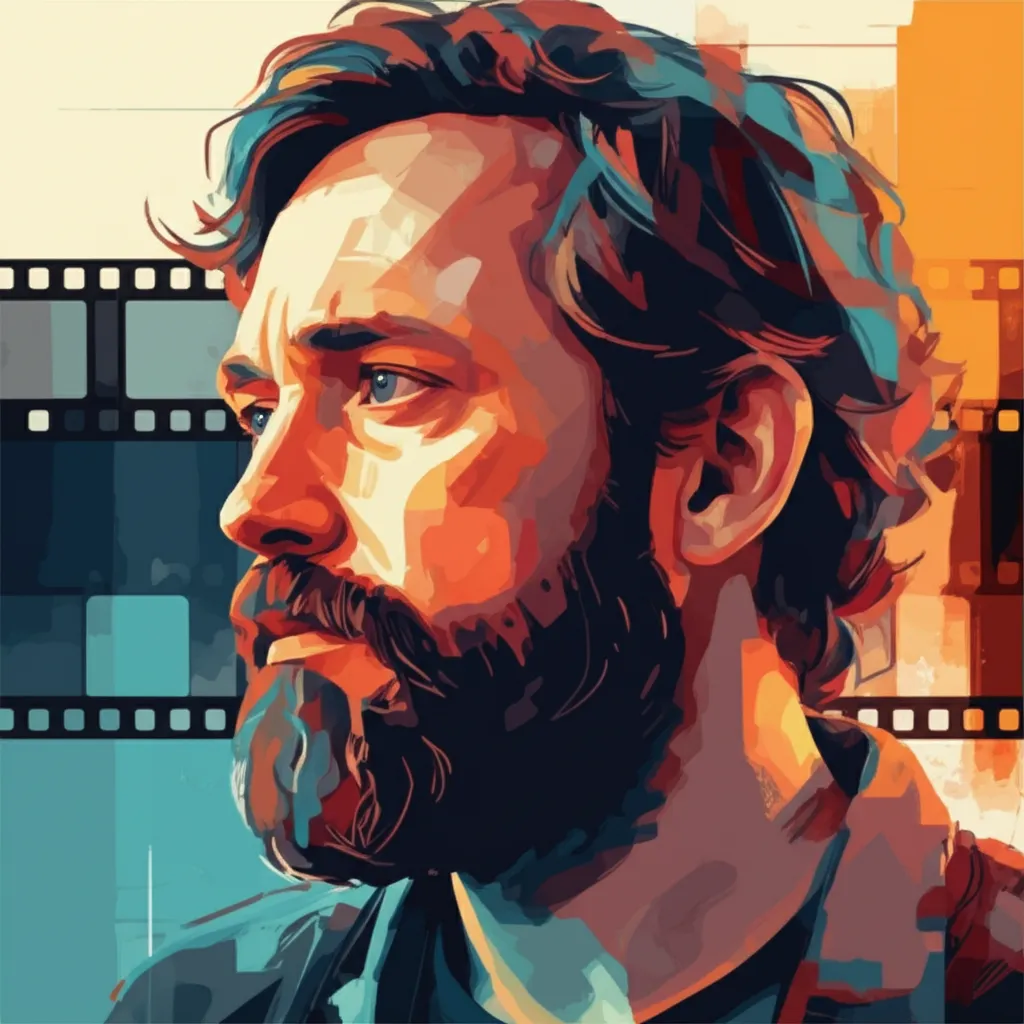
Baran bo Odar is a German-Swiss director known for his gripping and visually stunning films that delve into the darker side of human nature. With a distinct directorial style that combines intense storytelling with striking visuals, Odar has made a significant impact on the world of cinema. His notable films include "Sleepless" (2017) and "Who Am I" (2014), both of which showcase his talent for crafting taut, suspenseful narratives that keep audiences on the edge of their seats. Odar's directorial style is characterized by a meticulous attention to detail and a knack for building tension through innovative cinematography and editing techniques. His films often feature morally ambiguous characters navigating complex and morally challenging scenarios, which adds a layer of depth and psychological complexity to his storytelling. This thematic focus on the human psyche and the consequences of our actions has become a recurring motif in Odar's work, setting him apart as a director who fearlessly explores the intricacies of the human condition. "Sleepless" is a prime example of Odar's ability to craft high-octane, adrenaline-pumping action thrillers that are as visually striking as they are emotionally gripping. The film's pulsating energy and heart-stopping sequences showcase Odar's mastery of the genre, earning him praise for his ability to keep audiences at the edge of their seats. On the other hand, "Who Am I" demonstrates Odar's skill in creating intricate crime dramas that blend mystery and psychological depth, leaving a lasting impact on viewers long after the credits roll. Baran bo Odar's contribution to cinema lies in his ability to push the boundaries of storytelling and visual aesthetics, earning him a reputation as a visionary director with an unparalleled commitment to his craft. His films have resonated with audiences and critics alike, cementing his status as a director to watch in the international film scene. With his unique vision and unwavering dedication to creating impactful cinema, Baran bo Odar continues to leave an indelible mark on the world of filmmaking.

Barbara Kopple
Barbara Kopple is a renowned American filmmaker known for her groundbreaking documentaries and impactful dramas. With a career spanning over five decades, Kopple has left an indelible mark on the world of cinema with her compelling storytelling and fearless exploration of social and political issues. Her directorial style is characterized by a raw and immersive approach, often delving deep into the lives of her subjects to capture their struggles and triumphs with unflinching honesty. One of Kopple's most notable works is the documentary "Harlan County, USA" (1976), which follows the grueling coal miner strikes in Kentucky. The film earned her the first of her two Academy Awards for Best Documentary Feature and established her as a pioneering voice in non-fiction filmmaking. Kopple's ability to capture the human experience in the face of adversity is a recurring theme in her work, as seen in "American Dream" (1990), a gripping portrayal of a workers' strike at a meatpacking plant that earned her a second Oscar. In addition to her documentary work, Kopple has also made a foray into narrative filmmaking with "Havoc" (2005), a crime drama starring Anne Hathaway. This departure from her documentary roots showcases her versatility as a director while maintaining her commitment to telling stories that resonate on a profound level. Kopple's impact on cinema extends beyond her individual films, as she has inspired a new generation of filmmakers to fearlessly tackle important societal issues with empathy and insight. Barbara Kopple's unique vision and dedication to shedding light on the human experience have solidified her as a trailblazing force in the film industry. Her body of work stands as a testament to the power of cinema to provoke meaningful conversations and incite change. Whether through her gripping documentaries or compelling dramas, Kopple continues to shape the landscape of filmmaking with her unwavering commitment to authenticity and social consciousness.

Barbara Topsøe-Rothenborg
Barbara Topsøe-Rothenborg is a Danish film director known for her compelling storytelling and visually stunning films. With a career that spans over two decades, Topsøe-Rothenborg has made a significant impact on the world of cinema. Her most recent work includes the critically acclaimed film "Loving Adults" (2022), a gripping crime drama thriller that showcases her directorial prowess and ability to create intense, emotionally charged narratives. Topsøe-Rothenborg's directorial style is characterized by her meticulous attention to detail and her ability to bring complex characters to life on the screen. Her films often delve into the depths of human emotion, exploring themes of love, betrayal, and redemption. She has a keen eye for capturing the raw, authentic moments that make her films resonate with audiences long after the credits roll. "Loving Adults" stands as a testament to Topsøe-Rothenborg's ability to craft compelling, multi-layered narratives that keep viewers on the edge of their seats. The film's seamless blend of crime, drama, and thriller elements showcases the director's versatility and her willingness to push the boundaries of storytelling. Throughout her career, Topsøe-Rothenborg has consistently delivered impactful and thought-provoking films that have left a lasting impression on the world of cinema. Her unique vision and dedication to her craft have solidified her reputation as a director to watch in the international film industry. As she continues to push the envelope and challenge conventional storytelling norms, audiences can eagerly anticipate future projects that will undoubtedly showcase her unparalleled talent and creativity. With her remarkable body of work, Topsøe-Rothenborg has secured her place as a visionary director whose contributions to film will be celebrated for years to come.

Barbet Schroeder
Barbet Schroeder is a Swiss film director known for his diverse and compelling body of work that spans multiple genres. With a career that has spanned several decades, Schroeder has left an indelible mark on the film industry with his unique vision and directorial style. He has directed a wide range of films, including the psychological thriller "Single White Female" (1992), the gripping crime drama "Desperate Measures" (1998), the romantic comedy-drama "Barfly" (1987), the biographical drama "Reversal of Fortune" (1990), the crime thriller "Murder by Numbers" (2002), and the intense crime drama "Kiss of Death" (1995). Schroeder is known for his ability to seamlessly navigate between different genres, showcasing his versatility as a director. His films often delve into complex human emotions and relationships, capturing the intricacies of the human psyche with depth and nuance. Throughout his career, Schroeder has demonstrated a keen eye for storytelling, often exploring themes of obsession, morality, and the darker facets of human nature. His films are characterized by their intense and gripping narratives, as well as their exploration of psychological depths. "Reversal of Fortune," based on the true story of socialite Claus von Bülow, garnered critical acclaim and earned Jeremy Irons an Academy Award for Best Actor. The film showcased Schroeder's ability to bring real-life stories to the screen with authenticity and depth, solidifying his reputation as a director with a profound understanding of human drama. "Single White Female" and "Kiss of Death" further showcased Schroeder's skill in crafting tension-filled narratives that captivate audiences and keep them on the edge of their seats. Barbet Schroeder's impact on cinema lies in his ability to transcend genre boundaries and deliver thought-provoking, emotionally resonant stories that leave a lasting impression on audiences. His directorial style, marked by meticulous attention to character development and psychological depth, has cemented his legacy as a visionary filmmaker. Schroeder's contributions to cinema continue to inspire and influence aspiring directors, making him a significant figure in the world of filmmaking.

Barbra Streisand
Barbra Streisand is a multifaceted entertainment icon renowned for her achievements as a singer, actress, and director. Her directorial career is characterized by a distinctive blend of emotional depth, romanticism, and a keen focus on the human condition. Streisand's directorial style is marked by a meticulous attention to detail and a penchant for crafting narratives that resonate with audiences on a profoundly personal level. One of Streisand's most celebrated directorial works is "Yentl" (1983), a film that encapsulates her directorial prowess. This musical drama, in which Streisand also starred, showcases her ability to infuse storytelling with poignant emotion and musicality. The film's exploration of gender identity and societal expectations remains a poignant and relevant theme, cementing its status as a timeless classic. In "The Prince of Tides" (1991), Streisand further demonstrated her directorial acumen by adeptly bringing to life the complexities of human relationships and the enduring impact of trauma. The film's sensitive portrayal of mental health issues and familial dynamics resonated with audiences and critics alike, underscoring Streisand's ability to delve into profound and universal themes with grace and insight. Streisand's directorial oeuvre is also enriched by the romantic comedy-drama "The Mirror Has Two Faces" (1996). This film showcases her skill in crafting narratives that explore the intricacies of love, self-discovery, and the pursuit of happiness. Streisand's directorial touch infuses the film with warmth, humor, and an unflinching honesty that elevates its thematic resonance. Through her directorial contributions, Streisand has left an indelible mark on cinema, showcasing a unique ability to blend emotional depth with captivating storytelling. Her films continue to resonate with audiences, serving as timeless testaments to the enduring power of love, self-discovery, and the human spirit. Streisand's directorial legacy stands as a testament to her unparalleled artistry and her lasting impact on the cinematic landscape.