Discover the visionary filmmakers behind cinema's greatest works.
Explore our selection of acclaimed directors and their remarkable films.
Showing 4141-4148 out of 4148

Zeek Earl is a visionary director known for his innovative approach to storytelling and his unique vision within the sci-fi genre. His notable film, "Prospect" (2018), showcases his distinct directorial style, blending elements of adventure, drama, and science fiction to create a captivating and immersive cinematic experience. Earl's directorial debut solidified his position as a rising talent in the industry, earning critical acclaim and leaving a lasting impact on the sci-fi genre. Earl's directorial style is characterized by his meticulous attention to detail, immersive world-building, and compelling character development. In "Prospect," he expertly crafts a visually stunning and atmospheric universe, drawing audiences into a rich and intricately designed sci-fi landscape. His ability to seamlessly blend captivating storytelling with stunning visuals has set him apart as a director with a keen eye for creating immersive and thought-provoking cinematic experiences. "Prospect" explores recurring themes of survival, human nature, and the complexities of interpersonal relationships in the face of adversity. Earl's ability to infuse these themes into the sci-fi genre demonstrates his skill in using the genre as a vehicle for exploring deeper human experiences and emotions. His approach to storytelling resonates with audiences, offering a fresh perspective on traditional sci-fi narratives and pushing the boundaries of the genre. Zeek Earl's impact on cinema is evident in his ability to breathe new life into the sci-fi genre, offering audiences a fresh and original take on traditional storytelling. His directorial debut with "Prospect" has positioned him as a director to watch, with his unique vision and innovative approach garnering widespread admiration and acclaim. As he continues to make his mark in the industry, Zeek Earl is poised to leave a lasting legacy as a director who redefines the possibilities of sci-fi storytelling. In conclusion, Zeek Earl's career as a director has been marked by his distinct directorial style, notable film "Prospect," recurring themes of survival and human nature, and his significant impact on the sci-fi genre. His unique vision and contributions to film have solidified his position as a rising talent in the industry, with audiences eagerly awaiting his future projects.
Zeki Demirkubuz is a Turkish film director known for his thought-provoking and emotionally charged dramas that delve deep into the human psyche. Born in Isparta, Turkey, in 1964, Demirkubuz began his career as a novelist before transitioning to filmmaking. His directorial style is characterized by its intense, raw, and unflinching portrayal of human emotions, often tackling themes of existentialism, alienation, and the human condition. One of Demirkubuz's most notable films is "Innocence" (1997), which garnered critical acclaim for its unapologetic exploration of despair and hopelessness. The film follows the story of a man who becomes entangled in a web of tragedy and betrayal, offering a stark and uncompromising view of the human experience. "Destiny" (2006) is another standout work in Demirkubuz's filmography, showcasing his adeptness at capturing the complexities of human relationships and the weight of fate. Throughout his career, Demirkubuz has consistently explored themes of moral ambiguity, societal alienation, and the struggle for identity, earning him a reputation as a director unafraid to confront the darker aspects of human nature. His films often feature intricate character studies and a brooding atmosphere, drawing audiences into the inner turmoil of his protagonists. Demirkubuz's impact on cinema lies in his uncompromising commitment to portraying the human experience with unflinching honesty, challenging audiences to confront uncomfortable truths about the human condition. His unique vision and bold storytelling have solidified his status as a pioneering figure in Turkish cinema, inspiring a new generation of filmmakers to explore the depths of human emotion and existential angst. In conclusion, Zeki Demirkubuz's directorial career is marked by a profound exploration of the human psyche, offering a compelling and unapologetic examination of the complexities of existence. His films stand as a testament to his unwavering commitment to authentic storytelling and his ability to capture the rawness of human emotion on screen. As a director, Demirkubuz continues to leave an indelible mark on cinema, pushing boundaries and challenging audiences to confront the profound depths of the human experience.

Zeki Ökten was a prominent Turkish director known for his significant contributions to Turkish cinema in the 1970s and 1980s. His directorial style was characterized by a keen eye for human emotions and a deep understanding of social dynamics, often depicted in a realistic and raw manner. Ökten's films delved into the complexities of interpersonal relationships, often touching on themes of class struggle, societal disparities, and the human condition. One of Ökten's most notable works is "King of the Doormen" (1976), a poignant comedy-drama that showcased his ability to blend humor with insightful social commentary. The film revolves around the life of a doorman who is determined to improve his social status, providing a touching portrayal of the struggles and aspirations of the working class. Ökten's direction in "King of the Doormen" exemplifies his tendency to infuse his narratives with empathy and a profound understanding of human nature. Throughout his career, Ökten's films often explored the lives of ordinary people, shedding light on the struggles and triumphs of the marginalized. His storytelling was marked by its authenticity and emotional depth, resonating with audiences and critics alike. Ökten's directorial vision left a lasting impact on Turkish cinema, influencing a generation of filmmakers and contributing to the evolution of social realism in film. Zeki Ökten's legacy as a director rests on his ability to capture the essence of human experiences with sensitivity and nuance. His films continue to be celebrated for their portrayal of the human condition, making him a revered figure in Turkish cinema. Ökten's unique perspective and unwavering commitment to storytelling cement his status as a visionary director whose work transcends time and culture.

Zev Berman is a talented film director known for his work in the crime, horror, and thriller genres. His notable filmography includes the 2007 film "Borderland," which garnered attention for its intense and harrowing storytelling. Berman's directorial style is characterized by a visceral and unflinching approach to storytelling, delving into the darker aspects of human nature and society. His films often explore the psychological and physical boundaries of characters faced with extreme circumstances, creating an atmosphere of palpable tension and fear. "Borderland" stands as a testament to Berman's ability to craft a gripping narrative while delving into the realms of horror and crime. The film, inspired by true events, follows a group of college students who fall prey to a sadistic cult in Mexico. Berman's direction effectively captures the escalating sense of dread and the characters' desperate struggle for survival, making for a chilling and unforgettable viewing experience. Throughout his career, Berman has exhibited a knack for infusing his films with thought-provoking themes and social commentary. His work often confronts the audience with uncomfortable truths about the human condition, challenging perceptions and sparking important conversations. This fearless approach to storytelling has solidified Berman as a director unafraid to push boundaries and explore the depths of human behavior. In the realm of horror and thriller cinema, Zev Berman's contributions have left a lasting impact, earning him a reputation as a director with a unique vision and a penchant for crafting gripping, thought-provoking narratives. His ability to blend intense storytelling with societal commentary has cemented his status as a director to watch, with audiences eagerly anticipating his future projects. Zev Berman continues to be a force in the industry, leaving an indelible mark on the world of cinema with his distinctive and compelling directorial style.

Ziad Doueiri is a Lebanese film director known for his compelling storytelling and thought-provoking narratives. His career in cinema has been marked by a commitment to exploring complex social and political issues within the framework of captivating storytelling. With a career spanning several decades, Doueiri has made a significant impact on the world of cinema, particularly with his acclaimed film "The Insult" (2017). "The Insult" is a gripping crime drama that delves into the tensions between a Lebanese Christian and a Palestinian refugee, ultimately escalating into a courtroom showdown that reflects larger societal divisions. The film received widespread critical acclaim and earned Doueiri an Academy Award nomination for Best Foreign Language Film, solidifying his status as a director with a keen ability to address timely and relevant themes in a compelling manner. Doueiri's directorial style is characterized by his deft handling of complex interpersonal dynamics and his ability to weave together intricate narratives that resonate with audiences on a profound level. His films often explore themes of identity, conflict, and the human condition, shedding light on the intricacies of cultural and political divides. Through his nuanced and empathetic approach, Doueiri has carved out a niche for himself as a director who fearlessly confronts challenging subject matter while maintaining a deep respect for the human experience. In addition to "The Insult," Doueiri has directed a diverse range of films that have garnered attention for their bold storytelling and powerful performances. His body of work reflects a commitment to pushing boundaries and sparking meaningful dialogue through the medium of cinema. With a reputation for thought-provoking narratives and an unwavering dedication to tackling pressing social issues, Ziad Doueiri continues to be a visionary force in the world of filmmaking, leaving an indelible mark on the industry and captivating audiences with his unique cinematic vision.

Zoran Lisinac is a Serbian filmmaker known for his unique blend of storytelling that seamlessly weaves together biography, drama, and music. His directorial style is characterized by a deep exploration of the human experience, with a keen focus on the emotional and psychological dynamics of his characters. Lisinac's cinematic approach often incorporates visually arresting imagery and a hauntingly beautiful use of music that elevates the narrative, creating an immersive and impactful viewing experience for audiences. In 2021, Lisinac's directorial prowess came to the fore with the release of "Toma," a biographical drama that delves into the life of a notable figure. The film showcases Lisinac's ability to authentically capture the essence of real-life individuals, depicting their personal struggles, triumphs, and the profound impact they have had on the world around them. "Toma" stands as a testament to Lisinac's adeptness at portraying the complexities of human existence, as well as his mastery in crafting narratives that resonate on a deeply emotional level. Throughout his career, Lisinac has been lauded for his recurring thematic exploration of human resilience, the pursuit of passion, and the transformative power of music. His films often serve as a poignant reflection of the human condition, offering thought-provoking insights into the universal struggles and triumphs that define our lives. Lisinac's impact on cinema is undeniable, as he continues to push the boundaries of storytelling, captivating audiences with his compelling narratives and leaving an indelible mark on the world of film. Zoran Lisinac's visionary approach to filmmaking and his unwavering commitment to crafting evocative, emotionally resonant stories have cemented his status as a director to watch. His ability to infuse his work with profound human insight and his unparalleled skill in creating immersive, visually stunning narratives have positioned him as a formidable force in contemporary cinema. As Lisinac's career continues to unfold, audiences can eagerly anticipate being transported into the intricately woven tapestries of human experience that characterize his directorial oeuvre.

Zoya Akhtar is a prominent Indian film director known for her distinctive storytelling style and powerful narratives. With a career spanning over a decade, Akhtar has carved a niche for herself in the industry, delivering a string of critically acclaimed and commercially successful films. Her directorial vision encompasses a blend of drama, romance, and comedy, often delving into the complexities of human relationships and societal dynamics. One of Akhtar's notable works is "Zindagi Na Milegi Dobara" (2011), a coming-of-age drama that resonated with audiences for its exploration of friendship, love, and self-discovery. The film's picturesque locales, coupled with its nuanced character development, solidified Akhtar's reputation as a master storyteller. Furthermore, "Dil Dhadakne Do" (2015) showcased her adeptness at capturing the intricacies of familial relationships within a comedic and dramatic framework, earning accolades for its engaging narrative and stellar ensemble cast. A recurring theme in Akhtar's films is the exploration of human aspirations, dreams, and the pursuit of happiness. Her directorial style often incorporates visually stunning cinematography, immersive storytelling, and compelling character arcs, which have left an indelible mark on Indian cinema. Moreover, "Gully Boy" (2019) exemplifies Akhtar's versatility as a director, as she skillfully intertwines the raw energy of hip-hop music with a poignant narrative, shedding light on social disparities and the triumph of the human spirit. Zoya Akhtar's impact on cinema extends beyond her directorial prowess, as she continues to push boundaries and challenge societal norms through her thought-provoking narratives. Her films have not only garnered widespread acclaim but have also sparked meaningful conversations and resonated with diverse audiences. As a visionary director, Akhtar's contributions have undoubtedly enriched the cinematic landscape, cementing her status as a trailblazer in the industry. With her unique storytelling sensibilities and unwavering commitment to authenticity, Zoya Akhtar continues to captivate audiences and leave an indelible imprint on the world of filmmaking.

Zu Quirke is a talented British director known for her unique vision and compelling storytelling in the realm of drama, horror, and music. Her directorial debut came with the 2020 film "Nocturne," a gripping and atmospheric exploration of talent, jealousy, and the pursuit of artistic greatness. Quirke's directorial style is marked by her ability to seamlessly blend genres, creating an immersive and haunting experience for audiences. Her keen eye for visuals and her skillful direction of actors have made her a rising star in the film industry. "Nocturne" stands as a testament to Quirke's ability to infuse psychological horror with poignant drama and evocative musical elements. The film showcases her penchant for delving into the complexities of human emotions, particularly those related to ambition, rivalry, and the lengths individuals are willing to go to achieve success. Quirke's directorial prowess lies in her capacity to create an atmosphere of palpable tension and unease, drawing viewers into her characters' inner turmoil and external challenges. Throughout her career, Quirke has demonstrated a recurring theme of exploring the darker aspects of human nature and the haunting consequences of one's choices. Her films often delve into the psychological and emotional depths of her characters, presenting complex narratives that resonate with audiences on a profound level. Quirke's impact on cinema lies in her ability to create thought-provoking and visually stunning works that push the boundaries of storytelling within the genres she explores. As a director, Zu Quirke has made significant contributions to the film industry through her unique storytelling approach and her ability to craft immersive cinematic experiences. With "Nocturne," she has solidified her position as a director to watch, showcasing her talent for weaving together compelling narratives with striking visuals and evocative soundscapes. Quirke's distinct directorial style and her dedication to exploring the depths of human emotion have positioned her as a visionary filmmaker poised to leave an indelible mark on the world of cinema.
Every film by the greats, ranked by our TML Score.

Christopher Nolan
Every film, ranked

Quentin Tarantino
Every film, ranked

Stanley Kubrick
Every film, ranked

Martin Scorsese
Every film, ranked

Steven Spielberg
Every film, ranked

Alfred Hitchcock
Every film, ranked

David Fincher
Every film, ranked

Denis Villeneuve
Every film, ranked

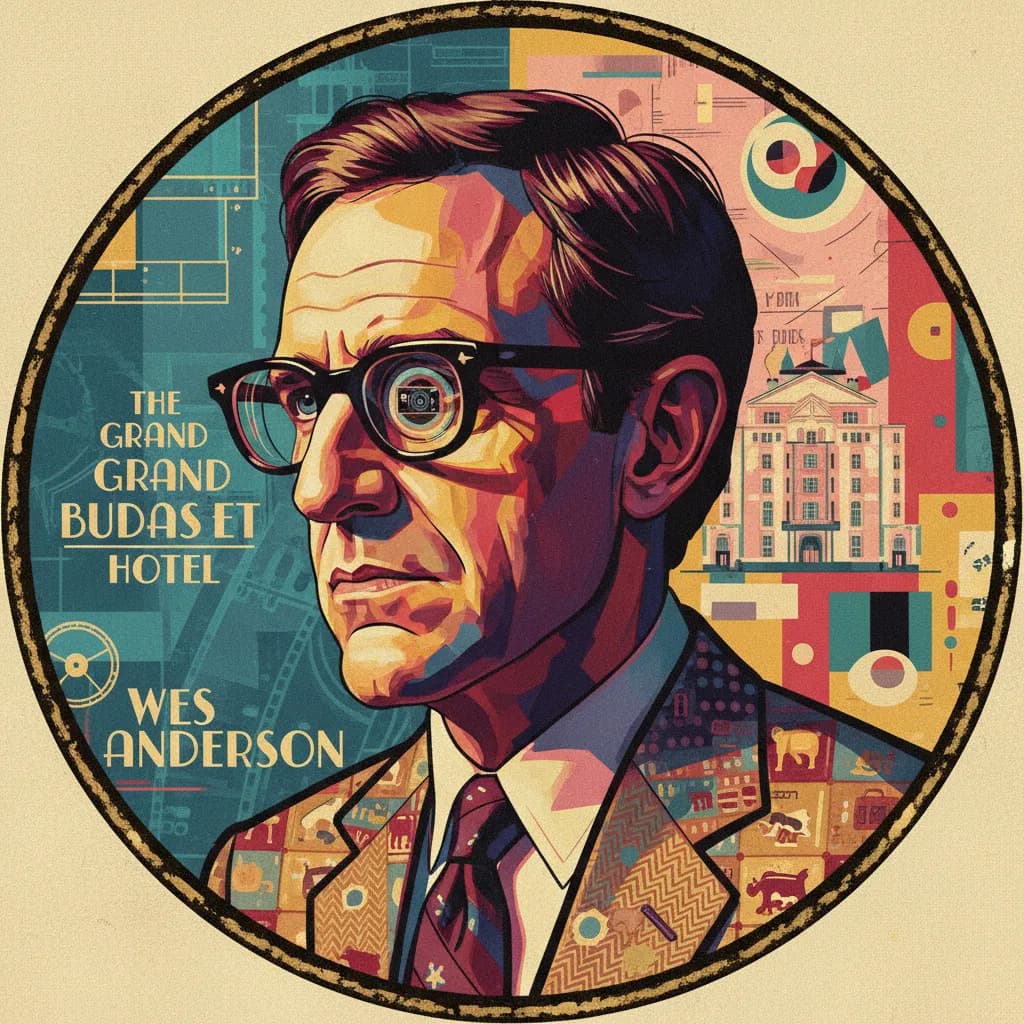
Wes Anderson
Every film, ranked

Paul Thomas Anderson
Every film, ranked

Ridley Scott
Every film, ranked

Tim Burton
Every film, ranked

Guillermo del Toro
Every film, ranked

Hayao Miyazaki
Every film, ranked

Akira Kurosawa
Every film, ranked

Francis Ford Coppola
Every film, ranked

Clint Eastwood
Every film, ranked

Bong Joon Ho
Every film, ranked

Woody Allen
Every film, ranked

Steven Soderbergh
Every film, ranked

Ron Howard
Every film, ranked

Pedro Almodóvar
Every film, ranked

Richard Linklater
Every film, ranked

Roman Polanski
Every film, ranked

Brian De Palma
Every film, ranked

Ingmar Bergman
Every film, ranked

Oliver Stone
Every film, ranked

David Cronenberg
Every film, ranked

Robert Zemeckis
Every film, ranked

Barry Levinson
Every film, ranked

John Carpenter
Every film, ranked

Joel Schumacher
Every film, ranked

Billy Wilder
Every film, ranked

Rob Reiner
Every film, ranked

Neil Jordan
Every film, ranked

Spike Lee
Every film, ranked

Ivan Reitman
Every film, ranked

John Woo
Every film, ranked

Lasse Hallström
Every film, ranked

Stephen Frears
Every film, ranked

Luc Besson
Every film, ranked

Chris Columbus
Every film, ranked

Mike Nichols
Every film, ranked

Howard Hawks
Every film, ranked

Ang Lee
Every film, ranked

Walter Hill
Every film, ranked

Gus Van Sant
Every film, ranked

William Wyler
Every film, ranked

Renny Harlin
Every film, ranked

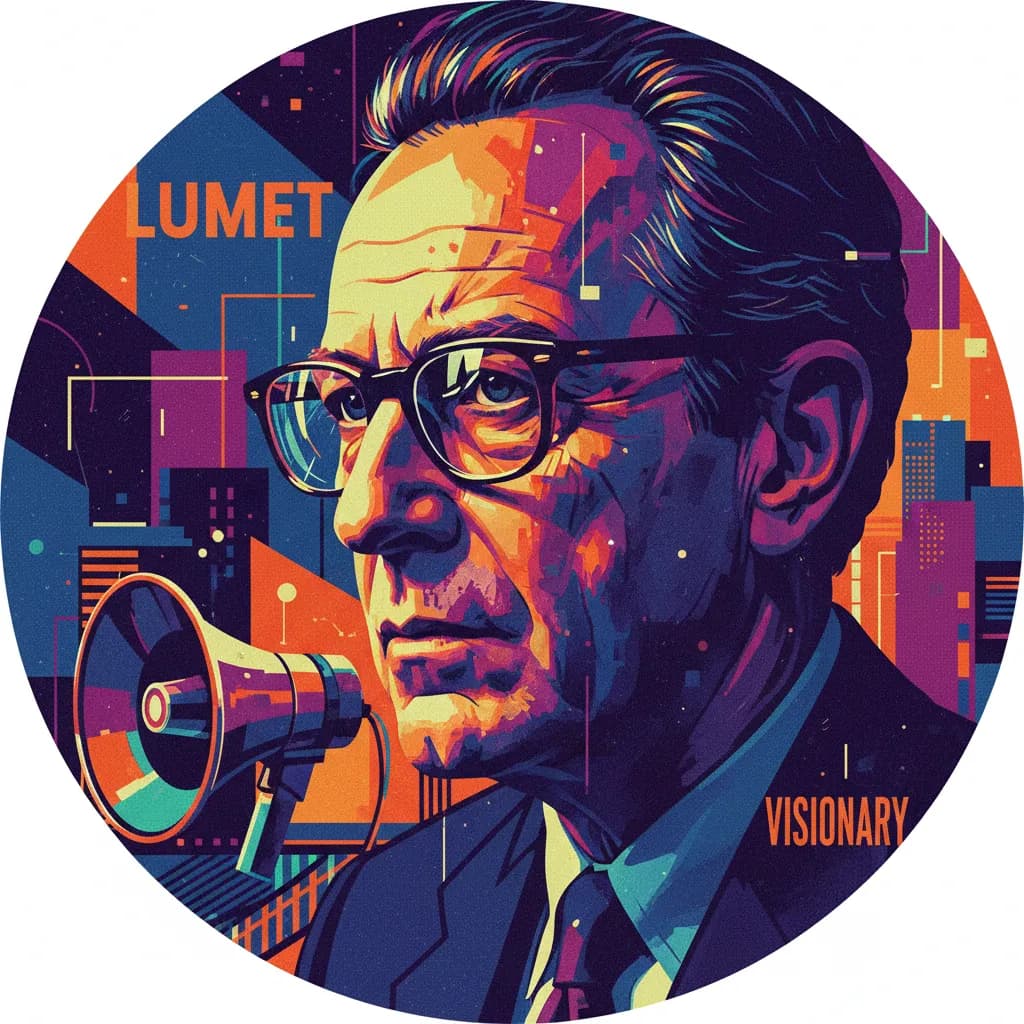
Sidney Lumet
Every film, ranked

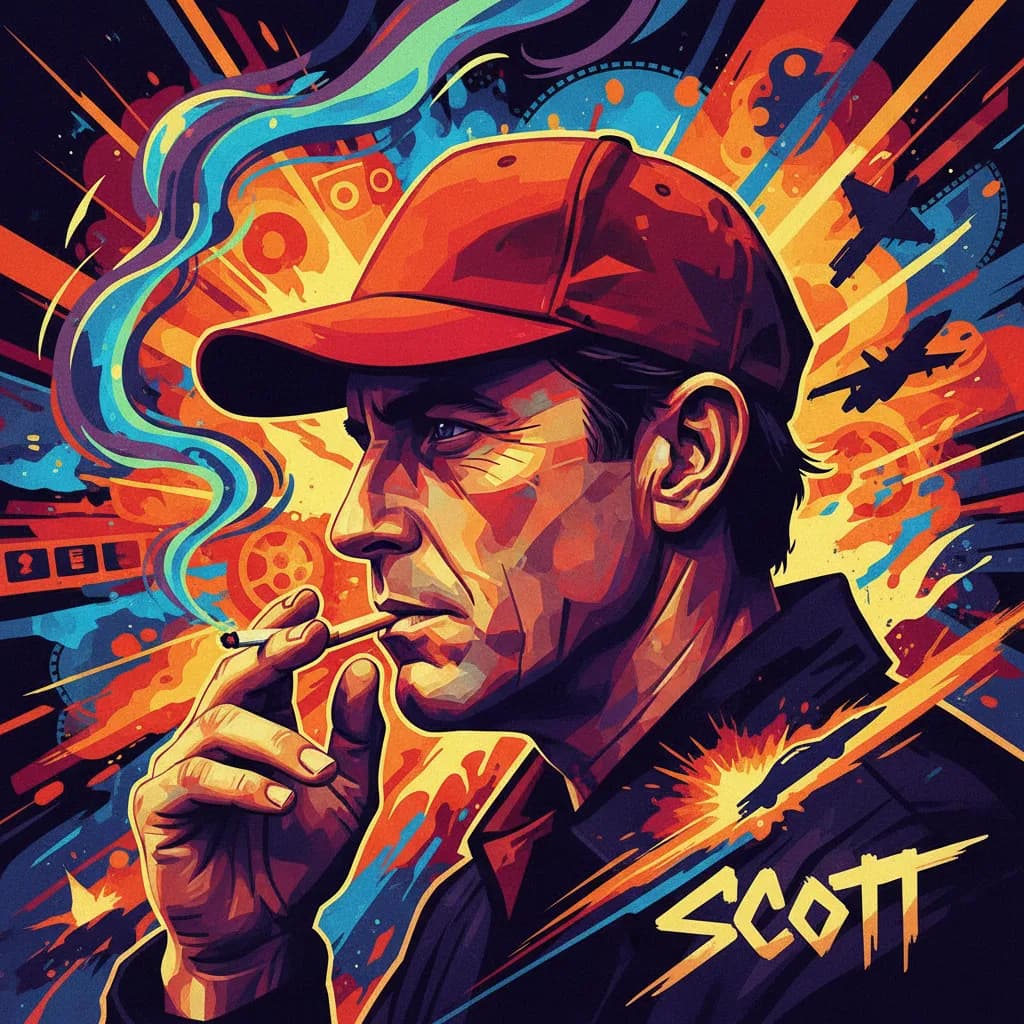
Tony Scott
Every film, ranked