Discover the visionary filmmakers behind cinema's greatest works.
Explore our selection of acclaimed directors and their remarkable films.
Showing 3781-3792 out of 4148

Takanori Tsujimoto is a highly accomplished Japanese film director known for his exceptional work in the animation, action, and adventure genres. His most notable film, "Resident Evil: Vendetta" (2017), has garnered widespread acclaim for its stunning visuals, intense action sequences, and captivating storytelling. Tsujimoto's directorial style is characterized by meticulous attention to detail, dynamic camera work, and a penchant for creating immersive, adrenaline-pumping cinematic experiences. "Resident Evil: Vendetta" stands as a testament to Tsujimoto's ability to seamlessly blend cutting-edge animation with heart-stopping action, cementing his status as a visionary director in the realm of animated feature films. Through his work, Tsujimoto consistently explores themes of survival, heroism, and the relentless pursuit of justice, captivating audiences with his gripping narratives and high-octane thrills. Tsujimoto's impact on cinema is palpable, as he continues to push the boundaries of animation and action filmmaking, captivating audiences with his unique vision and storytelling prowess. His dedication to delivering visually stunning spectacles combined with compelling storytelling has solidified his reputation as a director to watch in the global film industry. In conclusion, Takanori Tsujimoto's directorial career is defined by his exceptional talent for crafting visually striking, action-packed narratives that captivate audiences worldwide. With "Resident Evil: Vendetta" serving as a crowning achievement, Tsujimoto has left an indelible mark on the world of animated feature films, and his future endeavors are eagerly anticipated by film enthusiasts and industry professionals alike.

Takashi Miike is a prolific and boundary-pushing Japanese director known for his diverse and often audacious filmography. With over 100 directing credits to his name, Miike has established himself as a maverick filmmaker with a distinct and uncompromising vision. His work spans various genres, from crime and horror to action and drama, and his films often feature intense and graphic imagery that challenges conventional storytelling. One of Miike's most notorious and influential works is "Ichi the Killer" (2001), a brutal and visually striking crime drama that has garnered a cult following for its unflinching portrayal of violence and its exploration of the psyche of a tortured protagonist. "Audition" (1999) is another standout film in Miike's oeuvre, a haunting and psychologically disturbing horror masterpiece that has left an indelible mark on the genre. These films exemplify Miike's penchant for delving into the darker aspects of human nature and his willingness to push the boundaries of cinematic storytelling. Miike's directorial style is characterized by its boldness, fearlessness, and willingness to shock and provoke audiences. His films often feature unconventional narrative structures, dynamic camera work, and a visceral approach to storytelling that leaves a lasting impact on viewers. Miike's recurring themes include the exploration of power dynamics, the blurred lines between good and evil, and the complexities of human behavior, all of which are expertly woven into the fabric of his films. Throughout his career, Takashi Miike has had a profound impact on cinema, both in Japan and internationally, influencing a new generation of filmmakers and challenging the status quo of mainstream filmmaking. His willingness to take risks and defy conventions has cemented his status as a visionary director, and his diverse body of work continues to captivate and provoke audiences worldwide. Takashi Miike's legacy as a groundbreaking and uncompromising filmmaker is sure to endure for years to come.

Takashi Shimizu is a visionary Japanese filmmaker renowned for his mastery of the horror genre. He first gained international acclaim with "Ju-On: The Grudge" (2002), a chilling and innovative take on the haunted house trope that spawned a successful franchise. Shimizu's directorial style is characterized by his ability to create an atmosphere of unrelenting dread, utilizing clever editing techniques and a keen eye for building tension. His films often explore the supernatural, with a focus on vengeful spirits and the psychological terror they inflict upon unsuspecting victims. One of Shimizu's most notable works is "The Grudge" (2004), a Hollywood remake of his original "Ju-On" that introduced his unique brand of horror to Western audiences. The film's success solidified Shimizu's status as a master of the genre and paved the way for further collaborations with major studios. "The Grudge 2" (2006) and "Ju-On: The Grudge 2" (2003) further demonstrated Shimizu's ability to craft haunting narratives that resonate with audiences worldwide, cementing his reputation as a leading figure in the horror genre. Shimizu's recurring themes often revolve around the idea of unresolved trauma and the lingering presence of malevolent forces. His films delve into the complexities of human fear and the consequences of past actions, creating a sense of unease that lingers long after the credits roll. His meticulous attention to detail and innovative storytelling techniques have left an indelible mark on the horror genre, inspiring a new generation of filmmakers to explore the darker aspects of human nature. Takashi Shimizu's impact on cinema is undeniable, as he has redefined the horror genre with his unique vision and storytelling prowess. His ability to tap into primal fears and create immersive, spine-tingling experiences has earned him a dedicated following of fans and critical acclaim from industry peers. With films like "Flight 7500" (2014) further showcasing his versatility as a director, Shimizu continues to push the boundaries of horror cinema, solidifying his legacy as a true master of the macabre.

Takashi Yamazaki is a highly talented and innovative film director known for his unique blend of action, adventure, and science fiction elements in his works. With a distinct visual style and a penchant for creating visually stunning and emotionally resonant stories, Yamazaki has left an indelible mark on the world of cinema. His notable film "Returner" (2002) perfectly showcases his directorial prowess and solidifies his reputation as a visionary in the industry. Yamazaki's directorial style is marked by his ability to seamlessly weave together thrilling action sequences, captivating adventure narratives, and thought-provoking science fiction elements. His meticulous attention to detail and his creative use of visual effects have garnered widespread acclaim, earning him a reputation as a master storyteller with a keen eye for immersive and visually striking cinematic experiences. "Returner" stands as a testament to Yamazaki's directorial prowess, featuring a compelling blend of action, adventure, and sci-fi elements that captivate audiences from start to finish. The film's seamless integration of cutting-edge special effects and gripping storytelling highlights Yamazaki's ability to push the boundaries of visual storytelling while delivering deeply engaging narratives. Throughout his career, Yamazaki has explored recurring themes of heroism, resilience, and the human spirit in the face of adversity, crafting narratives that resonate with audiences on a profound level. His ability to infuse his films with emotional depth and thematic richness sets him apart as a director with a profound understanding of the human experience, further solidifying his status as a visionary filmmaker. Takashi Yamazaki's impact on cinema is undeniable, as his visionary approach to storytelling and his dedication to pushing the boundaries of visual effects have influenced a new generation of filmmakers. His ability to transport audiences to captivating worlds while delivering powerful, emotionally resonant stories has cemented his legacy as a director whose works will continue to inspire and captivate audiences for years to come.

Takeshi Kitano, a multi-talented filmmaker, has left an indelible mark on the world of cinema with his distinctive directorial style and profound storytelling. Known for his unique blend of action, comedy, and drama, Kitano has carved a niche for himself in the industry. With a filmography that boasts critically acclaimed works such as "Dolls" (2002), "The Blind Swordsman: Zatoichi" (2003), "Kikujiro" (1999), "Sonatine" (1993), "Fireworks" (1997), "Violent Cop" (1989), and "Hana-bi" (1997), Kitano has consistently delivered thought-provoking narratives that resonate with audiences worldwide. Kitano's directorial style is characterized by its minimalist approach, juxtaposing serene, contemplative moments with bursts of intense action and emotion. His films often explore themes of redemption, honor, and the human experience, portraying complex characters grappling with profound moral dilemmas. Kitano's masterful command of visual storytelling, coupled with his unflinching portrayal of human vulnerability, has cemented his reputation as a visionary director. Notable for his seamless integration of traditional Japanese aesthetics with contemporary storytelling techniques, Kitano's films offer a unique cinematic experience that transcends cultural boundaries. His signature use of stark, breathtaking imagery and evocative soundscapes has earned him widespread acclaim and numerous accolades. Kitano's influence on cinema extends beyond his directorial prowess, as he has also made significant contributions as a screenwriter, actor, and editor. In the pantheon of modern filmmakers, Takeshi Kitano stands out as a maverick auteur whose bold, uncompromising vision has redefined the cinematic landscape. His unparalleled ability to infuse his films with raw emotion and profound introspection has solidified his status as a trailblazer in the world of cinema. Kitano's legacy as a director continues to inspire and captivate audiences, leaving an indelible imprint on the art of filmmaking.

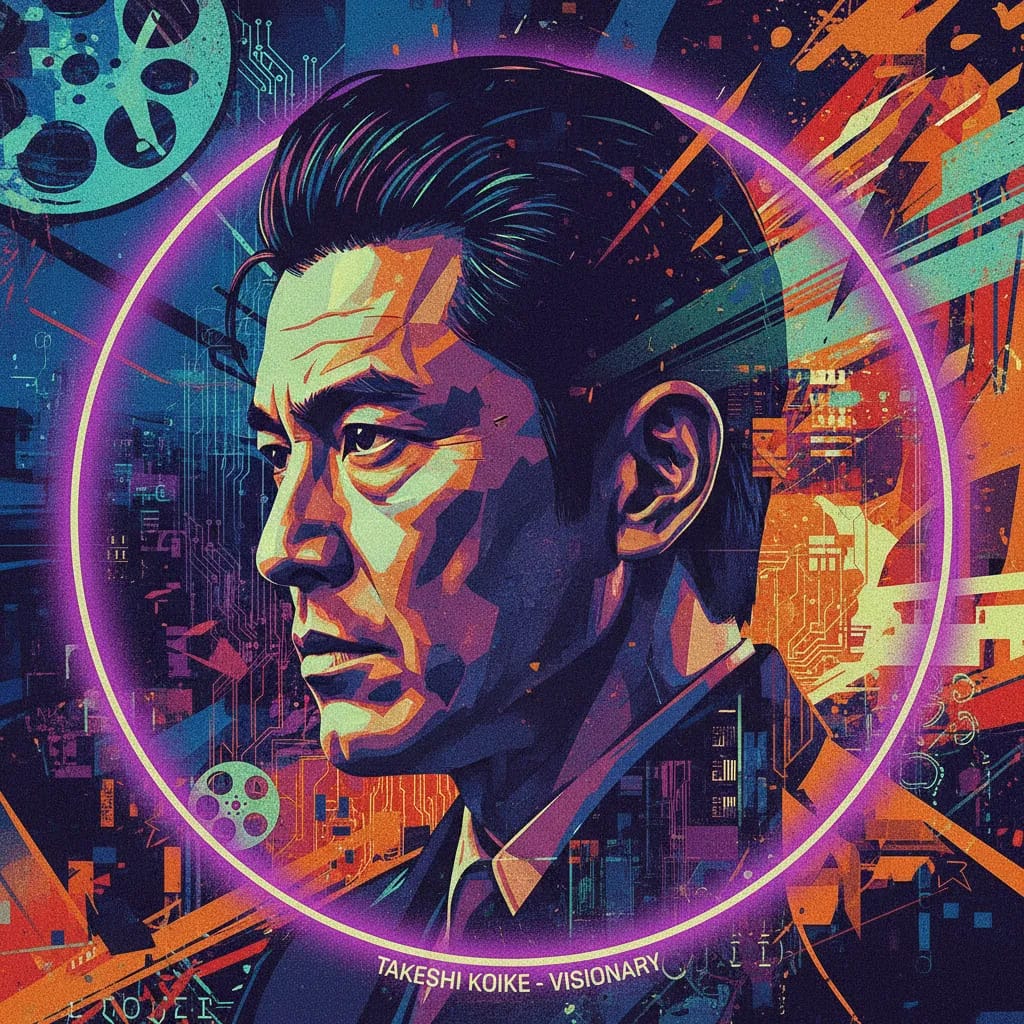
Takeshi Koike is a visionary Japanese animator and director known for his unique and dynamic approach to storytelling and animation. His most notable work includes the 2009 film "Redline," a visually stunning and adrenaline-fueled animated feature that has garnered a cult following and critical acclaim for its jaw-dropping visuals and high-octane action sequences. Koike's directorial style is characterized by his bold and innovative use of animation, pushing the boundaries of the medium to create immersive and visually captivating cinematic experiences. "Redline" stands as a testament to Koike's unparalleled talent and his ability to infuse his films with a sense of kinetic energy and excitement. The film's breathtaking animation and meticulously crafted action sequences have solidified Koike's reputation as a master of his craft, with "Redline" earning a well-deserved place in the pantheon of animated classics. Koike's directorial vision is marked by a relentless pursuit of pushing the limits of what animation can achieve, resulting in films that are not only visually stunning but also emotionally resonant. In addition to his directorial prowess, Koike's work often explores themes of speed, competition, and the human spirit, using these elements to drive the narrative and infuse his films with a sense of urgency and intensity. His films are a testament to his ability to craft compelling and immersive stories that resonate with audiences on a profound level. Koike's impact on cinema is undeniable, as he continues to inspire and influence a new generation of animators and filmmakers with his groundbreaking work. Overall, Takeshi Koike's career is a testament to his unwavering dedication to pushing the boundaries of animation and storytelling. Through his visually stunning and emotionally gripping films, he has left an indelible mark on the world of cinema, earning a well-deserved reputation as a visionary director and a true master of his craft. With his unique vision and unparalleled talent, Takeshi Koike continues to shape the landscape of animation and inspire audiences around the world.

Takeshi Nozue is a renowned Japanese film director and animator known for his exceptional contributions to the world of animation and video game adaptations. With a career spanning over two decades, Nozue has left an indelible mark on the industry, combining cutting-edge animation techniques with compelling storytelling to create visually stunning and emotionally resonant films. Nozue gained widespread recognition for his directorial debut with "Final Fantasy VII: Advent Children" in 2005, a groundbreaking animated feature film based on the popular video game franchise. His visionary approach to blending CGI animation with intricate character development and intense action sequences set a new standard for video game adaptations, earning the film a dedicated fan base and critical acclaim. In 2016, Nozue further solidified his reputation as a master of animation with "Kingsglaive: Final Fantasy XV." This visually stunning film seamlessly integrated breathtaking visuals with a captivating narrative, drawing audiences into a fantastical world filled with adventure and intrigue. Nozue's distinct directorial style, characterized by meticulous attention to detail and a flair for dynamic, high-octane action, has established him as a trailblazer in the realm of animated filmmaking. Throughout his career, Nozue has consistently demonstrated a penchant for exploring themes of heroism, sacrifice, and the human experience within fantastical settings, captivating audiences with his ability to infuse depth and emotion into his animated works. His dedication to pushing the boundaries of animation technology and storytelling has had a profound impact on the cinematic landscape, inspiring a new generation of filmmakers and captivating viewers worldwide. As a visionary director, Takeshi Nozue has cemented his legacy as a pioneer in the realm of animation and video game adaptations, elevating the medium to unprecedented heights with his unparalleled creativity and technical prowess. His remarkable body of work continues to resonate with audiences, underscoring his enduring influence on the art of filmmaking and solidifying his status as a visionary director with an enduring legacy.

Tamara Jenkins is a renowned film director known for her poignant and introspective storytelling, often exploring the complexities of family dynamics and human relationships. With a career spanning over two decades, Jenkins has made a significant impact on cinema through her directorial style, which seamlessly blends comedy and drama to offer a nuanced portrayal of everyday life. Her notable films include "The Savages" (2007), "Private Life" (2018), and "Slums of Beverly Hills" (1998), each of which showcases her exceptional ability to elicit raw emotions from her characters while infusing humor and wit into her narratives. Jenkins' directorial style is characterized by its authenticity and attention to detail, allowing her to capture the subtleties of human behavior with remarkable precision. Her films often delve into the complexities of familial relationships, aging, and the search for personal fulfillment, resonating with audiences on a deeply emotional level. Jenkins' keen observational skills and empathetic approach to storytelling have cemented her reputation as a director capable of crafting deeply human narratives that reflect the universal experiences of love, loss, and self-discovery. A recurring theme in Jenkins' work is the exploration of the human condition, often delving into the struggles and triumphs of ordinary individuals facing extraordinary circumstances. Her ability to infuse her narratives with both humor and pathos has set her apart as a director capable of capturing the multifaceted nature of life. Additionally, Jenkins' films often feature richly drawn characters grappling with existential dilemmas, creating a profound and relatable cinematic experience for audiences. Tamara Jenkins' impact on cinema is profound, as she has consistently challenged traditional genre boundaries and pushed the boundaries of storytelling through her unique directorial voice. Her work has garnered critical acclaim and accolades, solidifying her status as a visionary director with a distinct perspective. Jenkins' ability to craft emotionally resonant narratives that transcend genre conventions has left an indelible mark on the film industry, inspiring a new generation of storytellers to embrace the complexities of the human experience in their work.

Tamra Davis is a highly accomplished film director known for her distinctive vision and significant contributions to the world of cinema. With a diverse filmography that spans across various genres, Davis has made a lasting impact with her unique directorial style and storytelling prowess. She has directed a number of notable films, including the 1995 comedy "Billy Madison," the 1998 comedy crime film "Half Baked," the 2002 drama music mystery "Crossroads," and the 1993 comedy music film "CB4." Through her directorial work, Davis has showcased a keen understanding of comedic timing and a knack for bringing out the best in her actors, resulting in memorable performances and enduring comedic moments. Her films often explore themes of self-discovery, friendship, and the pursuit of one's dreams, resonating with audiences on a personal level. Davis has a remarkable ability to infuse her projects with a sense of authenticity and relatability, making her work both entertaining and thought-provoking. Davis's impact on cinema extends beyond her individual films, as she has played a pioneering role in championing diverse storytelling and representation in the industry. Her commitment to amplifying voices from various backgrounds and her willingness to push boundaries have helped pave the way for a more inclusive and dynamic cinematic landscape. Davis's directorial style is characterized by a blend of humor, heart, and social commentary, making her films both entertaining and socially relevant. In conclusion, Tamra Davis has left an indelible mark on the film industry through her diverse and impactful body of work. Her ability to seamlessly navigate different genres while maintaining a distinct directorial voice is a testament to her talent and versatility. As a director, she continues to inspire and influence aspiring filmmakers, while her contributions to cinema remain an integral part of its evolving tapestry.

Tanya Wexler is a talented film director known for her unique blend of wit, humor, and social commentary. With a career spanning over two decades, Wexler has made a significant impact on cinema with her distinct directorial style and thought-provoking storytelling. Her notable films include "Hysteria" (2011), a biographical comedy-drama that explores the invention of the first vibrator, and "Jolt" (2021), an electrifying action-comedy crime film that showcases her versatility as a director. Wexler's directorial style is characterized by her ability to infuse historical or socially relevant subject matter with humor and insight. In "Hysteria," she deftly navigates the delicate topic of female sexuality and empowerment with a lighthearted touch, creating a film that is both entertaining and thought-provoking. In "Jolt," Wexler demonstrates her versatility by seamlessly blending action-packed sequences with sharp wit and comedic elements, showcasing her ability to tackle diverse genres with finesse. One of the recurring themes in Wexler's work is her exploration of societal taboos and the empowerment of women. Her films often challenge traditional norms and celebrate the strength and resilience of female characters, offering a fresh perspective on gender dynamics and sexuality. Wexler's ability to tackle complex themes with intelligence and humor has earned her a reputation as a director who fearlessly confronts societal issues while entertaining audiences. Tanya Wexler's impact on cinema lies in her ability to create films that resonate with audiences on both an emotional and intellectual level. Her unique vision and willingness to tackle unconventional subject matter have established her as a director who pushes boundaries and challenges the status quo. With a keen eye for storytelling and a knack for injecting humor into thought-provoking narratives, Wexler continues to be a trailblazer in the world of filmmaking, leaving an indelible mark on the industry. In conclusion, Tanya Wexler's directorial career is marked by her ability to craft compelling and entertaining films that defy genre conventions and offer fresh perspectives on societal issues. With a diverse range of work that spans biography, comedy, romance, action, and crime, Wexler continues to captivate audiences with her distinct directorial style and thought-provoking storytelling. As she continues to push boundaries and challenge traditional norms, Wexler remains a director to watch in the ever-evolving landscape of cinema.

Taran Killam is a multi-talented individual known for his work as an actor, writer, and director. While he may be best recognized for his comedic performances on Saturday Night Live, he made his directorial debut with the 2017 action-comedy film "Killing Gunther." Killam's directorial style is characterized by a keen understanding of comedic timing and a flair for blending action with humor. His work showcases a unique ability to infuse high-energy sequences with witty dialogue and offbeat characters. "Killing Gunther" stands as a testament to Killam's directorial prowess, boasting a fast-paced narrative peppered with comedic moments and adrenaline-pumping action. As a director, he demonstrates a knack for orchestrating visually dynamic set pieces while ensuring the comedic elements remain front and center. Killam's film features a blend of mockumentary-style storytelling and over-the-top action, a testament to his willingness to push creative boundaries and defy genre conventions. Throughout his directorial debut, Killam showcases a penchant for exploring the absurd and embracing the unconventional. His ability to seamlessly integrate humor into high-octane action sequences sets "Killing Gunther" apart as a unique entry in the action-comedy genre. Killam's directorial approach is marked by an emphasis on character-driven comedy and a willingness to delve into the eccentricities of his ensemble cast. This directorial signature infuses his work with a distinct charm that resonates with audiences. Taran Killam's impact on cinema lies in his ability to inject fresh energy into the action-comedy genre. With "Killing Gunther," he has demonstrated his directorial versatility and commitment to delivering original, entertaining content. Killam's foray into directing serves as a testament to his creative evolution, showcasing a visionary approach that promises to leave a lasting impression on the film industry. As he continues to expand his directorial repertoire, audiences can anticipate a continued exploration of his distinct comedic sensibilities and dynamic storytelling.

Tarik Saleh is a Swedish director known for his distinctive vision and impactful contributions to contemporary cinema. With a career spanning over two decades, Saleh has made a mark in the industry with his thought-provoking and visually captivating films. He is celebrated for his ability to blend genres and create compelling narratives that resonate with audiences worldwide. Saleh's directorial style is characterized by his keen attention to detail, visually striking cinematography, and his exploration of complex themes such as political intrigue, societal issues, and human emotions. One of Saleh's notable films is "The Contractor" (2022), a gripping action-drama-thriller that showcases his adeptness at crafting intense and immersive storytelling. The film delves into the moral complexities of war and the personal sacrifices made by individuals caught in the midst of conflict. Saleh's directorial prowess is evident in his ability to infuse the film with tension, palpable drama, and a compelling narrative that keeps viewers on the edge of their seats. Throughout his career, Saleh has exhibited a penchant for addressing timely and relevant themes, often exploring the impact of power dynamics, corruption, and the human condition. His films often provoke critical thinking and serve as a reflection of the societal issues prevalent in today's world. Saleh's unique approach to storytelling and his ability to create visually arresting scenes have solidified his status as a director with a distinct and influential voice in cinema. In addition to "The Contractor," Saleh's filmography boasts an array of impressive works that have garnered acclaim from critics and audiences alike. His contributions to the film industry have left an indelible mark, inspiring a new generation of filmmakers and shaping the landscape of contemporary cinema. With his bold and evocative storytelling, Tarik Saleh continues to be a director to watch, as he pushes the boundaries of cinematic expression and leaves an enduring impact on the art of filmmaking.
Every film by the greats, ranked by our TML Score.

Christopher Nolan
Every film, ranked

Quentin Tarantino
Every film, ranked

Stanley Kubrick
Every film, ranked

Martin Scorsese
Every film, ranked

Steven Spielberg
Every film, ranked

Alfred Hitchcock
Every film, ranked

David Fincher
Every film, ranked

Denis Villeneuve
Every film, ranked

Wes Anderson
Every film, ranked

Paul Thomas Anderson
Every film, ranked

Ridley Scott
Every film, ranked

Tim Burton
Every film, ranked

Guillermo del Toro
Every film, ranked

Hayao Miyazaki
Every film, ranked

Akira Kurosawa
Every film, ranked

Francis Ford Coppola
Every film, ranked

Clint Eastwood
Every film, ranked

Bong Joon Ho
Every film, ranked

Woody Allen
Every film, ranked

Steven Soderbergh
Every film, ranked

Ron Howard
Every film, ranked

Pedro Almodóvar
Every film, ranked

Richard Linklater
Every film, ranked

Roman Polanski
Every film, ranked

Brian De Palma
Every film, ranked

Ingmar Bergman
Every film, ranked

Oliver Stone
Every film, ranked

David Cronenberg
Every film, ranked

Robert Zemeckis
Every film, ranked

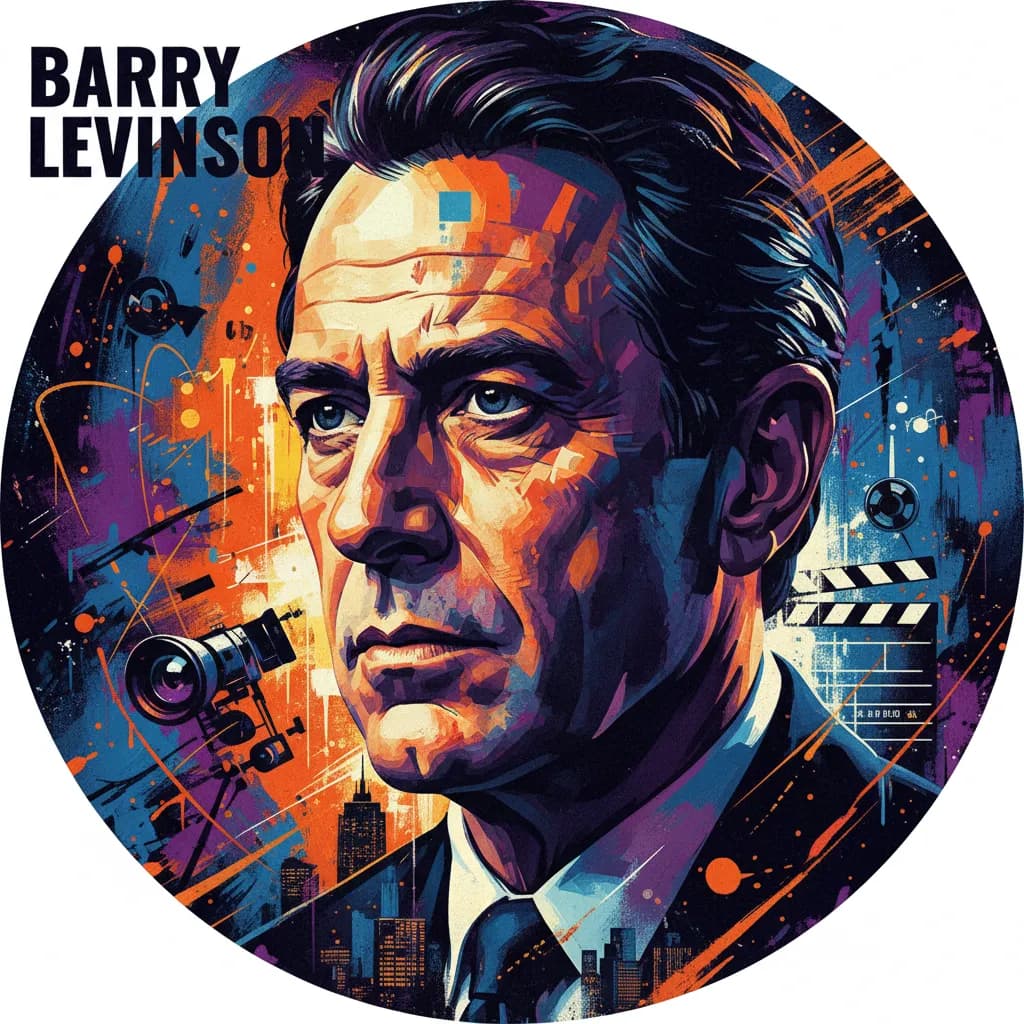
Barry Levinson
Every film, ranked

John Carpenter
Every film, ranked

Joel Schumacher
Every film, ranked

Billy Wilder
Every film, ranked

Rob Reiner
Every film, ranked

Neil Jordan
Every film, ranked

Spike Lee
Every film, ranked

Ivan Reitman
Every film, ranked

John Woo
Every film, ranked

Lasse Hallström
Every film, ranked

Stephen Frears
Every film, ranked

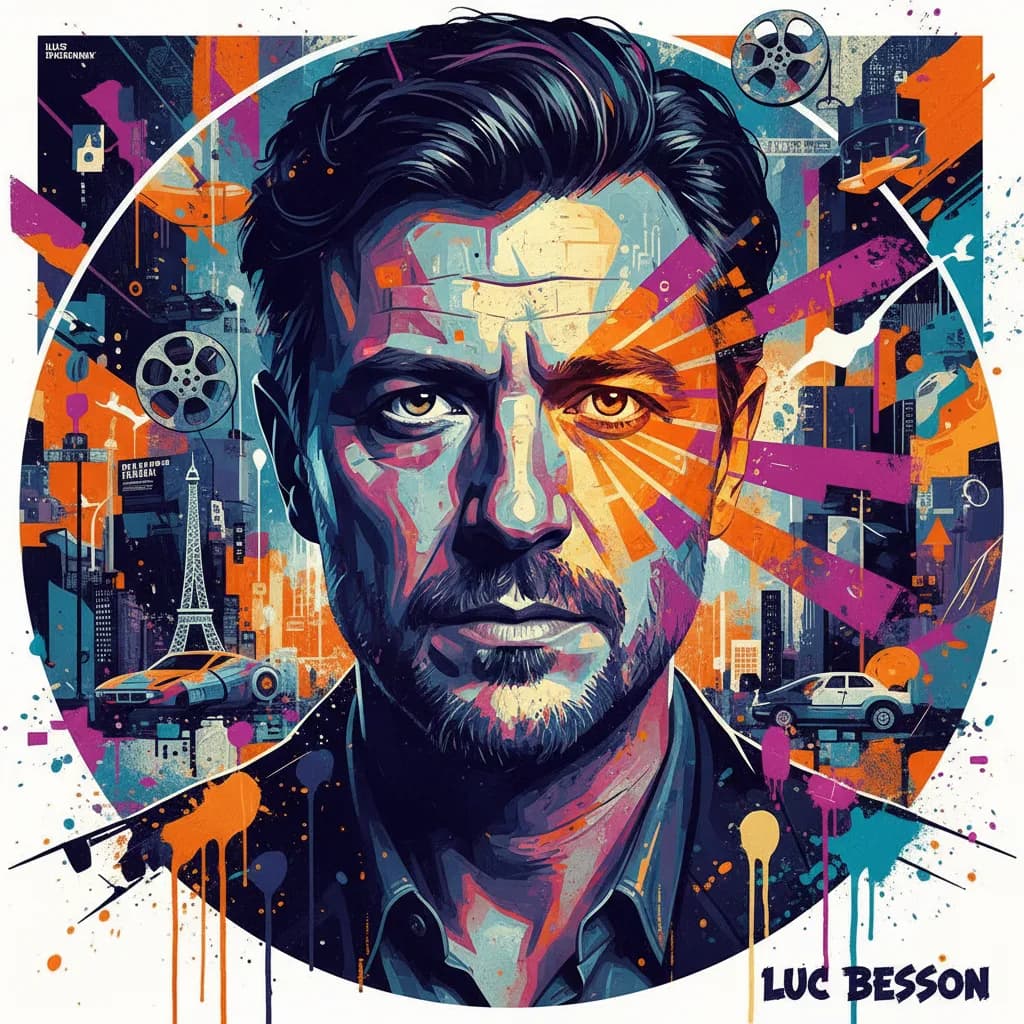
Luc Besson
Every film, ranked

Chris Columbus
Every film, ranked

Mike Nichols
Every film, ranked

Howard Hawks
Every film, ranked

Ang Lee
Every film, ranked

Walter Hill
Every film, ranked

Gus Van Sant
Every film, ranked

William Wyler
Every film, ranked

Renny Harlin
Every film, ranked

Sidney Lumet
Every film, ranked

Tony Scott
Every film, ranked