Discover the visionary filmmakers behind cinema's greatest works.
Explore our selection of acclaimed directors and their remarkable films.
Showing 3757-3768 out of 4148

Sundar C. is a prominent Indian film director known for his versatile work spanning across various genres. With a career in cinema that has spanned over three decades, Sundar C. has made a significant impact on the Indian film industry. His directorial style is characterized by a seamless blend of commercial elements with engaging storytelling, making his films a treat for a wide spectrum of audiences. One of Sundar C.'s most notable works is the 2003 film "Anbe Sivam," which stands as a testament to his directorial prowess. This critically acclaimed movie, featuring Kamal Haasan and R. Madhavan, is a unique blend of adventure, comedy, and drama. "Anbe Sivam" is celebrated for its poignant narrative, compelling performances, and thought-provoking themes, making it a standout in Sundar C.'s filmography. Throughout his career, Sundar C. has demonstrated a remarkable ability to explore diverse themes and genres, showcasing his versatility as a filmmaker. His films often revolve around engaging narratives, high-energy sequences, and captivating performances, which have earned him a dedicated fan base. Sundar C.'s impact on Indian cinema is evident in his ability to create commercially successful films without compromising on the artistic integrity of his work. Sundar C.'s contributions to Indian cinema have been influential in shaping the landscape of contemporary filmmaking. His unique vision and storytelling prowess have left an indelible mark on the industry, inspiring aspiring filmmakers and captivating audiences alike. Sundar C.'s filmography continues to be a testament to his creative ingenuity and ability to craft compelling narratives that resonate with a wide audience. In summary, Sundar C. has established himself as a multifaceted director with a diverse body of work that has left an enduring impact on Indian cinema. His ability to seamlessly blend commercial appeal with engaging storytelling has solidified his status as a visionary filmmaker. With a career marked by notable films like "Anbe Sivam," Sundar C. continues to be a celebrated figure in the realm of Indian filmmaking, and his contributions are sure to resonate for years to come.

Sung-hee Jo is a visionary South Korean director known for her distinctive blend of action, adventure, and drama. Her most notable work to date is "Space Sweepers" (2021), a visually stunning and emotionally gripping sci-fi epic that has garnered international acclaim. Jo's directorial style is characterized by her ability to seamlessly weave together exhilarating action sequences with deeply profound storytelling, creating an immersive cinematic experience that resonates with audiences on a profound level. "Space Sweepers" stands as a testament to Jo's prowess as a director, showcasing her exceptional talent for crafting compelling narratives within the realms of science fiction. Her ability to infuse the genre with heartfelt human drama and thought-provoking themes has solidified her reputation as a master storyteller. The film's success has further cemented her status as a leading figure in contemporary cinema, earning her widespread recognition and cementing her place in the pantheon of visionary directors. Throughout her career, Sung-hee Jo has consistently explored themes of humanity, morality, and the complexities of human nature, using her films as a platform to delve into profound philosophical and existential questions. Her work is marked by a deep sense of empathy and a keen understanding of the human condition, which resonates deeply with audiences across cultural and geographical boundaries. As a director, Sung-hee Jo has made a profound impact on the cinematic landscape, pushing the boundaries of the sci-fi genre and redefining the possibilities of storytelling on the big screen. Her ability to blend high-octane action with poignant drama has elevated her to the ranks of the most influential directors of her generation. With "Space Sweepers," Sung-hee Jo has firmly established herself as a trailblazer in the world of cinema, and her future projects are eagerly anticipated by audiences and critics alike.

Sunghoo Park is a visionary South Korean director known for his exceptional work in the animation and action genres. His most notable film to date is "Jujutsu Kaisen 0" (2021), a captivating animated feature that seamlessly blends elements of action and fantasy. Park's directorial style is characterized by his ability to infuse dynamic storytelling with visually stunning animation, creating an immersive experience for audiences. With "Jujutsu Kaisen 0," Park has demonstrated his mastery in bringing complex narratives to life through the medium of animation. His meticulous attention to detail and innovative use of visual effects have set a new standard in the animation genre. The film's seamless combination of action-packed sequences and fantastical elements showcases Park's versatility as a director, making him a trailblazer in the realm of animated storytelling. One of Park's recurring themes in his work is the exploration of the human experience through the lens of supernatural and otherworldly elements. His films often delve into the complexities of human emotions, relationships, and personal growth, all set against the backdrop of imaginative and visually striking worlds. This unique approach has garnered him a dedicated fanbase and solidified his reputation as a director with a distinct artistic vision. Park's impact on cinema extends beyond his individual filmography, as he has contributed to the global popularity and recognition of South Korean animation and filmmaking. His ability to push boundaries and challenge conventions within the industry has solidified his status as a pioneering director, inspiring a new generation of filmmakers and animators to push the boundaries of storytelling and visual artistry. In conclusion, Sunghoo Park's directorial career is defined by his unparalleled creativity, technical prowess, and ability to craft compelling narratives that resonate with audiences on a profound level. His contributions to the animation and action genres have left an indelible mark on cinema, and his future endeavors are eagerly anticipated by fans and industry professionals alike.

Sung Soo Kim is a visionary South Korean director known for his impactful contributions to the world of cinema. With a directorial style characterized by his meticulous attention to detail and immersive storytelling, Kim has carved a niche for himself in the industry. He is renowned for seamlessly blending action, drama, and historical elements, creating captivating narratives that resonate with audiences worldwide. One of Kim's most notable works is "The Warrior" (2001), a tour de force in the action, drama, and historical genres. The film showcases Kim's adeptness at crafting compelling and visually stunning battle sequences, while delving into the complexities of human emotions and the historical context of the narrative. "The Warrior" solidified Kim's reputation as a director with a keen eye for storytelling and a unique ability to transport viewers to different eras through his cinematic prowess. In 2013, Kim mesmerized audiences with "Flu," a gripping blend of action, drama, and sci-fi that underscored his versatility as a director. The film not only showcased Kim's adeptness at navigating diverse genres but also highlighted his ability to tackle contemporary societal issues within a compelling and thrilling narrative. With "Flu," Kim demonstrated his skill in crafting thought-provoking stories that resonate with audiences on a global scale. Throughout his career, Sung Soo Kim has explored recurring themes such as the human spirit, resilience in the face of adversity, and the impact of historical events on individuals. His films often delve into the intricacies of human relationships and the human condition, offering audiences a profound and immersive viewing experience. Kim's unique vision and storytelling acumen have left an indelible mark on cinema, earning him a well-deserved place among the most influential directors in the industry. Sung Soo Kim's impact on cinema extends beyond his individual works, as he continues to inspire aspiring filmmakers and contribute to the rich tapestry of global cinema. With a filmography that reflects his unparalleled creativity and dedication to his craft, Kim stands as a testament to the power of storytelling and the enduring influence of visionary directors in shaping the cinematic landscape.

Sunny Mandavarra is a budding Indian director who made his mark in the industry with his remarkable directorial debut, "Raat Akeli Hai" in 2020. The film is a gripping crime drama that delves into the complexities of human nature and relationships, earning critical acclaim and a strong fan following. Mandavarra's directorial style is characterized by his adeptness at creating tension and mystery, skillfully weaving together intricate narratives, and bringing out powerful performances from his cast. "Raat Akeli Hai" showcases Mandavarra's penchant for exploring the darker facets of human behavior and emotions, as well as his ability to craft compelling stories that captivate audiences. The film's success has firmly established Mandavarra as a director to watch in the industry, with his unique vision and storytelling prowess garnering attention from both critics and viewers alike. Mandavarra's directorial debut stands out for its nuanced portrayal of characters, intricate plot development, and atmospheric storytelling, signaling the emergence of a director with a distinctive voice in Indian cinema. His meticulous attention to detail and ability to create immersive cinematic experiences have solidified his position as a director with a promising future in the industry. As Mandavarra continues to make his mark in the world of cinema, his directorial style and storytelling prowess are expected to leave an indelible impact on audiences and the film industry at large. With "Raat Akeli Hai," he has demonstrated his ability to craft compelling narratives and create a lasting impression, setting the stage for an exciting career ahead. In conclusion, Sunny Mandavarra's directorial debut with "Raat Akeli Hai" has firmly established him as a director with a unique vision and storytelling prowess. With a keen eye for detail and a penchant for delving into the complexities of human nature, Mandavarra's impact on Indian cinema is poised to be significant, and his future works are eagerly anticipated by audiences and critics alike.

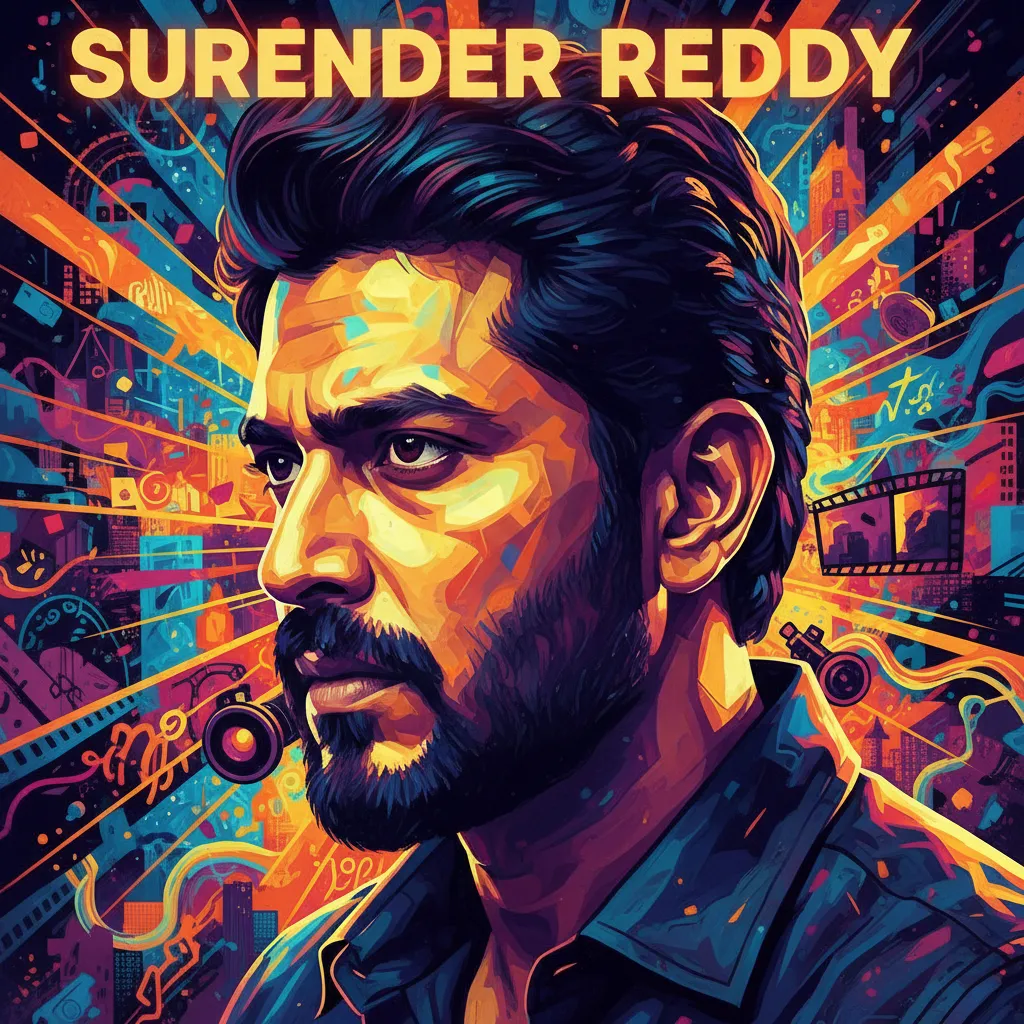
Surender Reddy is a prominent Indian film director known for his dynamic storytelling and visually striking directorial style. With a career spanning over two decades, Reddy has made a significant impact on Indian cinema with his distinct directorial vision. He is renowned for his ability to seamlessly blend action and comedy, creating entertaining and engaging films that resonate with audiences. One of Reddy's most notable works is the 2014 action-comedy film "Race Gurram." The movie garnered widespread acclaim for its high-octane action sequences, compelling narrative, and well-executed comedy. Reddy's directorial prowess was on full display in "Race Gurram," as he expertly balanced the adrenaline-pumping action with lighthearted comedic moments, resulting in a thoroughly entertaining cinematic experience. Throughout his career, Reddy has exhibited a penchant for infusing his films with adrenaline-fueled action sequences, complemented by well-crafted comedy. His directorial style often features fast-paced storytelling, visually arresting cinematography, and meticulously choreographed action scenes. Reddy's films are characterized by their ability to captivate audiences with their blend of heart-pounding thrills and laugh-out-loud moments. Reddy's contributions to Indian cinema have been instrumental in redefining the action-comedy genre. His unique directorial approach has not only entertained audiences but has also inspired a new generation of filmmakers to explore the fusion of action and comedy in their work. Reddy's influence on the industry is undeniable, and his films continue to be celebrated for their innovative storytelling and compelling visual appeal. In conclusion, Surender Reddy has left an indelible mark on Indian cinema with his distinctive directorial style and impactful storytelling. His ability to seamlessly integrate action and comedy has set him apart as a visionary filmmaker, and his contributions to the industry continue to resonate with audiences worldwide. As one of the leading directors in the action-comedy genre, Reddy's work serves as a testament to his enduring influence and creative prowess.


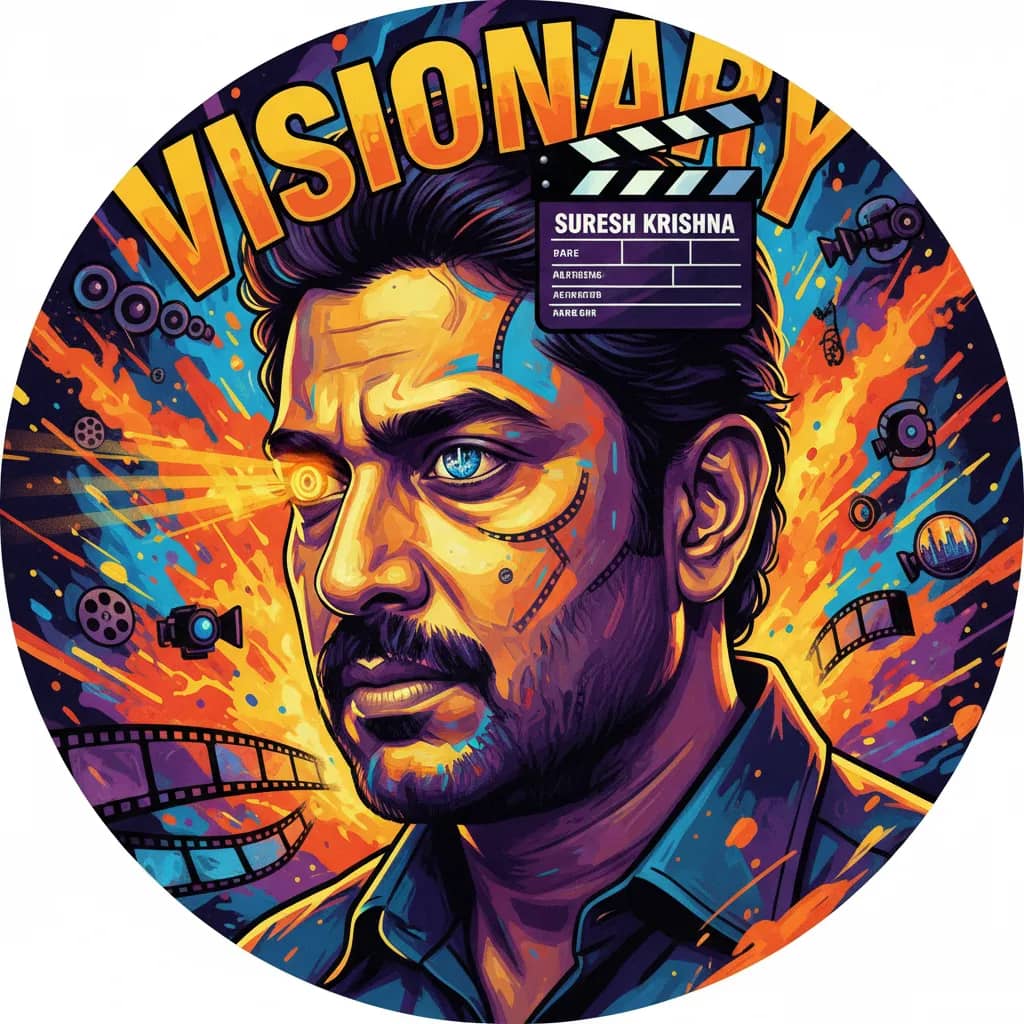
Suresh Krishna is a celebrated Indian film director known for his impactful contributions to the Tamil film industry. With a career spanning several decades, Krishna has left an indelible mark on cinema with his distinctive directorial style and innovative storytelling. His most iconic work includes the 1995 action-crime-drama film "Baasha," which catapulted him to widespread acclaim and solidified his position as a visionary filmmaker. Krishna's directorial style is characterized by its gripping narratives, intense character portrayals, and seamless blend of action and drama. He has a keen eye for capturing the raw emotions of his characters while infusing his films with high-octane action sequences that keep audiences on the edge of their seats. "Baasha," in particular, showcases Krishna's adeptness at portraying the complexities of human relationships within the backdrop of intense, adrenaline-pumping drama. Throughout his career, Krishna has explored recurring themes such as loyalty, vengeance, and the human psyche under duress. His films often delve into the darker aspects of human nature, offering a thought-provoking exploration of the human condition. This thematic depth, coupled with his compelling storytelling, has earned him a devoted following and critical acclaim. With "Baasha," Suresh Krishna made an indelible impact on Indian cinema, setting new benchmarks for action-packed storytelling and character-driven narratives. The film's unparalleled success not only elevated Krishna's directorial prowess but also bolstered the Tamil film industry's global recognition. His unique vision and ability to craft gripping narratives have solidified his status as a trailblazing director whose influence continues to resonate within the realm of Indian cinema. In conclusion, Suresh Krishna's directorial career is a testament to his unparalleled storytelling prowess and cinematic vision. His filmography, including the seminal "Baasha," stands as a testament to his enduring impact on the Tamil film industry and beyond. With a distinctive directorial style and a penchant for exploring profound human themes, Krishna's contributions to cinema remain an integral part of the cinematic landscape, inspiring future generations of filmmakers and captivating audiences with his unparalleled storytelling.

Susan Johnson is a talented film director known for her work in the romantic comedy and drama genres. Her notable films include "To All the Boys I've Loved Before" (2018) and "Carrie Pilby" (2016), both of which showcase her unique directorial style and storytelling prowess. Johnson's directorial approach is characterized by a keen understanding of human emotions and relationships, as well as a strong emphasis on character development and authenticity. Her films often resonate with audiences for their heartwarming narratives and relatable themes. In "To All the Boys I've Loved Before," Johnson masterfully brings to life the beloved young adult novel by Jenny Han, capturing the essence of first love and the complexities of teenage relationships. Her adept direction combined with a heartfelt script and charismatic performances from the cast resulted in a film that quickly became a favorite among audiences and critics alike. Johnson's ability to infuse humor and warmth into her storytelling has cemented her reputation as a director with a keen eye for capturing the intricacies of human connections on screen. "Carrie Pilby" further demonstrates Johnson's skill in navigating the complexities of human emotions and personal growth. The film, based on Caren Lissner's novel, showcases Johnson's ability to tackle thought-provoking themes with a delicate touch, offering audiences a poignant and introspective cinematic experience. Johnson's directorial style shines through in her ability to create compelling narratives that resonate with viewers on a deep, emotional level. Johnson's impact on cinema lies in her ability to breathe new life into familiar genres, infusing them with her distinct directorial voice and fresh perspective. Her films have resonated with audiences globally, earning her a reputation as a director capable of crafting heartfelt and authentic stories that stand the test of time. With a keen understanding of human emotions and relationships, Johnson continues to make a significant mark in the film industry, leaving audiences eagerly anticipating her future projects.

Susanna Fogel is an accomplished film director known for her unique blend of action, adventure, and comedy. Her most notable work includes "The Spy Who Dumped Me" (2018), a high-octane film that showcases her ability to seamlessly merge multiple genres into a cohesive and entertaining narrative. Fogel's directorial style is characterized by her sharp wit, dynamic storytelling, and keen sense of humor, which have made her a standout talent in the industry. "The Spy Who Dumped Me" serves as a testament to Fogel's directorial prowess, as she skillfully navigates the complexities of the action-adventure genre while infusing the film with her signature comedic flair. The movie stands as a testament to her ability to deliver heart-pounding thrills alongside laugh-out-loud moments, reinforcing her position as a director capable of crafting engaging and entertaining experiences for audiences. Fogel's work often explores themes of empowerment, friendship, and self-discovery, offering a fresh perspective on familiar narratives. Her impact on cinema lies in her ability to subvert traditional genre expectations and deliver films that resonate with a diverse range of viewers. Through her innovative storytelling and compelling character dynamics, Fogel has established herself as a director who consistently pushes the boundaries of filmmaking, delivering captivating experiences that leave a lasting impression. In the realm of action-comedy, Susanna Fogel has carved out a niche for herself, demonstrating a keen understanding of the genre's nuances and a masterful approach to blending thrilling action sequences with clever humor. Her contributions to cinema have not only expanded the possibilities of what action-adventure films can achieve but have also cemented her status as a visionary director with a distinct and compelling voice. With her unique vision and talent, Fogel continues to captivate audiences and solidify her position as a director to watch in the ever-evolving landscape of filmmaking.

Susannah Grant is a multifaceted talent in the entertainment industry, known for her diverse contributions as a screenwriter, producer, and director. While she has made significant waves in the industry as a screenwriter for acclaimed films like "Erin Brockovich" and "Pocahontas," Grant's directorial debut with "Catch and Release" in 2006 highlighted her prowess behind the camera. The film, which falls under the comedy, drama, and romance genres, showcased Grant's keen eye for capturing the complexities of human relationships and emotions, establishing her as a director to watch. Grant's directorial style is marked by a deft blend of poignant storytelling and heartfelt character exploration. Her ability to infuse emotional depth into her narratives resonates with audiences, making her films more than just entertainment, but profound explorations of the human experience. "Catch and Release" exemplifies this as Grant delves into the intricacies of grief, love, and personal growth, all while infusing moments of levity and humor, showcasing her versatility as a director. One of Grant's recurring themes is her focus on authentic and relatable characters, often grounded in real-life struggles and triumphs. Her films often shine a light on the resilience of the human spirit, tackling themes of loss, self-discovery, and the complexities of interpersonal relationships. This empathetic approach to storytelling has endeared Grant to audiences and critics alike, earning her a reputation for crafting narratives that resonate on a deeply emotional level. Grant's impact on cinema is notable for her ability to bring a fresh perspective to storytelling, particularly in the realm of character-driven narratives. Her foray into directing has added a new dimension to her already impressive body of work, solidifying her as a creative force to be reckoned with. As she continues to expand her directorial portfolio, audiences can anticipate more emotionally resonant and visually compelling films that highlight Grant's unique vision and storytelling prowess. With her exceptional talent and commitment to authentic storytelling, Susannah Grant's influence on cinema is sure to endure for years to come.

Susanna White has carved out a distinguished niche in the cinematic landscape, known for her deft craftsmanship and nuanced storytelling. Starting her career in television, White quickly established herself as a visionary director, adept at weaving compelling narratives with deeply emotional undercurrents. Her seamless transition into feature films marked a significant evolution in her career, demonstrating her versatility and command over different storytelling formats. White's directorial style is characterized by a keen eye for detail, a profound ability to draw out intense performances from her actors, and a thematic inclination towards exploring complex human emotions and relationships. She often intertwines personal dramas with broader societal themes, making her films not only entertaining but also thought-provoking. Her artistic vision is marked by a distinctive blend of realism and whimsy, particularly evident in films like "Nanny McPhee Returns," which showcases her ability to cater to family audiences with charm and depth. Among her most notable works, "Our Kind of Traitor" stands out for its gripping portrayal of espionage and moral ambiguity, featuring stellar performances that highlight White's skill in handling tense, dramatic narratives. Meanwhile, "Nanny McPhee Returns" is celebrated for its imaginative storytelling and enchanting visual style, further solidifying White's reputation as a versatile director capable of crossing genre boundaries with ease. White's influence on cinema extends beyond her films, as she represents a potent force in advocating for more robust female representation behind the camera. Her success challenges the industry's status quo and inspires a new generation of women filmmakers. Although not yet honored with major film awards, White's contributions have garnered critical acclaim and a dedicated following. Her work, especially in genres typically dominated by male directors, underscores her significant contributions to cinema, both in terms of artistic achievements and in fostering greater inclusivity and diversity in filmmaking.

Susanne Bier is a Danish film director known for her emotionally charged and visually captivating storytelling. With a career spanning over two decades, Bier has established herself as a prominent figure in world cinema, garnering critical acclaim and numerous accolades for her work. Her directorial style is characterized by a keen focus on human relationships, inner conflicts, and the complexities of human nature, often portrayed against the backdrop of gripping and thought-provoking narratives. Bier's filmography boasts a diverse range of genre-spanning works, including the powerful drama "After the Wedding" (2006), the intense romantic drama "Serena" (2014), and the chilling horror thriller "Bird Box" (2018). Her compelling exploration of human emotions and interpersonal dynamics is evident in films such as "Things We Lost in the Fire" (2007), "Hævnen" (2010), "Efter brylluppet" (2006), "Love Is All You Need" (2012), "In a Better World" (2010), and "Open Hearts" (2002). Notable for her ability to delve into the complexities of human behavior, Bier often weaves themes of love, loss, redemption, and resilience into her narratives. Her films are characterized by their raw and honest portrayal of characters facing moral dilemmas and the consequences of their actions. Bier's unique vision and directorial prowess have left an indelible mark on the cinematic landscape, influencing a generation of filmmakers and captivating audiences worldwide. Susanne Bier's impact on cinema extends beyond the boundaries of her native Denmark, as her work has garnered international recognition, including an Academy Award for Best Foreign Language Film for "In a Better World." Her ability to infuse storytelling with emotional depth and authenticity has solidified her status as a director with a distinctive voice, making her a revered figure in the realm of global cinema. Bier's contributions have not only enriched the cinematic tapestry but have also served as a testament to the power of storytelling in exploring the human condition. In conclusion, Susanne Bier's directorial career is a testament to her unparalleled ability to craft compelling narratives that resonate with audiences on a profound level. Her diverse body of work, marked by its emotional resonance, thematic depth, and visual artistry, has firmly established her as a trailblazer in the world of cinema. Bier's films continue to captivate and inspire, leaving an indelible imprint on
Every film by the greats, ranked by our TML Score.

Christopher Nolan
Every film, ranked

Quentin Tarantino
Every film, ranked

Stanley Kubrick
Every film, ranked

Martin Scorsese
Every film, ranked

Steven Spielberg
Every film, ranked

Alfred Hitchcock
Every film, ranked

David Fincher
Every film, ranked

Denis Villeneuve
Every film, ranked

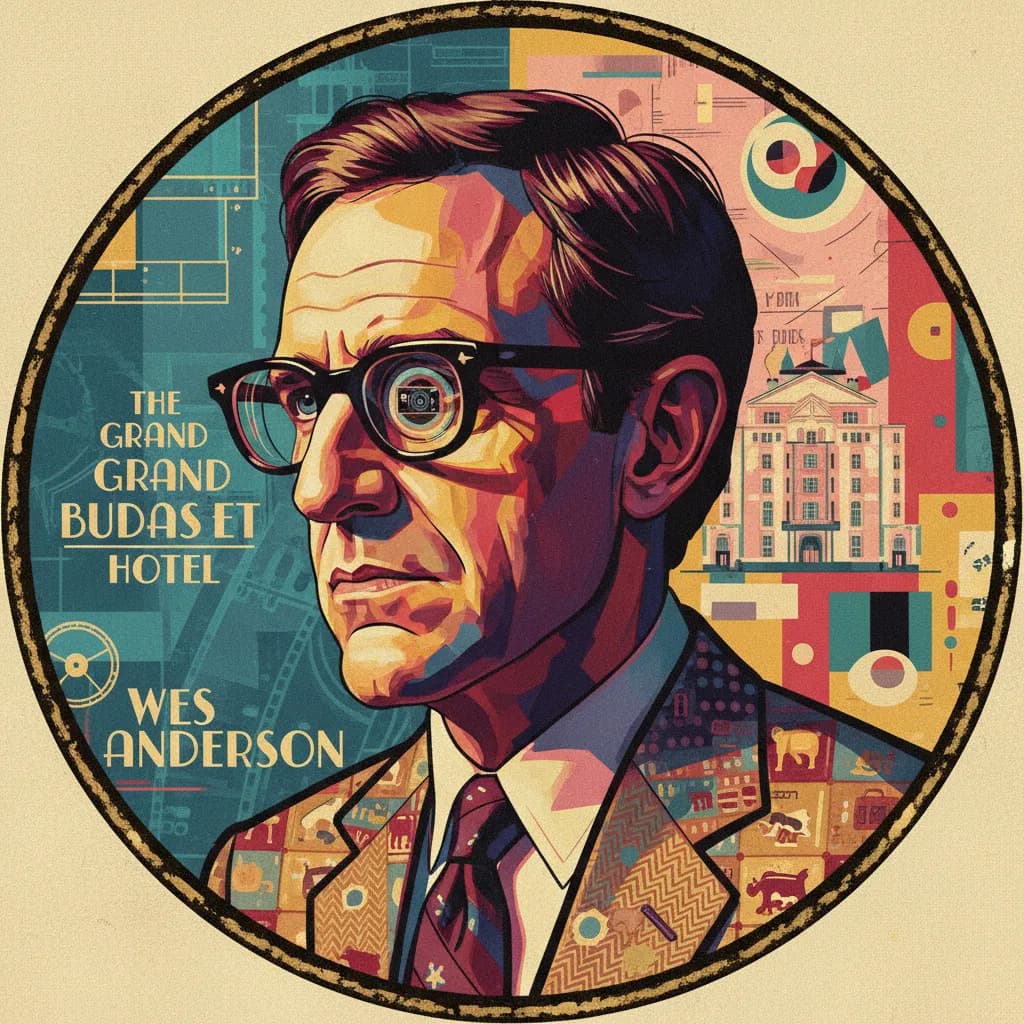
Wes Anderson
Every film, ranked

Paul Thomas Anderson
Every film, ranked

Ridley Scott
Every film, ranked

Tim Burton
Every film, ranked

Guillermo del Toro
Every film, ranked

Hayao Miyazaki
Every film, ranked

Akira Kurosawa
Every film, ranked

Francis Ford Coppola
Every film, ranked

Clint Eastwood
Every film, ranked

Bong Joon Ho
Every film, ranked

Woody Allen
Every film, ranked

Steven Soderbergh
Every film, ranked

Ron Howard
Every film, ranked

Pedro Almodóvar
Every film, ranked

Richard Linklater
Every film, ranked

Roman Polanski
Every film, ranked

Brian De Palma
Every film, ranked

Ingmar Bergman
Every film, ranked

Oliver Stone
Every film, ranked

David Cronenberg
Every film, ranked

Robert Zemeckis
Every film, ranked

Barry Levinson
Every film, ranked

John Carpenter
Every film, ranked

Joel Schumacher
Every film, ranked

Billy Wilder
Every film, ranked

Rob Reiner
Every film, ranked

Neil Jordan
Every film, ranked

Spike Lee
Every film, ranked

Ivan Reitman
Every film, ranked

John Woo
Every film, ranked

Lasse Hallström
Every film, ranked

Stephen Frears
Every film, ranked

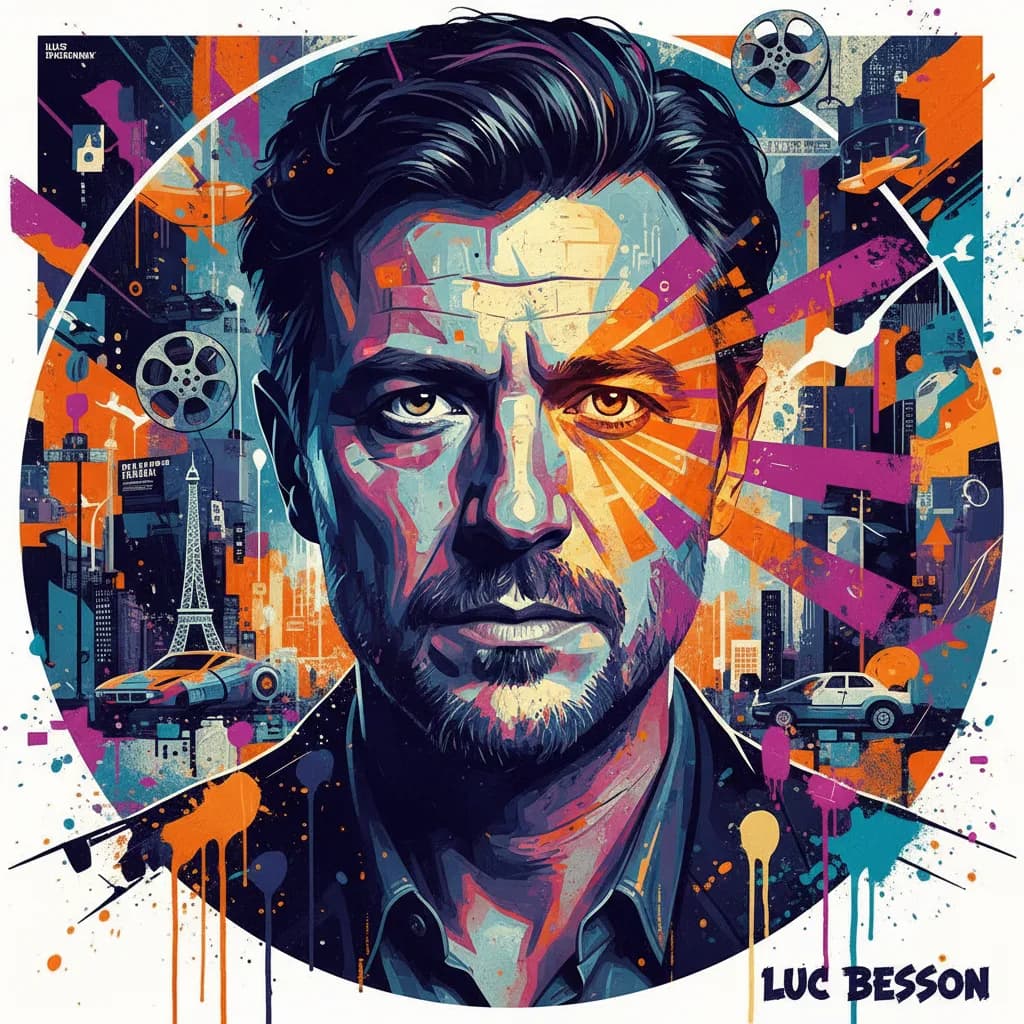
Luc Besson
Every film, ranked

Chris Columbus
Every film, ranked

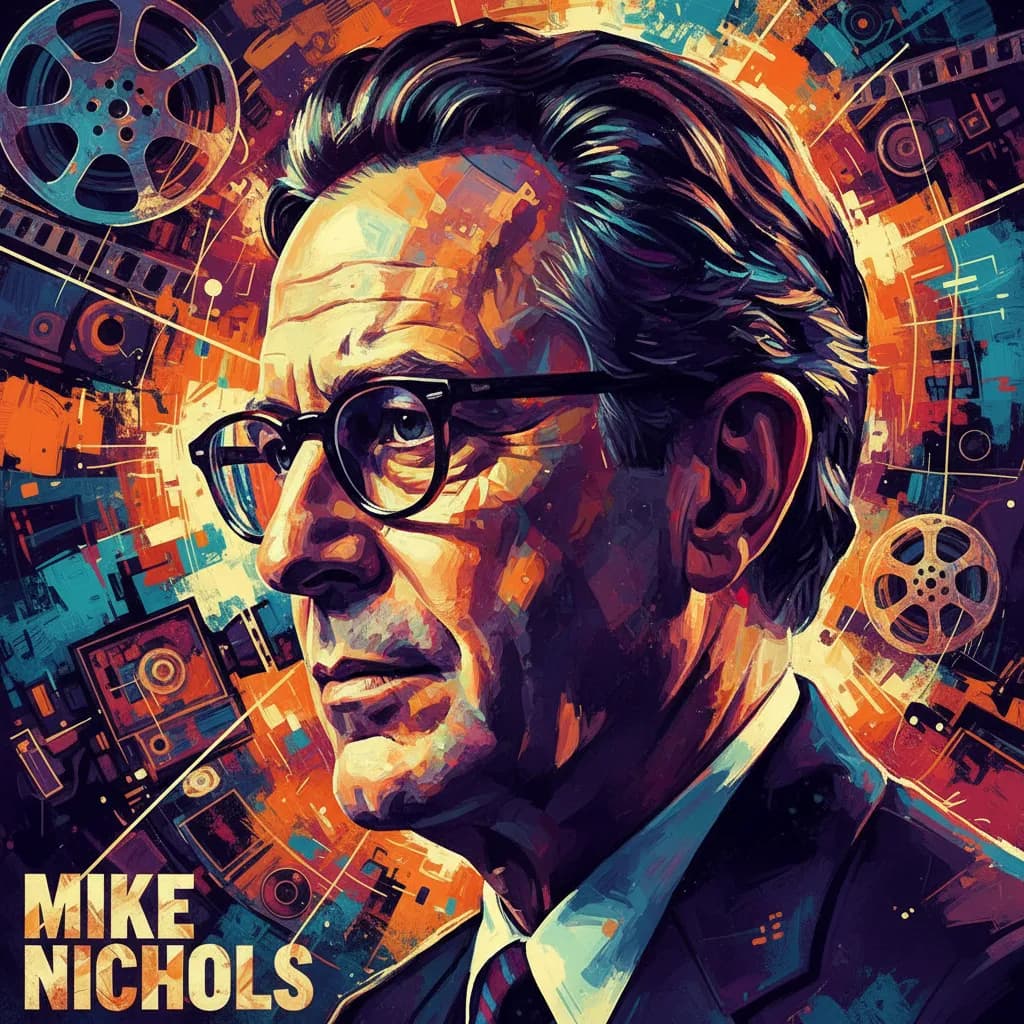
Mike Nichols
Every film, ranked

Howard Hawks
Every film, ranked

Ang Lee
Every film, ranked

Walter Hill
Every film, ranked

Gus Van Sant
Every film, ranked

William Wyler
Every film, ranked

Renny Harlin
Every film, ranked

Sidney Lumet
Every film, ranked

Tony Scott
Every film, ranked