Discover the visionary filmmakers behind cinema's greatest works.
Explore our selection of acclaimed directors and their remarkable films.
Showing 3793-3804 out of 4148

Tarsem Singh, also known simply as Tarsem, is an Indian-born film director known for his visually stunning and distinctive style. His directorial debut came with the critically acclaimed film "The Cell" in 2000, which showcased his penchant for surreal and visually arresting imagery. The film, a psychological thriller starring Jennifer Lopez and Vincent D'Onofrio, established Singh as a director with a keen eye for striking visuals and imaginative storytelling. Singh's 2006 film "The Fall" further solidified his reputation as a director with a unique visual sensibility. The movie, an epic fantasy adventure, captivated audiences with its breathtaking cinematography and dreamlike narrative. Singh's ability to create immersive and fantastical worlds on screen became a hallmark of his directorial style, earning him praise for his visionary approach to storytelling. In 2011, Singh directed "Immortals," a mythological action-drama that once again showcased his mastery of visual storytelling and grand scale filmmaking. The film's stunning visuals and epic battle sequences further cemented Singh's status as a director with an unparalleled ability to create cinematic spectacles that transport audiences to otherworldly realms. Singh's directorial work also includes "Mirror Mirror" (2012), a whimsical retelling of the classic Snow White fairytale, which demonstrated his versatility in blending fantasy, comedy, and drama. His 2015 film "Self/less" delved into the realm of science fiction, once again demonstrating his ability to weave visually captivating narratives across diverse genres. Throughout his career, Singh's films have consistently featured themes of transformation, identity, and the juxtaposition of reality and fantasy. His visual style is characterized by lush and vibrant imagery, meticulous attention to detail, and a vivid, almost surreal aesthetic that sets his work apart in the world of cinema. Tarsem Singh's impact on cinema lies in his ability to transport audiences into visually stunning and imaginative worlds, creating a cinematic experience that is both immersive and unforgettable. His unique vision and directorial prowess have left an indelible mark on the film industry, influencing a generation of filmmakers and captivating audiences with his unparalleled ability to blend artistry and storytelling. Singh's work continues to inspire and awe, solidifying his legacy as a visionary director with an enduring impact on the art of filmmaking.

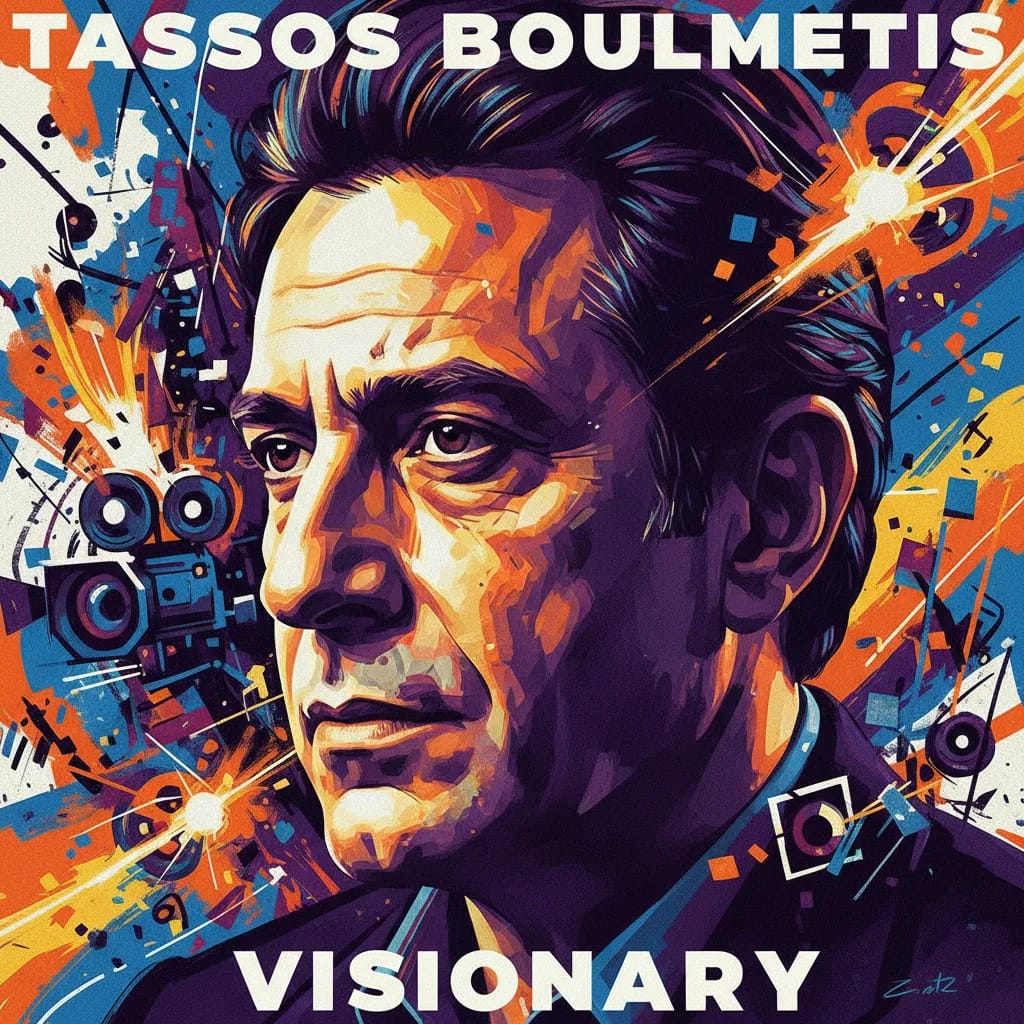
Tassos Boulmetis is a Greek filmmaker renowned for his poignant storytelling and visually captivating directorial style. His standout film, "A Touch of Spice" (2003), cemented his reputation as a director with a keen eye for blending historical context with deeply personal narratives. Boulmetis' films often explore themes of cultural identity, family dynamics, and the human experience, resonating with audiences on a universal level. "A Touch of Spice" stands as a testament to Boulmetis' ability to craft emotionally resonant stories that seamlessly weave together past and present. Set against the backdrop of Greece and Turkey, the film beautifully captures the essence of food, nostalgia, and the interconnectedness of cultures, reflecting Boulmetis' commitment to exploring the complexities of human relationships through the lens of cultural heritage. Boulmetis' directorial style is characterized by his meticulous attention to detail, evocative cinematography, and the ability to infuse his films with a sense of warmth and authenticity. His films often feature rich, multi-layered characters and emotionally charged narratives, drawing viewers into immersive cinematic experiences that leave a lasting impression. As a director, Boulmetis has made a significant impact on the world of cinema, earning critical acclaim and international recognition for his ability to skillfully blend history, culture, and personal storytelling. His work serves as a testament to the power of film to bridge cultural divides and connect audiences through shared experiences, solidifying his status as a visionary filmmaker with a unique and compelling artistic vision. In summary, Tassos Boulmetis is a director whose body of work reflects a deep understanding of the human condition, a keen eye for visual storytelling, and a commitment to exploring the complexities of cultural identity and interpersonal relationships. His films resonate with audiences worldwide, leaving an indelible mark on the cinematic landscape and establishing him as a director with a distinctive and impactful voice in the world of filmmaking.

Tate Taylor is a prolific American filmmaker known for his diverse range of directorial projects that span various genres. With a keen eye for storytelling and a knack for bringing compelling narratives to life, Taylor has left an indelible mark on the world of cinema. His notable filmography includes "Get on Up" (2014), a biographical drama about the legendary musician James Brown, "Ma" (2019), a gripping horror thriller, "The Help" (2011), a powerful drama that delves into racial tensions in 1960s Mississippi, "Ava" (2020), an action-packed thriller, and "The Girl on the Train" (2016), a gripping crime drama. Taylor's directorial style is characterized by his ability to seamlessly navigate between genres, demonstrating a versatility that sets him apart in the industry. He has a distinct talent for capturing the essence of his characters and their environments, bringing depth and authenticity to his storytelling. His films often tackle complex social issues with a nuanced approach, shedding light on the human experience with empathy and insight. One of Taylor's most lauded works is "The Help," which garnered critical acclaim and resonated deeply with audiences. The film's exploration of racial inequality and the courage of individuals to challenge societal norms showcased Taylor's ability to tackle weighty subject matter with grace and poignancy. "Ma" further showcased Taylor's range as a director, delving into the horror genre with a fresh perspective and delivering a spine-tingling experience for viewers. Throughout his career, Taylor has exhibited a commitment to storytelling that is both compelling and thought-provoking. His films often explore themes of identity, resilience, and the complexities of human relationships, inviting audiences to engage with the rich tapestry of emotions and experiences that define his work. Taylor's impact on cinema lies in his ability to craft narratives that resonate on a profound level, leaving a lasting impression on those who experience his films. In conclusion, Tate Taylor's directorial career is marked by a remarkable ability to traverse genres and deliver captivating stories that leave a lasting impact. His diverse filmography reflects a director with a deep understanding of the human condition and an unwavering dedication to bringing poignant narratives to the screen. With a unique vision and an unparalleled storytelling prowess, Taylor continues to enrich the world of cinema with his compelling directorial contributions.

Tatsuya Nagamine is a prolific Japanese film director known for his exceptional work in the animation, action, and adventure genres. His most notable work includes the highly acclaimed "Dragon Ball Super: Broly" (2018), which garnered widespread acclaim for its stunning animation and exhilarating action sequences. Nagamine's directorial style is characterized by his meticulous attention to detail and his ability to bring out the emotional depth of animated characters. His films often feature visually striking and dynamic action scenes that captivate audiences and push the boundaries of animation. He is also known for his skillful storytelling and ability to create compelling narratives that resonate with viewers of all ages. "Dragon Ball Super: Broly" stands as a testament to Nagamine's directorial prowess, as the film not only broke box office records but also received high praise from fans and critics alike. Nagamine's ability to breathe new life into the beloved "Dragon Ball" franchise while staying true to its roots showcases his talent for revitalizing classic properties and making them relevant to contemporary audiences. Nagamine's impact on cinema extends beyond his impressive filmography, as he has played a significant role in shaping the landscape of animated filmmaking. His ability to blend cutting-edge animation techniques with engaging storytelling has set a new standard for animated films, inspiring a new generation of filmmakers and animators to push the boundaries of what is possible in the medium. In conclusion, Tatsuya Nagamine has made an indelible mark on the world of animated filmmaking through his visionary directorial style and his ability to create captivating and emotionally resonant stories. His work on "Dragon Ball Super: Broly" solidifies his position as a masterful director with a keen understanding of the power of animation to captivate and inspire audiences. Nagamine's contributions to the medium have cemented his legacy as one of the most influential and innovative directors in the realm of animation, action, and adventure films.

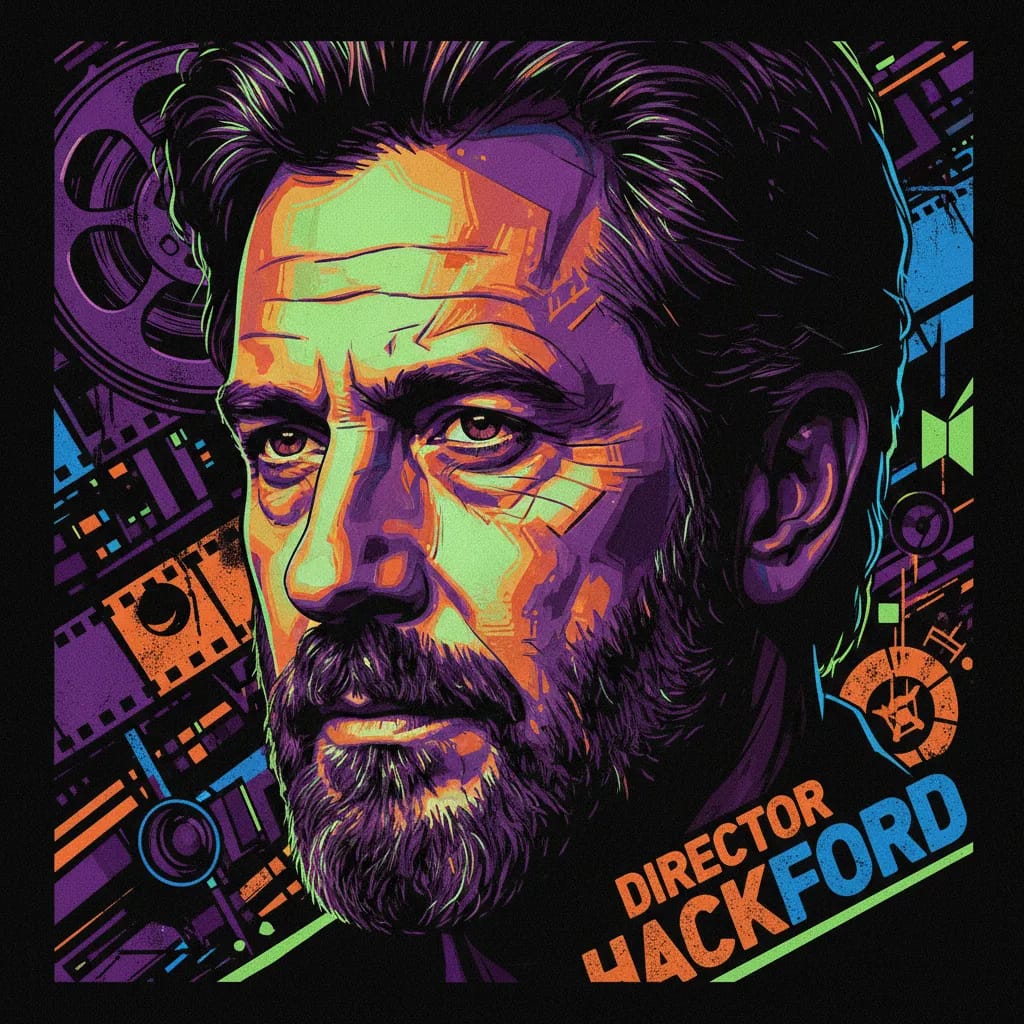
Taylor Hackford is an accomplished film director who has made a significant impact on the industry with his diverse range of films that span various genres. Known for his ability to tackle compelling and thought-provoking stories, Hackford's directorial style is characterized by his attention to detail and his ability to bring out powerful performances from his actors. His notable films include "Bound by Honor" (1993), a gripping crime drama that delves into the complexities of gang life, and "Ray" (2004), a biographical drama about the legendary musician Ray Charles, which earned Jamie Foxx an Academy Award for his portrayal of the titular character. Hackford's filmography also includes "Parker" (2013), an action-packed crime thriller starring Jason Statham, as well as "Dolores Claiborne" (1995), a haunting crime drama with elements of mystery. In "Proof of Life" (2000), Hackford demonstrated his skill in crafting tense and emotionally charged thrillers, while "An Officer and a Gentleman" (1982) and "Against All Odds" (1984) showcased his ability to create compelling romantic dramas and intense action films. Throughout his career, Hackford has explored a wide range of themes, from the complexities of human relationships to the allure of power and ambition. His films often delve into the human psyche, presenting characters who are faced with moral dilemmas and internal conflicts. This exploration of human nature has resonated with audiences, earning him critical acclaim and a dedicated following. Hackford's impact on cinema is evident in his ability to tackle diverse subject matter with a keen understanding of storytelling and visual aesthetics. His unique vision has left an indelible mark on the film industry, and his contributions continue to inspire and influence aspiring filmmakers. With a career spanning several decades, Taylor Hackford remains a prominent figure in the world of cinema, admired for his ability to bring powerful and thought-provoking stories to the screen.


Taylor Sheridan is a prominent figure in the contemporary film industry, known for his distinct directorial style and compelling storytelling. His career began as an actor before transitioning to screenwriting, where he gained recognition for his work on acclaimed films such as "Sicario" and "Hell or High Water." Sheridan made his directorial debut with "Wind River" in 2017, a gripping crime drama that showcased his skill in creating atmospheric tension and exploring complex characters in a rugged, unforgiving landscape. The film was met with critical acclaim and established Sheridan as a formidable director with a keen eye for nuanced storytelling. Sheridan's directorial style is characterized by its raw, visceral approach to storytelling, often delving into themes of justice, morality, and the human condition. His films are known for their immersive cinematography and evocative sound design, which effectively transport audiences into the heart of the narrative. "Wind River" exemplifies Sheridan's ability to craft intense, character-driven narratives that resonate on a profound emotional level, while "Those Who Wish Me Dead" further solidified his mastery of the action thriller genre, blending high-stakes suspense with poignant human drama. Notable for his collaborations with talented actors and dedication to authentic storytelling, Sheridan's films often explore the complexities of the American frontier, shedding light on overlooked communities and the struggles they face. His emphasis on empathy and social commentary adds depth to his narratives, making them resonate with audiences on a deeply personal level. As a director, Sheridan has made a significant impact on cinema by infusing his work with a distinct blend of gritty realism and emotional depth, earning a reputation as a visionary filmmaker with a bold, uncompromising vision. In conclusion, Taylor Sheridan's directorial career has been marked by a series of standout films that showcase his prowess in crafting gripping, emotionally resonant narratives. With a commitment to authentic storytelling and a penchant for exploring the human experience in all its complexities, Sheridan has left an indelible mark on the film industry. His ability to blend intense action with profound character development sets him apart as a director with a unique and compelling vision, making him a vital voice in contemporary cinema. As Sheridan continues to push boundaries and captivate audiences with his storytelling, his contributions to film are sure to endure as a testament to his artistry and impact.

Ted Berman was an influential director, best known for his work in animation. His notable films include "The Fox and the Hound" (1981) and "The Black Cauldron" (1985). Berman's directorial style was characterized by a keen attention to detail, a deep understanding of character development, and a commitment to pushing the boundaries of animation. His films often showcased a blend of action, adventure, and drama, captivating audiences with their visually stunning storytelling. Berman's impact on cinema was significant, as he played a vital role in shaping the landscape of animated filmmaking. His work on "The Black Cauldron" was particularly groundbreaking, as it was one of the first animated films to incorporate darker and more mature themes, setting a new standard for the genre. Berman's willingness to explore complex narratives and embrace a more sophisticated tone in his films expanded the possibilities of animation, inspiring future generations of filmmakers to push creative boundaries. Throughout his career, Berman's recurring themes included the exploration of friendship, loyalty, and the complexities of human emotions. His ability to infuse his films with heartfelt and relatable characters resonated with audiences of all ages, cementing his status as a visionary director. Berman's commitment to storytelling and his dedication to bringing depth and substance to animated films solidified his reputation as a trailblazer in the industry. In conclusion, Ted Berman's directorial legacy continues to influence and inspire filmmakers in the world of animation. His visionary approach to storytelling, his groundbreaking contributions to the genre, and his ability to create emotionally resonant narratives have left an indelible mark on cinema. Through his work, Berman elevated the art of animation, leaving behind a body of work that continues to captivate and enchant audiences, making him a true master of his craft.

Ted Demme was an influential American film director known for his distinct blend of comedy, drama, and crime genres. With a career tragically cut short, Demme made a significant impact on cinema with his unique directorial style and thought-provoking storytelling. His notable films include "The Ref" (1994), "Blow" (2001), and "Beautiful Girls" (1996), each showcasing his ability to navigate complex narratives and delve into the human condition. Demme's directorial style was characterized by a keen understanding of character dynamics and a knack for capturing the rawness of human emotions. His films often featured flawed yet relatable characters grappling with moral dilemmas and personal struggles. "The Ref" exemplifies his adeptness at blending humor and tension within a crime-drama framework, while "Beautiful Girls" delves into the complexities of relationships and personal growth with a comedic touch. "Blow" stands out as a biographical crime drama that delves into the rise and fall of a notorious drug smuggler, displaying Demme's versatility in handling intense subject matter with sensitivity and depth. Throughout his career, Demme explored recurring themes such as redemption, identity, and the consequences of one's choices, offering audiences thought-provoking narratives that resonated on a profound level. His ability to infuse depth into his characters and narratives elevated his work and solidified his status as a director with a profound understanding of the human experience. Ted Demme's impact on cinema remains enduring, as his films continue to be revered for their emotional resonance and insightful portrayal of the human condition. His untimely passing in 2002 marked the loss of a visionary director whose contributions to the film industry continue to inspire and captivate audiences worldwide. Demme's distinct directorial vision and storytelling prowess have left an indelible mark on the cinematic landscape, cementing his legacy as a director whose work transcends time and genre boundaries.

Teddy Chan is a Hong Kong film director known for his dynamic and visually stunning action films. With a career spanning over two decades, Chan has made a significant impact on the action genre, blending elements of comedy, crime, and martial arts to create thrilling and entertaining cinematic experiences. His directorial style is characterized by high-energy sequences, innovative fight choreography, and a keen sense of humor, making his films a must-watch for action enthusiasts worldwide. One of Chan's most notable films is "The Accidental Spy" (2001), starring martial arts icon Jackie Chan. The film showcases Teddy Chan's adeptness at blending action and comedy, as well as his ability to craft compelling narratives within the crime genre. The movie's success solidified Chan's reputation as a director capable of delivering adrenaline-pumping entertainment with a touch of humor, setting the stage for his future projects. In 2014, Chan further solidified his position in the industry with "Kung Fu Jungle," a gripping action thriller that combined martial arts prowess with a compelling crime narrative. The film garnered critical acclaim for its exhilarating fight sequences and intense storytelling, establishing Chan as a director with a knack for pushing the boundaries of action cinema while maintaining a strong emphasis on character development and plot intricacy. Throughout his career, Teddy Chan has demonstrated a recurring theme of exploring the complexities of the human condition within the framework of action-packed narratives. His films often delve into the psychological motivations of his characters, adding depth and dimension to the adrenaline-fueled spectacle. This unique approach has resonated with audiences and critics alike, cementing Chan's status as a visionary director with a distinct storytelling style. Teddy Chan's contributions to cinema have left an indelible mark on the action genre, inspiring a new generation of filmmakers to embrace inventive storytelling and captivating visuals. His ability to seamlessly blend elements of comedy, crime, and martial arts has redefined the parameters of action filmmaking, earning him a revered status among fans of the genre and industry professionals alike. As Teddy Chan continues to shape the cinematic landscape with his visionary approach, audiences can eagerly anticipate his future endeavors, knowing they will be treated to captivating and exhilarating cinematic experiences.

Ted Geoghegan is an American film director best known for his work in the horror genre. His directorial debut came in 2015 with the critically acclaimed horror film "We Are Still Here." The film, which blends elements of horror and mystery, garnered praise for its effective scares, atmospheric tension, and nods to classic horror cinema. Geoghegan's directorial style is characterized by his ability to create a sense of dread and unease, often utilizing practical effects and building tension through meticulous pacing and atmospheric storytelling. "We Are Still Here" stands as a testament to Geoghegan's keen eye for visual storytelling and his ability to evoke a sense of dread and unease in his audience. The film's success solidified Geoghegan as a rising talent in the horror genre, and his unique directorial vision has since garnered attention from both critics and audiences alike. Geoghegan's work often explores themes of grief, loss, and the supernatural, and his films are known for their strong sense of atmosphere and attention to detail. His contributions to the horror genre have been notable for their fresh take on classic horror tropes and their ability to appeal to both die-hard horror fans and general audiences. In addition to his directorial work, Geoghegan has also made a name for himself as a writer and producer, further showcasing his versatility and passion for storytelling. With his unique directorial vision and his ability to bring new life to the horror genre, Ted Geoghegan has solidified himself as a director to watch in the world of cinema. As he continues to leave his mark on the industry, audiences can eagerly anticipate his future projects and the fresh perspective he brings to filmmaking.

Ted Kotcheff is a renowned Canadian film director whose prolific career has left an indelible mark on the world of cinema. With a diverse filmography spanning multiple genres, Kotcheff's directorial style is marked by a keen ability to seamlessly blend action, drama, and comedy. His notable films such as "Uncommon Valor" (1983), "Weekend at Bernie's" (1989), "Wake in Fright" (1971), and "First Blood" (1982) showcase his versatility and skill in crafting compelling narratives that resonate with audiences. Throughout his career, Kotcheff has exhibited a penchant for exploring themes of resilience, survival, and the human condition. His films often delve into the complexities of human nature, portraying characters who are thrust into challenging circumstances and must navigate through adversity. Whether it's the gritty realism of "Wake in Fright" or the high-stakes action of "First Blood," Kotcheff's films capture the essence of human struggle and triumph. Kotcheff's impact on cinema is undeniable, as he has contributed to shaping the cinematic landscape with his innovative storytelling and directorial prowess. His ability to infuse his films with tension, emotion, and unexpected humor has garnered him a dedicated following and critical acclaim. With a career spanning several decades, Kotcheff continues to be celebrated for his unique vision and his ability to captivate audiences with his distinct directorial style. In conclusion, Ted Kotcheff's career as a film director is a testament to his creative vision and his lasting impact on the world of cinema. His diverse filmography, marked by memorable films across various genres, showcases his ability to craft compelling narratives that resonate with audiences. With a unique blend of action, drama, and comedy, Kotcheff has solidified his legacy as a director whose work continues to captivate and inspire cinephiles around the world.

Ted Post was an American film and television director known for his work in the action, crime, and western genres. With a career spanning over four decades, Post left an indelible mark on the world of cinema with his unique directorial style and diverse filmography. He was renowned for his ability to craft gripping narratives and his meticulous attention to detail in each of his films. One of Post's most notable works is the 1973 action thriller "Magnum Force," which starred Clint Eastwood. The film was a commercial success and showcased Post's adeptness at directing high-octane, adrenaline-pumping action sequences. His skill in building tension and delivering impactful storytelling solidified his reputation as a master of the action genre. In 1968, Post directed the classic western "Hang 'Em High," which starred Clint Eastwood as well. The film was highly acclaimed for its gritty portrayal of the Old West and its exploration of themes such as justice and retribution. Post's ability to bring out the raw emotions of his characters and immerse audiences in the rugged landscapes of the American frontier made "Hang 'Em High" a standout in the western genre. Post's foray into the science fiction genre came with "Beneath the Planet of the Apes" in 1970. As the sequel to the groundbreaking "Planet of the Apes," Post's direction added a layer of suspense and spectacle to the franchise. His adept handling of the film's dystopian themes and futuristic elements further showcased his versatility as a director. Throughout his career, Post's films often explored themes of morality, justice, and the human condition, resonating with audiences on a profound level. His impact on cinema is undeniable, as he left behind a body of work that continues to inspire and entertain audiences to this day. Ted Post's unique vision and contributions to the world of film have solidified his legacy as a director who pushed the boundaries of storytelling and visual expression.
Every film by the greats, ranked by our TML Score.

Christopher Nolan
Every film, ranked

Quentin Tarantino
Every film, ranked

Stanley Kubrick
Every film, ranked

Martin Scorsese
Every film, ranked

Steven Spielberg
Every film, ranked

Alfred Hitchcock
Every film, ranked

David Fincher
Every film, ranked

Denis Villeneuve
Every film, ranked

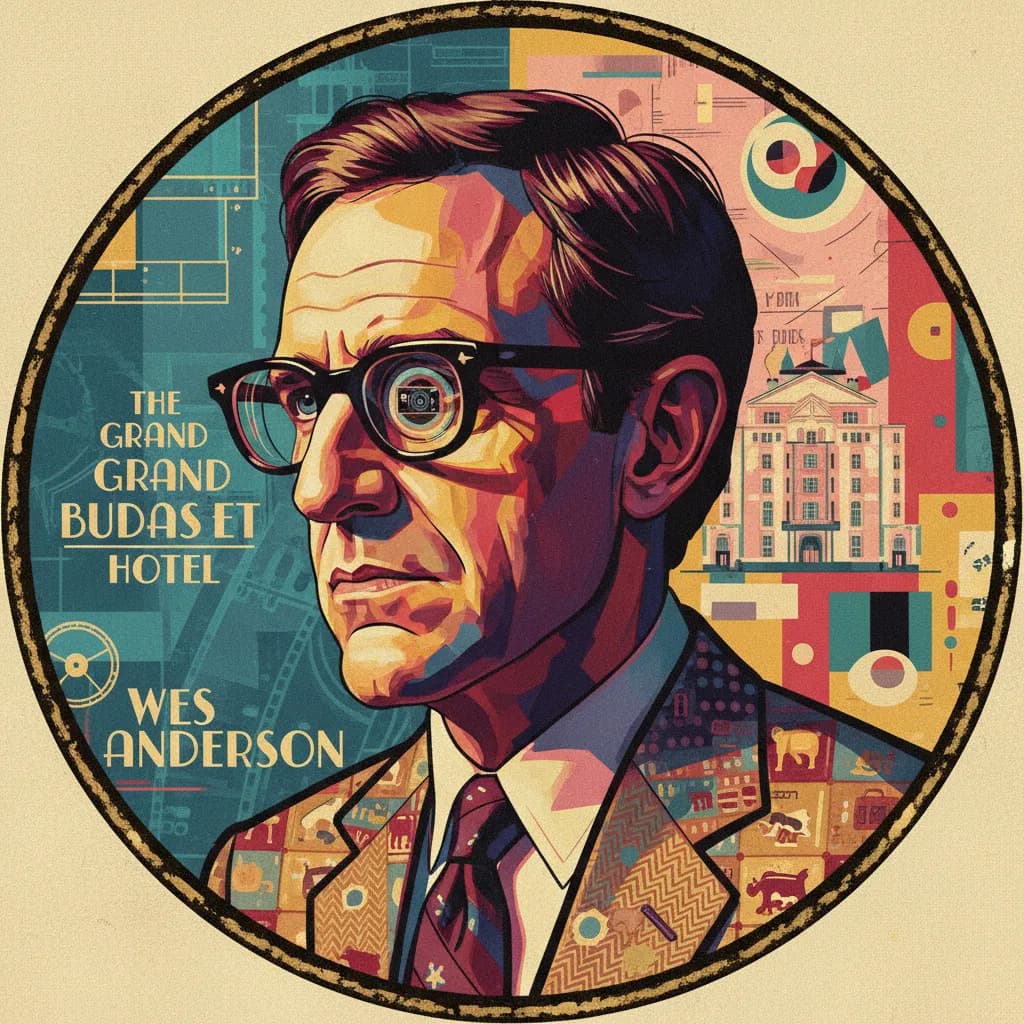
Wes Anderson
Every film, ranked

Paul Thomas Anderson
Every film, ranked

Ridley Scott
Every film, ranked

Tim Burton
Every film, ranked

Guillermo del Toro
Every film, ranked

Hayao Miyazaki
Every film, ranked

Akira Kurosawa
Every film, ranked

Francis Ford Coppola
Every film, ranked

Clint Eastwood
Every film, ranked

Bong Joon Ho
Every film, ranked

Woody Allen
Every film, ranked

Steven Soderbergh
Every film, ranked

Ron Howard
Every film, ranked

Pedro Almodóvar
Every film, ranked

Richard Linklater
Every film, ranked

Roman Polanski
Every film, ranked

Brian De Palma
Every film, ranked

Ingmar Bergman
Every film, ranked

Oliver Stone
Every film, ranked

David Cronenberg
Every film, ranked

Robert Zemeckis
Every film, ranked

Barry Levinson
Every film, ranked

John Carpenter
Every film, ranked

Joel Schumacher
Every film, ranked

Billy Wilder
Every film, ranked

Rob Reiner
Every film, ranked

Neil Jordan
Every film, ranked

Spike Lee
Every film, ranked

Ivan Reitman
Every film, ranked

John Woo
Every film, ranked

Lasse Hallström
Every film, ranked

Stephen Frears
Every film, ranked

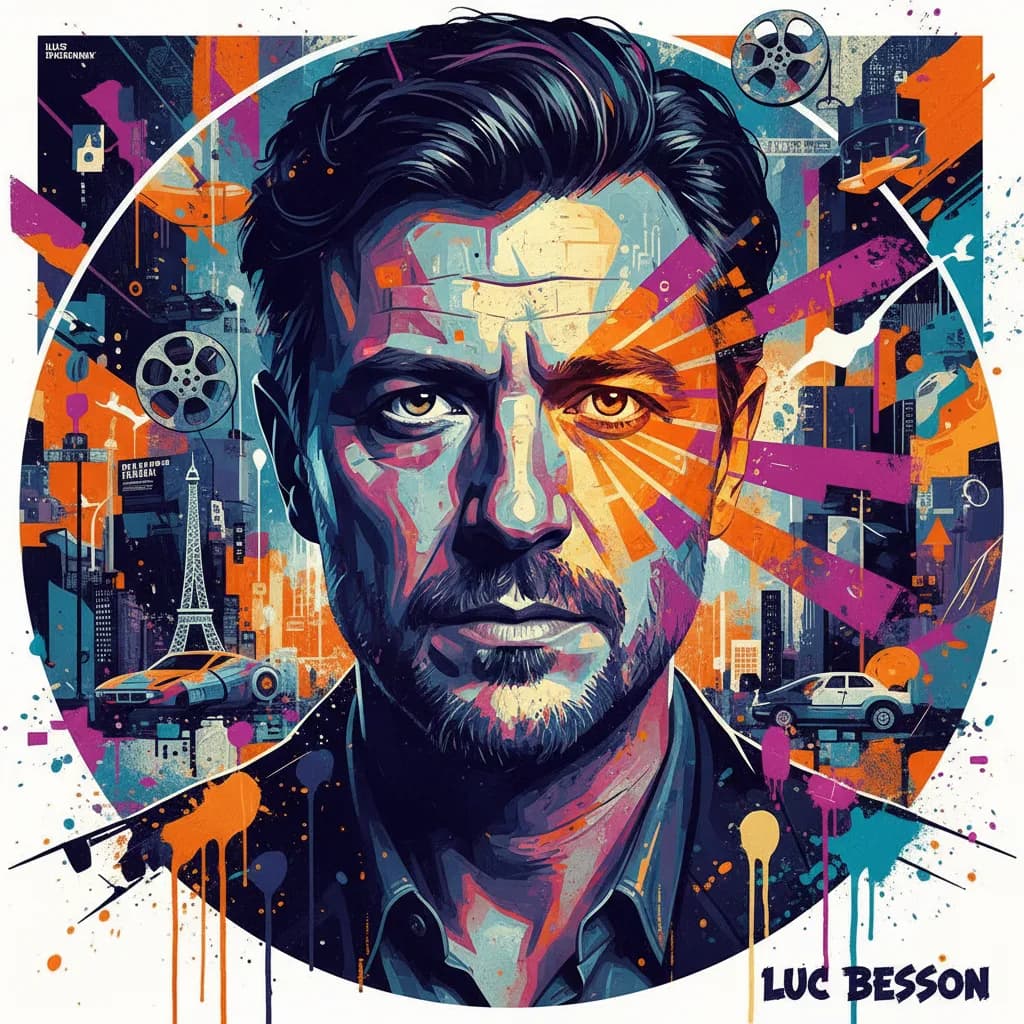
Luc Besson
Every film, ranked

Chris Columbus
Every film, ranked

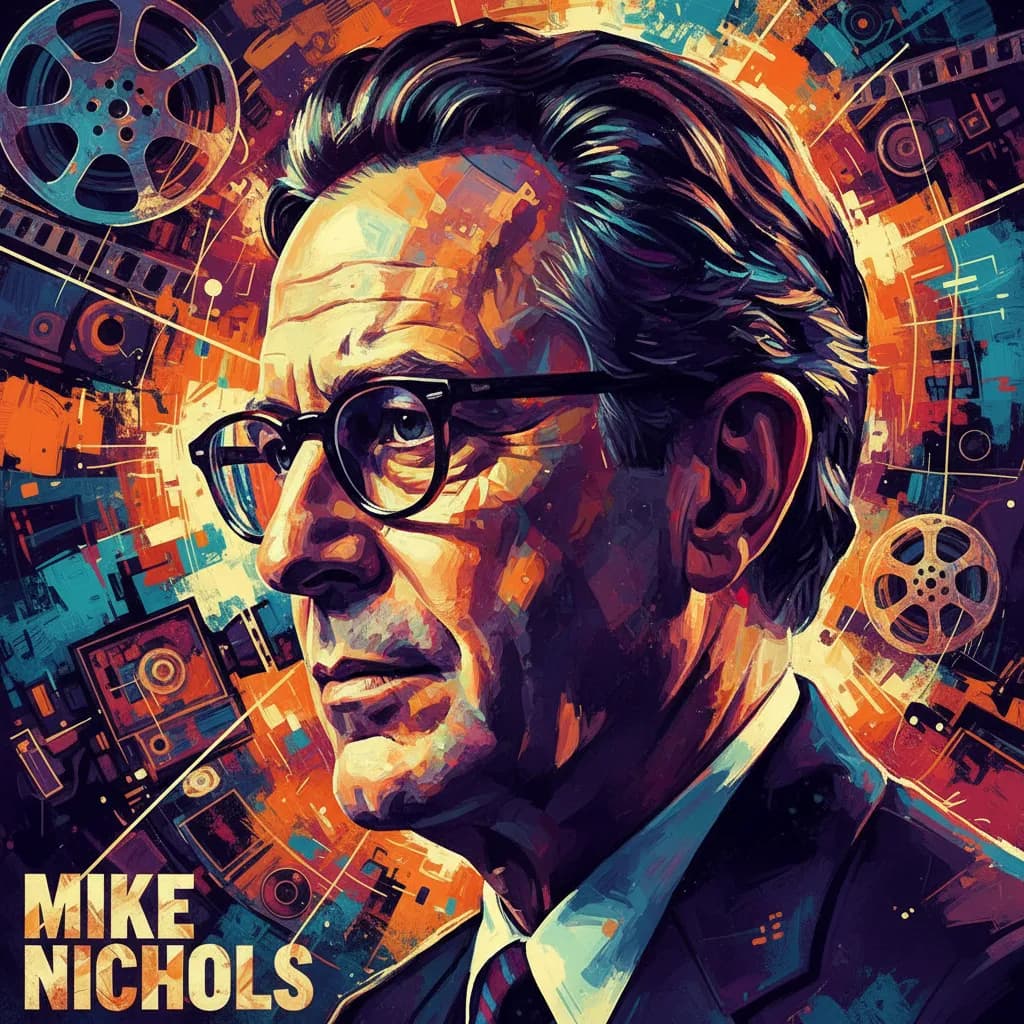
Mike Nichols
Every film, ranked

Howard Hawks
Every film, ranked

Ang Lee
Every film, ranked

Walter Hill
Every film, ranked

Gus Van Sant
Every film, ranked

William Wyler
Every film, ranked

Renny Harlin
Every film, ranked

Sidney Lumet
Every film, ranked

Tony Scott
Every film, ranked