Discover the visionary filmmakers behind cinema's greatest works.
Explore our selection of acclaimed directors and their remarkable films.
Showing 3745-3756 out of 4148

Stuart Rosenberg was a visionary film director known for his compelling storytelling and ability to bring out powerful performances from his actors. With a career spanning several decades, Rosenberg showcased a versatile directorial style that left an indelible mark on the world of cinema. Born in Brooklyn, New York, in 1927, he began his journey in the entertainment industry as a television director before transitioning to the big screen. One of Rosenberg's most iconic works is the 1967 film "Cool Hand Luke," a gripping crime drama that solidified his reputation as a director with a keen eye for capturing the human experience. Starring the legendary Paul Newman, the film delves into themes of rebellion, resilience, and the struggle for individuality within a rigid societal framework. Rosenberg's deft handling of the narrative and his ability to evoke raw, emotional performances from the cast earned him widespread acclaim and cemented "Cool Hand Luke" as a timeless classic. In 1980, Rosenberg directed "Brubaker," another standout addition to his filmography. This riveting crime drama starred Robert Redford and shed light on the harsh realities of the American prison system. Once again, Rosenberg's astute direction and focus on social issues resonated with audiences and critics alike, further solidifying his reputation as a director unafraid to tackle thought-provoking subject matter. Rosenberg's directorial style was characterized by a commitment to authenticity, nuanced storytelling, and a deep understanding of the human condition. His films often explored themes of rebellion, institutional oppression, and the resilience of the human spirit. Through his work, Rosenberg left an indelible impact on cinema, inspiring future generations of filmmakers to fearlessly address societal issues and embrace the complexities of the human experience. Stuart Rosenberg's legacy as a director continues to endure, with his films remaining relevant and influential in the world of cinema. His unique vision and ability to infuse depth and authenticity into his storytelling have solidified his place as a revered figure in the history of filmmaking, and his body of work continues to captivate audiences and inspire aspiring filmmakers.

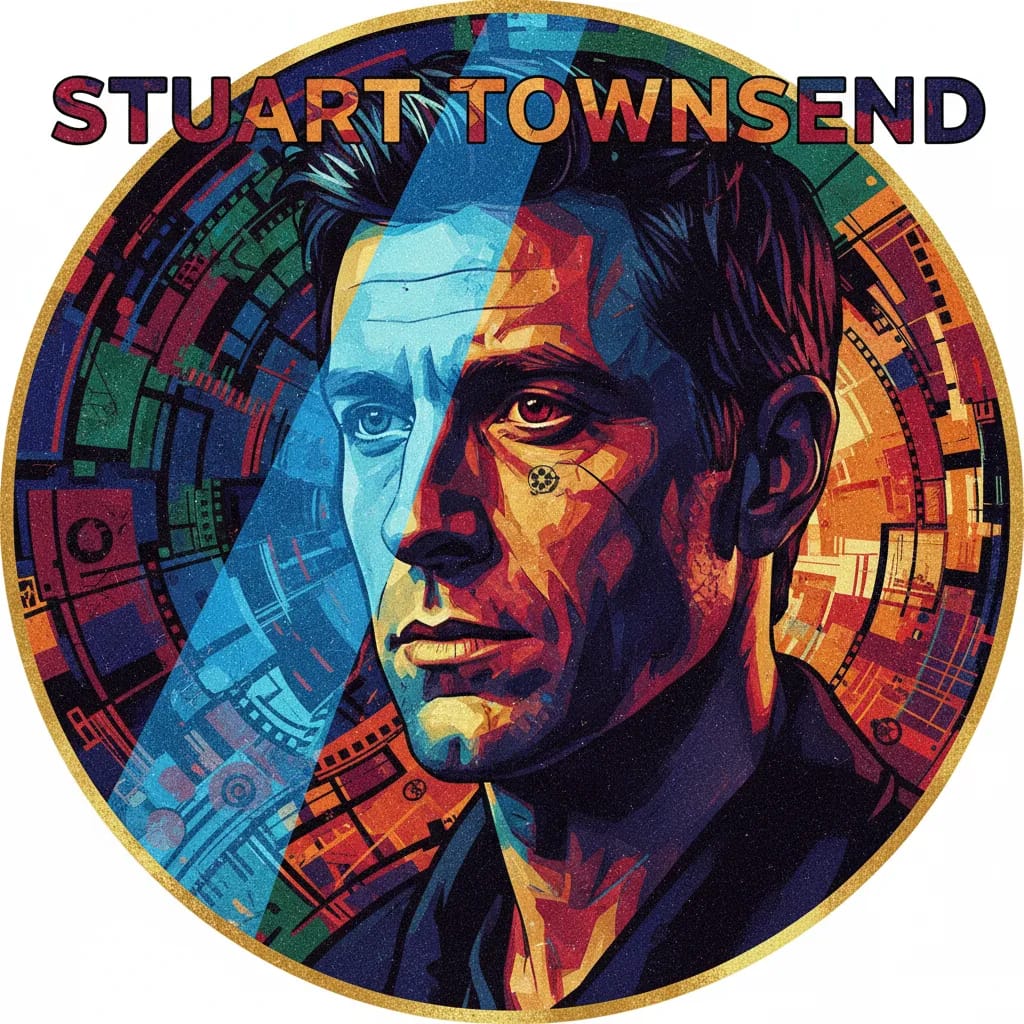
Stuart Townsend, an Irish actor turned director, made his directorial debut with the powerful and politically charged film, Battle in Seattle (2007). Known for his captivating storytelling and strong visual style, Townsend's directorial approach is characterized by a deep exploration of social and political issues. His filmography may be limited, but Townsend's impact on cinema is undeniable, particularly through his ability to infuse his work with unflinching realism and emotional depth. Battle in Seattle is a testament to Townsend's directorial prowess, as he skillfully weaves together the narratives of various characters during the 1999 World Trade Organization protests in Seattle. The film's action-packed sequences are juxtaposed with intense drama and historical context, showcasing Townsend's ability to balance multiple genres while delivering a thought-provoking narrative. His directorial style is marked by a keen eye for detail, allowing him to capture the essence of complex events and translate them into powerful cinematic experiences. Townsend's directorial debut has set him apart as a filmmaker unafraid to tackle significant real-world events and societal issues. His commitment to shining a light on historical and political themes is a recurring motif in his work, demonstrating a dedication to engaging audiences with compelling storytelling that goes beyond mere entertainment. Battle in Seattle stands as a testament to Townsend's unique vision and his ability to craft impactful, socially relevant films that resonate with viewers on a profound level. While Townsend's directorial career may be relatively young, his impact on cinema is already palpable. His ability to blend action, drama, and historical context in Battle in Seattle showcases his versatility as a director, setting the stage for a promising future in the film industry. As he continues to hone his craft, audiences can expect more thought-provoking and visually stunning films from this talented director. Stuart Townsend is undoubtedly a filmmaker to watch, as he continues to make his mark on the cinematic landscape with his distinct directorial style and unyielding commitment to storytelling.

Stuart Zicherman is a talented film director known for his distinctive style and unique storytelling. His notable filmography includes "A.C.O.D." (2013), a comedy that garnered attention for its sharp wit and insightful commentary on family dynamics. Zicherman's directorial approach is characterized by a blend of humor and introspection, creating films that resonate with audiences on both an emotional and comedic level. "A.C.O.D." stands as a testament to Zicherman's ability to navigate complex familial relationships with a deft touch, infusing his work with a keen understanding of human nature. His directorial style often incorporates a blend of humor and heart, resulting in films that are both entertaining and thought-provoking. Zicherman's ability to delve into the intricacies of human behavior sets him apart as a director capable of crafting compelling narratives that resonate with viewers. Throughout his career, Zicherman has demonstrated a penchant for exploring themes related to family, identity, and the human experience. His films often delve into the complexities of interpersonal relationships, offering a nuanced portrayal of the dynamics that shape our lives. Zicherman's keen insight into the human condition shines through in his work, creating a body of films that offer both entertainment and emotional resonance. Zicherman's impact on cinema lies in his ability to infuse his films with a sense of authenticity and relatability. His directorial approach, marked by a blend of humor and sincerity, has resonated with audiences and critics alike. With "A.C.O.D." as a standout example of his directorial prowess, Zicherman has firmly established himself as a filmmaker capable of crafting engaging narratives that leave a lasting impression. In conclusion, Stuart Zicherman's directorial career is defined by his ability to blend humor and insight, creating films that delve into the complexities of human relationships with authenticity and emotional resonance. His unique vision and directorial style have left an indelible mark on cinema, solidifying his position as a director to watch in the ever-evolving landscape of filmmaking.

Sturla Gunnarsson is a distinguished Icelandic-Canadian film director renowned for his captivating storytelling and visually stunning cinematography. With a career spanning over four decades, Gunnarsson has left an indelible mark on the film industry, earning critical acclaim for his distinct directorial style and innovative approach to filmmaking. His body of work encompasses a wide array of genres, but he is particularly celebrated for his masterful direction in action, adventure, and drama films. One of Gunnarsson's most noteworthy works is "Beowulf & Grendel" (2005), a gripping retelling of the classic Old English epic. In this film, Gunnarsson showcases his prowess in crafting compelling narratives and his ability to seamlessly blend elements of action, adventure, and drama to create a cinematic masterpiece. His keen eye for detail and his skillful direction of complex battle sequences have solidified his reputation as a visionary director with a unique ability to bring ancient tales to life on the silver screen. Throughout his career, Gunnarsson has demonstrated a penchant for exploring themes of heroism, morality, and the human condition, infusing his films with depth and emotional resonance. His directorial style is characterized by a meticulous attention to visual aesthetics, a commitment to authenticity, and a talent for eliciting powerful performances from his cast. These qualities have set him apart as a director with an unwavering dedication to his craft and a commitment to pushing the boundaries of storytelling in cinema. Gunnarsson's impact on cinema extends beyond his individual films, as he has consistently elevated the art of filmmaking through his innovative techniques and unwavering commitment to excellence. His ability to transport audiences to immersive, visually stunning worlds has cemented his status as a director of unparalleled skill and vision. As he continues to push the envelope in the realm of action, adventure, and drama, Sturla Gunnarsson remains a trailblazing force in the film industry, leaving an enduring legacy of cinematic brilliance for generations to come.

Subhash Ghai is a renowned Indian film director, producer, and screenwriter known for his exceptional contributions to Hindi cinema. With a career spanning over four decades, Ghai has established himself as a prominent figure in the industry, creating a distinct directorial style that often blends drama, music, and romance. His directorial debut "Kalicharan" in 1976 marked the beginning of a prolific career that has left an indelible mark on Indian cinema. Ghai's directorial style is characterized by grand storytelling, compelling narratives, and captivating musical compositions. He has a knack for creating visually stunning films that resonate with audiences on an emotional level. His ability to infuse music seamlessly into the narrative has resulted in timeless classics like "Karz" (1980), "Hero" (1983), and "Taal" (1999), which have become synonymous with his directorial prowess. One of Ghai's most notable films is "Pardes" (1997), a poignant drama that delves into the complexities of love, culture, and identity. The film's thematic depth, coupled with Ghai's adept direction, garnered widespread acclaim and solidified his reputation as a master storyteller. Through "Pardes," Ghai showcased his ability to address universal themes while infusing them with his unique directorial sensibilities. Ghai's films often explore themes of ambition, love, and societal dynamics, portraying characters who navigate personal and moral dilemmas. His directorial vision has had a profound impact on Indian cinema, inspiring a generation of filmmakers and leaving an indelible mark on the industry. Ghai's commitment to crafting compelling narratives and his ability to evoke powerful performances from actors have cemented his legacy as a trailblazing director. In conclusion, Subhash Ghai's directorial career is a testament to his unparalleled creativity and storytelling prowess. His unique vision and directorial style have left an indelible mark on Indian cinema, with timeless classics that continue to captivate audiences. Ghai's ability to seamlessly blend drama, music, and romance has solidified his status as one of the most influential directors in the industry, and his contributions continue to shape the landscape of Indian cinema.

Subhash Kapoor is a prominent Indian film director known for his remarkable contributions to the Hindi film industry. With a strong penchant for creating compelling narratives that seamlessly blend comedy, crime, and drama, Kapoor has left an indelible mark on Indian cinema. His directorial style is characterized by a keen understanding of human emotions and societal issues, often reflected in his thought-provoking storytelling. Kapoor garnered widespread acclaim for his directorial prowess with the film "Jolly LLB" (2013), a satirical take on the Indian legal system that won the National Film Award for Best Feature Film in Hindi. This movie not only showcased Kapoor's ability to infuse humor with social commentary but also brought to the forefront his distinct storytelling finesse. The success of "Jolly LLB" was further solidified with its sequel, "Jolly LLB 2" (2017), where Kapoor continued to weave together comedy, crime, and drama while delving into pertinent societal issues. A recurring theme in Kapoor's work is his exploration of the complexities of the Indian legal system and the societal disparities that underpin it. Through his films, he deftly sheds light on the struggles of the common man while incorporating elements of wit and humor, thereby striking a chord with audiences. Kapoor's ability to address serious subjects with a touch of levity has set him apart as a director with a distinctive voice in the Indian film landscape. Subhash Kapoor's impact on cinema extends beyond his storytelling abilities. His unique vision has not only entertained audiences but also sparked conversations about pertinent social issues, positioning him as a director with a profound understanding of human experiences. With his uncanny ability to navigate the intricacies of the Indian legal system and societal dynamics, Kapoor has undoubtedly carved a niche for himself in the realm of Indian filmmaking, leaving an indelible legacy for future generations of filmmakers to admire and draw inspiration from.


Sudha Kongara is a visionary Indian filmmaker renowned for her impactful storytelling and unique directorial style. With a career spanning over a decade, Kongara has left an indelible mark on Indian cinema through her masterful direction and compelling narratives. Her directorial debut "Irudhi Suttru" (2016) received widespread acclaim for its gripping portrayal of the boxing world, seamlessly blending action, drama, and sports elements. The film showcased Kongara's ability to infuse raw emotion and authenticity into her narratives, setting the stage for her remarkable career. Kongara further solidified her directorial prowess with the critically acclaimed "Soorarai Pottru" (2020), a captivating drama inspired by the life of Air Deccan founder Captain G. R. Gopinath. The film garnered international recognition, earning accolades for its powerful storytelling, compelling performances, and poignant social commentary. Kongara's ability to intricately weave human emotions, social issues, and inspirational themes into her narratives has established her as a force to be reckoned with in the Indian film industry. Throughout her filmography, Kongara's directorial style exemplifies a seamless blend of compelling storytelling, nuanced character development, and visually striking cinematography. Her films often explore the resilience of the human spirit, underdog triumphs, and societal challenges, resonating with audiences on a profound level. Kongara's keen eye for detail and her ability to elicit riveting performances from her cast have set her apart as a director with a distinct and impactful cinematic vision. Sudha Kongara's contributions to Indian cinema have not only redefined storytelling but have also paved the way for aspiring filmmakers to embrace bold narratives and unconventional themes. Her dedication to bringing authentic and thought-provoking stories to the screen has solidified her position as a trailblazing director, leaving an indelible impact on the landscape of Indian cinema. As she continues to push boundaries and captivate audiences with her compelling narratives, Sudha Kongara remains a luminary in the realm of filmmaking, elevating the art form with her unparalleled vision and directorial finesse.

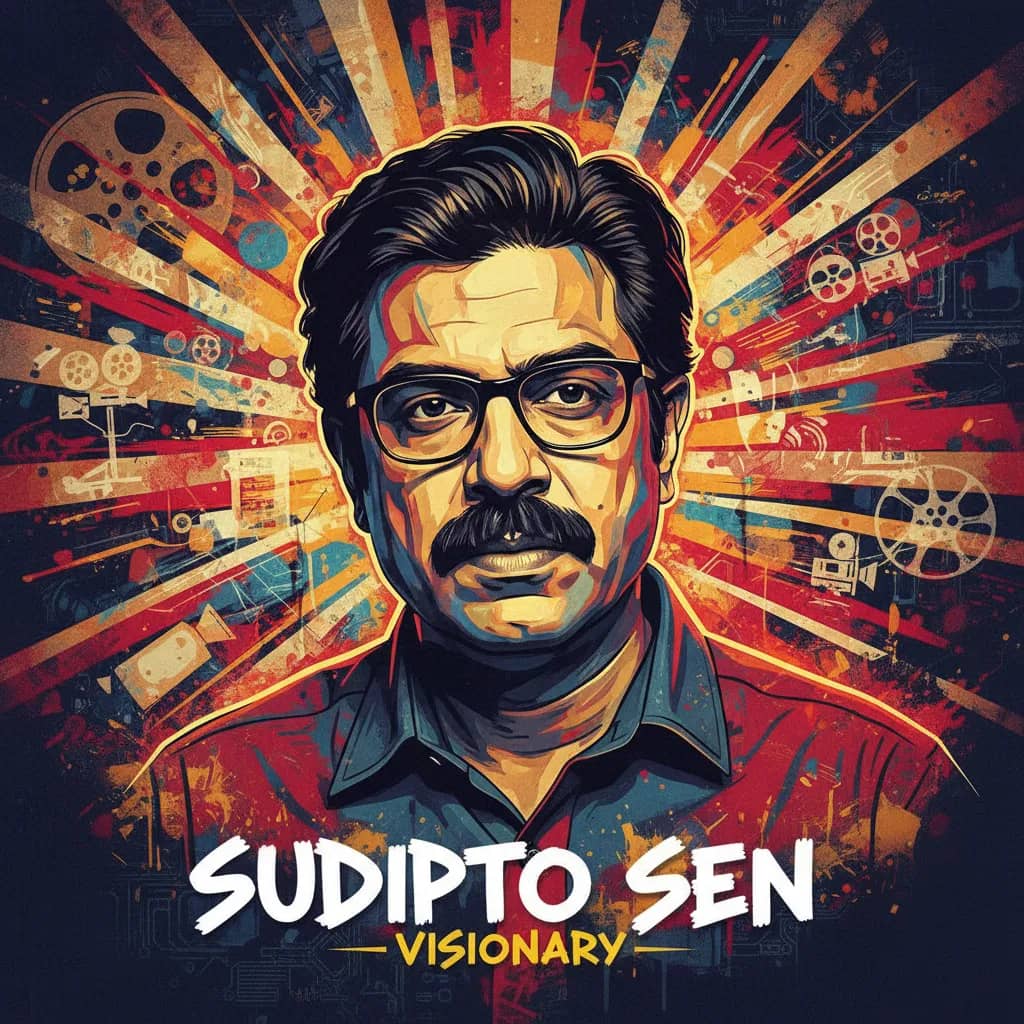
Sudipto Sen is a versatile and visionary film director known for his thought-provoking narratives and visually stunning storytelling. With a career spanning several years, Sen has made a significant impact on Indian cinema through his unique directorial style and storytelling prowess. His notable film "The Kerala Story" (2023) is a compelling drama that showcases Sen's ability to delve into the complexities of human emotions and societal dynamics. Sen's directorial style is characterized by a keen focus on character development, evocative visuals, and a deep exploration of social and cultural issues. His films often delve into the nuances of human relationships, offering a poignant and introspective look at the human experience. With "The Kerala Story," Sen masterfully weaves together a narrative that delves into the intricacies of familial bonds, love, and the human desire for belonging. One of Sen's recurring themes is his exploration of regional cultures and their impact on individuals, reflecting a deep appreciation for the diversity and richness of Indian society. His meticulous attention to detail and ability to capture the essence of different locales have earned him acclaim from audiences and critics alike. Sen's contributions to cinema extend beyond his storytelling abilities, as he continues to push boundaries and challenge conventional norms through his directorial vision. As a director, Sudipto Sen has carved a niche for himself in the Indian film industry, garnering attention for his ability to create emotionally resonant narratives that leave a lasting impact on viewers. His dedication to storytelling and his commitment to portraying authentic human experiences have solidified his reputation as a director with a unique and compelling vision. With "The Kerala Story" and his future projects, Sudipto Sen continues to leave an indelible mark on Indian cinema, cementing his status as a director to watch in the years to come.

Sujeeth is an Indian film director known for his work in the action-thriller genre. He gained international recognition with his directorial debut, "Saaho" (2019), a high-octane film that showcased his prowess in crafting visually stunning sequences and gripping narratives. Sujeeth's directorial style is characterized by his ability to seamlessly blend adrenaline-pumping action with compelling storytelling, making him a standout talent in the Indian film industry. "Saaho" marked a significant turning point in Sujeeth's career, earning critical acclaim for its innovative action choreography and sleek cinematography. The film's success solidified Sujeeth's reputation as a visionary director with a keen eye for spectacle and a penchant for pushing the boundaries of conventional filmmaking. His meticulous attention to detail and ability to capture intense, pulse-pounding sequences have set him apart as a director with a distinct cinematic vision. Sujeeth's contribution to cinema lies in his ability to infuse his films with a sense of grandeur and scale, elevating the action-thriller genre to new heights. His directorial debut served as a testament to his creative prowess, showcasing his talent for delivering larger-than-life spectacles while maintaining a strong focus on character development and narrative depth. With "Saaho," Sujeeth demonstrated his capacity to captivate audiences with his unique storytelling approach, establishing himself as a director to watch in the global film landscape. As Sujeeth continues to make his mark on the industry, his distinct directorial style and commitment to pushing cinematic boundaries are sure to leave an indelible impression on audiences worldwide. With his innate ability to craft immersive and visually arresting films, Sujeeth stands as a testament to the power of visionary storytelling and the enduring impact of directors who fearlessly challenge the status quo. As he continues to evolve and expand his oeuvre, Sujeeth's contributions to the world of cinema promise to shape the future of action-thrillers, solidifying his legacy as a trailblazing director with an unparalleled creative vision.

Sujoy Ghosh is a prolific Indian director known for his unique blend of gripping storytelling, intriguing plots, and masterful direction. With an impressive filmography that includes critically acclaimed films like "Badla" (2019) and "Kahaani" (2012), Ghosh has carved a niche for himself in the realm of crime, mystery, and thriller genres. Ghosh's directorial style is characterized by his ability to seamlessly weave intricate narratives and keep audiences on the edge of their seats. His keen sense of pacing, coupled with a knack for building suspense, has earned him widespread acclaim. Ghosh's films often feature strong female protagonists, adding a layer of complexity and depth to his storytelling. "Badla" and "Kahaani" stand out as prime examples of Ghosh's directorial prowess. Both films are known for their taut narratives, unexpected twists, and compelling character dynamics. "Kahaani," in particular, garnered international recognition for its gripping storytelling and powerful performances, firmly establishing Ghosh as a visionary director with a penchant for crafting compelling mysteries. Recurring themes in Ghosh's work include the exploration of human psychology, the complexities of truth and deception, and the resilience of the human spirit. His films often delve into the intricacies of human behavior, adding layers of depth and intrigue to his storytelling. Ghosh's impact on Indian cinema is undeniable, as he continues to push the boundaries of storytelling and captivate audiences with his distinct directorial vision. Sujoy Ghosh's contributions to film have solidified his position as a director to watch, with his ability to craft compelling narratives and create immersive cinematic experiences. His unique vision and storytelling prowess have left an indelible mark on the crime, mystery, and thriller genres, making him a revered figure in the world of Indian cinema. With a keen eye for detail and a gift for building suspense, Ghosh continues to captivate audiences and elevate the art of storytelling through his directorial endeavors.

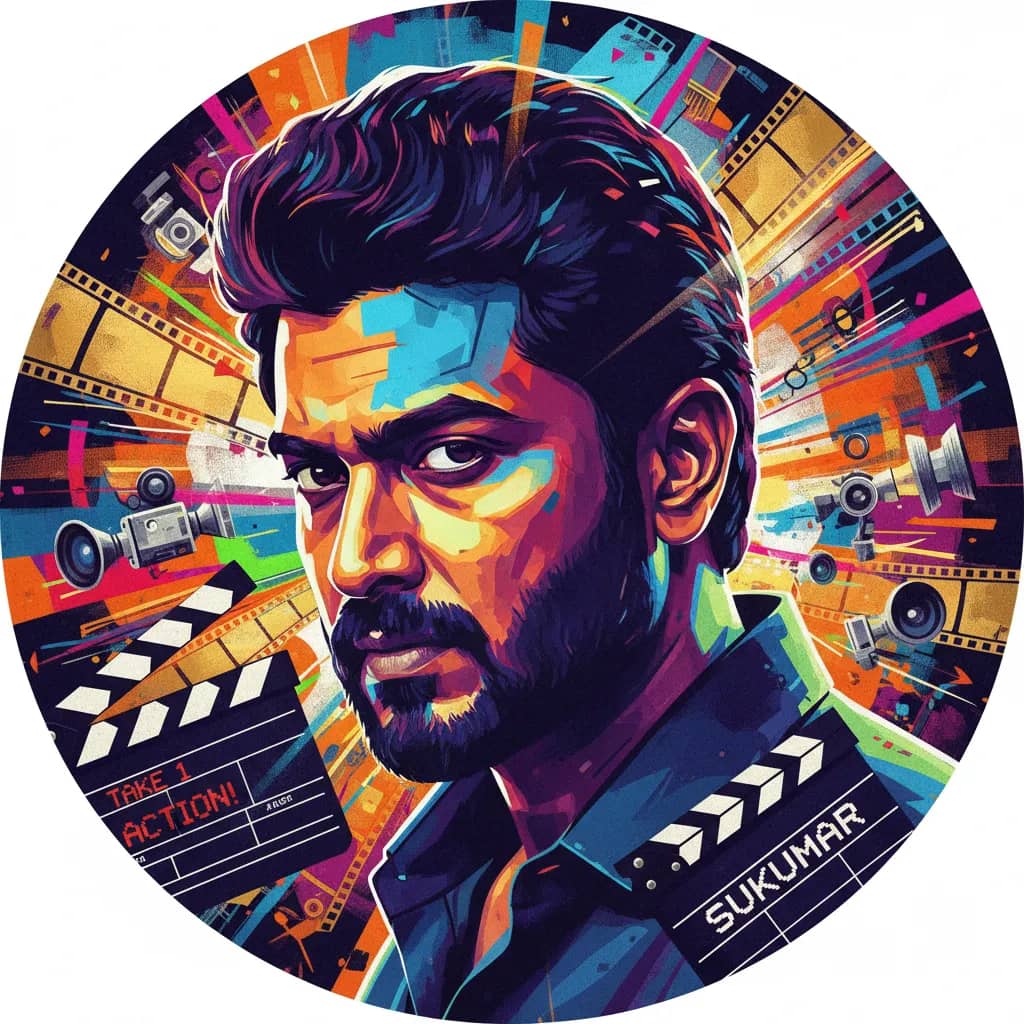
Sukumar is a highly acclaimed Indian film director known for his unique storytelling and visual style. With a career spanning over two decades, Sukumar has made a significant impact on Telugu cinema, captivating audiences with his thought-provoking narratives and innovative approach to filmmaking. His directorial style is marked by a seamless blend of compelling storytelling, intense character portrayals, and visually striking compositions, making him a distinctive voice in the industry. One of Sukumar's most notable films is "Rangasthalam 1985," a period action drama that received widespread acclaim for its captivating storytelling and powerful performances. The film not only showcased Sukumar's ability to transport audiences to a different era but also highlighted his skill in weaving intricate narratives that resonate with viewers on a deep emotional level. With this film, Sukumar established himself as a director capable of delivering compelling stories with a perfect balance of entertainment and substance. In "To Father with Love," Sukumar delved into the realm of action and thriller, further showcasing his versatility as a director. The film's gripping plot and dynamic character development demonstrated Sukumar's ability to navigate various genres while maintaining his distinct directorial signature. His keen eye for detail and ability to evoke poignant emotions through his storytelling have solidified his position as a visionary director with an innate understanding of the cinematic medium. Sukumar's recent directorial venture, "Pushpa: The Rise - Part 1," further cements his status as a trailblazing director. The film, a riveting action-crime drama, not only garnered commercial success but also earned critical acclaim for its immersive storytelling and compelling visuals. Sukumar's ability to bring out raw and authentic performances from his actors, coupled with his penchant for creating visually arresting scenes, has contributed to his standing as a director who continues to push boundaries in Indian cinema. Sukumar's recurring themes often revolve around human emotions, societal dynamics, and the intricacies of human relationships, all of which he skillfully weaves into his narratives. His impact on cinema is undeniable, as he continues to inspire a new generation of filmmakers with his innovative approach and unwavering commitment to storytelling excellence. Sukumar's visionary directorial style, coupled with his remarkable body of work, solidifies his position as a true auteur whose contributions to the world of cinema are both influential and enduring.

Sunao Katabuchi is a renowned Japanese film director known for his exceptional work in the animation, drama, and family genres. His most notable film, "In This Corner (and Other Corners) of the World" (2016), garnered widespread acclaim for its poignant storytelling and breathtaking animation. Katabuchi's directorial style is marked by a meticulous attention to detail, a profound understanding of human emotions, and a deep reverence for history and culture. Throughout his career, Katabuchi has demonstrated a remarkable ability to bring historical narratives to life through the medium of animation. His films often explore the human experience during times of conflict and adversity, portraying the resilience and strength of individuals in the face of overwhelming challenges. Katabuchi's storytelling is characterized by its emotional depth, nuanced character development, and the evocative portrayal of everyday life in extraordinary circumstances. "In This Corner (and Other Corners) of the World" stands as a testament to Katabuchi's directorial prowess, as it masterfully weaves together themes of love, loss, and the enduring human spirit against the backdrop of World War II. The film's visual artistry and heartfelt storytelling have cemented Katabuchi's reputation as a visionary director with a keen ability to touch the hearts of audiences worldwide. Katabuchi's impact on cinema extends beyond his individual films, as his work has contributed to the renaissance of animated storytelling with a focus on historical and cultural narratives. His unique vision and dedication to preserving and sharing untold stories through animation have set new standards for the genre, inspiring a new generation of filmmakers and captivating audiences with his artistry. In summary, Sunao Katabuchi's directorial career is characterized by a commitment to crafting emotionally resonant stories that transcend cultural boundaries. His exploration of human experiences in the face of historical turmoil has left an indelible mark on cinema, establishing him as a visionary director with a gift for bringing history to life through the power of animation.
Every film by the greats, ranked by our TML Score.

Christopher Nolan
Every film, ranked

Quentin Tarantino
Every film, ranked

Stanley Kubrick
Every film, ranked

Martin Scorsese
Every film, ranked

Steven Spielberg
Every film, ranked

Alfred Hitchcock
Every film, ranked

David Fincher
Every film, ranked

Denis Villeneuve
Every film, ranked

Wes Anderson
Every film, ranked

Paul Thomas Anderson
Every film, ranked

Ridley Scott
Every film, ranked

Tim Burton
Every film, ranked

Guillermo del Toro
Every film, ranked

Hayao Miyazaki
Every film, ranked

Akira Kurosawa
Every film, ranked

Francis Ford Coppola
Every film, ranked

Clint Eastwood
Every film, ranked

Bong Joon Ho
Every film, ranked

Woody Allen
Every film, ranked

Steven Soderbergh
Every film, ranked

Ron Howard
Every film, ranked

Pedro Almodóvar
Every film, ranked

Richard Linklater
Every film, ranked

Roman Polanski
Every film, ranked

Brian De Palma
Every film, ranked

Ingmar Bergman
Every film, ranked

Oliver Stone
Every film, ranked

David Cronenberg
Every film, ranked

Robert Zemeckis
Every film, ranked

Barry Levinson
Every film, ranked

John Carpenter
Every film, ranked

Joel Schumacher
Every film, ranked

Billy Wilder
Every film, ranked

Rob Reiner
Every film, ranked

Neil Jordan
Every film, ranked

Spike Lee
Every film, ranked

Ivan Reitman
Every film, ranked

John Woo
Every film, ranked

Lasse Hallström
Every film, ranked

Stephen Frears
Every film, ranked

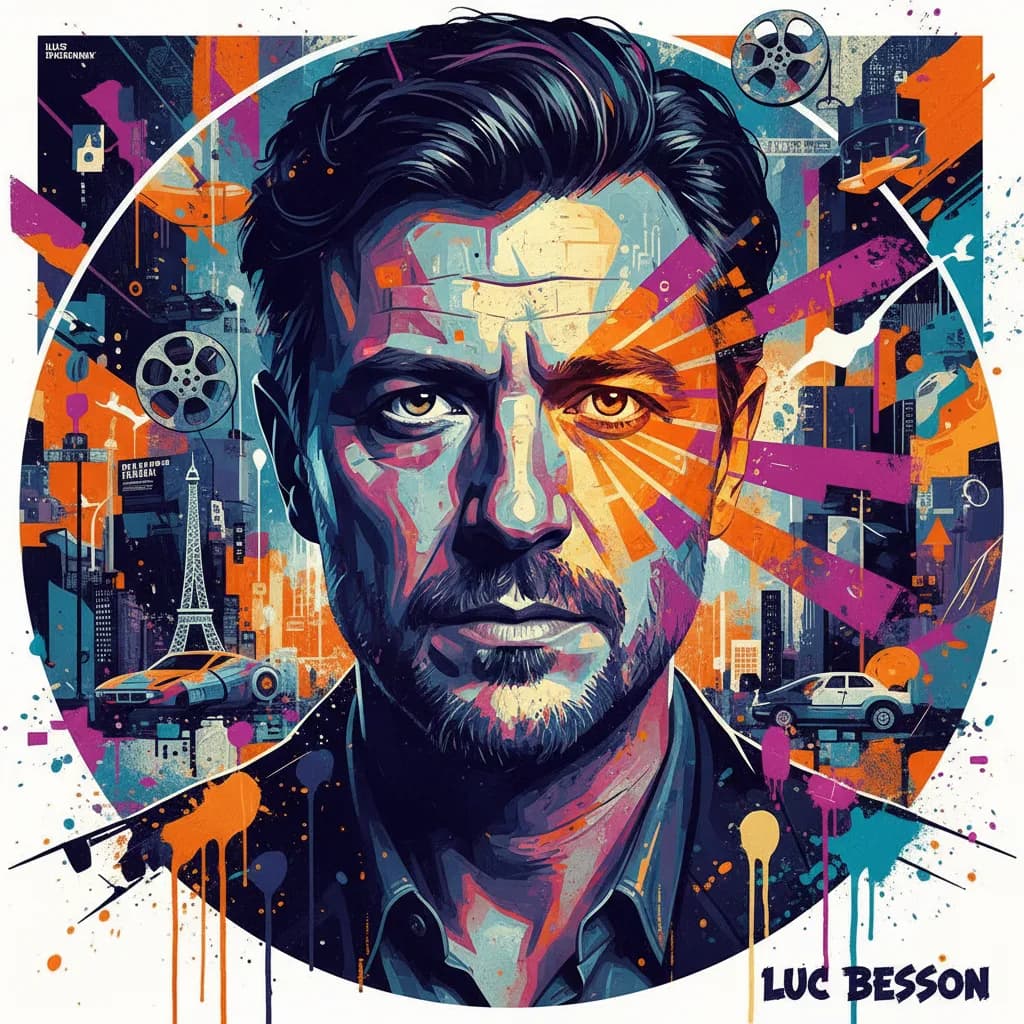
Luc Besson
Every film, ranked

Chris Columbus
Every film, ranked

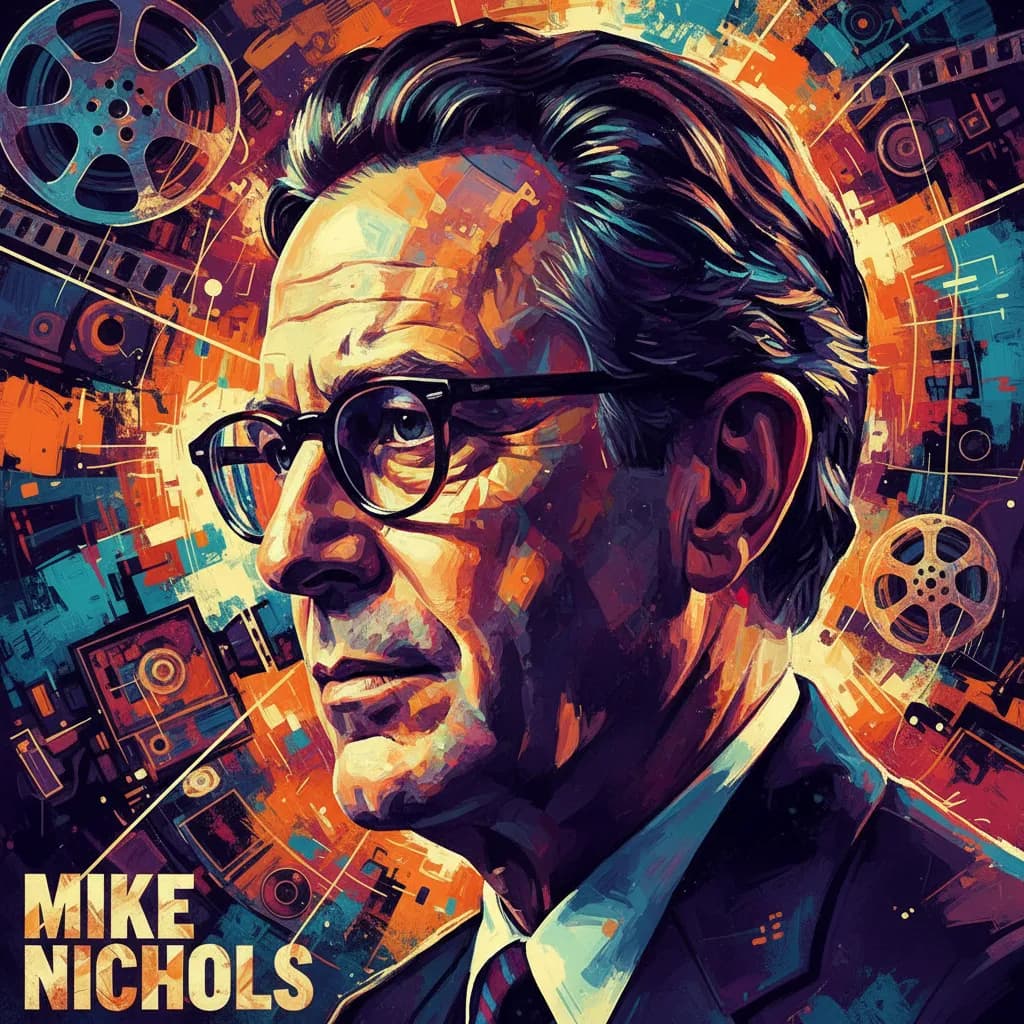
Mike Nichols
Every film, ranked

Howard Hawks
Every film, ranked

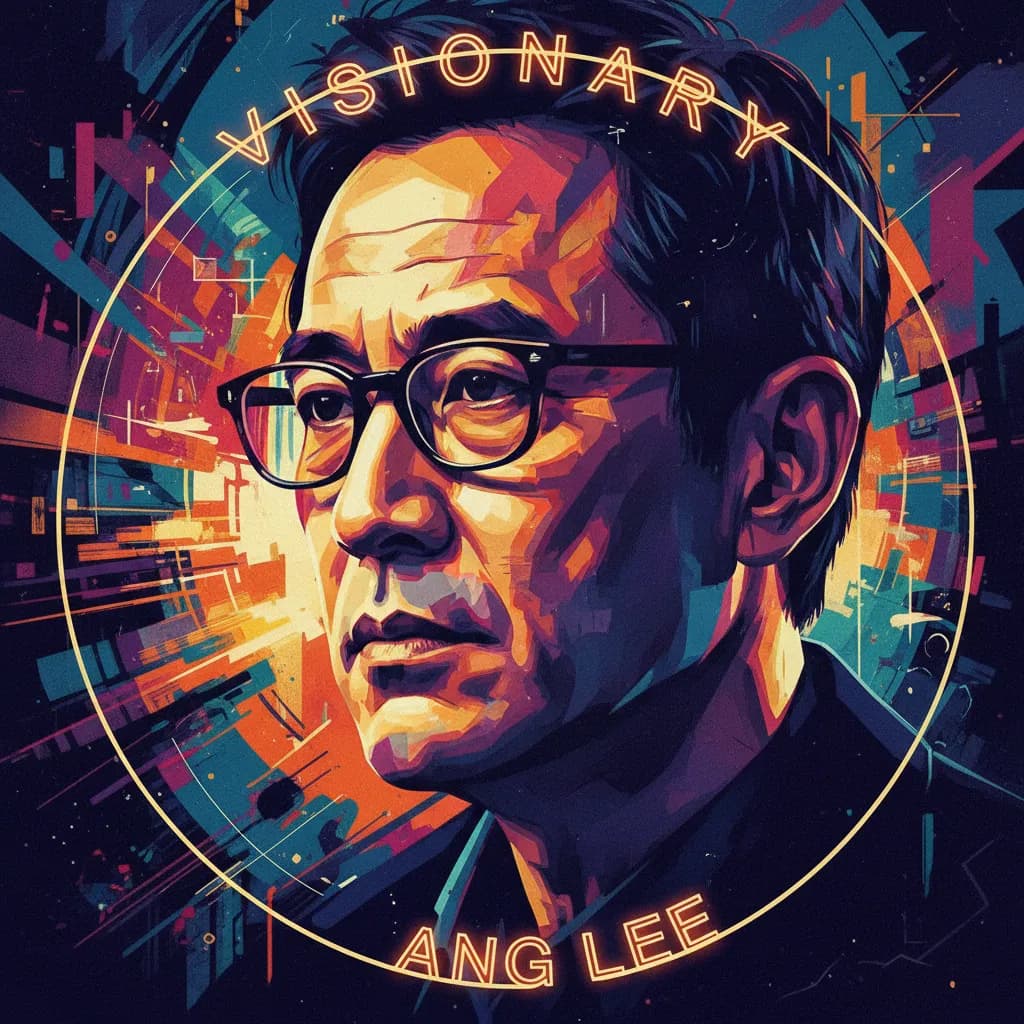
Ang Lee
Every film, ranked

Walter Hill
Every film, ranked

Gus Van Sant
Every film, ranked

William Wyler
Every film, ranked

Renny Harlin
Every film, ranked

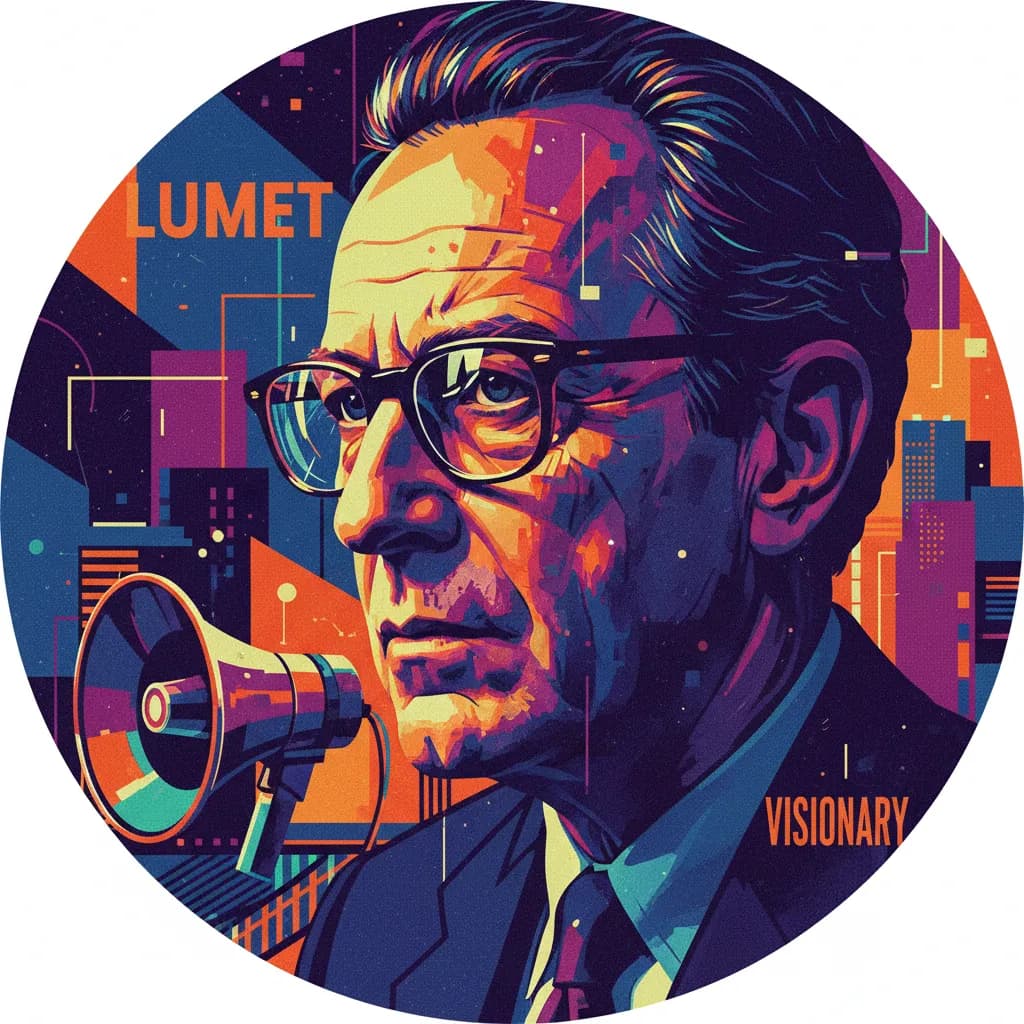
Sidney Lumet
Every film, ranked

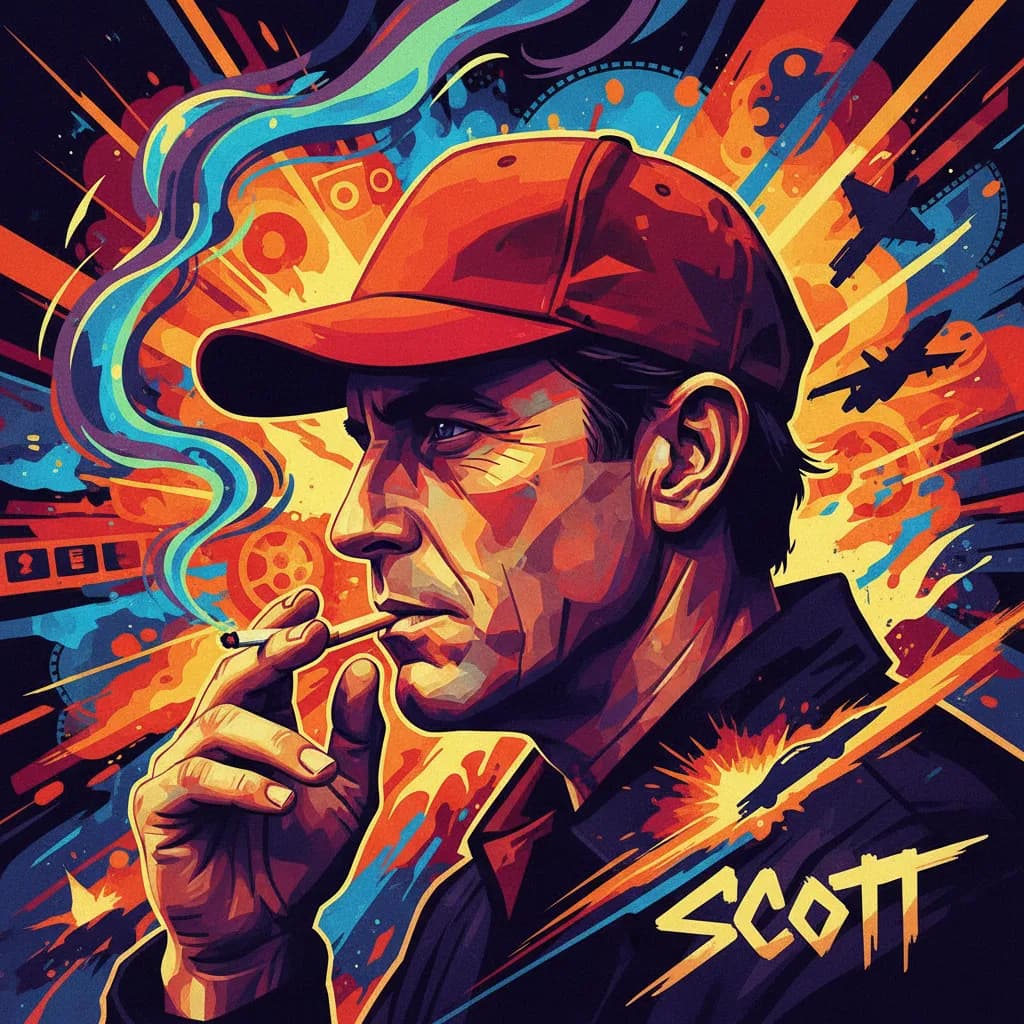
Tony Scott
Every film, ranked