Discover the visionary filmmakers behind cinema's greatest works.
Explore our selection of acclaimed directors and their remarkable films.
Showing 3637-3648 out of 4148

Spike Lee is a trailblazing filmmaker known for his bold and thought-provoking narratives that explore race, identity, and social issues. With a career spanning over three decades, Lee has established himself as a visionary director with a distinct cinematic style. His breakout film, "She's Gotta Have It" (1986), garnered critical acclaim and showcased his ability to infuse humor and romance into compelling storytelling. Lee's directorial style is characterized by his use of vibrant visuals, dynamic storytelling, and unapologetic social commentary. Throughout his career, Lee has delved into a wide range of genres, from the crime drama "25th Hour" (2002) to the biographical epic "Malcolm X" (1992). His films often reflect the complexities of urban life and the African American experience, as seen in "Do the Right Thing" (1989) and "Jungle Fever" (1991). Lee's work frequently explores themes of discrimination, inequality, and the struggle for justice, making him a pioneer in addressing sociopolitical issues through the lens of cinema. One of Lee's most impactful films, "BlacKkKlansman" (2018), received widespread acclaim for its powerful portrayal of racial tensions and the fight against bigotry. The film's success further solidified Lee's reputation as a director unafraid to tackle controversial subjects with intelligence and creativity. Additionally, "Malcolm X" stands as a monumental achievement in Lee's filmography, showcasing his ability to bring historical figures to life with depth and authenticity. Lee's influence on cinema extends beyond his directorial prowess, as he has been a prominent advocate for diversity and inclusion in the film industry. His commitment to amplifying underrepresented voices has left an indelible mark on the world of filmmaking, inspiring a new generation of filmmakers to push boundaries and challenge societal norms. In summary, Spike Lee's career has been defined by his unwavering dedication to storytelling that sparks meaningful conversations and incites change. His films continue to resonate with audiences worldwide, earning him a well-deserved place in the pantheon of visionary directors. Lee's bold vision and unwavering commitment to social justice have shaped the landscape of contemporary cinema, cementing his legacy as a true pioneer in the art of filmmaking.

Srdjan Dragojevic is a renowned Serbian film director known for his bold and thought-provoking storytelling. With a career spanning decades, Dragojevic has left an indelible mark on the world of cinema with his unique directorial style and compelling narratives. His filmography includes notable works such as "The Parade" (2011), "Pretty Village, Pretty Flame" (1996), and "The Wounds" (1998), all of which showcase his versatility and ability to tackle a wide range of genres. Throughout his career, Dragojevic has demonstrated a penchant for delving into complex social and political issues, often using satire and dark humor to shed light on the human condition. "The Parade," a comedy-drama that tackles themes of LGBTQ+ rights and societal prejudices, exemplifies Dragojevic's fearlessness in addressing controversial topics with sensitivity and wit. Similarly, "Pretty Village, Pretty Flame" and "The Wounds" delve into the historical and psychological traumas of war, showcasing the director's ability to craft compelling narratives that resonate with audiences on a profound level. Dragojevic's directorial style is characterized by his unflinching portrayal of harsh realities, coupled with moments of poignant humor and deeply human characters. His films often challenge societal norms and confront audiences with uncomfortable truths, prompting introspection and dialogue. This fearless approach has earned Dragojevic critical acclaim and a dedicated following, solidifying his status as a trailblazing director in the world of cinema. In the realm of Serbian cinema, Srdjan Dragojevic stands as a visionary director whose impact transcends borders. His ability to weave together intricate narratives with social and political commentary has cemented his legacy as a provocateur and storyteller. As he continues to push boundaries and defy conventions, Dragojevic remains a formidable force in the film industry, inspiring both audiences and aspiring filmmakers alike. In summary, Srdjan Dragojevic's directorial career is a testament to his unwavering commitment to storytelling that challenges, provokes, and ultimately leaves a lasting impression. With a diverse body of work and a reputation for fearlessly confronting societal taboos, Dragojevic has solidified his place as a vanguard of contemporary cinema, leaving an indelible mark on the industry and captivating audiences worldwide.

Srdjan Spasojevic is a Serbian film director known for his controversial and boundary-pushing work. His most notable film, "A Serbian Film," released in 2010, garnered international attention for its graphic and disturbing content. Spasojevic's directorial style is marked by a raw and unflinching approach to storytelling, often delving into the dark and unsettling aspects of human nature. His work challenges societal norms and pushes the boundaries of what is deemed acceptable in cinema. "A Serbian Film" stands as a testament to Spasojevic's uncompromising vision and willingness to confront taboo subjects. The film explores themes of exploitation, violence, and the degradation of humanity, leaving a lasting impact on audiences and sparking intense debate within the film community. Despite its controversy, the film has earned a cult following and has cemented Spasojevic's reputation as a provocateur in the world of cinema. Spasojevic's influence on the horror and thriller genres is undeniable, as he fearlessly confronts the darkest corners of the human psyche through his work. His films are characterized by their unapologetic exploration of the human condition, often leaving a lasting impression on viewers. While his approach may be polarizing, there is no denying the impact of Spasojevic's unique and uncompromising directorial style. Throughout his career, Srdjan Spasojevic has remained committed to pushing the boundaries of storytelling and challenging audiences to confront uncomfortable truths. His unyielding dedication to his vision has solidified his status as a filmmaker unafraid to tackle controversial subject matter head-on. While his work may not be for the faint of heart, it has undoubtedly left an indelible mark on the world of cinema, earning him a place among the most daring and thought-provoking directors in the industry.

Sreenu Vaitla is a prominent Indian film director known for his exceptional storytelling skills and his ability to seamlessly blend action, comedy, and drama in his films. With a career spanning over two decades, Vaitla has established himself as a versatile and innovative director in the Indian film industry. His notable filmography includes the blockbuster hit "Dookudu" (2011), which showcased his trademark directorial style and storytelling prowess. Vaitla's directorial style is characterized by his keen understanding of audience preferences and his ability to infuse humor into high-octane action sequences, creating a unique cinematic experience. His films often feature compelling narratives, dynamic character development, and visually stunning cinematography, all of which have contributed to his success as a director. "Dookudu" stands as a testament to Vaitla's directorial prowess, as it seamlessly weaves together action-packed sequences with lighthearted comedy and poignant drama. The film's commercial success and critical acclaim solidified Vaitla's position as a leading director in the Indian film industry. His ability to cater to a wide audience demographic while maintaining the integrity of his storytelling has set him apart as a director with a distinct and influential voice in cinema. Vaitla's recurring themes often revolve around the triumph of the underdog, the complexities of human relationships, and the power of resilience in the face of adversity. His films resonate with audiences due to their relatable themes and universal appeal, further cementing his impact on Indian cinema. Sreenu Vaitla's contributions to the film industry have been substantial, and his unique vision has left an indelible mark on Indian cinema. With an impressive filmography and a dedicated fan base, Vaitla continues to push the boundaries of storytelling, cementing his status as a visionary director with a lasting impact on the world of cinema.

Srinath Rajendran is an Indian film director known for his unique vision and compelling storytelling. His most notable work includes the highly anticipated biographical crime thriller "Kurup" (2021), which garnered attention for its gripping narrative and stellar performances. Rajendran's directorial style is characterized by his ability to seamlessly blend elements of biography, crime, and thriller genres, creating a visually arresting and emotionally resonant cinematic experience. Throughout his career, Rajendran has demonstrated a penchant for delving into the complex and enigmatic lives of his subjects, often portraying them in a raw and unapologetic manner. "Kurup" stands as a testament to Rajendran's deft handling of real-life stories and his commitment to presenting them with authenticity and depth. His films often explore themes of identity, morality, and the human psyche, inviting audiences to ponder the intricacies of the human experience. Rajendran's impact on Indian cinema is palpable, as he has proven himself to be a director with a distinct voice and an unwavering commitment to pushing the boundaries of storytelling. His ability to weave together intricate narratives while maintaining a strong emotional core has earned him acclaim from both critics and audiences alike. With "Kurup," Rajendran has solidified his position as a director with an innate understanding of the power of cinema to captivate, provoke, and inspire. In conclusion, Srinath Rajendran's directorial career is marked by a dedication to bringing compelling stories to the screen, showcasing his prowess in crafting narratives that leave a lasting impression. With "Kurup," he has once again demonstrated his ability to deliver a film that resonates with audiences on a profound level. As he continues to evolve as a filmmaker, Rajendran's impact on the cinematic landscape is sure to endure, cementing his legacy as a visionary director with an indelible mark on Indian cinema.

Sriram Raghavan is a distinguished Indian filmmaker known for his distinctive directorial style and gripping storytelling. With a career spanning over a decade, Raghavan has established himself as a maestro of crime and mystery genres in Indian cinema. His notable films include "Johnny Gaddaar" (2007), "Badlapur" (2015), and the critically acclaimed "Andhadhun" (2018), which garnered widespread acclaim and international recognition. Raghavan's directorial style is characterized by its intricate narratives, skillful character development, and a deft handling of suspense and tension. He is known for seamlessly weaving together complex plots while keeping audiences enthralled with unexpected twists and turns. Raghavan's films often delve into the darker facets of human nature, exploring themes of morality, deception, and the consequences of one's choices, which adds depth and complexity to his storytelling. "Johnny Gaddaar" marked Raghavan's directorial debut and instantly established him as a filmmaker to watch. The film's taut narrative and noir aesthetics garnered praise from critics and audiences alike, setting the stage for Raghavan's subsequent success. "Badlapur" further showcased his prowess in crafting intense and gritty narratives, solidifying his reputation as a master storyteller in the realm of crime dramas. However, it was "Andhadhun" that elevated Raghavan to new heights of acclaim and recognition. The film, a darkly comedic thriller, captivated audiences with its unpredictable plot, stellar performances, and audacious storytelling. "Andhadhun" not only became a box office success but also received accolades at international film festivals, firmly establishing Raghavan as a trailblazer in Indian cinema. Raghavan's impact on cinema extends beyond his individual films, as he has inspired a new wave of filmmakers to delve into the realm of unconventional storytelling and genre-bending narratives. His distinct directorial voice and unwavering commitment to pushing the boundaries of storytelling have left an indelible mark on the Indian film industry, making Sriram Raghavan a visionary director revered for his unparalleled creativity and cinematic prowess.

Sruti Harihara Subramanian is an emerging talent in the world of cinema, known for her directorial prowess and unique vision. With a focus on action, adventure, and drama, Subramanian has made a significant mark with her ambitious project, "Ponniyin Selvan." The film, released in two parts, Ponniyin Selvan: Part I (2022) and Ponniyin Selvan: Part Two (2023), showcases Subramanian's ability to craft visually stunning and emotionally resonant narratives. Subramanian's directorial style is characterized by a meticulous attention to detail, immersive storytelling, and the ability to bring historical and mythological narratives to life on the big screen. Her films are known for their grand scale, breathtaking visuals, and compelling performances from the cast. Subramanian's keen eye for capturing the essence of epic tales has garnered her a dedicated fan base and critical acclaim. In "Ponniyin Selvan," Subramanian explores themes of power, betrayal, love, and sacrifice against the backdrop of ancient South India. Her ability to weave together complex storylines and multifaceted characters has solidified her reputation as a director with a penchant for creating immersive cinematic experiences. Subramanian's work reflects her deep understanding of storytelling and her commitment to pushing the boundaries of visual storytelling. Subramanian's impact on cinema lies in her ability to breathe new life into historical and mythological narratives, captivating audiences with her unique perspective and directorial prowess. Her dedication to bringing culturally rich stories to the forefront of mainstream cinema has opened doors for new conversations and representations in the industry. As Subramanian continues to expand her body of work, her contributions to the cinematic landscape are sure to leave a lasting impression on audiences and aspiring filmmakers alike.

S. Shankar is a renowned Indian film director known for his visually stunning and socially relevant films. With a career spanning over two decades, Shankar has left an indelible mark on Indian cinema with his unique directorial style and thought-provoking narratives. His filmography includes several notable works, including "Anniyan" (2005), "Nanban" (2012), "Sivaji" (2007), "Nayak: The Real Hero" (2001), "Indian" (1996), and "Enthiran" (2010). Shankar's directorial style is characterized by grandiose visual spectacles, high-octane action sequences, and compelling storytelling that often addresses pertinent social issues. His films seamlessly blend entertainment with thought-provoking themes, captivating audiences with their larger-than-life cinematic experiences. Shankar is known for his meticulous attention to detail, extravagant set pieces, and innovative use of visual effects, setting a new standard for the Indian film industry. Notable for his recurring themes of social justice, corruption, and the impact of technology on society, Shankar's films often serve as a mirror to the contemporary issues facing India. He has a knack for infusing his narratives with compelling social commentary while maintaining a commercial appeal, making his films both intellectually stimulating and commercially successful. Shankar's impact on Indian cinema is immeasurable, as he has pushed the boundaries of filmmaking and set new benchmarks for spectacle and storytelling. His vision and dedication to his craft have earned him a dedicated fan base and critical acclaim, solidifying his status as one of the most influential directors in the Indian film industry. In conclusion, S. Shankar's directorial career is a testament to his unparalleled creativity and vision, as he continues to elevate Indian cinema with his groundbreaking films. His ability to merge social relevance with blockbuster entertainment has cemented his legacy as a trailblazer in the world of filmmaking, inspiring future generations of directors to push the boundaries of storytelling and spectacle.

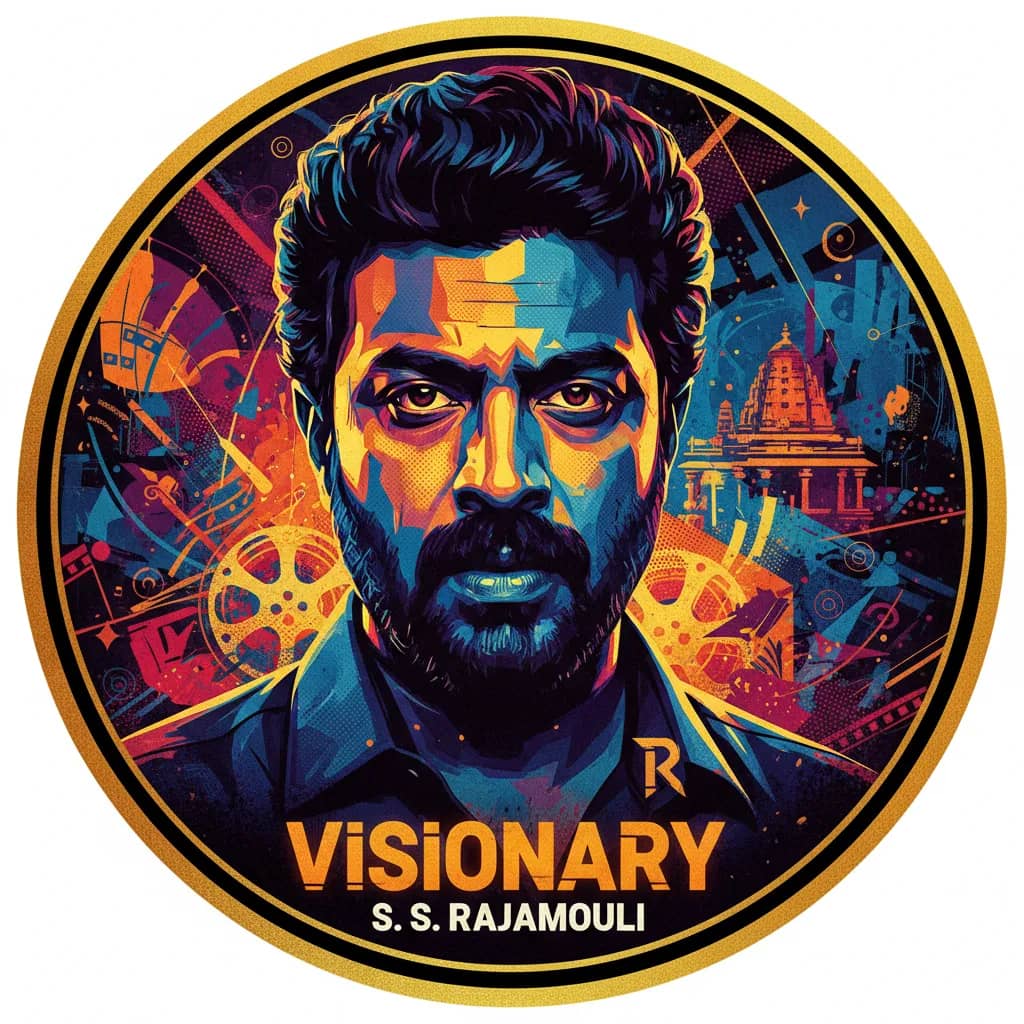
S.S. Rajamouli is a visionary Indian film director known for his groundbreaking work in the action and drama genres. With a career spanning over two decades, Rajamouli has cemented his status as a trailblazer in Indian cinema through his innovative storytelling and technical prowess. He is widely celebrated for his ability to seamlessly blend grand visual spectacles with emotionally resonant narratives, captivating audiences with his larger-than-life cinematic universes. Rajamouli's magnum opus "Baahubali 2: The Conclusion" (2017) stands as a testament to his directorial prowess, breaking box office records and earning international acclaim for its awe-inspiring scale and compelling storytelling. The film, along with its predecessor "Bãhubali: The Beginning" (2015), showcased Rajamouli's ability to create immersive fantasy worlds while delving into timeless themes of power, loyalty, and destiny. In "Magadheera" (2009), Rajamouli demonstrated his adeptness in seamlessly blending action and drama, earning accolades for his innovative approach to storytelling and gripping character dynamics. His film "Eega" (2012) showcased his versatility as a director, masterfully weaving together elements of action, comedy, and drama in a visually stunning and imaginative narrative. Rajamouli's highly anticipated upcoming film "RRR" (2022) is poised to once again showcase his unparalleled directorial vision and penchant for delivering high-octane action paired with deeply resonant storytelling. His impact on the Indian film industry is immeasurable, as he continues to push boundaries and redefine the possibilities of cinematic storytelling, solidifying his legacy as a visionary director with an enduring influence on global cinema.

Stacy Title, an American film director, made her mark in the industry with her unique directorial style and thought-provoking storytelling. Her notable work includes "The Last Supper" (1995), which blends elements of comedy, crime, and drama. Title's directorial approach is characterized by her ability to infuse dark humor with social commentary, creating films that are both entertaining and thought-provoking. "The Last Supper" stands as a prime example of Title's directorial prowess, as she skillfully navigates the complexities of morality and human nature in a satirical setting. Her distinct directorial style often delves into controversial themes, challenging societal norms and beliefs. Through her films, Title offers a fresh perspective on the human condition, prompting audiences to question their own values and morals. Title's impact on cinema lies in her ability to tackle sensitive subjects with a touch of wit and insight, making her films resonate with audiences on a deeper level. Her work showcases a recurring theme of moral ambiguity, shedding light on the complexities of right and wrong. By seamlessly blending genres, Title creates a cinematic experience that is both engaging and intellectually stimulating. Stacy Title's career has left an indelible mark on the film industry, as she continues to push boundaries and provoke meaningful discussions through her work. Her unique vision and directorial approach have solidified her status as a filmmaker who fearlessly explores the human psyche and societal constructs. As audiences continue to seek out films that challenge their perceptions, Stacy Title's contributions to cinema remain as relevant and impactful as ever.

Stan Dragoti was an American film director known for his contributions to the comedy genre. Dragoti's directorial style was characterized by his ability to infuse humor into relatable, everyday situations, making his films both entertaining and thought-provoking. His notable films include "Mr. Mom" (1983), "Necessary Roughness" (1991), and "The Man with One Red Shoe" (1985), all of which showcased his knack for blending comedy with drama, sport, and thriller elements to create engaging and memorable cinematic experiences. In "Mr. Mom," Dragoti explored the comedic dynamics of gender roles and parenthood, offering a lighthearted yet insightful commentary on the challenges of balancing work and family life. The film's success solidified Dragoti's reputation as a director with a keen understanding of human relationships and societal norms, as well as an ability to translate these themes into universally appealing narratives. Meanwhile, "Necessary Roughness" demonstrated Dragoti's versatility, as he seamlessly integrated comedy into the world of college football, delivering a film that resonated with sports enthusiasts and comedy fans alike. Throughout his career, Dragoti's films often revolved around themes of resilience, self-discovery, and the triumph of the underdog, showcasing his commitment to uplifting and inspiring audiences through the power of laughter and storytelling. His impact on cinema lies in his ability to capture the essence of human experiences and emotions, using humor as a vehicle to connect with viewers on a deeper level. Dragoti's legacy as a director is marked by his unique vision, which continues to influence filmmakers and entertain audiences worldwide. In conclusion, Stan Dragoti's directorial career is a testament to his ability to craft entertaining and meaningful films that transcend genre boundaries. His contributions to the comedy, drama, sport, and thriller genres have left an indelible mark on cinema, solidifying his legacy as a director with a distinct voice and a profound impact on the art of storytelling through film.

Stanley Donen was a visionary film director whose diverse career spanned over five decades, leaving an indelible mark on the world of cinema. With a penchant for blending genres and infusing his films with a distinct sense of style and sophistication, Donen's directorial prowess earned him a well-deserved reputation as a master of musicals, romantic comedies, and thrillers. His films often featured dynamic choreography, innovative camera work, and a keen understanding of human relationships, making him a beloved and influential figure in the industry. One of Donen's most celebrated works is the beloved musical "Singin' in the Rain" (1952), a timeless classic that continues to enchant audiences with its exuberant dance numbers and memorable songs. This iconic film not only showcased Donen's exceptional talent for staging musical sequences but also cemented his status as a director capable of capturing the essence of joy and romance on screen. His directorial style often emphasized fluid, expressive movement, and his films were known for their seamless integration of music and dance into the narrative. In addition to his musical masterpieces, Donen also dabbled in other genres, such as the charming romantic comedy "Funny Face" (1957) and the stylish thriller "Charade" (1963). His ability to effortlessly transition between different genres and infuse them with his trademark flair speaks to his versatility and creativity as a director. Furthermore, Donen's films frequently explored themes of love, identity, and the complexities of human relationships, endearing him to audiences and critics alike. Donen's impact on cinema extends far beyond his impressive filmography. His innovative approach to filmmaking, coupled with his ability to elicit captivating performances from his actors, has left an enduring legacy that continues to inspire contemporary filmmakers. His films are timeless testaments to the artistry of cinema, and his unique vision has undoubtedly shaped the course of film history, earning him a place among the most influential directors of his generation. In conclusion, Stanley Donen's illustrious career as a director has left an indelible imprint on the world of cinema, with his films standing as enduring classics that continue to captivate audiences. His ability to seamlessly blend genres, his distinctive directorial style, and his exploration of universal themes have solidified his status as a true auteur. From dazzling musicals to captivating romantic comedies and thrilling mysteries, Donen's body of work remains a testament to his exceptional talent and enduring impact
Every film by the greats, ranked by our TML Score.

Christopher Nolan
Every film, ranked

Quentin Tarantino
Every film, ranked

Stanley Kubrick
Every film, ranked

Martin Scorsese
Every film, ranked

Steven Spielberg
Every film, ranked

Alfred Hitchcock
Every film, ranked

David Fincher
Every film, ranked

Denis Villeneuve
Every film, ranked

Wes Anderson
Every film, ranked

Paul Thomas Anderson
Every film, ranked

Ridley Scott
Every film, ranked

Tim Burton
Every film, ranked

Guillermo del Toro
Every film, ranked

Hayao Miyazaki
Every film, ranked

Akira Kurosawa
Every film, ranked

Francis Ford Coppola
Every film, ranked

Clint Eastwood
Every film, ranked

Bong Joon Ho
Every film, ranked

Woody Allen
Every film, ranked

Steven Soderbergh
Every film, ranked

Ron Howard
Every film, ranked

Pedro Almodóvar
Every film, ranked

Richard Linklater
Every film, ranked

Roman Polanski
Every film, ranked

Brian De Palma
Every film, ranked

Ingmar Bergman
Every film, ranked

Oliver Stone
Every film, ranked

David Cronenberg
Every film, ranked

Robert Zemeckis
Every film, ranked

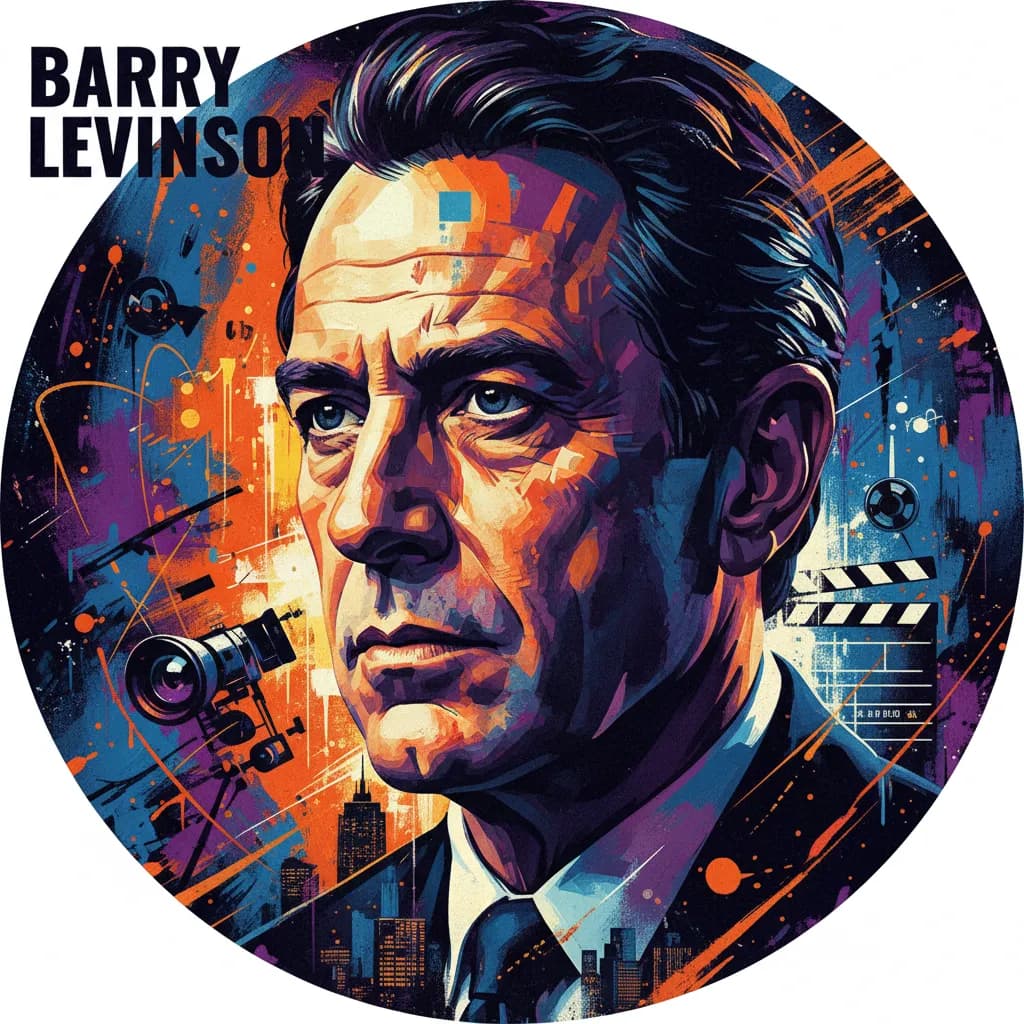
Barry Levinson
Every film, ranked

John Carpenter
Every film, ranked

Joel Schumacher
Every film, ranked

Billy Wilder
Every film, ranked

Rob Reiner
Every film, ranked

Neil Jordan
Every film, ranked

Spike Lee
Every film, ranked

Ivan Reitman
Every film, ranked

John Woo
Every film, ranked

Lasse Hallström
Every film, ranked

Stephen Frears
Every film, ranked

Luc Besson
Every film, ranked

Chris Columbus
Every film, ranked

Mike Nichols
Every film, ranked

Howard Hawks
Every film, ranked

Ang Lee
Every film, ranked

Walter Hill
Every film, ranked

Gus Van Sant
Every film, ranked

William Wyler
Every film, ranked

Renny Harlin
Every film, ranked

Sidney Lumet
Every film, ranked

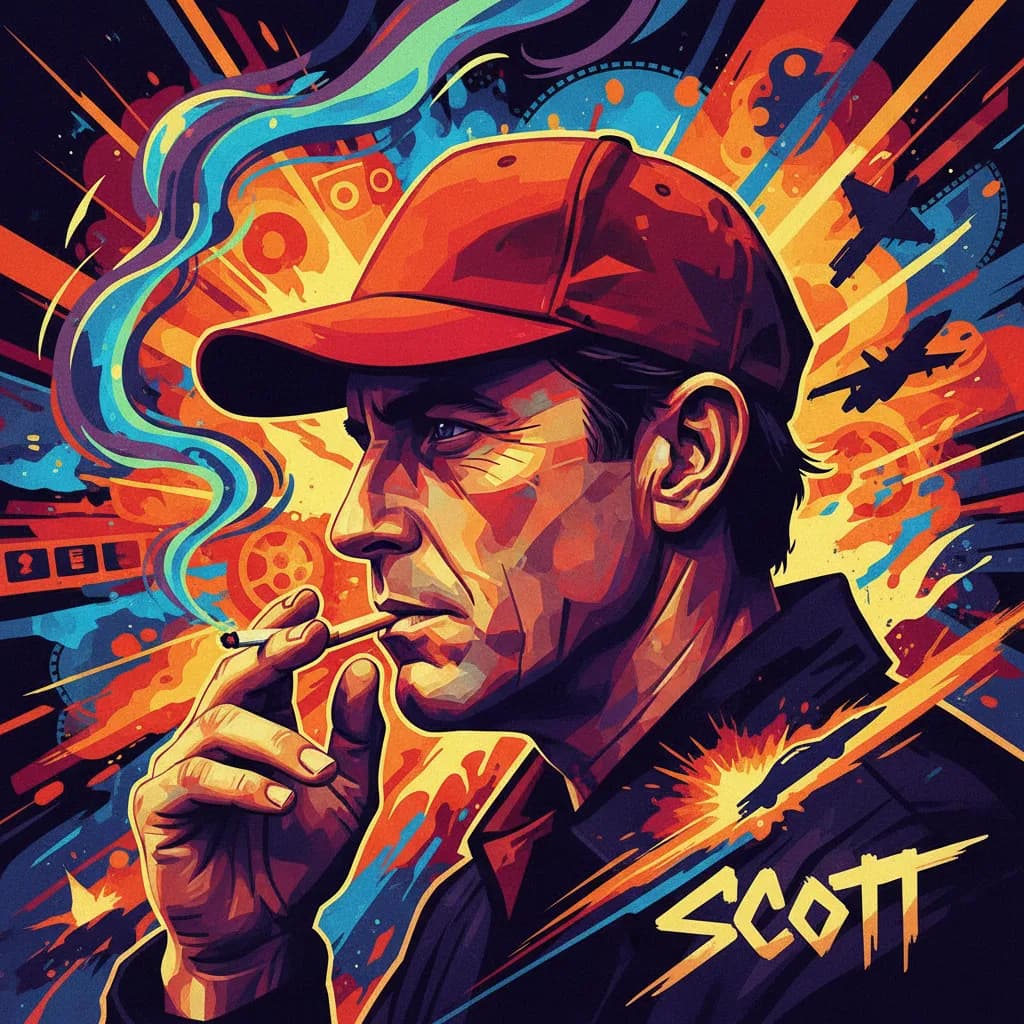
Tony Scott
Every film, ranked