Discover the visionary filmmakers behind cinema's greatest works.
Explore our selection of acclaimed directors and their remarkable films.
Showing 3661-3672 out of 4148

Stella Meghie is a talented Canadian director known for her work in the drama and romance genres. With a distinct directorial style characterized by emotional depth and visual finesse, Meghie has made a significant impact on contemporary cinema. Her notable film, "Everything, Everything" (2017), garnered acclaim for its compelling storytelling and poignant portrayal of young love amidst extraordinary circumstances. Meghie's directorial approach often revolves around capturing the complexities of human relationships and the resilience of the human spirit, resonating deeply with audiences worldwide. In "Everything, Everything," Meghie demonstrated her ability to infuse a coming-of-age narrative with sincerity and authenticity, showcasing her knack for eliciting genuine, heartfelt performances from her cast. The film's success solidified Meghie's reputation as a director capable of crafting visually stunning and emotionally resonant stories that transcend genre conventions. Her keen eye for capturing the nuances of human emotion and her adept storytelling have set her apart as a director to watch in the industry. Meghie's directorial style often incorporates themes of love, self-discovery, and the triumph of the human spirit, resonating with audiences on a profound level. Through her work, she has established herself as a filmmaker with a unique vision and a commitment to crafting narratives that celebrate the complexities of the human experience. Meghie's impact on cinema lies in her ability to create films that are not only visually captivating but also deeply moving, leaving a lasting impression on viewers. As a director, Stella Meghie continues to captivate audiences with her distinct storytelling and compelling visuals. Her dedication to portraying the depth and intricacies of human relationships has cemented her status as a director with a unique and impactful voice in contemporary cinema. With each new project, Meghie reaffirms her position as a visionary storyteller, leaving an indelible mark on the film industry and inspiring future generations of filmmakers to embrace the power of storytelling.


Stéphane Aubier is a visionary Belgian director known for his imaginative storytelling and exceptional talent in the world of animation. With a career spanning several decades, Aubier has made a profound impact on the industry, introducing audiences to his unique directorial style and crafting visually stunning films that showcase his creative prowess. Notably, Aubier's work as a director includes the critically acclaimed animated feature "Ernest & Celestine" (2012), a heartwarming tale of an unlikely friendship between a bear and a mouse that captivated audiences with its charming narrative and exquisite animation. Aubier's directorial style is characterized by his ability to infuse his films with a sense of whimsy and wonder, captivating viewers of all ages. His storytelling is marked by a seamless blend of humor, emotion, and visual artistry, creating immersive cinematic experiences that resonate with audiences on a profound level. "Ernest & Celestine" stands as a testament to Aubier's directorial prowess, as he skillfully brings to life the endearing bond between the titular characters, while also addressing themes of friendship, acceptance, and the beauty of embracing differences. Throughout his career, Aubier has demonstrated a remarkable ability to breathe life into his films, infusing them with a distinct visual aesthetic and a heartfelt sincerity that sets his work apart. His dedication to crafting compelling narratives and pushing the boundaries of animation has solidified his status as a pioneering force in the industry. Aubier's impact on cinema extends beyond his directorial achievements, as he has inspired a new generation of filmmakers to explore the limitless possibilities of animation and storytelling. In conclusion, Stéphane Aubier's directorial career has been defined by his unwavering commitment to creating captivating, emotionally resonant films that continue to enchant audiences worldwide. His unique vision and contributions to the world of animation have left an indelible mark on cinema, solidifying his legacy as a trailblazing director. As the industry continues to evolve, Aubier's influence will undoubtedly endure, inspiring future generations of filmmakers to push the boundaries of creativity and storytelling.

Stéphane Foenkinos is a French director known for his work in the comedy, drama, and romance genres. He made his directorial debut with the 2011 film "Delicacy," which showcased his unique vision and storytelling prowess. Foenkinos' directorial style is characterized by a delicate balance of humor, emotional depth, and a keen understanding of human relationships. "Delicacy" garnered critical acclaim for its poignant portrayal of love, loss, and the complexities of moving forward after tragedy. Foenkinos' ability to blend heartwarming moments with genuine emotion resonated with audiences and cemented his status as a director to watch in the French film industry. Foenkinos' filmography may be limited, but his impact on cinema is undeniable. His meticulous attention to character development and his ability to infuse even the most lighthearted moments with profound meaning set him apart as a director with a keen understanding of the human experience. Foenkinos' work often explores themes of resilience, self-discovery, and the transformative power of love, making his films relatable and impactful to a wide audience. While Foenkinos' career as a director is still in its early stages, his contributions to the film industry have already left a lasting impression. His ability to craft compelling narratives and evoke genuine emotion from his audience sets him apart as a director with a promising future. As he continues to develop his craft, audiences can expect more thought-provoking and emotionally resonant films from Stéphane Foenkinos, solidifying his place as a talented and visionary director in the world of cinema.

Stephan Elliott is an Australian film director known for his versatile and imaginative approach to storytelling. With a career spanning several decades, Elliott has established himself as a distinctive voice in cinema, blending genres and pushing creative boundaries. His breakout film, "The Adventures of Priscilla, Queen of the Desert" (1994), catapulted him to international recognition. This comedy-musical, featuring drag queens traveling across the Australian Outback, showcased Elliott's flair for bold visuals, vibrant storytelling, and celebration of diversity and self-expression. Elliott's directorial style is characterized by a keen eye for visually stunning compositions and a knack for infusing his films with both heart and humor. Following the success of "Priscilla," Elliott continued to showcase his versatility with "Eye of the Beholder" (1999), a gripping drama-mystery-thriller starring Ewan McGregor and Ashley Judd. This departure from his previous work demonstrated his ability to navigate diverse genres while maintaining a distinct cinematic signature. In "Easy Virtue" (2008), Elliott ventured into period comedy-romance, demonstrating his adaptability and range as a director. The film, based on Noël Coward's play, showcased Elliott's ability to breathe new life into classic material while infusing it with his trademark wit and visual flair. "A Few Best Men" (2011) further showcased Elliott's comedic prowess, offering a modern twist on the wedding comedy genre and solidifying his reputation as a director unafraid to take creative risks. Elliott's films often explore themes of identity, acceptance, and the triumph of the human spirit, with a focus on characters who defy societal norms and expectations. His impact on cinema lies in his ability to create visually captivating narratives that resonate with audiences on an emotional level, while fearlessly challenging conventions and stereotypes. Stephan Elliott continues to inspire and entertain audiences with his distinct directorial vision, leaving an indelible mark on the film industry. His ability to seamlessly navigate between genres and infuse each project with his unique blend of style and substance cements his status as a director whose work will continue to captivate and endure for years to come.

Stéphane Rybojad is a French film director known for his gripping and intense storytelling, particularly within the action and war genres. His most notable work includes the 2011 film "Special Forces," which exemplifies his directorial style and vision. Rybojad's films often feature high-stakes action sequences, in-depth character development, and a focus on the human experience within war and conflict. "Special Forces" stands as a testament to Rybojad's ability to capture the raw intensity of battle while delving into the emotional struggles faced by soldiers. The film follows a French journalist who is kidnapped by the Taliban in Afghanistan, and a team of elite Special Forces soldiers is dispatched to rescue her. Through this narrative, Rybojad skillfully navigates themes of bravery, sacrifice, and the complexities of war, offering audiences a thought-provoking and immersive experience. Rybojad's directorial style is characterized by his meticulous attention to detail, dynamic camerawork, and a commitment to authenticity in depicting military operations. His films often showcase the camaraderie and unwavering determination of soldiers, shedding light on the harrowing realities they confront. By infusing his work with a sense of realism and emotional depth, Rybojad has made a significant impact on the war film genre, earning acclaim for his ability to capture the human toll of conflict. With "Special Forces," Stéphane Rybojad solidified his status as a director capable of delivering compelling and visceral storytelling within the action and war genres. His distinct vision and commitment to portraying the human experience in extreme circumstances have left an indelible mark on cinema, earning him recognition as a filmmaker with a keen understanding of the complexities and sacrifices inherent in warfare. As audiences continue to seek out immersive and thought-provoking cinematic experiences, Rybojad's contributions to the genre remain both influential and enduring. In conclusion, Stéphane Rybojad's directorial career has been defined by his ability to craft gripping narratives that explore the emotional and psychological dimensions of war. Through his films, he has demonstrated a unique talent for immersing audiences in the high-stakes world of military operations while highlighting the humanity at the heart of the conflict. As a director, Rybojad continues to inspire and captivate viewers with his distinctive storytelling and unwavering commitment to portraying the bravery and resilience of those who serve in the face of adversity.

Stephanie Laing is a talented film director known for her work in the comedy, drama, and romance genres. Her notable filmography includes the heartwarming and thought-provoking "Irreplaceable You" (2018). Laing's directorial style is characterized by its ability to infuse humor and emotion into her storytelling, creating deeply human and relatable narratives that resonate with audiences. "Irreplaceable You" stands as a testament to Laing's prowess as a director, as she masterfully navigates the delicate balance between humor and heartache. The film's exploration of love, loss, and the human experience showcases Laing's ability to elicit genuine and poignant performances from her cast while maintaining a lighthearted and engaging tone. Throughout her career, Laing has demonstrated a keen eye for capturing the complexities of human relationships, often delving into themes of love, identity, and personal growth. Her work reflects a deep understanding of the human condition, allowing her to craft narratives that resonate on a profound and emotional level. Laing's impact on cinema lies in her ability to create films that offer a refreshing blend of humor, sincerity, and authenticity. Her unique vision and storytelling have contributed to the evolution of the comedy, drama, and romance genres, setting her apart as a director with a distinct and compelling voice. Stephanie Laing's directorial career continues to showcase her dedication to crafting compelling and emotionally resonant narratives, solidifying her status as a filmmaker who consistently delivers impactful and memorable storytelling. As she continues to explore the nuances of the human experience, audiences can anticipate more thought-provoking and heartfelt films from this talented director.

Stephan Lacant is a German film director known for his impactful storytelling and emotionally charged narratives. Lacant burst onto the international film scene with his feature film debut "Free Fall" in 2013, a compelling drama that delves into the complexities of human emotions and societal expectations. The film, which explores a passionate and forbidden romance between two male police officers, garnered critical acclaim and positioned Lacant as a director unafraid to tackle sensitive and thought-provoking subject matter. Lacant's directorial style is characterized by its raw authenticity and unflinching portrayal of human relationships. His keen eye for capturing the intricacies of human emotions has earned him a reputation as a director who fearlessly delves into the depths of the human psyche. In "Free Fall," Lacant skillfully navigates the complexities of love, desire, and self-discovery, infusing the narrative with poignant moments that resonate with audiences on a profound level. "Free Fall" stands as a testament to Lacant's ability to craft deeply affecting stories that transcend cultural boundaries and resonate with audiences worldwide. The film's exploration of love, identity, and societal expectations showcases Lacant's mastery in weaving compelling narratives that challenge societal norms and provoke introspection. Lacant's fearless approach to storytelling has cemented his status as a director with a distinct voice and a commitment to pushing the boundaries of cinematic storytelling. Lacant's impact on cinema extends beyond his directorial prowess, as he has played a pivotal role in amplifying LGBTQ+ representation in film. Through "Free Fall," Lacant offers a poignant and unflinchingly honest portrayal of same-sex love, contributing to the broader conversation on LGBTQ+ rights and representation in media. Lacant's ability to humanize and celebrate diverse experiences through his storytelling has solidified his position as a trailblazer in the realm of inclusive and socially relevant cinema. In conclusion, Stephan Lacant's directorial career is a testament to his unwavering commitment to crafting emotionally resonant narratives that challenge conventions and elevate the human experience. With "Free Fall," Lacant has left an indelible mark on cinema, solidifying his status as a visionary director whose work continues to inspire and provoke meaningful dialogue. As Lacant continues to carve his path in the film industry, audiences eagerly anticipate the next chapter in his illustrious career, brimming with compelling storytelling and unapologetic authenticity.

Stephan Rick is a German director known for his work in the horror and thriller genres. His notable film "The Super" (2017) showcases his distinct directorial style, which often incorporates tension-building atmospheres and psychological depth. Rick's approach to storytelling is characterized by his ability to create a sense of unease and suspense, drawing audiences into the intricate emotional landscapes of his characters. "The Super" stands as a testament to Rick's knack for crafting gripping narratives that delve into the darker realms of human nature. The film's chilling ambiance and skillful use of suspense underscore Rick's expertise in creating immersive and haunting cinematic experiences. His directorial prowess is evident in the meticulous attention to detail and the palpable sense of dread that permeates his work. Throughout his career, Stephan Rick has displayed a penchant for exploring themes of isolation, paranoia, and the complexities of the human psyche. His films often delve into the psychological intricacies of his characters, offering audiences a glimpse into their inner turmoil and fears. This thematic depth, combined with Rick's masterful command of visual storytelling, has solidified his reputation as a director with a unique and compelling vision. Stephan Rick's impact on cinema lies in his ability to push the boundaries of the horror and thriller genres, infusing them with thought-provoking narratives and evocative imagery. His commitment to crafting immersive and emotionally resonant stories has earned him recognition as a director who consistently delivers captivating and impactful cinematic experiences. As he continues to expand his body of work, Stephan Rick remains a filmmaker to watch, with his distinct directorial style and profound storytelling sensibilities leaving an indelible mark on the world of cinema.

Stephen Belber is an accomplished director known for his ability to seamlessly blend comedy, drama, and romance into compelling narratives. His notable film "Management" (2008) stands as a testament to his directorial prowess. Belber's directorial style is characterized by its authentic portrayal of human relationships and emotions, often infusing his work with a blend of humor and poignancy. His films explore the complexities of human connection, delving into the intricacies of love, self-discovery, and the pursuit of happiness. "Management" embodies Belber's distinct directorial style, offering a heartfelt and humorous exploration of unconventional romance. The film showcases his talent for crafting nuanced characters and captivating storytelling, earning acclaim for its refreshing take on the romantic comedy genre. Belber's keen eye for human behavior and interpersonal dynamics shines through in his directorial work, as he skillfully navigates the intricacies of his characters' journeys, making for a truly engaging cinematic experience. Throughout his career, Belber has consistently delved into themes of personal growth, unexpected encounters, and the transformative power of human connections. His directorial contributions have left a lasting impact on cinema, as he continues to carve out a unique niche with his thought-provoking narratives and distinctive directorial approach. Belber's ability to infuse his films with emotional depth and resonant storytelling has solidified his status as a director to watch, with his work leaving an indelible mark on the landscape of contemporary cinema. In conclusion, Stephen Belber's career as a director is defined by his adeptness at crafting compelling narratives that seamlessly blend comedy, drama, and romance. His film "Management" stands as a testament to his directorial prowess, showcasing his unique ability to capture the complexity of human relationships with authenticity and heart. Belber's impact on cinema is undeniable, as he continues to captivate audiences with his thought-provoking storytelling and insightful exploration of the human experience.

Stephen Chbosky is a visionary director known for his ability to capture raw emotion and authentic storytelling on the big screen. His directorial debut came with the highly acclaimed "The Perks of Being a Wallflower" in 2012, which he adapted from his own best-selling novel. The film, a coming-of-age drama with a touch of romance, showcased Chbosky's keen eye for character development and his ability to tackle sensitive subjects with grace and poignancy. It resonated with audiences and critics alike, cementing Chbosky's reputation as a director with a unique understanding of the human experience. In 2017, Chbosky directed "Wonder," a heartwarming family drama that further showcased his talent for eliciting genuine emotions from his audience. The film, based on the best-selling novel by R.J. Palacio, follows the story of a young boy with a facial deformity as he navigates the challenges of fitting in at a new school. Chbosky's direction brought a sense of empathy and understanding to the narrative, making "Wonder" a touching and impactful cinematic experience. Chbosky's most recent directorial endeavor, "Dear Evan Hansen" (2021), demonstrates his versatility and willingness to tackle complex and emotionally charged material. The film adaptation of the hit Broadway musical delves into themes of mental health, social anxiety, and the search for acceptance, all of which are handled with Chbosky's trademark sensitivity and insight. Through his direction, Chbosky brings the musical to life on screen, infusing it with depth and emotional resonance. Throughout his career, Stephen Chbosky has consistently demonstrated a commitment to telling stories that explore the human condition with honesty and empathy. His directorial style is characterized by a genuine and heartfelt approach to storytelling, allowing audiences to connect with the characters and themes on a deeply personal level. Chbosky's impact on cinema lies in his ability to create films that resonate with universal emotions and experiences, leaving a lasting impression on viewers long after the credits roll. With each new project, Chbosky continues to prove himself as a director with a unique vision and a profound understanding of the power of storytelling.

Stephen Chiodo is a visionary film director best known for his cult classic "Killer Klowns from Outer Space" (1988), a unique blend of comedy, horror, and sci-fi that has left an indelible mark on the genre. Chiodo's directorial style is characterized by his ability to blend genres seamlessly, creating a truly original and immersive cinematic experience that captivates audiences. His meticulous attention to detail and visual storytelling sets him apart as a director with a distinct and unforgettable vision. "Killer Klowns from Outer Space" remains Chiodo's most iconic work, showcasing his penchant for blending horror elements with a quirky and comedic sensibility. The film's imaginative premise, which revolves around a group of murderous aliens resembling circus clowns, exemplifies Chiodo's ability to push the boundaries of traditional storytelling and create a truly one-of-a-kind cinematic universe. His creative use of practical effects and puppetry in the film also underscores his commitment to crafting visually stunning and immersive worlds for audiences to explore. Throughout his career, Chiodo has consistently demonstrated a knack for infusing his films with a sense of playful irreverence and dark humor, creating a signature style that has resonated with audiences and critics alike. His work often explores themes of otherworldly terror and the absurd, offering a fresh perspective on the horror and sci-fi genres. Chiodo's impact on cinema is evident in the enduring cult status of "Killer Klowns from Outer Space," which has garnered a dedicated fanbase and continues to be celebrated for its originality and creativity. In addition to his directorial work, Chiodo has also made significant contributions to the film industry as a special effects artist and puppeteer, further showcasing his multifaceted talents and deep understanding of the craft of filmmaking. His ability to seamlessly integrate practical effects and visual storytelling has solidified his reputation as a director with a distinct and influential voice in the world of genre cinema. Stephen Chiodo's creative vision and innovative approach to storytelling continue to inspire filmmakers and audiences, cementing his legacy as a true maverick in the realm of cult cinema.

Stephen Chow is a visionary director known for his unique blend of action, comedy, and fantasy in his films. With a career spanning over three decades, Chow has made a significant impact on cinema with his distinctive directorial style. His notable films include "Shaolin Soccer" (2001), "Kung Fu Hustle" (2004), "CJ7" (2008), and "The Mermaid" (2016), which have cemented his reputation as a master storyteller and visual innovator. Chow's directorial style is characterized by his ability to seamlessly merge genres, incorporating elements of martial arts, slapstick comedy, and fantastical elements into his narratives. His films often feature underdog protagonists who overcome adversity through unconventional means, blending humor and heartwarming storytelling. Chow's use of exaggerated action sequences and visual effects has set a new standard for the martial arts comedy genre, earning him international acclaim. One of the recurring themes in Chow's films is the celebration of the human spirit and the triumph of the underdog. His characters often undergo transformative journeys, finding strength and resilience in the face of seemingly insurmountable challenges. Chow's directorial vision has resonated with audiences worldwide, transcending cultural boundaries and earning him a dedicated global fanbase. Chow's impact on cinema extends beyond his directorial prowess, as he has also been celebrated for his contributions as a writer, actor, and producer. His creative vision has influenced a new generation of filmmakers, inspiring a resurgence of interest in the martial arts comedy genre. Chow's ability to infuse his films with humor, heart, and visually stunning set pieces has solidified his status as a trailblazer in the world of filmmaking. In conclusion, Stephen Chow's directorial career is a testament to his unparalleled creativity and his ability to push the boundaries of storytelling. His films continue to captivate audiences with their unique blend of action, comedy, and fantasy, leaving an indelible mark on the cinematic landscape. As a visionary director, Chow's legacy remains firmly entrenched in the annals of film history, and his influence will continue to shape the future of filmmaking for years to come.
Every film by the greats, ranked by our TML Score.

Christopher Nolan
Every film, ranked

Quentin Tarantino
Every film, ranked

Stanley Kubrick
Every film, ranked

Martin Scorsese
Every film, ranked

Steven Spielberg
Every film, ranked

Alfred Hitchcock
Every film, ranked

David Fincher
Every film, ranked

Denis Villeneuve
Every film, ranked

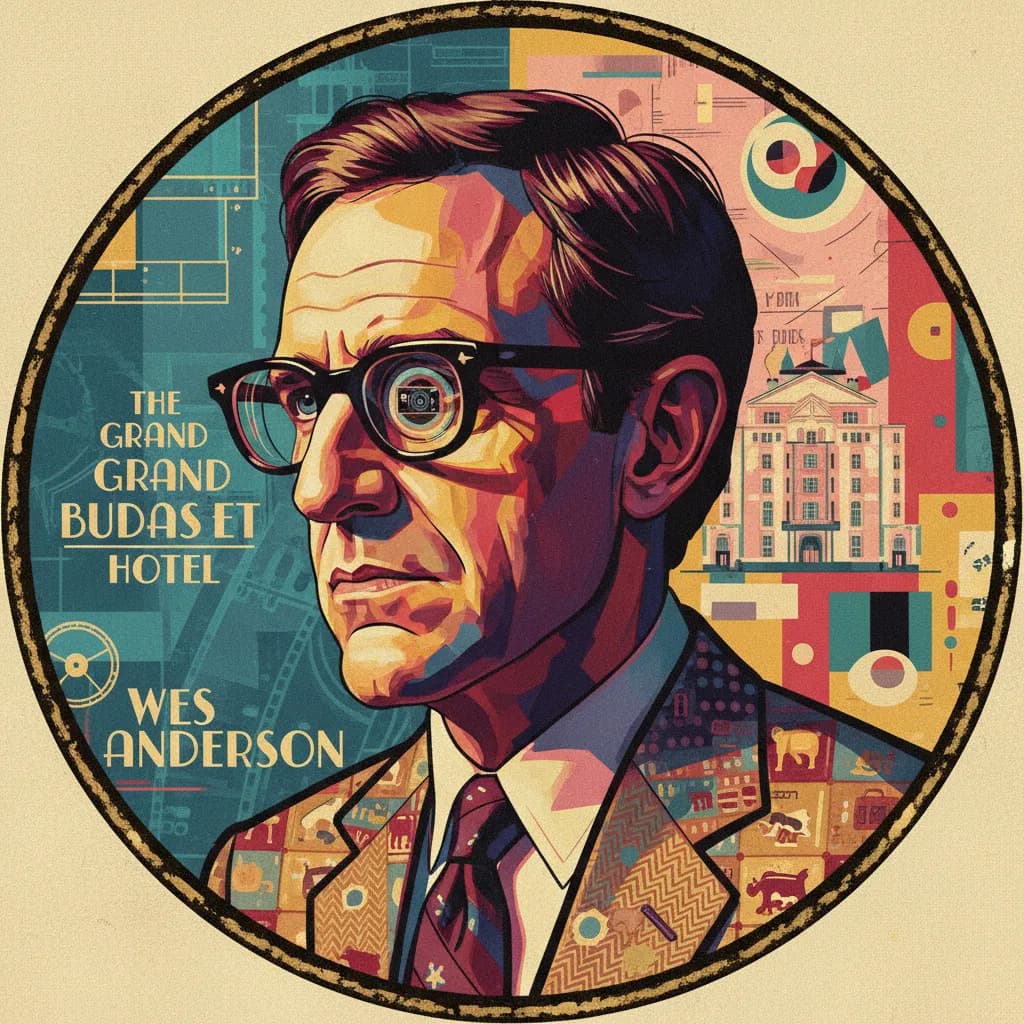
Wes Anderson
Every film, ranked

Paul Thomas Anderson
Every film, ranked

Ridley Scott
Every film, ranked

Tim Burton
Every film, ranked

Guillermo del Toro
Every film, ranked

Hayao Miyazaki
Every film, ranked

Akira Kurosawa
Every film, ranked

Francis Ford Coppola
Every film, ranked

Clint Eastwood
Every film, ranked

Bong Joon Ho
Every film, ranked

Woody Allen
Every film, ranked

Steven Soderbergh
Every film, ranked

Ron Howard
Every film, ranked

Pedro Almodóvar
Every film, ranked

Richard Linklater
Every film, ranked

Roman Polanski
Every film, ranked

Brian De Palma
Every film, ranked

Ingmar Bergman
Every film, ranked

Oliver Stone
Every film, ranked

David Cronenberg
Every film, ranked

Robert Zemeckis
Every film, ranked

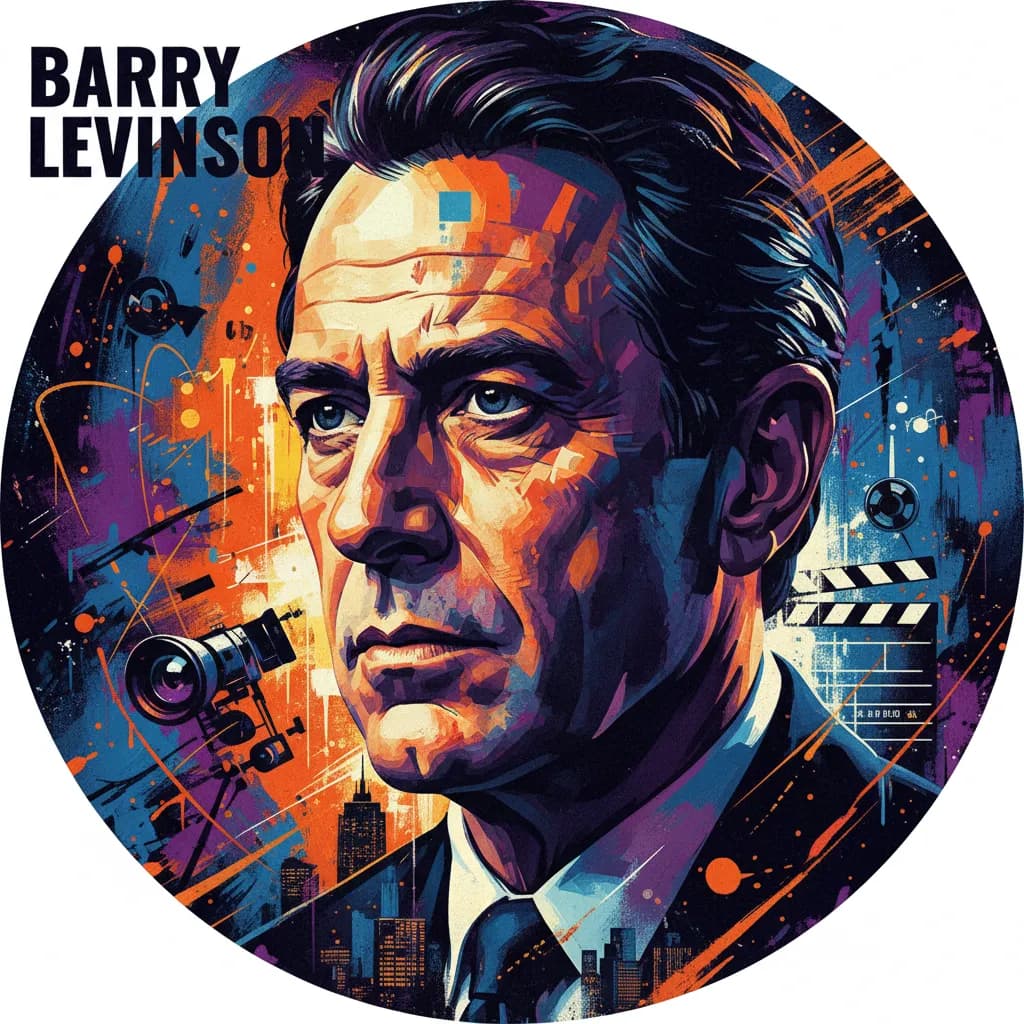
Barry Levinson
Every film, ranked

John Carpenter
Every film, ranked

Joel Schumacher
Every film, ranked

Billy Wilder
Every film, ranked

Rob Reiner
Every film, ranked

Neil Jordan
Every film, ranked

Spike Lee
Every film, ranked

Ivan Reitman
Every film, ranked

John Woo
Every film, ranked

Lasse Hallström
Every film, ranked

Stephen Frears
Every film, ranked

Luc Besson
Every film, ranked

Chris Columbus
Every film, ranked

Mike Nichols
Every film, ranked

Howard Hawks
Every film, ranked

Ang Lee
Every film, ranked

Walter Hill
Every film, ranked

Gus Van Sant
Every film, ranked

William Wyler
Every film, ranked

Renny Harlin
Every film, ranked

Sidney Lumet
Every film, ranked

Tony Scott
Every film, ranked