Discover the visionary filmmakers behind cinema's greatest works.
Explore our selection of acclaimed directors and their remarkable films.
Showing 3625-3636 out of 4148

Skip Woods is an American filmmaker known for his work as a screenwriter and director in the action, comedy, and crime genres. His directorial debut came with the 1998 film "Thursday," which showcased his penchant for crafting high-octane, adrenaline-fueled narratives. As a director, Woods masterfully blends elements of action and dark humor to create gripping and entertaining stories that resonate with audiences. Woods' directorial style is characterized by his ability to infuse intense action sequences with clever dialogue and unexpected plot twists. His films often feature morally ambiguous characters navigating through morally complex situations, adding layers of depth to his storytelling. "Thursday" stands out as a prime example of Woods' directorial prowess, as he skillfully weaves together elements of crime and comedy to deliver a compelling and unpredictable narrative. In addition to his directorial work, Woods has made significant contributions to cinema as a screenwriter, with notable credits including "Swordfish" and "A Good Day to Die Hard." His storytelling often revolves around themes of betrayal, redemption, and the consequences of one's actions, resonating with audiences who appreciate thought-provoking narratives within the action genre. Woods' impact on cinema lies in his ability to push the boundaries of traditional genre conventions, infusing his films with a distinct blend of action, wit, and intrigue. His unique vision has carved out a niche for him in the industry, earning him a dedicated following of fans who eagerly anticipate his next directorial endeavor. As a director, screenwriter, and storyteller, Skip Woods continues to leave an indelible mark on the world of film, captivating audiences with his signature blend of action and wit.


Slobodan Sijan is a renowned Serbian director known for his distinctive directorial style and impactful contributions to the world of cinema. With a career spanning several decades, Sijan has left an indelible mark on the film industry with his unique vision and storytelling prowess. His keen insight into human dynamics and societal intricacies has allowed him to craft compelling narratives that resonate with audiences worldwide. One of Sijan's most notable films is "The Marathon Family," a captivating blend of comedy and drama that showcases his ability to infuse poignant storytelling with lighthearted humor. The film's exploration of family dynamics and the human experience solidified Sijan's reputation as a masterful storyteller. Additionally, "Who's Singin' Over There?" further exemplifies Sijan's directorial prowess, blending adventure, comedy, and drama to create a rich tapestry of emotions and experiences. Sijan's directorial style is characterized by his meticulous attention to detail and his ability to capture authentic human emotions on screen. His films often delve into the complexities of interpersonal relationships, societal norms, and the human condition, offering audiences a thought-provoking and immersive cinematic experience. Sijan's work transcends cultural boundaries, offering universal themes that resonate with viewers from all walks of life. Throughout his career, Sijan has consistently pushed the boundaries of storytelling, inspiring future generations of filmmakers to embrace their unique artistic vision. His impact on cinema extends beyond his filmography, as he has played a pivotal role in shaping the landscape of Serbian and international cinema. Sijan's enduring legacy lies in his ability to craft compelling narratives that leave a lasting impression on audiences, solidifying his status as a visionary director with an unparalleled storytelling prowess.

Sngmoo Lee is a South Korean director best known for his visionary work in the action, drama, and fantasy genres. His most notable film, "The Warrior's Way" (2010), showcases his unique directorial style and storytelling prowess. Lee's directorial approach is characterized by a seamless blend of visually stunning action sequences, compelling drama, and fantastical elements, making his films a treat for both the eyes and the imagination. "The Warrior's Way" stands as a testament to Lee's ability to craft a mesmerizing cinematic experience. The film's intricate choreography, breathtaking cinematography, and larger-than-life characters demonstrate his keen eye for detail and his commitment to pushing the boundaries of visual storytelling. Through this film, Lee introduced audiences to a world where East meets West, encapsulating the essence of martial arts, heroism, and fantastical elements. Lee's recurring themes often revolve around the concept of duality, juxtaposing contrasting elements such as tradition and modernity, strength and vulnerability, and the clash of cultures. His films often explore the complexities of identity and the universal struggle for balance, resonating with audiences on a profound level. In the realm of cinema, Sngmoo Lee has made a significant impact by bringing a fresh perspective to the action and fantasy genres. His meticulous attention to detail, coupled with his ability to infuse traditional storytelling with contemporary flair, has earned him a dedicated following among cinephiles. Lee's contribution to film extends beyond mere entertainment, as he has succeeded in redefining the visual language of action and fantasy cinema, leaving an indelible mark on the industry. In conclusion, Sngmoo Lee's directorial career is defined by his unyielding commitment to crafting visually captivating narratives that transcend cultural and genre boundaries. His ability to seamlessly blend action, drama, and fantasy has solidified his position as a visionary director, and his work continues to inspire and captivate audiences around the world.

Sofia Coppola, an acclaimed film director, has carved a niche for herself in the movie industry with her distinct directorial style and unique storytelling. Born into a renowned filmmaking family, Sofia made her directorial debut with "The Virgin Suicides" in 1999, which showcased her ability to capture poignancy and emotional depth in her storytelling. Known for her visually stunning and emotionally resonant films, Coppola's works often revolve around themes of alienation, ennui, and the human experience, making her a distinct voice in cinema. One of her most celebrated films, "Lost in Translation" (2003), earned her critical acclaim and an Academy Award for Best Original Screenplay. This film solidified her reputation as a director capable of crafting intimate, character-driven narratives that explore the complexities of human relationships. Coppola's directorial style often emphasizes mood, atmosphere, and subtle nuances, creating a dreamlike and introspective quality in her films. In "Marie Antoinette" (2006), Coppola delved into historical drama, infusing the genre with her signature aesthetic and modern sensibility. Her ability to breathe new life into familiar narratives and historical figures demonstrates her versatility and innovative approach to storytelling. "The Bling Ring" (2013) further showcased her ability to dissect contemporary culture and societal obsessions, adding a layer of social commentary to her filmography. With "Somewhere" (2010) and "On the Rocks" (2020), Coppola continued to explore themes of celebrity, isolation, and the complexities of human connection. Her films often feature mesmerizing visuals, evocative soundtracks, and nuanced performances, creating a cinematic experience that lingers long after the credits roll. Sofia Coppola's impact on cinema is undeniable, as she continues to inspire a new generation of filmmakers with her distinct directorial voice and uncompromising vision. Her body of work stands as a testament to her artistry and influence in shaping the landscape of contemporary cinema.

Sohail Khan is a prominent figure in the Indian film industry, known for his directorial ventures that seamlessly blend action and drama. His notable film, "Jai Ho" (2014), stands as a testament to his directorial prowess and storytelling finesse. Khan's directorial style is characterized by high-octane action sequences, emotionally stirring drama, and a keen focus on social issues, making his films both entertaining and thought-provoking. "Jai Ho" (2014) is a powerful action-drama that showcases Khan's ability to craft compelling narratives while delivering impactful messages. The film's themes of social justice and standing up against corruption resonate deeply with audiences, reflecting Khan's inclination towards addressing pertinent societal issues. With a pulse-pounding blend of action and drama, Khan captivates viewers while instilling a sense of social responsibility through his storytelling. Khan's directorial career has left an indelible mark on Indian cinema, with "Jai Ho" standing as a poignant example of his impactful storytelling. His films often revolve around the triumph of the human spirit, the pursuit of justice, and the significance of societal change, themes that resonate across cultures and generations. Khan's unique vision and commitment to addressing social issues through his work have solidified his status as a director with a distinct voice and a meaningful impact on the cinematic landscape. Sohail Khan's directorial ventures continue to captivate audiences, showcasing his ability to seamlessly weave together action, drama, and social commentary. As a director, Khan has left an enduring legacy, with "Jai Ho" exemplifying his directorial finesse and commitment to crafting compelling narratives that resonate on a profound level. With a keen eye for storytelling and a dedication to addressing societal issues, Sohail Khan stands as a director whose impact extends far beyond the silver screen.

Sooraj R. Barjatya is a renowned Indian film director known for his family-centric, emotionally rich storytelling. He made his directorial debut with the 1989 film "Maine Pyar Kiya," which became a massive commercial success and established his reputation as a director with a keen understanding of Indian family dynamics and values. Barjatya's directorial style is characterized by grand sets, rich visuals, and an emphasis on traditional Indian values and customs. His films often revolve around themes of love, family relationships, and the celebration of Indian culture. One of Barjatya's most iconic works is "Hum Aapke Hain Koun...!" (1994), a blockbuster that redefined Indian cinema with its elaborate song-and-dance sequences, heartwarming narrative, and larger-than-life portrayal of Indian weddings and family traditions. The film's success not only solidified Barjatya's position as a master storyteller but also set new benchmarks for Indian musical dramas. Another notable film in Barjatya's repertoire is "Vivah" (2006), which further showcased his expertise in portraying romance and familial bonds on the big screen. Barjatya's films often explore the complexities of familial relationships, the significance of traditions, and the enduring power of love, resonating deeply with Indian audiences. His ability to infuse his narratives with relatable characters and heartfelt emotions has made him a beloved figure in Indian cinema. Barjatya's influence on Bollywood is undeniable, as he has not only delivered several box office hits but also shaped the cultural landscape of Indian cinema, inspiring numerous filmmakers to explore similar themes in their works. In conclusion, Sooraj R. Barjatya's directorial career has left an indelible mark on Indian cinema, and his films continue to be celebrated for their timeless appeal and emotional resonance. His unique vision and commitment to portraying the beauty of Indian family life have earned him a special place in the hearts of audiences worldwide. With a filmography that embodies the richness of Indian culture and traditions, Barjatya remains a revered director whose contributions have significantly enriched the cinematic landscape of India.

Soori is an Indian film director known for his work in the action, crime, and thriller genres. His notable filmography includes the highly anticipated "Kabzaa," set to release in 2023. Soori has made a name for himself with his distinctive directorial style, which often incorporates intense action sequences, gritty crime elements, and high-stakes thrillers that captivate audiences. With "Kabzaa," Soori has further solidified his reputation as a master of high-octane storytelling and gripping narratives. His films are characterized by their fast-paced storytelling, dynamic cinematography, and compelling characters that draw viewers into the heart of the action. Soori has a knack for creating tension-filled scenes and adrenaline-pumping moments that keep audiences on the edge of their seats. Throughout his career, Soori has explored recurring themes such as power struggles, moral ambiguity, and the complexities of human nature within the criminal underworld. His films often delve into the darker aspects of society, offering a raw and unflinching portrayal of the human experience in the face of danger and adversity. Soori's directorial vision brings a sense of realism and authenticity to his films, immersing audiences in the gritty and unforgiving worlds he portrays on screen. Soori's impact on cinema lies in his ability to push the boundaries of the action, crime, and thriller genres, delivering films that leave a lasting impression on viewers. His unique storytelling approach and commitment to crafting immersive cinematic experiences have earned him a dedicated following and solidified his status as a visionary director. With "Kabzaa" poised to make waves upon its release, Soori continues to shape the landscape of Indian cinema with his bold and uncompromising directorial style.

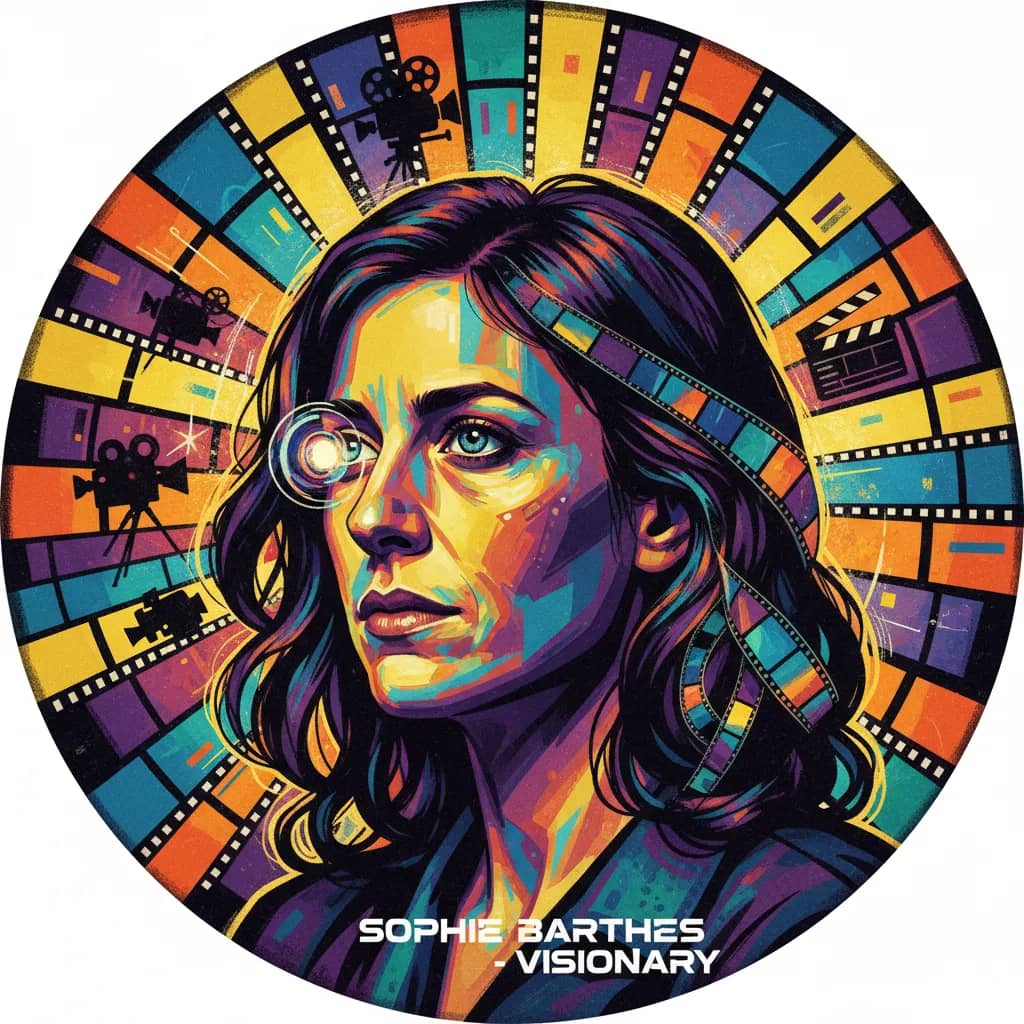
Sophie Barthes is a talented French-American director known for her unique blend of comedy, drama, and fantasy in her films. Her most notable work to date is "Cold Souls" (2009), a thought-provoking and visually stunning exploration of the human soul, starring Paul Giamatti. Barthes' directorial style is characterized by a meticulous attention to detail, a surreal and dreamlike visual aesthetic, and a knack for infusing her narratives with both humor and profound emotional depth. In "Cold Souls," Barthes deftly weaves together the existential quandaries of modern life with elements of magical realism, creating a film that is both intellectually stimulating and emotionally resonant. Her ability to interweave comedic elements with thought-provoking themes has set her apart as a director with a unique vision and a fresh perspective on storytelling. One of the recurring themes in Barthes' work is the exploration of the human psyche and the complexities of the human experience. Her films often delve into the inner workings of the human mind, offering audiences a glimpse into the intricacies of human emotion and behavior. Through her distinct visual style and evocative storytelling, Barthes has established herself as a director who is unafraid to tackle profound and existential themes with both wit and wisdom. Barthes' impact on cinema lies in her ability to push the boundaries of traditional storytelling, infusing her films with a sense of magic and wonder that is both enchanting and thought-provoking. Her unique blend of comedy, drama, and fantasy has carved out a niche for herself in the film industry, and her work continues to inspire and captivate audiences around the world. In conclusion, Sophie Barthes is a visionary director whose films offer a captivating blend of comedy, drama, and fantasy, underscored by a deep exploration of the human experience. With "Cold Souls" as a standout example of her directorial prowess, Barthes has cemented her status as a filmmaker with a truly unique and evocative vision. Her impact on cinema is undeniable, and she continues to be a trailblazer in the realm of thought-provoking and visually stunning storytelling.

Sophie Hyde is an Australian director known for her innovative storytelling and unique directorial style. With a keen eye for human emotion and relationships, Hyde has made a significant impact on the film industry by pushing boundaries and challenging traditional narratives. Her notable film "52 Tuesdays" garnered critical acclaim and showcased her ability to capture raw and authentic performances. This coming-of-age drama is a testament to Hyde's directorial prowess and her commitment to portraying complex characters with depth and empathy. Hyde's directorial style is characterized by its intimacy and authenticity, as she delves into the complexities of human relationships and emotions. Her films often explore themes of identity, sexuality, and personal growth, offering audiences a thought-provoking and immersive experience. With a focus on character-driven narratives, Hyde creates compelling and relatable stories that resonate with audiences on a profound level. In 2022, Hyde released "Good Luck to You, Leo Grande," a comedy-drama that further demonstrates her versatility as a director. The film explores the unorthodox relationship between a young woman and an older man, delving into themes of love, desire, and societal expectations. With this latest project, Hyde continues to challenge conventions and offer audiences a fresh perspective on human connections. Sophie Hyde's contributions to cinema have not only expanded the horizons of storytelling but have also paved the way for a new generation of filmmakers. Her fearless approach to tackling complex and often taboo subjects has made her a trailblazer in the industry, inspiring others to embrace authenticity and emotional honesty in their work. As she continues to captivate audiences with her compelling narratives and distinct directorial vision, Sophie Hyde remains a formidable force in the world of filmmaking.

Sotiris Tsafoulias is a Greek director known for his compelling storytelling and visually striking films. His notable work includes "The Other Me" (2016), a gripping crime drama infused with mystery. Tsafoulias' directorial style is characterized by intense narratives, meticulous attention to detail, and a flair for creating atmospheric settings that draw audiences into the heart of the story. "The Other Me" stands as a testament to Tsafoulias' ability to craft intricate plots that keep viewers on the edge of their seats. The film weaves a complex web of intrigue and suspense, exploring the darker aspects of human nature and the complexities of identity. Tsafoulias' meticulous direction and knack for building tension make "The Other Me" a standout entry in the crime thriller genre. Throughout his career, Tsafoulias has demonstrated a penchant for delving into psychological depths and exploring the human psyche. His films often delve into the intricacies of human behavior, inviting audiences to contemplate the complexities of the human experience. With a keen eye for storytelling and a talent for crafting immersive cinematic experiences, Tsafoulias has carved out a niche for himself in the world of gripping, thought-provoking cinema. Tsafoulias' impact on Greek cinema is undeniable, as he continues to push boundaries and challenge the conventions of storytelling. His distinct directorial voice and ability to provoke thought and emotion through his work have earned him a dedicated following. As he continues to evolve as a filmmaker, audiences can anticipate more captivating and thought-provoking stories from the visionary director. In conclusion, Sotiris Tsafoulias has established himself as a director who fearlessly delves into the depths of human nature, crafting compelling narratives that resonate with audiences. With "The Other Me" as a standout example of his directorial prowess, Tsafoulias continues to leave an indelible mark on the world of cinema, shaping the landscape of Greek filmmaking with his unique vision and storytelling acumen.

Spencer Susser is a notable Australian film director known for his unique directorial style and thought-provoking storytelling. His notable film, "Hesher" (2010), is a compelling blend of comedy and drama that showcases Susser's ability to explore the complexities of human emotions and relationships. With a keen eye for capturing raw and authentic performances, Susser's directorial approach resonates with audiences, establishing him as a visionary in the film industry. In "Hesher," Susser demonstrates his exceptional talent for delving into the depths of human nature, infusing the narrative with dark humor and poignant moments. His directorial style seamlessly weaves together elements of comedy and drama, creating a compelling and emotionally resonant cinematic experience. Through his meticulous attention to detail and masterful storytelling, Susser crafts a film that lingers in the minds of viewers long after the credits roll. One of Susser's recurring themes is the exploration of unconventional characters and their journeys of self-discovery, often set against the backdrop of challenging circumstances. His films delve into the complexities of human existence, offering a profound and introspective look at the human experience. Through his evocative storytelling and nuanced character development, Susser invites audiences to empathize with his characters and contemplate the intricacies of their own lives. Spencer Susser's impact on cinema is evident through his ability to push artistic boundaries and challenge traditional storytelling conventions. His directorial vision and commitment to authenticity have earned him a dedicated following and critical acclaim. As a director, Susser continues to captivate audiences with his distinctive voice and compelling narratives, leaving an indelible mark on the world of cinema. In conclusion, Spencer Susser's directorial career is defined by his exceptional ability to craft thought-provoking narratives and evoke powerful emotions through his films. With "Hesher" as a standout example of his directorial prowess, Susser has solidified his reputation as a visionary filmmaker with a unique perspective on the human experience. His contributions to cinema have left an enduring impact, and audiences eagerly anticipate his future projects as he continues to enrich the art of storytelling through his unparalleled directorial talent.

Spike Jonze is a visionary film director known for his unique storytelling and visually captivating style. With a career spanning over two decades, Jonze has left an indelible mark on cinema, pushing boundaries and challenging conventions. His directorial debut came in 1999 with the mind-bending "Being John Malkovich," which immediately established him as a director with an unparalleled vision. The film, a blend of comedy, drama, and fantasy, showcased Jonze's ability to seamlessly blend genres and create thought-provoking narratives that resonate with audiences. One of Jonze's most notable works is "Adaptation." (2002), a film that further solidified his reputation as a director unafraid to explore complex themes and unconventional storytelling techniques. The movie, a mix of comedy and drama, delves into the creative process and the struggles of a screenwriter, showcasing Jonze's ability to tackle introspective and introspective subject matter. "Where the Wild Things Are" (2009) marked a departure from Jonze's previous works, as he ventured into the realm of family-oriented cinema. The film, an adaptation of Maurice Sendak's beloved children's book, demonstrated Jonze's versatility as a director, as he crafted a visually stunning and emotionally resonant tale that captivated audiences of all ages. In 2013, Jonze delivered a cinematic masterpiece with "Her," a poignant and visually arresting exploration of love, loneliness, and the human connection in the digital age. The film, blending drama, romance, and sci-fi elements, earned widespread critical acclaim and solidified Jonze's status as a masterful storyteller with a profound understanding of human emotions. Jonze's directorial style is characterized by his ability to seamlessly blend genres, his visually arresting cinematography, and his penchant for exploring the complexities of human emotions. His films often delve into the human psyche, tackling themes of identity, relationships, and the human experience. With a keen eye for detail and a gift for crafting immersive narratives, Jonze's impact on cinema is undeniable, as he continues to inspire and influence a new generation of filmmakers with his unparalleled vision and storytelling prowess.
Every film by the greats, ranked by our TML Score.

Christopher Nolan
Every film, ranked

Quentin Tarantino
Every film, ranked

Stanley Kubrick
Every film, ranked

Martin Scorsese
Every film, ranked

Steven Spielberg
Every film, ranked

Alfred Hitchcock
Every film, ranked

David Fincher
Every film, ranked

Denis Villeneuve
Every film, ranked

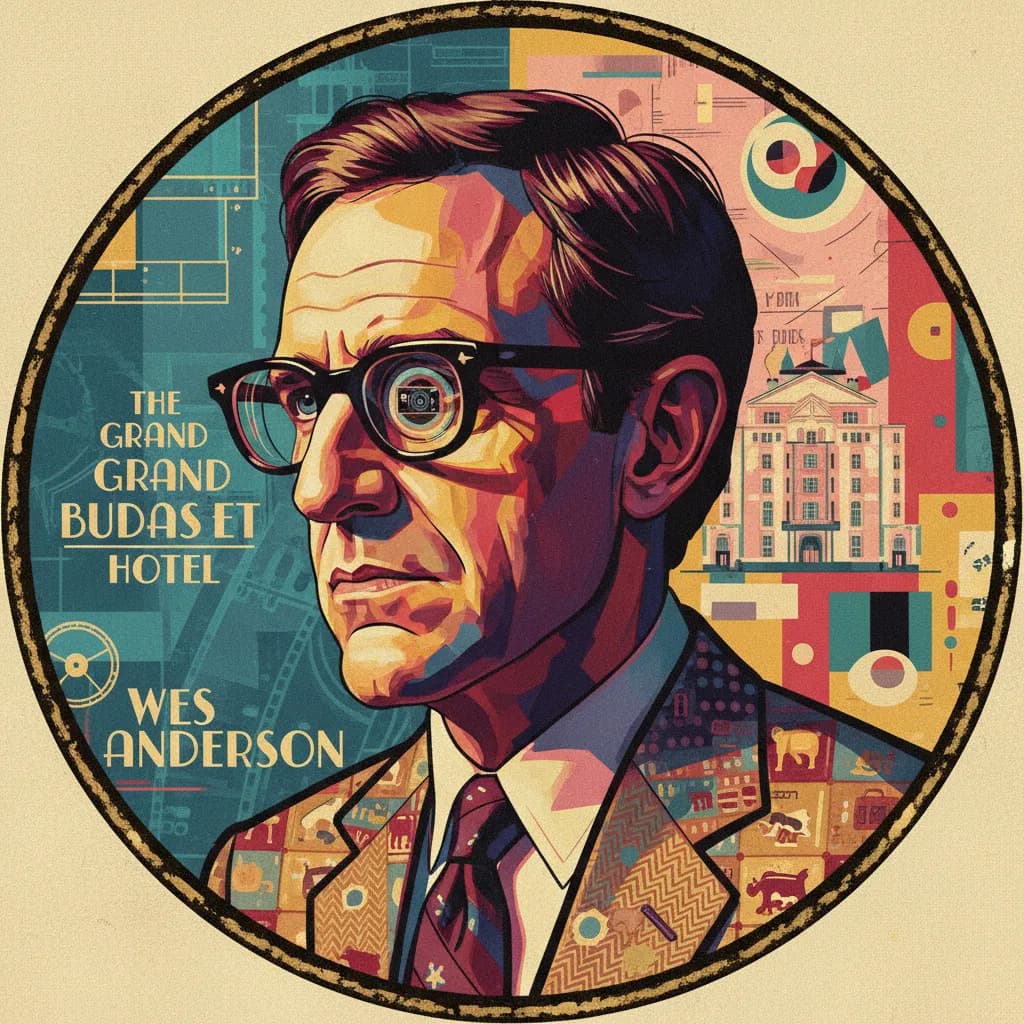
Wes Anderson
Every film, ranked

Paul Thomas Anderson
Every film, ranked

Ridley Scott
Every film, ranked

Tim Burton
Every film, ranked

Guillermo del Toro
Every film, ranked

Hayao Miyazaki
Every film, ranked

Akira Kurosawa
Every film, ranked

Francis Ford Coppola
Every film, ranked

Clint Eastwood
Every film, ranked

Bong Joon Ho
Every film, ranked

Woody Allen
Every film, ranked

Steven Soderbergh
Every film, ranked

Ron Howard
Every film, ranked

Pedro Almodóvar
Every film, ranked

Richard Linklater
Every film, ranked

Roman Polanski
Every film, ranked

Brian De Palma
Every film, ranked

Ingmar Bergman
Every film, ranked

Oliver Stone
Every film, ranked

David Cronenberg
Every film, ranked

Robert Zemeckis
Every film, ranked

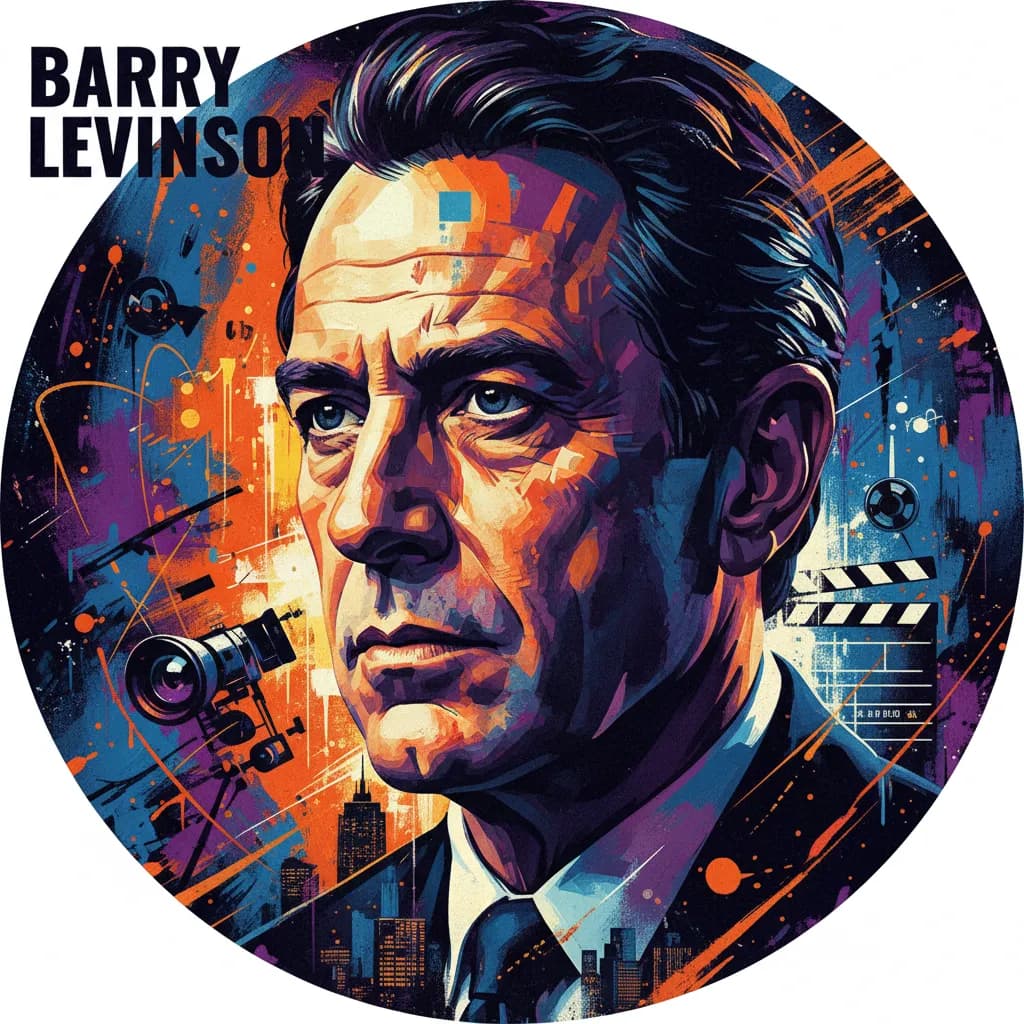
Barry Levinson
Every film, ranked

John Carpenter
Every film, ranked

Joel Schumacher
Every film, ranked

Billy Wilder
Every film, ranked

Rob Reiner
Every film, ranked

Neil Jordan
Every film, ranked

Spike Lee
Every film, ranked

Ivan Reitman
Every film, ranked

John Woo
Every film, ranked

Lasse Hallström
Every film, ranked

Stephen Frears
Every film, ranked

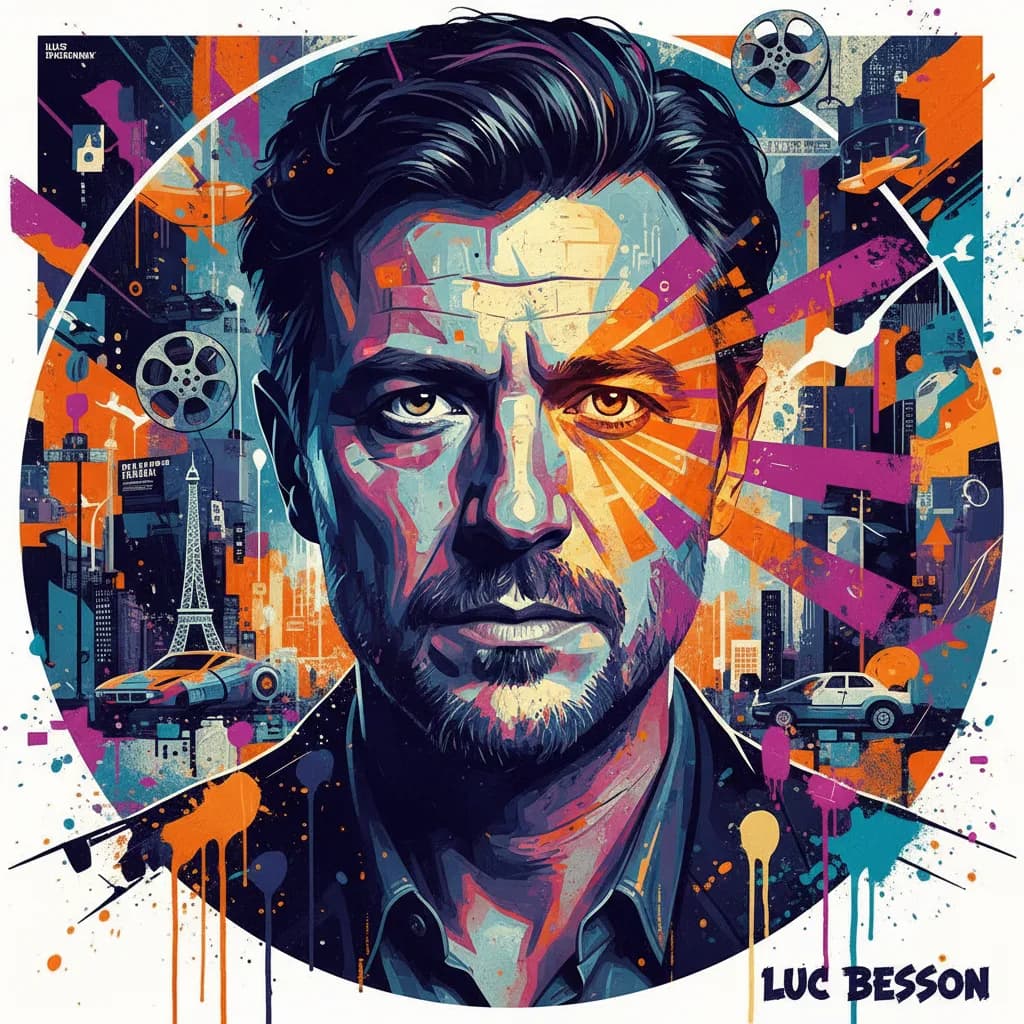
Luc Besson
Every film, ranked

Chris Columbus
Every film, ranked

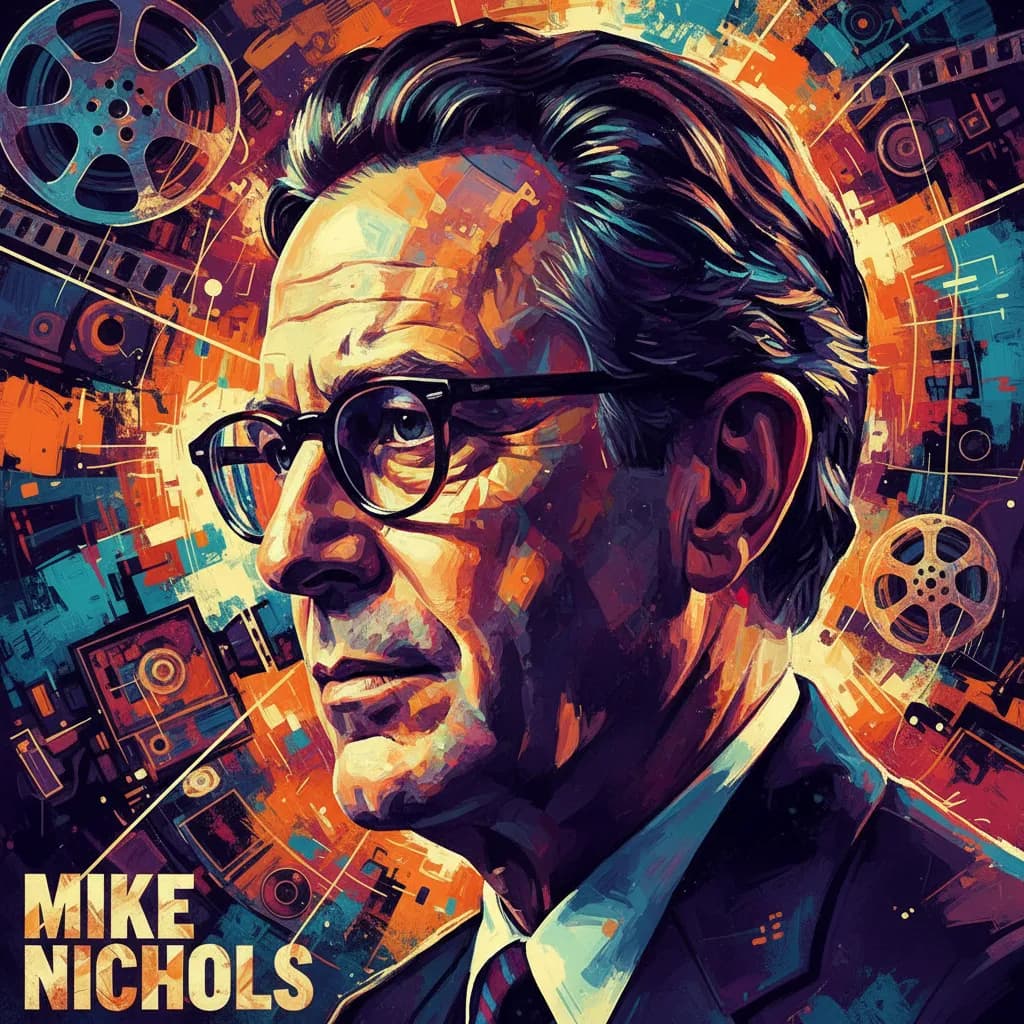
Mike Nichols
Every film, ranked

Howard Hawks
Every film, ranked

Ang Lee
Every film, ranked

Walter Hill
Every film, ranked

Gus Van Sant
Every film, ranked

William Wyler
Every film, ranked

Renny Harlin
Every film, ranked

Sidney Lumet
Every film, ranked

Tony Scott
Every film, ranked