Discover the visionary filmmakers behind cinema's greatest works.
Explore our selection of acclaimed directors and their remarkable films.
Showing 3649-3660 out of 4148

Stanley Kramer was a prolific and influential film director known for his socially conscious and thought-provoking films that tackled pressing issues of his time. With a career spanning from the 1950s to the 1970s, Kramer left an indelible mark on the world of cinema, earning numerous accolades and nominations for his work. He was a master of blending genres and creating compelling narratives that challenged societal norms and prejudices. Kramer's directorial style was characterized by a commitment to addressing complex and controversial topics with unflinching honesty. His films often delved into themes of racial inequality, social justice, and the human condition, prompting audiences to confront uncomfortable truths. Notable for his ability to seamlessly blend drama, comedy, and social commentary, Kramer's films were consistently engaging and thought-provoking. Among Kramer's most iconic works is "Judgment at Nuremberg" (1961), a gripping courtroom drama that explores the accountability of individuals involved in Nazi war crimes. The film, which earned multiple Academy Award nominations, including a Best Director nod for Kramer, stands as a powerful testament to his ability to tackle weighty historical subjects with sensitivity and insight. Another standout in his filmography is "Guess Who's Coming to Dinner" (1967), a groundbreaking comedy-drama that addresses interracial relationships with humor and poignancy, challenging societal norms and prejudices. Stanley Kramer's impact on cinema extends beyond his individual films. His bold and unapologetic approach to storytelling paved the way for a new generation of filmmakers to address important social issues through their work. His ability to infuse entertainment with meaningful social commentary has left an enduring legacy, inspiring filmmakers to use their craft as a platform for social change. In conclusion, Stanley Kramer's directorial career was defined by a commitment to shining a light on pressing social and moral issues through the lens of compelling storytelling. His films continue to resonate with audiences, serving as a testament to his enduring influence on cinema and his unwavering dedication to using the medium as a tool for societal reflection and change.

Stanley Kubrick is a legendary film director renowned for his distinctive visual style, meticulous attention to detail, and innovative storytelling techniques. With a career spanning over five decades, Kubrick's filmography includes an array of genre-defying masterpieces that have left an indelible mark on cinema. His films often delved into the darker aspects of human nature, exploring themes of existentialism, violence, and the fragility of sanity. One of Kubrick's most iconic works is "The Shining" (1980), a psychological horror film that has become a cult classic. Through its haunting imagery and intense performances, Kubrick crafted a chilling portrayal of madness and isolation. Another standout film is "A Clockwork Orange" (1971), a dystopian crime drama that sparked controversy for its unflinching depiction of violence and societal decay. Kubrick's visionary approach to storytelling and visual composition set these films apart as timeless works of art. Throughout his career, Kubrick demonstrated a penchant for pushing the boundaries of filmmaking. His epic historical drama "Barry Lyndon" (1975) stands as a testament to his mastery of visual storytelling, with its sumptuous cinematography and meticulous attention to period detail. "2001: A Space Odyssey" (1968) redefined the science fiction genre, captivating audiences with its enigmatic narrative and groundbreaking special effects. Kubrick's influence on cinema is immeasurable, as his distinct directorial style and uncompromising dedication to his craft paved the way for future generations of filmmakers. His films continue to be revered for their thought-provoking themes, technical innovation, and enduring impact on popular culture. Stanley Kubrick's legacy as a visionary auteur will forever be celebrated as an integral part of the cinematic canon.

Stanley Tong is a highly acclaimed Hong Kong film director known for his dynamic and action-packed cinematic style. With a career spanning over three decades, Tong has carved a niche for himself in the action-adventure genre. His unique directorial vision and ability to seamlessly blend action, comedy, and adventure have made him a prominent figure in the global film industry. Tong's directorial debut came with the 1992 blockbuster "Supercop," which showcased his talent for crafting exhilarating action sequences and lighthearted comedy. The film's success catapulted Tong into the international spotlight and set the stage for his subsequent directorial ventures. One of his most iconic collaborations was with martial arts sensation Jackie Chan, resulting in the critically acclaimed "Rumble in the Bronx" (1995) and "First Strike" (1996). These films not only solidified Tong's reputation as a visionary director but also contributed to the popularization of Hong Kong action cinema on a global scale. In 2005, Tong further showcased his directorial prowess with "The Myth," a visually stunning and captivating action-adventure film that underscored his ability to seamlessly blend historical elements with breathtaking action sequences. However, it was his 2017 film "Kung Fu Yoga" that marked a significant milestone in his career, as it brought together international stars and seamlessly integrated martial arts, comedy, and adventure into a visually striking cinematic experience. Tong's directorial style is characterized by his meticulous attention to choreographing intricate action sequences, his penchant for incorporating humor into high-octane scenes, and his ability to infuse cultural elements into his storytelling. His films often feature themes of heroism, camaraderie, and the triumph of good over evil, resonating with audiences across diverse cultural backgrounds. Stanley Tong's impact on cinema extends beyond his directorial achievements; his ability to bridge cultural divides and create universally appealing films has cemented his status as a trailblazer in the action-adventure genre. With a legacy marked by influential collaborations and a commitment to pushing the boundaries of cinematic storytelling, Tong continues to inspire and entertain audiences worldwide with his unique directorial vision.


Stanley Tucci, a versatile and accomplished actor, writer, and director, made an indelible mark on the film industry with his directorial debut, "Big Night" (1996). Tucci's directorial style is characterized by a keen attention to detail, nuanced storytelling, and a deep exploration of human emotions. His ability to seamlessly blend drama and romance is evident in "Big Night," a critically acclaimed film that follows two Italian immigrant brothers and their struggles to maintain their authentic Italian restaurant in 1950s New Jersey. Tucci's direction in this film displays a rich understanding of character dynamics and an immersive portrayal of culinary art, establishing him as a director with a distinctive visual and narrative voice. In addition to "Big Night," Tucci's directorial work includes "The Impostors" (1998) and "Final Portrait" (2017), both of which further showcase his adeptness in storytelling and character development. Tucci's films often revolve around themes of identity, relationships, and the pursuit of passion, highlighting the human experience with depth and authenticity. His directorial contributions have left an indelible impact on cinema, inspiring audiences and fellow filmmakers with his ability to craft compelling narratives and evoke genuine emotions. Tucci's versatility as a director is evident in his ability to seamlessly navigate between genres, infusing each film with his signature blend of poignancy and humor. His directorial vision has resonated with audiences worldwide, earning him a reputation as a masterful storyteller with an innate ability to capture the complexities of human relationships on screen. Tucci's influence on the film industry extends beyond his directorial work, as his multifaceted talents have contributed to the enrichment of cinematic storytelling, making him a revered figure in the world of film and entertainment. In conclusion, Stanley Tucci's directorial career is a testament to his artistic prowess and unwavering commitment to bringing compelling stories to life. Through his directorial work, he has left an indelible mark on cinema, showcasing a unique vision and an unparalleled ability to elicit genuine emotions from his audience. Tucci's contributions to the film industry have solidified his legacy as a directorial force to be reckoned with, and his body of work continues to inspire and captivate audiences, cementing his status as a true visionary in the world of filmmaking.

Stan Winston was a legendary film director, best known for his work in the fantasy and horror genres. His career took off with the release of his directorial debut, "Pumpkinhead" in 1988. The film showcased Winston's exceptional talent for creating visually striking and terrifying creatures, setting the stage for his future successes in the industry. Winston's directorial style was characterized by his unparalleled skill in practical effects and creature design. His ability to bring otherworldly beings to life on screen earned him immense respect and admiration within the film industry. Winston's dedication to pushing the boundaries of special effects and his commitment to crafting immersive, fantastical worlds set him apart as a visionary director. "Pumpkinhead" marked the beginning of Winston's directorial career, and it quickly became a cult classic within the horror genre. The film's success solidified Winston's reputation as a master of creature creation and a director with a keen eye for blending horror and fantasy elements seamlessly. His work on "Pumpkinhead" laid the foundation for his future contributions to cinema, inspiring a new generation of filmmakers to explore the possibilities of practical effects in storytelling. Throughout his career, Winston's films often delved into themes of fear, the supernatural, and the human psyche. His unique approach to storytelling, coupled with his unparalleled ability to bring his imaginative creatures to life, left an indelible mark on the film industry. Winston's impact on cinema extended beyond his directorial work, as he also made significant contributions to numerous iconic films as a special effects and makeup artist. Stan Winston's legacy continues to inspire filmmakers and special effects artists, cementing his status as a visionary director and a pioneer in the world of practical effects. His influence on the horror and fantasy genres remains palpable, and his dedication to creating immersive cinematic experiences ensures that his work will continue to captivate audiences for generations to come.

Steeve Léonard is a visionary film director known for his unique blend of drama, horror, and mystery in his work. His notable film "Radius" (2017) showcases his directorial style, which is marked by a keen sense of suspense, a deep exploration of human psychology, and a masterful command of visual storytelling. Léonard's ability to seamlessly weave together genres has set him apart as a versatile and innovative director in the industry. With "Radius," Léonard establishes himself as a director with a distinct voice, unafraid to push boundaries and challenge audience expectations. The film's gripping narrative, coupled with Léonard's skillful direction, has cemented his status as a director to watch in the realms of drama, horror, and mystery. His ability to create an immersive and unsettling atmosphere has resonated with audiences and critics alike, earning him a dedicated following. Léonard's recurring themes often revolve around the complexities of human nature, the unknown, and the exploration of fear. His films delve into the darker aspects of the human psyche, offering thought-provoking commentary on the human condition. Léonard's impact on cinema lies in his ability to craft compelling narratives that captivate and challenge viewers, leaving a lasting impression long after the credits roll. As a director, Léonard continues to push the boundaries of storytelling, utilizing his distinct visual style and narrative prowess to create cinematic experiences that are both haunting and thought-provoking. His contributions to film have solidified his reputation as a director who fearlessly explores the depths of human emotion and the unexplained, making him a standout figure in the world of cinema. In conclusion, Steeve Léonard's directorial career has been defined by his singular vision and his ability to craft immersive, genre-defying narratives. With "Radius" as a standout example of his talents, Léonard has proven himself to be a director with a distinct voice and a penchant for pushing the boundaries of storytelling. His impact on cinema is undeniable, and his future projects are highly anticipated as he continues to leave an indelible mark on the world of film.

Stefan Fjeldmark is a Danish film director known for his work in animation, particularly for his standout films "Asterix and the Vikings" (2006) and "The Trouble with Terkel" (2010). Fjeldmark's directorial style is characterized by his ability to infuse humor, adventure, and musical elements into his animated films, captivating audiences of all ages. His keen sense of visual storytelling and comedic timing has garnered him recognition in the world of animation. In "Asterix and the Vikings," Fjeldmark showcased his talent for bringing beloved characters to life on the big screen. The film seamlessly blended humor and adventure, staying true to the spirit of the original comic series while adding a fresh and dynamic perspective. Fjeldmark's attention to detail and commitment to creating a visually stunning world for the characters to inhabit solidified his reputation as a visionary director in the animation genre. "The Trouble with Terkel" further demonstrated Fjeldmark's versatility as a director, as he delved into the realm of comedy and music in this animated feature. With its irreverent humor and catchy musical numbers, the film showcased Fjeldmark's ability to push creative boundaries and create a truly immersive and entertaining experience for audiences. Throughout his career, Fjeldmark has consistently explored themes of friendship, adventure, and the triumph of the underdog, resonating with audiences on a universal level. His impact on cinema lies in his ability to create animated films that appeal to both children and adults, transcending age barriers with his storytelling prowess. Stefan Fjeldmark's unique vision and contributions to the world of animation have solidified his status as a director to watch. With a keen eye for storytelling and a penchant for infusing humor and heart into his films, Fjeldmark continues to leave an indelible mark on the world of cinema, captivating audiences with his imaginative and entertaining creations.

Stefano Sollima is an Italian director known for his compelling storytelling and visually gripping films. With a career spanning over two decades, Sollima has made a name for himself in the action, crime, and thriller genres. His directorial style is characterized by intense, gritty narratives, and a keen eye for capturing the complexities of human nature in high-stakes situations. One of Sollima's standout works is "Sicario: Day of the Soldado" (2018), a gripping action-crime drama that delves into the dangerous world of drug cartels and the moral ambiguity of the war on drugs. The film received widespread acclaim for its taut direction, realistic portrayal of the subject matter, and intense performances from its cast. Sollima's ability to create tension and suspense on screen has solidified his reputation as a master of the genre. In "Suburra" (2015), Sollima explores the underbelly of Rome's criminal underworld, weaving a complex web of power, corruption, and betrayal. The film showcases his expertise in crafting multi-layered narratives and delving into the darker aspects of society. Sollima's unflinching portrayal of violence and moral dilemmas has resonated with audiences and critics alike, establishing him as a director unafraid to tackle challenging and thought-provoking themes. Sollima's most recent directorial venture, "Without Remorse" (2021), further solidifies his reputation as a visionary filmmaker in the action-thriller genre. The film, based on the Tom Clancy novel, follows a Navy SEAL seeking justice for the murder of his wife, leading to a high-stakes mission that uncovers a global conspiracy. Sollima's adept handling of adrenaline-pumping action sequences and character-driven drama has cemented his status as a director who consistently delivers compelling and impactful cinema. With a penchant for exploring the intricacies of power dynamics, moral ambiguity, and the human psyche, Stefano Sollima continues to leave an indelible mark on the film industry. His unique vision and storytelling prowess have made him a sought-after director, and his contributions to the action, crime, and thriller genres have undoubtedly left an enduring impact on cinema. Sollima's ability to craft immersive and thought-provoking narratives ensures that his work will continue to captivate audiences for years to come.

Stefan Ruzowitzky is a versatile Austrian director known for his ability to skillfully traverse different genres while maintaining a distinct directorial style. With a career spanning several decades, Ruzowitzky has made a significant impact on cinema with his thought-provoking narratives and visually compelling storytelling. His filmography includes a diverse range of works, including the crime thriller "Deadfall" (2012), the horror-thriller "Anatomy" (2000), and the award-winning historical drama "The Counterfeiters" (2007). Ruzowitzky's directorial style is characterized by meticulous attention to detail, immersive storytelling, and a nuanced exploration of human emotions. He has a penchant for creating suspenseful and gripping narratives that captivate audiences, evident in his crime thriller "Deadfall." The film's taut pacing, complex characters, and intense atmosphere showcase Ruzowitzky's adeptness at building tension and delivering compelling, edge-of-your-seat storytelling. One of Ruzowitzky's most notable works is "The Counterfeiters," which won the Academy Award for Best Foreign Language Film. The movie deftly explores the moral complexities of survival and collaboration during World War II, showcasing the director's ability to tackle weighty historical themes with sensitivity and depth. Ruzowitzky's skillful direction and nuanced approach to storytelling in "The Counterfeiters" cemented his reputation as a director capable of delivering impactful and resonant narratives. Throughout his career, Ruzowitzky has demonstrated a recurring theme of delving into the darker aspects of human nature, often exploring the psychological and moral dilemmas faced by his characters. His ability to blend genre elements with profound storytelling has set him apart as a director with a unique vision and a compelling cinematic voice. Stefan Ruzowitzky's contributions to cinema have left an indelible mark, earning him acclaim from audiences and critics alike. His body of work reflects a director who is unafraid to push boundaries, tackle challenging subject matter, and deliver thought-provoking narratives that linger in the minds of viewers long after the credits roll. With his diverse filmography and unwavering commitment to storytelling excellence, Ruzowitzky continues to be a prominent figure in the world of filmmaking, shaping the industry with his distinctive directorial vision.

Stefen Fangmeier is a renowned film director known for his exceptional work in the fantasy genre. Fangmeier's directorial debut came with the 2006 film "Eragon," an adaptation of Christopher Paolini's bestselling novel. The film, a compelling mix of action, adventure, and family themes, showcased Fangmeier's ability to bring fantastical worlds to life on the big screen. His visionary approach to storytelling and visual effects set a new standard for fantasy filmmaking. Fangmeier's directorial style is characterized by his keen eye for detail and his skillful use of visual effects to create immersive and captivating cinematic experiences. His work often reflects a deep understanding of the source material, as seen in his faithful adaptation of "Eragon." Fangmeier's meticulous attention to world-building and character development has endeared him to audiences and critics alike. Notable for his ability to seamlessly blend action, adventure, and family-oriented themes, Fangmeier's films resonate with a wide audience demographic. His work on "Eragon" demonstrated his knack for infusing fantastical elements with relatable human emotions, making his films both thrilling and heartwarming. Fangmeier's impact on cinema lies in his ability to transport audiences to mesmerizing worlds while grounding his storytelling in universal human experiences. Fangmeier's contributions to the film industry have left an indelible mark, inspiring a new generation of filmmakers to explore the boundless possibilities of fantasy storytelling. His dedication to bringing richly imagined worlds to life on screen has solidified his status as a visionary director with a distinct flair for creating unforgettable cinematic experiences. Stefen Fangmeier's influence on the fantasy genre continues to reverberate, leaving an enduring legacy in the realm of imaginative storytelling on film.

Steffen Haars is a Dutch filmmaker best known for his work in the action-comedy genre. His directorial style is characterized by a bold and irreverent approach, often blending over-the-top action with offbeat humor. Haars rose to prominence with the release of "New Kids Turbo" in 2010, which became a surprise hit in the Netherlands and garnered a cult following worldwide. The film's success was followed by "New Kids Nitro" in 2011, further solidifying Haars' reputation as a director with a knack for delivering high-octane entertainment with a comedic edge. Haars' films often explore the antics of a group of misfit characters who find themselves in outlandish and often absurd situations. His work is marked by a distinct visual style and a willingness to push the boundaries of conventional storytelling, making him a trailblazer in the action-comedy genre. With a penchant for over-the-top action sequences and a sharp wit, Haars has carved out a niche for himself as a director unafraid to take risks and deliver unapologetically entertaining cinema. The "New Kids" series, comprising "New Kids Turbo" and "New Kids Nitro," remains Haars' most notable contribution to cinema. These films have left a lasting impact on audiences with their unique blend of action and comedy, earning a dedicated fan base and influencing a new wave of filmmakers exploring similar themes. Haars' ability to infuse his work with a distinctive brand of humor and adrenaline-fueled spectacle has cemented his status as a visionary director with a lasting influence on the action-comedy genre. Steffen Haars' unconventional approach to filmmaking has not only garnered critical acclaim but has also left an indelible mark on the cinematic landscape. His distinct directorial voice and fearless creativity have made him a standout figure in the world of action-comedy cinema, and his work continues to resonate with audiences seeking an exhilarating and laugh-out-loud cinematic experience. As Haars continues to push the boundaries of storytelling and entertain audiences with his unique vision, his impact on the film industry remains as enduring as ever.

Stefon Bristol is a rising talent in the world of filmmaking, known for his distinctive directorial style and innovative storytelling. His notable filmography includes the critically acclaimed "See You Yesterday" (2019), a thought-provoking blend of action, adventure, and crime genres that garnered widespread attention for its unique narrative and compelling characters. Bristol's directorial style is marked by a seamless fusion of genre elements, coupled with a keen focus on character development and social commentary. In "See You Yesterday," he skillfully navigates the complexities of time travel within the framework of a coming-of-age story, tackling issues of race, identity, and the impact of one's actions on the future. His ability to infuse high-stakes action with profound emotional depth has set him apart as a director to watch. Throughout his career, Bristol has displayed a penchant for exploring themes of resilience, friendship, and the complexities of human relationships. His work often delves into the intersection of science fiction and social relevance, offering audiences a fresh perspective on familiar genres. With "See You Yesterday," he deftly addresses timely issues while delivering an exhilarating cinematic experience that resonates with viewers on multiple levels. Bristol's impact on cinema lies in his ability to bring underrepresented narratives to the forefront, using the medium of film to amplify diverse voices and offer audiences a more inclusive range of stories. His visionary approach to storytelling has garnered accolades and positioned him as a director with the potential to shape the future of cinema, making him a compelling figure in the industry. In conclusion, Stefon Bristol's directorial career is characterized by a commitment to pushing creative boundaries and addressing pressing social themes within the framework of genre filmmaking. His unique vision and impactful storytelling have solidified his status as a director on the rise, with "See You Yesterday" serving as a testament to his ability to captivate audiences while offering thought-provoking narratives. As he continues to carve out his place in the industry, Bristol's contributions to film are poised to leave a lasting impression on cinema.
Every film by the greats, ranked by our TML Score.

Christopher Nolan
Every film, ranked

Quentin Tarantino
Every film, ranked

Stanley Kubrick
Every film, ranked

Martin Scorsese
Every film, ranked

Steven Spielberg
Every film, ranked

Alfred Hitchcock
Every film, ranked

David Fincher
Every film, ranked

Denis Villeneuve
Every film, ranked

Wes Anderson
Every film, ranked

Paul Thomas Anderson
Every film, ranked

Ridley Scott
Every film, ranked

Tim Burton
Every film, ranked

Guillermo del Toro
Every film, ranked

Hayao Miyazaki
Every film, ranked

Akira Kurosawa
Every film, ranked

Francis Ford Coppola
Every film, ranked

Clint Eastwood
Every film, ranked

Bong Joon Ho
Every film, ranked

Woody Allen
Every film, ranked

Steven Soderbergh
Every film, ranked

Ron Howard
Every film, ranked

Pedro Almodóvar
Every film, ranked

Richard Linklater
Every film, ranked

Roman Polanski
Every film, ranked

Brian De Palma
Every film, ranked

Ingmar Bergman
Every film, ranked

Oliver Stone
Every film, ranked

David Cronenberg
Every film, ranked

Robert Zemeckis
Every film, ranked

Barry Levinson
Every film, ranked

John Carpenter
Every film, ranked

Joel Schumacher
Every film, ranked

Billy Wilder
Every film, ranked

Rob Reiner
Every film, ranked

Neil Jordan
Every film, ranked

Spike Lee
Every film, ranked

Ivan Reitman
Every film, ranked

John Woo
Every film, ranked

Lasse Hallström
Every film, ranked

Stephen Frears
Every film, ranked

Luc Besson
Every film, ranked

Chris Columbus
Every film, ranked

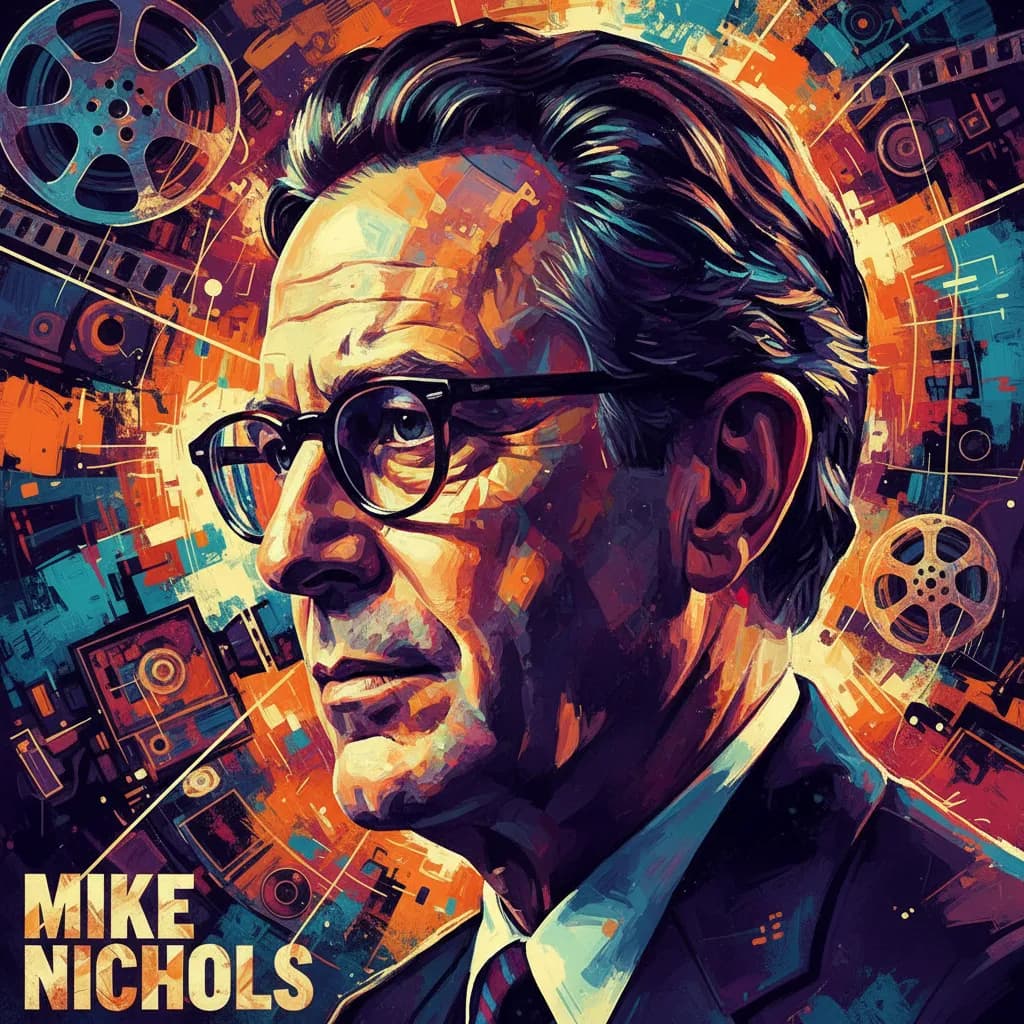
Mike Nichols
Every film, ranked

Howard Hawks
Every film, ranked

Ang Lee
Every film, ranked

Walter Hill
Every film, ranked

Gus Van Sant
Every film, ranked

William Wyler
Every film, ranked

Renny Harlin
Every film, ranked

Sidney Lumet
Every film, ranked

Tony Scott
Every film, ranked