Discover the visionary filmmakers behind cinema's greatest works.
Explore our selection of acclaimed directors and their remarkable films.
Showing 289-300 out of 4148

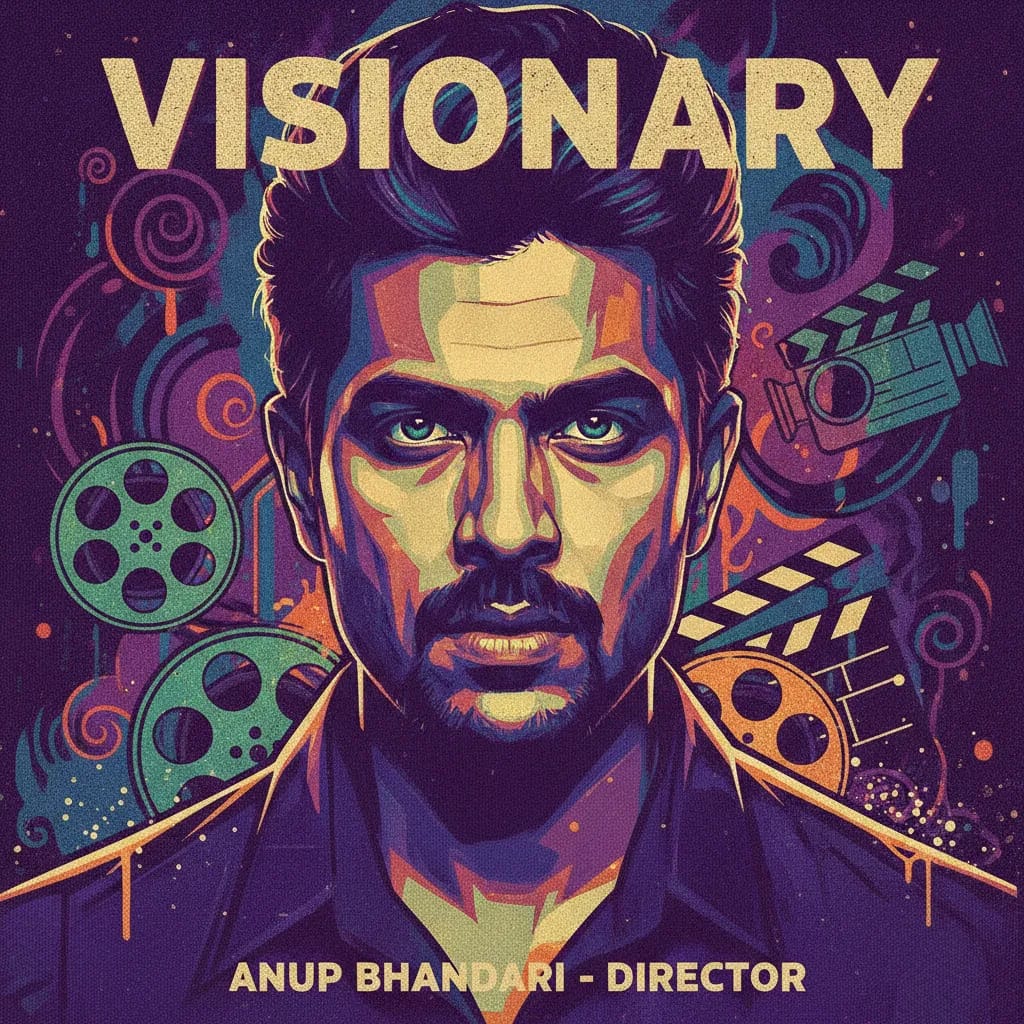
Anup Bhandari is a visionary filmmaker known for his distinct directorial style and captivating storytelling. With a keen eye for mystery, thriller, action, and drama, Bhandari has left an indelible mark on the Indian film industry. His notable works include "RangiTaranga" (2015) and the highly anticipated "Vikrant Rona" (2022). "RangiTaranga" marked Bhandari's directorial debut and quickly garnered widespread acclaim for its gripping narrative and atmospheric storytelling. The film, a mystery-thriller, showcased Bhandari's adeptness at creating immersive cinematic experiences that captivate audiences. His meticulous attention to detail and ability to build suspense have solidified his reputation as a masterful storyteller. With "Vikrant Rona," Bhandari ventures into the realm of action, crime, and drama, signaling a bold expansion of his directorial repertoire. Anticipation surrounding the film is palpable, as audiences eagerly await Bhandari's signature blend of compelling characters, intricate plotlines, and stunning visuals. His commitment to pushing boundaries and crafting genre-defying narratives has positioned him as a trailblazer in contemporary cinema. Bhandari's films often explore themes of intrigue, human complexity, and the interplay between light and darkness. His unique vision and ability to seamlessly intertwine genres have garnered him a dedicated following and critical acclaim. Through his work, Bhandari continues to redefine storytelling in Indian cinema, leaving an enduring impact on the industry. In conclusion, Anup Bhandari's directorial career is characterized by an unwavering commitment to pushing creative boundaries and delivering immersive, thought-provoking experiences. His ability to seamlessly navigate across genres while maintaining a distinct directorial voice sets him apart as a visionary filmmaker. As he continues to captivate audiences with his storytelling prowess, Bhandari's influence on cinema is poised to endure for years to come.

Anurag Basu is a prolific Indian filmmaker known for his distinct directorial style and ability to seamlessly blend genres in his films. His career began in television, where he gained recognition for his work on popular soap operas before transitioning to the big screen. Basu's filmography boasts an impressive array of diverse and critically acclaimed films, showcasing his versatility and innovative storytelling. One of Basu's most notable works is "Barfi!" (2012), a heartwarming romantic comedy that garnered widespread acclaim for its touching narrative and exceptional performances. The film's unconventional storytelling and visually stunning cinematography solidified Basu's reputation as a visionary director with a keen eye for capturing human emotions on screen. "Barfi!" also marked a significant departure from traditional Bollywood conventions, earning Basu accolades for his refreshing approach to storytelling. In "Life in a Metro" (2007), Basu delved into the complexities of urban life, weaving together multiple narratives to explore the intricacies of relationships and human connections. The film's poignant portrayal of modern-day dilemmas resonated with audiences and critics alike, further establishing Basu as a director with a penchant for thought-provoking storytelling and nuanced character development. Basu's foray into the realm of action and adventure came with "Jagga Jasoos" (2017), a visually stunning and whimsical musical that showcased his ability to infuse elements of fantasy and spectacle into his storytelling. The film's innovative approach to narrative structure and genre blending highlighted Basu's commitment to pushing the boundaries of traditional filmmaking, solidifying his status as a trailblazing director in the Indian film industry. In "Ludo" (2020), Basu once again displayed his mastery of intertwining multiple storylines within a cohesive narrative, creating a darkly comedic crime caper that captivated audiences with its unpredictable twists and turns. The film's seamless amalgamation of humor, suspense, and emotional depth underscored Basu's unique directorial voice and his ability to craft compelling stories across diverse genres. Anurag Basu's impact on Indian cinema extends beyond his individual films, as he has consistently challenged cinematic norms and redefined storytelling conventions. His ability to seamlessly blend genres, evoke powerful performances from his actors, and craft visually captivating narratives has solidified his position as a visionary director with a lasting influence on the landscape of contemporary filmmaking. With a penchant for pushing artistic boundaries and a commitment to storytelling innovation, Basu continues to

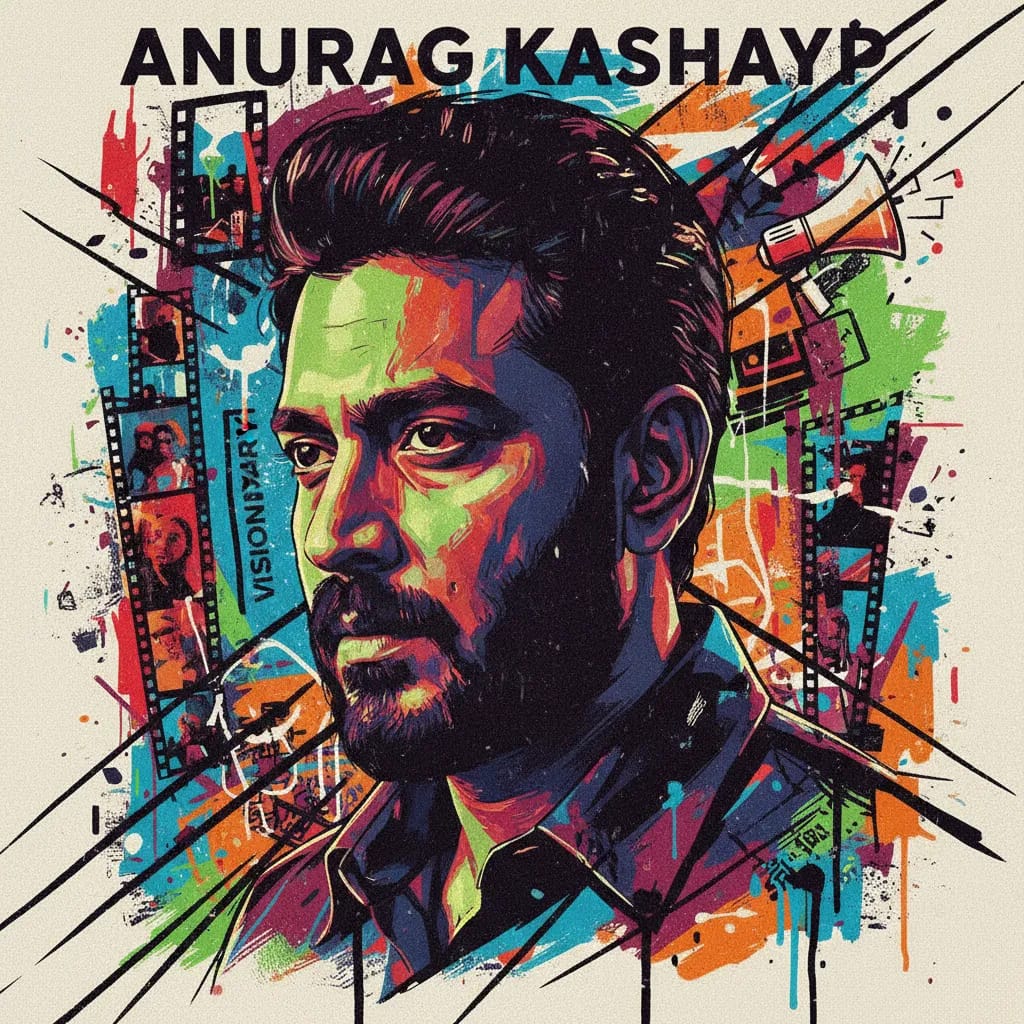
Anurag Kashyap is a visionary Indian film director known for his bold and gritty storytelling, pushing the boundaries of cinema with his unapologetic and realistic portrayal of society. With a career spanning over two decades, Kashyap has established himself as a trailblazer in the Indian film industry, earning both critical acclaim and a dedicated fan base. His directorial style is characterized by raw and intense narratives, often delving into the underbelly of society and exploring the complexities of human nature. Kashyap's filmography boasts a diverse range of impactful and thought-provoking films. "Gangs of Wasseypur" (2012) is arguably his magnum opus, a sweeping epic that spans generations, blending elements of action, comedy, and crime to create a compelling saga of power, revenge, and family dynamics. "Dev.D" (2009) reimagines the classic novel "Devdas" with a contemporary twist, delving into themes of love, addiction, and self-destruction. "Black Friday" (2004) stands as a haunting and unflinching portrayal of the 1993 Bombay bombings, showcasing Kashyap's ability to tackle real-life events with unparalleled authenticity. Central to Kashyap's body of work are recurring themes of societal upheaval, moral ambiguity, and the human psyche. His films often confront taboo subjects and challenge conventional norms, offering a stark reflection of the complexities within Indian society. Kashyap's unyielding commitment to authenticity and his willingness to explore the darker aspects of human behavior have left an indelible mark on Indian cinema, inspiring a new wave of filmmakers to fearlessly tackle controversial subjects. Anurag Kashyap's impact on cinema extends far beyond his directorial accomplishments. He has been instrumental in nurturing and promoting emerging talent, serving as a mentor and producer for a new generation of filmmakers. His dedication to independent and unconventional storytelling has reshaped the landscape of Indian cinema, earning him a reputation as a maverick auteur who fearlessly challenges the status quo. With his latest film "Dobaaraa" (2022), Kashyap continues to push the boundaries of storytelling, cementing his legacy as a visionary director whose influence will resonate for years to come.

Anurag Singh is an esteemed Indian film director known for his impactful storytelling and visually stunning cinematic style. With a career spanning over a decade, Singh has made a significant mark on the industry with his ability to seamlessly blend action, drama, and historical elements in his films. His most notable work includes the 2019 epic war film "Kesari," which solidified his position as a director with a keen eye for historical narratives. Singh's directorial style is characterized by his masterful command of storytelling, often delving into the complexities of human emotions and the resilience of the human spirit in the face of adversity. His films are known for their gripping narrative arcs, breathtaking visuals, and meticulous attention to historical details, making them a compelling viewing experience for audiences. "Kesari," in particular, stands as a testament to Singh's directorial prowess, as he expertly brought to life the awe-inspiring true story of the Battle of Saragarhi. The film not only showcased Singh's ability to craft intense and emotionally charged battle sequences but also highlighted his dedication to honoring the historical events and the individuals involved. Through his direction, Singh effectively conveyed the valor and sacrifice of the soldiers, leaving a lasting impact on audiences and critics alike. Throughout his career, Singh has exhibited a penchant for exploring themes of bravery, patriotism, and the indomitable human spirit, which have become recurring motifs in his body of work. His ability to infuse historical narratives with contemporary relevance has earned him a reputation as a director who brings compelling stories to the forefront of Indian cinema. Anurag Singh's contributions to cinema have left an indelible mark, with "Kesari" serving as a testament to his directorial prowess and storytelling acumen. His unique vision and commitment to bringing untold stories to the silver screen have solidified his status as a director to watch, and his future projects are eagerly anticipated by audiences and critics alike.

Anusha Rizvi is an Indian film director known for her remarkable debut feature, "Peepli Live" (2010), which seamlessly blends comedy and drama to shed light on the harsh realities of rural India. Rizvi's directorial style is characterized by her ability to infuse poignant social commentary with a touch of humor, creating a compelling and thought-provoking cinematic experience. "Peepli Live" garnered critical acclaim for its incisive portrayal of the media's sensationalism and the complex dynamics of poverty and politics in rural settings. Rizvi's directorial debut marked a significant contribution to Indian cinema, as it provided a platform for marginalized narratives and shed light on pressing social issues. The film's success solidified Rizvi's reputation as a director with a keen eye for storytelling and a commitment to addressing pertinent societal issues. Rizvi's ability to navigate sensitive subjects with nuance and wit has made her a distinctive voice in the Indian film industry. Notable for her astute observation of the human condition and her ability to juxtapose humor and pathos, Rizvi's work often delves into the complexities of rural life, the struggles of the disenfranchised, and the impact of media sensationalism on society. Her directorial approach is marked by a deep understanding of her subjects, and she has a knack for eliciting authentic performances from her actors. Rizvi's impact on Indian cinema is underscored by her unwavering dedication to amplifying underrepresented voices and shedding light on social injustices. Her directorial debut, "Peepli Live," remains a testament to her ability to craft compelling narratives that resonate with audiences while offering a poignant commentary on the state of contemporary society. As a director, Rizvi continues to be a trailblazer, using her craft to provoke meaningful conversations and challenge societal norms through the lens of her unique storytelling sensibilities.

Anvita Dutt is a multifaceted artist known for her work as a lyricist, screenwriter, and most recently, as a director. Her directorial debut, "Bulbbul" (2020), captivated audiences with its unique blend of drama, horror, and mystery. Dutt's distinct directorial style is characterized by a keen attention to detail, striking visual storytelling, and a penchant for exploring complex themes within the framework of genre cinema. "Bulbbul" stands as a testament to Dutt's ability to seamlessly weave together elements of folklore, societal commentary, and supernatural intrigue. The film's hauntingly beautiful cinematography and evocative storytelling serve as a testament to Dutt's prowess as a director, firmly establishing her as a visionary talent within the industry. Dutt's directorial debut showcases her bold and unapologetic approach to storytelling, offering a fresh perspective on traditional genre conventions and pushing the boundaries of Indian cinema. Her ability to infuse the supernatural and the macabre with poignant social commentary sets her apart as a director with a unique and thought-provoking vision. As a director, Dutt has demonstrated a knack for delving into the depths of human emotion and societal constructs, utilizing the medium of film to challenge perceptions and provoke introspection. Her work on "Bulbbul" has left an indelible mark on the cinematic landscape, prompting critical acclaim and sparking conversations about the evolving narrative of Indian cinema. Anvita Dutt's directorial debut with "Bulbbul" has solidified her position as a trailblazing filmmaker, showcasing a distinct directorial style that deftly balances the ethereal and the visceral. With her visionary approach to storytelling and a penchant for exploring the complexities of the human experience, Dutt is poised to continue making a significant impact on the world of cinema, offering audiences a fresh and compelling perspective on storytelling.

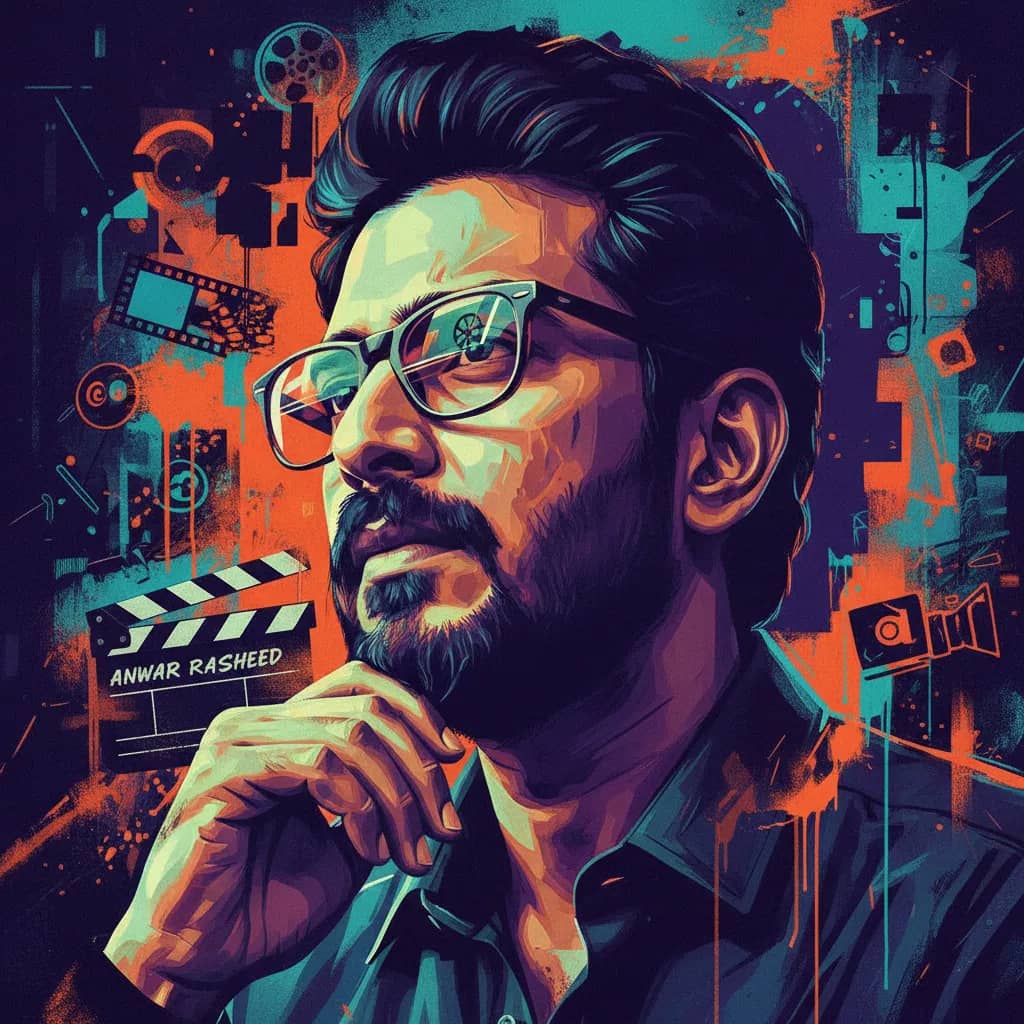
Anwar Rasheed is a highly acclaimed Indian film director known for his exceptional storytelling abilities and distinct directorial style. With a career spanning over a decade, Rasheed has made a significant impact on the Indian film industry and has garnered a devoted fan base for his thought-provoking narratives and visually stunning films. Rasheed's directorial style is characterized by his ability to seamlessly blend compelling storytelling with visually arresting cinematography. His films often delve into human emotions, relationships, and societal issues, capturing the audience's attention with their raw and relatable portrayal of characters and situations. Rasheed's keen eye for detail and his knack for creating immersive cinematic experiences have firmly established him as a visionary director in the Indian film landscape. One of Rasheed's most notable works is the critically acclaimed film "Ustad Hotel" (2012), a heartwarming blend of comedy and drama that resonated deeply with audiences. The film not only showcased Rasheed's directorial prowess but also cemented his reputation as a master storyteller with a finger on the pulse of contemporary societal issues. Rasheed's films often explore themes of family dynamics, cultural identity, and the human experience, offering audiences a thought-provoking and emotionally resonant cinematic journey. His ability to infuse his films with a sense of authenticity and emotional depth has earned him widespread recognition and praise from both critics and audiences alike. Anwar Rasheed's impact on cinema extends beyond his directorial achievements, as he continues to inspire a new generation of filmmakers with his innovative approach to storytelling and his unwavering commitment to pushing the boundaries of cinematic storytelling. As he continues to evolve as a director, Rasheed's contributions to the world of cinema are sure to leave an indelible mark for years to come.

A.P. Arjun is a talented Indian film director known for his unique blend of drama and horror elements that captivate audiences with their compelling narratives and visually striking storytelling. With a career spanning several years, Arjun has made a significant impact on the Kannada film industry with his distinct directorial style and thought-provoking themes. Arjun made his directorial debut with the film "Martin" in 2024, which garnered critical acclaim for its innovative approach to blending drama and horror. The film showcased Arjun's ability to create a tense and atmospheric experience while delving into the human psyche and emotions. His masterful use of cinematography and sound design has set him apart as a director with a keen eye for creating a sense of unease and suspense on screen. Notable for his recurring themes of human psychology, fear, and the unknown, Arjun's films often explore the depths of human emotions and the complexities of the human mind. His ability to seamlessly merge these elements with compelling storytelling has established him as a director with a distinct voice in the industry. Arjun's impact on Indian cinema has been significant, as he continues to push boundaries and challenge traditional storytelling conventions. His dedication to creating immersive and thought-provoking experiences for audiences has earned him a dedicated following and cemented his reputation as a visionary director. In conclusion, A.P. Arjun's directorial career has been defined by his unique vision, innovative storytelling, and ability to create gripping narratives that leave a lasting impression on audiences. His contributions to the Kannada film industry have solidified his status as a director to watch, and his future projects are eagerly anticipated by fans and critics alike.

Apichatpong Weerasethakul, a visionary Thai film director, has captivated audiences with his unique and thought-provoking cinematic style. Weerasethakul's films often blur the lines between reality and fantasy, inviting viewers into immersive and meditative storytelling experiences. His notable film "Uncle Boonmee Who Can Recall His Past Lives" (2010) exemplifies his directorial prowess, as it seamlessly weaves together drama and fantasy to create a mesmerizing and introspective narrative. Weerasethakul's directorial style is characterized by his masterful use of long takes and atmospheric cinematography, which immerse audiences in the otherworldly landscapes and surreal atmospheres that define his films. His storytelling often explores themes of memory, spirituality, and the interconnectedness of human existence, offering viewers a deeply philosophical and introspective cinematic journey. Weerasethakul's ability to blend the mundane with the mystical has earned him critical acclaim and a dedicated following of cinephiles who appreciate his distinct and evocative approach to filmmaking. "Uncle Boonmee Who Can Recall His Past Lives" stands as a testament to Weerasethakul's impact on contemporary cinema, earning the prestigious Palme d'Or at the Cannes Film Festival and solidifying his reputation as a trailblazing director in the global film landscape. His contributions have sparked discussions about the boundaries of cinematic storytelling and the potential for cinema to transcend traditional narratives, inviting audiences to engage with new and profound ways of experiencing and interpreting film. Weerasethakul's oeuvre continues to inspire and challenge filmmakers and audiences alike, as he pushes the boundaries of visual storytelling and expands the possibilities of narrative cinema. His unique vision and unwavering commitment to exploring the depths of human experience through film have solidified his place as a pioneering force in contemporary cinema, with a lasting legacy that continues to shape and influence the art of filmmaking.

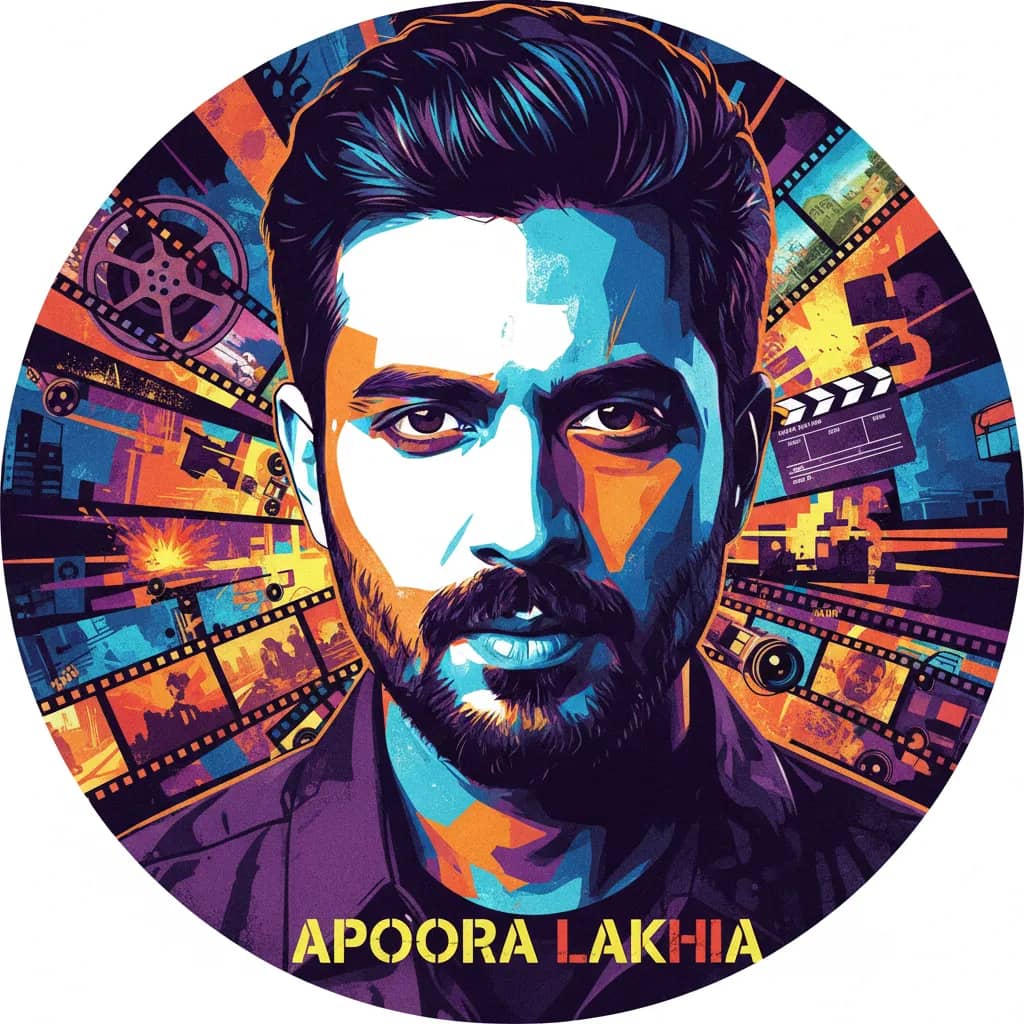
Apoorva Lakhia is a prominent Indian film director known for his impactful contributions to the Bollywood industry. With a directorial style characterized by gripping narratives and high-octane action sequences, Lakhia has carved a niche for himself in the realm of action-packed cinema. His notable film, "Shootout at Lokhandwala" (2007), stands as a testament to his directorial prowess, as it seamlessly blends elements of action, crime, and historical drama to deliver a compelling cinematic experience. Lakhia's directorial approach often delves into the gritty and intense realms of crime and law enforcement, capturing the raw essence of real-life events and infusing them with a cinematic flair. "Shootout at Lokhandwala" is a prime example of his penchant for bringing true stories to life on the silver screen, as it chronicles the infamous 1991 shootout between the Mumbai police and gangsters in the Lokhandwala Complex. Through his meticulous direction, Lakhia crafts a narrative that not only entertains but also sheds light on the complexities of crime and justice. In addition to his directorial finesse, Lakhia's films often explore themes of power dynamics, moral ambiguity, and the human psyche in the face of adversity. His ability to intertwine these themes within the fabric of action-driven storytelling showcases his depth as a filmmaker and his commitment to creating multi-layered cinematic experiences. Lakhia's impact on Indian cinema is undeniable, as he continues to push the boundaries of storytelling while captivating audiences with his distinct directorial vision. Apoorva Lakhia's directorial journey has left an indelible mark on Bollywood, with "Shootout at Lokhandwala" standing as a testament to his ability to command the screen with gripping narratives and dynamic visual storytelling. As he continues to evolve as a filmmaker, Lakhia's unique vision and dedication to his craft ensure that his contributions to the world of cinema will resonate for years to come.

Apoorv Singh Karki is a promising Indian film director known for his unique storytelling and directorial style. His notable filmography includes the action-packed drama "Sirf Ek Bandaa Kaafi Hai" (2023), which showcases his ability to blend intense action sequences with compelling human drama. Karki's directorial approach is characterized by his keen eye for detail, innovative visual storytelling, and a deep understanding of character development. "Sirf Ek Bandaa Kaafi Hai" exemplifies Karki's penchant for delving into the complexities of human emotions amidst high-stakes situations. The film's action sequences are expertly choreographed, immersing audiences in adrenaline-pumping thrills while maintaining a strong focus on the characters' internal struggles. Karki's directorial prowess shines through the seamless integration of action and drama, creating a cinematic experience that resonates with audiences on an emotional level. Throughout his career, Apoorv Singh Karki has explored themes of resilience, redemption, and the indomitable human spirit. His films often feature multi-dimensional characters grappling with personal challenges, set against the backdrop of gripping narratives. Karki's ability to infuse depth and authenticity into his characters has earned him acclaim for his nuanced storytelling, making his work a standout in the Indian film industry. Karki's impact on Indian cinema is marked by his commitment to pushing creative boundaries and delivering immersive storytelling experiences. His distinct directorial vision and dedication to crafting compelling narratives have solidified his position as a director to watch in the industry. As Karki continues to hone his craft and expand his artistic horizons, audiences can anticipate more captivating and thought-provoking films that showcase his signature blend of action and drama. In conclusion, Apoorv Singh Karki's directorial career is a testament to his unwavering passion for storytelling and his ability to captivate audiences with his distinct directorial style. With "Sirf Ek Bandaa Kaafi Hai" serving as a testament to his talent, Karki's impact on Indian cinema is undeniable, and his future projects are highly anticipated within the film industry and among audiences worldwide.

April Mullen is a pioneering Canadian director known for her bold and boundary-pushing approach to filmmaking. With a keen eye for visually stunning storytelling and a penchant for exploring complex, authentic relationships, Mullen has made a significant impact on the cinematic landscape. Her most notable film, "Below Her Mouth" (2016), stands as a testament to her distinctive directorial style and uncompromising vision. Mullen's directorial style is characterized by its raw, unapologetic portrayal of human emotions and intimate relationships. In "Below Her Mouth," she fearlessly delves into the passionate and tumultuous romance between two women, capturing their desires and vulnerabilities with unfiltered honesty. Mullen's use of evocative visuals and immersive storytelling techniques creates a deeply immersive experience for audiences, drawing them into the emotional core of the narrative. "Below Her Mouth" represents a pivotal moment in Mullen's career, showcasing her ability to challenge societal norms and push the boundaries of traditional storytelling. The film's unflinching exploration of love, desire, and self-discovery has solidified Mullen's reputation as a director unafraid to tackle complex and often underrepresented narratives. Mullen's impact on cinema extends beyond her individual projects, as she has consistently championed diverse and inclusive storytelling. Her dedication to amplifying marginalized voices and shedding light on authentic human experiences has reverberated throughout the industry, inspiring a new wave of filmmakers to embrace storytelling that reflects the rich tapestry of human existence. As Mullen continues to forge her path in the film industry, her commitment to authentic storytelling and visual innovation promises to leave an indelible mark on cinema. With a fearless spirit and a dedication to amplifying underrepresented narratives, April Mullen stands as a visionary director whose work will undoubtedly continue to shape the future of filmmaking.
Every film by the greats, ranked by our TML Score.

Christopher Nolan
Every film, ranked

Quentin Tarantino
Every film, ranked

Stanley Kubrick
Every film, ranked

Martin Scorsese
Every film, ranked

Steven Spielberg
Every film, ranked

Alfred Hitchcock
Every film, ranked

David Fincher
Every film, ranked

Denis Villeneuve
Every film, ranked

Wes Anderson
Every film, ranked

Paul Thomas Anderson
Every film, ranked

Ridley Scott
Every film, ranked

Tim Burton
Every film, ranked

Guillermo del Toro
Every film, ranked

Hayao Miyazaki
Every film, ranked

Akira Kurosawa
Every film, ranked

Francis Ford Coppola
Every film, ranked

Clint Eastwood
Every film, ranked

Bong Joon Ho
Every film, ranked

Woody Allen
Every film, ranked

Steven Soderbergh
Every film, ranked

Ron Howard
Every film, ranked

Pedro Almodóvar
Every film, ranked

Richard Linklater
Every film, ranked

Roman Polanski
Every film, ranked

Brian De Palma
Every film, ranked

Ingmar Bergman
Every film, ranked

Oliver Stone
Every film, ranked

David Cronenberg
Every film, ranked

Robert Zemeckis
Every film, ranked

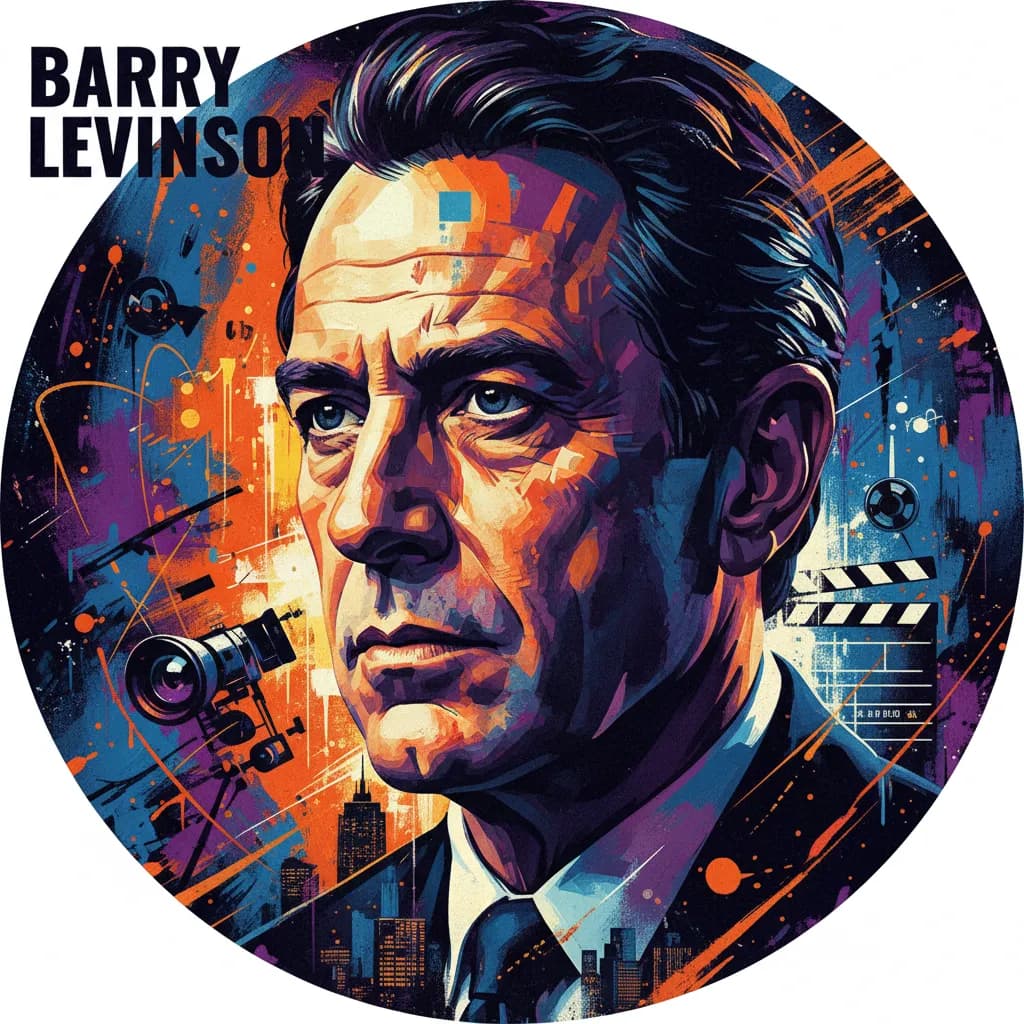
Barry Levinson
Every film, ranked

John Carpenter
Every film, ranked

Joel Schumacher
Every film, ranked

Billy Wilder
Every film, ranked

Rob Reiner
Every film, ranked

Neil Jordan
Every film, ranked

Spike Lee
Every film, ranked

Ivan Reitman
Every film, ranked

John Woo
Every film, ranked

Lasse Hallström
Every film, ranked

Stephen Frears
Every film, ranked

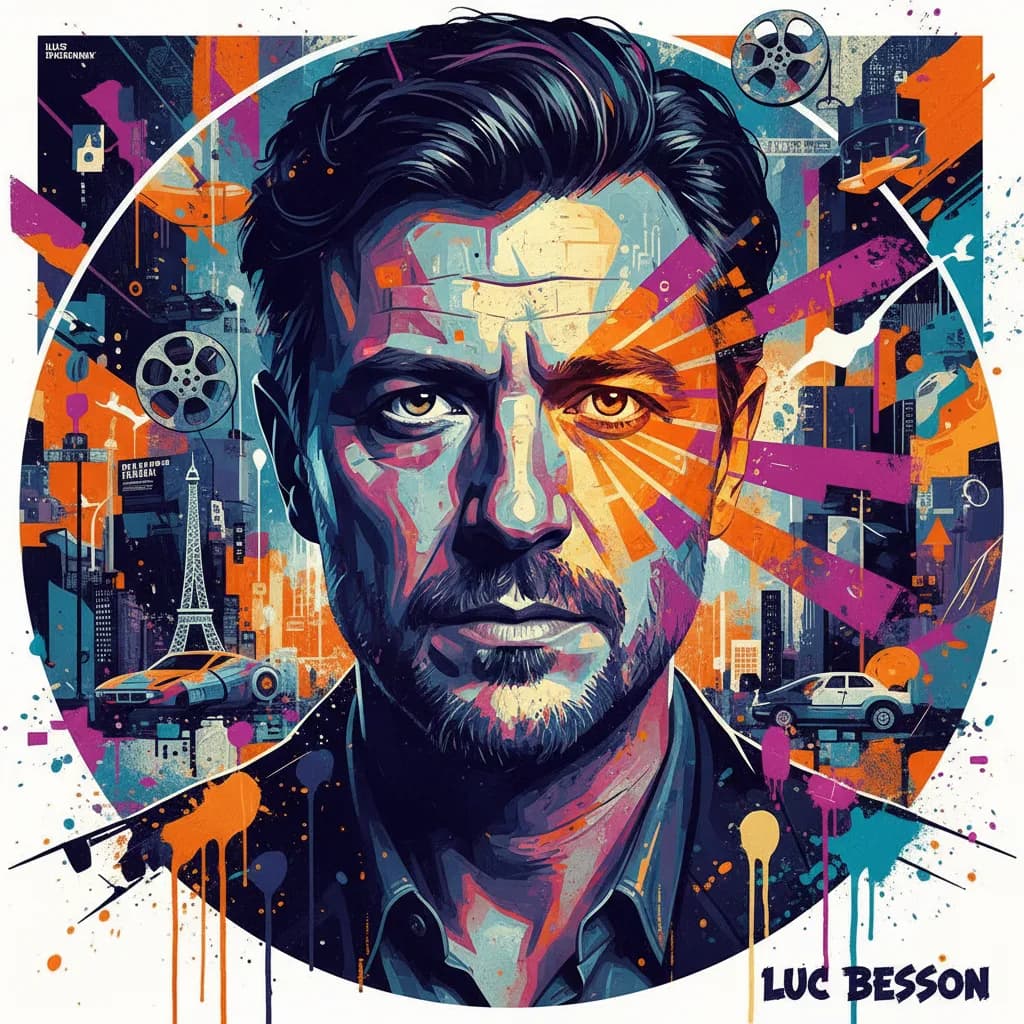
Luc Besson
Every film, ranked

Chris Columbus
Every film, ranked

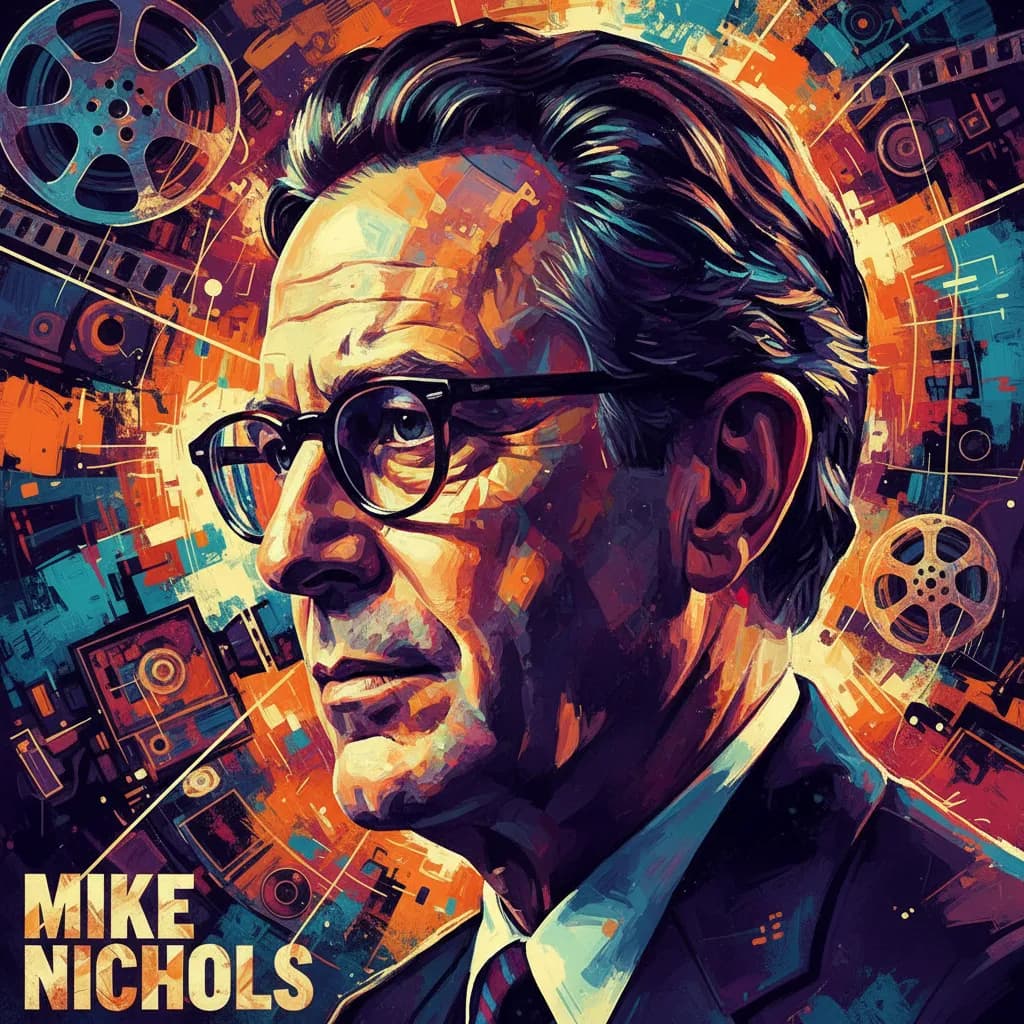
Mike Nichols
Every film, ranked

Howard Hawks
Every film, ranked

Ang Lee
Every film, ranked

Walter Hill
Every film, ranked

Gus Van Sant
Every film, ranked

William Wyler
Every film, ranked

Renny Harlin
Every film, ranked

Sidney Lumet
Every film, ranked

Tony Scott
Every film, ranked