Discover the visionary filmmakers behind cinema's greatest works.
Explore our selection of acclaimed directors and their remarkable films.
Showing 301-312 out of 4148

Apurva Dhar Badgaiyan is a promising Indian film director known for his exceptional storytelling and unique directorial style. With a background in advertising, Apurva made his directorial debut with the widely acclaimed film "Chaman Bahaar" in 2020. The film, a captivating blend of comedy and drama, received widespread praise for its insightful narrative and compelling characters. Apurva Dhar Badgaiyan's directorial style is marked by a keen focus on human emotions and the intricacies of relationships. His ability to infuse poignant moments with humor has endeared him to audiences and critics alike. "Chaman Bahaar" stands as a testament to his skill in portraying the complexities of small-town life with authenticity and depth. In his relatively short career, Apurva Dhar Badgaiyan has already left an indelible mark on Indian cinema. His films often explore the dynamics of human connections, the aspirations of ordinary individuals, and the nuances of human behavior. Through his storytelling, he sheds light on the universal experiences that resonate with audiences across cultures. "Chaman Bahaar" not only showcased Apurva's directorial prowess but also established him as a director to watch in the Indian film industry. His ability to craft narratives that are both entertaining and thought-provoking has garnered attention and accolades, setting the stage for a promising future in cinema. Apurva Dhar Badgaiyan's impact on cinema is undeniable, as he continues to push boundaries and redefine storytelling through his directorial vision. With a promising start to his career, he is poised to make significant contributions to the world of filmmaking, captivating audiences with his unique perspective and compelling narratives. In conclusion, Apurva Dhar Badgaiyan's directorial journey is characterized by a deep understanding of human emotions, a penchant for authentic storytelling, and a commitment to exploring the human experience. His ability to infuse humor and depth into his narratives sets him apart as a director with a distinctive voice, and his contributions to Indian cinema are poised to leave a lasting impression for years to come.

Aram Rappaport is an American film director known for his unique storytelling style and ability to blend genres seamlessly. His notable film "Syrup" (2013) is a captivating mix of comedy, drama, and romance that showcases Rappaport's knack for infusing thought-provoking narratives with humor and heart. With his distinct directorial approach, Rappaport has made a significant impact on the cinematic landscape, bringing a fresh perspective to the industry. Rappaport's directorial style is characterized by his adeptness at crafting engaging narratives that resonate with audiences across genres. "Syrup" stands as a testament to his ability to blend elements of comedy, drama, and romance with finesse, captivating viewers with its multi-faceted storytelling. Rappaport's keen eye for detail and his skill in eliciting authentic performances from his cast contribute to the immersive and captivating nature of his films. Notably, Rappaport's work often explores themes of ambition, relationships, and the complexities of modern life, offering audiences a relatable and introspective lens through which to view his stories. His ability to infuse his films with wit, charm, and emotional depth sets him apart as a director with a keen understanding of human dynamics and societal nuances. Aram Rappaport's impact on cinema lies in his adeptness at creating films that defy traditional genre boundaries, offering audiences a fresh and dynamic viewing experience. His ability to seamlessly merge comedy, drama, and romance has contributed to the evolution of storytelling in film, earning him a reputation as a director with a distinct and resonant voice in the industry. In conclusion, Aram Rappaport's directorial career is defined by his ability to craft compelling narratives that transcend genre conventions, offering audiences insightful and entertaining experiences. With "Syrup" as a standout example of his directorial prowess, Rappaport continues to leave a lasting impression on cinema with his unique vision and storytelling acumen.

Arbaaz Khan, a prominent figure in the Indian film industry, is best known for his directorial debut with the blockbuster film "Dabangg 2" (2012). The action-packed, comedic, and crime-laden sequel to the original "Dabangg" (2010) marked a significant milestone in his career, establishing him as a versatile filmmaker with a keen eye for entertaining storytelling. Khan's directorial style is characterized by his ability to seamlessly blend high-octane action sequences with lighthearted comedy, creating a unique and engaging cinematic experience for audiences. "Dabangg 2" solidified Khan's reputation as a director capable of delivering commercially successful films while maintaining a distinct creative vision. His adeptness at infusing his projects with a perfect balance of adrenaline-pumping action and rib-tickling humor has made him a sought-after director in the Indian film industry. Khan's ability to craft narratives that resonate with diverse audiences has contributed to his impact on the cinematic landscape, further cementing his status as a director to watch. Khan's contribution to Indian cinema extends beyond his directorial ventures, as he has also made significant strides as a producer and actor. His multifaceted involvement in the film industry has allowed him to bring a wealth of experience and creativity to his directorial projects, resulting in films that are not only entertaining but also culturally significant. Through "Dabangg 2" and his other endeavors, Khan has showcased a penchant for exploring themes of heroism, justice, and the human experience, all while delivering compelling narratives that captivate viewers. Arbaaz Khan's directorial debut with "Dabangg 2" heralded the arrival of a filmmaker with a distinct vision and an unwavering commitment to creating captivating cinema. With a knack for crafting action-packed narratives infused with elements of comedy and crime, Khan has left an indelible mark on Indian cinema. His ability to engage audiences with his unique storytelling and his impact on the industry make him a director whose future projects are eagerly anticipated by fans and critics alike. In conclusion, Arbaaz Khan's directorial career has been defined by his ability to deliver commercially successful films that resonate with audiences on a profound level. His directorial style, notable films such as "Dabangg 2," recurring themes of heroism and justice, and impact on Indian cinema have solidified his standing as a prominent filmmaker in the industry. As he

Archie Mayo was an influential American film director who made significant contributions to the Golden Age of Hollywood. With a career spanning over three decades, Mayo left an indelible mark on the industry through his distinct directorial style and the creation of several notable films. His most celebrated work includes the 1936 drama-thriller "The Petrified Forest," which solidified his reputation as a director with a keen eye for immersive storytelling and compelling character development. Mayo's directorial style was characterized by his ability to seamlessly blend elements of drama and suspense, creating a palpable sense of tension and emotional depth in his films. "The Petrified Forest" exemplifies Mayo's mastery in crafting intense and thought-provoking narratives, a hallmark of his directorial approach. His keen understanding of pacing and character dynamics allowed him to elicit powerful performances from his actors, elevating the impact of his films on audiences. Throughout his career, Mayo frequently explored themes of existentialism, the human condition, and moral ambiguity, providing audiences with thought-provoking and socially relevant content. His films often delved into the complexities of human relationships and the psychological motivations behind characters' actions, showcasing Mayo's ability to engage viewers on a profound emotional level. Archie Mayo's impact on cinema extends beyond his individual films, as he played a pivotal role in shaping the narrative and visual language of early Hollywood. His directorial prowess and commitment to storytelling excellence set a standard for future filmmakers, influencing the evolution of cinematic techniques and narrative conventions. Mayo's legacy as a director continues to inspire contemporary filmmakers, and his body of work remains a testament to his enduring influence on the art of filmmaking. In conclusion, Archie Mayo's career as a film director was marked by his exceptional storytelling abilities, nuanced thematic explorations, and enduring impact on the cinematic landscape. His directorial style, characterized by its gripping narratives and profound emotional resonance, cemented Mayo as a visionary filmmaker of his time. Through films like "The Petrified Forest," Mayo left an indelible mark on the industry, shaping the trajectory of Hollywood filmmaking and earning his place as a revered figure in cinema history.


Ari Aster is a visionary filmmaker known for his unique blend of drama, horror, and mystery. His directorial debut, "Hereditary" (2018), immediately established him as a master of psychological terror. The film, praised for its chilling atmosphere and stellar performances, delves into the complexities of grief and inherited trauma. Aster's meticulous attention to detail and his ability to create an atmosphere of unease have cemented his reputation as a director with a distinct and haunting vision. In 2019, Aster followed up with "Midsommar," a visually stunning and thematically rich horror film that takes place during a Swedish midsummer festival. The film, praised for its stunning cinematography and immersive storytelling, further solidified Aster's reputation as a master of the horror genre. His ability to create emotionally charged narratives within the framework of horror has set him apart as a director with a keen understanding of human psychology and emotion. Aster's upcoming project, "Beau Is Afraid" (2023), promises to continue his exploration of the human psyche within the horror genre, showcasing his versatility as a filmmaker. With a knack for creating deeply unsettling and thought-provoking narratives, Aster's films often explore themes of grief, family dynamics, and the human capacity for darkness. Aster's impact on cinema is undeniable, as he has redefined the horror genre with his distinctive visual style and emotionally resonant storytelling. His ability to craft deeply affecting narratives within the framework of horror has earned him a dedicated following and critical acclaim. With his unparalleled directorial vision and unwavering commitment to pushing the boundaries of storytelling, Ari Aster has solidified his place as a director to watch in the ever-evolving landscape of cinema.

Ariel Schulman is a visionary director known for his innovative approach to storytelling and his ability to create immersive cinematic experiences. Schulman first garnered attention with his breakthrough documentary "Catfish" (2010), which he co-directed with Henry Joost. The film received critical acclaim for its exploration of identity, reality, and the impact of social media on modern relationships. Schulman's directorial style is characterized by his ability to blend suspense, intrigue, and cutting-edge visual techniques to captivate audiences. In 2011, Schulman directed "Paranormal Activity 3," the third installment in the highly successful horror franchise. His skillful utilization of found footage and suspenseful storytelling helped solidify his reputation as a director capable of delivering spine-tingling thrills. The film's commercial success further established Schulman as a force to be reckoned with in the horror genre. Continuing to push boundaries, Schulman ventured into the realm of action and sci-fi with "Nerve" (2016) and "Project Power" (2020). "Nerve" delved into the dark side of online gaming and voyeurism, while "Project Power" explored the consequences of a mysterious pill that grants superpowers for five minutes. Both films showcased Schulman's versatility as a director, seamlessly transitioning from horror to high-energy action and crime genres. Schulman's recurring themes often center around the intersection of technology, identity, and the human experience, as well as the exploration of fear and suspense. His ability to infuse these themes into diverse genres has made him a sought-after director in the industry. Schulman's impact on cinema is evident through his ability to captivate audiences with his distinct visual style and thought-provoking narratives. In summary, Ariel Schulman's career has been marked by a fearless exploration of the human psyche and the impact of modern technology on society. With a diverse filmography spanning horror, action, and sci-fi, Schulman continues to push the boundaries of storytelling, leaving an indelible mark on the film industry. His unique vision and commitment to captivating storytelling have solidified his status as a director to watch in the ever-evolving landscape of cinema.

Ariel Vromen is an Israeli filmmaker known for his intense and gripping storytelling, often focusing on true-crime narratives and complex character studies. With a career spanning over a decade, Vromen has made a significant impact in the film industry through his unique directorial style and compelling storytelling. His notable films include "The Angel" (2018), "Criminal" (2016), and "The Iceman" (2012), all of which showcase his ability to delve into the psyches of criminals and explore the darker aspects of human nature. Vromen's directorial style is characterized by its raw and unflinching portrayal of real-life events, often blurring the lines between hero and villain. His films are marked by a meticulous attention to detail, creating an immersive experience for the audience and allowing them to empathize with even the most morally ambiguous characters. Vromen's storytelling is driven by a deep exploration of the human psyche, often delving into the motivations and internal conflicts of his characters. "The Angel" (2018) stands as a testament to Vromen's ability to blend action, biography, and drama seamlessly, recounting the true story of a notorious Egyptian spy who infiltrated the Israeli government in the 1970s. "Criminal" (2016) further exemplifies Vromen's versatility as a director, combining elements of comedy, crime, and drama in a high-stakes thriller about memory transfer and espionage. "The Iceman" (2012) remains one of Vromen's most acclaimed works, a chilling biographical crime drama that chronicles the life of the notorious hitman Richard Kuklinski. Vromen's films often revolve around themes of morality, redemption, and the human capacity for both good and evil. His ability to humanize complex and often despicable characters has made him a standout director in the true-crime genre. With a keen eye for detail and a commitment to authenticity, Vromen has left an indelible mark on cinema, offering audiences thought-provoking narratives that linger long after the credits roll. As his career continues to evolve, Ariel Vromen remains a director to watch, consistently pushing the boundaries of storytelling and leaving a lasting impact on the world of film.

Ariel Zeitoun is a French film director known for his impactful contributions to the world of cinema. With a career spanning several decades, Zeitoun has made a name for himself through his distinct directorial style and the unique vision he brings to each of his projects. His notable film "Yamakasi" (2001) is a testament to his directorial prowess and has left a lasting impact on the action, drama, and crime genres. Zeitoun's directorial style is characterized by his ability to seamlessly blend heart-pounding action sequences with deep emotional storytelling. "Yamakasi" exemplifies this, as it follows the story of a group of friends using their Parkour skills to help a young boy in need. Zeitoun's keen eye for capturing high-energy stunts and his talent for weaving together compelling narratives have cemented his reputation as a visionary director. Throughout his career, Zeitoun has explored recurring themes of friendship, resilience, and the triumph of the human spirit in the face of adversity. His films often delve into the complexities of human relationships and the power of unity, resonating with audiences on a profound level. Zeitoun's ability to infuse his work with these universal themes has contributed to his enduring impact on cinema. Ariel Zeitoun's influence on the film industry extends beyond his directorial achievements. His ability to push boundaries and challenge cinematic norms has inspired a new generation of filmmakers, leaving an indelible mark on the landscape of contemporary cinema. His dedication to storytelling and his commitment to bringing unique narratives to the screen have solidified his status as a trailblazer in the world of filmmaking. In conclusion, Ariel Zeitoun's career as a film director is characterized by his distinctive directorial style, his exploration of universal themes, and his enduring impact on the world of cinema. With "Yamakasi" standing as a testament to his visionary approach to storytelling, Zeitoun continues to be a driving force in the film industry, inspiring audiences and filmmakers alike with his unparalleled talent and unique perspective.

Arie Posin is an American film director known for his unique blend of comedy and drama, as showcased in his notable film "The Chumscrubber" (2005). Posin's directorial style is characterized by his ability to infuse dark humor with poignant storytelling, creating emotionally resonant narratives that delve into the complexities of human relationships and societal norms. His films often feature a mix of quirky characters and thought-provoking themes, resulting in a distinct cinematic experience that captivates audiences. "The Chumscrubber" stands as a testament to Posin's directorial prowess, featuring a star-studded ensemble cast and a multi-layered narrative that explores the facade of suburban life and the struggles faced by its inhabitants. The film's satirical take on the disconnect between appearances and reality, combined with Posin's keen eye for capturing raw human emotions, solidified his reputation as a director unafraid to tackle challenging subject matter with a touch of dark humor. Throughout his career, Posin has demonstrated a penchant for delving into the intricacies of human nature, often portraying characters who grapple with existential dilemmas and the complexities of their inner worlds. His films frequently explore the themes of alienation, disillusionment, and the search for authenticity, offering audiences a glimpse into the human condition through his distinct storytelling approach. Posin's impact on cinema lies in his ability to craft thought-provoking narratives that challenge conventional storytelling norms, while infusing them with a blend of humor and raw emotion. His directorial vision has contributed to the expansion of the comedy-drama genre, pushing boundaries and offering audiences a fresh perspective on the complexities of life. As he continues to carve his path in the film industry, Arie Posin's unique voice as a director serves as a testament to the power of storytelling and the enduring impact of thought-provoking cinema.

Ari Folman is an Israeli film director known for his unique blend of animation and live-action storytelling. His breakthrough film, "Waltz with Bashir" (2008), brought him international acclaim and established his reputation as a visionary director. The film, a groundbreaking animated documentary, delves into the director's own experiences as a soldier during the Lebanon War, exploring themes of memory, trauma, and the horrors of war. This film catapulted Folman into the global spotlight and earned him an Academy Award nomination for Best Foreign Language Film. Folman's directorial style is characterized by his innovative use of animation to address complex and thought-provoking subject matter. His films often challenge traditional narrative structures and push the boundaries of visual storytelling. In "The Congress" (2013), a bold and imaginative sci-fi drama, Folman further demonstrated his mastery of blending animation with live-action elements to create a visually stunning and emotionally resonant cinematic experience. The film explores themes of identity, fame, and the impact of technology on society, showcasing Folman's ability to tackle profound philosophical concepts within the context of a visually captivating narrative. Throughout his career, Folman has been celebrated for his ability to infuse his films with poignant social commentary and deep emotional resonance. His work consistently engages with complex human experiences and societal issues, offering audiences a profound and immersive cinematic experience. Folman's impact on cinema extends beyond his technical innovations; he has also contributed to the evolution of animated storytelling, challenging perceptions of the medium and expanding its potential as a vehicle for powerful and thought-provoking narratives. Ari Folman's directorial career is defined by a commitment to pushing the boundaries of storytelling and exploring the depths of the human experience through his unique blend of animation and live-action filmmaking. With a distinctive visual style and a penchant for addressing weighty themes with sensitivity and nuance, Folman continues to be a trailblazing force in the world of cinema. His ability to craft visually stunning narratives that resonate on a profound emotional level has solidified his status as a visionary director, and his contributions to the art of filmmaking are sure to leave a lasting impact on the industry for years to come.

Ari Sandel is a talented film director known for his work in comedy, romance, and fantasy genres. With a knack for blending humor with heartwarming storytelling, Sandel has made a significant impact on contemporary cinema. His notable films include "The DUFF" (2015), "When We First Met" (2018), and "Goosebumps 2: Slappy's Revenge." Sandel's directorial style is characterized by a deft balance of comedic timing and genuine emotional resonance. He has a keen eye for capturing the intricacies of human relationships, often infusing his films with relatable characters and witty dialogue. Through his work, Sandel explores themes of self-discovery, love, and the complexities of modern-day friendships, resonating with audiences of all ages. "The DUFF," a coming-of-age comedy, marked Sandel's directorial debut and showcased his ability to blend humor with poignant storytelling. The film received critical acclaim for its refreshing take on high school dynamics and garnered a dedicated fan base. Sandel's sophomore feature, "When We First Met," delved into the realm of fantasy and romance, further establishing his versatility as a director. In "Goosebumps 2: Slappy's Revenge," Sandel ventured into the realm of family-friendly adventure and fantasy, adding another dimension to his diverse filmography. His ability to infuse lightheartedness into thrilling narratives has solidified his reputation as a director capable of captivating audiences across genres. Ari Sandel's impact on cinema lies in his ability to craft endearing stories that resonate with viewers on a personal level. His unique vision and contributions have enriched the film landscape, making him a sought-after director for projects that demand a blend of humor, heart, and imaginative storytelling. Sandel's continued success in the industry cements his status as a director to watch, with audiences eagerly anticipating his future endeavors.

Aristomenis Tsirbas is a visionary director known for his groundbreaking work in animation and his unique ability to craft compelling stories that resonate with audiences of all ages. Tsirbas is best known for his directorial debut, "Battle for Terra" (2007), a visually stunning animated film that combines science fiction, action, and adventure in a captivating and thought-provoking narrative. Tsirbas's directorial style is marked by a keen attention to detail, a mastery of visual storytelling, and a deep understanding of the emotional nuances of his characters. His work often delves into complex themes such as the human condition, the consequences of war, and the importance of empathy and understanding. Tsirbas's ability to seamlessly blend these weighty topics with exhilarating action sequences and breathtaking animation sets him apart as a director with a distinct and powerful voice. "Battle for Terra" stands as a testament to Tsirbas's commitment to pushing the boundaries of animation and storytelling. The film's stunning visuals and immersive world-building showcase Tsirbas's unparalleled creativity and dedication to his craft. His ability to create a fully realized and emotionally resonant universe has earned him praise from both audiences and critics alike. Tsirbas's impact on cinema extends beyond his directorial work, as he has also made significant contributions to the field of visual effects and animation. His innovative approach to storytelling and his dedication to advancing the art of animation have cemented his status as a trailblazer in the industry. In conclusion, Aristomenis Tsirbas is a visionary director whose work continues to inspire and captivate audiences around the world. With his unparalleled talent for storytelling, his groundbreaking approach to animation, and his unwavering commitment to pushing the boundaries of the medium, Tsirbas has left an indelible mark on the world of cinema. His unique vision and profound impact on the art of filmmaking make him a director to watch for years to come.
Every film by the greats, ranked by our TML Score.

Christopher Nolan
Every film, ranked

Quentin Tarantino
Every film, ranked

Stanley Kubrick
Every film, ranked

Martin Scorsese
Every film, ranked

Steven Spielberg
Every film, ranked

Alfred Hitchcock
Every film, ranked

David Fincher
Every film, ranked

Denis Villeneuve
Every film, ranked

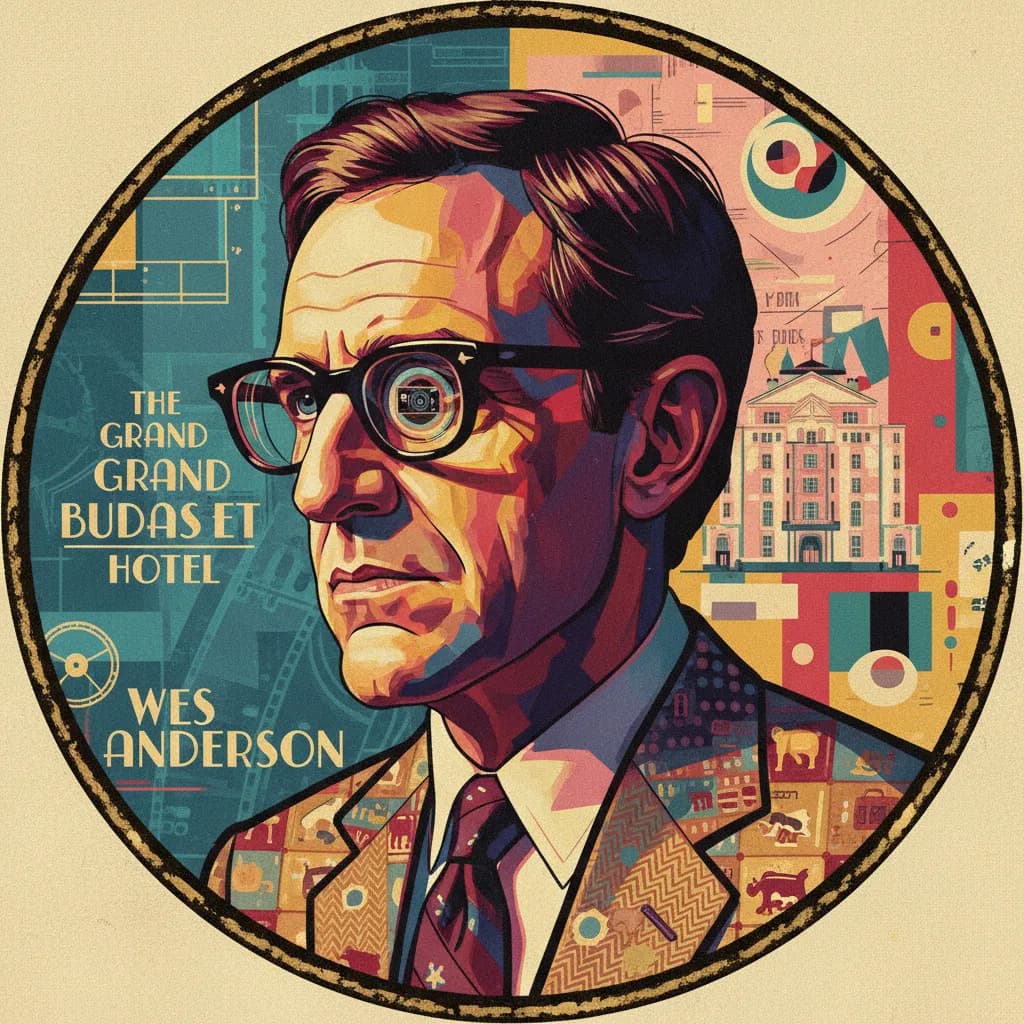
Wes Anderson
Every film, ranked

Paul Thomas Anderson
Every film, ranked

Ridley Scott
Every film, ranked

Tim Burton
Every film, ranked

Guillermo del Toro
Every film, ranked

Hayao Miyazaki
Every film, ranked

Akira Kurosawa
Every film, ranked

Francis Ford Coppola
Every film, ranked

Clint Eastwood
Every film, ranked

Bong Joon Ho
Every film, ranked

Woody Allen
Every film, ranked

Steven Soderbergh
Every film, ranked

Ron Howard
Every film, ranked

Pedro Almodóvar
Every film, ranked

Richard Linklater
Every film, ranked

Roman Polanski
Every film, ranked

Brian De Palma
Every film, ranked

Ingmar Bergman
Every film, ranked

Oliver Stone
Every film, ranked

David Cronenberg
Every film, ranked

Robert Zemeckis
Every film, ranked

Barry Levinson
Every film, ranked

John Carpenter
Every film, ranked

Joel Schumacher
Every film, ranked

Billy Wilder
Every film, ranked

Rob Reiner
Every film, ranked

Neil Jordan
Every film, ranked

Spike Lee
Every film, ranked

Ivan Reitman
Every film, ranked

John Woo
Every film, ranked

Lasse Hallström
Every film, ranked

Stephen Frears
Every film, ranked

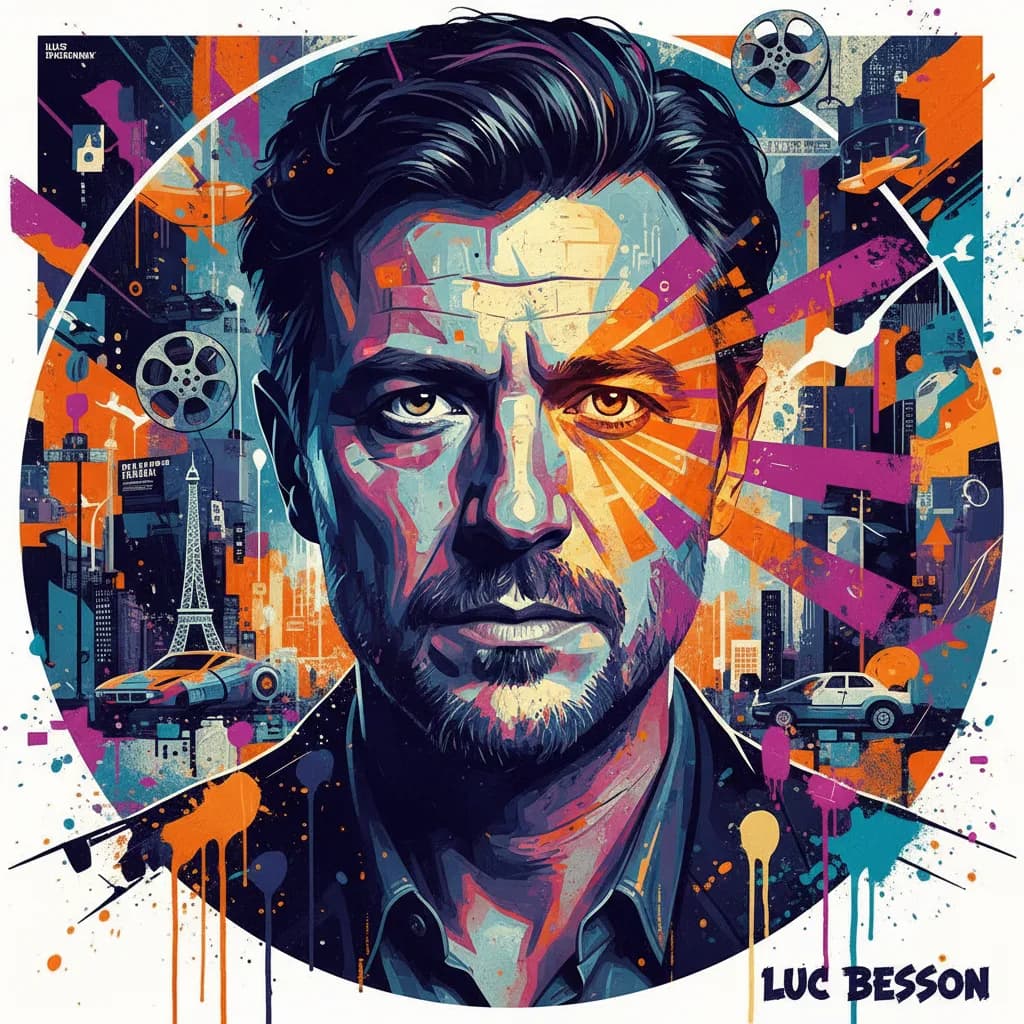
Luc Besson
Every film, ranked

Chris Columbus
Every film, ranked

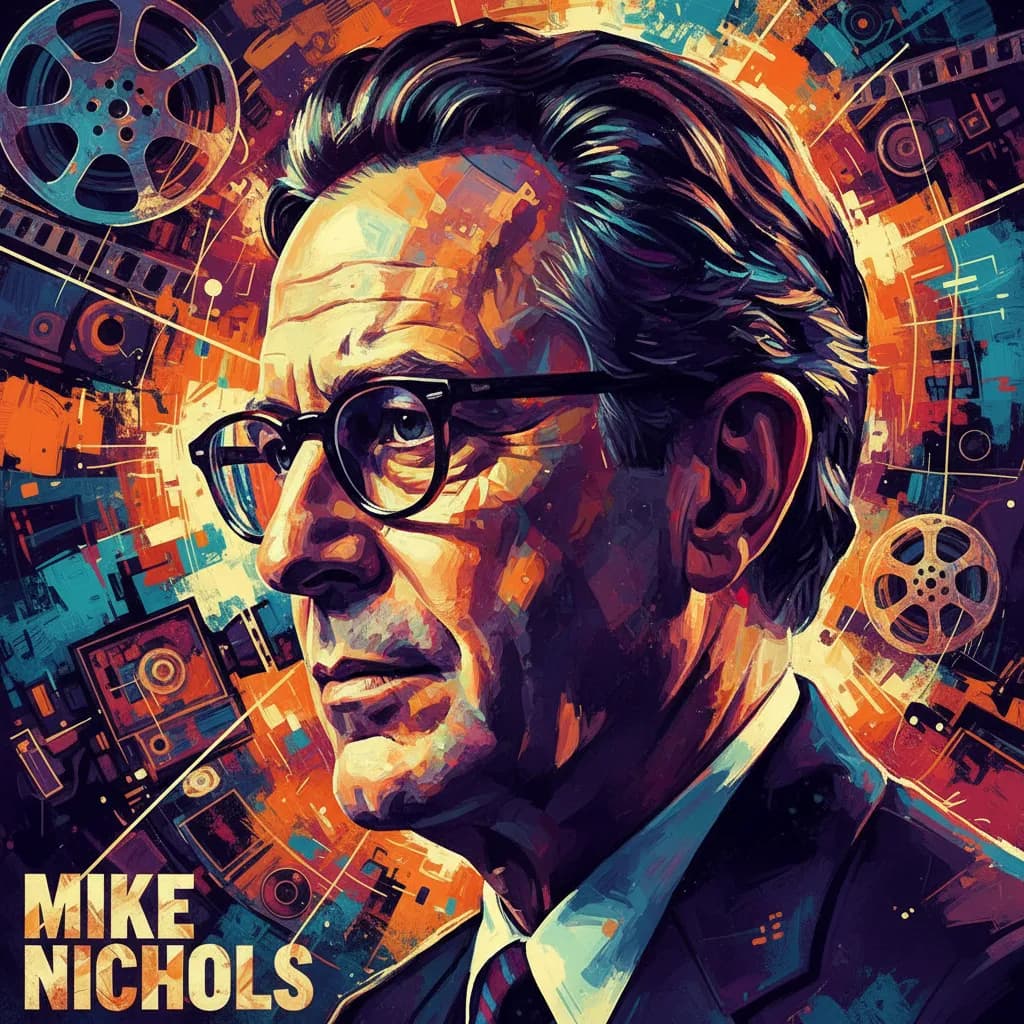
Mike Nichols
Every film, ranked

Howard Hawks
Every film, ranked

Ang Lee
Every film, ranked

Walter Hill
Every film, ranked

Gus Van Sant
Every film, ranked

William Wyler
Every film, ranked

Renny Harlin
Every film, ranked

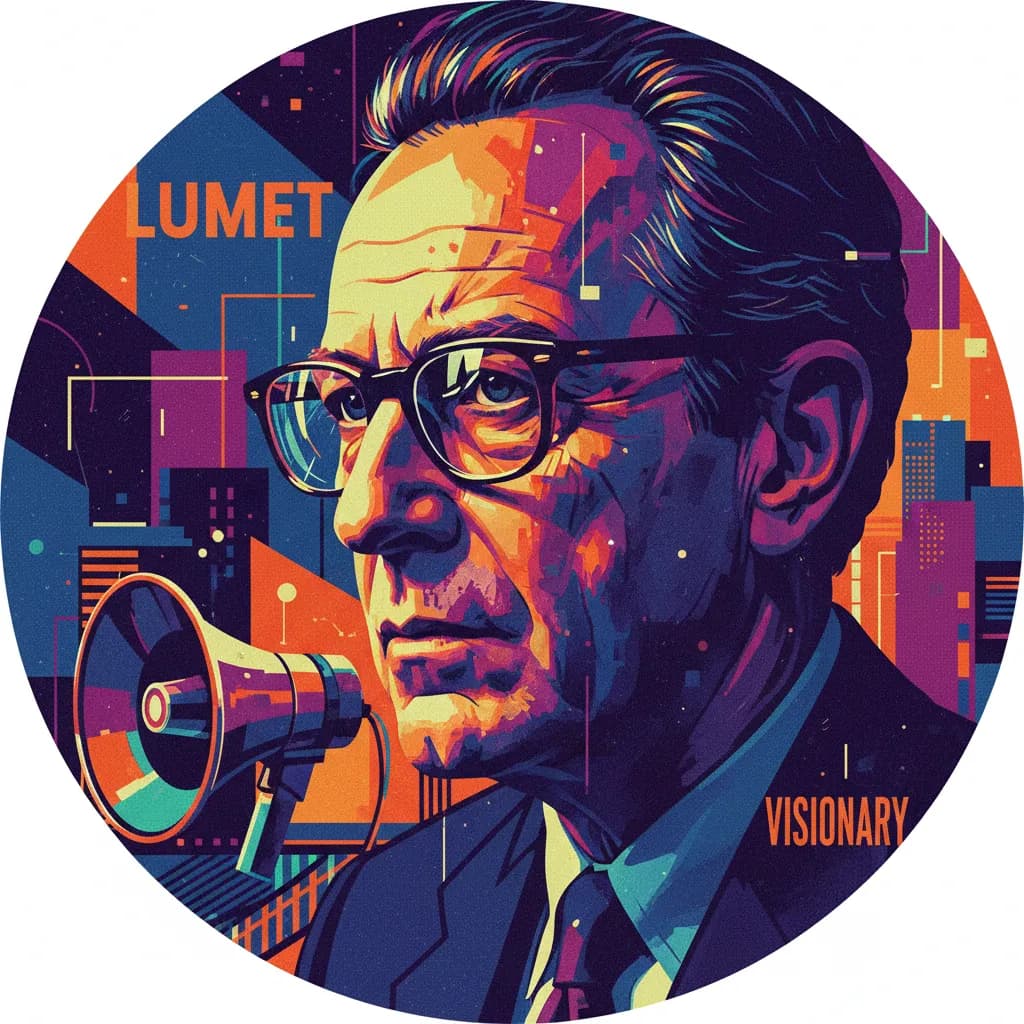
Sidney Lumet
Every film, ranked

Tony Scott
Every film, ranked