Discover the visionary filmmakers behind cinema's greatest works.
Explore our selection of acclaimed directors and their remarkable films.
Showing 277-288 out of 4148

Antoine Fuqua is a prolific director known for his gripping, action-packed films that have captivated audiences worldwide. His directorial style is characterized by intense, high-octane action sequences and compelling storytelling. Fuqua's notable films showcase his ability to seamlessly blend genres, from crime thrillers to action-packed dramas, demonstrating his versatility and creative range. One of Fuqua's most significant contributions to cinema is his ability to infuse social commentary and thought-provoking themes into his action-oriented films. "Training Day" (2001), for which Fuqua earned an Academy Award nomination for Best Director, delves into the corrupt underbelly of law enforcement, exploring moral ambiguity and ethical dilemmas. This film not only solidified Fuqua's status as a director to watch but also left a lasting impact on the crime thriller genre. Fuqua's filmography also includes "The Equalizer" (2014) and its sequel, "The Equalizer 2" (2018), which showcase his penchant for creating compelling narratives anchored by complex characters in morally ambiguous worlds. Furthermore, "Olympus Has Fallen" (2013) and "Shooter" (2007) highlight Fuqua's ability to craft high-stakes, adrenaline-fueled action sequences, solidifying his reputation as a master of the action genre. In addition to his action-packed films, Fuqua has also ventured into historical dramas with "King Arthur" (2004) and is set to make a significant impact with the upcoming film "Emancipation" (2022), a highly anticipated action-thriller that promises to further showcase his directorial prowess. With a filmography that spans a wide range of genres and themes, Antoine Fuqua continues to leave an indelible mark on cinema, captivating audiences with his unique vision and cinematic storytelling. In summary, Antoine Fuqua's directorial career is defined by his ability to create compelling, socially relevant films that seamlessly blend intense action with thought-provoking narratives. His impact on cinema is undeniable, as he continues to push boundaries and challenge audiences with his dynamic storytelling and visually arresting action sequences. Fuqua's films stand as a testament to his creative vision, cementing his status as a director who has left an enduring mark on the world of filmmaking.

Anton Corbijn is a renowned Dutch film director and photographer known for his unique visual style and distinct directorial approach. With a career spanning over several decades, Corbijn has made a significant impact on the film industry, particularly through his notable films such as "Control" (2007), "A Most Wanted Man" (2014), and "The American" (2010). His directorial style is characterized by a meticulous attention to detail, striking cinematography, and a profound exploration of complex, often enigmatic characters. "Control" stands as one of Corbijn's most celebrated works, a biographical film depicting the life of Joy Division's lead singer, Ian Curtis. The movie received widespread critical acclaim for its evocative portrayal of Curtis's tumultuous life, as well as for Corbijn's masterful direction and visually compelling storytelling. In "A Most Wanted Man," Corbijn demonstrated his adeptness at crafting intense, atmospheric thrillers, seamlessly blending elements of crime and drama while delving into moral ambiguity and political intrigue. "The American" further showcased Corbijn's versatility as a director, offering a slow-burning, introspective take on the action genre, with a focus on character depth and existential themes. Corbijn's directorial style often incorporates a moody, atmospheric aesthetic, capturing the essence of his subjects with a keen eye for visual storytelling. His films frequently explore themes of identity, alienation, and the human experience, often set against evocative backdrops that add depth and texture to the narrative. Through his distinctive visual language and introspective storytelling, Corbijn continues to leave an indelible mark on cinema, influencing a new generation of filmmakers and captivating audiences with his evocative, thought-provoking works. Anton Corbijn's contributions to film extend beyond his directorial endeavors, as his background as a renowned photographer has greatly influenced his visual approach to storytelling. His ability to capture the essence of his subjects through evocative imagery has translated seamlessly into his directorial work, elevating his films to a level of visual poetry that sets them apart. With a career marked by a consistent pursuit of artistic innovation and emotional resonance, Corbijn remains a singular talent in the world of cinema, leaving an enduring legacy that continues to inspire and captivate audiences worldwide.
Antonia Bird was a maverick British director known for her bold and visionary approach to filmmaking. With a career spanning over two decades, Bird left an indelible mark on the world of cinema. She was known for fearlessly tackling challenging and thought-provoking subject matter, often with a distinct blend of dark humor, social commentary, and emotional depth. Her directorial style was marked by a keen sense of visual storytelling and a knack for capturing the raw and visceral aspects of human experiences. One of Bird's most notable works is "Ravenous" (1999), a genre-bending film that defies easy categorization. Blending elements of adventure, drama, and horror, "Ravenous" showcases Bird's ability to subvert audience expectations and deliver a truly original cinematic experience. The film's dark and twisted narrative, coupled with Bird's unique directorial vision, solidified her reputation as a fearless storyteller unafraid to push the boundaries of conventional filmmaking. Throughout her career, Bird consistently tackled challenging and socially relevant themes, often exploring issues such as societal marginalization, identity, and the human condition. Her willingness to confront uncomfortable truths and delve into the complexities of human nature set her apart as a director unafraid to explore the darker aspects of the human experience. Bird's work resonated with audiences and critics alike, earning her a reputation as a director with a distinctive and uncompromising voice. Antonia Bird's impact on cinema extends beyond her individual films. Her legacy lies in her ability to challenge and provoke, using the medium of film to shed light on the often overlooked aspects of human existence. Through her unique directorial style and unflinching exploration of challenging themes, Bird left an indelible mark on the world of cinema, inspiring future generations of filmmakers to fearlessly pursue their artistic visions. In conclusion, Antonia Bird's career as a director was marked by a fearless and uncompromising approach to storytelling. Through her notable film "Ravenous" and a body of work that consistently pushed the boundaries of conventional filmmaking, Bird cemented her legacy as a visionary director with a profound impact on cinema. Her willingness to confront challenging themes and delve into the darker aspects of the human experience set her apart as a director with a distinctive and uncompromising voice, leaving an indelible mark on the world of cinema.

Antonin Baudry, also known as Abel Lanzac, is a prominent figure in the film industry, recognized for his directorial prowess and storytelling finesse. Baudry's directorial debut came in 2019 with the action-thriller "The Wolf's Call," which garnered widespread acclaim for its gripping narrative and intense visual style. His directorial style is characterized by a meticulous attention to detail, immersive storytelling, and a penchant for creating high-stakes, adrenaline-fueled cinema. "The Wolf's Call" stands as a testament to Baudry's ability to craft compelling narratives within the action-thriller genre. The film masterfully weaves together elements of suspense, strategic maneuvering, and pulse-pounding sequences, showcasing Baudry's adeptness at creating a taut and immersive cinematic experience. Baudry's directorial vision is marked by a keen understanding of pacing and tension, resulting in a film that keeps audiences on the edge of their seats from start to finish. Throughout his career, Baudry has exhibited a penchant for exploring themes of power dynamics, human resilience, and the complexities of moral decision-making within high-pressure situations. His films often delve into the psychological and emotional toll of intense conflict, offering a nuanced portrayal of the human experience amidst extraordinary circumstances. Baudry's directorial oeuvre reflects a commitment to crafting stories that resonate on a profound level, transcending the boundaries of traditional genre conventions. As a director, Antonin Baudry has made a significant impact on cinema through his adept navigation of high-stakes narratives and his ability to captivate audiences with visceral, emotionally resonant storytelling. With "The Wolf's Call," Baudry has solidified his status as a visionary filmmaker capable of delivering gripping, adrenaline-fueled cinema that leaves a lasting impression. As he continues to shape his directorial career, audiences can anticipate further innovative contributions from Baudry, cementing his position as a formidable force in the realm of action-thriller filmmaking.

Antonio Campos is a trailblazing director known for his captivating storytelling and gripping narratives. With a career spanning nearly two decades, Campos has made a significant impact on the world of cinema. His directorial style is characterized by its raw intensity, immersive atmosphere, and thought-provoking exploration of human nature. Campos' ability to delve into the darker aspects of the human psyche sets him apart as a visionary filmmaker. One of Campos' most notable films is "The Devil All the Time" (2020), a riveting crime drama that showcases his prowess in creating tension and psychological depth. Set in a post-war America, the film weaves together a complex narrative of intertwined lives and the pervasive influence of corruption and violence. Campos' masterful direction brings the characters' internal struggles to life, making "The Devil All the Time" a compelling and haunting cinematic experience. Throughout his career, Campos has consistently explored themes of morality, power dynamics, and the complexities of human relationships. His films often confront the audience with uncomfortable truths, challenging societal norms and shedding light on the darker facets of humanity. This unflinching approach has earned Campos a reputation as a director unafraid to push boundaries and provoke introspection. Campos' impact on cinema extends beyond his individual films, as he has contributed to shaping the landscape of contemporary filmmaking. His commitment to authentic storytelling and uncompromising vision has inspired a new generation of directors to fearlessly tackle challenging subject matter. By fearlessly confronting the human condition, Campos has solidified his place as a director whose work resonates deeply with audiences and fellow filmmakers alike. In conclusion, Antonio Campos is a visionary director whose films leave a lasting impression on viewers. Through his distinct directorial style, exploration of profound themes, and unyielding commitment to authentic storytelling, Campos has cemented his status as a driving force in modern cinema. As audiences eagerly anticipate his future projects, it is clear that Antonio Campos will continue to shape the industry with his uncompromising vision and unparalleled storytelling prowess.

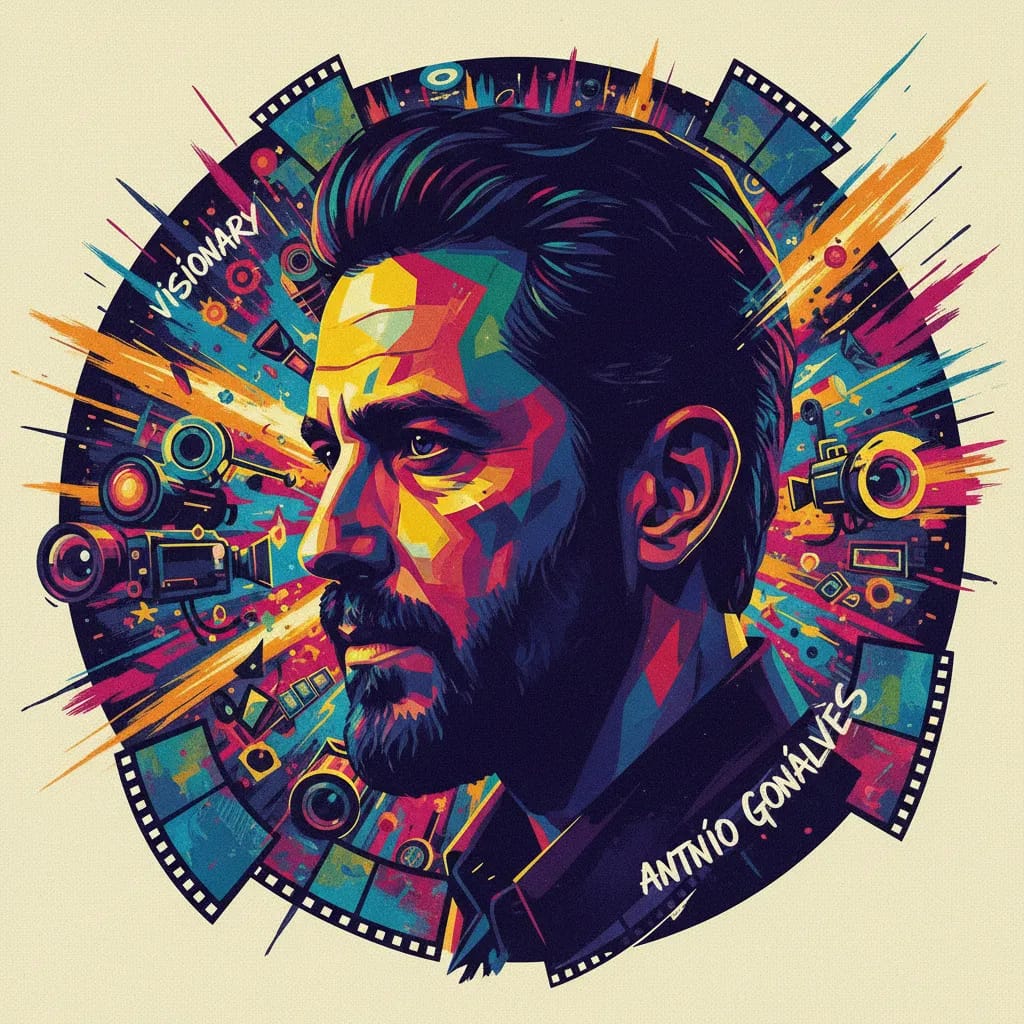
António Gonçalves is a Portuguese film director known for his distinct vision and artistry in the horror genre. With a career spanning several decades, Gonçalves has left an indelible mark on cinema with his unique directorial style and thought-provoking storytelling. His filmography includes the acclaimed horror film "Verónica" (2010), which stands as a testament to his ability to elicit genuine fear and suspense from audiences. Gonçalves' directorial style is characterized by his meticulous attention to atmospheric details and his skillful use of tension-building techniques. His films often delve into the psychological and supernatural realms, immersing viewers in a world of palpable dread and unease. "Verónica" exemplifies Gonçalves' mastery of the horror genre, as he weaves a haunting narrative that lingers long after the credits roll. Notable for his explorations of fear, trauma, and the unknown, Gonçalves' recurring themes resonate with audiences on a profound level. His ability to tap into primal fears and universal anxieties sets him apart as a director with a keen understanding of the human psyche. Through his work, Gonçalves has established himself as a visionary storyteller whose films transcend the confines of traditional horror, offering audiences a glimpse into the darker recesses of the human experience. Gonçalves' impact on cinema is undeniable, as he has contributed to the evolution of the horror genre with his innovative approach to storytelling and visual composition. His films have garnered critical acclaim and have solidified his reputation as a director with a unique and compelling voice. As audiences continue to seek out visceral and immersive cinematic experiences, Gonçalves' influence on the genre is sure to endure, leaving an indelible mark on the landscape of horror cinema.

Antonio Negret is a talented film director known for his work in the action, adventure, and crime genres. His notable film "Overdrive" (2017) showcases his prowess in creating high-octane, adrenaline-pumping cinema that keeps audiences on the edge of their seats. Negret's directorial style is marked by his ability to seamlessly blend fast-paced action sequences with intricate storytelling, creating an immersive experience for viewers. With "Overdrive," Negret's keen eye for capturing breathtaking car chases and intense heist sequences solidified his reputation as a director with a flair for crafting visually stunning and pulse-pounding films. His ability to infuse the screen with dynamic energy and excitement has made him a sought-after director in the action genre. Throughout his career, Negret has been drawn to themes of brotherhood, betrayal, and redemption, often exploring the dynamics of complex relationships within the framework of high-stakes scenarios. His films often feature morally ambiguous characters navigating treacherous landscapes, adding depth and nuance to the action-packed narratives. Negret's impact on cinema lies in his ability to deliver heart-pounding entertainment while maintaining a strong emphasis on character development and storytelling. His dedication to pushing the boundaries of action cinema has garnered him a dedicated fan base and critical acclaim. In conclusion, Antonio Negret's directorial career is characterized by his commitment to delivering visually striking, adrenaline-fueled films that leave a lasting impression on audiences. With "Overdrive" as a testament to his directorial prowess, Negret continues to be a driving force in the action genre, captivating viewers with his unique vision and storytelling expertise.

Anton Yelchin, known primarily for his acting, made his directorial debut with the film "Porto" in 2016. This lesser-known gem showcased Yelchin's talent as a filmmaker and gave audiences a glimpse of his unique directorial style. Tragically, Yelchin's promising directorial career was cut short due to his untimely death, but his impact on cinema is undeniable. In "Porto," Yelchin displayed a distinct directorial style characterized by intimate storytelling, nuanced performances, and a keen eye for capturing raw emotions. The film's non-linear narrative and evocative visuals demonstrated Yelchin's willingness to experiment with form and structure, marking him as a director unafraid to push artistic boundaries. Yelchin's directorial debut, "Porto," was a poignant portrayal of love and human connection, showcasing his ability to explore complex emotions with sensitivity and depth. The film's rich visual language and atmospheric storytelling reflected Yelchin's keen understanding of cinematic storytelling, cementing his status as a promising new voice in the industry. While Yelchin's directorial career was tragically brief, "Porto" stands as a testament to his talent and potential as a filmmaker. His unique vision and ability to capture the essence of human experience through the lens of cinema left an indelible mark on the film industry. Although his directorial legacy remains limited to a single feature, Yelchin's impact on cinema continues to resonate with audiences and industry professionals alike. In conclusion, Anton Yelchin's directorial career may have been tragically short-lived, but his contribution to cinema is significant. "Porto" serves as a testament to his unique directorial style and artistic sensibilities, leaving a lasting impression on the industry. Yelchin's ability to convey profound emotions and human experiences through his directorial work solidifies his legacy as a talented filmmaker whose potential was tragically cut short.

Antony Hoffman burst onto the Hollywood scene with his directorial debut, "Red Planet" in 2000. This action-packed sci-fi thriller showcased Hoffman's unique directorial style, blending heart-pounding action with thought-provoking science fiction elements. The film received praise for its stunning visual effects and immersive world-building, establishing Hoffman as a visionary director with a knack for creating captivating cinematic experiences. Hoffman's directorial approach is characterized by his meticulous attention to detail and his ability to seamlessly blend cutting-edge visual effects with compelling storytelling. "Red Planet" exemplifies his penchant for creating immersive and visually stunning worlds, setting the stage for his future contributions to the science fiction genre. Notable for its intense action sequences and exploration of humanity's relationship with technology and the unknown, "Red Planet" remains a testament to Hoffman's ability to craft compelling narratives within the realm of science fiction. His directorial vision has left a lasting impact on the genre, inspiring audiences and future filmmakers alike. Throughout his career, Hoffman has demonstrated a commitment to pushing the boundaries of visual storytelling and creating cinematic experiences that captivate audiences. His directorial contributions continue to resonate with fans of science fiction and action cinema, solidifying his status as a director with a distinct and influential voice in the industry. Antony Hoffman's directorial career is defined by his ability to transport audiences to otherworldly realms while delivering pulse-pounding action and thought-provoking themes. With "Red Planet," he established himself as a director with a unique vision and a lasting impact on the world of cinema. As audiences eagerly anticipate his future projects, Hoffman's legacy as a visionary director continues to shine brightly in the realm of science fiction filmmaking.

Ant Timpson is a New Zealand film director renowned for his distinctive approach to storytelling and his knack for blending genres. His most notable film to date is "Come to Daddy" (2019), a darkly comedic horror-mystery that showcases his ability to subvert audience expectations and deliver a truly unique cinematic experience. Timpson's directorial style is characterized by his fearless exploration of the human psyche, often delving into the darkest corners of the human experience while infusing his work with a darkly comedic edge. "Come to Daddy" exemplifies Timpson's penchant for crafting narratives that blur the lines between genres, seamlessly blending elements of comedy, horror, and mystery to create a film that defies categorization. The film's success lies in Timpson's ability to infuse it with a sense of unpredictability and tension, keeping audiences on the edge of their seats while also eliciting nervous laughter. This ability to navigate the complexities of human emotion and experience is a hallmark of Timpson's directorial approach. Throughout his career, Timpson has exhibited a keen interest in exploring themes of familial dysfunction, existential dread, and the absurdity of human existence. His films often confront audiences with uncomfortable truths, challenging them to confront the darker aspects of humanity while also finding moments of levity within the darkness. This juxtaposition of the macabre and the comedic has become a trademark of Timpson's work, setting him apart as a director unafraid to push boundaries and challenge audience expectations. Timpson's impact on cinema lies in his ability to carve out a unique niche within the industry, offering audiences a fresh perspective on storytelling and genre. His willingness to defy conventions and blend disparate elements has earned him a dedicated following of fans who appreciate his willingness to take risks and explore the uncharted territory of human experience. As Timpson continues to push the boundaries of genre filmmaking, his influence on the industry is sure to endure, cementing his status as a director with an uncompromising vision and a commitment to pushing the medium to new and unexpected places.

Anubhav Sinha is a highly acclaimed Indian film director known for his thought-provoking storytelling and ability to tackle socially relevant themes with a keen cinematic eye. With a diverse filmography that spans across multiple genres, Sinha has consistently delivered impactful and engaging narratives that have resonated with audiences and critics alike. In 2018, Sinha garnered widespread praise for his directorial work in "Mulk," a powerful drama that delved into the complex issues of religious intolerance and societal prejudices. The film showcased Sinha's adeptness at navigating sensitive subjects with nuance and empathy, establishing him as a director unafraid to confront challenging realities through his art. Sinha's directorial style is characterized by a compelling blend of gripping storytelling, compelling character development, and a strong emphasis on social commentary. His ability to seamlessly weave together intricate narratives while maintaining a firm grip on the emotional core of his characters has set him apart as a director with a distinct voice in the industry. One of Sinha's most notable works includes "Article 15," a gripping crime drama that shed light on the pervasive caste-based discrimination in India. The film received widespread acclaim for its unflinching portrayal of social injustices and showcased Sinha's commitment to shedding light on pertinent societal issues through the medium of cinema. Sinha's impact on Indian cinema extends beyond his individual films, as he has consistently demonstrated a dedication to pushing the boundaries of storytelling and challenging the status quo. His directorial prowess has not only earned him accolades within the industry but has also sparked critical conversations around the themes and issues he fearlessly addresses in his films. With an impressive repertoire that includes the action-packed "Ra.One," the poignant "Thappad," and the upcoming historical drama "Bheed," Anubhav Sinha continues to carve a unique space for himself in the world of filmmaking, leaving an indelible mark through his distinctive directorial vision and unwavering commitment to creating cinema that resonates on a profound and thought-provoking level.

Anubhuti Kashyap is an Indian film director known for her unique storytelling and directorial style. With her recent film "Doctor G" (2022), a comedy-drama that has garnered critical acclaim, she has solidified her position as a director with a fresh perspective in Indian cinema. Kashyap's directorial approach often blends humor with poignant drama, creating films that resonate with audiences on an emotional level while also delivering thought-provoking narratives. In "Doctor G," Kashyap showcases her ability to infuse humor into serious subject matters, tackling societal issues with a light-hearted touch. Her directorial style often incorporates a mix of sharp wit, relatable characters, and a keen observation of human behavior, making her films both entertaining and insightful. This unique blend of comedy and drama has become a hallmark of Kashyap's directorial work, setting her apart in the Indian film industry. With "Doctor G," Anubhuti Kashyap continues to explore themes of societal norms, gender dynamics, and human relationships, demonstrating her commitment to portraying authentic and relatable stories on screen. Her ability to dive into these complex themes with a refreshing and nuanced approach has garnered her a dedicated following and critical acclaim. Anubhuti Kashyap's impact on Indian cinema is evident through her ability to challenge traditional storytelling conventions and bring a fresh perspective to the screen. Her films have resonated with audiences, sparking important conversations while also entertaining and engaging viewers. As she continues to carve her path as a director, Kashyap's unique vision and contributions to cinema are sure to leave a lasting impression on the industry, making her a director to watch in the years to come.
Every film by the greats, ranked by our TML Score.

Christopher Nolan
Every film, ranked

Quentin Tarantino
Every film, ranked

Stanley Kubrick
Every film, ranked

Martin Scorsese
Every film, ranked

Steven Spielberg
Every film, ranked

Alfred Hitchcock
Every film, ranked

David Fincher
Every film, ranked

Denis Villeneuve
Every film, ranked

Wes Anderson
Every film, ranked

Paul Thomas Anderson
Every film, ranked

Ridley Scott
Every film, ranked

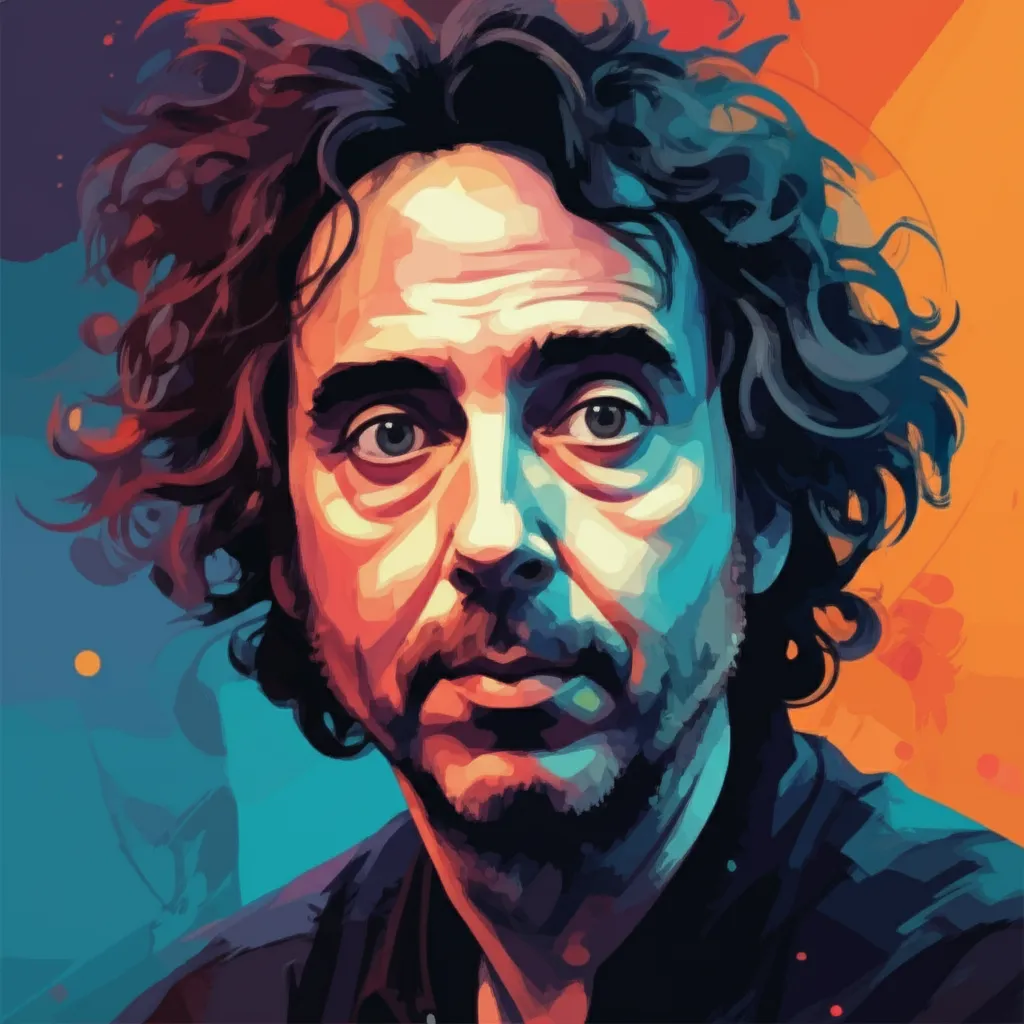
Tim Burton
Every film, ranked

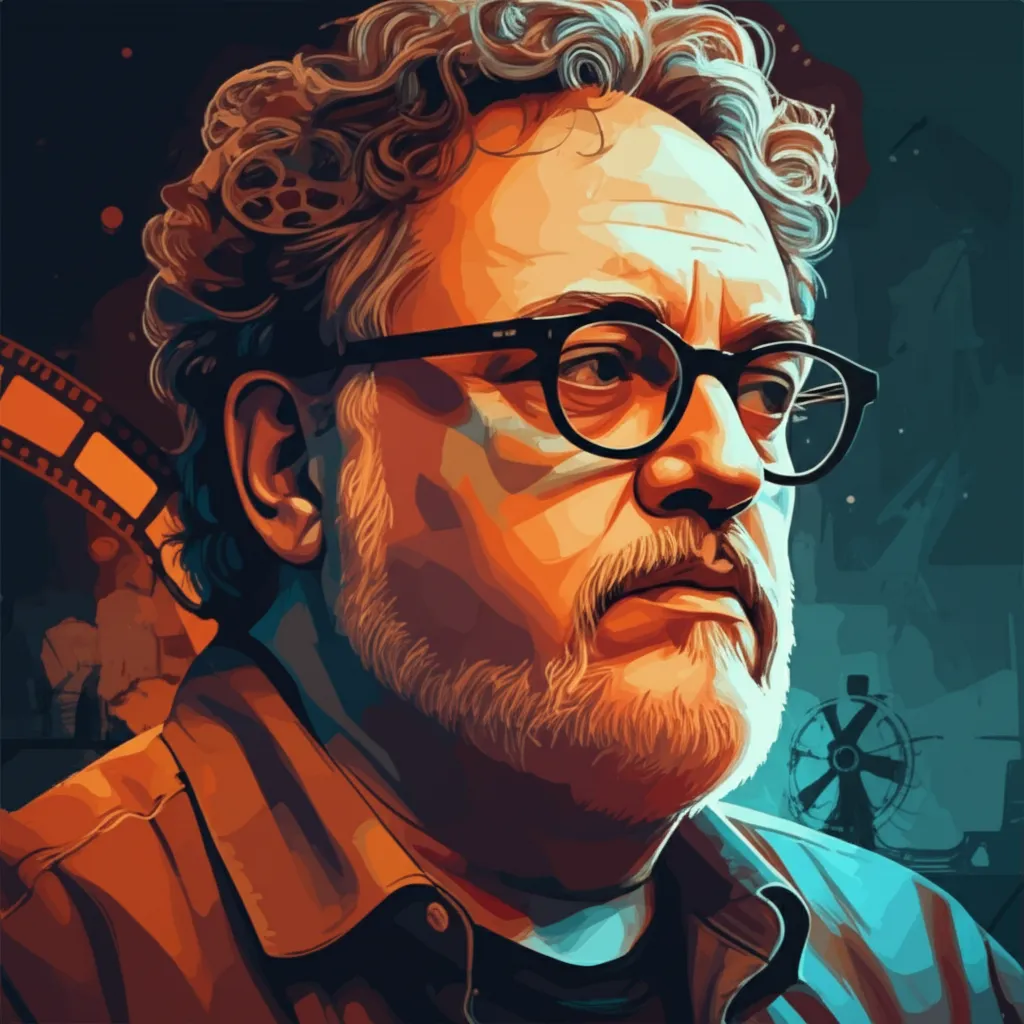
Guillermo del Toro
Every film, ranked

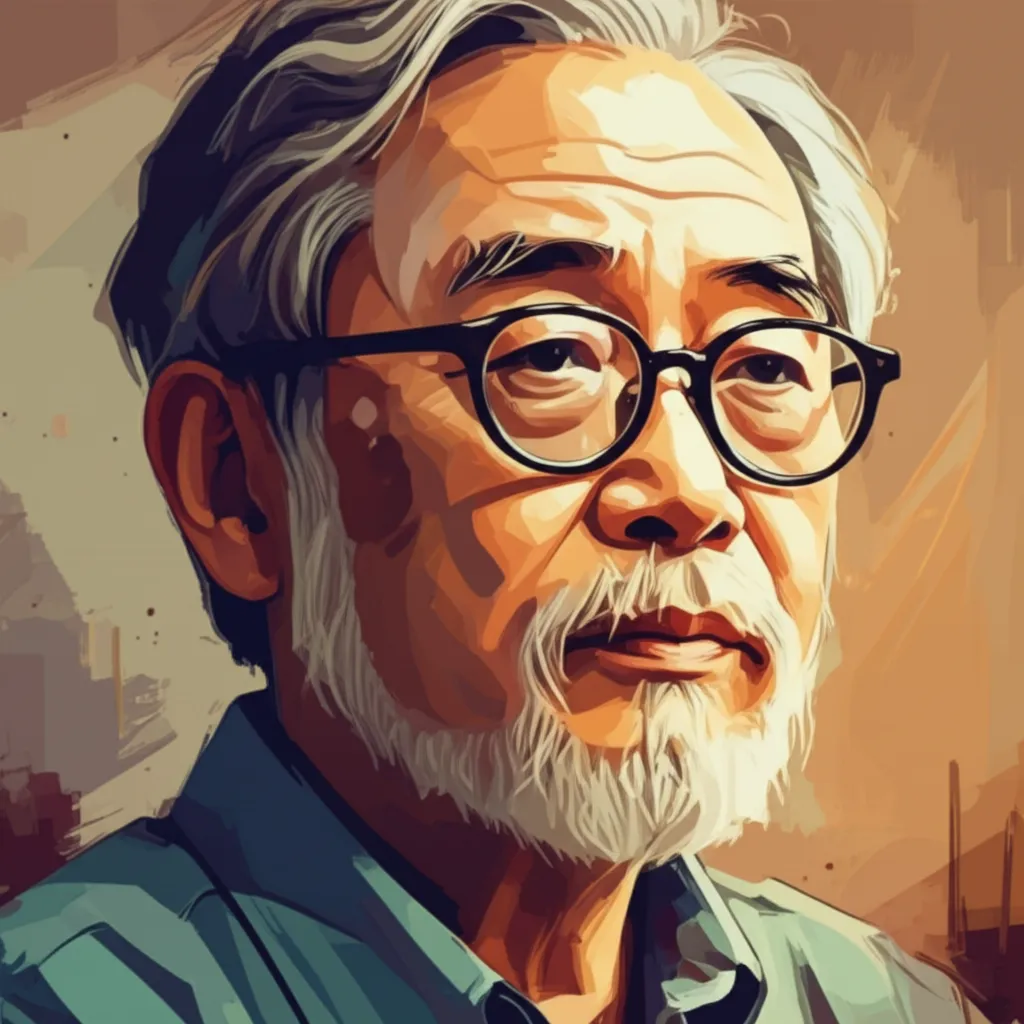
Hayao Miyazaki
Every film, ranked

Akira Kurosawa
Every film, ranked

Francis Ford Coppola
Every film, ranked

Clint Eastwood
Every film, ranked

Bong Joon Ho
Every film, ranked

Woody Allen
Every film, ranked

Steven Soderbergh
Every film, ranked

Ron Howard
Every film, ranked

Pedro Almodóvar
Every film, ranked

Richard Linklater
Every film, ranked

Roman Polanski
Every film, ranked

Brian De Palma
Every film, ranked

Ingmar Bergman
Every film, ranked

Oliver Stone
Every film, ranked

David Cronenberg
Every film, ranked

Robert Zemeckis
Every film, ranked

Barry Levinson
Every film, ranked

John Carpenter
Every film, ranked

Joel Schumacher
Every film, ranked

Billy Wilder
Every film, ranked

Rob Reiner
Every film, ranked

Neil Jordan
Every film, ranked

Spike Lee
Every film, ranked

Ivan Reitman
Every film, ranked

John Woo
Every film, ranked

Lasse Hallström
Every film, ranked

Stephen Frears
Every film, ranked

Luc Besson
Every film, ranked

Chris Columbus
Every film, ranked

Mike Nichols
Every film, ranked

Howard Hawks
Every film, ranked

Ang Lee
Every film, ranked

Walter Hill
Every film, ranked

Gus Van Sant
Every film, ranked

William Wyler
Every film, ranked

Renny Harlin
Every film, ranked

Sidney Lumet
Every film, ranked

Tony Scott
Every film, ranked