Discover the visionary filmmakers behind cinema's greatest works.
Explore our selection of acclaimed directors and their remarkable films.
Showing 313-324 out of 4148

Arlene Sanford is a talented film director known for her work in comedy and family genres. Her directorial style is characterized by a keen sense of humor, warmth, and a knack for capturing heartwarming moments on screen. With a career spanning over two decades, Sanford has left an indelible mark on cinema with her engaging storytelling and unique vision. Sanford's notable films include "A Very Brady Sequel" (1996) and "I'll Be Home for Christmas" (1998). In "A Very Brady Sequel," Sanford skillfully brought to life the beloved characters of the iconic TV series, infusing the film with nostalgia and lighthearted humor. "I'll Be Home for Christmas," another one of her directorial successes, showcased Sanford's ability to blend comedy with heartfelt family themes, making it a favorite among audiences of all ages. One of Sanford's recurring themes in her films is the importance of family and the enduring bonds that hold people together. Her movies often explore the dynamics of familial relationships, sprinkled with humor and relatable moments that resonate with viewers. Sanford's impact on cinema lies in her ability to create films that entertain while also delivering meaningful messages about love, friendship, and the importance of staying true to oneself. Sanford's unique vision and directorial contributions have solidified her as a respected figure in the industry. Her films continue to be cherished for their ability to evoke laughter and tug at the heartstrings, making her a director whose work is timeless and beloved by audiences worldwide. As she continues to leave her mark on cinema, Arlene Sanford's legacy as a director with a gift for crafting heartwarming and entertaining stories is sure to endure for years to come.

Armando Iannucci is a Scottish film director and writer known for his sharp wit, political satire, and razor-sharp dialogue. Born in Glasgow, Iannucci began his career in radio and television before making a significant impact on the film industry with his directorial ventures. His directorial style is characterized by a blend of biting humor, astute social commentary, and a knack for exposing the absurdities of power and politics. Iannucci's filmography boasts an impressive array of acclaimed works, including "The Death of Stalin" (2017), a darkly comedic portrayal of the chaotic power struggle following the death of the Soviet dictator, and "In the Loop" (2009), a satirical comedy that delves into the absurdities of political machinations on both sides of the Atlantic. Both films showcase Iannucci's ability to navigate the intricacies of political landscapes while infusing his narrative with biting humor and compelling storytelling. In addition to his political satires, Iannucci expanded his repertoire with "The Personal History of David Copperfield" (2019), a refreshing adaptation of Charles Dickens' classic novel. The film highlights Iannucci's versatility as a director, seamlessly transitioning from political satire to period drama while maintaining his signature comedic flair and acute observation of human nature. Iannucci's works often explore the themes of power, ego, and the follies of human behavior, with a keen focus on the absurdities and paradoxes that define modern society. His films are characterized by rapid-fire dialogue, intricate character dynamics, and a penchant for exposing the comedic elements within serious subjects. As a director, Iannucci has left an indelible mark on cinema, pioneering a distinct brand of political satire that resonates with audiences worldwide. Armando Iannucci's contributions to film have not only garnered critical acclaim but have also sparked important conversations about the nature of power, governance, and the human condition. His unique vision and uncompromising storytelling have solidified his status as a trailblazing director, and his influence on the film industry is palpable. With an impressive body of work and a penchant for pushing creative boundaries, Iannucci continues to be a driving force in shaping the landscape of contemporary cinema.

A.R. Murugadoss is a renowned Indian film director known for his gripping storytelling and high-octane action sequences. With a career spanning over two decades, Murugadoss has left an indelible mark on the Indian film industry with his distinct directorial style and impactful narratives. His filmography boasts a diverse range of genres, including action, drama, crime, and thriller, each showcasing his adeptness at crafting compelling and commercially successful movies. One of Murugadoss's most celebrated works is "Ghajini" (2008), a gripping action-drama that captivated audiences with its intense storyline and memorable performances. The film's success solidified Murugadoss's reputation as a director capable of delivering high-quality, edge-of-your-seat entertainment. "Sarkar" (2018) further showcased his prowess in the action-crime genre, featuring dynamic characters and a gripping narrative that resonated with audiences. Murugadoss is known for integrating socially relevant themes into his films, often addressing pertinent issues within the framework of mainstream cinema. "Holiday: A Soldier is Never Off Duty" (2014) exemplifies this, blending action and thriller elements with a patriotic undertone, garnering both critical acclaim and commercial success. Moreover, "Kaththi" (2014) showcased his ability to infuse thought-provoking social commentary into an action-packed drama, further solidifying his status as a director with a distinct voice and vision. His directorial style often incorporates high-stakes action sequences, intricate plot twists, and emotionally resonant storytelling, captivating audiences and critics alike. Murugadoss's impact on Indian cinema is undeniable, with his films not only achieving box office success but also leaving a lasting impression on audiences through their thought-provoking themes and memorable characters. As a visionary director, A.R. Murugadoss continues to push the boundaries of storytelling and entertainment, cementing his status as a trailblazer in the realm of Indian cinema. In conclusion, A.R. Murugadoss's directorial career is a testament to his ability to seamlessly blend commercial appeal with compelling narratives and socially relevant themes. His diverse filmography and impactful storytelling have solidified his position as one of India's most influential and visionary directors, leaving an indelible mark on the industry. With each new project, Murugadoss continues to captivate audiences with his unique directorial style, cementing his legacy as a trail

Arne Glimcher is a renowned film director whose career has spanned decades, leaving an indelible mark on the world of cinema. Glimcher is widely recognized for his directorial work on the 1995 crime thriller "Just Cause." His directorial style is characterized by a keen attention to detail, a penchant for intense, gripping storytelling, and a mastery of visual composition that captivates audiences. In "Just Cause," Glimcher expertly navigates the complexities of the action, crime, and drama genres, seamlessly blending them to create a riveting and thought-provoking narrative. The film showcases Glimcher's ability to craft compelling characters, build tension, and deliver powerful performances, all hallmarks of his directorial prowess. Throughout his career, Glimcher has demonstrated a knack for delving into the darker aspects of human nature, often exploring themes of justice, morality, and the human psyche. His films frequently confront ethical dilemmas and societal issues, inviting audiences to contemplate the complexities of the human experience. Glimcher's impact on cinema extends beyond his directorial work, as he has also made significant contributions to the art world as the founder of the esteemed Pace Gallery. His multidimensional career has allowed him to bring a unique perspective to his filmmaking, infusing his work with a deep understanding of visual artistry and storytelling. Arne Glimcher's directorial legacy is defined by his ability to craft compelling narratives that resonate with audiences on a profound level. His films continue to stand the test of time, serving as a testament to his enduring influence on the world of cinema. Glimcher's distinct directorial style and unwavering commitment to storytelling have solidified his status as a visionary filmmaker, leaving an indelible mark on the art of filmmaking.

Aron Gaudet is a talented filmmaker known for his unique blend of comedy and crime in his directorial works. His notable filmography includes the 2021 comedy-crime film "Queenpins," which showcases his ability to infuse humor into complex criminal narratives. Gaudet's directorial style is characterized by sharp wit, clever storytelling, and an innate ability to bring out the humanity in his characters, regardless of their dubious actions. In "Queenpins," Gaudet masterfully weaves a tale of friendship, empowerment, and the absurdities of the criminal underworld. The film's comedic elements are balanced with a poignant exploration of the motivations behind the characters' actions, showcasing Gaudet's skill at blending genres to create a multi-layered cinematic experience. Throughout his career, Gaudet has consistently explored themes of resilience, unconventional heroism, and the complexities of human relationships. His films often feature strong, dynamic female characters who navigate challenging situations with grit and humor, offering a refreshing perspective on traditionally male-dominated genres. Gaudet's impact on cinema lies in his ability to subvert genre expectations and deliver compelling narratives that resonate with audiences on a deep emotional level. His work demonstrates a commitment to pushing boundaries, challenging stereotypes, and celebrating the resilience of the human spirit. As a director, Aron Gaudet continues to carve out a unique space in the film industry, captivating audiences with his distinctive directorial vision and leaving an indelible mark on the landscape of contemporary cinema. With "Queenpins" as a testament to his storytelling prowess, Gaudet's future projects are eagerly anticipated by both critics and audiences alike.

Arthur Hiller was a prolific Canadian film director known for his diverse range of films, spanning various genres and themes. With a career that spanned over five decades, Hiller left an indelible mark on cinema with his unique directorial style and memorable contributions to the art form. His filmography includes the action-comedy classic "Silver Streak" (1976), the heartfelt biographical drama "The Babe" (1992), the uproarious comedy "See No Evil, Hear No Evil" (1989), and the timeless romance "Love Story" (1970). Hiller's directorial style was characterized by his ability to seamlessly navigate between genres, showcasing his versatility and keen storytelling sensibilities. He had a remarkable talent for infusing his films with a perfect blend of humor, emotion, and depth, capturing the essence of the human experience in a captivating and relatable manner. His films often featured strong character development, nuanced narratives, and a keen attention to detail, earning him acclaim from audiences and critics alike. Notable themes that permeated Hiller's work included love, friendship, and the resilience of the human spirit. His films often explored the complexities of relationships, the pursuit of dreams, and the triumph of the human heart over adversity, resonating with audiences on a profound and emotional level. Hiller's ability to elicit genuine, heartfelt performances from his actors further solidified his reputation as a director with a keen understanding of human emotion and interpersonal dynamics. Arthur Hiller's impact on cinema is undeniable, as his body of work continues to inspire and entertain audiences around the world. His legacy as a visionary filmmaker is evident in the enduring popularity of his films and the enduring influence he has had on subsequent generations of directors. His ability to craft compelling narratives across a wide spectrum of genres has solidified his reputation as a director whose work transcends time and genre boundaries, leaving an indelible mark on the cinematic landscape. Arthur Hiller's contributions to film will undoubtedly continue to resonate with audiences for years to come.

Arthur Penn was an influential American film director known for his diverse and impactful body of work. Born in 1922, Penn began his career in the theater before transitioning to film, where he quickly made a name for himself as a director with a unique vision and storytelling style. His directorial style was characterized by a keen focus on character development, nuanced storytelling, and a deep exploration of complex human emotions. Penn's most iconic film, "Bonnie and Clyde" (1967), is widely regarded as a groundbreaking and influential work in the crime genre. This film, which starred Warren Beatty and Faye Dunaway, redefined the portrayal of violence on screen and challenged traditional storytelling conventions, earning Penn widespread acclaim and leaving a lasting impact on the cinematic landscape. The film's success solidified Penn's reputation as a director capable of pushing boundaries and eliciting powerful performances from his actors. In addition to "Bonnie and Clyde," Penn's filmography includes a diverse range of genres and themes. "The Miracle Worker" (1962) showcased his ability to bring real-life stories to the screen with depth and authenticity, while "Little Big Man" (1970) demonstrated his skill in blending adventure, comedy, and drama to create a thought-provoking and entertaining narrative. Penn's directorial versatility was further exemplified in films like "Night Moves" (1975) and "The Missouri Breaks" (1976), where he delved into the realms of crime, mystery, and western genres, showcasing his ability to adapt his style to different storytelling contexts. Throughout his career, Penn's films often explored themes of rebellion, social commentary, and the complexities of human relationships, earning him a reputation as a director unafraid to tackle challenging subject matter. His impact on cinema extends beyond his individual films, as he played a crucial role in shaping the visual and narrative language of American cinema during the 1960s and 1970s. Penn's legacy as a director continues to resonate with audiences and filmmakers alike, as his contributions to film have left an indelible mark on the industry. His ability to infuse his films with emotional depth, compelling storytelling, and thought-provoking themes cemented his status as a visionary director whose work transcends generations and genres. Arthur Penn's enduring influence on cinema ensures that his legacy will continue to be celebrated and studied for years to come.


Arthur Qwak is a renowned French director known for his exceptional work in animation, action, and adventure films. His most notable film, "Dragon Hunters" (2008), showcases his directorial prowess and distinct style. Qwak's directorial vision is characterized by a seamless blend of visually stunning animation, compelling action sequences, and immersive adventure storytelling. With a keen eye for detail and a passion for creating captivating worlds, Qwak has left an indelible mark on the animation genre. "Dragon Hunters" stands as a testament to Qwak's ability to craft imaginative and visually striking worlds that captivate audiences of all ages. The film's intricate animation and exhilarating action sequences exemplify Qwak's dedication to pushing the boundaries of storytelling in animation. His directorial style is marked by a perfect balance of heartwarming narratives and electrifying action, making his films appealing to a wide audience. Qwak's work often explores timeless themes of friendship, bravery, and the triumph of good over evil, resonating with viewers on a profound level. His films are known for their emotionally resonant storytelling and visually arresting animation, establishing him as a director with a unique ability to transport audiences into enchanting realms filled with wonder and excitement. Qwak's impact on cinema is profound, as he has contributed to the evolution of animation as a captivating and emotionally resonant medium. His dedication to creating immersive and visually striking worlds has solidified his status as a visionary director in the animation genre. With "Dragon Hunters," Qwak has cemented his legacy as a director whose work continues to inspire and enchant audiences worldwide. In conclusion, Arthur Qwak's directorial career is distinguished by his remarkable contributions to the animation, action, and adventure genres. His ability to blend captivating storytelling with breathtaking animation has earned him a revered place in the world of cinema. With "Dragon Hunters," Qwak has established himself as a director whose visionary approach and dedication to his craft have left an indelible impact on the film industry.

Arthur Rankin Jr. was a prolific American director, producer, and animator who made significant contributions to the world of animation. Born in 1924, Rankin's career spanned over six decades, during which he co-founded the iconic Rankin/Bass Productions alongside Jules Bass. The duo became renowned for their innovative stop-motion animation and their imaginative storytelling. Rankin's visionary approach to animation and his ability to bring enchanting tales to life have left an indelible mark on cinema. Rankin's directorial style was characterized by his penchant for creating visually stunning and emotionally resonant animated films. His work often featured intricate stop-motion animation and captivating storytelling that appealed to audiences of all ages. One of Rankin's most notable directorial achievements is the beloved animated film "The Last Unicorn" (1982). This adaptation of Peter S. Beagle's novel showcased Rankin's ability to infuse fantasy and adventure with poignant themes, garnering a dedicated fanbase and critical acclaim. Throughout his career, Rankin's films often explored themes of fantasy, magic, and the human experience, captivating audiences with their timeless appeal. His ability to convey profound emotions through animation solidified his reputation as a master storyteller. Rankin's impact on cinema is undeniable, as his imaginative films continue to inspire generations of filmmakers and animation enthusiasts. Rankin's legacy as a director and producer endures through the timeless charm of his films, which continue to be cherished by audiences worldwide. His dedication to bringing enchanting stories to the screen and his innovative use of animation techniques have left an indelible imprint on the world of cinema. Arthur Rankin Jr.'s visionary approach to filmmaking has secured his place as a revered figure in the history of animation, and his influence continues to shape the landscape of animated storytelling.

Art Linson is a versatile film director known for his distinct directorial style and impactful contributions to the world of cinema. Linson made his directorial debut with the 1980 film "Where the Buffalo Roam," a biographical comedy starring Bill Murray as the iconic counterculture figure, Hunter S. Thompson. The film showcased Linson's ability to blend humor with compelling storytelling, setting the tone for his future directorial endeavors. Throughout his career, Linson has demonstrated a keen eye for capturing the essence of his characters and their environments. He is known for infusing his films with a raw and authentic quality that resonates with audiences. His directorial style often incorporates a balance of humor and introspection, allowing viewers to connect with the human experiences portrayed on screen. In addition to his directorial work, Linson has also made significant contributions to the film industry as a producer, further solidifying his impact on cinema. His ability to bring compelling stories to life has left an indelible mark on the industry, earning him a reputation as a visionary director with a unique perspective. Linson's filmography may be limited in terms of directorial credits, but his impact on cinema is undeniable. "Where the Buffalo Roam" remains a notable entry in the biographical comedy genre, showcasing Linson's ability to craft a compelling narrative while capturing the spirit of the era in which the film is set. His directorial debut stands as a testament to his creative vision and storytelling prowess, leaving an enduring legacy in the world of film. Overall, Art Linson's directorial career is characterized by a commitment to authenticity, a unique storytelling approach, and an ability to bring compelling narratives to the screen. His contributions to cinema, both as a director and a producer, have left an indelible mark on the industry, solidifying his status as a visionary filmmaker with a distinct voice.

Art Stevens was a distinguished animation director known for his remarkable contributions to the world of animated cinema. His illustrious career saw him leave an indelible mark on the industry, particularly through his directorial work on timeless classics such as "The Fox and the Hound" (1981) and "The Rescuers" (1977). Stevens' directorial style was characterized by a keen attention to detail, a deep understanding of storytelling, and a knack for infusing his films with emotional resonance. "The Fox and the Hound" stands as a testament to Stevens' directorial prowess, showcasing his ability to bring an enchanting and heartfelt narrative to life through meticulously crafted animation. The film's exploration of friendship, loyalty, and the complexities of the animal kingdom resonated with audiences, solidifying its place as a beloved classic. Similarly, "The Rescuers" exemplified Stevens' adeptness at blending adventure, comedy, and endearing characters to create a captivating cinematic experience that continues to captivate audiences across generations. Throughout his career, Stevens exhibited a penchant for infusing his films with timeless themes and universal emotions, ensuring that his work transcended the confines of its time. His dedication to storytelling and his ability to evoke genuine sentiment through animation have left an enduring impact on the medium, influencing subsequent generations of filmmakers and animators. Stevens' commitment to crafting narratives that resonate on a deeply human level has cemented his legacy as a visionary director whose work continues to inspire and delight audiences worldwide. Art Stevens' directorial legacy remains an integral part of the cinematic landscape, with his films serving as touchstones in the world of animation. His ability to infuse his work with empathy, humor, and timeless themes has firmly established him as a director whose impact extends far beyond the realm of animated cinema. As his films continue to enchant and enthrall audiences, Stevens' unique vision and directorial contributions stand as a testament to the enduring power of storytelling and the art of animation.

Arun Prabhu Purushothaman is a visionary filmmaker known for his exceptional directorial talent and distinctive storytelling style. His breakthrough came with the critically acclaimed film "Aruvi" in 2016, which garnered widespread praise for its innovative narrative and compelling portrayal of societal issues. Arun Prabhu's directorial style is characterized by a seamless blend of emotional depth, thought-provoking themes, and a unique visual language that sets him apart in the world of cinema. "Aruvi" stands as a testament to Arun Prabhu's ability to craft powerful narratives that resonate with audiences on a profound level. The film's exploration of complex human emotions, societal norms, and the resilience of the human spirit showcases the director's keen insight into the human experience. Through his storytelling, Arun Prabhu delves into the depths of human nature, shedding light on the intricacies of relationships, identity, and the impact of societal pressures. Arun Prabhu's directorial prowess extends beyond his ability to tell captivating stories. His films often feature a distinct visual aesthetic and a meticulous attention to detail that elevates the overall cinematic experience. With a keen eye for capturing raw, authentic moments on screen, Arun Prabhu creates an immersive world for viewers to immerse themselves in, further cementing his status as a master storyteller. In the realm of contemporary cinema, Arun Prabhu's contributions have left an indelible mark, inspiring a new wave of filmmakers and captivating audiences with his thought-provoking narratives. His dedication to pushing creative boundaries and his commitment to storytelling excellence continue to shape the landscape of cinema, solidifying his place as a visionary director with a lasting impact on the industry. In conclusion, Arun Prabhu Purushothaman's directorial career is defined by his unparalleled ability to craft emotionally resonant stories that transcend cultural barriers and resonate with audiences globally. With "Aruvi" serving as a testament to his directorial prowess, Arun Prabhu has established himself as a trailblazing filmmaker whose unique vision and storytelling acumen continue to leave an indelible mark on the world of cinema.
Every film by the greats, ranked by our TML Score.

Christopher Nolan
Every film, ranked

Quentin Tarantino
Every film, ranked

Stanley Kubrick
Every film, ranked

Martin Scorsese
Every film, ranked

Steven Spielberg
Every film, ranked

Alfred Hitchcock
Every film, ranked

David Fincher
Every film, ranked

Denis Villeneuve
Every film, ranked

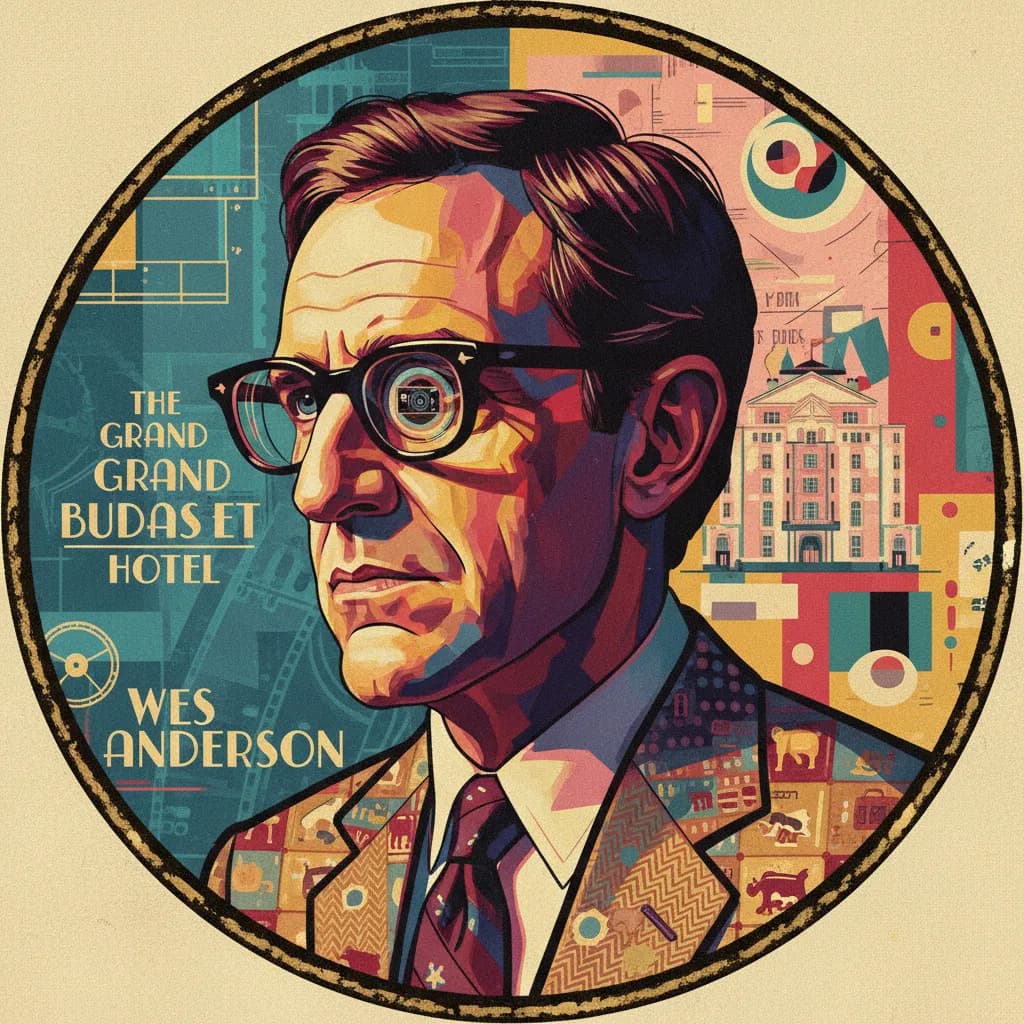
Wes Anderson
Every film, ranked

Paul Thomas Anderson
Every film, ranked

Ridley Scott
Every film, ranked

Tim Burton
Every film, ranked

Guillermo del Toro
Every film, ranked

Hayao Miyazaki
Every film, ranked

Akira Kurosawa
Every film, ranked

Francis Ford Coppola
Every film, ranked

Clint Eastwood
Every film, ranked

Bong Joon Ho
Every film, ranked

Woody Allen
Every film, ranked

Steven Soderbergh
Every film, ranked

Ron Howard
Every film, ranked

Pedro Almodóvar
Every film, ranked

Richard Linklater
Every film, ranked

Roman Polanski
Every film, ranked

Brian De Palma
Every film, ranked

Ingmar Bergman
Every film, ranked

Oliver Stone
Every film, ranked

David Cronenberg
Every film, ranked

Robert Zemeckis
Every film, ranked

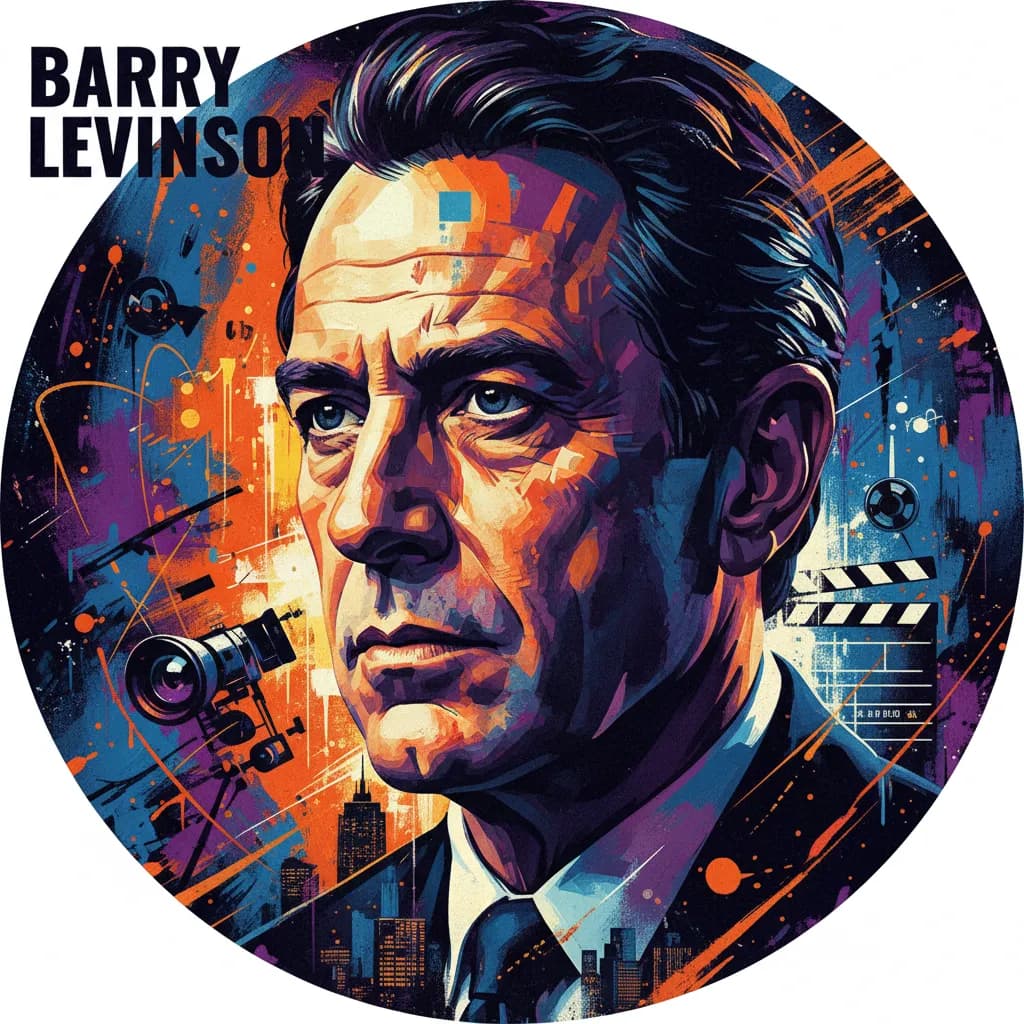
Barry Levinson
Every film, ranked

John Carpenter
Every film, ranked

Joel Schumacher
Every film, ranked

Billy Wilder
Every film, ranked

Rob Reiner
Every film, ranked

Neil Jordan
Every film, ranked

Spike Lee
Every film, ranked

Ivan Reitman
Every film, ranked

John Woo
Every film, ranked

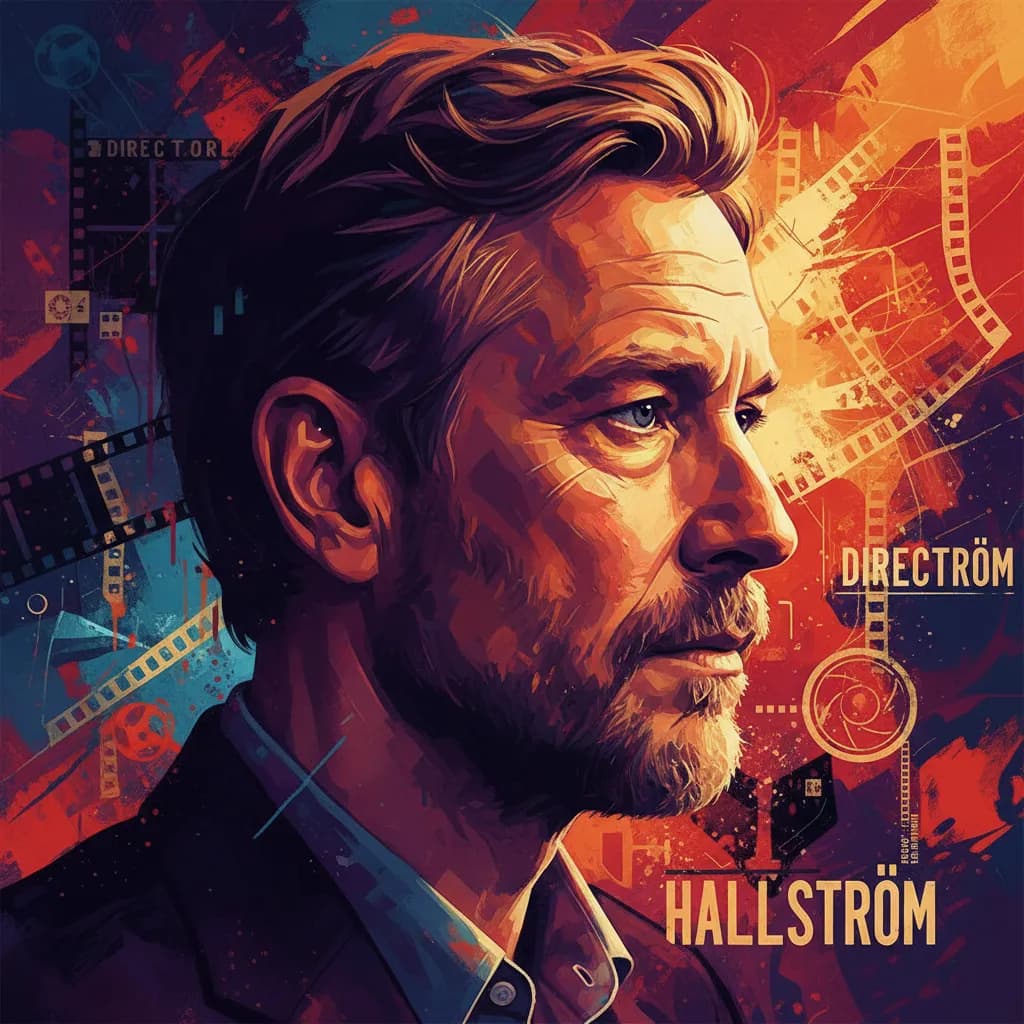
Lasse Hallström
Every film, ranked

Stephen Frears
Every film, ranked

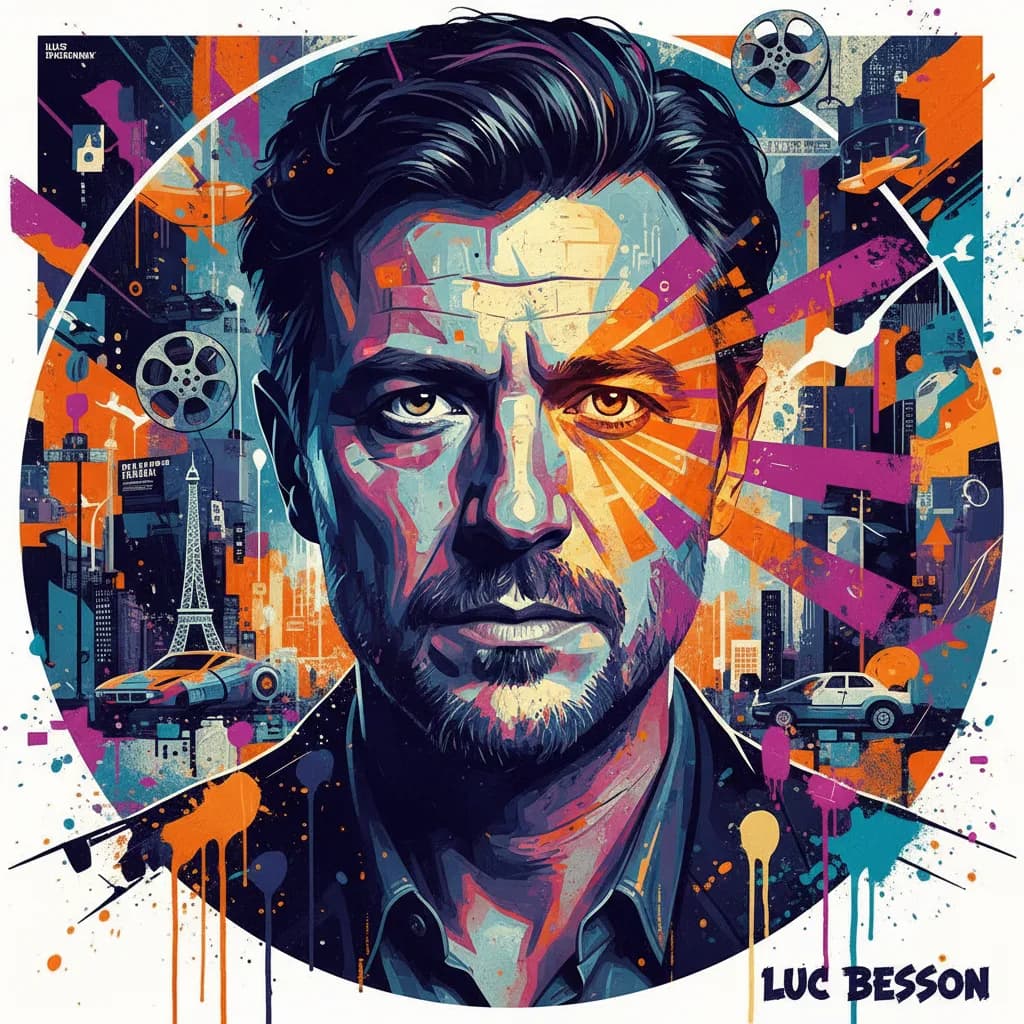
Luc Besson
Every film, ranked

Chris Columbus
Every film, ranked

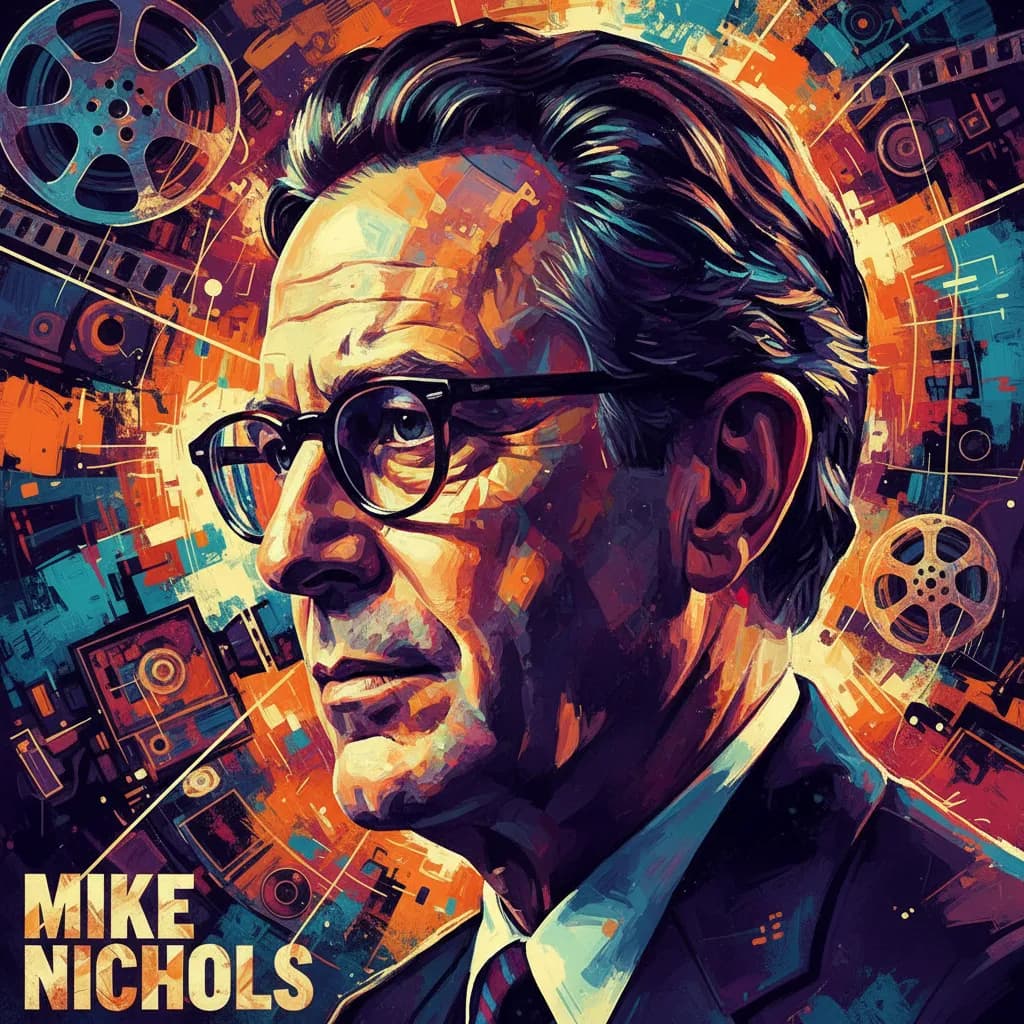
Mike Nichols
Every film, ranked

Howard Hawks
Every film, ranked

Ang Lee
Every film, ranked

Walter Hill
Every film, ranked

Gus Van Sant
Every film, ranked

William Wyler
Every film, ranked

Renny Harlin
Every film, ranked

Sidney Lumet
Every film, ranked

Tony Scott
Every film, ranked