Discover the visionary filmmakers behind cinema's greatest works.
Explore our selection of acclaimed directors and their remarkable films.
Showing 2797-2808 out of 4148

Nag Ashwin is a visionary Indian filmmaker known for his exceptional storytelling and directorial prowess. His most notable work to date is the critically acclaimed biographical drama "Mahanati" (2018), which garnered widespread acclaim for its poignant portrayal of the legendary South Indian actress Savitri. A master of weaving compelling narratives, Ashwin's directorial style is characterized by his meticulous attention to detail, evocative visual storytelling, and his ability to breathe life into historical narratives. "Mahanati" stands as a testament to Ashwin's ability to delve into the lives of influential figures and present their stories with a sense of empathy and depth. The film not only received high praise for its direction but also for its strong performances, stunning cinematography, and evocative musical score. Ashwin's dedication to historical accuracy and his skill in evoking emotional resonance from his audience have solidified his reputation as a director with a unique and impactful vision. Notably, Ashwin's work often revolves around the exploration of human emotions, the complexities of relationships, and the impact of historical figures on society. His meticulous attention to period details and his ability to capture the essence of a bygone era have set him apart as a director with a keen eye for historical authenticity. Ashwin's impact on Indian cinema extends beyond his directorial achievements, as he has contributed to redefining the biopic genre and has inspired a new wave of filmmakers to delve into the rich tapestry of historical narratives. With "Mahanati," Nag Ashwin has etched his name in the annals of Indian cinema as a director with a distinct voice and an unwavering commitment to bringing untold stories to the silver screen. His ability to infuse historical narratives with palpable emotion and his dedication to preserving the legacy of influential figures have positioned him as a trailblazer in the industry. As he continues to navigate the realms of storytelling and historical reimaginings, audiences can anticipate more captivating and thought-provoking works from this visionary director.

Nagesh Kukunoor is a talented Indian film director known for his versatile storytelling and impactful narratives. With a career spanning over two decades, Kukunoor has established himself as a visionary director with a distinct directorial style. His films often delve into socially relevant themes, showcasing the human experience with a blend of realism and optimism. One of Kukunoor's most notable works is "Iqbal" (2005), a compelling drama that revolves around a deaf and mute boy's journey to become a professional cricketer. The film not only received critical acclaim but also resonated with audiences for its portrayal of determination and overcoming obstacles. Kukunoor's directorial prowess shines through in his ability to infuse sports drama with heartfelt emotions, making "Iqbal" a standout in his filmography. Throughout his career, Kukunoor has tackled a wide range of themes, including social issues, identity, and the human spirit. His films often reflect his commitment to shedding light on marginalized communities and their struggles, earning him a reputation as a socially conscious filmmaker. Kukunoor's directorial approach is characterized by a blend of authenticity and empathy, allowing audiences to connect deeply with his characters and their journeys. Kukunoor's impact on Indian cinema is evident through his consistent delivery of thought-provoking stories that transcend cultural boundaries. His ability to craft compelling narratives while addressing pertinent social issues has earned him accolades and admiration from both critics and audiences. As a director, Kukunoor continues to push the boundaries of storytelling, cementing his legacy as a filmmaker who fearlessly explores the human condition and societal complexities through his work.

Nagisa Ôshima was a groundbreaking Japanese film director whose bold and controversial works left an indelible mark on world cinema. Known for his fearless exploration of taboo subjects and unflinching portrayal of human desires, Ôshima's directorial style was marked by a raw and uncompromising approach to storytelling. His films often delved into the complexities of human relationships, societal norms, and the darker aspects of human nature, challenging audiences to confront uncomfortable truths. Ôshima's most renowned work, "In the Realm of the Senses" (1976), was a daring exploration of eroticism and obsession based on a true story. The film's explicit scenes and unflinching depiction of sexual desire sparked widespread controversy and censorship, cementing Ôshima's reputation as a provocateur and a fearless filmmaker unafraid to push boundaries. "Merry Christmas Mr. Lawrence" (1983), a war drama set in a Japanese prisoner-of-war camp during World War II, showcased Ôshima's versatility as a director, demonstrating his ability to tackle diverse genres with equal skill and insight. Throughout his career, Ôshima consistently tackled themes of power dynamics, social injustice, and the clash between individual desires and societal constraints. His films often served as scathing critiques of authority and conformity, challenging viewers to confront the hypocrisies and injustices of the world around them. Ôshima's uncompromising vision and unapologetic approach to storytelling earned him a reputation as a maverick director who fearlessly pushed the boundaries of what was deemed acceptable in cinema. Nagisa Ôshima's impact on cinema reverberates to this day, as his fearless exploration of controversial themes and unflinching portrayal of human desires continue to inspire and provoke audiences and filmmakers alike. His legacy as a boundary-pushing auteur remains unparalleled, and his influence on world cinema is undeniable. Through his groundbreaking works, Ôshima challenged the status quo and expanded the possibilities of storytelling on the silver screen, leaving behind a body of work that continues to captivate and provoke audiences around the globe.

Nagraj Manjule is a prominent Indian filmmaker known for his powerful storytelling and distinctive directorial style. With only a few films to his credit, Manjule has already left an indelible mark on Indian cinema. His breakout film "Sairat" (2016) instantly catapulted him to the forefront of the industry. The romantic drama, set against the backdrop of caste-based discrimination, not only garnered critical acclaim but also became the highest-grossing Marathi film of all time. Manjule's raw and authentic portrayal of societal issues, coupled with his ability to capture the nuances of human emotions, sets him apart as a visionary director. In "Sairat," Manjule skillfully weaves a gripping narrative that delves into the complexities of young love and social barriers, showcasing his adeptness in exploring profound themes within a compelling storyline. The film's success solidified Manjule's reputation as a director who fearlessly confronts societal taboos, making him a trailblazer in Marathi cinema. His upcoming directorial venture "Jhund" (2022), a biographical sports drama, further cements his versatility as a filmmaker. Manjule's directorial style is characterized by his ability to infuse raw authenticity into every frame, capturing the essence of his characters and their surroundings with unparalleled depth. His films resonate with audiences for their unflinching portrayal of societal realities, underscoring his commitment to shedding light on marginalized voices. Through his work, Manjule has emerged as a beacon of change, challenging the status quo and reshaping the landscape of Indian cinema with his thought-provoking narratives. Nagraj Manjule's impact on cinema extends beyond his directorial prowess; his films serve as a testament to the transformative power of storytelling. With a keen eye for detail and a profound understanding of human experiences, Manjule continues to push the boundaries of cinematic expression, earning accolades and admiration from audiences and critics alike. As he forges ahead in his directorial journey, Manjule's visionary approach and unwavering dedication to storytelling are poised to leave an indelible legacy in the annals of Indian cinema.

Nahnatchka Khan is a trailblazing director celebrated for her distinctive vision and comedic prowess in the film industry. Khan's exceptional directorial style is characterized by her ability to infuse heartwarming narratives with humor, resulting in films that resonate deeply with audiences. Her notable film "Always Be My Maybe" (2019) exemplifies her talent for crafting endearing romantic comedies that transcend the genre, earning widespread acclaim for its refreshing approach to storytelling. Khan's directorial career has been defined by her commitment to portraying authentic and relatable characters, often navigating themes of love, identity, and cultural diversity. With "Always Be My Maybe," Khan skillfully intertwines the complexities of modern romance with the exploration of cultural heritage, delivering a charming and uplifting cinematic experience. Her ability to seamlessly blend lighthearted humor with poignant storytelling has left an indelible mark on the romantic comedy genre. In addition to her directorial achievements, Khan's impact on cinema extends beyond her individual projects. Her work has contributed to diversifying and enriching the representation of Asian-American experiences in mainstream cinema, fostering greater inclusivity and representation in the industry. Khan's dedication to authentic storytelling and her unique directorial voice have resonated with audiences worldwide, solidifying her position as a visionary director with a distinctive cinematic perspective. Overall, Nahnatchka Khan's directorial career is a testament to her creative ingenuity and commitment to storytelling. Through her directorial contributions, she has not only redefined the romantic comedy genre but also paved the way for greater inclusion and representation in film. With her unique ability to infuse comedic charm with heartfelt narratives, Khan continues to captivate audiences and leave an enduring impact on the world of cinema.

Na Hong-jin is a South Korean film director known for his gripping storytelling, intense visuals, and gritty narratives. Since making his directorial debut with the critically acclaimed action-thriller "The Chaser" in 2008, Na has established himself as a master of crafting suspenseful and atmospheric films. His sophomore feature, "The Yellow Sea" (2010), further solidified his reputation for delivering high-octane action and complex character-driven dramas. However, it was his third film, "The Wailing" (2016), that firmly cemented his status as a visionary director with a penchant for blending genres and challenging audience expectations. Na's directorial style is characterized by his ability to seamlessly blend elements of action, crime, drama, and horror to create immersive cinematic experiences. His films are known for their relentless pacing, visceral violence, and unflinching exploration of human nature. Na's storytelling often delves into the darker aspects of society, showcasing morally complex characters and exploring the consequences of their actions. His films are marked by a palpable sense of tension, masterful cinematography, and a haunting atmosphere that lingers long after the credits roll. "The Chaser" garnered international acclaim for its taut narrative and unflinching portrayal of the cat-and-mouse game between a former detective turned pimp and a serial killer. This film showcased Na's ability to craft intense, edge-of-your-seat thrillers that resonate with audiences across cultures. "The Yellow Sea" continued to showcase Na's skill in portraying the morally ambiguous struggles of his characters, while also elevating the action genre with its gripping set pieces and emotional depth. Na Hong-jin's magnum opus, "The Wailing," stands as a testament to his mastery of storytelling and genre-bending filmmaking. This supernatural horror-mystery captivated audiences worldwide with its intricate plot, chilling atmosphere, and thought-provoking themes. The film's exploration of primal fear, societal paranoia, and the blurred lines between good and evil further solidified Na's reputation as a director unafraid to push boundaries and challenge conventional storytelling norms. Na Hong-jin's impact on cinema lies in his ability to transcend genre limitations and create films that resonate on a deeply emotional and visceral level. His unique vision and uncompromising approach to storytelling have earned him a dedicated following among cinephiles and critics alike. As a director, Na continues to push the boundaries of genre filmmaking, leaving an indel

Naji Abu Nowar is a visionary director known for his compelling storytelling and visually stunning films. His notable work includes the critically acclaimed movie "Theeb" (2014), a riveting adventure drama that captured international attention and earned widespread acclaim. Nowar's directorial style is characterized by his ability to immerse audiences in rich, atmospheric settings while crafting emotionally resonant narratives that delve into the human experience. "Theeb" stands as a testament to Nowar's directorial prowess, showcasing his adeptness at creating tension and suspense within a breathtaking desert landscape. The film masterfully weaves together themes of survival, loyalty, and the harsh realities of war, leaving a lasting impact on audiences and critics alike. Nowar's unique approach to storytelling and his commitment to authenticity in depicting the Bedouin culture set "Theeb" apart as a truly original and compelling cinematic achievement. Throughout his career, Nowar has demonstrated a penchant for exploring themes of resilience, identity, and the human spirit, often within the context of gripping and immersive narratives. His ability to capture the essence of his characters' struggles and triumphs has established him as a director with a distinct voice and a profound impact on the world of cinema. Naji Abu Nowar's work has not only garnered widespread acclaim but has also left an indelible mark on the film industry, inspiring audiences and aspiring filmmakers alike. His dedication to crafting compelling stories and his unique vision have solidified his status as a director to watch, with a promising future ahead in shaping the landscape of contemporary cinema. Nowar's contributions to the art of filmmaking have undoubtedly cemented his legacy as a visionary director with an unparalleled ability to transport audiences into captivating and thought-provoking worlds.


Nalan Kumarasamy is a visionary film director hailing from Tamil Nadu, India, known for his exceptional storytelling and unique directorial style. His career took off with the 2013 film "Soodhu Kavvum," a remarkable blend of comedy, crime, and thriller elements, which became an instant sensation. Kumarasamy's directorial approach is marked by a distinctive mix of dark humor, gritty realism, and engaging narratives that resonate with a wide audience. With "Soodhu Kavvum," Kumarasamy demonstrated his ability to seamlessly weave together different genres, creating a gripping and entertaining cinematic experience. The film's offbeat humor and unconventional storytelling set it apart, earning Kumarasamy acclaim for his innovative approach to filmmaking. His directorial style reflects a keen understanding of human nature and societal dynamics, allowing him to craft narratives that are both thought-provoking and entertaining. Kumarasamy's work often delves into the complexities of human behavior, providing a captivating exploration of the human psyche within the context of thrilling and humorous narratives. His ability to infuse depth into his characters and storylines has solidified his reputation as a director with a keen insight into the human condition. "Soodhu Kavvum" stands as a testament to Kumarasamy's unique vision and storytelling prowess, leaving an indelible mark on Tamil cinema. As a director, Kumarasamy has made a significant impact on the industry, inspiring a new wave of filmmakers to explore unconventional narratives and push the boundaries of storytelling. His ability to blend genres and deliver compelling narratives has earned him a dedicated following and cemented his status as a pioneering force in contemporary Tamil cinema. Kumarasamy's contributions have undoubtedly enriched the cinematic landscape and continue to influence aspiring filmmakers, making him a trailblazer in the realm of Indian cinema. In summary, Nalan Kumarasamy's directorial career is characterized by his innovative storytelling, genre-bending narratives, and a profound understanding of human nature. With "Soodhu Kavvum," he established himself as a director with a distinct voice and a penchant for crafting compelling and unconventional cinematic experiences. His impact on Tamil cinema is undeniable, and his contributions continue to shape the creative landscape, making him a revered figure in the world of filmmaking.

Nancy Bardawil is a talented film director known for her work in the drama and romance genres. Her most notable film, "According to Greta," released in 2009, garnered critical acclaim for its poignant storytelling and compelling characters. Bardawil's directorial style is characterized by its emotional depth, nuanced character development, and a keen eye for capturing the complexities of human relationships on screen. "According to Greta" stands as a testament to Bardawil's skill in crafting intimate and relatable narratives that resonate with audiences. The film explores themes of love, family dynamics, and personal growth, showcasing Bardawil's ability to evoke genuine emotion and empathy from her viewers. Her directorial approach often emphasizes the human experience, delving into the intricacies of her characters' inner worlds while maintaining a sense of authenticity and sincerity. Bardawil's impact on cinema lies in her commitment to telling meaningful stories that leave a lasting impression. Through her work, she has demonstrated a dedication to portraying the universal struggles and triumphs of the human condition, offering a refreshing perspective on familiar themes within the romance and drama genres. Her ability to infuse her films with emotional resonance has solidified her reputation as a director with a keen understanding of the complexities of human nature. As a director, Bardawil's contributions to film have not only enriched the landscape of romantic dramas but have also provided audiences with thought-provoking narratives that transcend the confines of genre conventions. Her directorial vision continues to inspire and captivate, making her a notable figure in the world of cinema. With a keen sense of storytelling and a dedication to portraying authentic human experiences, Nancy Bardawil has left an indelible mark on the film industry, and her work continues to resonate with audiences around the world.

Nancy Meyers is a renowned film director known for her remarkable ability to craft heartwarming and relatable stories within the romantic comedy genre. With a career spanning over several decades, Meyers has left an indelible mark on cinema, consistently delivering box office hits that resonate with audiences worldwide. Her directorial style is characterized by a keen attention to detail, a penchant for creating visually stunning settings, and a talent for capturing the complexities of human relationships with authenticity and humor. One of Meyers' most beloved films is "The Parent Trap" (1998), a modern retelling of the classic tale that showcases her knack for blending humor and heart in a family-friendly setting. "The Holiday" (2006) further solidified Meyers' reputation as a master of the romantic comedy genre, featuring an ensemble cast and a charming narrative that explores the transformative power of love and self-discovery. In "It's Complicated" (2009), Meyers delves into the intricacies of adult relationships with wit and sensitivity, while "Something's Gotta Give" (2003) offers a poignant portrayal of love and aging, punctuated by memorable performances from its cast. Meyers' films often revolve around themes of love, self-discovery, and the complexities of human connections, resonating with audiences of all ages. Her keen understanding of interpersonal dynamics and her ability to infuse her narratives with warmth and humor have earned her a dedicated following and critical acclaim. Meyers' impact on cinema extends beyond her directorial prowess, as she has played a significant role in shaping the romantic comedy genre, inspiring a new wave of filmmakers and leaving an enduring legacy in the industry. With "What Women Want" (2000) and "The Intern" (2015), Meyers further demonstrated her versatility as a director, seamlessly blending comedy, romance, and drama to create compelling, multifaceted stories. Her films are characterized by strong character development, witty dialogue, and visually stunning cinematography, showcasing her commitment to delivering cinematic experiences that resonate with audiences on a profound level. Nancy Meyers' unique vision and unparalleled contributions to film have solidified her status as a trailblazing director, and her work continues to captivate and inspire audiences worldwide.

Nanette Burstein is a talented film director known for her work in both documentary and narrative filmmaking. She rose to prominence with her feature film debut "Going the Distance" in 2010, a romantic comedy that showcased her ability to capture authentic human relationships with humor and heart. Burstein's directorial style is characterized by her keen insight into the complexities of human emotions and her knack for crafting compelling narratives that resonate with audiences. In "Going the Distance," Burstein skillfully navigates the romantic comedy genre, infusing it with genuine emotion and relatable characters. Her ability to blend humor and heartfelt moments adds depth to the film, making it a standout in the genre. Burstein's directorial approach emphasizes the importance of character-driven storytelling, allowing the audience to connect with the protagonists on a deeper level. Throughout her career, Burstein has demonstrated a commitment to exploring the intricacies of human relationships and the universal experiences that unite us all. Her work often delves into themes of love, friendship, and personal growth, offering audiences a window into the complexities of the human experience. Whether through documentary or narrative filmmaking, Burstein's films consistently showcase her dedication to capturing the authenticity of human emotions and relationships. Burstein's impact on cinema lies in her ability to infuse her work with a sense of realism and emotional depth, elevating her films beyond typical genre conventions. With "Going the Distance," she demonstrated her versatility as a director, seamlessly transitioning from the documentary realm to narrative storytelling. Her unique vision and storytelling prowess have solidified her as a director to watch, and her contributions to the film industry continue to resonate with audiences worldwide. As she continues to explore new creative endeavors, Burstein's influence on cinema is sure to endure, leaving a lasting impression on the art of storytelling through film.

Nanni Moretti is an acclaimed Italian film director known for his distinctive blend of humor, drama, and social commentary. Born in 1953 in Brunico, Italy, Moretti's career spans over four decades, during which he has established himself as a leading figure in international cinema. Renowned for his introspective storytelling and keen observation of human nature, Moretti has left an indelible mark on the cinematic landscape with his thought-provoking narratives and nuanced character portrayals. One of Moretti's most notable works is "The Son's Room" (2001), which garnered widespread acclaim and won the prestigious Palme d'Or at the Cannes Film Festival. This deeply affecting drama explores the complexities of grief and familial relationships in the aftermath of a tragic loss. Through his sensitive direction and empathetic storytelling, Moretti delves into the profound emotional impact of loss, earning accolades for his poignant portrayal of human vulnerability and resilience. In "We Have a Pope" (2011), Moretti showcases his versatility as a director by skillfully blending comedy and drama. The film follows the unexpected election of a reluctant pope and delves into the internal struggles and existential crises faced by the newly appointed pontiff. With his trademark wit and astute character development, Moretti offers a compelling exploration of faith, identity, and the burdens of leadership, cementing his reputation as a master storyteller capable of navigating diverse thematic terrain. Throughout his career, Moretti has demonstrated a penchant for weaving introspective narratives that resonate with audiences on a profound level. His films often grapple with existential themes, interpersonal dynamics, and the complexities of the human experience, reflecting his deep-seated commitment to exploring the nuances of the human condition. Moretti's directorial style is characterized by its authenticity, emotional depth, and incisive commentary, making him a revered auteur whose work continues to captivate and provoke contemplation. Nanni Moretti's impact on cinema extends far beyond his directorial prowess, as he has also made significant contributions as a screenwriter, producer, and actor. His unwavering dedication to crafting compelling narratives and his ability to infuse his films with profound emotional resonance have solidified his status as a visionary filmmaker whose influence reverberates throughout the global film industry. With a rich and diverse body of work that spans multiple genres and evokes a wide range of emotions, Moretti's legacy as a director remains firmly entrenched in the annals of cinematic history.
Every film by the greats, ranked by our TML Score.

Christopher Nolan
Every film, ranked

Quentin Tarantino
Every film, ranked

Stanley Kubrick
Every film, ranked

Martin Scorsese
Every film, ranked

Steven Spielberg
Every film, ranked

Alfred Hitchcock
Every film, ranked

David Fincher
Every film, ranked

Denis Villeneuve
Every film, ranked

Wes Anderson
Every film, ranked

Paul Thomas Anderson
Every film, ranked

Ridley Scott
Every film, ranked

Tim Burton
Every film, ranked

Guillermo del Toro
Every film, ranked

Hayao Miyazaki
Every film, ranked

Akira Kurosawa
Every film, ranked

Francis Ford Coppola
Every film, ranked

Clint Eastwood
Every film, ranked

Bong Joon Ho
Every film, ranked

Woody Allen
Every film, ranked

Steven Soderbergh
Every film, ranked

Ron Howard
Every film, ranked

Pedro Almodóvar
Every film, ranked

Richard Linklater
Every film, ranked

Roman Polanski
Every film, ranked

Brian De Palma
Every film, ranked

Ingmar Bergman
Every film, ranked

Oliver Stone
Every film, ranked

David Cronenberg
Every film, ranked

Robert Zemeckis
Every film, ranked

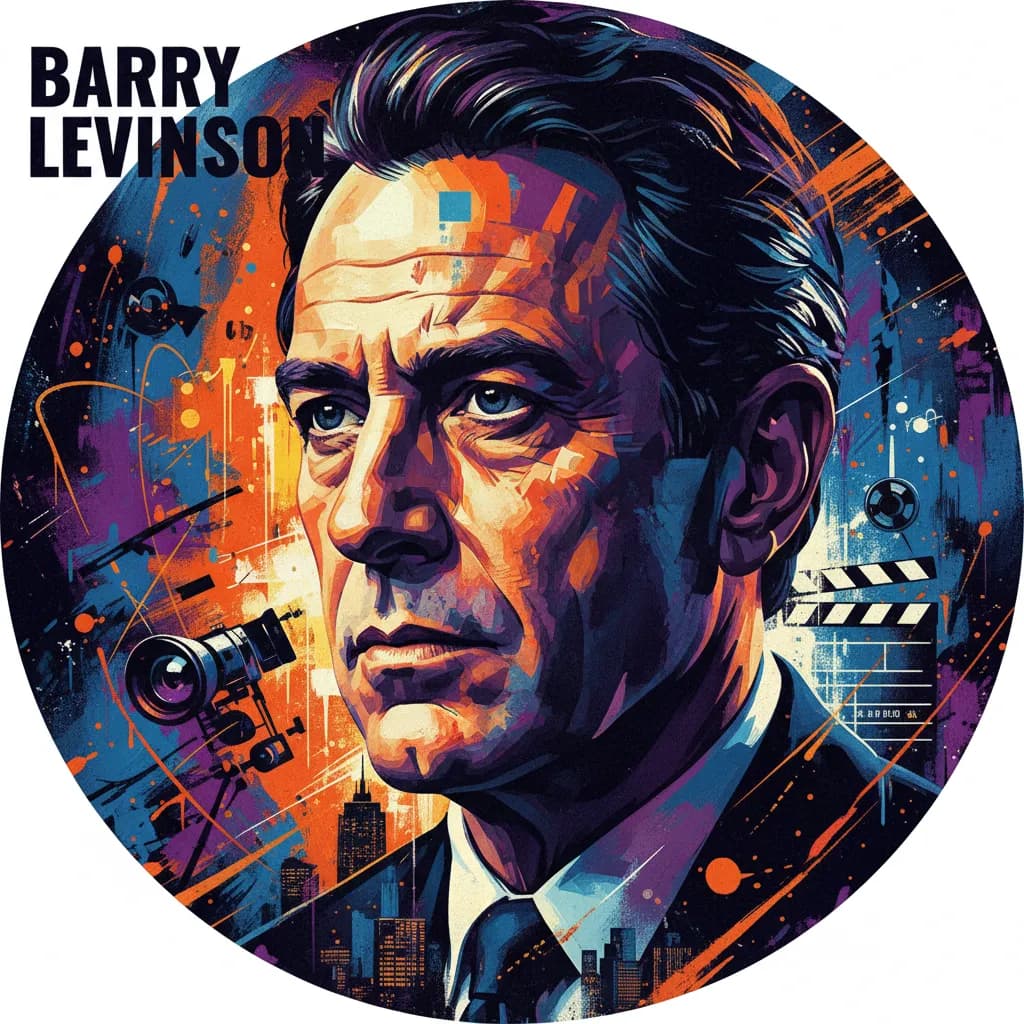
Barry Levinson
Every film, ranked

John Carpenter
Every film, ranked

Joel Schumacher
Every film, ranked

Billy Wilder
Every film, ranked

Rob Reiner
Every film, ranked

Neil Jordan
Every film, ranked

Spike Lee
Every film, ranked

Ivan Reitman
Every film, ranked

John Woo
Every film, ranked

Lasse Hallström
Every film, ranked

Stephen Frears
Every film, ranked

Luc Besson
Every film, ranked

Chris Columbus
Every film, ranked

Mike Nichols
Every film, ranked

Howard Hawks
Every film, ranked

Ang Lee
Every film, ranked

Walter Hill
Every film, ranked

Gus Van Sant
Every film, ranked

William Wyler
Every film, ranked

Renny Harlin
Every film, ranked

Sidney Lumet
Every film, ranked

Tony Scott
Every film, ranked