Discover the visionary filmmakers behind cinema's greatest works.
Explore our selection of acclaimed directors and their remarkable films.
Showing 2809-2820 out of 4148

Naoko Kusumi is a visionary Japanese filmmaker known for her distinctive directorial style and her impactful contributions to the world of animation and cinema. With a career spanning over two decades, Kusumi has carved a niche for herself as a director who seamlessly blends animation, drama, and mystery, creating visually stunning and thought-provoking films that have left an indelible mark on audiences worldwide. Kusumi's most notable work includes her directorial role in the highly acclaimed animated feature film "Ghost in the Shell 2: Innocence" (2004). The film, a sequel to Mamoru Oshii's seminal "Ghost in the Shell," further solidified Kusumi's reputation as a director with a keen eye for captivating visuals and profound storytelling. Her work on "Ghost in the Shell 2: Innocence" showcased her ability to seamlessly intertwine complex narratives with breathtaking animation, earning her accolades from both critics and audiences. Throughout her career, Kusumi has demonstrated a penchant for exploring recurring themes such as existentialism, humanity's relationship with technology, and the blurred lines between reality and illusion. Her directorial style often incorporates striking visual imagery, intricate world-building, and an immersive, atmospheric quality that captivates viewers and immerses them in her cinematic worlds. Kusumi's impact on cinema extends beyond her individual films, as she has influenced a generation of filmmakers and animators with her groundbreaking approach to storytelling and animation. Her ability to push the boundaries of traditional animation and deliver thought-provoking narratives has cemented her status as a trailblazer in the industry. In conclusion, Naoko Kusumi's directorial career is characterized by a unique vision, a commitment to pushing creative boundaries, and a profound impact on the world of animation and cinema. Her body of work stands as a testament to her exceptional talent and enduring legacy in the world of filmmaking.

Naoko Yamada is a highly acclaimed Japanese film director known for her exceptional work in the anime genre. With a distinct directorial style characterized by emotional depth and visual storytelling, Yamada has made a significant impact on the world of cinema. Her notable films include "Koe no Katachi" (2016) and "A Silent Voice: The Movie" (2016), both of which have garnered widespread praise for their poignant narratives and stunning animation. Yamada's directorial style is defined by her ability to capture the complexities of human emotions with sensitivity and authenticity. Her films often explore themes of redemption, forgiveness, and the resilience of the human spirit, resonating deeply with audiences worldwide. Through her meticulous attention to detail and masterful use of animation, Yamada brings her characters to life in a way that is both visually captivating and emotionally compelling. "Koe no Katachi" and "A Silent Voice: The Movie" stand as testament to Yamada's directorial prowess, as both films have been lauded for their thought-provoking storytelling and striking visuals. Her ability to infuse her work with genuine emotion and profound storytelling has cemented her reputation as a director of immense talent and artistic vision. Yamada's impact on cinema extends beyond her individual films, as she has played a pivotal role in elevating the status of anime as a respected art form. Her innovative approach to storytelling and her unwavering commitment to portraying the human experience with honesty and depth have contributed to the global recognition of anime as a medium capable of conveying profound narratives and evoking powerful emotions. In conclusion, Naoko Yamada's directorial career is characterized by her exceptional ability to craft immersive and emotionally resonant narratives through the medium of animation. Her films have left an indelible mark on the world of cinema, earning her a place among the most influential and visionary directors of her generation. With her unique vision and unparalleled storytelling skills, Yamada continues to inspire and captivate audiences, solidifying her legacy as a true master of her craft.

Naomi Foner is a renowned American film director and screenwriter known for her poignant storytelling and insightful portrayal of human relationships. With her keen directorial eye and powerful storytelling abilities, Foner has left an indelible mark on the film industry. Her directorial debut, "Very Good Girls" (2013), showcases her talent for capturing the complexities of young love and friendship with sensitivity and depth. Foner's directorial style is characterized by its emotional depth, nuanced character development, and a keen focus on interpersonal dynamics. Her films often delve into the complexities of human emotions, offering audiences a raw and authentic portrayal of the human experience. In "Very Good Girls," Foner expertly weaves together the themes of friendship, love, and self-discovery, creating a compelling narrative that resonates with viewers on a profound level. Throughout her career, Foner has demonstrated a remarkable ability to explore the intricacies of female experiences, shedding light on the challenges and triumphs faced by women in a male-dominated world. Her films often center on strong, multidimensional female characters, offering a refreshing and empowering perspective on womanhood. Foner's impact on cinema extends beyond her directorial work, as she has also made significant contributions as a screenwriter, crafting compelling narratives that have captivated audiences and critics alike. Her unique vision and unwavering commitment to storytelling have solidified her reputation as a trailblazing director and storyteller. In conclusion, Naomi Foner's directorial career is defined by her insightful storytelling, emotional depth, and unwavering commitment to portraying the complexities of human relationships. With "Very Good Girls," she has cemented her status as a director with a unique and resonant voice, leaving an indelible mark on the film industry. Foner's body of work serves as a testament to her enduring impact on cinema and her dedication to bringing authentic and compelling stories to the screen.

Naomi Kawase is a celebrated Japanese film director known for her intimate and visually poetic storytelling. Born in Nara, Japan, in 1969, Kawase's unique directorial style combines elements of documentary filmmaking with fictional narratives, resulting in deeply personal and emotionally resonant films. Her work often explores themes of memory, family dynamics, and the human connection to nature, reflecting her own experiences growing up in a rural setting and being raised by her grandmother. Kawase gained international recognition with her film "Sweet Bean" (2015), a poignant drama that follows the relationship between a dorayaki (sweet red bean paste) maker and an elderly woman with a secret recipe. The film showcases Kawase's signature blend of naturalistic performances, breathtaking cinematography, and a profound exploration of human relationships. "Sweet Bean" received critical acclaim for its tender portrayal of intergenerational bonds and the beauty of life's simple pleasures. Throughout her career, Kawase has consistently demonstrated her ability to capture the essence of human emotions and the delicate nuances of everyday life. Her earlier works, such as "Suzaku" (1997) and "Shara" (2003), established her reputation as a director with a keen eye for portraying the complexities of human experiences within the context of Japanese culture and society. Her films often feature meditative pacing, reflective imagery, and an emphasis on the natural world, creating an immersive cinematic experience that resonates with audiences on a deeply emotional level. Kawase's impact on cinema extends beyond her directorial achievements, as she has also been an influential figure in advocating for female filmmakers and promoting diversity in the film industry. Her success as a woman director in a male-dominated industry has inspired aspiring filmmakers globally, and she continues to be a trailblazer for underrepresented voices in cinema. With her evocative storytelling and unwavering commitment to authenticity, Naomi Kawase remains a visionary director whose work continues to leave a lasting impression on the world of cinema.

Naoyasu Habu is a distinguished Japanese animator and director, best known for his work on the iconic film "Neon Genesis Evangelion: Death & Rebirth" released in 1997. Habu's directorial style is marked by his exceptional ability to blend animation, action, and drama to create compelling and visually stunning narratives. His keen eye for detail and knack for storytelling has solidified his reputation as a visionary director in the world of anime and animation. "Neon Genesis Evangelion: Death & Rebirth" stands as a testament to Habu's skill in crafting emotionally charged and thought-provoking narratives. The film's seamless integration of complex character dynamics, intense action sequences, and profound themes has garnered widespread acclaim, solidifying Habu's status as a trailblazer in the anime genre. His ability to infuse depth and nuance into his characters and storylines has left an indelible mark on the cinematic landscape. Habu's filmography may be concise, but his impact on cinema is profound. His work on "Neon Genesis Evangelion: Death & Rebirth" has not only captivated audiences but also influenced a generation of filmmakers and animators. The film's exploration of existentialism, identity, and the human condition has resonated with viewers worldwide, cementing Habu's place as a director with a distinct and powerful voice in the industry. Throughout his career, Habu has demonstrated a consistent dedication to pushing the boundaries of storytelling and visual expression in animation. His ability to evoke raw emotion and provoke introspection through his work has earned him a devoted following. Naoyasu Habu's contribution to the art of animation and storytelling is unparalleled, and his legacy as a visionary director is sure to endure for generations to come.

Nash Edgerton is an Australian director known for his work in the action, comedy, and crime genres. With a career spanning over two decades, Edgerton has made a name for himself with his unique directorial style and distinct storytelling prowess. He made his feature film directorial debut with "The Square" in 2008, which showcased his ability to blend elements of neo-noir crime drama with dark humor and intense action sequences. His most notable film to date is "Gringo" (2018), a darkly comedic action crime film that further solidified his reputation as a director with a knack for blending genres and delivering compelling narratives. Edgerton's directorial style is characterized by a keen eye for visually striking cinematography and a talent for crafting suspenseful and unpredictable storylines. His films often feature morally ambiguous characters navigating through high-stakes situations, creating a sense of tension and intrigue that keeps audiences on the edge of their seats. His ability to infuse dark humor into intense and often violent narratives sets him apart as a director with a unique and compelling vision. One of the recurring themes in Edgerton's work is the exploration of the human psyche under extreme circumstances, often delving into the moral complexities of his characters' choices and actions. This thematic exploration, combined with his penchant for blending genres, has earned him a dedicated following of fans who appreciate his thought-provoking and entertaining approach to filmmaking. In the realm of action, comedy, and crime cinema, Nash Edgerton has made a significant impact with his distinct directorial voice and his ability to deliver films that are both thrilling and thought-provoking. His contributions to the industry have solidified his status as a director to watch, and his work continues to garner attention and acclaim from audiences and critics alike. With his unique vision and storytelling prowess, Nash Edgerton stands as a noteworthy figure in the world of cinema, and his future projects are eagerly anticipated by fans of compelling and genre-defying filmmaking.

Natalie Erika James is a visionary director known for her unique blend of drama, horror, and mystery. Her directorial debut, "Relic" (2020), immediately established her as a rising talent in the industry. James' directorial style is characterized by her ability to seamlessly intertwine psychological depth with atmospheric tension, creating an immersive experience for audiences. Her work often delves into the complexities of family dynamics, mental health, and the human psyche, setting her apart as a director with a keen understanding of human emotions and fears. "Relic" garnered critical acclaim for its haunting portrayal of a family grappling with the effects of dementia, coupled with eerie supernatural elements. James' adept handling of the film's themes and her meticulous attention to atmospheric details showcased her as a director with a distinct artistic vision. The film's success solidified her status as a director to watch in the horror genre, with her ability to craft deeply resonant narratives that leave a lasting impact on viewers. In her short but impactful career, James has demonstrated a penchant for exploring the darker aspects of the human experience, often through the lens of familial relationships and the intricacies of the human mind. Her ability to create an unsettling and thought-provoking atmosphere has established her as a director capable of pushing the boundaries of traditional horror storytelling. With "Relic," James has made a significant contribution to the genre, offering a fresh perspective that resonates with audiences and critics alike. Natalie Erika James' directorial prowess and distinct thematic approach have left an indelible mark on the cinematic landscape. Her ability to blend psychological depth with atmospheric horror has garnered her widespread recognition and set her apart as a director with a unique and compelling vision. As she continues to evolve in her career, James is poised to make further waves in the film industry, solidifying her position as a director who fearlessly explores the depths of human emotion and fear.


Nat Faxon is an accomplished actor, writer, and director known for his work in the comedy-drama genre. Faxon made his directorial debut with "The Way Way Back" in 2013, a coming-of-age film that received critical acclaim for its heartfelt storytelling and authentic performances. The film, which Faxon co-directed with Jim Rash, showcased his ability to capture poignant moments and infuse humor into the narrative. Faxon's directorial style is characterized by a keen understanding of human emotions and relationships, often exploring the complexities of adolescence and family dynamics. In "The Way Way Back," Faxon demonstrated his knack for blending humor and drama, creating a relatable and endearing portrayal of a young boy navigating the challenges of growing up. The film's success solidified Faxon's reputation as a director with a distinct voice and an ability to connect with audiences on an emotional level. Faxon's directorial approach often incorporates a balance of lighthearted moments and profound character development, drawing viewers into the lives of his characters while addressing universal themes of self-discovery and resilience. In 2020, Faxon co-directed "Downhill," a dark comedy-drama that further showcased his range as a filmmaker. The film, starring Will Ferrell and Julia Louis-Dreyfus, delves into the complexities of marriage and personal crisis, offering a thought-provoking exploration of human behavior. Faxon's ability to navigate nuanced storytelling and elicit genuine performances from his cast members underscores his skill as a director capable of tackling multifaceted narratives with depth and authenticity. Faxon's impact on cinema lies in his ability to craft narratives that resonate with audiences on a personal level while infusing his films with humor and heart. His unique vision and storytelling prowess have solidified his status as a director to watch in the comedy-drama genre. With each project, Faxon continues to leave a lasting impression, cementing his place as a filmmaker with a distinct directorial style and a profound understanding of the human experience. As he continues to expand his directorial repertoire, audiences can anticipate more thought-provoking and emotionally resonant films from this talented filmmaker.

Nathan Greno is a celebrated American director known for his exceptional work in the realm of animated films. His most notable directorial venture is the 2010 Disney animated feature "Tangled", which catapulted him into the limelight. Greno's directorial style is characterized by a seamless blend of heartwarming storytelling, visually stunning animation, and a keen sense of humor, which resonates with audiences of all ages. "Tangled" stands as a testament to Greno's directorial prowess, as the film received widespread acclaim for its captivating narrative, vibrant animation, and memorable characters. The movie's success solidified Greno's position as a prominent figure in the animation industry, earning him accolades for his ability to infuse classic storytelling with modern sensibilities. Greno's films often incorporate themes of self-discovery, courage, and the power of love, resonating with audiences on a profound emotional level. His directorial vision is marked by a commitment to creating immersive worlds and endearing characters that leave a lasting impact on viewers. "Tangled" is a prime example of Greno's ability to breathe life into a timeless tale, infusing it with contemporary relevance and universal appeal. Greno's contributions to cinema have been nothing short of transformative, as he has played a pivotal role in redefining the landscape of animated filmmaking. His unique directorial approach has left an indelible mark on the industry, inspiring a new generation of filmmakers to push the boundaries of storytelling and animation. With "Tangled", Greno has secured his place as a visionary director, leaving an enduring legacy in the world of animated cinema.

Nathan Juran, also known as Nathan Hertz, was a prolific film director and production designer, born in 1907 in Gura Humorului, Romania. He is best known for his work in the fantasy and science fiction genres, contributing to some of the most beloved films of the 1950s and 1960s. Juran's directorial style often featured grand, imaginative storytelling combined with stunning visual effects, making him a pioneer in the realm of fantasy cinema. One of Juran's most iconic films is "The 7th Voyage of Sinbad" (1958), a classic action-adventure that has been celebrated for its groundbreaking special effects and captivating storytelling. This film cemented Juran's reputation as a visionary director with a knack for blending mythic storytelling with cutting-edge special effects. His work on "The 7th Voyage of Sinbad" remains a touchstone for the fantasy genre and has inspired countless filmmakers and artists. Throughout his career, Juran exhibited a recurring theme of heroism and mythical quests, often infusing his films with a sense of wonder and adventure. His ability to transport audiences to fantastical worlds and tell larger-than-life stories set him apart as a director with a unique and imaginative vision. Juran's impact on cinema cannot be overstated, as his films continue to resonate with audiences and influence contemporary filmmakers working in the fantasy and adventure genres. In addition to "The 7th Voyage of Sinbad," Juran directed a number of other notable films, including "20 Million Miles to Earth" (1957) and "First Men in the Moon" (1964). These films further showcased his talent for crafting visually stunning and emotionally engaging narratives within the realms of science fiction and fantasy. Juran's legacy as a director is defined by his ability to push the boundaries of visual storytelling and create timeless cinematic experiences that continue to captivate audiences to this day.

Navdeep Singh is a highly acclaimed Indian film director known for his distinctive directorial style and impactful storytelling. With a career spanning over a decade, Singh has made a significant mark in the Indian film industry. He is best known for his 2015 directorial venture, "NH10," which garnered widespread acclaim for its gripping portrayal of action, crime, and drama. Singh's directorial style is characterized by its raw and gritty portrayal of real-life situations, often delving into the darker aspects of human nature. His films are known for their intense and immersive storytelling, which resonates with audiences on a profound level. "NH10" exemplifies Singh's penchant for crafting taut narratives that delve into the complexities of human emotions and societal issues. Notable for his thought-provoking and hard-hitting storytelling, Singh's films often explore themes of societal conflict, moral ambiguity, and the resilience of the human spirit. His directorial prowess lies in his ability to create an atmosphere of palpable tension and suspense, drawing audiences into the heart of the narrative and leaving a lasting impact. Singh's contribution to Indian cinema has been instrumental in pushing the boundaries of conventional storytelling, offering audiences a fresh perspective on the complexities of human existence and the world we inhabit. His work has not only garnered critical acclaim but has also left an indelible mark on the cinematic landscape, inspiring a new generation of filmmakers to embrace bold and unflinching storytelling. With his distinctive vision and unparalleled storytelling prowess, Navdeep Singh continues to be a trailblazer in the realm of Indian cinema, leaving an indelible mark on audiences and aspiring filmmakers alike. As he continues to shape the cinematic landscape with his unique storytelling sensibilities, his impact on the industry remains profound and enduring.

Navot Papushado is an Israeli film director known for his distinct style and unique vision in the action, crime, and thriller genres. With an impressive filmography, including "Gunpowder Milkshake" (2021) and "Big Bad Wolves" (2013), Papushado has made a significant impact on cinema through his captivating storytelling and visually stunning direction. Papushado's directorial style is characterized by its intense and gripping narrative, coupled with visually striking cinematography. He skillfully weaves together action-packed sequences with compelling character development, creating immersive cinematic experiences for audiences. His films often showcase strong, complex female leads and explore themes of redemption, vengeance, and the complexities of human nature. "Gunpowder Milkshake" (2021) marked a major milestone in Papushado's career, earning acclaim for its stylish action sequences and compelling storytelling. The film's star-studded cast and visually arresting imagery further solidified Papushado's reputation as a director with a keen eye for blending cinematic spectacle with emotional depth. In "Big Bad Wolves" (2013), Papushado delved into the realms of drama, horror, and thriller, showcasing his versatility as a director. The film garnered critical praise for its thought-provoking exploration of morality and justice, further establishing Papushado as a director unafraid to tackle challenging and multifaceted narratives. Papushado's contributions to film have not only earned him a dedicated fan base but have also solidified his position as a visionary director with a knack for pushing creative boundaries. His ability to infuse his films with depth, emotion, and adrenaline-pumping action sets him apart as a director to watch, and his unique perspective continues to leave an indelible mark on the cinematic landscape.
Every film by the greats, ranked by our TML Score.

Christopher Nolan
Every film, ranked

Quentin Tarantino
Every film, ranked

Stanley Kubrick
Every film, ranked

Martin Scorsese
Every film, ranked

Steven Spielberg
Every film, ranked

Alfred Hitchcock
Every film, ranked

David Fincher
Every film, ranked

Denis Villeneuve
Every film, ranked

Wes Anderson
Every film, ranked

Paul Thomas Anderson
Every film, ranked

Ridley Scott
Every film, ranked

Tim Burton
Every film, ranked

Guillermo del Toro
Every film, ranked

Hayao Miyazaki
Every film, ranked

Akira Kurosawa
Every film, ranked

Francis Ford Coppola
Every film, ranked

Clint Eastwood
Every film, ranked

Bong Joon Ho
Every film, ranked

Woody Allen
Every film, ranked

Steven Soderbergh
Every film, ranked

Ron Howard
Every film, ranked

Pedro Almodóvar
Every film, ranked

Richard Linklater
Every film, ranked

Roman Polanski
Every film, ranked

Brian De Palma
Every film, ranked

Ingmar Bergman
Every film, ranked

Oliver Stone
Every film, ranked

David Cronenberg
Every film, ranked

Robert Zemeckis
Every film, ranked

Barry Levinson
Every film, ranked

John Carpenter
Every film, ranked

Joel Schumacher
Every film, ranked

Billy Wilder
Every film, ranked

Rob Reiner
Every film, ranked

Neil Jordan
Every film, ranked

Spike Lee
Every film, ranked

Ivan Reitman
Every film, ranked

John Woo
Every film, ranked

Lasse Hallström
Every film, ranked

Stephen Frears
Every film, ranked

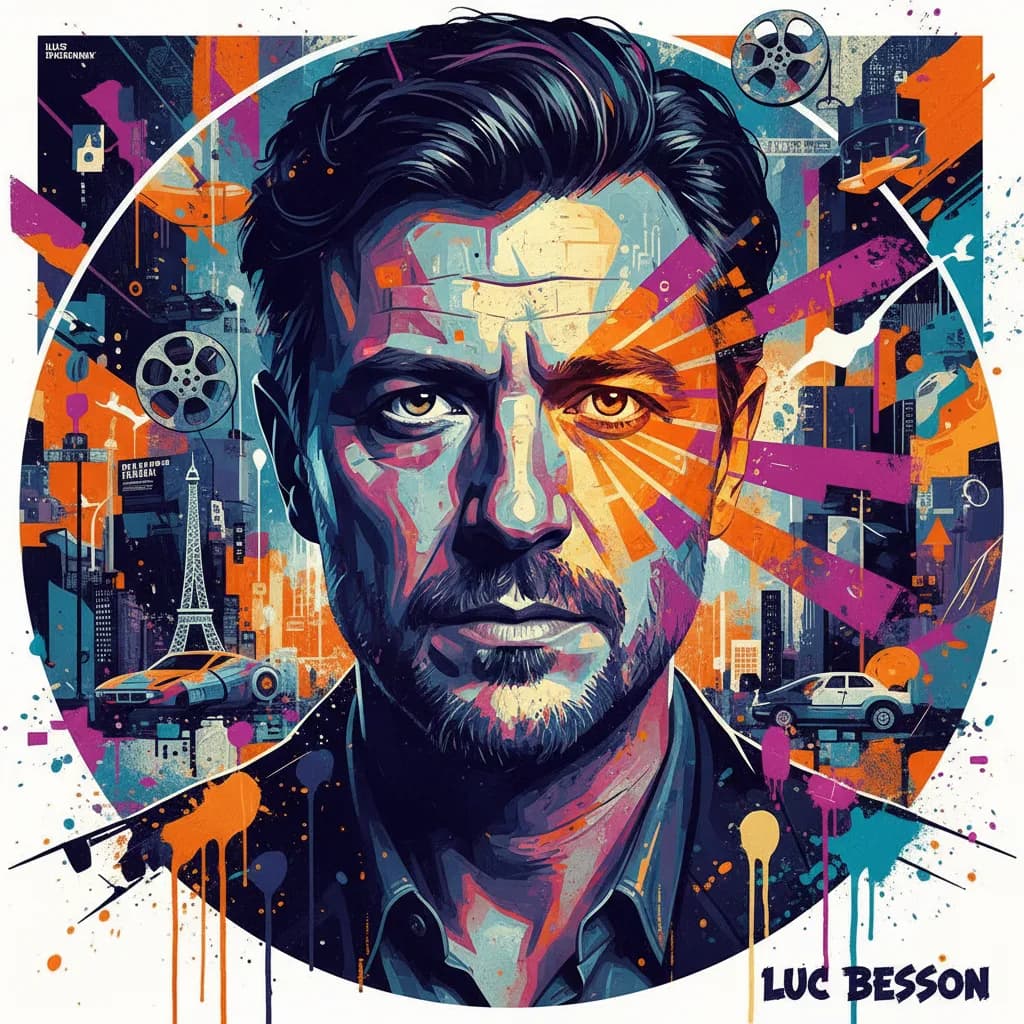
Luc Besson
Every film, ranked

Chris Columbus
Every film, ranked

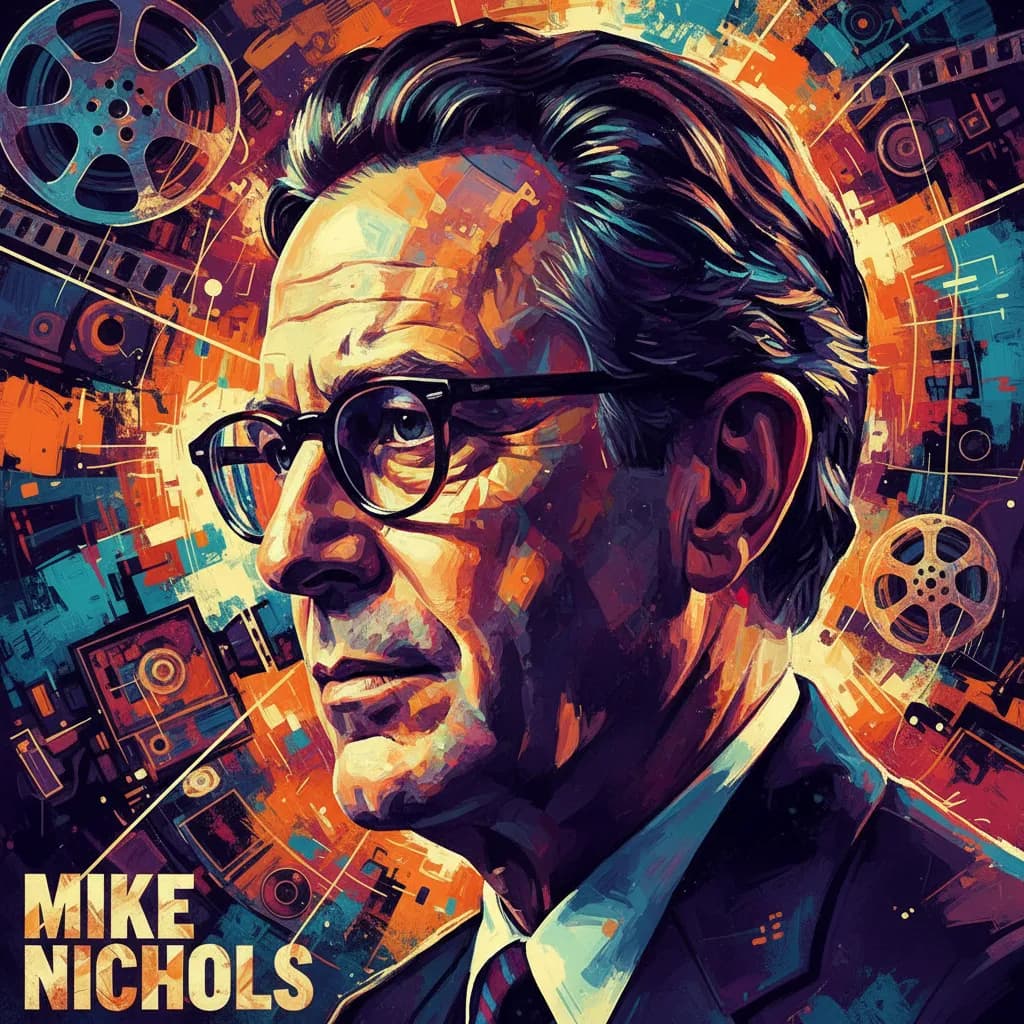
Mike Nichols
Every film, ranked

Howard Hawks
Every film, ranked

Ang Lee
Every film, ranked

Walter Hill
Every film, ranked

Gus Van Sant
Every film, ranked

William Wyler
Every film, ranked

Renny Harlin
Every film, ranked

Sidney Lumet
Every film, ranked

Tony Scott
Every film, ranked