Discover the visionary filmmakers behind cinema's greatest works.
Explore our selection of acclaimed directors and their remarkable films.
Showing 2821-2832 out of 4148

Neal Brennan is an accomplished writer, director, and comedian whose work has left an indelible mark on the entertainment industry. While he may be best known for his work as a writer on "Chappelle's Show," Brennan has also made a significant impact as a film director. In 2009, he directed "The Goods: Live Hard, Sell Hard," a comedy film that showcased his knack for blending humor with social commentary. Brennan's directorial style is characterized by sharp wit, clever dialogue, and a keen understanding of human behavior. His ability to infuse comedy with thought-provoking insights sets him apart from other directors in the genre. "The Goods: Live Hard, Sell Hard" exemplifies his unique approach, delivering laughs while also addressing themes of consumerism and the American Dream. While "The Goods: Live Hard, Sell Hard" is Brennan's sole feature film as a director, his impact on cinema extends beyond this one project. His ability to bring out the best in actors, craft compelling narratives, and deliver memorable comedic moments has solidified his reputation as a director with a distinct voice. His work continues to inspire a new generation of filmmakers, and his influence can be seen in the evolution of comedy in film and television. Brennan's directorial debut may have been a single entry in his filmography, but his contributions to the medium are undeniable. His ability to blend humor with social commentary and his unique directorial style have left a lasting impression on the industry. As the entertainment landscape continues to evolve, Brennan's legacy as a director will undoubtedly continue to resonate with audiences and filmmakers alike. In summary, Neal Brennan's foray into film direction with "The Goods: Live Hard, Sell Hard" showcased his distinct directorial style, blending comedy with astute social observations. Despite being his sole feature film, Brennan's impact on cinema is undeniable, with his work continuing to inspire and influence the industry. His unique vision and contributions have solidified his place as a significant figure in the world of comedy filmmaking.

Neal Israel is a prolific American film director, best known for his work in the comedy genre. His directorial style is marked by a keen sense of humor, irreverence, and a knack for capturing the zeitgeist of the 1980s. Israel's most notable film, "Bachelor Party" (1984), is a classic comedy that has cemented its place in pop culture as a quintessential raucous and outrageous party film. With a focus on slapstick humor and memorable one-liners, Israel's directorial approach in "Bachelor Party" perfectly encapsulates the carefree and wild spirit of the era. Throughout his career, Israel has consistently incorporated themes of friendship, mischief, and the pursuit of unadulterated fun into his films. His work often delves into the escapades of young adults navigating the complexities of relationships and adulthood, while never failing to deliver gut-busting comedic moments. Israel's impact on cinema lies in his ability to craft films that resonated with audiences, offering a blend of escapism and relatability that has stood the test of time. In addition to "Bachelor Party," Israel has contributed to various other film and television projects, demonstrating his versatility and range as a director. His work reflects a commitment to entertaining audiences while pushing the boundaries of comedic storytelling. Israel's dedication to creating memorable, laugh-out-loud moments has solidified his status as a director with a unique vision and a lasting influence on the comedy genre. Overall, Neal Israel's directorial career has left an indelible mark on the film industry, particularly within the realm of comedic storytelling. His ability to capture the essence of an era and infuse it with timeless humor has endeared him to audiences and cemented his legacy as a director with a distinct voice. As the comedy genre continues to evolve, Israel's contributions serve as a testament to the enduring power of laughter and the enduring appeal of his directorial style.

Neasa Hardiman is an Irish film director known for her distinct directorial style and storytelling prowess. Her notable film, "Sea Fever" (2019), is a gripping blend of drama, horror, and mystery that showcases her ability to craft intense, atmospheric narratives. With a background in both filmmaking and television directing, Hardiman brings a multifaceted approach to her work, infusing her projects with a keen understanding of character dynamics and a deft hand at creating tension. In "Sea Fever," Hardiman exhibits her penchant for exploring the human psyche under duress and the complexities of interpersonal relationships in the face of danger. Her directorial style is characterized by a meticulous attention to detail, effectively building a sense of unease and suspense that permeates the film. This, combined with her skillful use of visual storytelling, sets her apart as a director with a unique vision for crafting immersive cinematic experiences. Hardiman's directorial career has made a significant impact on the horror and mystery genres, as she adeptly weaves together elements of both to create a compelling and thought-provoking narrative. Her work reflects a recurring theme of humanity's struggle against unknown forces, often delving into the psychological and emotional toll of such confrontations. Through her films, she has established herself as a director who fearlessly explores the depths of human nature and the complexities of fear and survival. In the realm of Irish cinema, Neasa Hardiman's contributions have been lauded for their innovation and ability to captivate audiences. Her work has garnered attention for its ability to push boundaries and challenge traditional storytelling conventions, making her a standout figure in the film industry. With "Sea Fever," Hardiman has firmly established herself as a director with a unique perspective, and her future projects are highly anticipated as she continues to leave an indelible mark on the cinematic landscape.

Ned Benson is a talented American filmmaker known for his distinct directorial style and poignant storytelling. His notable works include the two-part film series "The Disappearance of Eleanor Rigby," which consists of "Him" (2013) and "Them" (2014). Benson's directorial approach often revolves around emotionally charged narratives, exploring the complexities of human relationships with a keen eye for intimate character development. "The Disappearance of Eleanor Rigby" showcases Benson's ability to craft multifaceted narratives that provide different perspectives on a shared story. In "Him," the story is told from the husband's point of view, while "Them" presents a combined version of both characters' experiences. This unique approach to storytelling highlights Benson's commitment to portraying the depth of human emotions and the intricacies of personal connections. Benson's directorial style is characterized by a delicate balance of raw vulnerability and introspective exploration. His films often delve into themes of love, loss, and the human experience, capturing the profound complexities of personal relationships with authenticity and sensitivity. Through his meticulous direction and evocative storytelling, Benson has established himself as a filmmaker with a distinct voice in the industry. In the realm of cinema, Benson's work has left a lasting impact by challenging traditional narrative structures and offering audiences a fresh perspective on familiar themes. His ability to capture the nuances of human emotions and interpersonal dynamics has earned him recognition as a director with a keen understanding of the human condition. With a commitment to crafting compelling, emotionally resonant stories, Ned Benson continues to make a significant contribution to the world of cinema, captivating audiences with his unique vision and artistry.

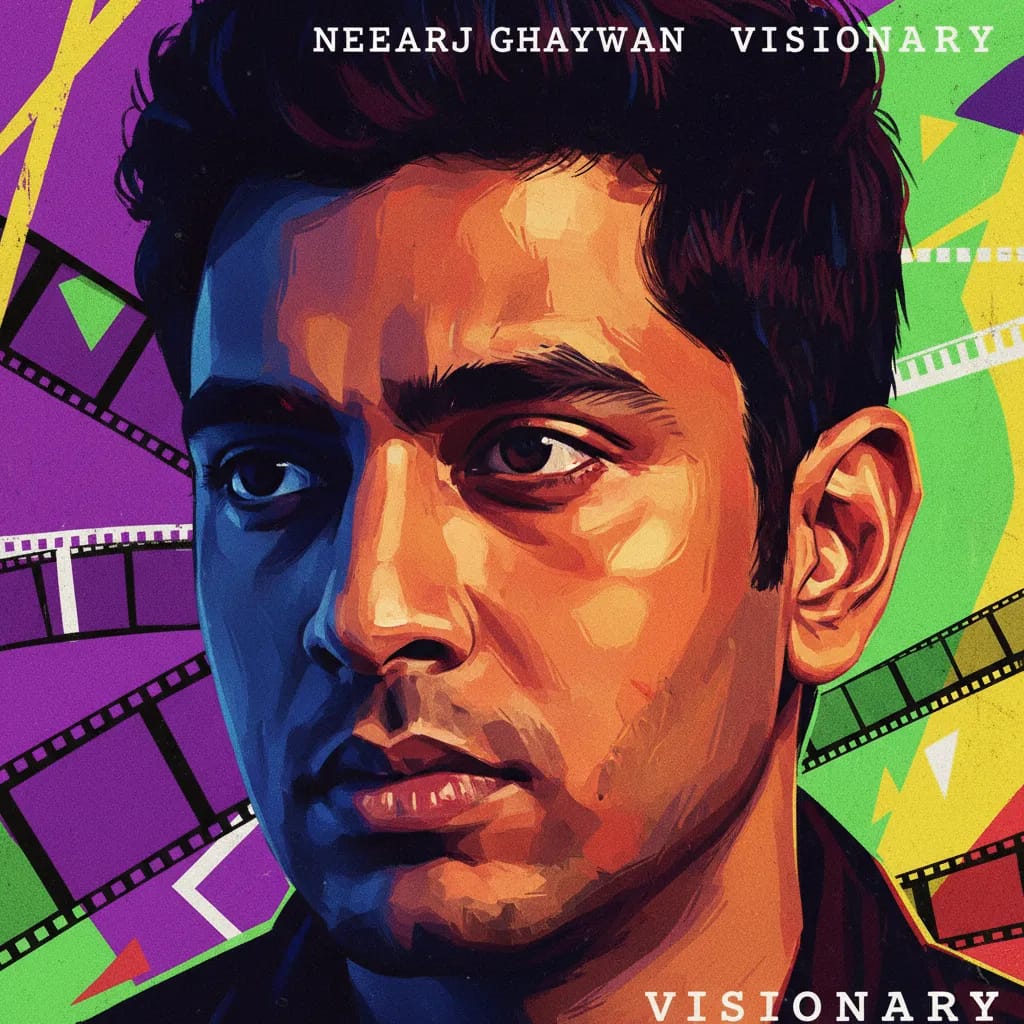
Neeraj Ghaywan is a talented Indian film director known for his thought-provoking narratives and visually captivating storytelling. His most notable work to date is the critically acclaimed drama "Masaan" (2015), which garnered widespread acclaim and established Ghaywan as a prominent voice in Indian cinema. Ghaywan's directorial style is characterized by its raw emotional depth and a keen focus on human relationships and societal issues. "Masaan" beautifully exemplifies his ability to weave together multiple narratives, delving into the lives of characters from different social strata, while expertly navigating themes of love, loss, and the complexities of modern India. His direction is marked by a poignant subtlety, allowing the audience to deeply connect with the characters and their experiences. Through "Masaan," Ghaywan adeptly explores the intersection of tradition and modernity, shedding light on the struggles and aspirations of individuals grappling with societal norms and personal desires. The film's evocative storytelling and powerful performances earned it accolades at the Cannes Film Festival, showcasing Ghaywan's ability to create cinema that resonates on a global scale. Ghaywan's impact on cinema lies in his ability to craft narratives that are both culturally specific and universally relatable. His work has contributed to the renaissance of Indian independent cinema, inspiring a new wave of filmmakers to delve into stories that authentically capture the essence of contemporary India. As Ghaywan continues to make his mark on the film industry, audiences eagerly anticipate his future projects, anticipating more thought-provoking storytelling and impactful directorial prowess that will continue to shape the landscape of Indian cinema. In summary, Neeraj Ghaywan's directorial career has been defined by his ability to craft emotionally resonant narratives that offer poignant insights into the human experience, while also addressing pressing social issues. With "Masaan," he has solidified his status as a director with a unique vision and a deep understanding of the complexities of modern India, leaving an indelible mark on the cinematic landscape.

Neeraj Pandey is a highly acclaimed Indian film director known for his gripping storytelling and astute portrayal of crime, drama, and thriller genres. With a career spanning over a decade, Pandey has made a significant impact on Indian cinema with his distinct directorial style and compelling narratives. His filmography boasts a remarkable lineup of movies, including "Special Chabbis" (2013), "Baby" (2015), "M.S. Dhoni: The Untold Story" (2016), "Special 26" (2013), and "A Wednesday" (2008), each contributing to his reputation as a master storyteller. Pandey's directorial style is characterized by meticulous attention to detail, intense character development, and a knack for creating suspenseful and immersive cinematic experiences. His films often delve into the world of crime, heists, and undercover operations, showcasing the complexities of human nature and the moral dilemmas faced by his characters. With a keen eye for authenticity and realism, Pandey's work resonates with audiences, drawing them into the intricate web of his narratives. Notable for his recurring themes of justice, patriotism, and the human spirit, Neeraj Pandey's films are deeply rooted in the social and political fabric of India. His ability to blend high-octane action with thought-provoking storytelling has set him apart as a visionary director with a finger on the pulse of contemporary issues. Through his films, Pandey has not only entertained audiences but also sparked important conversations about morality, identity, and the pursuit of truth. Neeraj Pandey's contributions to Indian cinema have been nothing short of groundbreaking. His ability to craft compelling narratives that resonate with audiences across genres has solidified his reputation as a director of immense talent and vision. With each new project, Pandey continues to push the boundaries of storytelling, cementing his status as a true auteur in the world of cinema. SEO Keywords: Neeraj Pandey, film director, Indian cinema, Special Chabbis, Baby, M.S. Dhoni: The Untold Story, Special 26, A Wednesday, directorial style, crime drama, thriller, Indian director, auteur

Neeraj Vora was an Indian film director, writer, and actor known for his work in Bollywood. With a career spanning over two decades, Vora made a significant impact on Indian cinema with his unique directorial style and storytelling prowess. His notable directorial venture, "Phir Hera Pheri" (2006), stands as a testament to his directorial capabilities and his ability to masterfully blend comedy and crime genres. Vora's directorial style was characterized by his adeptness at crafting rib-tickling comedies with a touch of mischief and a dash of crime. His films often featured a mix of slapstick humor, witty dialogues, and engaging storylines, captivating audiences with their entertainment quotient. "Phir Hera Pheri" exemplifies Vora's directorial finesse, as he skillfully orchestrated the comedic timing of the ensemble cast while seamlessly weaving in elements of crime, resulting in a box office success and earning him acclaim as a director. Throughout his career, Vora's films often revolved around themes of friendship, camaraderie, and the pursuit of wealth, all set against the backdrop of comedic chaos and criminal escapades. His storytelling was marked by its ability to resonate with audiences, offering a blend of laughter, intrigue, and relatable characters. Neeraj Vora's directorial contributions have left an indelible mark on Bollywood, enriching the industry with his comedic genius and adept direction. His knack for infusing humor into narratives with criminal undertones has solidified his position as a director with a distinct vision and storytelling prowess. In conclusion, Neeraj Vora's career as a film director was characterized by his ability to craft uproarious comedies interwoven with elements of crime, resulting in memorable and entertaining cinematic experiences. His impact on Indian cinema is evident through his notable directorial work, particularly "Phir Hera Pheri," which continues to be celebrated for its comedic brilliance and enduring appeal. Vora's unique directorial style, recurring thematic elements, and contributions to the comedy-crime genre have cemented his legacy as a celebrated filmmaker in Bollywood.

Neil Armfield is an Australian film director known for his emotionally charged, visually stunning films that often delve into complex human relationships and personal struggles. With a career spanning decades, Armfield has left an indelible mark on cinema with his poignant storytelling and unique directorial style. His notable films include "Holding the Man" (2015) and "Candy" (2006), both of which showcase his talent for crafting deeply moving narratives. Armfield's directorial style is characterized by a keen attention to detail and a masterful ability to evoke raw emotions from his audience. His films often explore themes of love, loss, and the human condition with a rare sincerity that resonates deeply with viewers. In "Holding the Man," Armfield adeptly captures the heart-wrenching true story of a love that endures through adversity, while "Candy" delves into the harrowing world of addiction and its impact on relationships. Through his films, Armfield has demonstrated a remarkable ability to bring out authentic, compelling performances from his actors, further enhancing the impact of his storytelling. His collaborations with talented actors have resulted in performances that linger in the hearts and minds of audiences long after the credits roll. Armfield's work stands as a testament to his dedication to portraying the complexities of human emotion with nuance and sensitivity. Neil Armfield's contributions to cinema have not only earned him critical acclaim but have also left a lasting impression on the industry. His films have sparked important conversations about love, identity, and the human experience, cementing his legacy as a director whose work transcends the screen. As a visionary storyteller, Armfield continues to inspire audiences and fellow filmmakers alike with his ability to craft narratives that resonate on a profound level. In conclusion, Neil Armfield's directorial career is a testament to his unwavering commitment to telling stories that touch the soul. His films stand as powerful examples of the impact of human emotion and relationships, and his unique vision has left an indelible mark on cinema. With a body of work that continues to captivate and move audiences, Armfield's legacy as a masterful director is firmly secured in the annals of film history.

Neil Burger is an accomplished film director known for his diverse range of work spanning various genres. His directorial style is characterized by a keen eye for visual storytelling, compelling narratives, and thought-provoking themes. Burger's filmography includes a mix of adventure, sci-fi, thriller, action, drama, fantasy, and comedy, showcasing his versatility as a director. One of Burger's notable films is "The Illusionist" (2006), a captivating period drama infused with fantasy and mystery. The film's intricate storytelling and mesmerizing visuals demonstrate Burger's ability to craft compelling narratives that transport audiences to a different time and place. Additionally, "Limitless" (2011) exemplifies Burger's skill in blending sci-fi elements with gripping thriller dynamics, resulting in an engaging and suspenseful cinematic experience. Burger's directorial contributions are marked by recurring themes of human potential, the nature of reality, and the pursuit of self-discovery. These themes are evident in films such as "Divergent" (2014), which explores dystopian societies and individual identity, and "The Upside" (2017), a heartwarming comedy-drama that delves into the complexities of human relationships and personal growth. His impact on cinema is underscored by his ability to create thought-provoking and visually stunning films that resonate with audiences on a profound level. Burger's unique vision and storytelling prowess have solidified his status as a director capable of delivering compelling narratives across diverse genres, leaving an indelible mark on the cinematic landscape. In conclusion, Neil Burger's directorial career is defined by a remarkable body of work that showcases his versatility, storytelling acumen, and thematic depth. His films continue to captivate audiences and underscore his enduring influence on the art of filmmaking. With a diverse filmography that spans various genres, Burger's unique vision and directorial craftsmanship have made a lasting impact on the world of cinema.

Neil Jordan is an acclaimed Irish filmmaker whose diverse career spans over four decades. He is known for his distinct directorial style and his ability to seamlessly navigate between various genres. Jordan's filmography includes a wide range of works, from thought-provoking dramas to fantastical tales and intense thrillers. His notable films have left a lasting impact on cinema, showcasing his unique vision and storytelling prowess. One of Jordan's most iconic films is "The Crying Game" (1992), which garnered widespread critical acclaim and earned him an Academy Award for Best Original Screenplay. The film's exploration of complex themes such as identity, love, and betrayal solidified Jordan's reputation as a director unafraid to tackle challenging subject matter. Additionally, "Interview with the Vampire: The Vampire Chronicles" (1994) showcased his ability to bring dark and gothic narratives to life on the big screen, further establishing his versatility as a filmmaker. Throughout his career, Jordan has exhibited a penchant for weaving intricate and emotionally resonant narratives, often delving into the human psyche and pushing the boundaries of conventional storytelling. His films frequently explore themes of love, loss, and the blurred lines between reality and fantasy. This is evident in works such as "In Dreams" (1999), "Ondine" (2009), and "Byzantium" (2012), where Jordan skillfully blends elements of drama, mystery, and fantasy to create immersive and compelling cinematic experiences. Jordan's impact on cinema extends beyond his directorial achievements, as he has consistently challenged traditional storytelling norms and brought a unique perspective to the medium. His ability to seamlessly transition between genres while maintaining a distinct directorial voice has solidified his status as a visionary filmmaker. With a filmography that spans genres and captivates audiences with its depth and complexity, Neil Jordan continues to be a revered figure in the world of cinema, leaving an indelible mark on the industry with his unparalleled storytelling prowess.

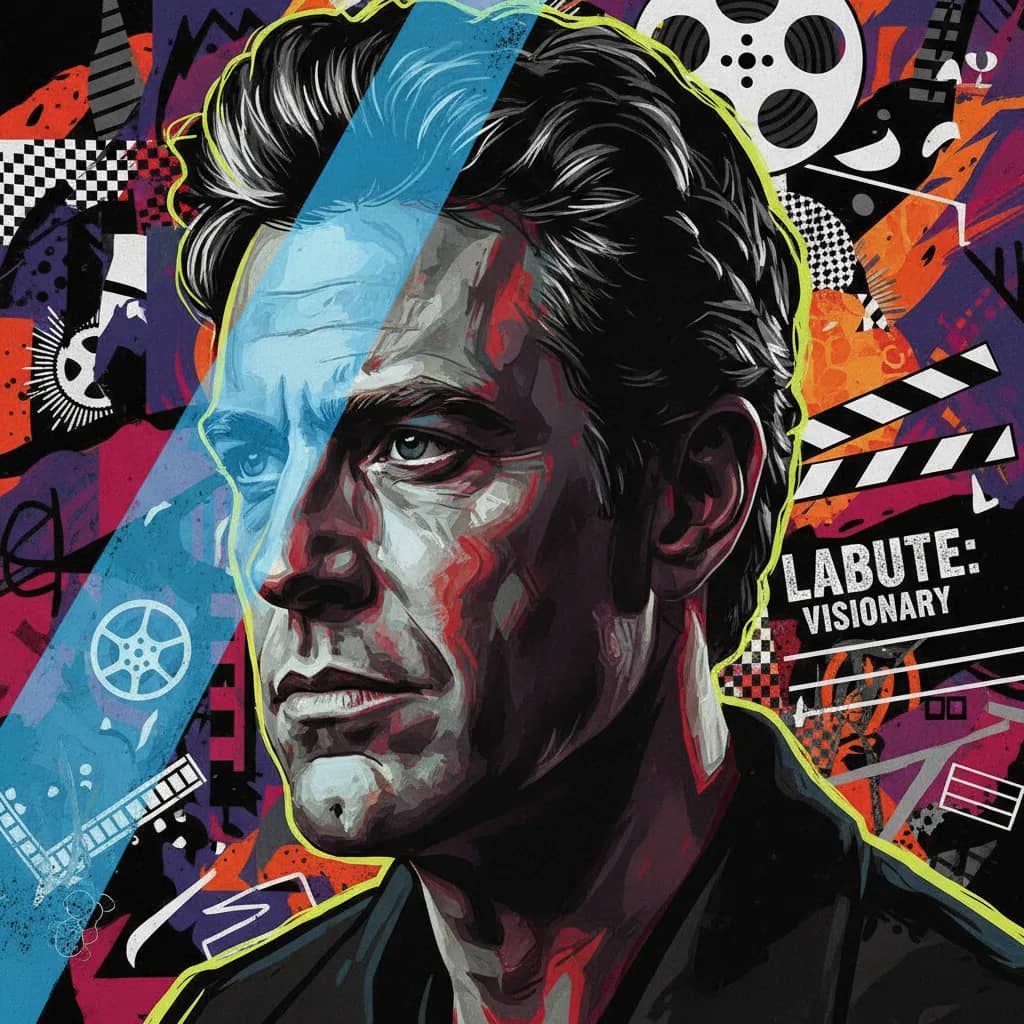
Neil LaBute is a prolific American film director known for his thought-provoking and often controversial work. With a career spanning several decades, LaBute has made a name for himself as a director with a unique vision and a penchant for exploring complex human relationships and societal issues. He first burst onto the scene with his critically acclaimed debut feature, "In the Company of Men" (1997), a dark comedy-drama that garnered widespread attention for its unflinching portrayal of toxic masculinity and power dynamics in the corporate world. LaBute's directorial style is characterized by his bold and uncompromising approach to storytelling, often delving into the darker aspects of human nature and relationships. His films are known for their sharp dialogue, intense performances, and unapologetic exploration of controversial themes. "The Shape of Things" (2003) further solidified LaBute's reputation as a filmmaker unafraid to tackle difficult subject matter, as the film delves into the complexities of love, manipulation, and personal identity. One of LaBute's most notable films is "Nurse Betty" (2000), a departure from his usual dark themes, as it is a darkly comedic crime drama that showcases his versatility as a director. The film received widespread acclaim and earned actress Renée Zellweger an Academy Award nomination for her performance. In "Lakeview Terrace" (2008), LaBute ventured into the thriller genre, delivering a tense and gripping exploration of racial tension and suburban paranoia. Throughout his career, LaBute has consistently delved into provocative and challenging subject matter, often sparking debate and reflection among audiences and critics alike. His films frequently explore themes of power, manipulation, gender dynamics, and the darker aspects of human behavior. LaBute's impact on cinema lies in his ability to fearlessly confront uncomfortable truths, sparking conversations and pushing the boundaries of traditional storytelling. In conclusion, Neil LaBute has established himself as a director with a distinctive voice and a fearless approach to storytelling. His films have left an indelible mark on the industry, challenging audiences to confront uncomfortable truths and sparking important conversations about human nature and societal dynamics. With a diverse filmography that spans various genres and themes, LaBute continues to be a bold and uncompromising force in the world of cinema.

Neill Blomkamp is a visionary South African-Canadian director known for his distinct blend of gritty realism and cutting-edge visual effects. His directorial debut, "District 9" (2009), catapulted him to international acclaim and solidified his reputation as a master storyteller with a keen eye for socially relevant narratives. Blomkamp's signature style seamlessly integrates intense action sequences with thought-provoking themes, creating a dynamic cinematic experience that resonates with audiences worldwide. In "District 9," Blomkamp expertly explores the complexities of xenophobia and apartheid, setting the stage for the director's recurring themes of societal inequality and the human condition. The film's innovative use of documentary-style camerawork and seamless CGI garnered widespread critical praise, earning Blomkamp an Academy Award nomination for Best Picture. This breakthrough success laid the foundation for his subsequent ventures, including "Elysium" (2013) and "Chappie" (2015). Blomkamp's sophomore feature, "Elysium," continued to showcase his knack for blending high-octane action with socially conscious storytelling. The film's dystopian depiction of class division and healthcare disparity in a futuristic world served as a compelling backdrop for its adrenaline-pumping set pieces. Similarly, "Chappie" delved into the ethical implications of artificial intelligence and humanity's capacity for empathy, cementing Blomkamp's reputation as a filmmaker unafraid to tackle thought-provoking subjects within the framework of blockbuster entertainment. With an unparalleled ability to seamlessly weave together compelling narratives and groundbreaking visual effects, Blomkamp has left an indelible mark on the film industry. His unique directorial vision continues to influence a new generation of filmmakers, inspiring them to push the boundaries of storytelling and technology. As he continues to evolve as a director, audiences eagerly anticipate the next groundbreaking work from this cinematic trailblazer. Key SEO terms: Neill Blomkamp, film director, District 9, Elysium, Chappie, directorial style, recurring themes, impact on cinema, visionary filmmaker, socially relevant narratives.
Every film by the greats, ranked by our TML Score.

Christopher Nolan
Every film, ranked

Quentin Tarantino
Every film, ranked

Stanley Kubrick
Every film, ranked

Martin Scorsese
Every film, ranked

Steven Spielberg
Every film, ranked

Alfred Hitchcock
Every film, ranked

David Fincher
Every film, ranked

Denis Villeneuve
Every film, ranked

Wes Anderson
Every film, ranked

Paul Thomas Anderson
Every film, ranked

Ridley Scott
Every film, ranked

Tim Burton
Every film, ranked

Guillermo del Toro
Every film, ranked

Hayao Miyazaki
Every film, ranked

Akira Kurosawa
Every film, ranked

Francis Ford Coppola
Every film, ranked

Clint Eastwood
Every film, ranked

Bong Joon Ho
Every film, ranked

Woody Allen
Every film, ranked

Steven Soderbergh
Every film, ranked

Ron Howard
Every film, ranked

Pedro Almodóvar
Every film, ranked

Richard Linklater
Every film, ranked

Roman Polanski
Every film, ranked

Brian De Palma
Every film, ranked

Ingmar Bergman
Every film, ranked

Oliver Stone
Every film, ranked

David Cronenberg
Every film, ranked

Robert Zemeckis
Every film, ranked

Barry Levinson
Every film, ranked

John Carpenter
Every film, ranked

Joel Schumacher
Every film, ranked

Billy Wilder
Every film, ranked

Rob Reiner
Every film, ranked

Neil Jordan
Every film, ranked

Spike Lee
Every film, ranked

Ivan Reitman
Every film, ranked

John Woo
Every film, ranked

Lasse Hallström
Every film, ranked

Stephen Frears
Every film, ranked

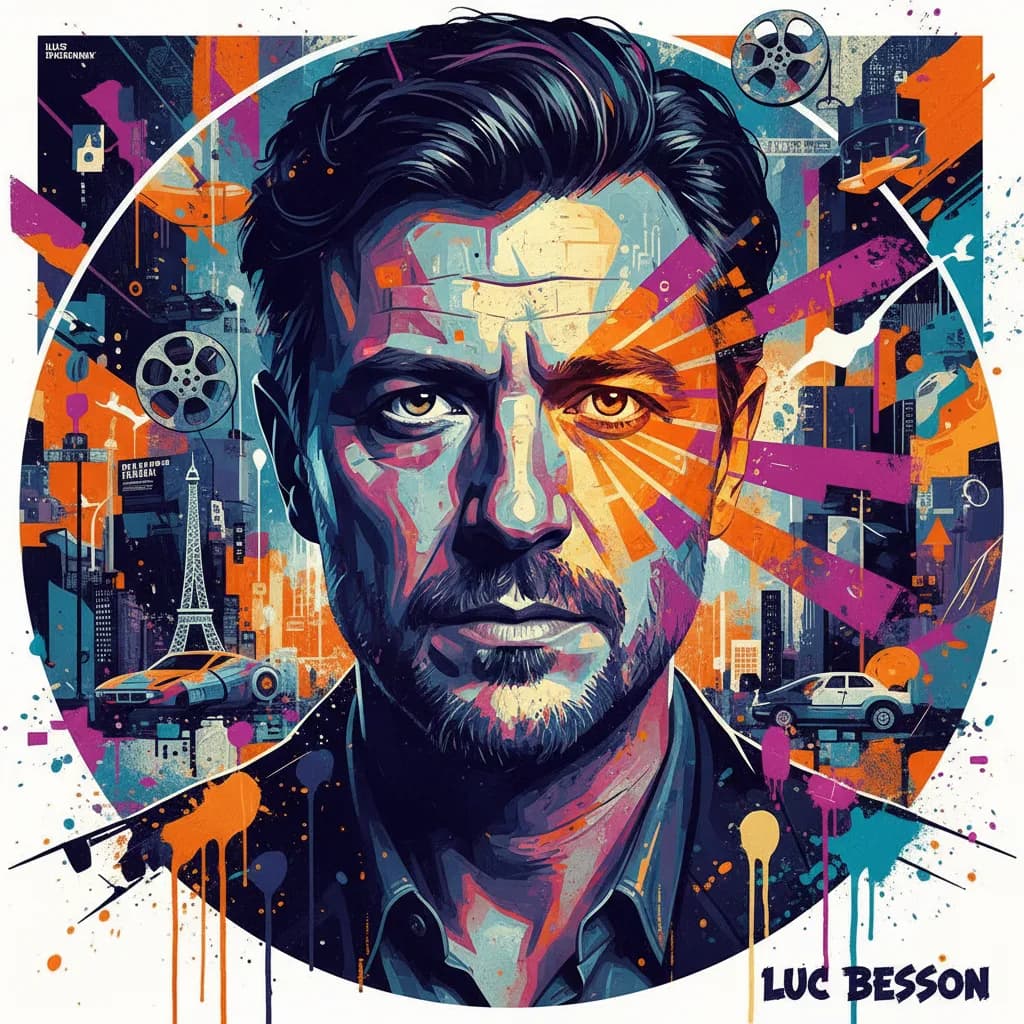
Luc Besson
Every film, ranked

Chris Columbus
Every film, ranked

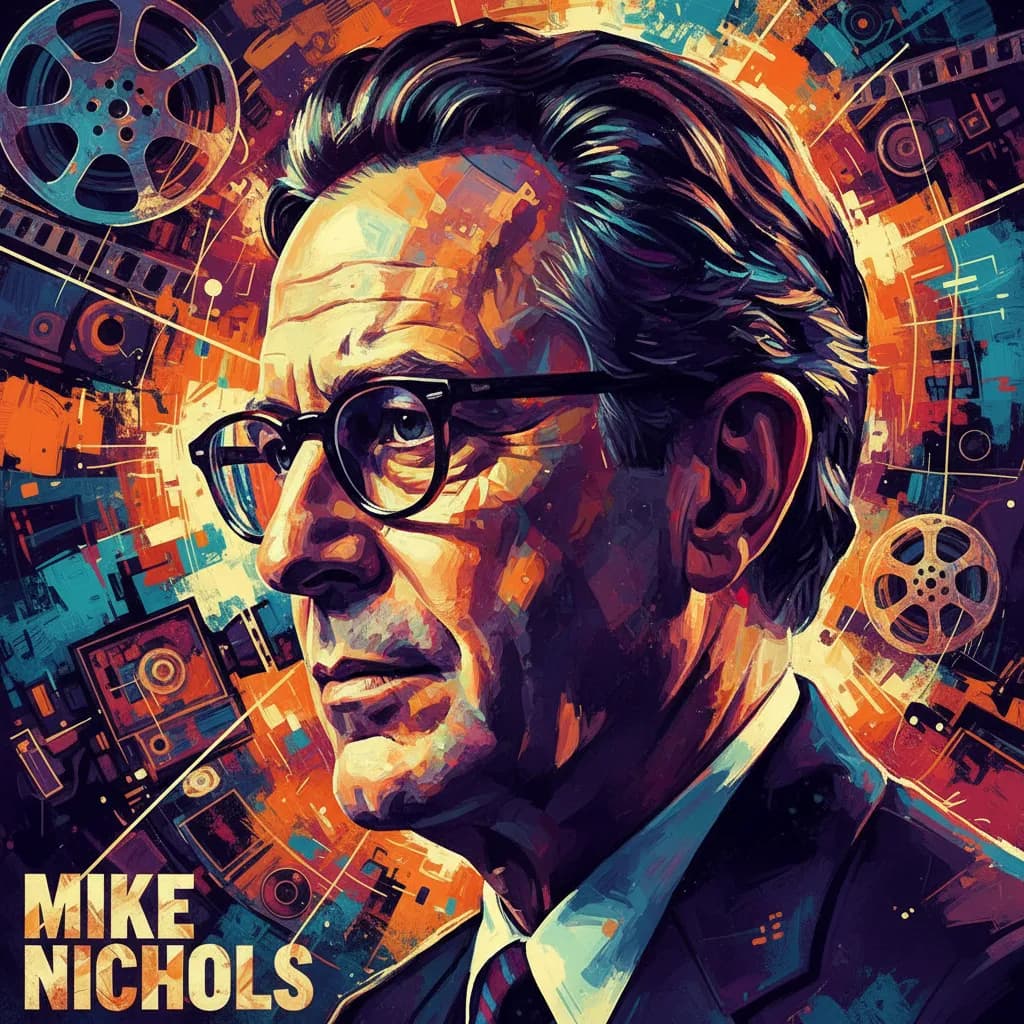
Mike Nichols
Every film, ranked

Howard Hawks
Every film, ranked

Ang Lee
Every film, ranked

Walter Hill
Every film, ranked

Gus Van Sant
Every film, ranked

William Wyler
Every film, ranked

Renny Harlin
Every film, ranked

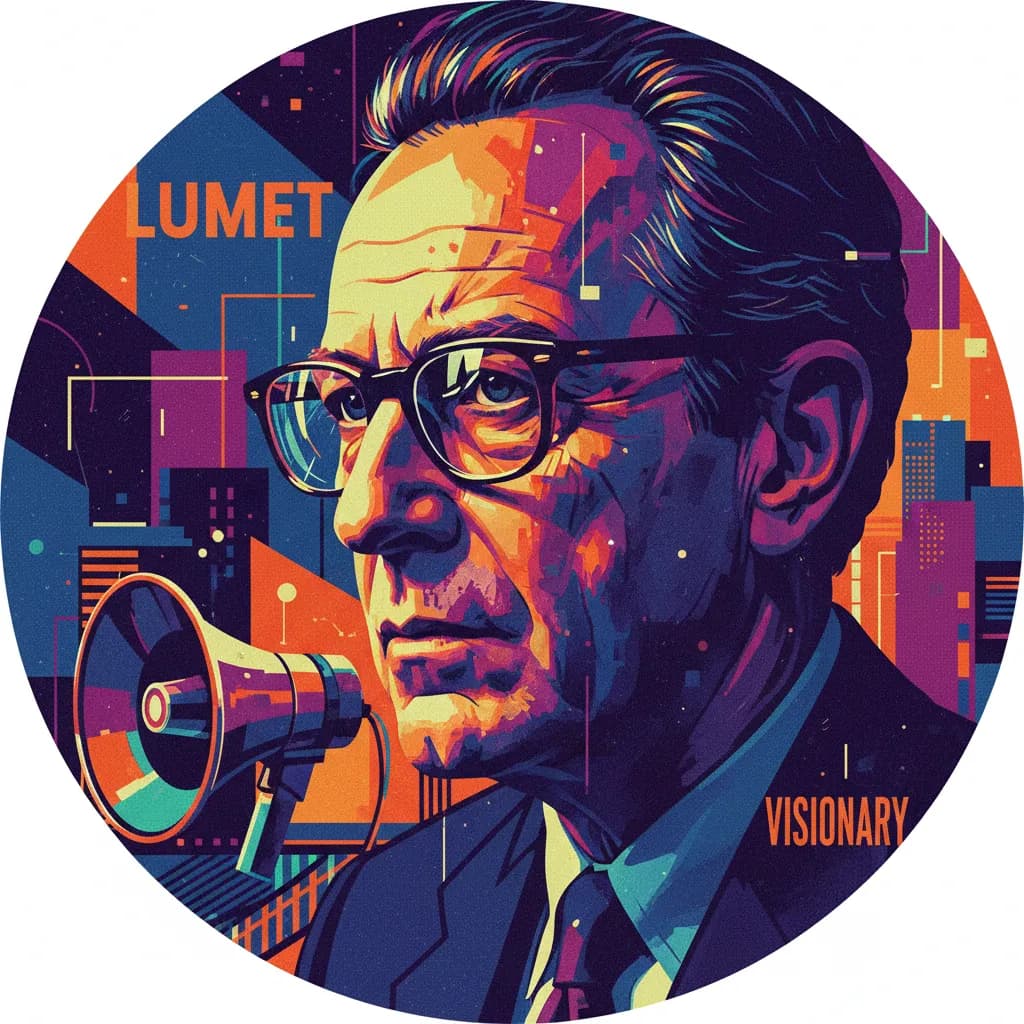
Sidney Lumet
Every film, ranked

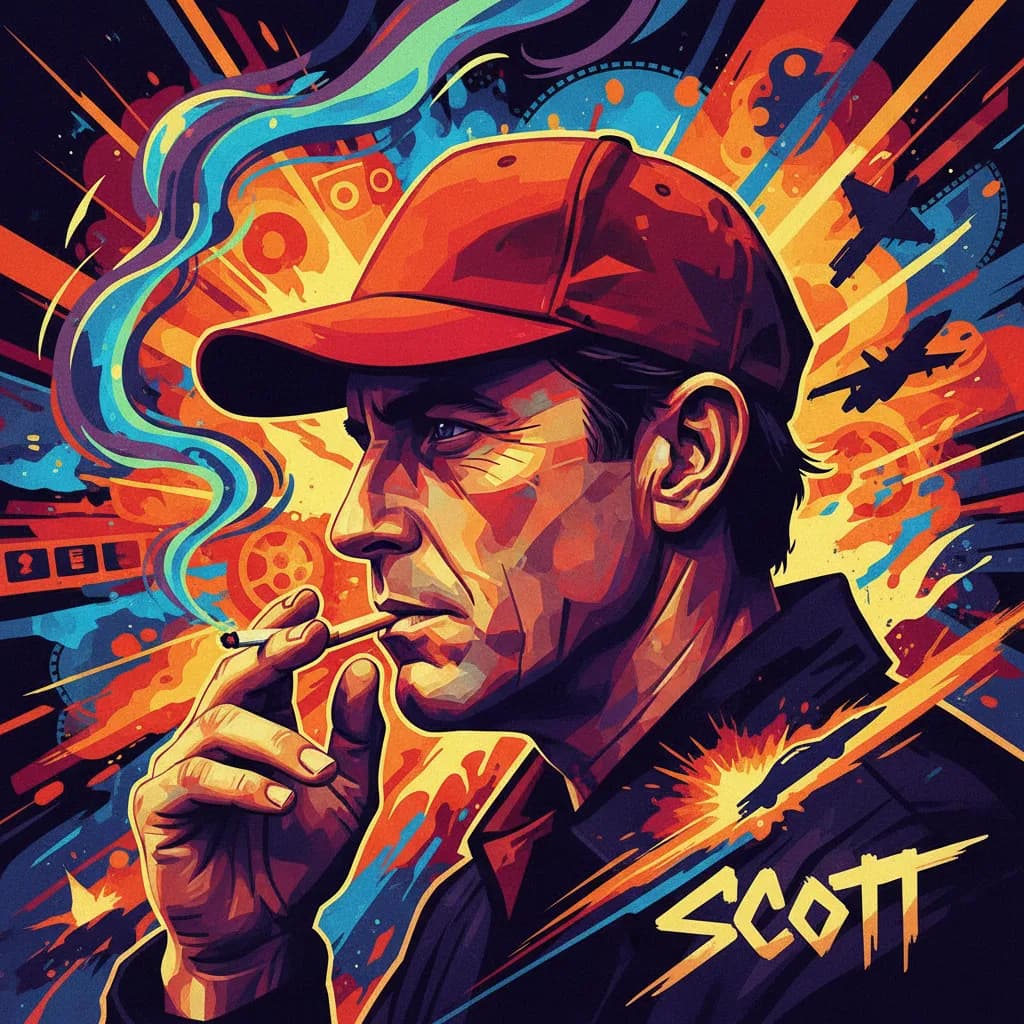
Tony Scott
Every film, ranked