Discover the visionary filmmakers behind cinema's greatest works.
Explore our selection of acclaimed directors and their remarkable films.
Showing 2785-2796 out of 4148

Morton DaCosta was an American film director best known for his work in the late 1950s and early 1960s. His directorial style was marked by a keen sense of humor, a flair for capturing the essence of bygone eras, and a meticulous attention to detail. DaCosta's noteworthy films include "Auntie Mame" (1958) and "The Music Man" (1962), both of which showcase his ability to blend comedy, drama, and music into captivating cinematic experiences. "Auntie Mame" remains one of DaCosta's most celebrated works, featuring a tour-de-force performance by Rosalind Russell as the eccentric and vivacious Mame Dennis. The film's vibrant portrayal of 1920s and 1930s New York City, coupled with DaCosta's adept direction, established it as a timeless classic. "The Music Man," another beloved production, further demonstrated DaCosta's talent for bringing Broadway musicals to the big screen with infectious energy and charm. Throughout his career, DaCosta displayed a penchant for weaving themes of nostalgia, resilience, and the human spirit into his films. His keen eye for period details and ability to infuse his work with a sense of timelessness set him apart as a director with a distinctive vision. DaCosta's impact on cinema is evident in the enduring popularity of his films, which continue to resonate with audiences and inspire new generations of filmmakers. Morton DaCosta's contributions to the film industry have left an indelible mark, showcasing his ability to bring stories to life with wit, heart, and a touch of old-fashioned glamour. His directorial legacy endures as a testament to his creative prowess and enduring influence on the art of storytelling through film.


Motonori Sakakibara is a highly acclaimed Japanese film director, best known for his groundbreaking work in the animation genre. With a career spanning decades, Sakakibara has left an indelible mark on the industry through his visionary approach to storytelling and animation. His most notable film, "Final Fantasy: The Spirits Within" (2001), is a testament to his directorial prowess and innovative techniques in the realm of animated action-adventure films. Sakakibara's directorial style is characterized by a seamless fusion of cutting-edge animation technology and captivating narratives that captivate audiences of all ages. His meticulous attention to detail and commitment to pushing the boundaries of visual storytelling have established him as a trailblazer in the animation industry. "Final Fantasy: The Spirits Within" stands as a testament to Sakakibara's ability to create immersive, visually stunning worlds that transport viewers to new realms of imagination. One of Sakakibara's recurring themes is the exploration of the human condition within fantastical settings, as evidenced by his work on "Final Fantasy: The Spirits Within." Through his visionary direction, Sakakibara delves into the complexities of human emotions and relationships, even within the context of a high-octane action-adventure narrative. His ability to infuse depth and humanity into his characters has resonated with audiences worldwide, solidifying his reputation as a director with a keen understanding of the human experience. Sakakibara's impact on cinema extends far beyond his individual filmography, as he has played a pivotal role in shaping the evolution of animation as a cinematic art form. His innovative use of cutting-edge animation techniques has set new standards for visual storytelling, inspiring a new generation of filmmakers to push the boundaries of what is possible in the realm of animated filmmaking. Sakakibara's enduring legacy as a director lies in his unwavering commitment to pushing the envelope and redefining the possibilities of animation on the silver screen. In conclusion, Motonori Sakakibara's career as a film director has been defined by his visionary approach to animation and storytelling. With "Final Fantasy: The Spirits Within," he has solidified his status as a groundbreaking director who continues to inspire and influence the future of animated cinema. His unique vision and contributions to the art of filmmaking have left an indelible mark on the industry, cementing his legacy as a true pioneer in the world of animation.

Moustapha Akkad was a visionary film director known for his compelling storytelling and powerful portrayal of historical and biographical narratives. Born in Aleppo, Syria, in 1930, Akkad's career in the film industry spanned several decades and left an indelible mark on cinema. His directorial style was characterized by meticulous attention to detail, nuanced character development, and a profound commitment to historical accuracy. Akkad's most notable directorial works include "The Message" (1976) and "The Lion of the Desert." "The Message" is a groundbreaking biographical, drama, and historical film that chronicles the life of the Prophet Muhammad. The film garnered widespread acclaim for its respectful and authentic portrayal of Islamic history and its pivotal role in shaping global perceptions of the religion. "The Lion of the Desert" is another biographical drama that depicts the heroic resistance of Libyan leader Omar Mukhtar against Italian colonial forces. Both films showcase Akkad's unparalleled ability to capture the essence of historical events and figures with profound emotional resonance. Throughout his career, Akkad's films often revolved around themes of resilience, courage, and the pursuit of justice in the face of oppression. His directorial vision was characterized by a deep reverence for the human spirit and an unwavering commitment to presenting untold stories from diverse cultural perspectives. Akkad's impact on cinema extended beyond his directorial achievements, as he played a pivotal role in bridging cultural gaps and fostering greater understanding through the medium of film. Moustapha Akkad's legacy as a director continues to inspire audiences and aspiring filmmakers worldwide. His dedication to authenticity and his ability to transcend cultural barriers through storytelling cemented his status as a trailblazing director. With a filmography that remains timeless in its relevance and significance, Akkad's contributions to cinema remain an enduring testament to the power of storytelling and the universal resonance of human experiences.

Mrighdeep Lamba is an Indian film director known for his exceptional storytelling and directorial prowess. He made his directorial debut with the 2013 film "Fukrey," a comedy-drama that received widespread acclaim for its fresh and engaging narrative. With a keen eye for blending humor and drama, Lamba carved a niche for himself in the Indian film industry. Lamba's directorial style is characterized by his ability to infuse relatable characters with witty dialogues and situational humor. "Fukrey" showcased his knack for capturing the essence of youth culture and aspirations, resonating with audiences of all ages. The film's success cemented Lamba's reputation as a director with a finger on the pulse of contemporary storytelling. "Fukrey" not only showcased Lamba's directorial prowess but also exhibited his ability to seamlessly weave together elements of comedy, drama, and romance. His films often delve into the lives of ordinary individuals, portraying their dreams, struggles, and triumphs with authenticity and empathy. Lamba's unique approach to storytelling has left an indelible mark on Indian cinema, inspiring a new wave of filmmakers to explore similar themes and narratives. Lamba's impact on cinema extends beyond his directorial achievements, as he has become a beacon for aspiring filmmakers looking to break new ground in storytelling. His ability to create compelling narratives that resonate with a diverse audience has solidified his position as a visionary director. With a promising career ahead, Mrighdeep Lamba continues to be a force to be reckoned with in the world of Indian cinema, captivating audiences with his unique vision and storytelling prowess.

Mukesh Chhabra is a rising star in the world of Indian cinema, known for his exceptional directorial skills and keen eye for storytelling. His directorial debut came in 2020 with the release of "Dil Bechara," a heartwarming romantic drama that captured the hearts of audiences worldwide. Chhabra's directorial style is characterized by his ability to infuse emotion and depth into his narratives, creating an immersive experience for viewers. "Dil Bechara" stands as a testament to Chhabra's directorial prowess, seamlessly blending elements of comedy, drama, and romance to deliver a touching and memorable cinematic experience. The film's poignant portrayal of love and loss resonated deeply with audiences, cementing Chhabra's reputation as a director with a unique ability to capture the complexities of human emotion on screen. Chhabra's notable film "Dil Bechara" is a testament to his ability to craft compelling narratives that transcend cultural boundaries and touch the hearts of viewers. His directorial debut has left an indelible mark on Indian cinema, showcasing his talent for bringing stories to life with authenticity and sincerity. Chhabra's work reflects a deep understanding of the human experience, and his ability to translate this understanding into captivating storytelling has earned him a well-deserved place among the most promising directors in the industry. Mukesh Chhabra's impact on cinema extends beyond his directorial achievements, as he continues to inspire and influence emerging filmmakers with his visionary approach to storytelling. His dedication to authentic and emotive storytelling has set a new standard for cinematic excellence, and his contributions to the world of film are sure to leave a lasting legacy for years to come. As Chhabra's career continues to flourish, audiences can eagerly anticipate the next chapter in his journey as a director, confident in the knowledge that his unique vision will continue to shape and enrich the world of cinema.

Mukunda Michael Dewil made his mark on the film industry with his gripping directorial debut in "Vehicle 19" (2013), a high-octane action thriller that showcased his talent for creating intense and suspenseful cinematic experiences. Dewil's directorial style is marked by a keen eye for detail, a penchant for weaving intricate narratives, and a knack for building tension that keeps audiences on the edge of their seats. His ability to infuse adrenaline-pumping action sequences with compelling character development sets him apart as a director with a distinct vision. "Vehicle 19" exemplifies Dewil's directorial prowess, featuring a gripping storyline that unfolds within the confines of a single setting—an approach that demonstrates his ability to maximize suspense and create an immersive experience for viewers. The film's success catapulted Dewil into the spotlight and established him as a director to watch in the action and thriller genres. Dewil's work often explores themes of survival, betrayal, and the human capacity for resilience in the face of adversity. His films delve into the complexities of human nature, portraying characters who are pushed to their limits and forced to confront their inner demons. Through his unique storytelling and directorial finesse, Dewil has made a notable impact on cinema, captivating audiences with his distinctive approach to storytelling and his ability to deliver pulse-pounding entertainment. As Dewil continues to expand his directorial repertoire, audiences can anticipate more thrilling and thought-provoking films that showcase his signature style and cement his status as a visionary filmmaker. With a keen understanding of the nuances of the action and thriller genres, Dewil's contributions to the world of cinema are sure to leave a lasting impression on audiences and fellow filmmakers alike.

Mustafa Altioklar is a prominent Turkish film director known for his distinctive style and thought-provoking storytelling. With a career spanning several decades, Altioklar has left an indelible mark on the world of cinema. He gained widespread recognition for his 1997 film "Cholera Street," a compelling blend of crime, drama, and romance that showcased his adeptness at weaving complex narratives and delving into the human psyche. Altioklar's directorial style is characterized by a keen focus on human emotions and interpersonal relationships, often delving into the darker aspects of the human experience. His films are known for their evocative storytelling, compelling character development, and poignant exploration of societal issues. With "Cholera Street," Altioklar demonstrated his ability to seamlessly intertwine multiple genres, creating a rich tapestry of emotions that resonated with audiences and critics alike. Throughout his career, Altioklar has consistently addressed themes such as love, betrayal, and the struggle for redemption, captivating viewers with his insightful exploration of the human condition. His work has had a profound impact on Turkish cinema, influencing a new generation of filmmakers and setting a high standard for storytelling and visual artistry. Altioklar's ability to infuse his films with emotional depth and authenticity has solidified his reputation as a director with a unique vision and a compelling storytelling prowess. As a director, Mustafa Altioklar continues to inspire and challenge audiences, pushing the boundaries of conventional storytelling and offering a fresh perspective on the complexities of human relationships. His contributions to film have cemented his status as a visionary director, and his body of work stands as a testament to his enduring influence on the cinematic landscape. Whether through his exploration of societal issues or his intimate portrayal of human emotions, Altioklar's films continue to leave a lasting impression, solidifying his legacy as a master storyteller in the world of cinema.

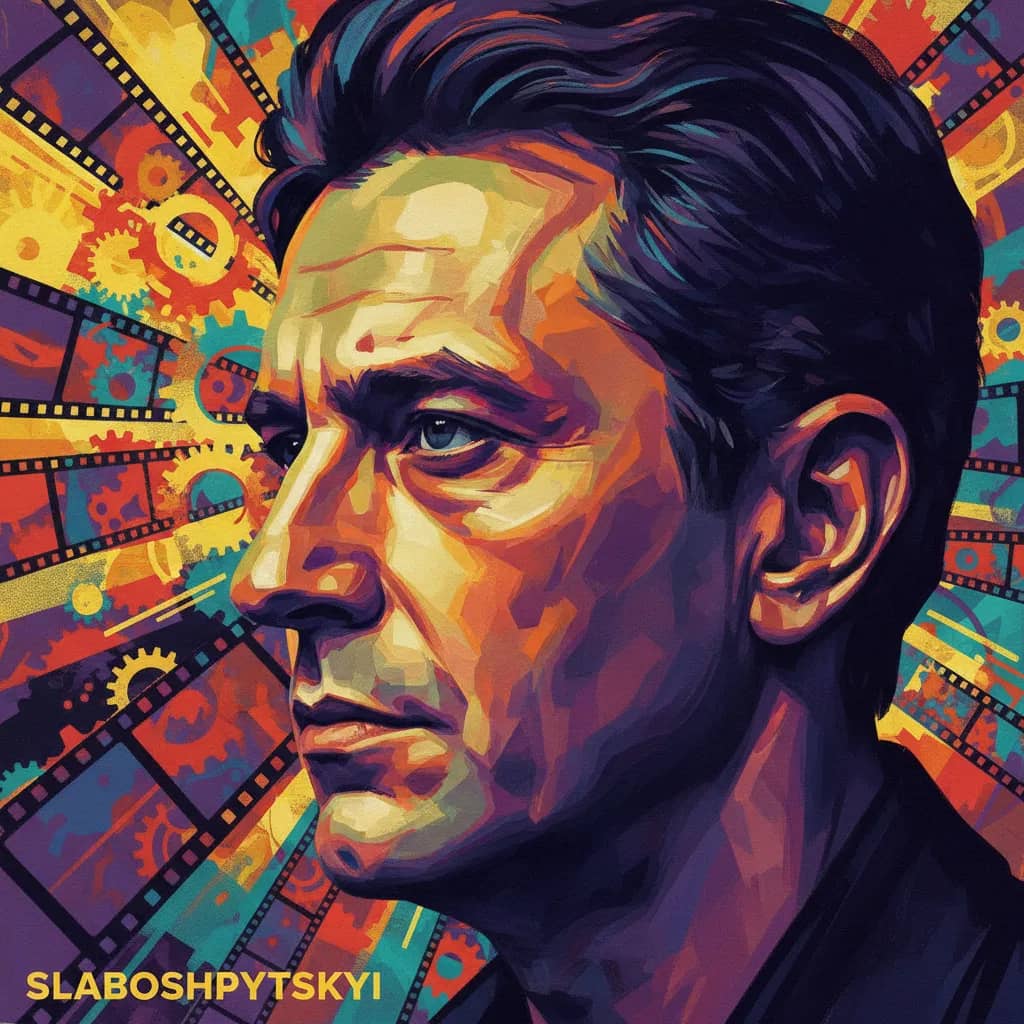
Myroslav Slaboshpytskyi is a Ukrainian director who has made a significant impact on world cinema with his unique directorial style and thought-provoking films. Slaboshpytskyi gained international acclaim with his groundbreaking debut feature, "The Tribe" (2014). This film, set in a Ukrainian boarding school for the deaf, is characterized by its innovative use of sign language without subtitles or voiceover, effectively immersing audiences in the silent world of the characters. The raw and unflinching portrayal of violence and power struggles within the school earned Slaboshpytskyi widespread recognition and numerous awards, establishing him as a bold and uncompromising filmmaker. Slaboshpytskyi's directorial style is characterized by long, unbroken takes and an unflinching gaze into the darker aspects of human nature. His films often delve into themes of power dynamics, isolation, and the human struggle for connection and understanding. Through his distinct visual storytelling and immersive sound design, Slaboshpytskyi creates an intense and visceral cinematic experience that challenges traditional storytelling conventions. "The Tribe" not only garnered critical acclaim but also solidified Slaboshpytskyi's reputation as a director unafraid to push boundaries and explore unconventional narrative techniques. His work has had a profound impact on world cinema, inspiring discussions about the power of visual storytelling and the potential for cinema to transcend linguistic barriers. As one of the most prominent voices in contemporary Ukrainian cinema, Slaboshpytskyi continues to captivate audiences with his uncompromising vision and uncompromising storytelling. His films have demonstrated a commitment to exploring the human condition in all its complexities, earning him a dedicated following and cementing his status as a visionary director whose work transcends language and culture. With his groundbreaking approach to storytelling and his fearless exploration of challenging subject matter, Slaboshpytskyi has left an indelible mark on the world of cinema and continues to be a director to watch in the years to come.

Nabwana I.G.G., also known as Isaac Godfrey Geoffrey Nabwana, is a Ugandan filmmaker and director whose work has garnered international attention for its unique blend of action, crime, and mystery genres. Nabwana's most notable film, "Who Killed Captain Alex?" (2010), has gained a cult following for its low-budget, high-energy approach to filmmaking. His directorial style is characterized by a fearless embrace of DIY filmmaking techniques, often utilizing limited resources to create visually stunning and action-packed narratives. Nabwana's films often feature a mix of thrilling action sequences, gritty crime elements, and intriguing mystery plots, all set against the backdrop of Uganda's urban landscapes. His work frequently explores themes of justice, corruption, and the resilience of the human spirit in the face of adversity. Despite the challenges of working with minimal funding and equipment, Nabwana's films are known for their raw authenticity and unapologetic storytelling. Nabwana's impact on cinema extends beyond his filmography, as he is also the founder of Wakaliwood, a grassroots film studio in Uganda that has become a hub for independent filmmaking in East Africa. Through Wakaliwood, Nabwana has inspired and mentored aspiring filmmakers, fostering a new generation of talent in the region. His dedication to showcasing Ugandan stories and talent has helped put African cinema on the global stage, earning him recognition as a pioneer in the industry. In summary, Nabwana I.G.G.'s directorial career is a testament to the power of passion and creativity in filmmaking. His bold and innovative approach to storytelling, coupled with his commitment to uplifting African cinema, has solidified his place as a trailblazer in the world of independent filmmaking. As audiences continue to seek out fresh and authentic voices in cinema, Nabwana's work stands as a testament to the enduring impact of visionary directors.

Nacho Cerdá is a Spanish film director known for his work in the horror genre, particularly for his acclaimed film "The Abandoned" (2006). Cerdá's directorial style is characterized by a meticulous attention to atmosphere and a penchant for creating intense, visceral experiences for the audience. His films often delve into the depths of human psychology and explore the macabre with a distinct visual flair. "The Abandoned" marked Cerdá's directorial debut and quickly established him as a formidable talent in the horror genre. The film follows an American film producer who travels to Russia to discover the dark secrets of her family history, only to find herself trapped in a haunted house. Cerdá's masterful use of tension-building and his ability to create a sense of foreboding unease throughout the film garnered critical acclaim and solidified his reputation as a director to watch. Throughout his career, Cerdá has demonstrated a knack for crafting haunting, atmospheric visuals that linger in the minds of audiences long after the credits roll. His films often explore themes of isolation, existential dread, and the blurred boundaries between reality and nightmare. Cerdá's unique approach to storytelling and his ability to tap into primal fears have left an indelible mark on the horror genre, influencing a new generation of filmmakers. Nacho Cerdá's impact on cinema is undeniable, as he continues to be celebrated for his contributions to the horror genre. His work stands as a testament to his ability to elicit genuine scares and provoke thought-provoking introspection, cementing his status as a visionary director with a distinct and chilling cinematic voice. With a growing legacy in the horror genre, Cerdá remains a director whose films are eagerly anticipated by horror enthusiasts and cinephiles alike.

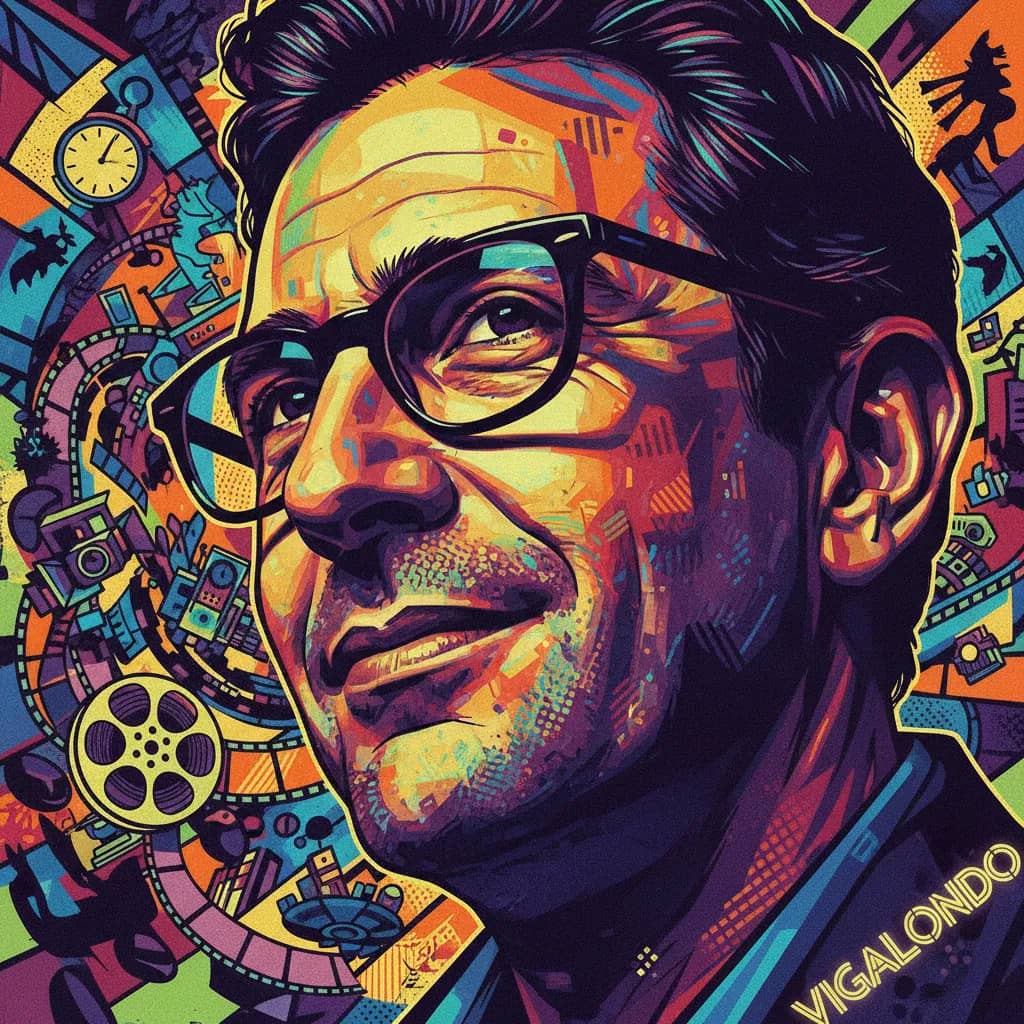
Nacho Vigalondo is a Spanish filmmaker known for his distinct directorial style and innovative storytelling. He burst onto the international film scene with his debut feature, "Timecrimes" (2007), a mind-bending horror, mystery, and sci-fi film that garnered critical acclaim for its intricate narrative and clever use of time travel. This debut firmly established Vigalondo as a director with a penchant for crafting thought-provoking and visually arresting cinema. In 2014, Vigalondo further showcased his directorial prowess with "Open Windows," a gripping crime, mystery, and thriller that further solidified his reputation as a master of suspense and tension. The film's intricate plot and meticulous attention to detail underscored Vigalondo's ability to captivate audiences with his unique storytelling techniques. However, it was "Colossal" (2016) that truly showcased Vigalondo's versatility as a director. This genre-bending comedy, drama, and fantasy film delivered a fresh and imaginative take on the kaiju genre, blending poignant human drama with larger-than-life spectacle. With "Colossal," Vigalondo demonstrated his ability to seamlessly blend genres while delving into complex themes with a deft touch. Vigalondo's directorial style is characterized by his bold, boundary-pushing approach to storytelling, often blending diverse genres to create wholly original cinematic experiences. His films frequently explore themes of identity, consequence, and the human condition, inviting audiences to ponder existential questions while being thoroughly entertained. Vigalondo's impact on cinema lies in his ability to push the boundaries of conventional storytelling and offer audiences a glimpse into his vivid imagination. Through his visually stunning and intellectually stimulating films, he has carved a niche for himself as a visionary director unafraid to challenge traditional norms and elevate the art of storytelling on the silver screen. With a growing body of work that continues to captivate and surprise audiences, Nacho Vigalondo remains a director to watch, as he continues to shape the landscape of contemporary cinema with his unparalleled creativity and visionary storytelling.

Nadine Labaki is a Lebanese film director, actress, and writer whose work has garnered international acclaim for its powerful storytelling and unique directorial style. Labaki first made waves with her directorial debut, "Caramel" in 2007, a heartwarming comedy-drama that explored the lives of five Lebanese women in a beauty salon. The film was praised for its portrayal of female relationships and its intimate look into the lives of its characters. In 2011, Labaki continued to make waves with "Where Do We Go Now?" a film that showcased her ability to seamlessly blend comedy and drama while tackling weighty social and political issues. The film, which revolves around a group of women in a remote Lebanese village who try to prevent their men from engaging in sectarian violence, received critical acclaim for its powerful message and strong performances. Labaki reached new heights of success with her 2018 film "Capernaum," a deeply moving drama about a young boy who sues his parents for giving him life. The film received widespread recognition, including a nomination for the Academy Award for Best Foreign Language Film. Labaki's directorial style, characterized by her ability to infuse raw emotion and authenticity into her storytelling, has solidified her as a visionary director with a distinctive voice in world cinema. Her films often explore themes of social injustice, women's empowerment, and the resilience of the human spirit, resonating with audiences worldwide. Labaki's impact on cinema extends far beyond her storytelling prowess, as she has become a trailblazer for female directors in the Middle East and a powerful voice for underrepresented communities in the film industry. Nadine Labaki's contributions to cinema have left an indelible mark, earning her a reputation as one of the most influential and talented directors in the industry. With a career marked by critically acclaimed films that resonate with audiences on a profound level, Labaki continues to push boundaries and inspire filmmakers around the world with her unique vision and storytelling prowess.
Every film by the greats, ranked by our TML Score.

Christopher Nolan
Every film, ranked

Quentin Tarantino
Every film, ranked

Stanley Kubrick
Every film, ranked

Martin Scorsese
Every film, ranked

Steven Spielberg
Every film, ranked

Alfred Hitchcock
Every film, ranked

David Fincher
Every film, ranked

Denis Villeneuve
Every film, ranked

Wes Anderson
Every film, ranked

Paul Thomas Anderson
Every film, ranked

Ridley Scott
Every film, ranked

Tim Burton
Every film, ranked

Guillermo del Toro
Every film, ranked

Hayao Miyazaki
Every film, ranked

Akira Kurosawa
Every film, ranked

Francis Ford Coppola
Every film, ranked

Clint Eastwood
Every film, ranked

Bong Joon Ho
Every film, ranked

Woody Allen
Every film, ranked

Steven Soderbergh
Every film, ranked

Ron Howard
Every film, ranked

Pedro Almodóvar
Every film, ranked

Richard Linklater
Every film, ranked

Roman Polanski
Every film, ranked

Brian De Palma
Every film, ranked

Ingmar Bergman
Every film, ranked

Oliver Stone
Every film, ranked

David Cronenberg
Every film, ranked

Robert Zemeckis
Every film, ranked

Barry Levinson
Every film, ranked

John Carpenter
Every film, ranked

Joel Schumacher
Every film, ranked

Billy Wilder
Every film, ranked

Rob Reiner
Every film, ranked

Neil Jordan
Every film, ranked

Spike Lee
Every film, ranked

Ivan Reitman
Every film, ranked

John Woo
Every film, ranked

Lasse Hallström
Every film, ranked

Stephen Frears
Every film, ranked

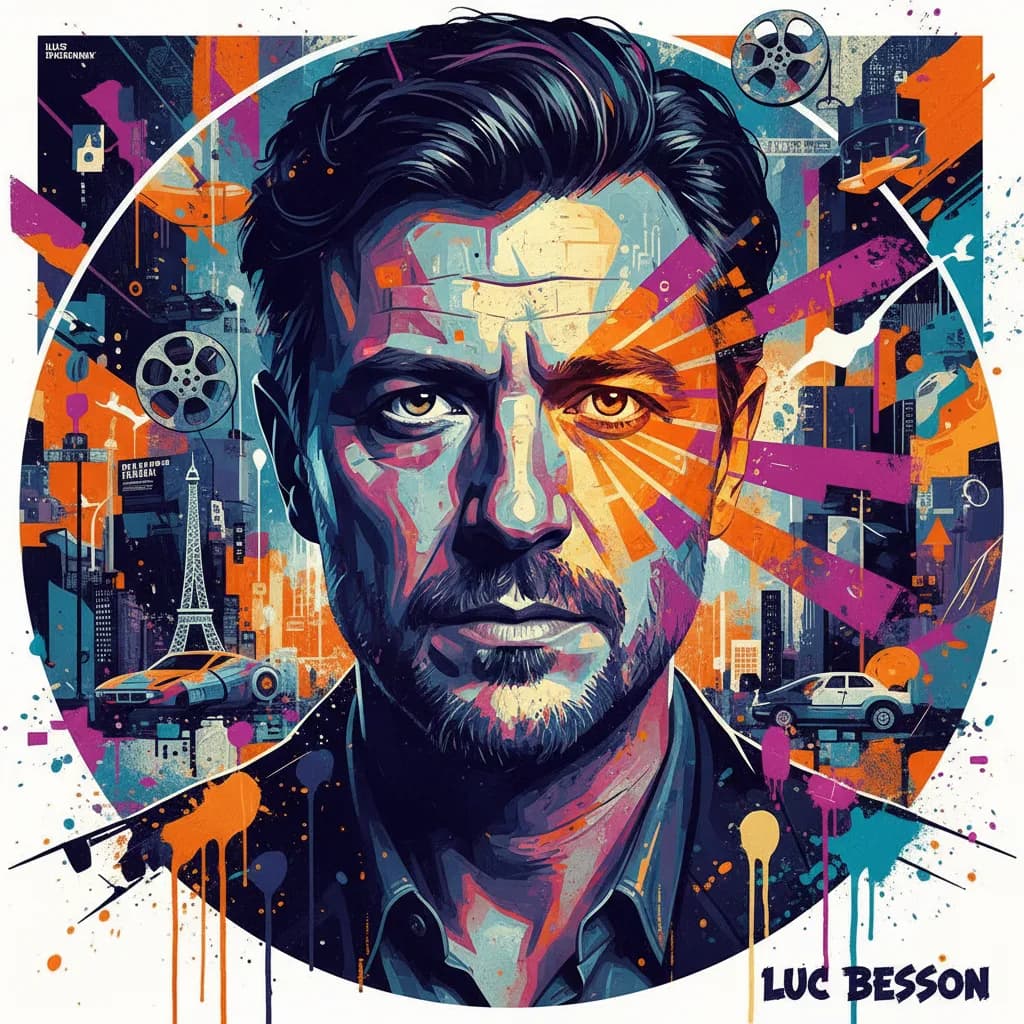
Luc Besson
Every film, ranked

Chris Columbus
Every film, ranked

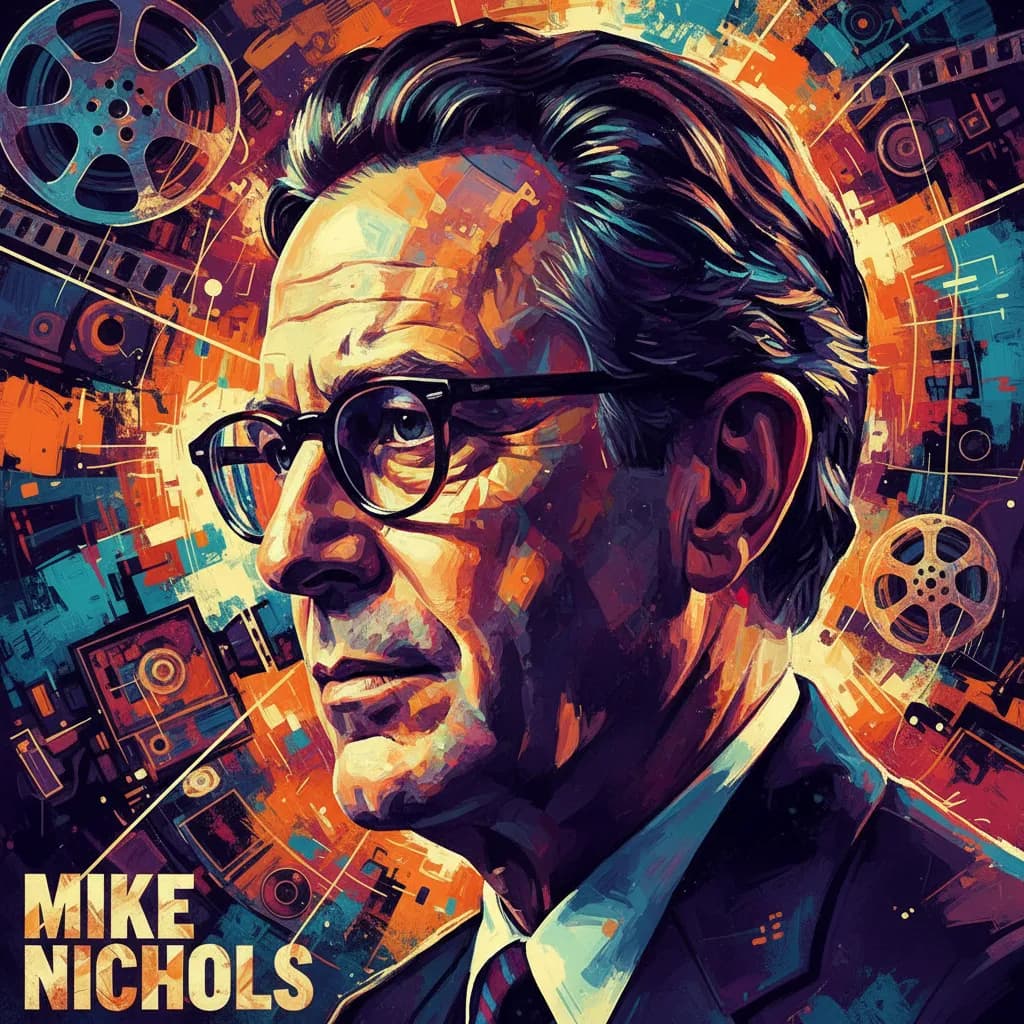
Mike Nichols
Every film, ranked

Howard Hawks
Every film, ranked

Ang Lee
Every film, ranked

Walter Hill
Every film, ranked

Gus Van Sant
Every film, ranked

William Wyler
Every film, ranked

Renny Harlin
Every film, ranked

Sidney Lumet
Every film, ranked

Tony Scott
Every film, ranked