Discover the visionary filmmakers behind cinema's greatest works.
Explore our selection of acclaimed directors and their remarkable films.
Showing 2521-2532 out of 4148

Mark Neveldine is a renowned American film director, known for his distinctive and adrenaline-fueled style that has left an indelible mark on the action and thriller genres. His career took off with the release of "Crank" in 2006, a high-octane action film that showcased his penchant for kinetic camerawork and frenetic editing. Neveldine's directorial style is characterized by his use of innovative techniques such as handheld cameras, extreme close-ups, and unconventional angles, creating a sense of immediacy and intensity that immerses audiences in the heart-pounding action on screen. One of Neveldine's most notable films is "Crank: High Voltage" (2009), the sequel to the original "Crank." The film further solidified his reputation for pushing the boundaries of traditional action filmmaking, as he fearlessly delved into even more outrageous and over-the-top scenarios, delivering a relentless assault on the senses. In the same year, Neveldine directed "Gamer" (2009), a dystopian sci-fi action thriller that delved into themes of technology, control, and the blurred lines between reality and simulation. With "The Vatican Tapes" (2015), a horror thriller, Neveldine showcased his versatility by exploring the supernatural and demonic possession, demonstrating his ability to inject his trademark energy into a different genre. Neveldine's films often explore the darker aspects of human nature, featuring anti-heroes and morally ambiguous characters navigating extreme circumstances. His work is characterized by a visceral and raw quality that challenges traditional cinematic conventions, creating an immersive experience for audiences. Neveldine's impact on cinema lies in his ability to push the boundaries of visual storytelling, utilizing innovative techniques and embracing a bold, unapologetic approach to filmmaking that sets him apart in the industry. In conclusion, Mark Neveldine's directorial vision has left an indelible mark on the action and thriller genres, with a filmography that showcases his distinctive style and relentless commitment to pushing the boundaries of cinematic storytelling. His impact on cinema is evident in the visceral and immersive experiences he creates for audiences, cementing his status as a maverick director unafraid to challenge conventions and push the limits of visual storytelling.

Mark Osborne is a visionary film director and animator known for his exceptional storytelling and groundbreaking visual style. With a career spanning over two decades, Osborne has left an indelible mark on the world of cinema through his directorial work. His notable films include "The SpongeBob SquarePants Movie" (2004), "Le Petit Prince" (2015), "The Little Prince" (2015), and "Kung Fu Panda" (2008), where he showcased his versatile directorial skills across various genres, from animation and adventure to comedy and drama. Osborne's directorial style is characterized by his ability to seamlessly blend imaginative storytelling with visually stunning animation. His films often feature rich and intricate worlds that captivate audiences of all ages. In "Kung Fu Panda," Osborne brought to life the awe-inspiring martial arts world of Po and the Furious Five, demonstrating his mastery in creating dynamic and immersive animated environments. In "Le Petit Prince" and "The Little Prince," Osborne showcased his ability to infuse deep emotional resonance into his storytelling, making these films resonate with both children and adults alike. A recurring theme in Osborne's work is the exploration of the human experience, often conveyed through the eyes of endearing and relatable characters. Whether it's the whimsical adventures of SpongeBob SquarePants or the heartfelt journey of the Little Prince, Osborne has a gift for crafting narratives that resonate on a profound emotional level. His ability to infuse his films with universal themes of friendship, self-discovery, and the power of imagination has solidified his reputation as a director with a unique and poignant storytelling voice. Mark Osborne's impact on cinema extends beyond his individual films, as he has played a pivotal role in pushing the boundaries of animation and storytelling. His dedication to pushing creative boundaries has earned him critical acclaim and a dedicated fan base. Osborne's ability to create visually striking and emotionally resonant stories has cemented his status as a visionary director, and his contributions have undoubtedly left an indelible mark on the world of cinema. In conclusion, Mark Osborne's directorial career is a testament to his unparalleled ability to craft visually stunning and emotionally resonant narratives. His films have captivated audiences around the world and have set a new standard for animated storytelling. With a diverse and impressive filmography, Osborne continues to be a trailblazer in the world of animation, leaving an enduring legacy as a director with an unparalleled vision and impact on the cinematic landscape.

Mark Palansky is a visionary film director known for his distinct storytelling style and unique visual flair. With a career spanning over two decades, Palansky has made a significant impact on the film industry through his directorial work. His notable directorial credits include "Penelope" (2006), a whimsical comedy-fantasy film, and "Rememory" (2017), a thought-provoking drama-mystery with elements of science fiction. Palansky's directorial style is characterized by his ability to blend genres seamlessly, infusing his films with a sense of wonder and imagination. In "Penelope," he expertly combines elements of romance, comedy, and fantasy to create a charming and visually stunning narrative. The film's whimsical aesthetics and heartfelt storytelling showcase Palansky's knack for crafting emotionally resonant cinematic experiences. "Rememory" further exemplifies Palansky's directorial prowess, as he delves into the realms of mystery and science fiction to explore profound themes of memory, identity, and human connection. The film's atmospheric visuals and compelling storytelling demonstrate Palansky's versatility as a director, adept at navigating diverse genres while maintaining his signature artistic vision. Throughout his career, Palansky has exhibited a penchant for exploring thought-provoking themes and intricate narratives, often incorporating elements of surrealism and magical realism into his films. His directorial approach reflects a deep understanding of human emotions and experiences, captivating audiences with his imaginative storytelling and evocative visuals. Palansky's contributions to cinema have left an indelible mark, showcasing his ability to push boundaries and challenge conventional storytelling norms. His distinct directorial voice and commitment to crafting visually captivating narratives have garnered him a dedicated following and solidified his status as a filmmaker with a unique vision. In conclusion, Mark Palansky's directorial career has been marked by a commitment to pushing creative boundaries and delivering compelling narratives that resonate with audiences. His diverse filmography, spanning genres from comedy-fantasy to drama-mystery, reflects his versatility as a director. Palansky's impact on cinema is undeniable, and his ability to infuse each project with his distinctive artistic vision ensures that his work will continue to captivate audiences for years to come.

Mark Pavia is an American film director known for his work in the fantasy, horror, and mystery genres. His most notable film, "The Night Flier" (1997), established him as a director with a keen eye for atmospheric storytelling and a knack for blending elements of horror and mystery. Pavia's directorial style often incorporates dark, moody visuals, and a focus on psychological tension, making his films a thrilling experience for audiences. "The Night Flier" stands out as Pavia's most significant contribution to cinema, showcasing his ability to create a sense of dread and unease through his use of visuals and storytelling. The film revolves around the investigation of a series of murders attributed to a mysterious vampire-like creature, and Pavia's direction adds a layer of eerie atmosphere that keeps viewers on the edge of their seats. Throughout his career, Pavia has demonstrated a consistent fascination with exploring the darker aspects of human nature and delving into the supernatural and macabre. His films often feature morally ambiguous characters and delve into the psychological complexities of fear and terror. Pavia's unique vision and storytelling approach have left a lasting impact on the horror genre, influencing a new generation of filmmakers and setting a benchmark for atmospheric and suspenseful storytelling. Pavia's work continues to resonate with audiences and critics alike, as his films offer a fresh perspective on traditional horror and mystery tropes. His ability to create an immersive and chilling cinematic experience has solidified his reputation as a director with a distinctive voice in the industry. As Pavia's career progresses, his contributions to the genre are likely to remain a source of inspiration for aspiring filmmakers and a testament to his enduring influence on the world of cinema. In conclusion, Mark Pavia's directorial career has been marked by a commitment to pushing the boundaries of horror and mystery storytelling, showcasing a unique vision that sets him apart in the industry. With "The Night Flier" as a standout example of his directorial prowess, Pavia's impact on cinema is undeniable, and his legacy as a master of atmospheric, psychological horror continues to captivate audiences worldwide.

Mark Pellington is a versatile and accomplished film director known for his compelling storytelling and visually striking style. With a career spanning several decades, Pellington has left an indelible mark on cinema through his diverse body of work. His directorial style is characterized by a keen sense of atmosphere and emotion, often blending elements of drama, mystery, and psychological tension to create thought-provoking narratives. One of Pellington's notable films is "Arlington Road" (1999), a gripping action-thriller that delves into the complexities of domestic terrorism and paranoia. The film showcases Pellington's ability to build suspense and create a palpable sense of unease, solidifying his reputation as a director adept at crafting intense, high-stakes narratives. "The Mothman Prophecies" (2002) further demonstrates his skill in the horror genre, weaving a chilling tale inspired by real-life events and incorporating supernatural elements with psychological depth. In "Henry Poole Is Here" (2008), Pellington showcases his versatility by directing a heartwarming comedy-drama that explores themes of faith, redemption, and human connection. This film reveals his ability to infuse poignant storytelling with moments of levity and warmth, showcasing his range as a director capable of navigating diverse genres with finesse. Pellington's films often feature recurring themes of existentialism, the human psyche, and the blurred lines between reality and the supernatural. His visual style is distinctive, often employing atmospheric cinematography and evocative imagery to immerse audiences in the emotional landscapes of his stories. Mark Pellington's impact on cinema lies in his ability to engage audiences on a visceral and intellectual level, provoking introspection and emotional resonance. His unique vision and contributions to film have solidified his status as a director of depth and innovation, leaving an indelible imprint on the medium. With a career marked by versatility and artistic integrity, Pellington continues to captivate audiences with his evocative storytelling and visual prowess, cementing his legacy as a director of enduring relevance and impact in the world of cinema.

Mark Raso is a Canadian film director known for his visually stunning and emotionally resonant storytelling. His directorial style is characterized by a meticulous attention to visual details and a keen sense of emotional depth. Raso's films often explore the complexities of human relationships and the universal themes of love, loss, and redemption. In 2014, Raso made his feature film directorial debut with "Copenhagen," an introspective adventure drama that follows a young man's journey of self-discovery in the enchanting city of Copenhagen. The film garnered critical acclaim for its evocative cinematography and compelling performances, establishing Raso as a promising new voice in independent cinema. Raso's sophomore feature, "Kodachrome" (2017), further solidified his reputation as a director with a distinct visual style and a knack for capturing poignant human drama. Starring Jason Sudeikis, Ed Harris, and Elizabeth Olsen, "Kodachrome" follows a father and son as they embark on a road trip to develop a roll of Kodachrome film before the last lab closes. The film received praise for its evocative storytelling and authentic performances, cementing Raso's status as a director capable of eliciting genuine, heartfelt performances from his cast. Raso's films often delve into the complexities of human relationships, exploring the nuances of familial bonds, love, and self-discovery. His keen ability to infuse his storytelling with emotional resonance has earned him a dedicated following and critical acclaim. Raso's unique vision and directorial prowess have made a significant impact on contemporary cinema, earning him a place among the most promising and talented directors of his generation. In conclusion, Mark Raso is a director whose work is defined by its evocative visual style, rich emotional depth, and compelling storytelling. With his distinct directorial vision, Raso has made a significant impact on the world of cinema, captivating audiences and critics alike with his poignant explorations of the human experience. As he continues to evolve as a filmmaker, Raso's contributions to the art of storytelling are sure to leave a lasting impression on the world of cinema.

Mark Robson was an influential director known for his versatile talents, delivering gripping narratives across various genres. Robson's directorial career took off with his action-packed and suspenseful war film "Von Ryan's Express" (1965), starring Hollywood legend Frank Sinatra. His meticulous attention to detail and ability to build tension made this film a standout in his filmography. Robson's directorial style was marked by his adeptness at capturing the intensity of war and the human drama that unfolds within it. In 1974, Robson's directorial prowess was further solidified with the seismic disaster film "Earthquake". This action-packed drama brought to life the chaos and devastation caused by a catastrophic earthquake, showcasing Robson's ability to create thrilling and suspenseful scenes while also delving into the emotional depth of the characters' experiences. Robson's impact on the disaster film genre is undeniable, as "Earthquake" set a new standard for large-scale, high-stakes cinematic experiences. Throughout his career, Robson's films often explored themes of resilience, survival, and the complexities of human nature in the face of adversity. His ability to infuse action and adventure with profound emotional depth set him apart as a director who could engage audiences on multiple levels. His films often featured strong character development and intense, high-impact storytelling, cementing his reputation as a director who could deliver compelling narratives across a spectrum of genres. Mark Robson's contributions to cinema continue to resonate, as his films remain powerful and enduring examples of his unique vision. His legacy as a director who could seamlessly blend action, drama, and thrilling suspense has left an indelible mark on the film industry. Through his masterful storytelling and directorial skill, Robson has secured his place as a notable figure in cinematic history, leaving behind a body of work that continues to captivate audiences and inspire filmmakers to this day.

Mark Romanek is an influential American director known for his visually striking and emotionally resonant films. With a career spanning over three decades, Romanek has made a significant impact on the world of cinema through his distinctive directorial style and thought-provoking storytelling. His filmography includes the critically acclaimed "Never Let Me Go" (2010), a haunting drama that explores the complexities of love and identity in a dystopian world, and "One Hour Photo" (2002), a psychological thriller that delves into the darker aspects of human nature. Romanek's directorial style is characterized by meticulous attention to detail, striking visuals, and a deep exploration of human emotions. He is known for his ability to create atmospheres that are both visually stunning and emotionally evocative, drawing audiences into the inner worlds of his characters. His films often tackle complex themes such as love, loss, identity, and the human condition, inviting viewers to contemplate profound questions about life and morality. One of Romanek's notable contributions to cinema is his ability to seamlessly blend genres, infusing his films with elements of drama, romance, and science fiction to create multi-layered narratives that resonate with audiences on a profound level. His work has earned him a reputation as a visionary director with a unique ability to craft immersive and thought-provoking cinematic experiences. Throughout his career, Romanek has consistently demonstrated a commitment to pushing the boundaries of storytelling and visual aesthetics, earning him a dedicated following of admirers and cementing his status as a director with a distinctive and impactful voice in the film industry. His films continue to inspire and provoke audiences, solidifying his legacy as a director whose work will stand the test of time. In conclusion, Mark Romanek's career has been defined by his visionary approach to storytelling, his ability to evoke deep emotional responses from audiences, and his commitment to pushing the boundaries of visual storytelling. His films, including "Never Let Me Go" and "One Hour Photo," stand as testaments to his unique vision and enduring impact on cinema, ensuring that his legacy as a groundbreaking director will continue to be celebrated for years to come.

Mark Rosman is an accomplished film director known for his work in the comedy, family, and romance genres. With a career spanning several decades, Rosman has made a significant impact on cinema through his unique directorial style and ability to bring heartfelt and entertaining stories to the screen. Rosman's notable films include "A Cinderella Story" (2004) and "The Perfect Man" (2005), both of which showcase his talent for crafting heartwarming and relatable narratives. In "A Cinderella Story," Rosman reimagines the classic fairy tale with a modern twist, infusing the film with humor, romance, and a touch of whimsy. "The Perfect Man" further demonstrates Rosman's skill in capturing the complexities of family dynamics and youthful romance, making him a favorite among audiences seeking lighthearted and feel-good entertainment. Throughout his career, Rosman has been praised for his ability to infuse his films with a sense of warmth and sincerity, often exploring themes of love, self-discovery, and the importance of family connections. His directorial style is characterized by a keen eye for capturing emotional nuances and creating relatable characters that resonate with audiences of all ages. Rosman's contributions to cinema have left a lasting impression, particularly within the realm of family-friendly and romantic comedies. His films continue to be cherished by fans for their timeless appeal and enduring messages of hope, love, and personal growth. With an impressive body of work and a reputation for delivering heartwarming storytelling, Mark Rosman remains a beloved figure in the world of film direction, leaving an indelible mark on the industry. In conclusion, Mark Rosman's directorial career has been defined by his ability to bring joy and inspiration to audiences through his heartfelt storytelling and genuine portrayals of human relationships. With a focus on comedy, family, and romance, Rosman has carved out a niche for himself as a director who understands the intricacies of human emotion and the enduring power of love. His films continue to stand the test of time, captivating new generations of viewers and solidifying his legacy as a masterful storyteller in the world of cinema.

Mark Ruffalo is best known as a versatile actor, but he made his directorial debut with the 2012 film "Thanks for Sharing," a comedy-drama that delves into the complexities of sex addiction and relationships. Ruffalo's directorial approach in this film reflects his penchant for exploring raw emotions, human vulnerabilities, and the complexities of interpersonal relationships. His keen eye for capturing authentic performances and his ability to infuse humor into serious subject matters shine through in "Thanks for Sharing." Ruffalo's directorial style is characterized by a naturalistic approach, allowing his actors to embody their characters with depth and sincerity. His emphasis on character-driven storytelling and intimate moments creates a compelling and relatable viewing experience. In "Thanks for Sharing," Ruffalo adeptly navigates the sensitive subject of addiction with empathy and nuance, underscoring his ability to tackle challenging themes with sensitivity and insight. While "Thanks for Sharing" marked Ruffalo's directorial debut, it showcased his talent for crafting heartfelt narratives and eliciting authentic performances. His directorial efforts demonstrate a commitment to exploring the complexities of human behavior and relationships, making his work resonate with audiences on a profound level. Ruffalo's directorial debut stands as a testament to his ability to tackle thought-provoking subjects with authenticity and emotional resonance, solidifying his position as a multifaceted talent in the entertainment industry. Ruffalo's foray into directing with "Thanks for Sharing" showcases his ability to infuse depth and authenticity into his storytelling, setting the stage for future directorial endeavors. With his directorial debut, Ruffalo has proven himself as a filmmaker capable of delving into the intricacies of human nature while navigating emotionally charged narratives with grace and sensitivity. As Ruffalo's directorial career continues to unfold, audiences can anticipate more thought-provoking and emotionally resonant storytelling from this multifaceted artist.

Mark Rydell is a renowned film director known for his impactful contributions to the world of cinema. With a career spanning several decades, Rydell has left an indelible mark on the industry with his distinctive directorial style and compelling storytelling. His directorial debut came with the 1972 film "The Cowboys," a powerful adventure drama set in the backdrop of the American Old West. The film showcased Rydell's ability to capture the essence of rugged landscapes and the human spirit, establishing him as a director with a keen eye for visually arresting narratives. Rydell's most iconic work came in 1981 with the critically acclaimed film "On Golden Pond," a poignant drama that delved into themes of family dynamics, aging, and reconciliation. The film's emotional depth and nuanced character portrayals solidified Rydell's reputation as a director capable of eliciting powerful performances from his cast while crafting narratives that resonate with audiences on a profound level. "On Golden Pond" earned multiple Academy Award nominations and cemented Rydell's status as a master storyteller. Throughout his career, Rydell has demonstrated a penchant for exploring human relationships and the complexities of the human experience. His films often delve into themes of family, identity, and the passage of time, weaving together narratives that evoke deep emotional resonance. Rydell's directorial style is characterized by his ability to infuse his films with a sense of authenticity and raw emotion, creating immersive cinematic experiences that leave a lasting impact on viewers. Rydell's contributions to cinema have been significant, influencing a generation of filmmakers and leaving an enduring legacy in the industry. His ability to blend compelling storytelling with visually stunning cinematography has set him apart as a visionary director with a profound understanding of the human condition. As a director, Mark Rydell has carved out a unique niche in the world of cinema, leaving behind a body of work that continues to captivate and inspire audiences around the globe.

Mark Sandrich was a prolific and influential film director known for his exceptional work in the classic Hollywood era. With a career spanning from the 1930s to the early 1940s, Sandrich left an indelible mark on cinema, particularly in the comedy and musical genres. His directorial style was characterized by a seamless blend of wit, charm, and visual flair, creating timeless films that have stood the test of time. One of Sandrich's most iconic films is "Top Hat" (1935), a delightful romantic comedy musical starring Fred Astaire and Ginger Rogers. This film exemplifies Sandrich's directorial prowess, with its dazzling dance sequences, sophisticated humor, and elegant visual compositions. His ability to bring out the best in his actors and choreograph intricate dance numbers cemented his reputation as a master of musical filmmaking. Another standout film in Sandrich's career is "Holiday Inn" (1942), a beloved classic that showcases his talent for infusing charm and warmth into his storytelling. This musical comedy-drama, starring Bing Crosby and Fred Astaire, remains a perennial favorite during the holiday season and is a testament to Sandrich's enduring impact on popular culture. Throughout his career, Sandrich demonstrated a keen eye for capturing the essence of romance, comedy, and music on the silver screen. His films often revolved around themes of love, escapism, and the joy of performance, resonating with audiences and leaving a lasting impression on the cinematic landscape. Sandrich's innovative approach to filmmaking and his ability to elevate the musical genre solidified his status as a visionary director whose influence continues to be felt in contemporary cinema. Mark Sandrich's contributions to the film industry have left an indelible legacy, inspiring generations of filmmakers and enchanting audiences with his timeless creations. His unique vision, directorial finesse, and ability to transport viewers to enchanting worlds through his films have secured his place as a revered figure in the history of cinema. Sandrich's work remains a testament to the enduring power of storytelling and the magic of the silver screen, ensuring that his legacy will continue to shine brightly for years to come.
Every film by the greats, ranked by our TML Score.

Christopher Nolan
Every film, ranked

Quentin Tarantino
Every film, ranked

Stanley Kubrick
Every film, ranked

Martin Scorsese
Every film, ranked

Steven Spielberg
Every film, ranked

Alfred Hitchcock
Every film, ranked

David Fincher
Every film, ranked

Denis Villeneuve
Every film, ranked

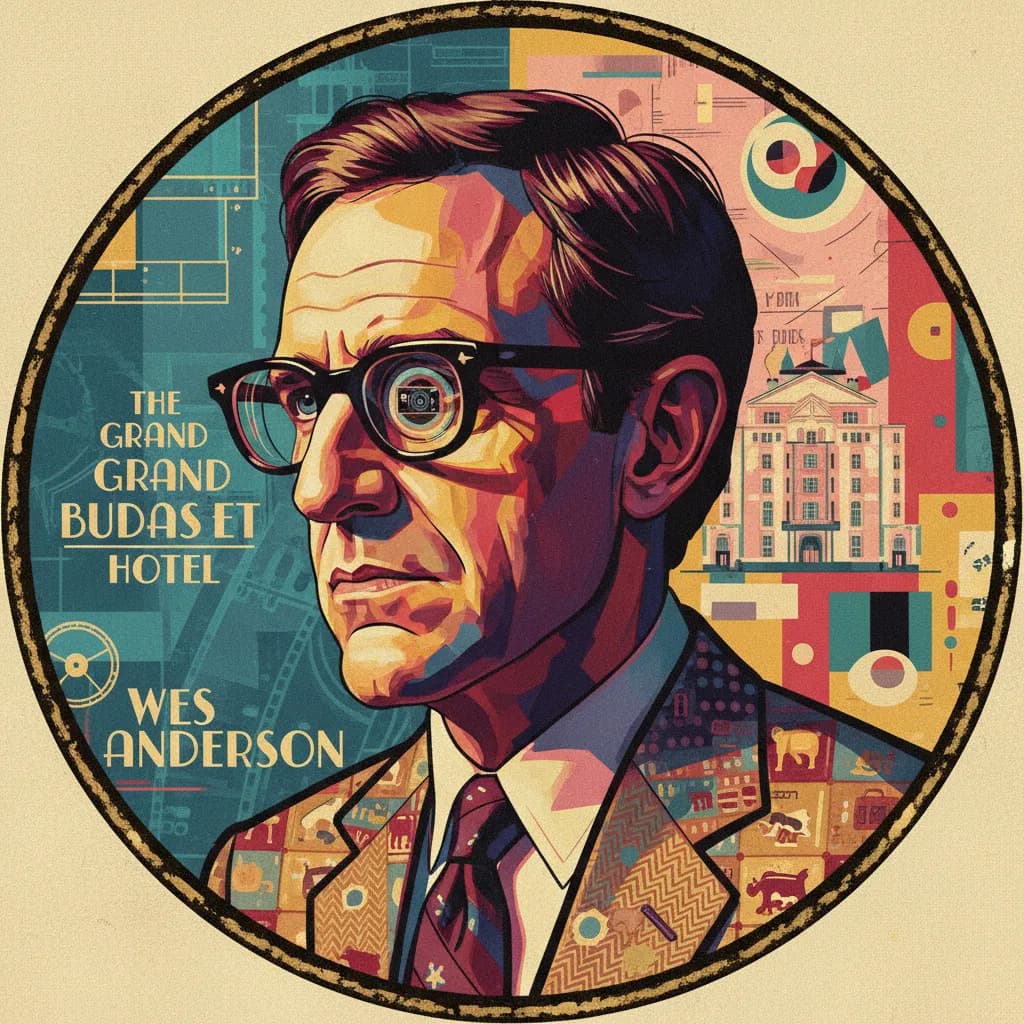
Wes Anderson
Every film, ranked

Paul Thomas Anderson
Every film, ranked

Ridley Scott
Every film, ranked

Tim Burton
Every film, ranked

Guillermo del Toro
Every film, ranked

Hayao Miyazaki
Every film, ranked

Akira Kurosawa
Every film, ranked

Francis Ford Coppola
Every film, ranked

Clint Eastwood
Every film, ranked

Bong Joon Ho
Every film, ranked

Woody Allen
Every film, ranked

Steven Soderbergh
Every film, ranked

Ron Howard
Every film, ranked

Pedro Almodóvar
Every film, ranked

Richard Linklater
Every film, ranked

Roman Polanski
Every film, ranked

Brian De Palma
Every film, ranked

Ingmar Bergman
Every film, ranked

Oliver Stone
Every film, ranked

David Cronenberg
Every film, ranked

Robert Zemeckis
Every film, ranked

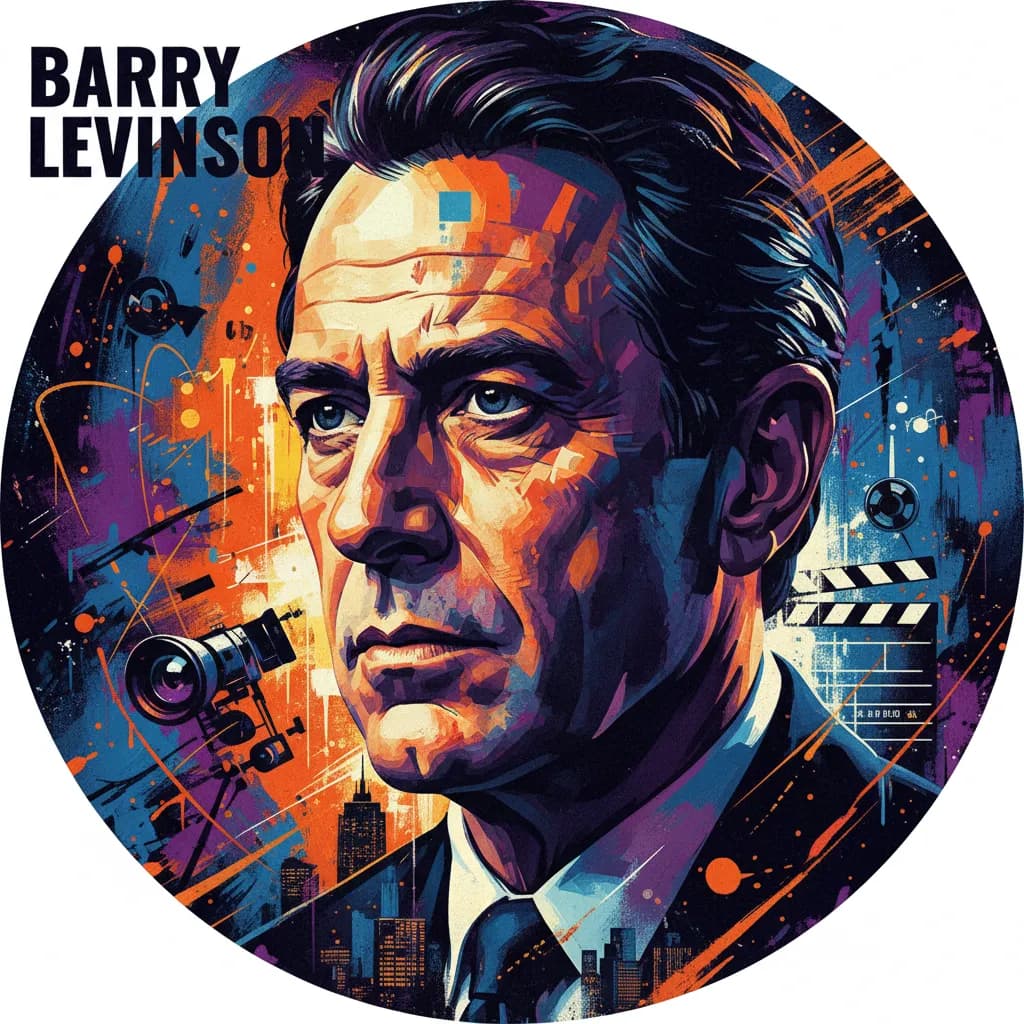
Barry Levinson
Every film, ranked

John Carpenter
Every film, ranked

Joel Schumacher
Every film, ranked

Billy Wilder
Every film, ranked

Rob Reiner
Every film, ranked

Neil Jordan
Every film, ranked

Spike Lee
Every film, ranked

Ivan Reitman
Every film, ranked

John Woo
Every film, ranked

Lasse Hallström
Every film, ranked

Stephen Frears
Every film, ranked

Luc Besson
Every film, ranked

Chris Columbus
Every film, ranked

Mike Nichols
Every film, ranked

Howard Hawks
Every film, ranked

Ang Lee
Every film, ranked

Walter Hill
Every film, ranked

Gus Van Sant
Every film, ranked

William Wyler
Every film, ranked

Renny Harlin
Every film, ranked

Sidney Lumet
Every film, ranked

Tony Scott
Every film, ranked