Discover the visionary filmmakers behind cinema's greatest works.
Explore our selection of acclaimed directors and their remarkable films.
Showing 2509-2520 out of 4148

Mark Dindal is an accomplished film director known for his work in the animation genre. With a career spanning over several decades, Dindal has made a significant impact on the world of cinema through his unique directorial style and creative vision. His notable films include "The Emperor's New Groove" (2000) and "Chicken Little" (2005), both of which showcase his talent for blending comedy, adventure, and animation into compelling storytelling. Dindal's directorial style is characterized by a playful and whimsical approach to storytelling, often incorporating elements of slapstick humor and visually stunning animation. His films are known for their vibrant and colorful visuals, as well as their ability to appeal to audiences of all ages. Dindal has a knack for infusing his films with a sense of lightheartedness and fun, making them a joy to watch for both children and adults alike. "The Emperor's New Groove" stands out as one of Dindal's most beloved works, earning praise for its witty humor, memorable characters, and imaginative storytelling. The film's enduring popularity has solidified its place as a beloved classic in the animation genre. "Chicken Little" further showcases Dindal's skill in crafting entertaining and visually captivating animated films, with its endearing characters and engaging narrative. Throughout his career, Dindal has demonstrated a consistent ability to create films that resonate with audiences and leave a lasting impression. His contributions to the world of animation have helped shape the landscape of contemporary cinema, inspiring future generations of filmmakers and animators. With his unique vision and creative storytelling prowess, Mark Dindal continues to be a driving force in the world of animation, leaving an indelible mark on the industry.

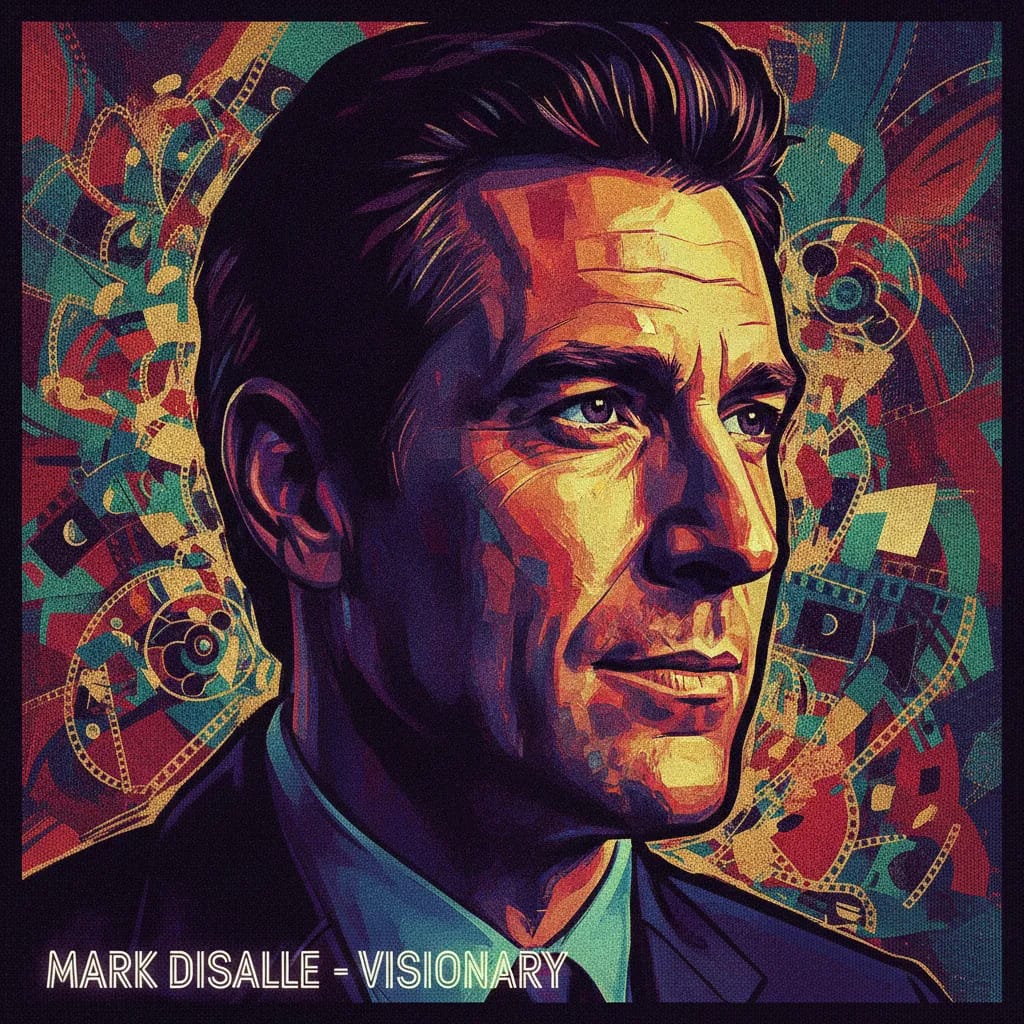
Mark DiSalle is an American film director known for his work in the action, sport, and thriller genres. His most notable film is "Kickboxer" (1989), which has solidified his status as a prominent figure in the martial arts film genre. DiSalle's directorial style often features intense fight sequences, high-energy action, and compelling storytelling, appealing to audiences who appreciate adrenaline-pumping entertainment. In "Kickboxer," DiSalle exhibits his knack for capturing the raw athleticism and physicality of martial arts, seamlessly blending it with a gripping narrative. The film's success can be attributed to DiSalle's ability to infuse authenticity and excitement into the fight scenes, creating a visceral viewing experience. His directorial approach emphasizes the artistry of martial arts while maintaining a strong focus on character development and emotional depth. Throughout his career, DiSalle has demonstrated a penchant for exploring themes of perseverance, redemption, and the triumph of the human spirit, often using martial arts as a vehicle to convey these themes. His films resonate with audiences for their compelling underdog narratives and the exploration of the human condition through the lens of action-packed storytelling. DiSalle's impact on cinema extends beyond his directorial work, as he has contributed to the popularization of martial arts films in the Western market. His dedication to showcasing the physical prowess and discipline of martial arts practitioners has helped elevate the genre, attracting a diverse audience and influencing subsequent filmmakers. DiSalle's legacy as a director lies in his ability to deliver high-octane entertainment while infusing his films with emotional depth and thematic resonance, leaving an indelible mark on the action and martial arts film landscape. In conclusion, Mark DiSalle's directorial career is defined by his commitment to crafting exhilarating action films that transcend mere spectacle, offering audiences a compelling blend of physicality, emotion, and storytelling. With "Kickboxer" standing as a testament to his directorial prowess, DiSalle continues to be celebrated for his contributions to the martial arts and action genres, leaving an enduring impact on the cinematic landscape.

Mark Duplass is a multi-talented director, producer, and actor who has made a significant impact on the independent film scene. Along with his brother Jay Duplass, he is known for pioneering the mumblecore movement, characterized by low-budget, naturalistic films that focus on authentic human experiences. Mark's directorial style is marked by intimate storytelling, improvisational dialogue, and a focus on the complex dynamics of human relationships. One of Duplass' notable directorial works is "Jeff, Who Lives at Home" (2011), a heartwarming comedy-drama that follows the journey of a slacker named Jeff as he embarks on an unexpected adventure that leads to self-discovery. The film showcases Duplass' ability to blend humor and poignancy, capturing the essence of everyday life with a mix of sincerity and wit. Another standout film in his directorial repertoire is "Cyrus" (2010), a comedy-drama romance that delves into the complexities of love and family dynamics. Through his films, Duplass consistently explores the nuances of human connections and the intricacies of interpersonal relationships. Duplass' directorial approach often revolves around ordinary individuals navigating life's challenges, resulting in relatable and emotionally resonant storytelling. His films often feature naturalistic performances and a focus on character-driven narratives, inviting audiences to empathize with the flawed yet authentic characters he brings to the screen. Duplass' work has had a profound impact on the independent film landscape, inspiring a new generation of filmmakers to embrace raw, unfiltered storytelling that captures the essence of human existence. In summary, Mark Duplass has carved out a distinct niche in the film industry with his sincere, character-driven directorial style. His films stand as testaments to the power of authentic storytelling and the universal themes of love, family, and self-discovery. Through his mumblecore roots and commitment to genuine human experiences, Duplass has left an indelible mark on cinema, solidifying his status as a visionary director with a keen understanding of the human condition.

Mark Gustafson is a highly acclaimed film director known for his exceptional work in animation, drama, and family films. With a career spanning several decades, Gustafson has made a significant impact on the world of cinema through his unique directorial style and creative vision. One of his most notable projects includes Guillermo del Toro's "Pinocchio" (2022), where Gustafson served as the director, showcasing his exceptional talent for bringing beloved stories to life through the art of animation. Gustafson's directorial style is characterized by his meticulous attention to detail, innovative storytelling techniques, and a deep understanding of character development. His work in animation is particularly renowned for its stunning visual aesthetics and emotionally resonant narratives, captivating audiences of all ages. Gustafson's ability to infuse depth and complexity into his characters sets him apart as a director with a profound understanding of human emotions, making his films universally relatable and impactful. Throughout his career, Gustafson has demonstrated a commitment to exploring timeless themes such as the journey of self-discovery, the power of imagination, and the complexities of human nature. His films often delve into the human experience, inviting audiences to reflect on profound philosophical and existential questions while being immersed in visually captivating worlds. This thematic depth and emotional richness have solidified Gustafson's reputation as a director capable of crafting profoundly moving cinematic experiences. Gustafson's contributions to the world of cinema extend beyond his individual projects, as he has played a pivotal role in advancing the art of animation and pushing creative boundaries within the industry. His commitment to excellence and innovation has inspired countless aspiring filmmakers and has left an indelible mark on the evolution of animated storytelling. As the director of Guillermo del Toro's "Pinocchio" (2022), Gustafson continues to showcase his unparalleled talent for bringing beloved tales to life in a way that resonates with audiences on a profound and emotional level. In conclusion, Mark Gustafson's career as a film director is defined by his exceptional talent, visionary storytelling, and unwavering dedication to pushing the boundaries of animation and filmmaking. With each project, he continues to captivate audiences with his unique directorial style, leaving an enduring impact on the world of cinema. Gustafson's work stands as a testament to the transformative power of storytelling and the enduring legacy of a director whose vision has enriched the art of filmmaking.

Mark Helfrich is a talented film director known for his work in the romantic comedy genre. His most notable film, "Good Luck Chuck" (2007), starring Dane Cook and Jessica Alba, showcases his distinct directorial style and unique vision. Helfrich's approach to storytelling is marked by a seamless blend of humor and romance, with a keen focus on character dynamics and emotional depth. His films often explore the complexities of modern relationships, infusing them with a mix of wit, charm, and heartfelt moments that resonate with audiences. In "Good Luck Chuck," Helfrich deftly navigates the comedic and romantic elements, creating a lighthearted yet poignant narrative that has left a lasting impact on the romantic comedy genre. His ability to balance humor with genuine emotion has solidified his reputation as a director who understands the nuances of human connections and the universal quest for love and happiness. Helfrich's work is characterized by an authentic portrayal of relationships, often delving into the intricacies of love, friendship, and personal growth. Throughout his career, Helfrich has demonstrated a consistent commitment to delivering compelling storytelling and memorable characters, earning him a dedicated following among fans of romantic comedies. His directorial contributions have helped shape the landscape of modern romantic comedies, influencing the genre with his unique blend of humor, romance, and relatable themes. With his keen insight into the human experience, Helfrich continues to leave an indelible mark on cinema, captivating audiences with his engaging narratives and endearing characters. Mark Helfrich's directorial career is a testament to his ability to infuse humor and heart into the romantic comedy genre, showcasing a distinctive vision that resonates with audiences worldwide. As he continues to explore the complexities of human relationships and the pursuit of love on the silver screen, Helfrich remains a prominent figure in the world of romantic comedies, leaving an enduring legacy through his impactful directorial contributions.

Mark Herman is a British director known for his emotionally charged and poignant storytelling. With a career spanning over three decades, Herman has established himself as a master of capturing the human experience through his films. His directorial style is characterized by a deft balance of drama, humor, and music, creating deeply moving cinematic experiences for audiences worldwide. One of Herman's most notable films is "The Boy in the Striped Pajamas" (2008), a powerful and haunting drama set against the backdrop of World War II. The film adeptly explores the innocence of childhood amidst the horrors of war, showcasing Herman's ability to evoke raw emotions and provoke thought-provoking discussions. Another standout in Herman's filmography is "Little Voice" (1998), a charming comedy-drama that intertwines music with a heartwarming tale of self-discovery and empowerment. The film's seamless integration of music into the narrative demonstrates Herman's adeptness at using multiple artistic elements to elevate storytelling. Throughout his career, Herman has exhibited a penchant for exploring themes of resilience, empathy, and the human spirit in the face of adversity. His films often delve into the complexities of human relationships and the universal struggle for understanding and compassion. Herman's impact on cinema lies in his ability to craft narratives that resonate deeply with audiences, eliciting profound emotional responses and fostering meaningful dialogue about the human condition. Herman's directorial contributions have left an indelible mark on the film industry, earning him critical acclaim and a dedicated following of admirers. His ability to infuse his films with emotional depth and authenticity has solidified his reputation as a director with a unique vision and a profound understanding of the human experience. As a filmmaker, Mark Herman continues to inspire and captivate audiences with his compelling storytelling and unwavering commitment to portraying the depths of human emotion on the silver screen.

Mark Illsley is an accomplished film director known for his unique blend of comedy, crime, and romance. His most notable work, "Happy, Texas" (1999), exemplifies his directorial style, which often intertwines humor and romance with elements of crime and mischief. Illsley's films are characterized by their offbeat charm, witty dialogue, and endearing characters, making them beloved by audiences and critics alike. "Happy, Texas" stands as a testament to Illsley's skill in navigating multiple genres seamlessly. The film follows the escapades of two escaped convicts who pose as a gay couple in a small town while planning a heist. Illsley's ability to infuse the narrative with humor and heart while maintaining a sense of tension and intrigue showcases his adeptness at storytelling and character development. Throughout his career, Illsley has demonstrated a knack for exploring the complexities of human relationships and the absurdities of life, often through the lens of unconventional circumstances. His films often feature protagonists who find themselves in unexpected situations, leading to moments of self-discovery and personal growth. Illsley's recurring themes of identity, love, and redemption are woven into the fabric of his films, giving them a depth and relatability that resonates with audiences. Mark Illsley's impact on cinema lies in his ability to craft compelling narratives that transcend traditional genre boundaries. His work has influenced a new wave of filmmakers who seek to blend humor, romance, and crime in inventive and unconventional ways. By carving out a niche for himself in the industry, Illsley has left an indelible mark on the cinematic landscape, proving that storytelling knows no bounds when guided by a visionary director. In conclusion, Mark Illsley's directorial career is defined by his innovative approach to storytelling, his adept handling of multiple genres, and his ability to create films that are both entertaining and thought-provoking. His contributions to cinema have solidified his status as a director with a distinctive vision, and his work continues to inspire and captivate audiences worldwide.

Mark Jones is an accomplished film director known for his unique blend of comedy, fantasy, and horror elements. His most notable work includes the 1993 film "Leprechaun," which has since become a cult classic in the horror genre. Jones' directorial style often incorporates a mix of humor, fantasy, and horror, creating a distinctive and memorable cinematic experience for audiences. "Leprechaun" stands as a testament to Jones' ability to infuse horror with comedic elements, resulting in a film that has endured the test of time and garnered a dedicated fan base. His directorial approach often involves creating a balance between tension-filled moments and lighthearted humor, showcasing his versatility in storytelling and genre blending. Throughout his career, Jones has demonstrated a penchant for exploring fantastical and otherworldly themes, often delving into the supernatural and mythological realms. His work often features imaginative and visually striking scenes that transport viewers into captivating and immersive worlds. Jones' directorial contributions have left a lasting impact on the horror and fantasy genres, influencing subsequent filmmakers and contributing to the evolution of these cinematic realms. Mark Jones' directorial career has left an indelible mark on cinema, with "Leprechaun" serving as a testament to his ability to merge comedy, fantasy, and horror into a compelling and enduring film. His unique vision and directorial style have solidified his status as a distinctive voice in the industry, and his contributions continue to resonate with audiences and filmmakers alike. Jones' ability to seamlessly blend genres and create memorable experiences for viewers has positioned him as a noteworthy figure in the world of film directing.

Mark Kassen is a talented director known for his thought-provoking and emotionally charged films. His directorial debut came with the 2011 film "Puncture," a gripping legal drama based on a true story. This film not only showcased Kassen's ability to delve into complex characters and real-life issues but also established his directorial style characterized by intense storytelling and a keen eye for detail. "Puncture" stands as a testament to Kassen's knack for bringing poignant stories to life, often with a focus on social and political themes. His directorial approach tends to intertwine compelling narratives with a deep exploration of human nature, pushing the boundaries of conventional storytelling. Kassen's films often confront challenging subjects with a raw and unflinching honesty, effectively resonating with audiences on a profound level. Kassen's work reflects a recurring theme of advocating for change and shedding light on underrepresented societal issues. His dedication to depicting the struggles and triumphs of real-life characters has left a lasting impact on cinema, contributing to a wave of socially conscious storytelling in the industry. Through his films, Kassen has successfully brought attention to important social injustices, ultimately prompting meaningful discussions and inspiring viewers to reflect on the world around them. Mark Kassen's directorial career continues to evolve, with audiences eagerly anticipating his future projects. His unique vision and commitment to storytelling have firmly established him as a director to watch, as he continues to challenge cinematic norms and push the boundaries of traditional filmmaking. With a distinct ability to infuse his films with authenticity and emotional depth, Kassen's contributions to cinema are sure to endure for years to come, leaving an indelible mark on the industry.

Mark Levin is a talented film director known for his work in the comedy, family, and adventure genres. He first gained attention with his 2005 directorial debut, "Little Manhattan," a heartwarming comedy that follows the innocent romance between two young children in New York City. The film showcased Levin's ability to capture the nuances of childhood and family dynamics, earning him critical praise for his sensitive and authentic portrayal of young love. His keen eye for detail and ability to balance humor and emotion set the stage for a promising career in the industry. In 2008, Levin further solidified his reputation as a versatile director with "Nim's Island," an adventurous tale filled with comedy and drama. Starring Abigail Breslin and Jodie Foster, the film follows a young girl's journey to protect her island home and her unique bond with her favorite author. Levin's direction brought the magical world of the island to life, seamlessly blending elements of fantasy and reality. His ability to infuse the narrative with heartwarming moments and thrilling adventure resonated with audiences of all ages, cementing his status as a director capable of delivering captivating storytelling across multiple genres. Levin's directorial style is characterized by his ability to elicit genuine performances from his actors and craft narratives that resonate with universal themes. His films often explore the complexities of human relationships, the wonder of childhood, and the power of imagination. Levin's dedication to portraying authentic emotions and experiences on screen has earned him a devoted following and critical acclaim. Mark Levin's impact on cinema lies in his ability to create films that appeal to a broad audience while maintaining a distinct and heartfelt directorial voice. His work reflects a deep understanding of human nature and the power of storytelling, making him a director to watch in the ever-evolving landscape of film. As he continues to bring his unique vision to the screen, audiences can anticipate more engaging and emotionally resonant stories from this accomplished filmmaker.


Mark L. Lester is an American film director known for his work in action, horror, and sci-fi genres. With a career spanning several decades, Lester has made a significant impact on the film industry through his distinct directorial style and unique vision. One of his most notable works is "Firestarter" (1984), an adaptation of Stephen King's novel, which showcased Lester's ability to blend action and horror, setting the tone for his future works. Lester's filmography also includes "Showdown in Little Tokyo" (1991), a dynamic action-comedy that highlights his versatility as a director. The film seamlessly combines martial arts action with humor, demonstrating Lester's adeptness at blending different genres to create engaging and entertaining cinema. "Class of 1984" (1982) further solidified Lester's reputation as a director unafraid to explore gritty and intense themes within the action and crime genres. Throughout his career, Lester has exhibited a penchant for crafting high-energy, adrenaline-pumping sequences, as evidenced in "Armed and Dangerous" (1986) and "Commando" (1985). His films often feature fast-paced action, intense showdowns, and memorable stunts, captivating audiences with their thrilling visual spectacle. Lester's impact on cinema lies in his ability to infuse his films with a distinct blend of action, suspense, and entertainment. His recurring themes often revolve around underdog protagonists facing overwhelming odds, and his films are characterized by their kinetic energy and pulse-pounding excitement. Mark L. Lester's unique directorial style has left an indelible mark on the action and genre filmmaking, earning him a well-deserved place in the annals of cinematic history.

Mark Mylod is a versatile film director known for his ability to seamlessly blend comedy, drama, and crime genres in his work. With a career spanning over two decades, Mylod has brought his unique directorial style to a variety of films, leaving an indelible mark on the industry. His notable filmography includes "The Big White" (2005), "Ali G Indahouse" (2002), "What's Your Number?" (2011), and the upcoming "The Menu" (2022). Mylod's directorial style is characterized by his adeptness at infusing humor into diverse narratives, often exploring the complexities of human relationships and the absurdities of life. His keen understanding of comedic timing and storytelling has earned him a reputation as a director capable of eliciting genuine emotion while keeping audiences entertained. Whether navigating the nuances of crime and drama in "The Big White" or delivering laugh-out-loud moments in "Ali G Indahouse," Mylod consistently showcases his versatility and storytelling prowess. Throughout his career, Mylod has displayed a penchant for exploring themes of identity, relationships, and societal satire, often with a comedic lens. His films delve into the quirks and foibles of human nature, offering audiences a blend of wit, charm, and thought-provoking commentary. With "The Menu" on the horizon, Mylod continues to push boundaries, this time delving into the realm of comedy, horror, and thriller, further showcasing his willingness to experiment with genres and storytelling techniques. Mark Mylod's impact on cinema lies in his ability to craft engaging narratives that resonate with audiences on a profound level, while infusing them with humor and insight. His directorial contributions have enriched the cinematic landscape, offering a refreshing take on storytelling that appeals to a wide range of viewers. As Mylod continues to evolve as a director, his distinct vision and storytelling acumen position him as a formidable force in the world of filmmaking, leaving audiences eagerly anticipating his future projects.
Every film by the greats, ranked by our TML Score.

Christopher Nolan
Every film, ranked

Quentin Tarantino
Every film, ranked

Stanley Kubrick
Every film, ranked

Martin Scorsese
Every film, ranked

Steven Spielberg
Every film, ranked

Alfred Hitchcock
Every film, ranked

David Fincher
Every film, ranked

Denis Villeneuve
Every film, ranked

Wes Anderson
Every film, ranked

Paul Thomas Anderson
Every film, ranked

Ridley Scott
Every film, ranked

Tim Burton
Every film, ranked

Guillermo del Toro
Every film, ranked

Hayao Miyazaki
Every film, ranked

Akira Kurosawa
Every film, ranked

Francis Ford Coppola
Every film, ranked

Clint Eastwood
Every film, ranked

Bong Joon Ho
Every film, ranked

Woody Allen
Every film, ranked

Steven Soderbergh
Every film, ranked

Ron Howard
Every film, ranked

Pedro Almodóvar
Every film, ranked

Richard Linklater
Every film, ranked

Roman Polanski
Every film, ranked

Brian De Palma
Every film, ranked

Ingmar Bergman
Every film, ranked

Oliver Stone
Every film, ranked

David Cronenberg
Every film, ranked

Robert Zemeckis
Every film, ranked

Barry Levinson
Every film, ranked

John Carpenter
Every film, ranked

Joel Schumacher
Every film, ranked

Billy Wilder
Every film, ranked

Rob Reiner
Every film, ranked

Neil Jordan
Every film, ranked

Spike Lee
Every film, ranked

Ivan Reitman
Every film, ranked

John Woo
Every film, ranked

Lasse Hallström
Every film, ranked

Stephen Frears
Every film, ranked

Luc Besson
Every film, ranked

Chris Columbus
Every film, ranked

Mike Nichols
Every film, ranked

Howard Hawks
Every film, ranked

Ang Lee
Every film, ranked

Walter Hill
Every film, ranked

Gus Van Sant
Every film, ranked

William Wyler
Every film, ranked

Renny Harlin
Every film, ranked

Sidney Lumet
Every film, ranked

Tony Scott
Every film, ranked