Discover the visionary filmmakers behind cinema's greatest works.
Explore our selection of acclaimed directors and their remarkable films.
Showing 2545-2556 out of 4148

Martin Gero is a Canadian director known for his work in the film industry. Gero made his directorial debut with the 2007 film "YPF," which falls into the genres of comedy, drama, and romance. The film provided a glimpse into Gero's directorial style, showcasing his ability to seamlessly blend different genres and capture the complexities of human relationships on screen. Gero's directorial approach is characterized by his adeptness at delving into the intricacies of characters and their emotional landscapes. His films often feature well-developed, multi-dimensional characters, and he has a knack for infusing humor into thought-provoking narratives. "YPF" served as a platform for Gero to showcase his unique directorial vision, as he skillfully navigated the nuances of romantic relationships within the framework of an unconventional storyline. Throughout his career, Gero has exhibited a penchant for exploring themes related to love, human connection, and the complexities of modern relationships. His directorial work often delves into the intricacies of human emotions and the complexities of interpersonal dynamics, making his films relatable and engaging for audiences. Gero's ability to capture the essence of human experiences on film has contributed to his impact on cinema and has garnered him recognition as a director with a distinct storytelling style. As a director, Gero's contributions to the film industry are characterized by his ability to create compelling narratives that resonate with audiences on an emotional level. His directorial style, marked by its blend of humor, drama, and romance, has set him apart as a filmmaker with a unique perspective. With "YPF" serving as a noteworthy entry in his filmography, Gero has established himself as a director capable of crafting captivating stories that explore the complexities of human relationships with depth and authenticity.

Martin Koolhoven is a Dutch film director known for his distinctive vision and storytelling prowess. His directorial career has been marked by a commitment to exploring complex narratives and delving into the human psyche. Koolhoven's notable films include "Winter in Wartime" (2008) and "Brimstone" (2016), both of which showcase his exceptional ability to blend genres and create gripping, emotionally resonant cinema. In "Winter in Wartime," Koolhoven masterfully captures the harrowing realities of World War II through the eyes of a young boy who becomes embroiled in the Dutch resistance. The film's blend of drama, history, and war elements underscores Koolhoven's adeptness at crafting multifaceted narratives that resonate with audiences on both an emotional and intellectual level. The film received critical acclaim and solidified Koolhoven's reputation as a director with a keen eye for historical storytelling. "Brimstone" further demonstrates Koolhoven's directorial prowess, as he navigates the realms of drama, mystery, and thriller with unflinching intensity. The film explores themes of survival, vengeance, and the human capacity for both darkness and redemption. Koolhoven's meticulous attention to detail and his ability to create an immersive, atmospheric world set "Brimstone" apart as a haunting and thought-provoking cinematic experience. Throughout his career, Koolhoven has consistently showcased a penchant for delving into the darker aspects of human nature while infusing his films with a sense of raw authenticity. His directorial style is characterized by a careful balance of visual storytelling, nuanced character development, and a deep exploration of moral and existential dilemmas. Koolhoven's impact on cinema lies in his ability to challenge and captivate audiences with his unapologetically bold storytelling, firmly establishing him as a director with a unique and compelling vision. In conclusion, Martin Koolhoven's directorial career is defined by an unwavering commitment to crafting evocative, thought-provoking narratives that push the boundaries of conventional storytelling. His ability to seamlessly blend genres, delve into complex themes, and create immersive cinematic worlds has solidified his status as a director of exceptional talent and vision. Keywords: Martin Koolhoven, director, filmography, Winter in Wartime, Brimstone, Dutch film director, storytelling, cinematic experience, directorial style, human nature, cinema, narrative

Martin McDonagh is an Irish playwright, screenwriter, and film director known for his distinctive blend of dark humor, crime, and drama. His directorial style is characterized by sharp dialogue, complex characters, and a keen sense of irony. McDonagh made his directorial debut with "In Bruges" in 2008, a darkly comedic crime drama that garnered critical acclaim and established him as a filmmaker with a unique voice. The film's success led to McDonagh's subsequent works, including "Seven Psychopaths" (2012) and "Three Billboards Outside Ebbing, Missouri" (2017), both of which further solidified his reputation as a master storyteller with a penchant for exploring the complexities of human nature through a darkly comedic lens. "Seven Psychopaths" is a crime comedy that delves into the absurdity of violence and the eccentricities of its titular characters, showcasing McDonagh's skill in blending humor with thought-provoking narratives. In "Three Billboards Outside Ebbing, Missouri," McDonagh tackles themes of grief, anger, and redemption with a raw and unflinching portrayal of small-town America. The film received widespread acclaim and earned McDonagh numerous accolades, including an Academy Award for Best Original Screenplay. McDonagh's ability to infuse his films with a deep understanding of human behavior, coupled with his razor-sharp wit, has made him a revered figure in contemporary cinema. One of the recurring themes in McDonagh's work is the exploration of morality and the duality of human nature. His characters often grapple with ethical dilemmas and existential questions, adding layers of depth and complexity to his narratives. McDonagh's films are also distinguished by their richly drawn, flawed, and morally ambiguous characters, whose actions drive the intricate plots forward. This approach has contributed to his reputation as a filmmaker unafraid to confront the darker aspects of the human experience while infusing his narratives with dark humor and unexpected moments of tenderness. McDonagh's impact on cinema lies in his ability to subvert genre conventions and deliver films that defy easy categorization. His unique blend of crime, comedy, and drama has carved out a distinct niche in the industry, attracting audiences and critics alike. With the upcoming release of "The Banshees of Inisherin" in 2022, McDonagh continues to push the boundaries of storytelling, cementing his status as a visionary director with a penchant for crafting emotionally resonant

Marti Noxon is a prolific director known for her compelling storytelling and insightful exploration of complex human experiences. With a career spanning across film and television, Noxon has made a significant impact on the industry with her distinctive directorial style. She is celebrated for her ability to tackle sensitive and thought-provoking subjects with nuance and authenticity. Noxon's notable directorial work includes the 2017 drama "To the Bone," which garnered widespread acclaim for its honest portrayal of eating disorders. The film, which stars Lily Collins, showcases Noxon's talent for delving into the emotional depths of her characters while navigating challenging themes with empathy and grace. Noxon's directorial approach is marked by a keen understanding of human psychology, allowing her to craft narratives that resonate deeply with audiences. Throughout her career, Noxon has demonstrated a commitment to exploring themes of mental health, self-discovery, and resilience. Her films often center around characters grappling with personal struggles, and she approaches these narratives with an unwavering dedication to authenticity. Noxon's directorial style is characterized by its raw emotional intensity and unflinching honesty, creating an immersive experience for viewers that lingers long after the credits roll. In the landscape of contemporary cinema, Marti Noxon stands out as a visionary director who fearlessly tackles taboo subjects with compassion and insight. Her directorial contributions have sparked important conversations and shed light on experiences often overlooked in mainstream media. With a remarkable ability to capture the complexities of the human condition, Noxon continues to shape the cinematic landscape with her unique vision and unwavering commitment to storytelling that resonates on a profound level.

Martin Prakkat is a prominent Indian film director known for his exceptional storytelling and unique visual style. He made his directorial debut with the 2010 film "Best Actor," but it was his 2015 film "Charlie" that truly solidified his position as a visionary filmmaker. "Charlie" is an adventurous drama infused with romance, featuring stunning visuals and a captivating narrative. Prakkat's directorial style is characterized by his ability to blend genres seamlessly, creating films that resonate with audiences on an emotional and intellectual level. "Charlie" stands as a testament to Prakkat's talent for crafting compelling narratives and his keen eye for detail. The film's seamless combination of adventure, drama, and romance showcases Prakkat's versatility as a director. His ability to infuse his storytelling with poignant emotion and breathtaking visuals has garnered widespread acclaim and has established him as a leading director in the Indian film industry. Prakkat's films often explore themes of love, adventure, and self-discovery, with "Charlie" being a prime example of his recurring motifs. His films are known for their ability to transport audiences into rich, vibrant worlds and to evoke a wide range of emotions. Prakkat's impact on Indian cinema is undeniable, as he continues to push the boundaries of storytelling and visual aesthetics, earning him a dedicated following of film enthusiasts. With his unique vision and unwavering commitment to crafting engaging and visually stunning films, Martin Prakkat has left an indelible mark on the film industry. His ability to create immersive cinematic experiences has cemented his status as a director to watch, and his contributions to the world of cinema continue to inspire and captivate audiences worldwide.

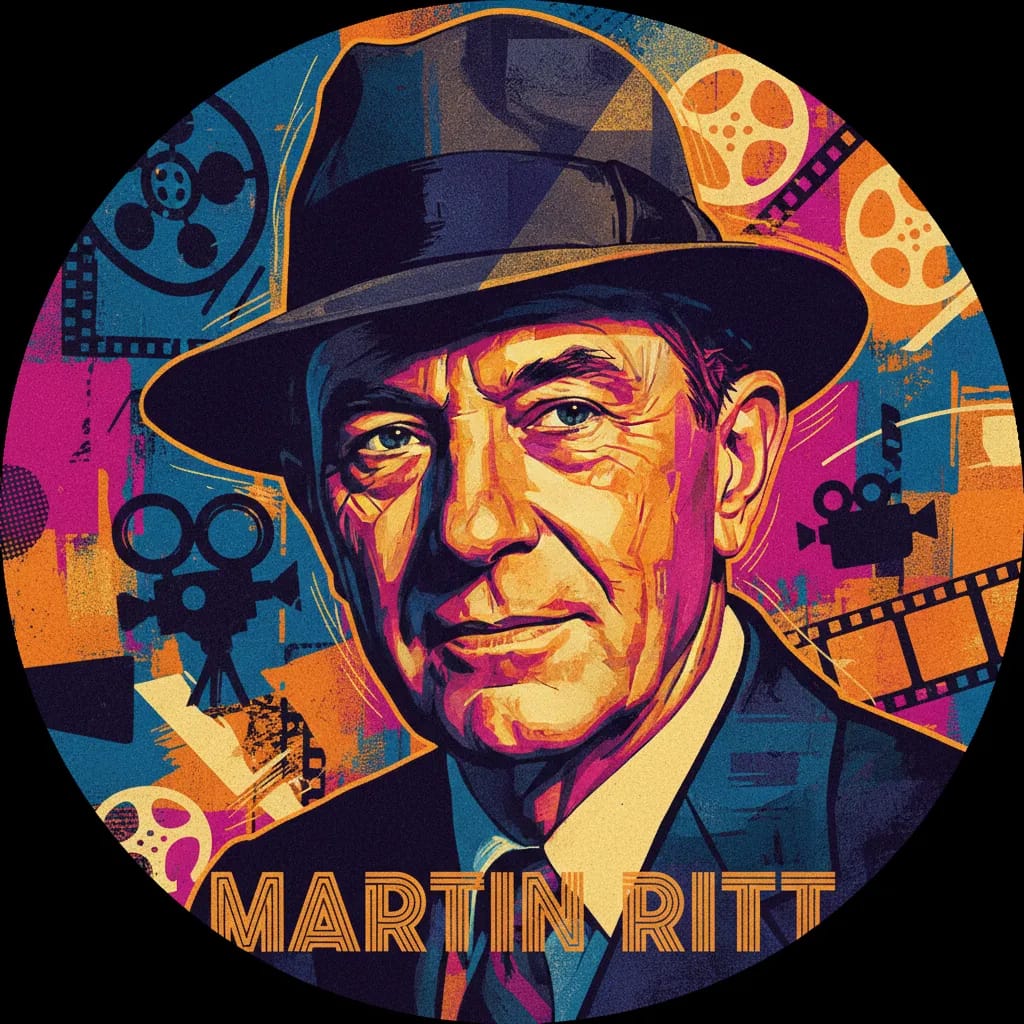
Martin Ritt, a pioneering director known for his powerful dramas and impactful storytelling, made an indelible mark on American cinema with his thought-provoking films. Ritt's directorial style was characterized by his ability to bring out raw, emotional performances from his actors and to tackle socially relevant themes with nuance and sensitivity. His career spanned over four decades, during which he helmed a number of notable films that left a lasting impact on the industry. One of Ritt's most acclaimed works is "Hud" (1963), a gripping drama set in the Texas oilfields. The film earned widespread critical acclaim and garnered multiple Academy Award nominations, including a Best Director nod for Ritt. His collaboration with legendary actors such as Paul Newman and Patricia Neal in "Hud" showcased Ritt's skill in eliciting compelling performances that resonated with audiences. Another standout film in Ritt's repertoire is "Norma Rae" (1979), a stirring drama that delves into the struggles of labor unionization. The film's powerful portrayal of social activism and the lead performance by Sally Field earned Ritt an Academy Award nomination for Best Director. Throughout his career, Ritt frequently explored themes of social justice, individualism, and morality, often within the context of the American South. His films often tackled complex moral dilemmas and the human condition, presenting audiences with thought-provoking narratives that resonated deeply. Ritt's directorial approach, marked by a blend of gritty realism and emotional depth, set him apart as a filmmaker who fearlessly confronted societal issues on the silver screen. Ritt's impact on cinema is undeniable, as his films continue to be celebrated for their enduring relevance and emotional resonance. His ability to craft compelling narratives and draw out powerhouse performances from his cast solidified his reputation as a director of immense talent and vision. Ritt's legacy lives on through his timeless films, which remain essential viewing for anyone seeking to explore the rich tapestry of American cinema.

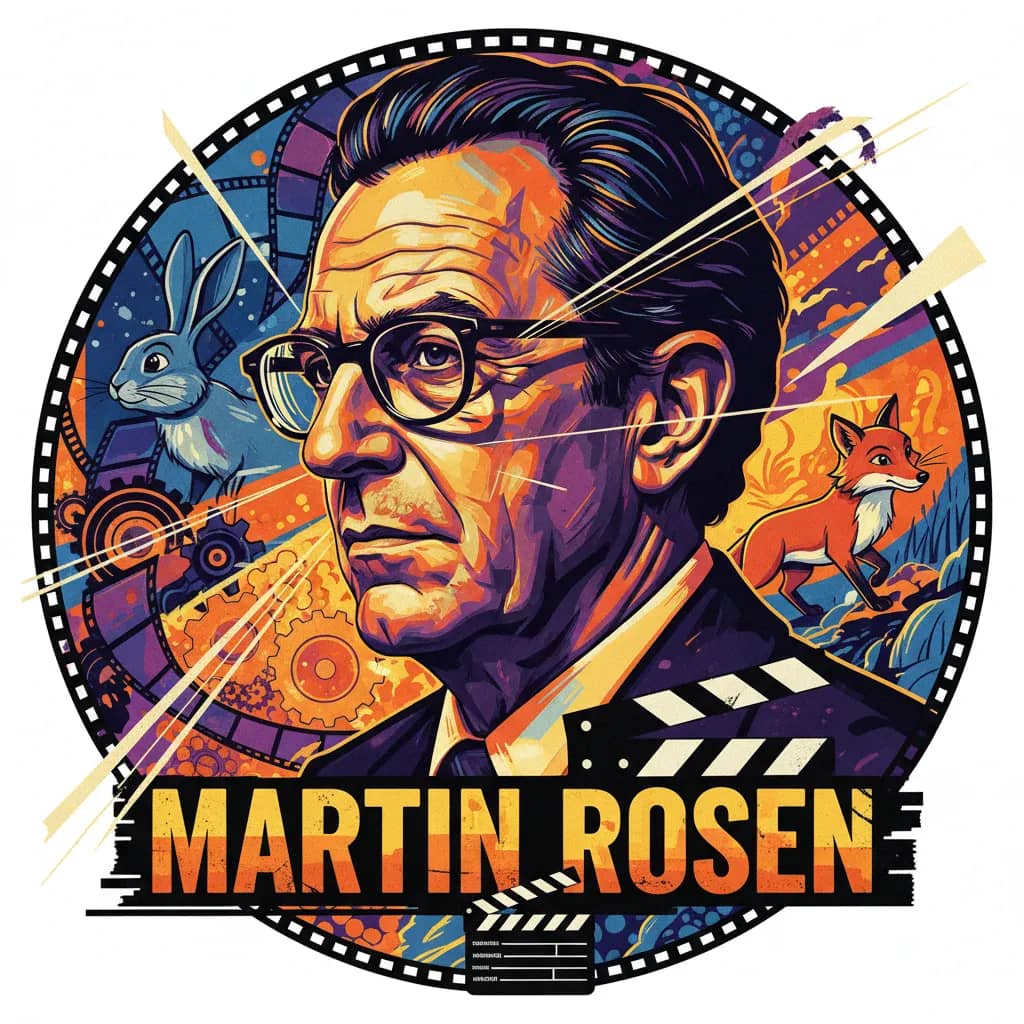
Martin Rosen, a visionary film director, is best known for his groundbreaking work in the animated film industry. His most notable film, "Watership Down" (1978), is a testament to his directorial prowess and storytelling abilities. Rosen's directorial style is characterized by his commitment to adapting complex and thought-provoking literary works into visually stunning and emotionally resonant cinematic experiences. Rosen's adaptation of Richard Adams's beloved novel "Watership Down" is a testament to his ability to bring depth and nuance to animated storytelling. The film, which seamlessly blends elements of animation, adventure, and drama, stands as a timeless masterpiece that continues to captivate audiences. Rosen's keen attention to detail and his ability to infuse profound emotion into his animated characters set him apart as a director with a unique and powerful vision. Throughout his career, Rosen has demonstrated a penchant for exploring deeply philosophical and existential themes within his work. His ability to infuse his films with a rich tapestry of complex emotions and thought-provoking narratives has solidified his status as a trailblazer in the animation genre. "Watership Down" remains a testament to Rosen's commitment to pushing the boundaries of animated storytelling and elevating the medium to new heights. Rosen's impact on cinema extends beyond his individual films, as he has paved the way for a new generation of directors to explore the limitless potential of animation as a vehicle for profound storytelling. His work continues to inspire and influence filmmakers, animators, and storytellers to this day, leaving an indelible mark on the art of animation and the broader landscape of cinema. Martin Rosen's legacy as a director is one of innovation, creativity, and a commitment to pushing the boundaries of traditional storytelling, ensuring that his contributions to cinema will be celebrated for generations to come.

Martin Scorsese is a legendary filmmaker known for his electrifying directorial style and gritty, authentic storytelling. With a career spanning over five decades, Scorsese has left an indelible mark on cinema, crafting a diverse array of films that delve into the human psyche and societal complexities. His filmography boasts iconic works such as "Taxi Driver," "Goodfellas," "Raging Bull," and "The Departed," which have solidified his status as a master of the medium. Scorsese's directorial style is characterized by his meticulous attention to detail, kinetic camerawork, and a penchant for exploring the darker aspects of human nature. His films often feature morally complex protagonists navigating the underbelly of society, grappling with internal conflicts and external pressures. Scorsese's use of music and editing is also a defining aspect of his craft, infusing his films with an unparalleled energy and rhythm. Throughout his career, Scorsese has repeatedly delved into themes of crime, redemption, and the pursuit of power, often set against the backdrop of his beloved hometown, New York City. His exploration of Italian-American identity, Catholic guilt, and the dynamics of organized crime has become synonymous with his work, creating a rich tapestry of narratives that resonate with audiences worldwide. Scorsese's impact on cinema is immeasurable, as he has influenced generations of filmmakers and set a standard for uncompromising storytelling. His ability to seamlessly navigate between genres, from intense crime dramas to heartfelt biopics, showcases his versatility and innovation. With numerous accolades and a profound legacy, Martin Scorsese continues to shape the cinematic landscape, cementing his place as one of the most influential directors in history. In conclusion, Martin Scorsese's career stands as a testament to the power of visionary storytelling and a relentless dedication to the art of filmmaking. His oeuvre encompasses a wide range of genres and themes, reflecting his unparalleled ability to captivate audiences while pushing the boundaries of cinematic expression. As a true auteur, Scorsese's impact on the industry will continue to reverberate for generations to come, solidifying his place as a titan of cinema.

Martin Weisz is a German film director known for his work in the horror and thriller genres. He made his mark in Hollywood with his directorial debut, "The Hills Have Eyes 2" in 2007. Weisz's directorial style is characterized by his ability to create intense and visceral experiences for audiences, often utilizing elements of suspense, gore, and psychological terror to elicit strong emotional responses from viewers. "The Hills Have Eyes 2" is a sequel to the 2006 remake of Wes Craven's classic horror film. Weisz's take on the franchise showcased his talent for crafting tension-filled narratives and delivering shocking, visceral imagery. His work on the film demonstrated his penchant for creating a heightened sense of fear and unease, solidifying his reputation as a director with a keen eye for the macabre. Throughout his career, Weisz has explored recurring themes such as survival, human depravity, and the primal instincts that emerge in extreme situations. His films often delve into the darker aspects of human nature, placing characters in harrowing circumstances that push them to their limits. Weisz's ability to tap into these primal fears and anxieties has resonated with horror audiences, establishing him as a director capable of delivering gripping and unsettling cinematic experiences. Weisz's impact on cinema lies in his ability to push the boundaries of horror and thriller storytelling, infusing his films with a raw, unrelenting intensity that leaves a lasting impression on viewers. His contributions to the genre have solidified his status as a director who fearlessly confronts the darkest aspects of the human experience, leaving an indelible mark on the horror and thriller landscape. In conclusion, Martin Weisz's career as a director has been defined by his uncompromising approach to horror and thriller filmmaking. His ability to create visceral, tension-filled narratives and explore the depths of human terror has established him as a formidable force in the genre. With a knack for delivering shocking and immersive experiences, Weisz continues to captivate audiences with his unique vision and unflinching exploration of the darker facets of humanity.

Martin Wood is a renowned film director known for his exceptional work in the entertainment industry. With a diverse filmography, one of his notable works is the heartwarming comedy, family, and romance film "Operation Christmas Drop" released in 2020. Wood's directorial style is characterized by his ability to blend humor and emotion seamlessly, creating captivating storytelling that resonates with audiences of all ages. His keen eye for detail and dedication to authentic character development are evident in his work, making him a standout director in the industry. "Operation Christmas Drop" showcases Wood's talent for crafting heartwarming narratives with a touch of humor, demonstrating his ability to bring out the best in his actors and capture genuine, relatable moments on screen. The film's success is a testament to Wood's unique vision and storytelling prowess, as it resonated with audiences globally. His recurring themes often revolve around the importance of family, love, and the human spirit, all of which are beautifully depicted in his work. Throughout his career, Martin Wood has made a significant impact on cinema through his ability to create compelling, feel-good films that leave a lasting impression. His dedication to bringing authentic stories to life has earned him a dedicated fan base and critical acclaim. With his exceptional directorial skills and commitment to delivering top-notch entertainment, Wood continues to be a driving force in the film industry, inspiring and influencing aspiring filmmakers. In conclusion, Martin Wood's directorial career is marked by his ability to infuse warmth, humor, and genuine emotion into his films, making him a highly respected figure in the industry. His contribution to cinema is undeniable, and his work continues to captivate audiences worldwide. With a remarkable filmography and a distinct directorial style, Martin Wood stands as a testament to the power of storytelling and its ability to connect people on a profound level.

Martin Zandvliet is a Danish film director known for his compelling storytelling and visually arresting cinematic style. With a keen eye for detail and a penchant for bringing historical narratives to life, Zandvliet has made a significant impact on the global film industry. His notable films include "Land of Mine" (2015) and "Under sandet" (2015), both of which have garnered critical acclaim and accolades for their powerful portrayal of human resilience and the moral complexities of war. Zandvliet's directorial style is characterized by his ability to immerse audiences in emotionally charged narratives while maintaining a sense of authenticity and historical accuracy. His films often explore the human condition in the face of adversity, delving into the psychological and moral dilemmas faced by individuals caught in the tumult of war. Through meticulous attention to detail and a nuanced approach to character development, Zandvliet crafts immersive experiences that resonate with viewers long after the credits roll. "Land of Mine" and "Under sandet" exemplify Zandvliet's recurring themes of redemption, sacrifice, and the harrowing impact of conflict on the human psyche. His films offer profound insights into the complexities of human nature, inviting audiences to confront the moral ambiguities inherent in wartime experiences. Through evocative visuals and nuanced storytelling, Zandvliet sheds light on lesser-known historical events, shedding a poignant light on the enduring effects of war on individuals and societies. Zandvliet's contributions to cinema have not only earned him international acclaim but have also sparked important conversations about the enduring relevance of historical narratives in contemporary storytelling. His ability to infuse his films with emotional depth and thought-provoking themes has solidified his status as a visionary director with a distinct voice in the cinematic landscape. With an impressive body of work and a commitment to bringing untold stories to the forefront, Martin Zandvliet continues to be a driving force in shaping the future of cinema. In conclusion, Martin Zandvliet's directorial career stands as a testament to his unwavering commitment to crafting poignant, thought-provoking narratives that resonate with audiences on a profound level. Through his distinctive directorial style and unwavering dedication to historical authenticity, Zandvliet has left an indelible mark on the film industry, solidifying his reputation as a visionary filmmaker with a unique ability to illuminate the human experience amidst the backdrop of history's most poignant moments.

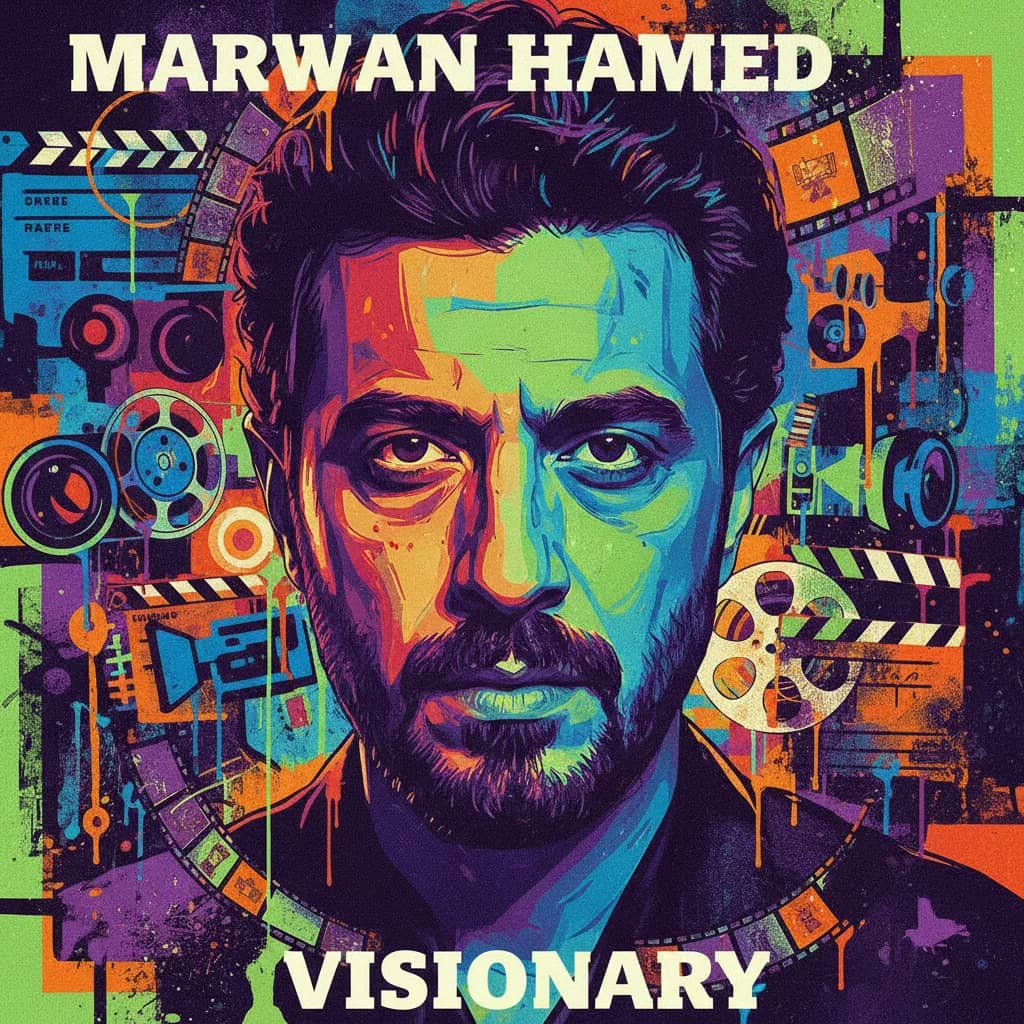
Marwan Hamed is an Egyptian film director known for his unique storytelling and visually captivating cinematic style. He gained international recognition for his work on "The Blue Elephant" (2014) and its sequel "The Blue Elephant 2" (2019). Hamed's distinct directorial approach blends elements of drama, horror, and mystery, creating a signature style that has left a lasting impact on the film industry. Hamed's directorial debut, "The Blue Elephant," marked a significant turning point in Egyptian cinema, drawing widespread acclaim for its innovative narrative and stunning visual effects. The film masterfully weaves together elements of psychological drama and supernatural horror, showcasing Hamed's ability to create an immersive and chilling atmosphere. His meticulous attention to detail and evocative storytelling have solidified his reputation as a visionary director with a penchant for pushing creative boundaries. In "The Blue Elephant 2," Hamed further demonstrated his directorial prowess by delving into the realms of crime, drama, and horror. The film's success reaffirmed Hamed's status as a trailblazer in Egyptian cinema, as he continued to captivate audiences with his compelling storytelling and intricate character development. Hamed's directorial style is characterized by its ability to evoke deep emotional responses from viewers, as he skillfully navigates the complexities of human psyche and the supernatural. Throughout his career, Hamed has explored recurring themes of psychological turmoil, the blurred lines between reality and illusion, and the intricacies of human nature. His films are marked by their thought-provoking narratives, rich symbolism, and visually striking imagery. Hamed's impact on cinema extends beyond his directorial achievements, as he has played a pivotal role in shaping the landscape of contemporary Egyptian filmmaking. Marwan Hamed's directorial legacy is defined by his unparalleled ability to transport audiences into immersive and thought-provoking cinematic worlds. His visionary storytelling, innovative approach to genre blending, and profound understanding of the human experience have firmly established him as a leading figure in the global film industry. As Hamed continues to push creative boundaries and inspire audiences worldwide, his contributions to cinema are sure to endure for generations to come.
Every film by the greats, ranked by our TML Score.

Christopher Nolan
Every film, ranked

Quentin Tarantino
Every film, ranked

Stanley Kubrick
Every film, ranked

Martin Scorsese
Every film, ranked

Steven Spielberg
Every film, ranked

Alfred Hitchcock
Every film, ranked

David Fincher
Every film, ranked

Denis Villeneuve
Every film, ranked

Wes Anderson
Every film, ranked

Paul Thomas Anderson
Every film, ranked

Ridley Scott
Every film, ranked

Tim Burton
Every film, ranked

Guillermo del Toro
Every film, ranked

Hayao Miyazaki
Every film, ranked

Akira Kurosawa
Every film, ranked

Francis Ford Coppola
Every film, ranked

Clint Eastwood
Every film, ranked

Bong Joon Ho
Every film, ranked

Woody Allen
Every film, ranked

Steven Soderbergh
Every film, ranked

Ron Howard
Every film, ranked

Pedro Almodóvar
Every film, ranked

Richard Linklater
Every film, ranked

Roman Polanski
Every film, ranked

Brian De Palma
Every film, ranked

Ingmar Bergman
Every film, ranked

Oliver Stone
Every film, ranked

David Cronenberg
Every film, ranked

Robert Zemeckis
Every film, ranked

Barry Levinson
Every film, ranked

John Carpenter
Every film, ranked

Joel Schumacher
Every film, ranked

Billy Wilder
Every film, ranked

Rob Reiner
Every film, ranked

Neil Jordan
Every film, ranked

Spike Lee
Every film, ranked

Ivan Reitman
Every film, ranked

John Woo
Every film, ranked

Lasse Hallström
Every film, ranked

Stephen Frears
Every film, ranked

Luc Besson
Every film, ranked

Chris Columbus
Every film, ranked

Mike Nichols
Every film, ranked

Howard Hawks
Every film, ranked

Ang Lee
Every film, ranked

Walter Hill
Every film, ranked

Gus Van Sant
Every film, ranked

William Wyler
Every film, ranked

Renny Harlin
Every film, ranked

Sidney Lumet
Every film, ranked

Tony Scott
Every film, ranked