Discover the visionary filmmakers behind cinema's greatest works.
Explore our selection of acclaimed directors and their remarkable films.
Showing 2533-2544 out of 4148

Mark Steven Johnson is an American film director known for his unique blend of comedy, romance, and action genres. Johnson's directorial style is characterized by his ability to infuse heartwarming and humorous storytelling with thrilling action sequences, making his films both entertaining and emotionally resonant. His notable films showcase his versatility, from the heartwarming coming-of-age tale "Simon Birch" (1998) to the action-packed superhero adaptation "Ghost Rider" (2007) and the romantic comedy "When in Rome" (2010). Throughout his career, Johnson has demonstrated a penchant for exploring themes of love, fate, and redemption, often weaving them into the fabric of his narratives. Whether it's the whimsical romantic escapades in "When in Rome" or the supernatural elements in "Ghost Rider," Johnson's films consistently explore the complexities of human relationships and the struggle for personal growth. His ability to seamlessly integrate these themes into diverse genres has earned him a dedicated following among audiences who appreciate his emotionally resonant storytelling. One of Johnson's most notable contributions to cinema is his adeptness at bringing beloved comic book characters to life on the big screen. "Ghost Rider," based on the Marvel Comics character, showcased Johnson's ability to capture the essence of the source material while infusing the film with his signature blend of action and drama. This successful adaptation solidified Johnson's reputation as a director capable of handling complex and beloved properties with reverence and creativity. In his more recent works, such as "Love, Guaranteed" (2020) and "Love in the Villa" (2022), Johnson continues to explore the intricacies of romantic relationships, showcasing his enduring commitment to crafting heartfelt stories that resonate with audiences. With his unique vision and ability to transcend genre boundaries, Mark Steven Johnson has left an indelible mark on cinema, earning a place among the most versatile and impactful directors in the industry.

Mark Tarlov is an American film director known for his unique blend of comedy, drama, and fantasy elements in his work. His notable film, "Simply Irresistible" (1999), showcases his directorial style and thematic focus. Tarlov's career as a director has been marked by his ability to infuse whimsy and charm into his films, creating a visual and emotional experience that resonates with audiences. In "Simply Irresistible," Tarlov explores the theme of love and fate, weaving a captivating narrative that blends romance and magical realism. The film's enchanting visuals and imaginative storytelling highlight Tarlov's distinct directorial style, characterized by a playful approach to storytelling and a keen eye for visual details. His ability to seamlessly blend comedy, drama, and fantasy elements has set him apart as a director with a unique vision and storytelling prowess. Tarlov's impact on cinema lies in his ability to transport audiences into enchanting worlds filled with wonder and emotion. His films often feature strong, relatable characters and explore the complexities of human relationships, adding depth and resonance to his storytelling. Through his directorial work, Tarlov has demonstrated a commitment to creating engaging and heartfelt narratives that leave a lasting impression on viewers. Overall, Mark Tarlov's career as a director has been defined by his ability to infuse his films with a sense of magic and charm, offering audiences a captivating cinematic experience. His unique blend of comedy, drama, and fantasy elements, as showcased in "Simply Irresistible," has solidified his reputation as a director with a distinct vision and a talent for creating immersive and emotionally resonant storytelling. Tarlov's contributions to film have left an indelible mark on the industry, and his work continues to enchant and inspire audiences to this day.

Mark Tonderai is a British filmmaker known for his work in the drama, horror, and thriller genres. His notable filmography includes the 2012 release "House at the End of the Street," which showcased his directorial prowess and storytelling abilities. Tonderai's directorial style is characterized by his ability to create tension and suspense, as well as his adeptness at blending psychological drama with elements of horror. His films often delve into the complexities of human relationships and the darker aspects of the human psyche, captivating audiences with their gripping narratives and memorable characters. "House at the End of the Street" served as a platform for Tonderai to exhibit his talent for crafting atmospheric and intense cinematic experiences. The film's success solidified his reputation as a director capable of delivering compelling and chilling stories that resonate with audiences. Tonderai's work frequently explores themes of fear, isolation, and the blurred lines between reality and the supernatural, showcasing his penchant for delving into the psychological and emotional depths of his characters. Tonderai's impact on cinema lies in his ability to infuse his films with a sense of unease and unpredictability, keeping viewers on the edge of their seats. His unique vision and storytelling sensibilities have contributed to the evolution of the horror and thriller genres, garnering critical acclaim and a dedicated fan base. With an intuitive understanding of tension-building and an eye for striking visuals, Tonderai continues to leave his mark on the film industry, solidifying himself as a director to watch. In conclusion, Mark Tonderai's directorial career has been defined by his adeptness at crafting suspenseful and emotionally resonant narratives within the realms of horror and thriller cinema. His contributions to the genre have left a lasting impression on audiences and industry peers alike, showcasing his distinctive directorial style and storytelling prowess. As Tonderai continues to explore the complexities of fear and human nature through his work, his impact on cinema remains undeniable, cementing his status as a visionary filmmaker.

Mark Waters is an accomplished film director known for his versatile range and ability to seamlessly navigate between genres. A master of blending comedy with drama, fantasy, and romance, Waters has left an indelible mark on cinema. His notable films include "Mean Girls" (2004), "Freaky Friday" (2003), "Just Like Heaven" (2005), "Mr. Popper's Penguins" (2011), "Vampire Academy" (2014), and "The Spiderwick Chronicles" (2008). Waters' directorial style is marked by a keen understanding of human emotions and relationships, often infused with a touch of whimsy and fantasy. His films are characterized by their sharp wit, heartfelt moments, and imaginative storytelling. With an astute eye for casting, Waters has consistently brought out compelling performances from his actors, elevating the emotional resonance of his narratives. Notably, Waters has a knack for delving into the complexities of human nature, often exploring themes of self-discovery, redemption, and the importance of empathy. His films often feature relatable characters navigating extraordinary circumstances, resonating with audiences on a deeply personal level. Waters' impact on cinema is evident in his ability to create timeless, universally beloved stories that continue to captivate viewers across generations. With his adept storytelling and ability to infuse humor into even the most poignant moments, Mark Waters has earned a well-deserved reputation as a director who can enchant, entertain, and provoke thought in equal measure. His distinct directorial vision and commitment to crafting compelling narratives have solidified his place as a revered filmmaker in the industry. In summary, Mark Waters' filmography reflects a directorial journey marked by creativity, emotional depth, and a profound understanding of the human experience. His films continue to resonate with audiences, showcasing his enduring impact on cinema and cementing his status as a visionary director with a remarkable ability to captivate and inspire.

Mark Williams is a versatile film director known for his work across multiple genres, including action, drama, and thrillers. With a keen eye for storytelling and a knack for creating compelling narratives, Williams has made a significant impact on the cinematic landscape. His notable films showcase his ability to effectively capture intense action sequences while delving into the complexities of human emotion. Williams made a splash in the action-thriller genre with his 2020 film "Honest Thief," which featured gripping performances and high-stakes suspense. The film's success solidified Williams as a director capable of delivering heart-pounding entertainment while maintaining a strong focus on character development. His directorial style often incorporates taut pacing, visually stunning sequences, and a deep exploration of moral dilemmas, making his films resonate with audiences on both an emotional and visceral level. In "A Family Man" (2016), Williams demonstrated his proficiency in crafting compelling drama, showcasing his ability to elicit raw, authentic performances from his cast. The film's exploration of the delicate balance between career ambitions and personal relationships highlighted Williams' nuanced approach to storytelling, earning him praise for his ability to capture the complexities of human experience on screen. With the release of "Blacklight" in 2022, Williams once again proved his directorial prowess, seamlessly blending action and drama to create a riveting cinematic experience. His adept handling of intricate plotlines and multi-dimensional characters has established him as a director with a distinct flair for crafting engaging and thought-provoking narratives. Through his body of work, Mark Williams has left an indelible mark on the film industry, earning recognition for his unique vision and storytelling abilities. His films consistently push the boundaries of traditional genre conventions, offering audiences a fresh and captivating perspective on familiar themes. As a director, Williams continues to captivate viewers with his evocative storytelling and has solidified his status as a filmmaker to watch in the ever-evolving world of cinema.

Marlon Brando is best known as one of the greatest actors of all time, but many are unaware that he also tried his hand at directing. Brando's sole directorial effort, "One-Eyed Jacks" (1961), is an ambitious and emotionally charged drama set in the Wild West. While Brando's career as a director was brief, his impact on cinema is undeniable. "One-Eyed Jacks" is a visually stunning and thematically complex film that showcases Brando's directorial style. Brando brought a raw and intense approach to the storytelling, capturing the rugged beauty of the American frontier while delving deep into the complexities of human relationships. His directorial debut demonstrated a keen eye for composition and a willingness to push boundaries, making it a unique addition to the Western genre. Brando's directorial style in "One-Eyed Jacks" reflected his nuanced approach to acting, as he emphasized the emotional depth of his characters and their internal struggles. The film's exploration of themes such as betrayal, redemption, and the passage of time resonated with audiences and critics alike, showcasing Brando's ability to deliver powerful and thought-provoking narratives from behind the camera. Despite directing only one film, Brando's impact on cinema as a director cannot be overstated. "One-Eyed Jacks" remains a testament to Brando's artistic vision and his willingness to challenge conventional storytelling. The film continues to inspire filmmakers and audiences, cementing Brando's legacy as a multifaceted talent whose contributions to cinema extend far beyond his iconic performances as an actor. In conclusion, while Marlon Brando's directorial career was brief, "One-Eyed Jacks" stands as a testament to his unique vision and his ability to leave an indelible mark on the world of cinema. Brando's foray into directing showcased his unparalleled creativity and storytelling prowess, solidifying his status as a true visionary in the realm of film.

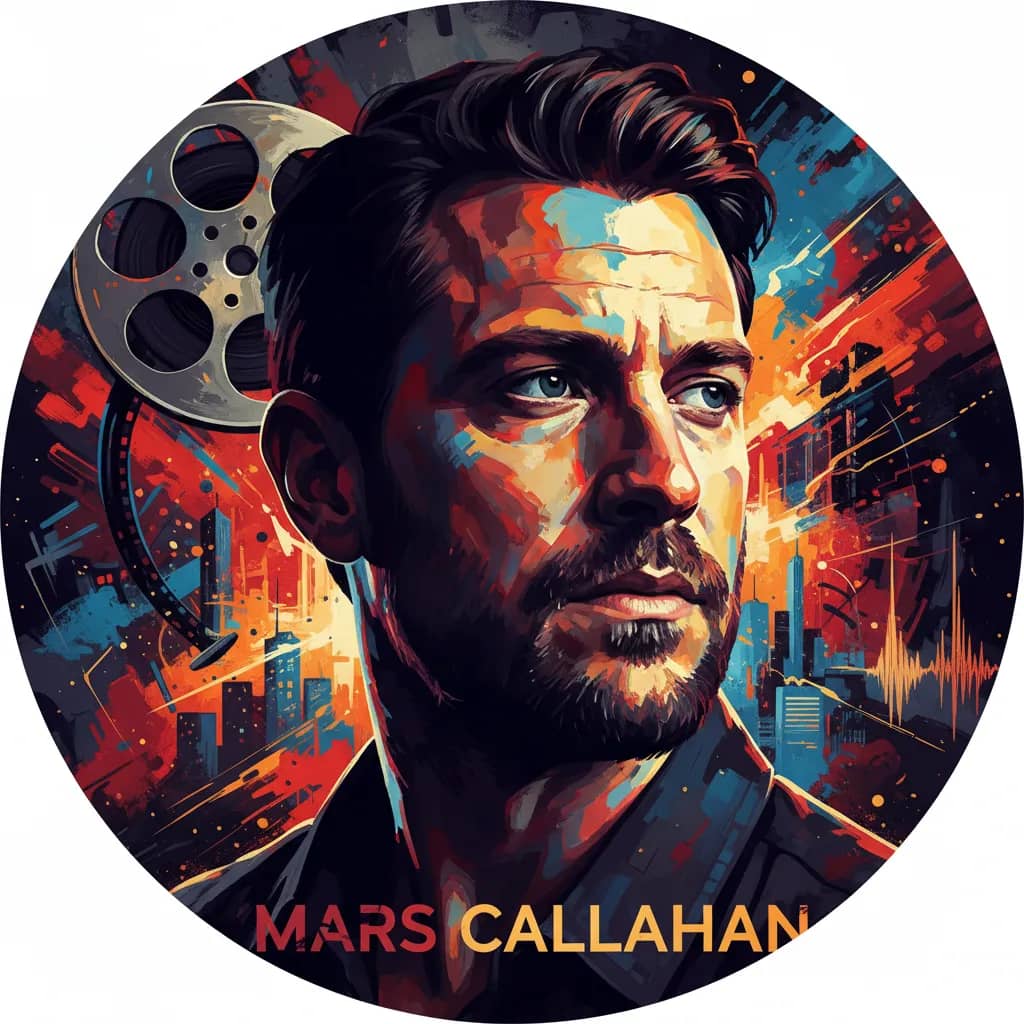
Mars Callahan is a multifaceted filmmaker known for his distinctive directorial style and impactful contributions to cinema. His notable filmography includes the 2002 comedy-drama-sport film "Poolhall Junkies," which stands as a testament to his adept storytelling and creative prowess. Callahan's directorial approach is marked by a seamless blend of genres, incorporating elements of comedy, drama, and sports, thereby appealing to a wide audience demographic. In "Poolhall Junkies," Callahan showcases his keen ability to weave together compelling narratives with a focus on character-driven storytelling. His adept direction brings to life the world of underground pool hustling, capturing the raw intensity and adrenaline of the sport while delving into the complexities of human relationships and personal redemption. Callahan's unique vision is evident in the film's captivating visuals and dynamic pacing, elevating the storytelling to a whole new level. Throughout his career, Mars Callahan has demonstrated a penchant for exploring recurring themes such as ambition, resilience, and the pursuit of excellence. His films often delve into the human psyche, portraying characters grappling with inner conflicts and external challenges. Callahan's directorial signature lies in his ability to infuse his narratives with emotional depth, resonating with audiences on a profound level. Mars Callahan's impact on cinema is palpable, as he continues to carve a distinct niche for himself in the industry. His innovative approach to storytelling and his commitment to pushing artistic boundaries have cemented his status as a visionary director. As an auteur, Callahan's films stand as a testament to his unwavering dedication to the craft, leaving an indelible mark on the cinematic landscape. In summary, Mars Callahan's directorial career is characterized by a unique blend of genres, compelling narratives, and a distinct directorial style. His notable film "Poolhall Junkies" serves as a testament to his creative prowess and enduring impact on cinema. With an unwavering commitment to storytelling and a penchant for exploring the human experience, Callahan continues to captivate audiences with his visionary approach to filmmaking.

Marshall Herskovitz is a prolific and versatile film director known for his ability to deliver compelling and emotionally resonant storytelling. With a career spanning several decades, Herskovitz has left an indelible mark on the film industry with his distinctive directorial style and thought-provoking narratives. His filmography includes the critically acclaimed "Dangerous Beauty" (1998), a vivid and sensual portrayal of the life of Veronica Franco, a courtesan in 16th century Venice. This biographical drama and romance film showcases Herskovitz's adeptness at capturing the complexities of human relationships and societal norms, while also highlighting his keen eye for period detail and lush cinematography. Herskovitz's directorial style is characterized by his ability to seamlessly blend historical context with contemporary relevance, creating films that are both visually stunning and thematically profound. His meticulous attention to detail and emphasis on character development have set him apart as a director with a keen understanding of human emotions and interpersonal dynamics. "Dangerous Beauty" stands as a testament to his skill in bringing historical narratives to life, imbuing them with a modern sensibility that resonates with audiences. Throughout his career, Herskovitz has explored various recurring themes, including the complexities of love, the pursuit of personal freedom, and the societal constraints that shape individual destinies. His films often delve into the struggles and triumphs of strong, independent female protagonists, shedding light on their resilience and agency in the face of adversity. This thematic richness has contributed to Herskovitz's reputation as a director who fearlessly delves into the human experience with depth and nuance. Herskovitz's impact on cinema is undeniable, as he has consistently pushed the boundaries of storytelling and visual artistry. His directorial contributions have not only entertained audiences but also sparked meaningful conversations about the human condition and the enduring power of love and resilience. As a director, Herskovitz continues to inspire with his ability to craft narratives that resonate across time and space, solidifying his legacy as a visionary filmmaker in the industry.

Mar Targarona is a prolific Spanish film director known for her exceptional storytelling and visually striking narratives. With a career spanning over two decades, Targarona has made significant contributions to the world of cinema, particularly in the genres of biography, drama, and history. Her most notable work includes the critically acclaimed film "The Photographer of Mauthausen" (2018), a powerful and moving portrayal of the harrowing true story of a Spanish prisoner in the Mauthausen concentration camp during World War II. Targarona's directorial style is characterized by a meticulous attention to detail and a profound understanding of human emotions, which she skillfully translates onto the screen. Her films often feature a compelling blend of historical accuracy and deeply personal narratives, creating an immersive experience for audiences. Targarona's ability to bring to life the untold stories of courage and resilience has cemented her reputation as a director with a unique vision and a keen understanding of the human spirit. Throughout her career, Targarona has delved into themes of survival, human suffering, and the indomitable strength of the human soul, often shedding light on lesser-known historical events and figures. Her films resonate with audiences on a profound level, offering a poignant reflection on the resilience of the human spirit in the face of adversity. Targarona's dedication to bringing these stories to the forefront of cinema has had a lasting impact on the industry, enriching the medium with narratives that are both historically significant and emotionally resonant. Mar Targarona's cinematic contributions have not only earned her critical acclaim but also positioned her as a director with a profound understanding of the human condition. Her commitment to portraying stories of courage and survival with authenticity and empathy has left an indelible mark on cinema, making her a revered and influential figure in the world of film. With her unique vision and unwavering dedication to storytelling, Targarona continues to captivate audiences and inspire fellow filmmakers with her exceptional body of work.

Martha Coolidge is an influential American film director known for her versatile and impactful contributions to cinema. With a career spanning over four decades, Coolidge has consistently delivered compelling and diverse films, showcasing her directorial prowess across various genres. Her unique vision and ability to capture authentic human experiences have made her a respected figure in the industry. Coolidge's notable films include "Valley Girl" (1983), "Real Genius" (1985), and "The Prince and Me" (2004). "Valley Girl" is a classic romantic comedy that beautifully captures the essence of 1980s teenage culture, featuring a charming love story set against the backdrop of the San Fernando Valley. "Real Genius" is a beloved cult classic that seamlessly blends comedy, romance, and science fiction, showcasing Coolidge's ability to infuse humor with intelligent storytelling. "The Prince and Me" is a heartwarming family-friendly film that highlights Coolidge's versatility in directing romantic comedies with a touch of royalty. Coolidge's directorial style is characterized by her ability to create relatable and authentic characters, often exploring themes of love, friendship, and self-discovery. Her films are known for their engaging storytelling, strong emotional resonance, and memorable performances. Coolidge's impact on cinema extends beyond her individual films, as she has paved the way for female directors in a male-dominated industry, inspiring a new generation of filmmakers to pursue their creative ambitions. With a diverse filmography that spans multiple genres, Martha Coolidge has left an indelible mark on the film industry. Her ability to connect with audiences on a deeply human level and her pioneering role as a female director have solidified her legacy as a trailblazer in cinema. Coolidge's films continue to resonate with viewers, showcasing her enduring influence and contributions to the art of storytelling through film. Keywords: Martha Coolidge, film director, Valley Girl, Real Genius, The Prince and Me, directorial style, impact on cinema, female director, diverse filmography, storytelling, human experiences, romantic comedy, comedy, romance, search engine optimization

Martin Brest is an American film director known for his diverse filmography and ability to seamlessly blend genres. He burst onto the scene with the action-comedy hit "Beverly Hills Cop" in 1984, which showcased his knack for creating high-octane, entertaining films. Brest's directorial style is characterized by his adeptness at infusing humor into action-packed narratives, as evidenced by the success of "Midnight Run" in 1988. This film solidified his reputation as a director capable of delivering compelling stories with a perfect balance of action and comedy. In 1992, Brest ventured into drama with "Scent of a Woman," a film that garnered critical acclaim and multiple awards, including an Academy Award for Al Pacino's performance. This marked a departure from his earlier works, demonstrating his versatility as a director capable of evoking powerful emotions and crafting poignant narratives. Brest's ability to navigate between genres and capture the essence of each story is a testament to his directorial prowess and adaptability. One of Brest's most notable films is "Meet Joe Black" (1998), a thought-provoking blend of drama, fantasy, and romance. This film showcased his ability to delve into complex themes and create visually stunning cinematic experiences. Brest's recurring themes often revolve around human connections, self-discovery, and the intricacies of relationships, which are expertly woven into the fabric of his films. Martin Brest's impact on cinema lies in his unique approach to storytelling and his ability to captivate audiences across various genres. His films have left an indelible mark on the industry, garnering both critical and commercial success. Brest's diverse filmography and his knack for crafting compelling narratives have solidified his status as a director with an enduring legacy in the world of cinema.

Martin Campbell is a renowned film director known for his mastery in the action and adventure genres. With a career spanning several decades, Campbell has left an indelible mark on cinema with his distinct directorial style and ability to craft captivating, adrenaline-pumping narratives. His filmography boasts a diverse array of blockbuster hits, including "Casino Royale" (2006), "GoldenEye" (1995), "The Mask of Zorro" (1998), and "The Foreigner" (2017), showcasing his penchant for high-octane action, compelling storytelling, and visually stunning cinematography. Campbell's directorial style is characterized by his adeptness at seamlessly blending heart-racing action sequences with intricate character development, resulting in films that resonate with audiences on both an emotional and visceral level. His keen eye for detail and knack for creating compelling narratives have solidified his status as a master storyteller in the realm of action cinema. This is evident in his work on "Vertical Limit" (2000), "Edge of Darkness" (2010), and "Green Lantern" (2011), where he expertly navigates the complexities of the human experience within the framework of gripping, pulse-pounding thrillers. Notable themes that recur throughout Campbell's filmography include the exploration of heroism, redemption, and the timeless struggle between good and evil. His films often feature charismatic protagonists embarking on transformative journeys, set against the backdrop of breathtaking locales and heart-stopping action set pieces. Campbell's ability to infuse his narratives with depth, emotion, and spectacle has garnered him widespread acclaim and cemented his legacy as a trailblazer in the action-adventure genre. Martin Campbell's impact on cinema is far-reaching, as he continues to push the boundaries of visual storytelling and captivate audiences with his signature blend of adrenaline-fueled excitement and compelling storytelling. His contributions to the film industry have left an indelible imprint, inspiring a new generation of filmmakers and solidifying his status as a visionary director whose work will continue to stand the test of time.
Every film by the greats, ranked by our TML Score.

Christopher Nolan
Every film, ranked

Quentin Tarantino
Every film, ranked

Stanley Kubrick
Every film, ranked

Martin Scorsese
Every film, ranked

Steven Spielberg
Every film, ranked

Alfred Hitchcock
Every film, ranked

David Fincher
Every film, ranked

Denis Villeneuve
Every film, ranked

Wes Anderson
Every film, ranked

Paul Thomas Anderson
Every film, ranked

Ridley Scott
Every film, ranked

Tim Burton
Every film, ranked

Guillermo del Toro
Every film, ranked

Hayao Miyazaki
Every film, ranked

Akira Kurosawa
Every film, ranked

Francis Ford Coppola
Every film, ranked

Clint Eastwood
Every film, ranked

Bong Joon Ho
Every film, ranked

Woody Allen
Every film, ranked

Steven Soderbergh
Every film, ranked

Ron Howard
Every film, ranked

Pedro Almodóvar
Every film, ranked

Richard Linklater
Every film, ranked

Roman Polanski
Every film, ranked

Brian De Palma
Every film, ranked

Ingmar Bergman
Every film, ranked

Oliver Stone
Every film, ranked

David Cronenberg
Every film, ranked

Robert Zemeckis
Every film, ranked

Barry Levinson
Every film, ranked

John Carpenter
Every film, ranked

Joel Schumacher
Every film, ranked

Billy Wilder
Every film, ranked

Rob Reiner
Every film, ranked

Neil Jordan
Every film, ranked

Spike Lee
Every film, ranked

Ivan Reitman
Every film, ranked

John Woo
Every film, ranked

Lasse Hallström
Every film, ranked

Stephen Frears
Every film, ranked

Luc Besson
Every film, ranked

Chris Columbus
Every film, ranked

Mike Nichols
Every film, ranked

Howard Hawks
Every film, ranked

Ang Lee
Every film, ranked

Walter Hill
Every film, ranked

Gus Van Sant
Every film, ranked

William Wyler
Every film, ranked

Renny Harlin
Every film, ranked

Sidney Lumet
Every film, ranked

Tony Scott
Every film, ranked