Discover the visionary filmmakers behind cinema's greatest works.
Explore our selection of acclaimed directors and their remarkable films.
Showing 2029-2040 out of 4148

Josef Rusnak is a German-born film director known for his gripping storytelling and visually striking films. He made a significant impact on cinema with his thought-provoking narratives and skillful direction. Rusnak's most notable work includes "The Thirteenth Floor" (1999), a captivating blend of mystery, science fiction, and thriller elements that showcased his visionary approach to filmmaking. Rusnak's directorial style is characterized by his ability to immerse audiences in intricate and mind-bending narratives. "The Thirteenth Floor" exemplifies his penchant for crafting thought-provoking stories that challenge perceptions of reality and identity. The film's seamless integration of cutting-edge visual effects and compelling storytelling cemented Rusnak's reputation as a director with a keen eye for creating immersive cinematic experiences. In "The Thirteenth Floor," Rusnak skillfully explores themes of consciousness, technology, and the nature of existence, demonstrating his affinity for thought-provoking subject matter. His ability to seamlessly blend genres and delve into complex philosophical concepts has set him apart as a director with a distinct and engaging creative vision. Rusnak's impact on cinema extends beyond his individual films, as he has contributed to the evolution of science fiction and thriller genres. His meticulous attention to detail and ability to infuse his work with intellectual depth have earned him a dedicated following among fans of thought-provoking cinema. With "The Thirteenth Floor," Rusnak solidified his status as a director capable of delivering captivating, genre-defying narratives that leave a lasting impression on audiences. Josef Rusnak's directorial career is a testament to his ability to push the boundaries of storytelling and visual innovation. His commitment to crafting compelling narratives and exploring profound themes has established him as a director with a distinct voice in the world of cinema, and his contributions continue to resonate with audiences and fellow filmmakers alike.

Josef von Sternberg was a pioneering filmmaker whose visionary style and meticulous attention to detail made him one of the most influential directors in the history of cinema. Born in Austria-Hungary in 1894, Sternberg began his career in Hollywood as a director of silent films before making a significant impact with his groundbreaking sound films. His filmography is highlighted by his iconic collaboration with Marlene Dietrich, particularly his seminal work "The Blue Angel" (1930), which remains a classic of the German expressionist movement. Sternberg's directorial style was characterized by his innovative use of lighting, shadow, and camera angles to create visually stunning and atmospheric films. His meticulous attention to detail and emphasis on art direction and set design set him apart from his contemporaries, earning him a reputation as a master of visual storytelling. His films often delved into themes of obsession, desire, and the darker aspects of human nature, capturing the essence of the human psyche with unparalleled depth and complexity. "The Blue Angel" stands as a testament to Sternberg's unique vision and directorial prowess, as he skillfully blended elements of drama and music to create a haunting and evocative cinematic experience. The film's exploration of the destructive power of obsession and the complexities of human desire solidified Sternberg's reputation as a trailblazer in the world of cinema. His collaboration with Marlene Dietrich in this film marked the beginning of a legendary partnership that would produce a series of iconic films, including "Morocco" (1930), "Dishonored" (1931), and "Shanghai Express" (1932). Sternberg's impact on cinema extends far beyond his technical innovations and visual flair. His ability to capture the human experience with unflinching honesty and emotional depth has left an indelible mark on the art of filmmaking. His influence can be seen in the works of countless directors who have been inspired by his groundbreaking approach to storytelling and his unwavering dedication to his craft. Josef von Sternberg's legacy as a visionary filmmaker continues to resonate with audiences and filmmakers alike, cementing his status as a true pioneer of the silver screen.

José Padilha is a Brazilian film director known for his intense, gritty, and socially conscious storytelling. His directorial style is characterized by a raw and unflinching approach to depicting the complexities of crime, corruption, and social injustice. Padilha first gained international attention with his breakthrough film "Elite Squad" (2007), a gripping action-drama that delves into the violent world of Rio de Janeiro's Special Police Operations Battalion. The film not only showcased Padilha's directorial prowess but also shed light on the harsh realities of Brazilian law enforcement and the futility of the war on drugs. Following the success of "Elite Squad," Padilha continued to explore similar themes in "Elite Squad 2: The Enemy Within" (2010) and "Tropa de Elite 2: O Inimigo Agora é Outro" (2010), both of which further solidified his reputation as a master of hard-hitting, politically charged cinema. His films often confront the systemic injustices and moral ambiguities inherent in law enforcement and societal structures, offering a thought-provoking examination of power dynamics and ethical dilemmas. Padilha's impactful storytelling and visually arresting direction have left an indelible mark on the world of cinema, earning him accolades and admiration from audiences and critics alike. His films have not only captivated audiences with their intense action sequences and unrelenting tension but also sparked important conversations about social inequality, corruption, and the human cost of crime-fighting efforts. Padilha's work stands as a testament to the power of cinema to expose uncomfortable truths and provoke meaningful dialogue. In summary, José Padilha's directorial career has been defined by his uncompromising commitment to shedding light on the harsh realities of Brazilian society and law enforcement. His films have resonated with audiences globally, earning him a well-deserved reputation as a visionary director unafraid to tackle difficult subject matter with unflinching honesty. With a keen eye for social commentary and a distinct directorial style, Padilha continues to make a significant impact on the world of cinema, leaving a lasting legacy as a filmmaker unafraid to challenge the status quo.

Joseph D. Sami is a visionary film director known for his distinct blend of action, drama, and romance in his films. His notable work includes "The Legend" (2022), a captivating tale that showcases his unparalleled directorial style. Sami's directorial approach is characterized by his ability to seamlessly intertwine high-octane action sequences with deep emotional narratives, creating a cinematic experience that resonates with audiences on a profound level. "The Legend" stands as a testament to Sami's directorial prowess, earning acclaim for its breathtaking action set pieces and poignant storytelling. Sami's films often delve into themes of heroism, love, and sacrifice, captivating viewers with his ability to evoke raw emotions through his characters and their journeys. His directorial vision has left an indelible mark on the action-drama genre, setting a new standard for immersive storytelling and compelling character development. Sami's impact on cinema extends beyond his individual films, as he has consistently pushed the boundaries of visual storytelling, employing innovative cinematography and dynamic editing techniques to create a truly immersive viewing experience. His unique directorial voice has garnered a dedicated following, cementing his status as a trailblazer in the industry. As a director, Joseph D. Sami continues to captivate audiences with his compelling narratives and visually stunning storytelling. His ability to seamlessly blend action, drama, and romance has solidified his place as a visionary director, and his contributions to cinema have left an indelible mark on the industry. With each new project, Sami continues to push the boundaries of storytelling, leaving audiences eagerly anticipating his next cinematic masterpiece. In summary, Joseph D. Sami's directorial career is defined by his ability to craft gripping narratives that seamlessly blend action, drama, and romance, captivating audiences with his unique vision and storytelling prowess. His impact on cinema is undeniable, and his directorial style continues to set a new standard for immersive storytelling and compelling character development. As a visionary director, Sami's contributions to the industry have undoubtedly reshaped the action-drama genre, leaving an enduring legacy in the world of filmmaking.

Joseph Gordon-Levitt is a multi-talented filmmaker known for his work as an actor, writer, and director. His directorial debut came in 2013 with the film "Don Jon," a comedy-drama that explores themes of love, relationships, and the influence of media on our perceptions of romance. Gordon-Levitt's directorial style is characterized by a keen understanding of human emotions and relationships, as well as a sharp wit and a knack for blending humor with poignant storytelling. "Don Jon" showcases Gordon-Levitt's unique approach to filmmaking, as he skillfully weaves together a compelling narrative with a mix of comedy, drama, and romance. The film received critical acclaim for its bold and unapologetic exploration of modern love and sexuality, firmly establishing Gordon-Levitt as a director with a distinct voice and vision. His ability to address complex and relatable themes with honesty and humor has solidified his reputation as a filmmaker with a deep understanding of human nature. Gordon-Levitt's impact on cinema can be seen in his commitment to telling stories that resonate with audiences on a personal level. Through "Don Jon," he delves into the complexities of relationships and the impact of societal expectations on our perceptions of love and intimacy. His directorial debut showcases his ability to create thought-provoking narratives that challenge traditional norms and offer a fresh perspective on universal themes. As Gordon-Levitt continues to expand his directorial repertoire, audiences can expect to see more of his signature blend of humor, drama, and insightful storytelling. With "Don Jon," he has cemented his status as a filmmaker with a distinct and compelling vision, and his future projects are sure to further solidify his impact on contemporary cinema. As a versatile talent with a keen eye for human emotion and relationships, Joseph Gordon-Levitt's directorial career is one to watch.

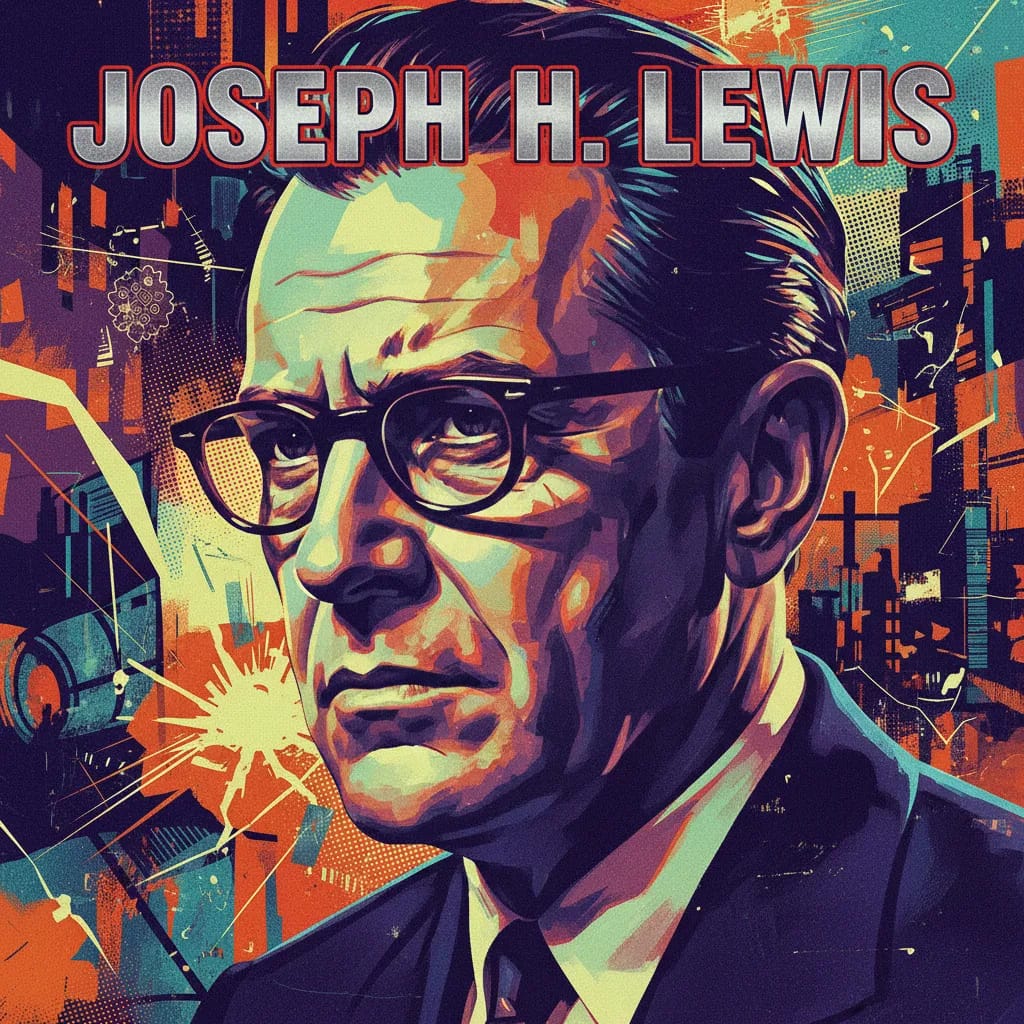
Joseph H. Lewis was a prolific American film director known for his distinctive visual style and innovative approach to storytelling. Born in 1907, Lewis began his career in the 1930s as a director of B-movies and later gained recognition for his work in film noir. His most notable film, "Gun Crazy" (1950), is considered a classic of the genre and showcases his mastery of tension-filled, visually striking scenes. Lewis's directorial style is characterized by dynamic camerawork, use of deep shadows, and atmospheric settings, which contributed to the mood and intensity of his films. He often employed unconventional shooting techniques, such as low-angle shots and long takes, to create a sense of unease and suspense. His films were also known for their strong psychological elements and complex, morally ambiguous characters. "Gun Crazy" remains Lewis's most enduring work, celebrated for its groundbreaking use of first-person perspective in action sequences and its portrayal of doomed love. The film's themes of obsession, crime, and fatalism reflect Lewis's recurring interests in exploring the darker aspects of human nature. His influence on the film noir genre and his innovative visual storytelling techniques have left a lasting impact on cinema, inspiring generations of filmmakers and earning him a place in the pantheon of visionary directors. Despite working within the constraints of low-budget productions, Lewis demonstrated a remarkable ability to infuse his films with a distinctive artistic vision and a sense of urgency. His directorial career spanned several decades, during which he created a body of work that continues to captivate audiences and critics alike. Joseph H. Lewis's contributions to film, particularly his groundbreaking work in film noir, cement his legacy as a visionary director whose impact on cinema endures to this day.

Josephine Decker is an innovative and boundary-pushing director who has made a significant impact on contemporary cinema. With a distinct directorial style that blurs the lines between reality and fiction, Decker's films often explore the complex inner worlds of her characters. Her filmography includes the critically acclaimed "Shirley" (2020), a biographical drama infused with elements of horror that showcases her ability to create immersive and unsettling atmospheres. Decker's directorial style is characterized by a raw and emotionally charged approach that challenges conventional storytelling techniques. Her use of unconventional narrative structures and immersive visuals sets her apart as a director with a truly unique vision. Notable for her ability to elicit raw and authentic performances from her actors, Decker's films often provide a deeply intimate and visceral viewing experience. "Shirley" (2020) stands as a testament to Decker's ability to create atmospheric and haunting narratives that delve into the psychological depths of her characters. The film weaves a gripping and unsettling portrayal of renowned horror author Shirley Jackson, delving into her tumultuous creative process and complex personal life. Through her meticulous attention to detail and evocative storytelling, Decker's directorial prowess shines in "Shirley," solidifying her status as a director unafraid to explore the darker facets of human nature. Recurring themes in Decker's work include the exploration of female subjectivity, the complexities of creativity, and the blurred boundaries between reality and imagination. Her films often challenge traditional gender roles and societal expectations, offering a fresh and unapologetic perspective on female experiences. Decker's impact on cinema lies in her fearless commitment to pushing artistic boundaries and challenging audience expectations, paving the way for a new wave of innovative storytelling in the film industry. In conclusion, Josephine Decker's directorial career is defined by her unyielding commitment to pushing the boundaries of storytelling and her fearless exploration of complex human emotions. With "Shirley" (2020) as a standout example of her visionary approach to filmmaking, Decker continues to leave an indelible mark on contemporary cinema. As a director unafraid to delve into the depths of the human psyche and challenge traditional storytelling conventions, Decker's impact on the film industry is sure to resonate for years to come.

Joseph Kahn is an American director known for his visually striking and genre-blending films. With a background in music videos and commercials, Kahn made his feature film directorial debut with "Torque" in 2004, a high-octane action film that showcased his flair for kinetic visuals and stylized storytelling. However, it was his 2011 film "Detention" that truly solidified his reputation as a director with a bold and unique vision. Blending comedy, horror, and romance, "Detention" defies categorization and showcases Kahn's penchant for subverting genre conventions. Kahn's directorial style is characterized by his unapologetic approach to storytelling and his willingness to experiment with narrative structure and visual aesthetics. His films often incorporate pop culture references, rapid-fire editing, and a blend of high-energy action with dark humor. "Detention" in particular exemplifies Kahn's fearless creativity, with its non-linear narrative, self-aware humor, and inventive use of genre tropes. One of Kahn's recurring themes is his exploration of teenage angst, identity, and the complexities of youth culture. Through his films, he delves into the challenges and absurdities of adolescence, often infusing his narratives with a heightened sense of surrealism and hyper-stylized imagery. "Detention" serves as a prime example of Kahn's ability to tap into the zeitgeist of youth culture while pushing the boundaries of traditional storytelling. Kahn's impact on cinema lies in his ability to defy expectations and challenge the status quo. His willingness to blend genres and embrace unconventional storytelling has earned him a dedicated cult following and cemented his status as a filmmaker unafraid to take risks. With "Detention," Kahn showcased his ability to create a film that defies easy categorization, appealing to audiences seeking fresh and innovative cinematic experiences. In conclusion, Joseph Kahn's directorial career has been defined by his fearless approach to storytelling, his visually arresting style, and his willingness to push the boundaries of genre. "Detention" stands as a testament to his unique vision and his ability to captivate audiences with his unconventional storytelling techniques. As Kahn continues to explore new creative territories, his impact on cinema is sure to endure, inspiring a new generation of filmmakers to embrace bold and boundary-pushing storytelling.

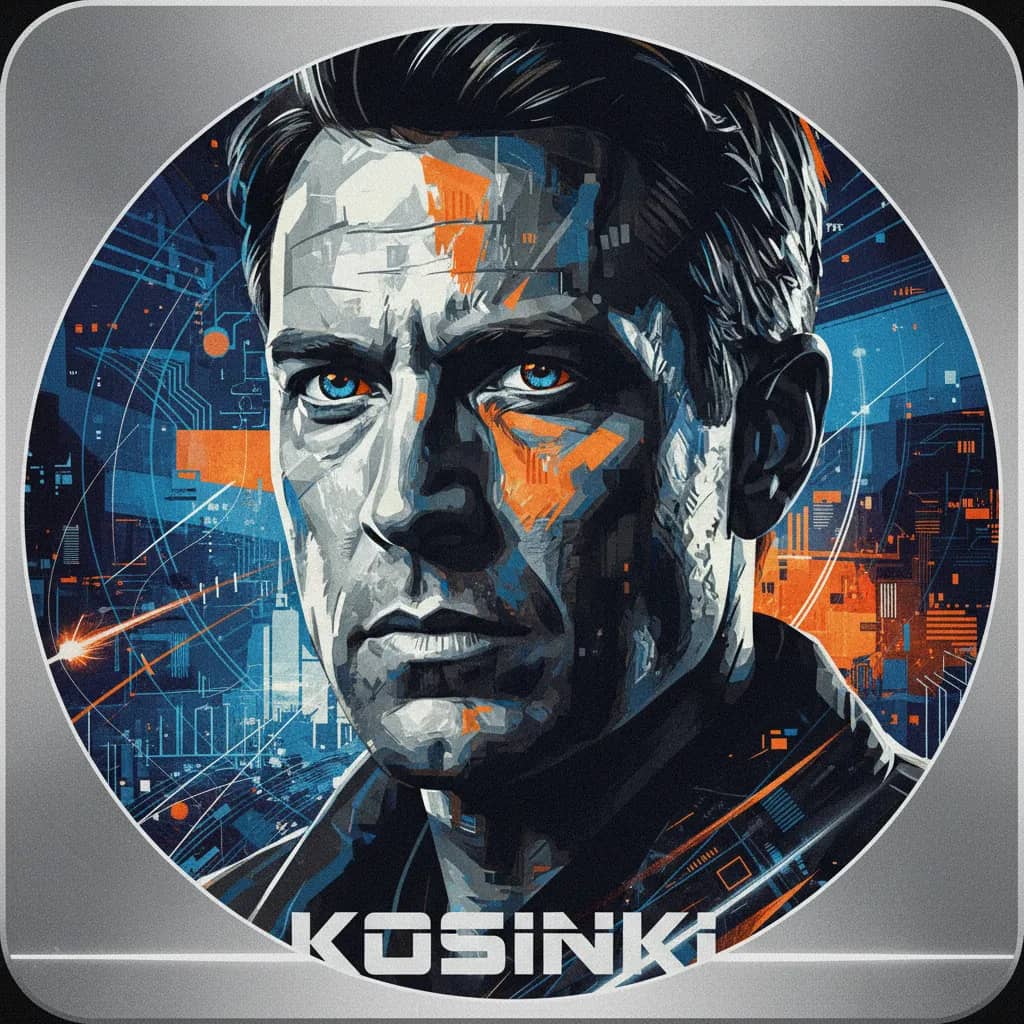
Joseph Kosinski is a visionary film director known for his visually stunning and immersive storytelling. With a background in architecture and a keen eye for detail, Kosinski has carved out a niche for himself in the world of action, adventure, and sci-fi cinema. His directorial style is characterized by sleek, futuristic visuals, gripping action sequences, and thought-provoking storytelling that often explores the intersection of technology and humanity. One of Kosinski's most notable works is "TRON: Legacy" (2010), a visually groundbreaking sequel to the cult classic "TRON." The film showcased Kosinski's ability to create immersive digital worlds and push the boundaries of visual effects in filmmaking. His directorial debut, "Oblivion" (2013), further solidified his reputation as a master of cinematic spectacle, featuring stunning vistas and a thought-provoking narrative set in a post-apocalyptic future. In "Only the Brave" (2017), Kosinski demonstrated his versatility as a director by delving into the biographical drama genre. The film, based on the true story of the Granite Mountain Hotshots, showcased Kosinski's ability to handle emotionally charged narratives with sensitivity and depth, further showcasing his range as a filmmaker. Kosinski's upcoming projects, including "Top Gun: Maverick" (2022) and "Spiderhead" (2022), continue to generate excitement among audiences and critics alike. With his unique vision and ability to create visually stunning cinematic experiences, Kosinski's impact on cinema is undeniable. His films not only entertain but also provoke thought, pushing the boundaries of what is possible in the realm of storytelling and visual innovation. Joseph Kosinski stands as a modern maestro of cinematic spectacle and storytelling, leaving an indelible mark on the world of film.

Joseph L. Mankiewicz was a prolific and influential film director known for his distinct directorial style and keen storytelling prowess. With a career spanning several decades, Mankiewicz left an indelible mark on the film industry, creating timeless classics that continue to captivate audiences to this day. His filmography includes a diverse range of genres, from epic historical dramas to gripping mysteries and thought-provoking comedies. One of Mankiewicz's most iconic works is "All About Eve" (1950), a compelling drama that delves into the cutthroat world of theater and the complexities of ambition and betrayal. This film, which received critical acclaim and numerous accolades, showcased Mankiewicz's ability to craft compelling narratives and elicit powerful performances from his actors. His directorial style often incorporated sharp dialogue, intricate character dynamics, and a meticulous attention to detail, establishing him as a master storyteller. Mankiewicz's directorial prowess was further exemplified in "Cleopatra" (1963), a grand historical epic that showcased his ability to helm ambitious, large-scale productions. Despite the film's tumultuous production, Mankiewicz's vision and directorial acumen resulted in a visually stunning and captivating portrayal of ancient Egypt, solidifying his reputation as a director capable of tackling monumental cinematic endeavors. Throughout his career, Mankiewicz displayed a penchant for exploring themes of power, manipulation, and the complexities of human relationships. His films often featured multifaceted characters grappling with moral dilemmas and societal pressures, adding layers of depth and nuance to his storytelling. Additionally, Mankiewicz's collaborations with acclaimed actors and actresses further elevated the impact of his films, with performances that resonated with audiences and critics alike. Mankiewicz's legacy continues to endure, with his films remaining essential viewing for cinephiles and aspiring filmmakers. His directorial contributions have left an indelible imprint on cinema, inspiring future generations of storytellers and cementing his status as a visionary director whose work transcends time and genre. Joseph L. Mankiewicz's unparalleled directorial talent and cinematic achievements have secured his place in the pantheon of legendary filmmakers, ensuring that his influence will be felt for generations to come.

Joseph Losey was an American film director with a prolific career spanning from the 1940s to the 1980s. He is best known for his striking visual style, complex character portrayals, and exploration of social and political themes. Losey's filmography includes a wide range of genres, but he is particularly celebrated for his contributions to the drama genre. His most notable film, "The Servant" (1963), is a prime example of his directorial prowess and remains a classic in the genre. Losey's directorial style was characterized by his meticulous attention to detail, innovative use of camera angles, and a keen eye for capturing the psychological nuances of his characters. His films often delved into the complexities of human relationships, power dynamics, and societal critique. "The Servant" exemplifies Losey's ability to create a tense and atmospheric narrative, utilizing the visual language to convey underlying tensions and moral ambiguity. Throughout his career, Losey frequently explored themes of class divide, morality, and the struggle for power. His films often featured morally ambiguous characters and challenged societal norms, reflecting his own experiences during the McCarthy era in America. Losey's impact on cinema extends beyond his directorial skills, as he fearlessly addressed controversial and thought-provoking topics, pushing the boundaries of storytelling and visual expression. Joseph Losey's unique vision and directorial contributions have left an indelible mark on the world of cinema. His ability to craft compelling narratives, delve into the human psyche, and confront societal issues has solidified his place as a revered director. His influence continues to resonate with filmmakers and audiences, cementing his legacy as a visionary filmmaker who fearlessly challenged conventions and enriched the cinematic landscape with his distinctive voice.

Joseph M. Newman was an influential film director known for his work in the realms of science fiction and horror. Born in 1909, Newman began his career in the film industry as a director of short films and documentaries before transitioning to feature films. He is best remembered for his work on the 1955 cult classic "This Island Earth," which was a significant contribution to the science fiction genre. Newman's directorial style was characterized by his ability to create visually stunning and immersive worlds that captivated audiences. His films often featured innovative special effects and a keen attention to detail, which helped to establish him as a visionary director in the sci-fi and horror genres. "This Island Earth" remains Newman's most notable film, showcasing his penchant for crafting otherworldly landscapes and intricate alien civilizations. The movie's enduring legacy lies in its groundbreaking visual effects and imaginative storytelling, which set a new standard for science fiction cinema during that era. Newman's directorial prowess elevated the film to become a milestone in the genre, influencing subsequent sci-fi works and leaving an indelible mark on cinematic history. Throughout his career, Newman's films often revolved around themes of exploration, the unknown, and the human experience in extraordinary circumstances. His ability to blend these elements with compelling narratives and striking visuals solidified his reputation as a director with a unique vision and a lasting impact on cinema. Joseph M. Newman's contributions to the science fiction and horror genres continue to inspire filmmakers and entertain audiences to this day.
Every film by the greats, ranked by our TML Score.

Christopher Nolan
Every film, ranked

Quentin Tarantino
Every film, ranked

Stanley Kubrick
Every film, ranked

Martin Scorsese
Every film, ranked

Steven Spielberg
Every film, ranked

Alfred Hitchcock
Every film, ranked

David Fincher
Every film, ranked

Denis Villeneuve
Every film, ranked

Wes Anderson
Every film, ranked

Paul Thomas Anderson
Every film, ranked

Ridley Scott
Every film, ranked

Tim Burton
Every film, ranked

Guillermo del Toro
Every film, ranked

Hayao Miyazaki
Every film, ranked

Akira Kurosawa
Every film, ranked

Francis Ford Coppola
Every film, ranked

Clint Eastwood
Every film, ranked

Bong Joon Ho
Every film, ranked

Woody Allen
Every film, ranked

Steven Soderbergh
Every film, ranked

Ron Howard
Every film, ranked

Pedro Almodóvar
Every film, ranked

Richard Linklater
Every film, ranked

Roman Polanski
Every film, ranked

Brian De Palma
Every film, ranked

Ingmar Bergman
Every film, ranked

Oliver Stone
Every film, ranked

David Cronenberg
Every film, ranked

Robert Zemeckis
Every film, ranked

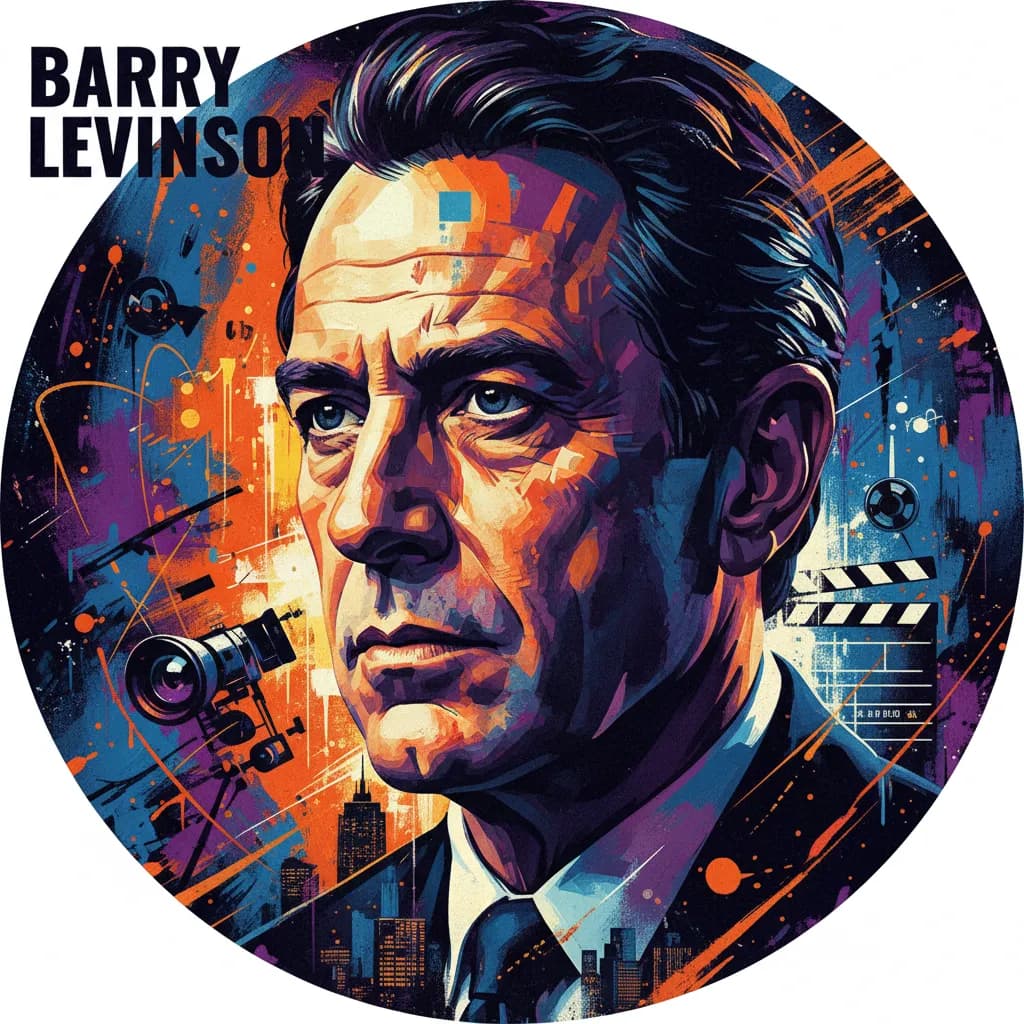
Barry Levinson
Every film, ranked

John Carpenter
Every film, ranked

Joel Schumacher
Every film, ranked

Billy Wilder
Every film, ranked

Rob Reiner
Every film, ranked

Neil Jordan
Every film, ranked

Spike Lee
Every film, ranked

Ivan Reitman
Every film, ranked

John Woo
Every film, ranked

Lasse Hallström
Every film, ranked

Stephen Frears
Every film, ranked

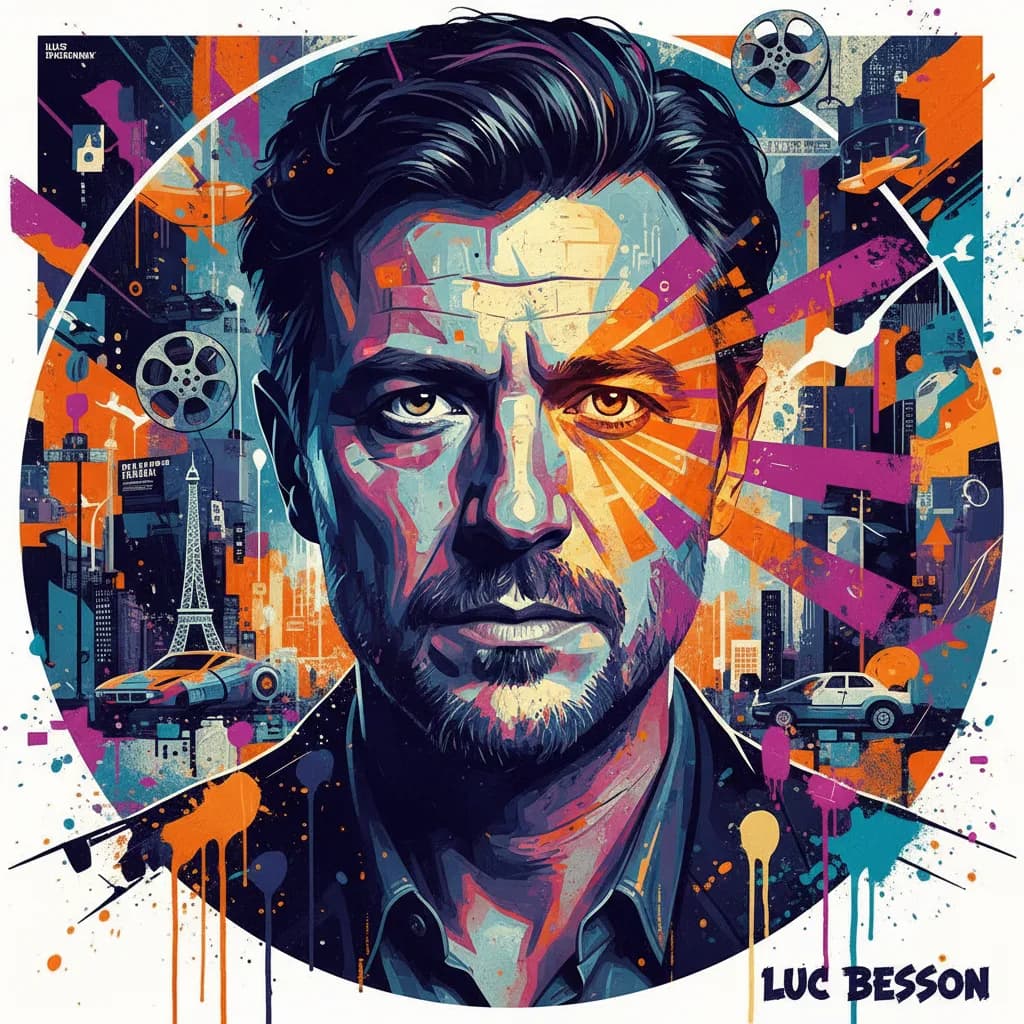
Luc Besson
Every film, ranked

Chris Columbus
Every film, ranked

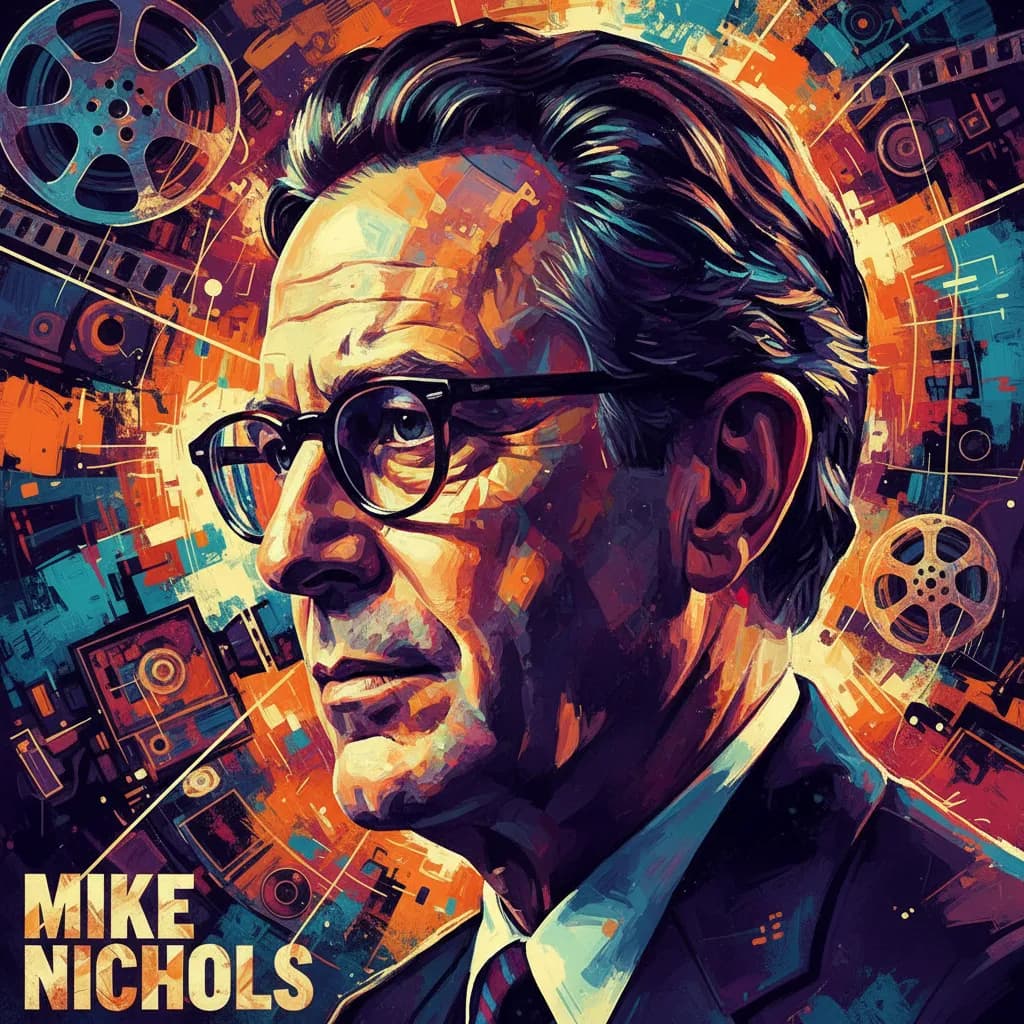
Mike Nichols
Every film, ranked

Howard Hawks
Every film, ranked

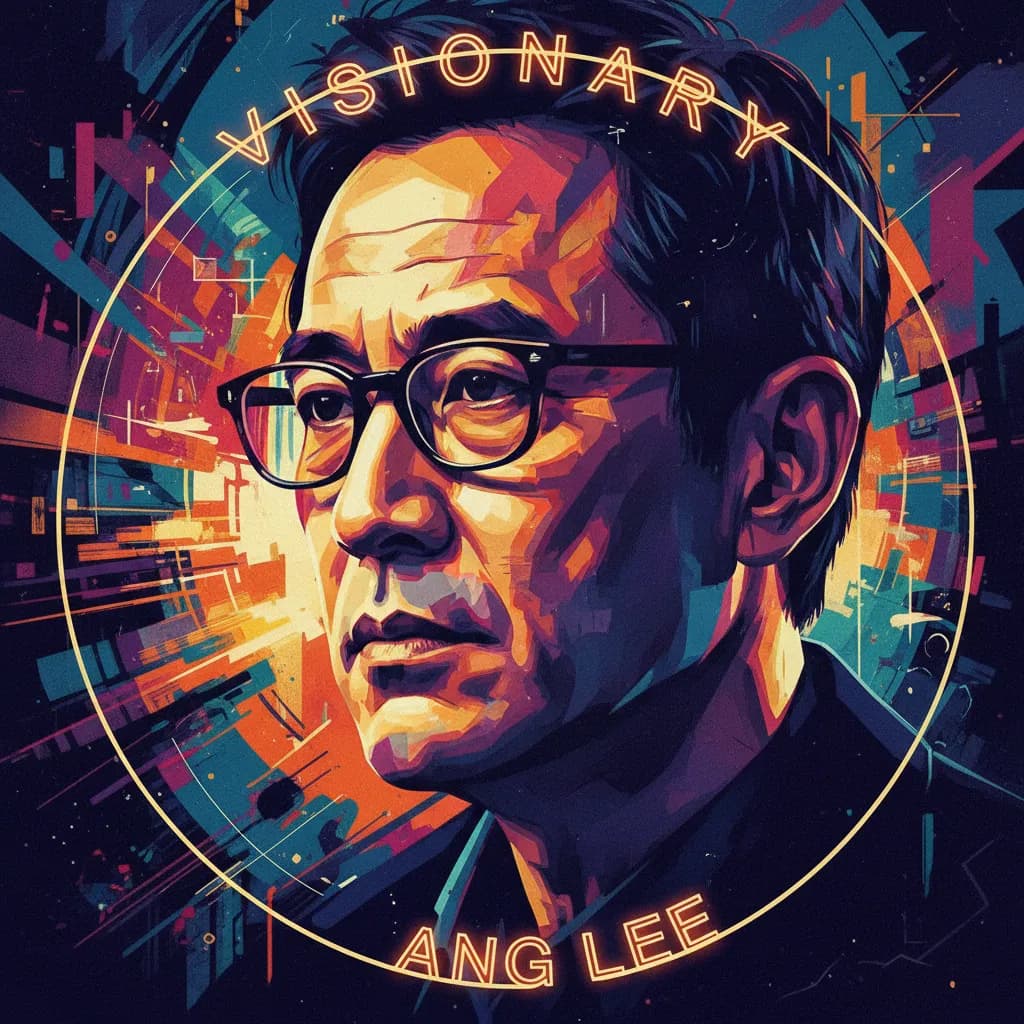
Ang Lee
Every film, ranked

Walter Hill
Every film, ranked

Gus Van Sant
Every film, ranked

William Wyler
Every film, ranked

Renny Harlin
Every film, ranked

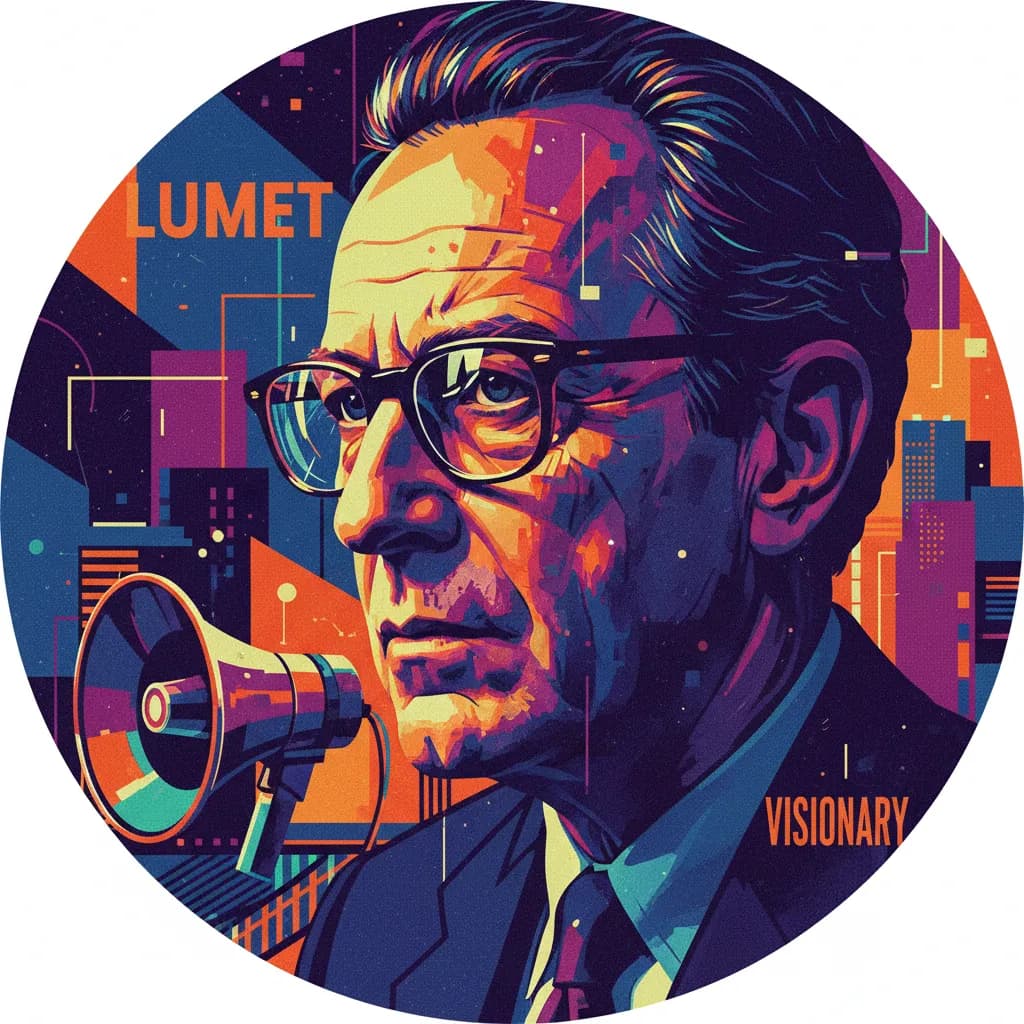
Sidney Lumet
Every film, ranked

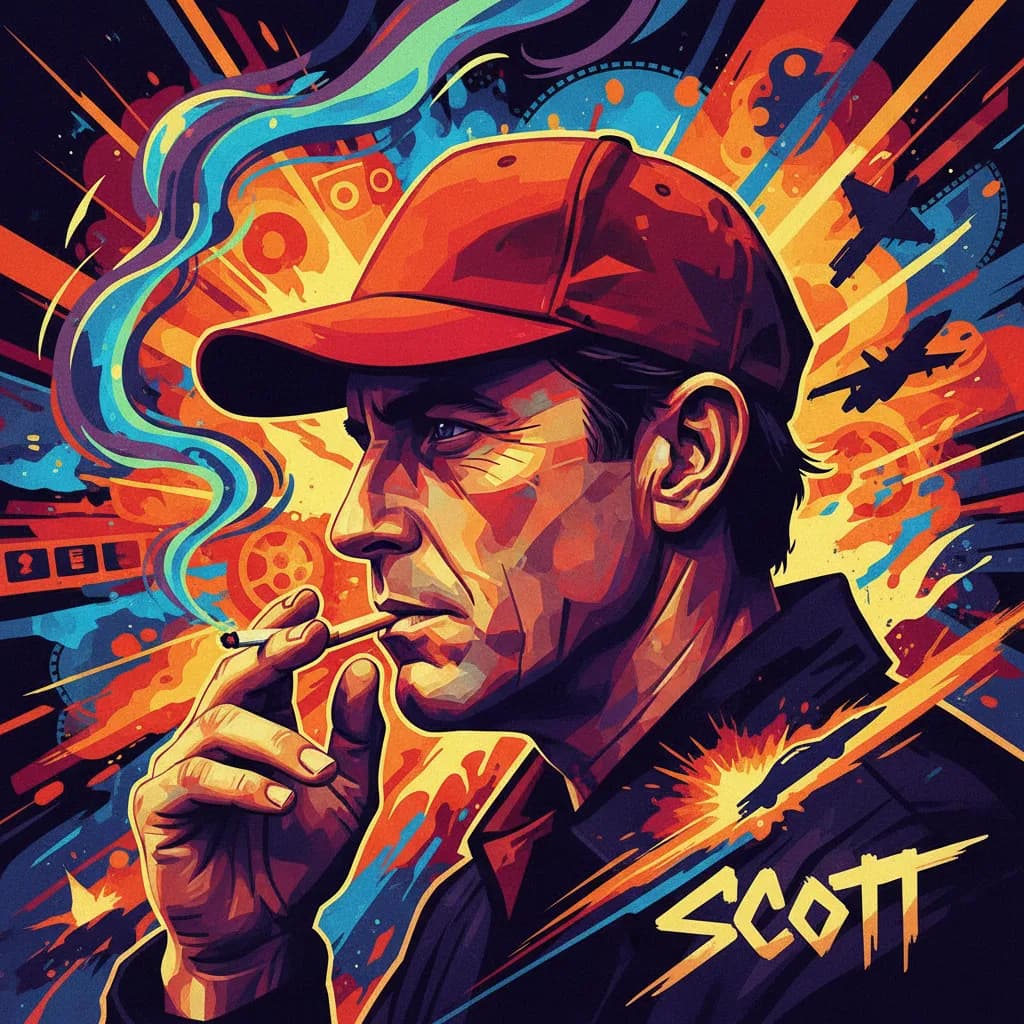
Tony Scott
Every film, ranked