Discover the visionary filmmakers behind cinema's greatest works.
Explore our selection of acclaimed directors and their remarkable films.
Showing 2053-2064 out of 4148

Josh Radnor is an accomplished actor, writer, and director who made a significant impact on the film industry with his unique vision and thought-provoking storytelling. Radnor's directorial style is characterized by his ability to craft intimate and emotionally resonant narratives that explore the complexities of human relationships and the pursuit of meaning in contemporary society. His films often blend elements of comedy, drama, and romance, offering audiences a compelling and relatable cinematic experience. One of Radnor's notable directorial works is "Happythankyoumoreplease" (2010), a charming and heartfelt film that delves into the lives of a group of young New Yorkers as they navigate love, friendship, and personal growth. The film showcases Radnor's talent for capturing authentic and poignant moments, while infusing the narrative with wit and humor. "Liberal Arts" (2012), another one of Radnor's directorial ventures, further demonstrates his ability to explore the complexities of human connection and self-discovery through a captivating blend of comedy and drama. Throughout his career, Radnor has consistently infused his films with recurring themes such as self-exploration, the pursuit of happiness, and the interconnectedness of individuals in a rapidly changing world. His keen insight into the human experience and his ability to create relatable, multidimensional characters have solidified his reputation as a director with a distinct and resonant voice in contemporary cinema. Radnor's contributions to film have not only resonated with audiences but have also garnered critical acclaim for their insightful storytelling and compelling performances. His ability to craft narratives that are both entertaining and thought-provoking has established him as a director to watch in the industry, and his work continues to leave a lasting impact on cinema. In conclusion, Josh Radnor's directorial career is marked by his unique ability to capture the complexities of human emotion and relationships with nuance and authenticity. His films, including "Happythankyoumoreplease" and "Liberal Arts," showcase his skill for blending comedy, drama, and romance to create compelling and relatable narratives. Radnor's insightful storytelling and impactful contributions to cinema have solidified his place as a director with a distinct and resonant voice in the industry.

Josh Ruben is a multi-talented filmmaker known for his work as a director, actor, and writer. His directorial debut came with the 2021 film "Werewolves Within," a genre-bending comedy horror mystery based on the video game of the same name. Ruben's unique directorial style blends elements of comedy, horror, and mystery to create a one-of-a-kind cinematic experience that captivates audiences with its sharp wit and thrilling storytelling. Ruben's directorial approach is characterized by his ability to seamlessly blend genres, creating films that defy traditional categorization. "Werewolves Within" showcases his skill in creating a perfect balance of humor and tension, as well as his keen eye for visual storytelling. His film demonstrates a mastery of pacing, atmosphere, and character development, establishing him as a versatile director with a distinct creative voice. Notable for his ability to infuse his films with a mix of humor and horror, Ruben's work often explores themes of human nature, societal dynamics, and the absurdity of everyday life. His films resonate with audiences by tapping into universal experiences while offering a fresh and innovative perspective. Through his directorial work, Ruben has made a significant impact on the cinematic landscape, contributing to the evolution of genre-bending storytelling and pushing the boundaries of traditional filmmaking conventions. As a rising talent in the film industry, Josh Ruben's directorial career shows great promise, and his unique vision continues to captivate audiences and critics alike. With "Werewolves Within," he has solidified his position as a director to watch, and his future projects are highly anticipated. Ruben's ability to craft compelling narratives across various genres positions him as a dynamic and influential force in contemporary cinema, and his contributions are sure to leave a lasting impression on the film industry for years to come.

Josh Safdie is a dynamic and innovative filmmaker known for his gritty, intense, and visceral directorial style. Alongside his brother and frequent collaborator, Benny Safdie, he has carved a niche for himself in the world of independent cinema. Safdie's career took off with the critically acclaimed "Good Time" in 2017, a crime thriller that showcased his knack for capturing raw, unfiltered emotions and his ability to immerse audiences in the seedy underbelly of New York City. This film marked a turning point in Safdie's career, establishing him as a director with a distinct voice and a penchant for exploring the complexities of human behavior. In 2019, Safdie's career reached new heights with the release of "Uncut Gems," a crime drama that garnered widespread acclaim and further solidified his reputation as a director to watch. The film, starring Adam Sandler in a career-defining role, showcased Safdie's prowess in creating tension-filled narratives and his skill in portraying flawed, compelling characters. Safdie's directorial style is characterized by its frenetic pace, immersive storytelling, and unflinching portrayal of flawed protagonists navigating morally ambiguous situations. His films often delve into themes of desperation, obsession, and the human capacity for self-destruction, offering audiences a raw and unfiltered look at the human experience. Safdie's impact on cinema lies in his ability to push boundaries and challenge traditional storytelling conventions. His films are a testament to his commitment to authenticity and emotional honesty, and his work has resonated with audiences and critics alike. With an impressive body of work that continues to garner accolades and accolades, Josh Safdie has solidified his status as a visionary director whose uncompromising vision and distinctive style have left an indelible mark on the world of filmmaking. As he continues to push the envelope and defy expectations, Safdie remains a filmmaker to watch, poised to make an enduring impact on the future of cinema.


Josh Schwartz is a multifaceted director, best known for his work in the television industry, where he has made significant contributions as a writer, producer, and director. In 2012, Schwartz made his feature film directorial debut with "Fun Size," a lighthearted adventure-comedy that showcased his ability to blend humor and heart while appealing to a wide audience. The film follows a teenage girl's misadventures on Halloween night, combining elements of coming-of-age storytelling with comedic escapades. "Fun Size" demonstrated Schwartz's knack for capturing the complexities of adolescence with a comedic touch, setting the stage for his future directorial endeavors. Schwartz's directorial style is characterized by a youthful energy and an understanding of the modern teenage experience. His approach to storytelling often intertwines humor with poignant moments, reflecting the emotional rollercoaster of adolescence. Through "Fun Size," Schwartz exhibited a keen understanding of his target demographic, infusing the narrative with relatable scenarios and authentic character dynamics. This directorial sensibility resonated with audiences, establishing Schwartz as a director capable of delivering entertaining and heartfelt stories. While "Fun Size" marked Schwartz's foray into feature film directing, his impact on cinema extends beyond this single project. As a prominent figure in the entertainment industry, Schwartz has left an indelible mark through his creative contributions to television and film. His ability to craft compelling narratives and connect with audiences on a personal level has solidified his reputation as a versatile storyteller. With his background in television, Schwartz brings a unique perspective to the world of filmmaking, enriching his directorial endeavors with a deep understanding of character development and narrative structure. In conclusion, Josh Schwartz's directorial career has been defined by his ability to capture the essence of adolescence with humor, heart, and authenticity. "Fun Size" served as a launching pad for his venture into feature film directing, showcasing his talent for crafting engaging stories that resonate with audiences. As a director with a diverse background in entertainment, Schwartz continues to leave a lasting impression on cinema, infusing his work with a distinct directorial style that reflects his understanding of the human experience. With a promising start in the world of feature film directing, Schwartz's future contributions to cinema are eagerly anticipated.

Josh Trank is an American film director known for his unique vision and ability to blend genres in a captivating way. His directorial debut came with the 2012 film "Chronicle," a found-footage superhero movie that showcased his talent for blending action, drama, and sci-fi elements into a compelling narrative. "Chronicle" was well-received by both critics and audiences, establishing Trank as a promising new voice in Hollywood. Trank's directorial style is characterized by a focus on character-driven storytelling and a willingness to push genre boundaries. His ability to infuse emotional depth into high-concept narratives has set him apart in the industry. In 2020, Trank's "Capone" offered a departure from his earlier work with a biographical crime drama that delved into the final years of notorious gangster Al Capone's life. The film showcased Trank's versatility as a director and his willingness to take creative risks. Throughout his career, Trank has demonstrated a recurring interest in exploring the complexities of power, morality, and the human experience within the framework of genre storytelling. His films often feature flawed protagonists grappling with extraordinary circumstances, adding layers of depth to the narratives. Trank's ability to blend emotionally resonant storytelling with genre elements has made him a notable figure in contemporary cinema. Josh Trank's impact on cinema lies in his ability to subvert audience expectations and deliver thought-provoking narratives within commercial genres. His willingness to take creative risks and explore unconventional storytelling approaches has positioned him as a director to watch. As he continues to evolve his craft, Trank remains a compelling voice in the film industry, consistently challenging the boundaries of genre filmmaking and captivating audiences with his distinct directorial vision.

Joshua Logan was an influential American film director known for his versatile style and ability to bring out the best in his actors. With a career spanning over five decades, Logan left an indelible mark on the world of cinema. He was a master at blending comedy, drama, and romance, and his films often featured strong character development and emotionally resonant storytelling. Logan was a prolific director, with a filmography that includes notable works such as "Bus Stop" (1956), "Mister Roberts" (1955), and "Paint Your Wagon" (1969). Logan's directorial style was characterized by his keen attention to detail and his ability to capture the complexities of human emotions on screen. He had a gift for creating compelling narratives that resonated with audiences and critics alike. His films often delved into themes of love, sacrifice, and the human condition, and he had a knack for infusing his work with a sense of authenticity and depth. Logan was also known for his innovative use of music and choreography, particularly in his musical films such as "Paint Your Wagon." "Bus Stop" (1956) is often regarded as one of Logan's most memorable films, showcasing his ability to blend comedy and drama in a compelling and heartfelt manner. The film's standout performances and nuanced storytelling cemented Logan's reputation as a director with a unique vision and a deep understanding of human relationships. Similarly, "Mister Roberts" (1955) and "Paint Your Wagon" (1969) further solidified Logan's status as a versatile director capable of delivering compelling narratives across a range of genres. Joshua Logan's impact on cinema is undeniable, as his films continue to inspire and resonate with audiences to this day. His ability to bring out the best in his actors and create emotionally resonant stories set him apart as a visionary director. His legacy lives on through his timeless films, which continue to captivate new generations of film enthusiasts.

Joshua Marston is an American film director known for his compelling storytelling and thought-provoking narratives. His breakthrough film, "Maria Full of Grace" (2004), established him as a director with a keen eye for human drama and societal issues. The film, which explores the harrowing journey of a young Colombian woman who becomes a drug mule, received critical acclaim for its raw and immersive portrayal of the drug trade's impact on individuals. Marston's directorial style is marked by an unflinching approach to storytelling, capturing the complexities of human experiences with authenticity and empathy. "Maria Full of Grace" garnered Marston widespread recognition and earned him a nomination for the Best Director award at the Independent Spirit Awards. The film's success also solidified Marston's reputation as a filmmaker unafraid to tackle difficult subject matter with sensitivity and nuance. His ability to delve into the human condition while shedding light on social and political issues has set him apart in the industry. Marston's films often revolve around themes of resilience, identity, and the human struggle against adversity. His meticulous attention to detail and commitment to authenticity allow his characters to resonate deeply with audiences, creating an emotional connection that lingers long after the credits roll. Marston's impact on cinema lies in his ability to shine a light on marginalized voices and bring their stories to the forefront, challenging viewers to confront uncomfortable truths and empathize with characters from diverse backgrounds. In addition to his directorial work, Marston has also ventured into television, directing episodes for acclaimed series such as "The Newsroom" and "Six Feet Under." His versatility as a director has allowed him to explore various storytelling formats while maintaining his signature style. With a career marked by powerful storytelling and a commitment to social relevance, Joshua Marston continues to be a director whose work resonates deeply with audiences and leaves a lasting impression on the cinematic landscape.

Joshua Michael Stern is an American filmmaker known for his distinctive directorial style and his thought-provoking films that often explore the intersection of technology, politics, and human ambition. Stern's directorial career took off with his 2008 film "Swing Vote," a politically charged comedy-drama that showcased his ability to blend humor with social commentary. The film featured an ensemble cast and highlighted Stern's skill in navigating complex narratives while maintaining a lighthearted tone. This early success set the stage for Stern's subsequent foray into biographical storytelling with the release of "Jobs" in 2013. Stern's directorial prowess shone in "Jobs," a biographical drama that delved into the life and legacy of Apple co-founder Steve Jobs. The film showcased Stern's ability to capture the intricacies of a real-life figure while infusing the narrative with emotional depth and historical significance. Stern's meticulous attention to detail and his ability to evoke powerful performances from his cast members earned "Jobs" critical acclaim and solidified his reputation as a director with a keen eye for human drama and innovation. Throughout his career, Stern has demonstrated a penchant for exploring the complexities of visionary individuals and the societal impact of their work. His films often delve into the personal and professional struggles of iconic figures, offering audiences a glimpse into the human side of larger-than-life personalities. Stern's directorial style is characterized by a seamless blend of narrative storytelling and visual flair, creating an immersive experience for viewers while shedding light on the personal and professional challenges faced by his subjects. Stern's contributions to cinema extend beyond his ability to craft compelling narratives. His films stand as testaments to the enduring power of human ingenuity and the transformative impact of technological innovation. By capturing the essence of influential figures and their contributions to society, Stern has cemented his status as a director who brings historical and cultural significance to the forefront of his storytelling. With a keen focus on authenticity and emotional resonance, Stern continues to leave an indelible mark on the film industry, further solidifying his position as a visionary director with a profound understanding of the human experience.

Joshua Seftel is a director known for his versatility and distinctive storytelling style. With a career spanning several decades, Seftel has made significant contributions to the film industry with his unique vision and innovative approach to storytelling. His notable film, "War, Inc." (2008), is a bold blend of action, comedy, and thriller genres, showcasing his ability to seamlessly navigate through different storytelling tones. Seftel's directorial style is characterized by his keen focus on social and political commentary, often using humor and satire to shed light on complex issues. "War, Inc." exemplifies this approach, presenting a sharp and satirical critique of war and corporate greed. Seftel's ability to infuse serious subject matter with humor and wit has made his work both thought-provoking and entertaining. Throughout his career, Seftel has demonstrated a consistent exploration of recurring themes, including the absurdity of war, the impact of global politics, and the complexities of human nature. His films often delve into the intricacies of power dynamics and the consequences of unchecked authority, offering audiences a fresh perspective on pressing societal issues. Seftel's impact on cinema lies in his ability to challenge conventional storytelling norms and offer audiences a thought-provoking cinematic experience. His willingness to tackle tough subjects with a blend of humor and drama has set him apart as a director unafraid to push boundaries. With "War, Inc.," Seftel has solidified his status as a filmmaker with a distinct voice and a penchant for creating films that both entertain and provoke meaningful discourse. In conclusion, Joshua Seftel's career as a director has been marked by a commitment to thought-provoking storytelling and a willingness to tackle complex themes with humor and insight. His ability to craft engaging narratives that challenge societal norms and offer poignant commentary on pressing issues has cemented his status as a director with a unique and impactful vision. As Seftel continues to leave his mark on the film industry, audiences can anticipate more boundary-pushing and thought-provoking work from this visionary filmmaker.

Josie Rourke is a notable British director recognized for her impactful contributions to the film industry. With a background in theater and an impressive career as a stage director, Rourke made her directorial debut in the film industry with "Mary Queen of Scots" in 2018. The historical drama, starring Saoirse Ronan and Margot Robbie, showcased Rourke's ability to bring a fresh perspective to period pieces, highlighting her directorial style that merges historical accuracy with compelling storytelling. Rourke's directorial style is characterized by her keen eye for detail, masterful storytelling, and her ability to delve into the emotional depths of her characters. Her emphasis on strong character development and nuanced relationships brings a depth and authenticity to her films, captivating audiences and critics alike. "Mary Queen of Scots" exemplifies Rourke's commitment to portraying complex female characters with depth and empathy, a recurring theme in her work. The impact of Rourke's directorial prowess on cinema is evident in her unique ability to breathe new life into historical narratives, making them relevant and compelling for contemporary audiences. Her dedication to portraying powerful and multi-dimensional female protagonists has contributed to the ongoing conversation surrounding gender representation in film. Rourke's work serves as a testament to her commitment to challenging traditional storytelling tropes and offering a fresh perspective on historical events. As Rourke continues to make her mark in the film industry, her directorial style, rich storytelling, and commitment to portraying complex female characters are set to leave a lasting impression on cinema. Audiences eagerly anticipate her future projects, as she continues to push boundaries and redefine the historical drama genre with her distinctive vision and storytelling prowess. With her impressive debut film, Josie Rourke has firmly established herself as a director to watch, with a promising career ahead.

Joss Whedon is a prolific and influential film director known for his distinct blend of action, adventure, and sci-fi genres. With a career spanning several decades, Whedon has left an indelible mark on cinema through his unique directorial style and storytelling prowess. He is renowned for his ability to infuse his films with compelling characters, witty dialogue, and high-stakes action sequences, captivating audiences worldwide. Whedon's directorial debut came with the cult classic "Serenity" (2005), a space-western adventure that showcased his talent for crafting immersive, character-driven narratives within the sci-fi realm. The film, based on his beloved TV series "Firefly," demonstrated Whedon's knack for blending genre elements with rich, multi-dimensional characters and sharp, clever dialogue. However, it was Whedon's work on the Marvel Cinematic Universe that truly solidified his status as a visionary director. His groundbreaking achievement with "The Avengers" (2012) and its sequel "Avengers: Age of Ultron" (2015) redefined the superhero genre, setting new standards for ensemble storytelling and blockbuster filmmaking. Whedon's ability to balance larger-than-life action with intimate character dynamics set a new benchmark for superhero films, influencing a generation of filmmakers and reshaping the landscape of modern cinema. Throughout his career, Whedon has consistently explored themes of heroism, sacrifice, and camaraderie, often delving into the complexities of human nature within fantastical settings. His films have resonated with audiences not only for their adrenaline-pumping action sequences but also for their emotional depth and thought-provoking themes. Joss Whedon's impact on cinema is immeasurable, as he continues to inspire filmmakers and audiences alike with his visionary storytelling and directorial prowess. His ability to blend genres, create compelling characters, and push the boundaries of visual storytelling has cemented his legacy as a true trailblazer in the world of filmmaking.

Joy Batchelor was a pioneering British animator and film director, best known for her groundbreaking work in the animated adaptation of George Orwell's classic novel, "Animal Farm" (1954). Born in 1914, Batchelor began her career as an illustrator and graphic designer before venturing into the world of animation. She co-founded the renowned animation studio, Halas & Batchelor, with her husband John Halas, and together they revolutionized the British animation industry. Batchelor's directorial style was characterized by her innovative use of animation to bring thought-provoking stories to life. In "Animal Farm," she employed a combination of traditional hand-drawn animation and cutting-edge techniques to convey the allegorical tale of a group of farm animals who rebel against their human farmer, exploring themes of power, corruption, and revolution. The film's bold and daring approach to storytelling cemented Batchelor's reputation as a visionary director. "Animal Farm" remains Batchelor's most iconic work and a testament to her ability to tackle complex and politically charged subject matter through the medium of animation. Her directorial prowess, coupled with her unwavering commitment to pushing the boundaries of the art form, has left an indelible mark on the animation industry. Batchelor's influential contributions to cinema continue to inspire animators and filmmakers to this day, and her legacy as a trailblazing director is firmly etched in the annals of film history. Joy Batchelor's directorial career may have been brief, but her impact on the world of animation is immeasurable. Her dedication to storytelling, combined with her innovative use of animation as a medium for social and political commentary, has solidified her status as a visionary director. Batchelor's legacy lives on through her timeless masterpiece, "Animal Farm," which stands as a testament to her unmatched talent and enduring influence on the art of animation.
Every film by the greats, ranked by our TML Score.

Christopher Nolan
Every film, ranked

Quentin Tarantino
Every film, ranked

Stanley Kubrick
Every film, ranked

Martin Scorsese
Every film, ranked

Steven Spielberg
Every film, ranked

Alfred Hitchcock
Every film, ranked

David Fincher
Every film, ranked

Denis Villeneuve
Every film, ranked

Wes Anderson
Every film, ranked

Paul Thomas Anderson
Every film, ranked

Ridley Scott
Every film, ranked

Tim Burton
Every film, ranked

Guillermo del Toro
Every film, ranked

Hayao Miyazaki
Every film, ranked

Akira Kurosawa
Every film, ranked

Francis Ford Coppola
Every film, ranked

Clint Eastwood
Every film, ranked

Bong Joon Ho
Every film, ranked

Woody Allen
Every film, ranked

Steven Soderbergh
Every film, ranked

Ron Howard
Every film, ranked

Pedro Almodóvar
Every film, ranked

Richard Linklater
Every film, ranked

Roman Polanski
Every film, ranked

Brian De Palma
Every film, ranked

Ingmar Bergman
Every film, ranked

Oliver Stone
Every film, ranked

David Cronenberg
Every film, ranked

Robert Zemeckis
Every film, ranked

Barry Levinson
Every film, ranked

John Carpenter
Every film, ranked

Joel Schumacher
Every film, ranked

Billy Wilder
Every film, ranked

Rob Reiner
Every film, ranked

Neil Jordan
Every film, ranked

Spike Lee
Every film, ranked

Ivan Reitman
Every film, ranked

John Woo
Every film, ranked

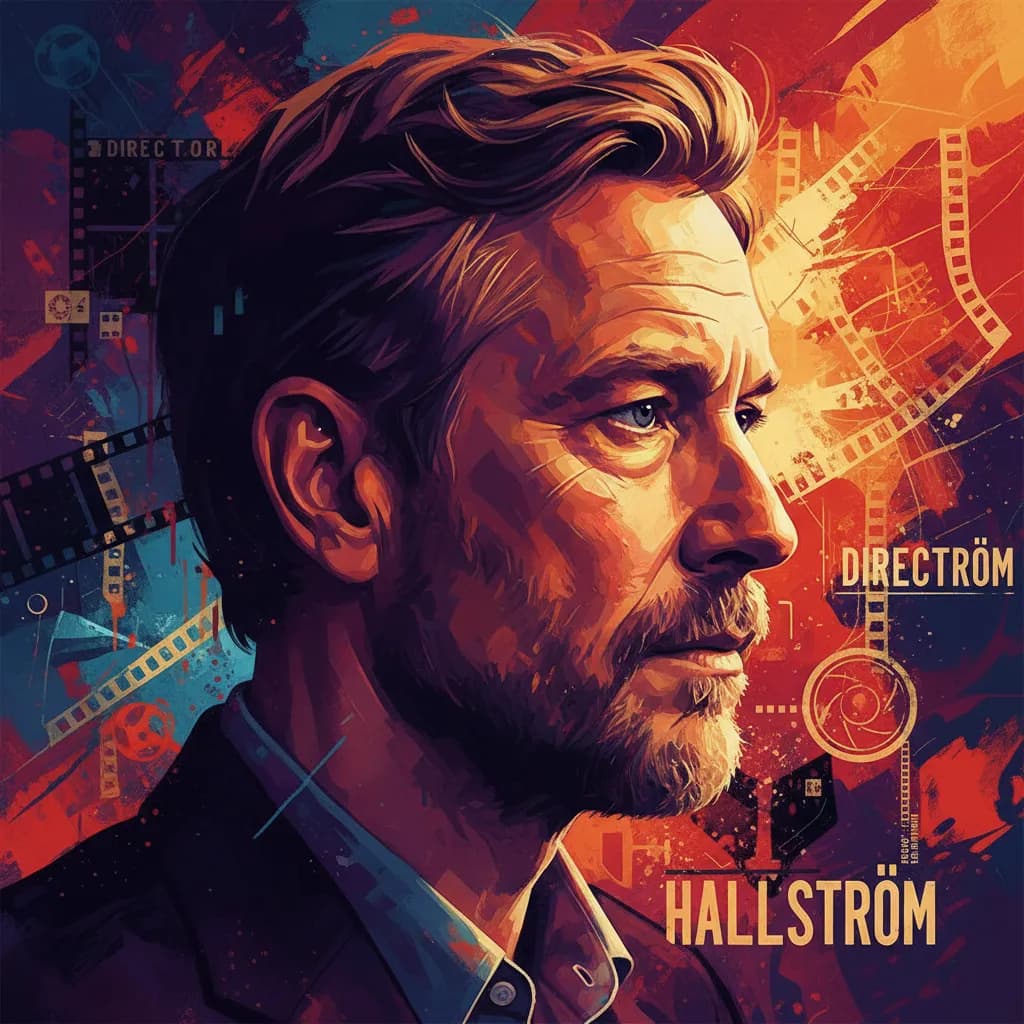
Lasse Hallström
Every film, ranked

Stephen Frears
Every film, ranked

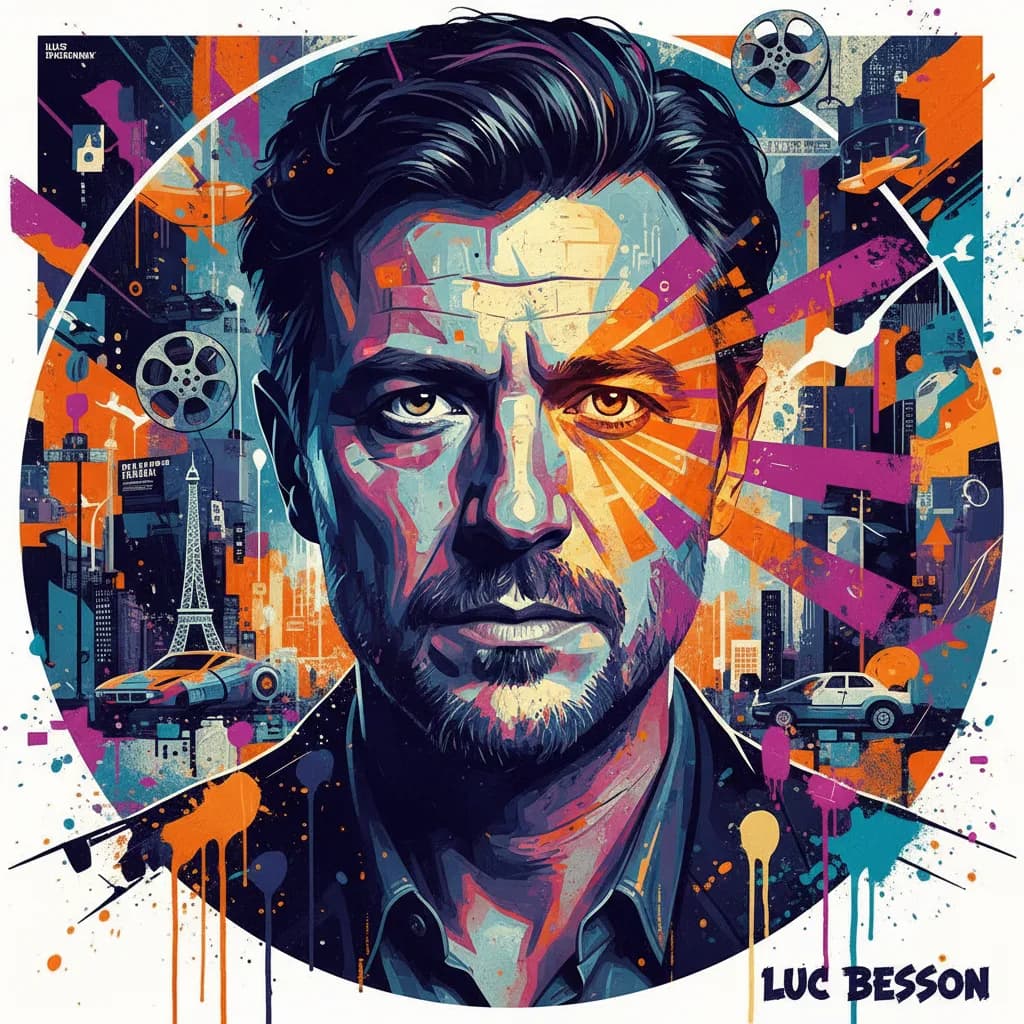
Luc Besson
Every film, ranked

Chris Columbus
Every film, ranked

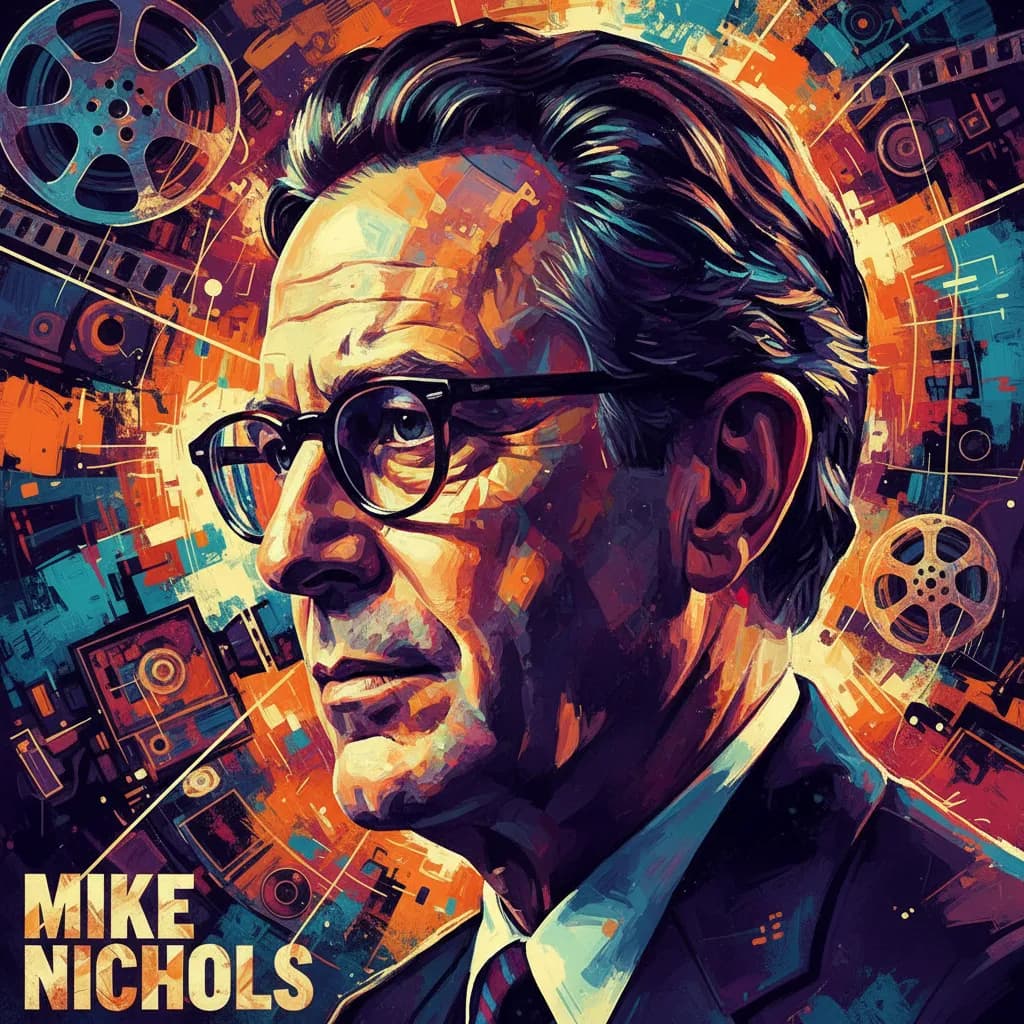
Mike Nichols
Every film, ranked

Howard Hawks
Every film, ranked

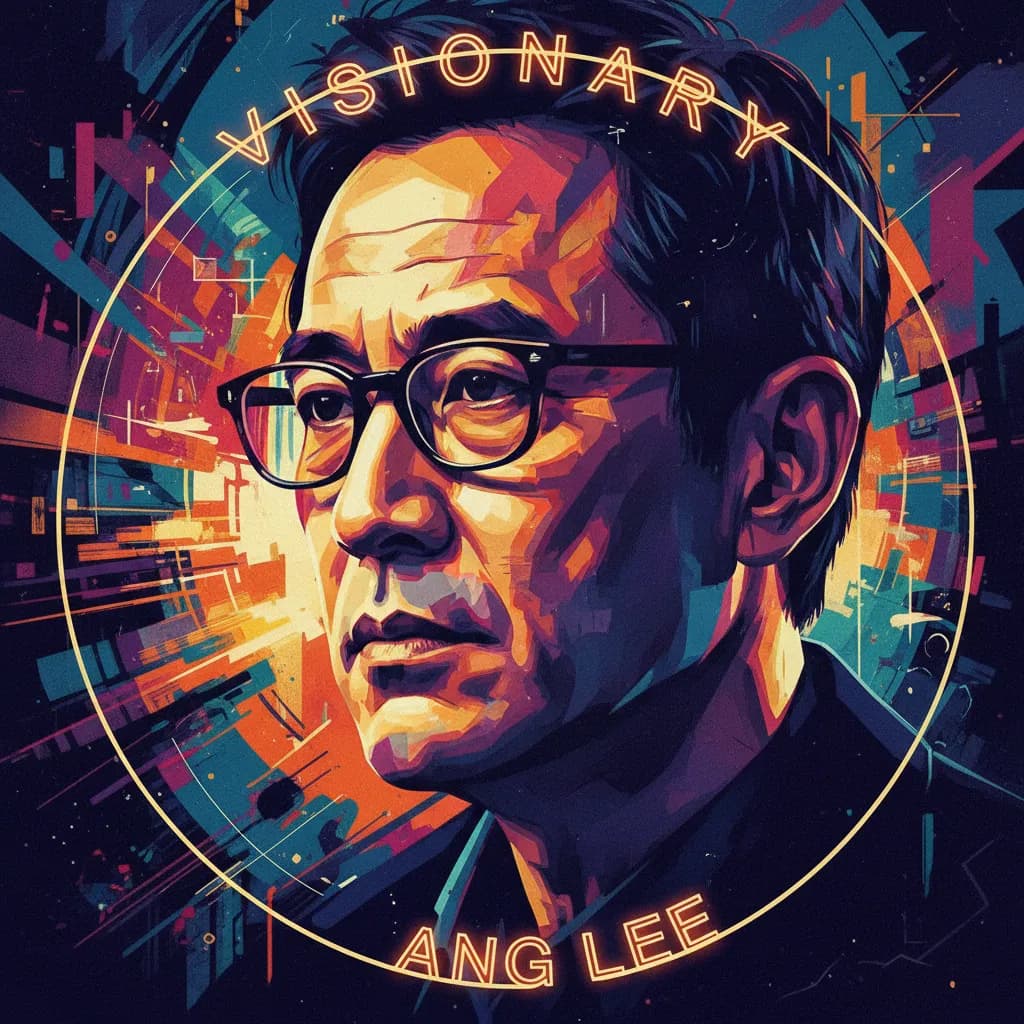
Ang Lee
Every film, ranked

Walter Hill
Every film, ranked

Gus Van Sant
Every film, ranked

William Wyler
Every film, ranked

Renny Harlin
Every film, ranked

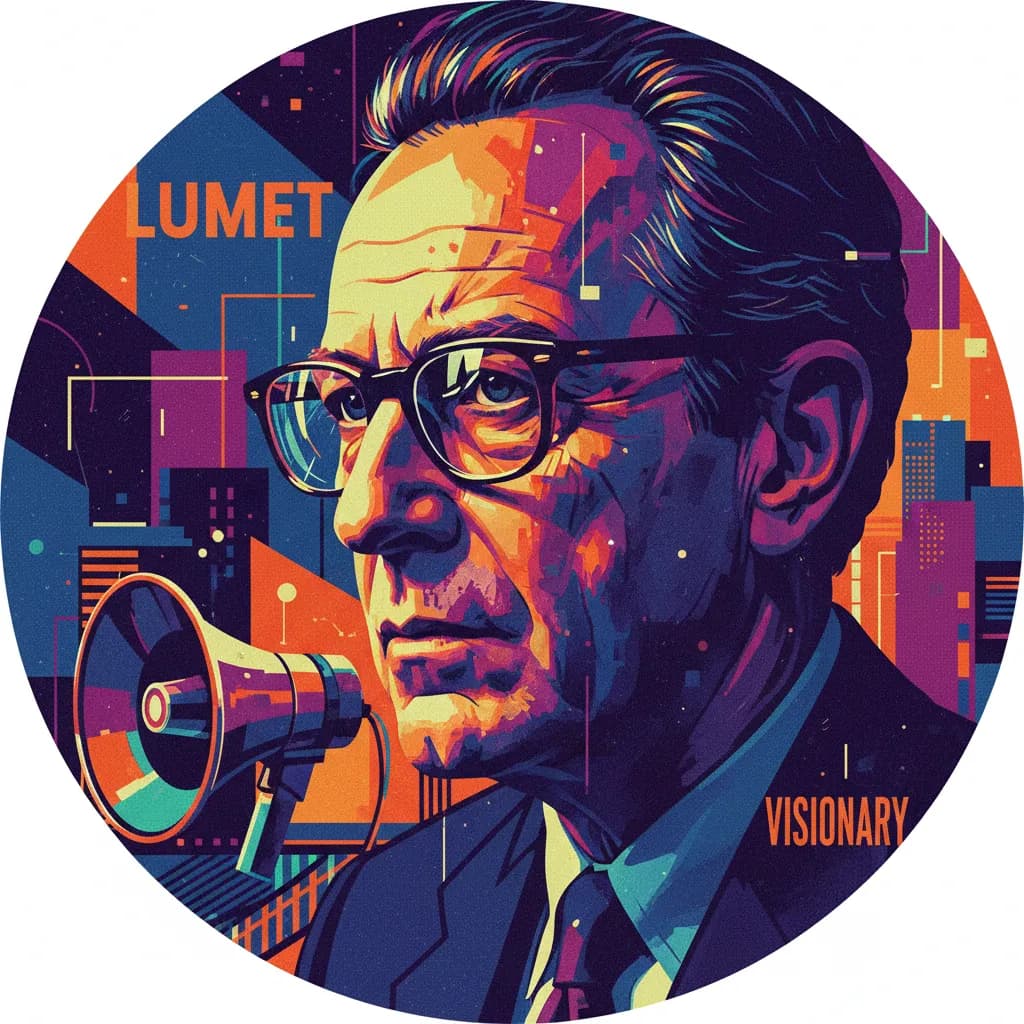
Sidney Lumet
Every film, ranked

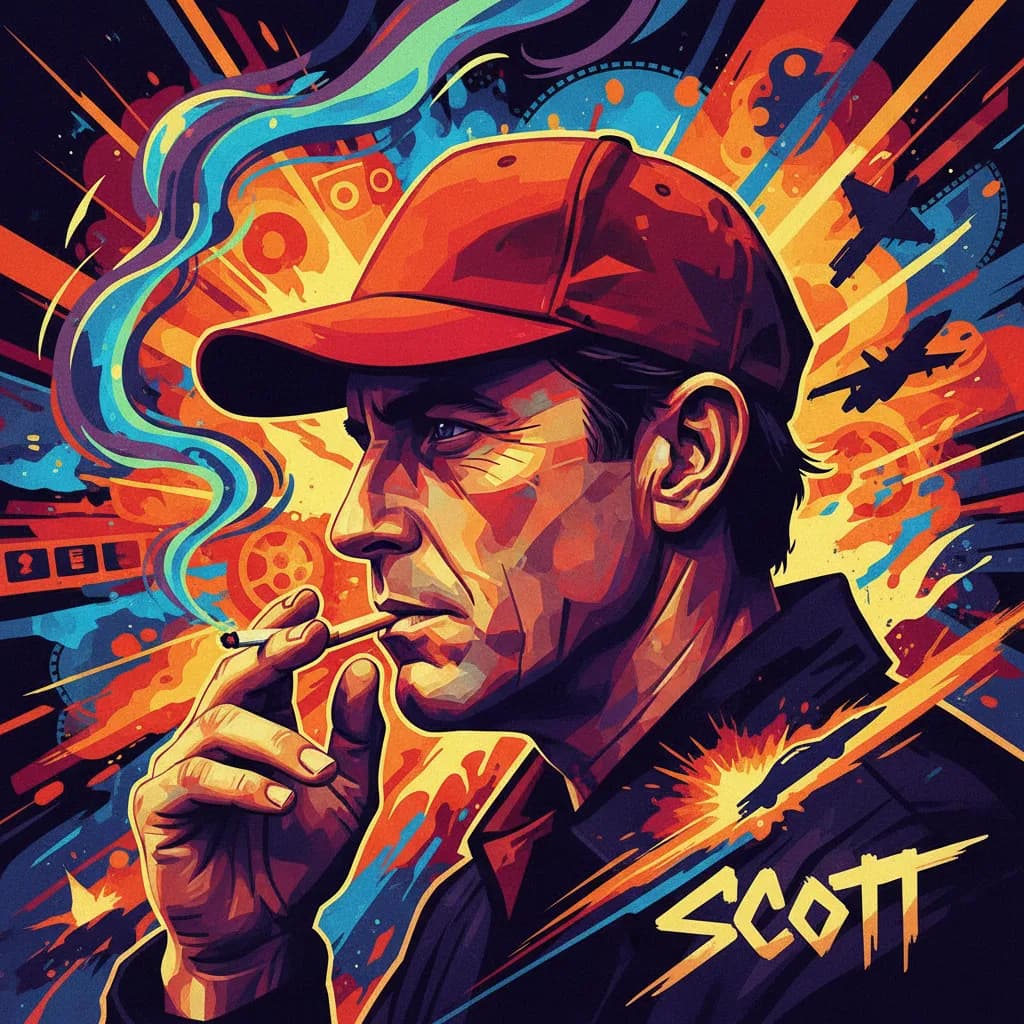
Tony Scott
Every film, ranked