Discover the visionary filmmakers behind cinema's greatest works.
Explore our selection of acclaimed directors and their remarkable films.
Showing 2017-2028 out of 4148

Joram Lürsen is a renowned Dutch film director known for his captivating storytelling and visually striking films. With a career spanning over two decades, Lürsen has made a significant impact on the international film scene, particularly with his 2018 film "The Resistance Banker." This biographical drama set during World War II showcases Lürsen's adeptness at bringing historical events to life on the big screen. Lürsen's directorial style is characterized by meticulous attention to detail, immersive storytelling, and a keen eye for capturing the human experience within historical contexts. His films often feature compelling characters facing moral dilemmas against the backdrop of significant historical events. "The Resistance Banker" exemplifies his ability to blend historical accuracy with emotionally resonant storytelling, making it a standout in his filmography. Throughout his career, Lürsen has demonstrated a penchant for exploring themes of resilience, sacrifice, and the human spirit's triumph over adversity. His films often shed light on lesser-known historical narratives, shedding new light on pivotal moments in history. "The Resistance Banker" not only showcases Lürsen's storytelling prowess but also highlights his commitment to portraying the untold stories of heroism and bravery during wartime. Lürsen's impact on cinema extends beyond his directorial achievements. His ability to craft compelling narratives that resonate with audiences has solidified his position as a leading figure in the world of international cinema. With "The Resistance Banker," Lürsen has further cemented his reputation as a director capable of bringing crucial historical narratives to the forefront, offering audiences an immersive and thought-provoking cinematic experience. In conclusion, Joram Lürsen's directorial career is marked by a commitment to storytelling that is both visually arresting and emotionally resonant. His ability to bring historical events to life on the big screen, coupled with his exploration of themes of resilience and heroism, has positioned him as a director of considerable influence in the global film industry. As audiences continue to seek out compelling narratives that shed light on the human experience, Lürsen's films are sure to remain a significant part of the cinematic landscape.

Jordan Peele has irrefutably etched his name into the annals of film history as an audacious and visionary director, whose career trajectory from a comedic performer to a masterful filmmaker encapsulates a remarkable evolution in the film industry. Peele's directorial debut, "Get Out" (2017), not only shattered box office expectations but also revitalized the horror genre, melding social commentary with nail-biting suspense in ways previously unseen. His distinct directorial style—an alchemy of social thriller and psychological horror, underscored by sharp sociopolitical critique—has become his signature, setting a new bar for what films can aspire to achieve within and beyond the genre. Following "Get Out", Peele continued to explore and expand his unique blend of horror with "Us" (2019) and "Nope" (2022), each film further cementing his status as a master storyteller. Through these works, Peele's thematic preoccupations—race, American society, and the duality of identity—are woven with both a meticulous and inventive hand, showcasing an artistic vision that is as provocative as it is entertaining. His films are marked not only by their narrative ingenuity but also by their technical prowess, employing meticulous cinematography, sound design, and compelling performances to immerse and unsettle audiences. Peele's influence on cinema extends beyond his innovative blending of genres; he has significantly contributed to the reimagining of the horror landscape, challenging and expanding the narrative possibilities within it. His work has garnered substantial critical and commercial acclaim, including several landmark awards. "Get Out" earned Peele the Academy Award for Best Original Screenplay, making him the first African American to win in this category, and firmly established him as a pivotal figure in contemporary cinema. Through his compelling filmography and distinctive voice, Jordan Peele has not only earned a place among contemporary filmmaking's most influential figures but has also revitalized genres, compelling audiences and filmmakers alike to reimagine the boundaries of what is possible within the cinematic arts.

Jordan Rubin is an American filmmaker known for his unique blend of comedy and horror in the film "Zombeavers" (2014). Rubin's directorial style is characterized by his ability to infuse horror with humor, creating a distinct and entertaining experience for audiences. "Zombeavers" quickly gained a cult following for its offbeat premise and tongue-in-cheek approach to the horror genre, showcasing Rubin's knack for delivering a fresh take on traditional horror tropes. "Zombeavers" marked Rubin's directorial debut, instantly establishing him as a filmmaker with an unconventional and bold vision. The film's success solidified Rubin's position as a director unafraid to push boundaries and challenge genre conventions. Rubin's ability to seamlessly blend elements of comedy and horror has set him apart in the industry, earning him a reputation for creating memorable and distinctive films. In "Zombeavers," Rubin explores the theme of nature gone awry, using the backdrop of a remote cabin to set the stage for a hilarious and terrifying battle between humans and zombie beavers. His ability to extract humor from the most unexpected situations while delivering genuine scares showcases his talent for crafting compelling narratives that resonate with audiences. Rubin's impact on cinema lies in his ability to inject originality and wit into the horror genre, breathing new life into a genre often saturated with formulaic approaches. His fearless approach to storytelling and his willingness to take creative risks have solidified his status as a director to watch in the industry. In conclusion, Jordan Rubin's directorial career is defined by his ability to skillfully merge comedy and horror, resulting in a filmography that is as entertaining as it is innovative. As he continues to leave his mark on the industry, Rubin's unique vision and contributions to film are sure to resonate with audiences for years to come.


Jordan Scott, the talented daughter of legendary filmmaker Ridley Scott, has carved a niche for herself in the world of cinema with her distinct directorial style and thought-provoking storytelling. Her notable filmography includes "Cracks" (2009), a mesmerizing drama-thriller that encapsulates her unique approach to storytelling and visual aesthetics. Jordan Scott's directorial style is marked by her keen eye for detail, nuanced character development, and the ability to create a tense and immersive atmosphere that keeps audiences on the edge of their seats. In "Cracks," Scott masterfully weaves a compelling narrative set in an all-girls boarding school, delving into themes of obsession, power dynamics, and the complexities of female relationships. Her directorial prowess shines through in the film's rich cinematography, evocative imagery, and the seamless integration of psychological elements that add layers of depth to the story. Scott's ability to capture the intricacies of human emotions and the darker aspects of human nature is a testament to her skill as a storyteller. Throughout her career, Jordan Scott has showcased a penchant for exploring complex and compelling narratives that delve into the human psyche, often challenging societal norms and expectations. Her directorial work reflects a deep understanding of the human experience and a willingness to push boundaries, creating thought-provoking cinema that resonates with audiences on a profound level. Scott's impact on cinema lies in her ability to infuse her films with a sense of urgency and emotional depth, captivating viewers with her distinct directorial voice and evocative storytelling. Jordan Scott's contribution to cinema extends beyond her familial ties, as she continues to establish herself as a formidable force in the world of filmmaking. With her keen insight into human behavior, her ability to craft visually stunning narratives, and her commitment to pushing creative boundaries, Scott has undoubtedly left an indelible mark on the film industry. As she continues to evolve as a director, her unique vision and unwavering dedication to her craft promise to keep audiences captivated for years to come.

Jordan Vogt-Roberts is an American film director known for his bold and visually stunning approach to storytelling. With a keen eye for blending action, adventure, and fantasy, Vogt-Roberts has made a significant impact on the film industry. His notable works include "Kong: Skull Island" (2017) and "The Kings of Summer" (2013), both of which showcase his unique directorial style and cinematic vision. "Kong: Skull Island" marked Vogt-Roberts' foray into big-budget blockbuster filmmaking. His distinct directorial style is evident in the film's breathtaking visuals, intense action sequences, and meticulous attention to detail. Vogt-Roberts skillfully brought the iconic King Kong character to life on a grand scale, reimagining the classic tale with a fresh and exhilarating vision. The film's success at the box office and with audiences cemented Vogt-Roberts as a visionary director capable of delivering compelling and visually stunning spectacles. In "The Kings of Summer," Vogt-Roberts demonstrated his versatility as a director by delving into the coming-of-age genre. The film's adventurous spirit, heartfelt storytelling, and comedic elements showcased Vogt-Roberts' ability to capture the essence of youth and friendship with authenticity and charm. His keen understanding of character dynamics and emotional depth shone through in this critically acclaimed indie gem, earning him praise for his directorial prowess and storytelling finesse. Vogt-Roberts' recurring themes often revolve around the exploration of larger-than-life experiences, the human connection to nature, and the complexities of relationships. His ability to infuse his films with a sense of wonder, adventure, and emotional resonance has solidified his reputation as a director with a unique and visionary approach to storytelling. With his distinctive visual style, compelling narratives, and a penchant for pushing creative boundaries, Jordan Vogt-Roberts continues to leave an indelible mark on cinema. As he continues to expand his cinematic repertoire, audiences can eagerly anticipate more captivating and immersive storytelling experiences from this visionary director. In summary, Jordan Vogt-Roberts' directorial career is characterized by his ability to seamlessly blend genres, deliver visually stunning spectacles, and infuse his films with emotional depth. His distinctive style and visionary approach to storytelling have firmly established him as a director to watch, with a promising future in shaping the landscape of contemporary cinema.

Jörg Buttgereit is a German film director known for his provocative and boundary-pushing work in the horror genre. His most notable film, "Nekromantik" (1987), quickly gained infamy for its graphic and controversial content, solidifying Buttgereit's reputation as a daring and unconventional filmmaker. His directorial style is characterized by a fearless exploration of taboo subjects and a willingness to challenge societal norms, making him a polarizing figure in the world of cinema. Buttgereit's films often delve into themes of death, decay, and the macabre, pushing the boundaries of horror and the human experience. "Nekromantik" in particular, with its unflinching portrayal of necrophilia, sparked debates about the limits of artistic expression and the role of censorship in film. Despite its divisive reception, the film has since gained a cult following and remains a significant entry in the horror genre. In addition to "Nekromantik," Buttgereit has also directed other notable works such as "Der Todesking" (1990) and "Schramm" (1993), further solidifying his reputation as a provocative and uncompromising filmmaker. His films often feature a raw and visceral visual style, coupled with a willingness to confront audiences with uncomfortable and challenging subject matter. Jörg Buttgereit's impact on cinema extends beyond his individual films, as he has influenced a generation of filmmakers who have been inspired by his fearless approach to storytelling and his willingness to push the boundaries of what is considered acceptable in cinema. While his work may not be for everyone, Buttgereit's unique vision and uncompromising dedication to his craft have cemented his status as a true maverick in the world of filmmaking.

Jorge Blanco is a talented Spanish film director best known for his work in the animated film industry. Blanco's directorial debut came in 2009 with the release of "Planet 51," a delightful animated feature that combines elements of science fiction, adventure, and comedy. The movie, which follows an astronaut's misadventures on an alien planet, showcased Blanco's ability to craft visually stunning and entertaining storytelling with broad appeal. Blanco's directorial style is characterized by his keen attention to detail, vibrant visuals, and a knack for infusing humor and heart into his narratives. "Planet 51" exemplifies Blanco's ability to create immersive and visually captivating worlds, drawing audiences into his imaginative universes. His films often feature a blend of humor, adventure, and relatable characters, making them accessible to viewers of all ages. Notable for its captivating visuals and endearing characters, "Planet 51" stands as a testament to Blanco's creative vision and technical prowess. The film's success further solidified Blanco's reputation as a director capable of delivering family-friendly entertainment that resonates with audiences worldwide. Blanco's work often explores themes of friendship, acceptance, and the universal human experience, making his films relatable and memorable. His dedication to storytelling and his ability to evoke emotion through animation has had a lasting impact on the cinematic landscape, influencing a new generation of filmmakers and captivating audiences with his unique blend of creativity and heartwarming narratives. In conclusion, Jorge Blanco's directorial career has been defined by his ability to create visually stunning and emotionally resonant animated films. With "Planet 51," he established himself as a director with a distinctive vision and a talent for crafting engaging stories that transcend age and cultural boundaries. Blanco's contributions to cinema have left an indelible mark, and his work continues to inspire and entertain audiences around the globe.

Jorge Furtado is a highly acclaimed Brazilian film director known for his unique storytelling and captivating directorial style. With a career spanning over three decades, Furtado has made a significant impact on the world of cinema through his thought-provoking narratives and innovative approach to filmmaking. His notable film, "The Man Who Copied" (2003), is a compelling blend of comedy, crime, and drama, showcasing Furtado's ability to seamlessly interweave diverse genres to create a rich and engaging cinematic experience. Furtado's directorial style is characterized by his keen attention to detail, compelling character development, and skillful navigation of complex narrative structures. His films often delve into the human psyche, exploring the intricacies of relationships, morality, and societal dynamics. Furtado's ability to infuse his narratives with both depth and humor has earned him a dedicated following and critical acclaim. "The Man Who Copied" stands as a testament to Furtado's directorial prowess, offering a poignant exploration of love, crime, and the pursuit of dreams. Through this film, Furtado showcases his adeptness at crafting multi-layered stories that resonate with audiences on a profound level. His directorial vision is marked by a seamless fusion of entertainment and introspection, creating an immersive experience that transcends the boundaries of traditional genre classifications. Furtado's impact on Brazilian cinema is undeniable, as he has contributed to the evolution of the country's film industry with his distinct voice and unwavering commitment to storytelling excellence. His films have garnered international recognition, solidifying his status as a visionary director with a profound understanding of the human experience. Furtado's ability to captivate audiences while addressing universal themes sets him apart as a director whose work will continue to inspire and resonate for years to come.

Jorge R. Gutiérrez is a visionary film director known for his distinctive style and unique approach to storytelling. With a background in animation, Gutiérrez has made a significant impact on the film industry with his visually stunning and emotionally resonant films. His most notable work includes "The Book of Life" (2014), a captivating animated feature that seamlessly weaves together elements of adventure, comedy, and romance. Gutiérrez's directorial style is characterized by vibrant visuals, rich storytelling, and a deep understanding of Mexican folklore and culture. His films often feature visually striking animation, intricate character designs, and a vibrant color palette that immerses audiences in fantastical worlds. "The Book of Life" exemplifies Gutiérrez's ability to blend traditional storytelling with modern creativity, resulting in a visually stunning and emotionally impactful cinematic experience. One of the recurring themes in Gutiérrez's work is the celebration of Mexican culture and folklore. Through his films, he has brought to life the rich traditions, myths, and legends of Mexico, offering audiences a fresh perspective on familiar stories. Gutiérrez's dedication to representing diverse voices and cultures in his work has not only made a significant impact on cinema but has also contributed to a more inclusive and representative landscape within the industry. Gutiérrez's directorial contributions have expanded the possibilities of animated storytelling, inspiring both filmmakers and audiences alike. His unique vision and dedication to celebrating cultural diversity have solidified his status as a pioneering director in the world of animation. As the film industry continues to embrace diverse voices and perspectives, Gutiérrez's influence is sure to endure, leaving an indelible mark on the cinematic landscape for years to come.

Jorma Taccone is a multifaceted filmmaker known for his unique blend of action, comedy, and music in his directorial work. With a career that spans both the big and small screens, Taccone has left an indelible mark on the world of entertainment. His notable films include "MacGruber" (2010) and "Popstar: Never Stop Never Stopping" (2016), which showcase his distinct directorial style and storytelling prowess. Taccone's directorial style is characterized by its energetic and irreverent approach, often combining elements of action and comedy with a musical twist. In "MacGruber," Taccone expertly navigates the fine line between parody and homage, delivering a film that pays tribute to the action genre while offering a fresh and comedic take on the conventions of the genre. The film's over-the-top action sequences and sharp wit demonstrate Taccone's ability to infuse humor into traditionally serious genres. In "Popstar: Never Stop Never Stopping," Taccone once again demonstrates his skill in blending comedy with music, delivering a mockumentary-style film that satirizes the music industry while offering catchy musical performances. The film's sharp humor and infectious songs underscore Taccone's ability to seamlessly integrate music into his directorial work, creating a unique and entertaining cinematic experience. Throughout his career, Taccone has explored recurring themes such as the power of friendship, the absurdity of fame, and the importance of staying true to oneself in the face of adversity. His films often feature dynamic and offbeat characters who navigate larger-than-life situations with humor and heart, offering audiences a fresh perspective on familiar themes. Taccone's impact on cinema lies in his ability to push the boundaries of genre and storytelling, infusing his films with a distinct personality and style that resonates with audiences. His innovative approach to blending action, comedy, and music has cemented his status as a trailblazing director, and his work continues to inspire and entertain audiences around the world. In conclusion, Jorma Taccone's directorial career is defined by his bold and inventive approach to filmmaking, as evidenced by his standout films "MacGruber" and "Popstar: Never Stop Never Stopping." With his unique vision and ability to seamlessly integrate action, comedy, and music, Taccone has made a lasting impact on cinema, solidifying his place as a visionary director with a knack for delivering memorable and entertaining films.

Josef Altin is a versatile and talented film director known for his unique approach to storytelling and his ability to capture the raw emotions of human experiences. His directorial debut, "Now Is Good" (2012), is a poignant and touching drama that delves into the themes of love, loss, and living life to the fullest. Altin's directorial style is characterized by his keen eye for detail, nuanced character development, and his ability to create authentic and relatable narratives that resonate with audiences on a deep emotional level. "Now Is Good" stands as a testament to Altin's directorial prowess, showcasing his ability to infuse a sense of intimacy and sincerity into his storytelling. The film's exploration of the complexities of human relationships and the fragility of life has earned Altin critical acclaim and a loyal following of admirers. Through his directorial work, Altin consistently demonstrates a commitment to portraying the human experience with honesty and compassion, a quality that sets him apart in the world of cinema. Altin's impact on cinema can be seen through his dedication to bringing important and thought-provoking stories to the screen, stories that resonate with audiences long after the credits roll. His ability to capture the essence of human emotions and experiences has solidified his reputation as a director with a distinct and impactful vision. Altin's contribution to the film industry extends beyond his directorial work, as he continues to inspire and influence filmmakers and audiences alike with his commitment to authenticity and storytelling excellence. As Josef Altin continues to expand his directorial portfolio, his unique voice and artistic sensibility are sure to leave an indelible mark on the world of cinema. With a keen understanding of the human condition and a passion for bringing compelling narratives to life, Altin is poised to continue shaping the landscape of contemporary filmmaking and captivating audiences with his evocative storytelling.

Josef Fares is a Swedish film director known for his unique blend of action, comedy, and drama in his films. Born in Lebanon and raised in Sweden, Fares has made a significant impact on Scandinavian cinema with his distinct directorial style and storytelling. His notable films include "Kopps" (2003) and "Jalla! Jalla!" (2000), both of which showcase his ability to infuse humor with poignant human drama. Fares' directorial style is characterized by a keen sense of humor, fast-paced storytelling, and a knack for blending different genres seamlessly. His films often revolve around the lives of ordinary people caught in extraordinary situations, and his characters are relatable and endearing. Fares has a talent for capturing the complexities of human relationships and the absurdities of everyday life, often infusing his narratives with a sense of warmth and empathy. "Kopps" is a prime example of Fares' ability to blend action and comedy, following a group of hapless small-town police officers who must prove their worth to save their station from closure. The film's slapstick humor and exhilarating action sequences garnered critical acclaim and solidified Fares' reputation as a director with a unique vision. Similarly, "Jalla! Jalla!" explores the complexities of love and friendship against a backdrop of cultural clashes, showcasing Fares' ability to infuse comedy with heartfelt storytelling. Fares' films often touch on themes of friendship, love, and the immigrant experience, reflecting his own multicultural background. His ability to infuse humor with genuine human emotion has earned him a dedicated following and critical acclaim. Fares' impact on cinema extends beyond his native Sweden, as his films have resonated with audiences worldwide, cementing his status as a director with a distinct voice in the industry. In conclusion, Josef Fares has made a significant mark on Scandinavian cinema with his unique blend of humor, action, and heartfelt storytelling. His ability to capture the complexities of human relationships and infuse his narratives with warmth and empathy sets him apart as a director with a distinct vision. Fares' films continue to resonate with audiences globally, and his impact on cinema is sure to endure for years to come.
Every film by the greats, ranked by our TML Score.

Christopher Nolan
Every film, ranked

Quentin Tarantino
Every film, ranked

Stanley Kubrick
Every film, ranked

Martin Scorsese
Every film, ranked

Steven Spielberg
Every film, ranked

Alfred Hitchcock
Every film, ranked

David Fincher
Every film, ranked

Denis Villeneuve
Every film, ranked

Wes Anderson
Every film, ranked

Paul Thomas Anderson
Every film, ranked

Ridley Scott
Every film, ranked

Tim Burton
Every film, ranked

Guillermo del Toro
Every film, ranked

Hayao Miyazaki
Every film, ranked

Akira Kurosawa
Every film, ranked

Francis Ford Coppola
Every film, ranked

Clint Eastwood
Every film, ranked

Bong Joon Ho
Every film, ranked

Woody Allen
Every film, ranked

Steven Soderbergh
Every film, ranked

Ron Howard
Every film, ranked

Pedro Almodóvar
Every film, ranked

Richard Linklater
Every film, ranked

Roman Polanski
Every film, ranked

Brian De Palma
Every film, ranked

Ingmar Bergman
Every film, ranked

Oliver Stone
Every film, ranked

David Cronenberg
Every film, ranked

Robert Zemeckis
Every film, ranked

Barry Levinson
Every film, ranked

John Carpenter
Every film, ranked

Joel Schumacher
Every film, ranked

Billy Wilder
Every film, ranked

Rob Reiner
Every film, ranked

Neil Jordan
Every film, ranked

Spike Lee
Every film, ranked

Ivan Reitman
Every film, ranked

John Woo
Every film, ranked

Lasse Hallström
Every film, ranked

Stephen Frears
Every film, ranked

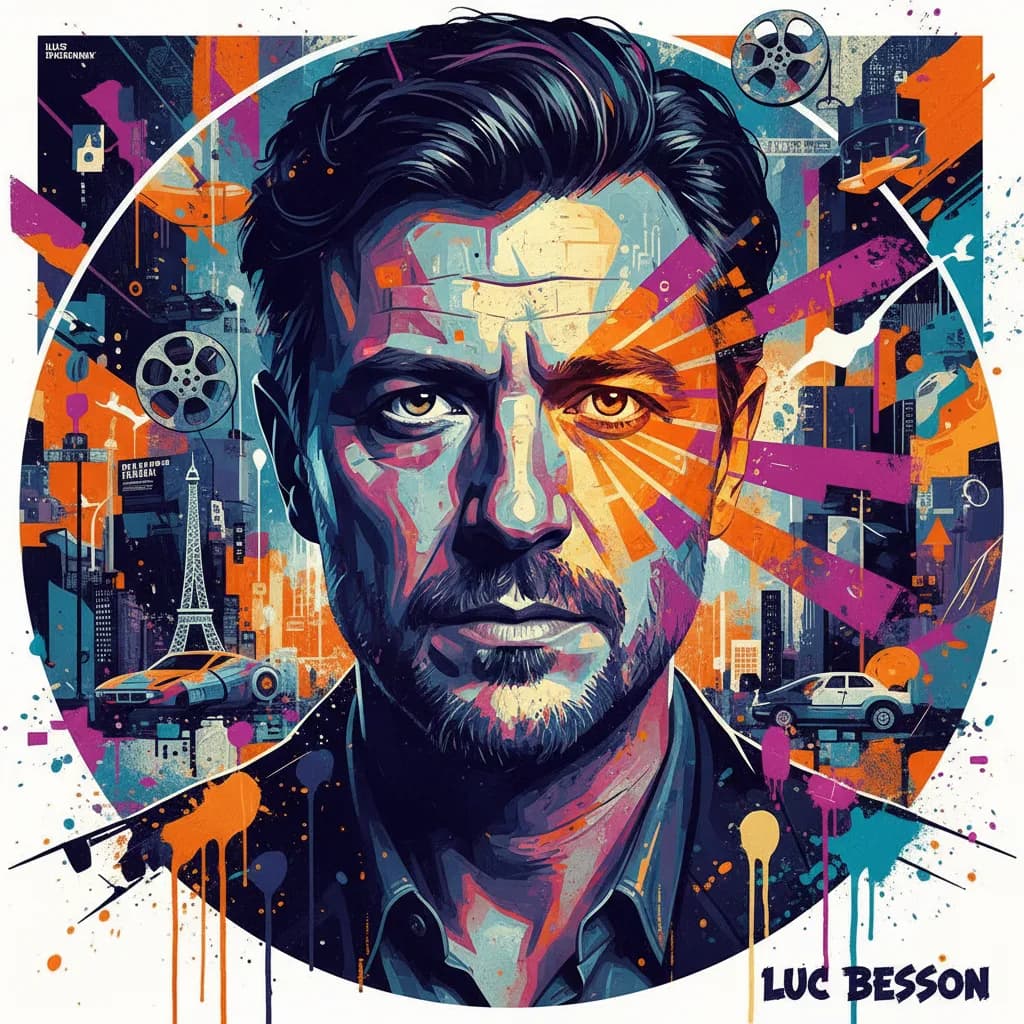
Luc Besson
Every film, ranked

Chris Columbus
Every film, ranked

Mike Nichols
Every film, ranked

Howard Hawks
Every film, ranked

Ang Lee
Every film, ranked

Walter Hill
Every film, ranked

Gus Van Sant
Every film, ranked

William Wyler
Every film, ranked

Renny Harlin
Every film, ranked

Sidney Lumet
Every film, ranked

Tony Scott
Every film, ranked