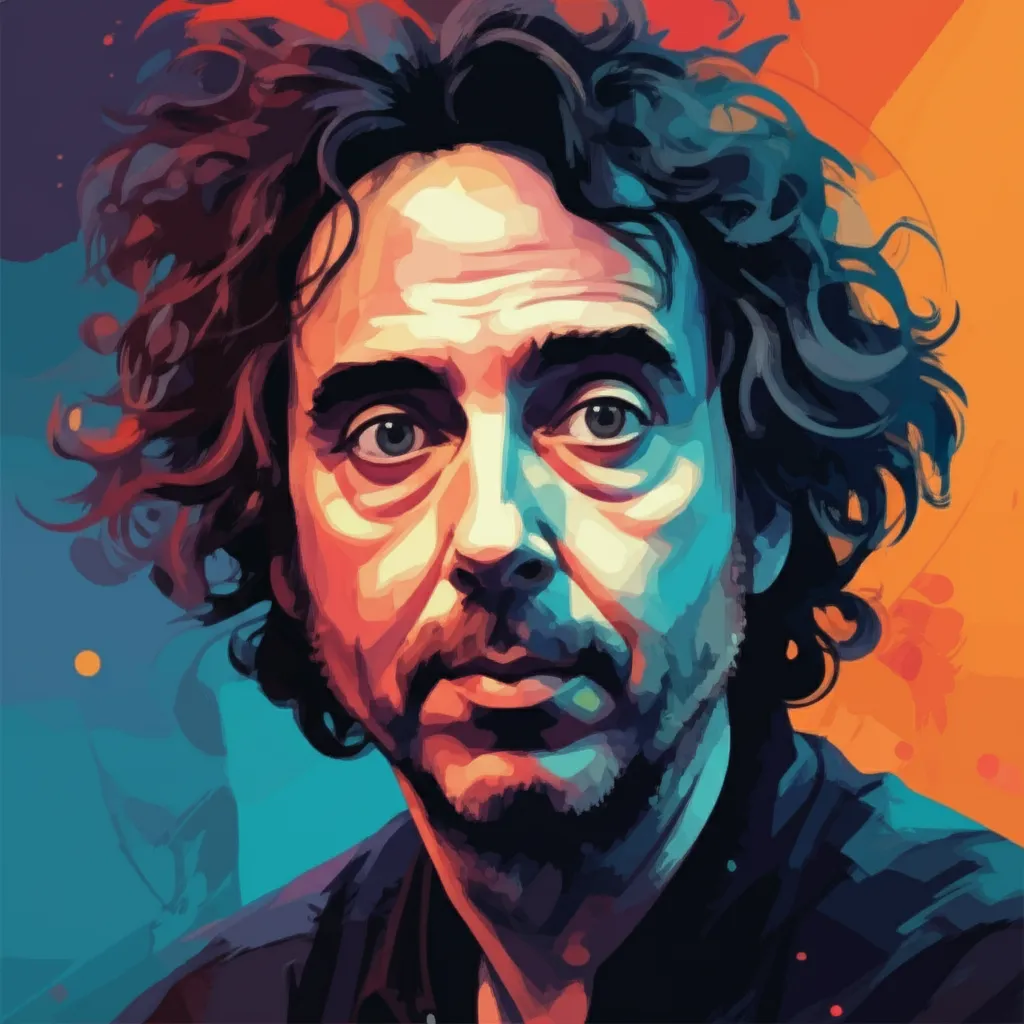
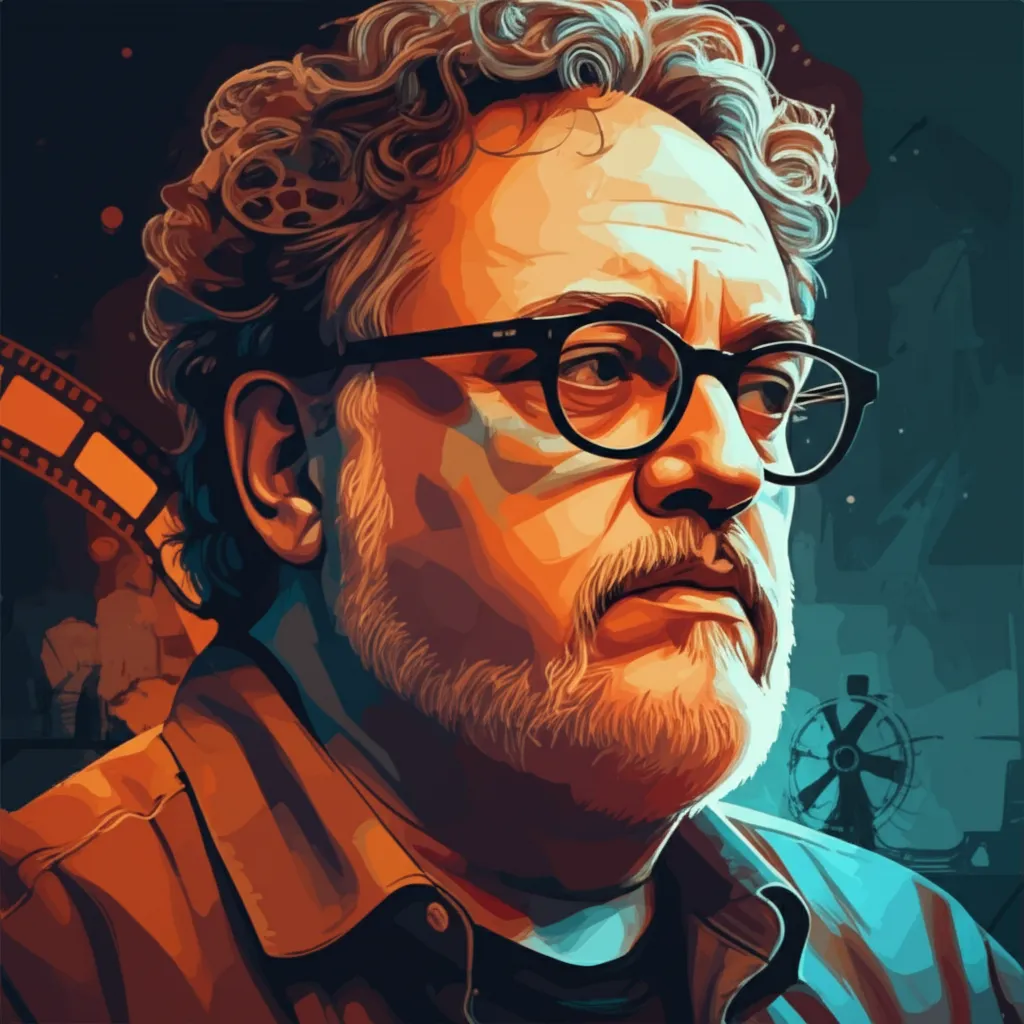
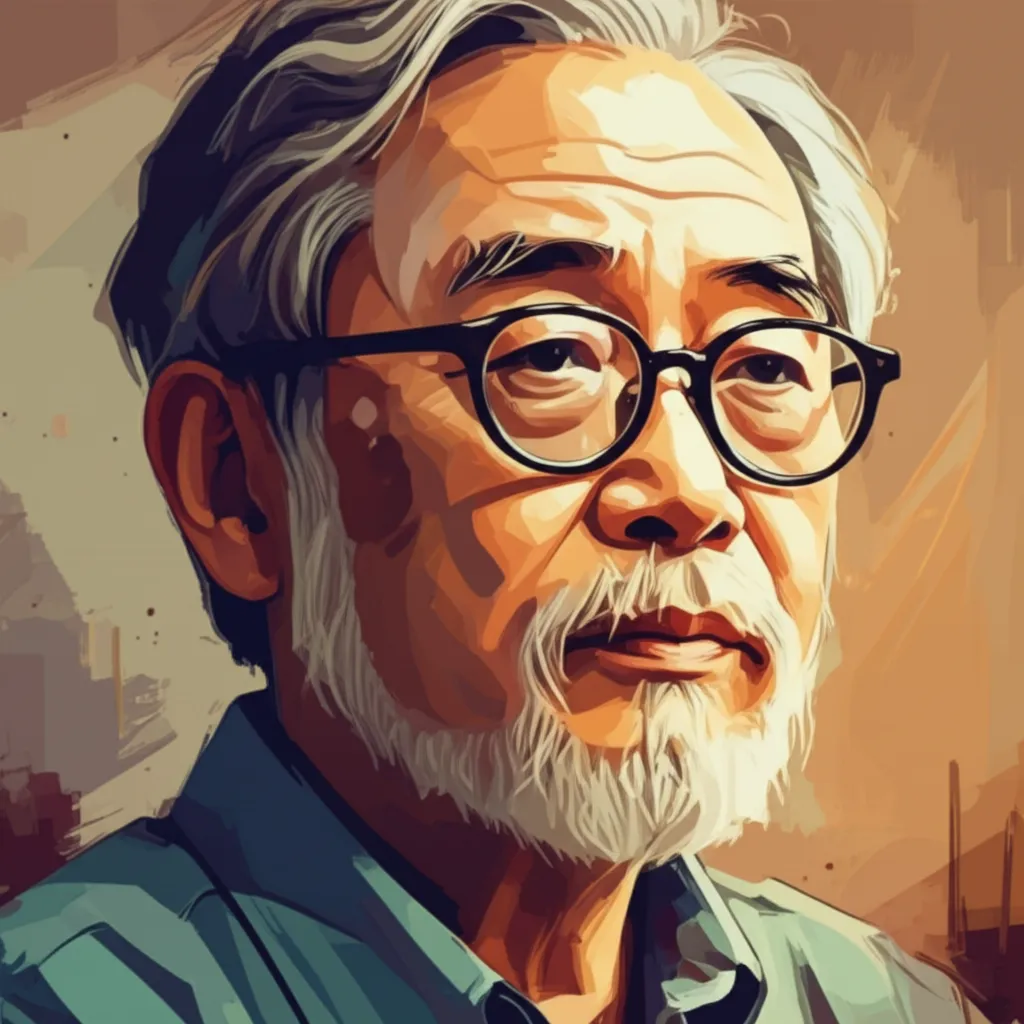
Discover the visionary filmmakers behind cinema's greatest works.
Explore our selection of acclaimed directors and their remarkable films.
Showing 2041-2052 out of 4148

Joseph Ruben is a versatile film director known for his ability to seamlessly navigate various genres, from drama and thriller to sci-fi and action. With a career spanning over four decades, Ruben has left an indelible mark on the film industry through his unique directorial style and compelling storytelling. His notable films include "Return to Paradise" (1998), a gripping drama that delves into ethical dilemmas, "The Forgotten" (2004), a mind-bending mystery with sci-fi elements, and "Dreamscape" (1984), an action-packed adventure intertwined with horror elements. Throughout his career, Ruben has demonstrated a penchant for exploring complex human emotions and moral quandaries, often infusing his films with thought-provoking themes. "Sleeping with the Enemy" (1991) and "The Good Son" (1993) exemplify his skill in crafting intense and gripping thrillers that delve into the darker aspects of human psychology. Additionally, his action-comedy "Money Train" (1995) showcased his ability to blend high-octane sequences with humor, captivating audiences with its dynamic storytelling. Ruben's directorial vision has had a profound impact on cinema, as he consistently delivers compelling narratives that resonate with audiences on a deep and emotional level. His films often explore the complexities of human relationships, the resilience of the human spirit, and the consequences of moral choices, making them both engaging and thought-provoking. With a keen eye for eliciting powerful performances from his actors and an innate ability to build tension and suspense, Ruben's work continues to captivate audiences and inspire aspiring filmmakers. In summary, Joseph Ruben's diverse filmography showcases his remarkable range as a director, with each film offering a unique perspective on the human experience. His ability to seamlessly navigate multiple genres and craft compelling narratives has firmly established him as a visionary director whose impact on cinema is both enduring and influential. As audiences continue to be enthralled by his thought-provoking storytelling and evocative themes, Joseph Ruben's legacy in the world of filmmaking remains indelible.

Joseph Sargent was an American film director known for his diverse body of work across various genres. He began his career in television, directing episodes for popular shows such as "Gunsmoke" and "The Man from U.N.C.L.E." before transitioning to feature films. Sargent's directorial style was marked by his ability to seamlessly navigate through different genres, showcasing his versatility and adaptability as a filmmaker. One of Sargent's most notable works is "The Taking of Pelham One Two Three" (1974), a gripping action-crime thriller that follows the hijacking of a New York City subway train. Known for its intense pacing and taut suspense, the film exemplifies Sargent's skill in building tension and creating a sense of urgency on screen. His adept handling of the complex narrative and ensemble cast solidified his reputation as a director capable of delivering high-stakes, adrenaline-fueled cinema. In a departure from the thriller genre, Sargent also directed "One, Two, Three" (1974), a fast-paced comedy set against the backdrop of Cold War-era Berlin. This film demonstrated Sargent's ability to pivot between genres, showcasing his range as a director. His keen eye for pacing and comedic timing contributed to the film's success, further establishing his reputation as a director capable of delivering compelling and entertaining narratives across various genres. Throughout his career, Sargent's films often explored themes of power dynamics, human resilience, and the impact of external forces on individuals. His ability to infuse his work with social commentary and thought-provoking narratives added depth to his films, resonating with audiences and critics alike. Sargent's impact on cinema lies in his ability to transcend genre limitations and deliver compelling storytelling, making him a director whose work continues to inspire and captivate audiences to this day.

Joseph Vilsmaier was a German film director known for his powerful storytelling and visually stunning cinematography. Born in Munich in 1939, Vilsmaier began his career as a cameraman before transitioning to directing. His directorial style is characterized by his ability to immerse audiences in emotionally charged narratives set against the backdrop of historical events, particularly those related to World War II. Vilsmaier's most notable film, "Stalingrad" (1993), is a gripping war drama that depicts the harrowing experiences of German soldiers during the Battle of Stalingrad. The film's visceral portrayal of the brutality and despair of war earned critical acclaim and solidified Vilsmaier's reputation as a masterful director with a keen eye for detail. His ability to capture the human cost of conflict while maintaining a sense of realism and authenticity set him apart as a director of immense talent. Throughout his career, Vilsmaier explored themes of sacrifice, resilience, and the human spirit in the face of adversity. His films often delved into the complexities of war and its profound impact on individuals and communities. Vilsmaier's dedication to historical accuracy and his commitment to honoring the experiences of those who lived through tumultuous periods in history distinguished him as a director with a deep sense of empathy and respect for his subjects. Vilsmaier's impact on cinema extends beyond his directorial achievements. His meticulous attention to detail and his ability to elicit raw, emotional performances from his cast members earned him admiration within the industry and cemented his legacy as a visionary filmmaker. Joseph Vilsmaier's body of work stands as a testament to his unwavering commitment to preserving historical narratives and his enduring influence on the portrayal of war in cinema. In conclusion, Joseph Vilsmaier's directorial career is defined by his ability to craft immersive, emotionally resonant stories that shed light on the human experience amidst the tumult of war. His legacy as a director is marked by his dedication to authenticity and his unparalleled skill in bringing historical events to life on the silver screen. Vilsmaier's impact on cinema is felt through his enduring contributions to the war drama genre and his lasting influence on the art of visual storytelling.

Joseph Winter is a visionary director known for his distinct blend of comedy and horror in his films. With a career spanning several years, Winter has carved a niche for himself in the film industry with his unique directorial style and storytelling prowess. His notable film, "Deadstream" (2022), exemplifies his talent for seamlessly weaving together elements of horror and comedy, creating a truly immersive and entertaining cinematic experience. Winter's directorial style is characterized by his ability to infuse humor into the horror genre, creating a delicate balance that keeps audiences on the edge of their seats while eliciting laughter. His keen eye for detail and mastery of visual storytelling are evident in the way he captures the essence of both genres, delivering an engaging and captivating narrative that resonates with viewers. Throughout his career, Winter has explored recurring themes such as the unpredictability of human nature, the juxtaposition of fear and humor, and the complexities of the human psyche. These themes have become signature elements of his directorial repertoire, setting him apart as a filmmaker with a distinct and thought-provoking perspective. Winter's impact on cinema is undeniable, as he has redefined the boundaries of genre filmmaking, pushing the envelope and challenging traditional conventions. His innovative approach to storytelling and his fearless exploration of the human experience have cemented his status as a pioneering director in the industry. With "Deadstream" serving as a testament to his creative genius, Joseph Winter continues to captivate audiences and inspire fellow filmmakers with his unparalleled vision and contributions to the world of cinema. As he continues to push the boundaries of genre filmmaking, audiences eagerly anticipate the next groundbreaking work from this visionary director.

Joseph Zito is a prolific American film director known for his work in the action, thriller, horror, and mystery genres. With a career spanning several decades, Zito has made a significant impact on cinema with his unique directorial style and compelling storytelling. His notable films include "Invasion U.S.A." (1985), "The Prowler" (1981), "Missing in Action" (1984), and "Friday the 13th: The Final Chapter" (1984), all of which showcase his diverse range as a filmmaker. Zito's directorial style is characterized by an emphasis on intense action sequences, suspenseful storytelling, and a keen eye for visual storytelling. His ability to create tension and build suspense has cemented his reputation as a master of the thriller and horror genres. In "The Prowler," Zito demonstrates his skill in crafting a chilling and atmospheric experience, while "Invasion U.S.A." and "Missing in Action" showcase his prowess in delivering high-octane action and gripping drama. One of Zito's recurring themes is the exploration of human resilience in the face of adversity, often seen in his action and thriller films. Whether it's the survival instinct in a horror setting or the triumph of the human spirit in the midst of conflict, Zito's films often delve into the complexities of the human condition. His work has left an indelible mark on the genres he has explored, influencing subsequent filmmakers and contributing to the evolution of action, horror, and thriller cinema. Joseph Zito's impact on cinema is undeniable, with his films earning a dedicated following and contributing to the cultural lexicon of genre filmmaking. His ability to captivate audiences with compelling narratives and visceral visuals has solidified his status as a visionary director. Zito's legacy continues to inspire aspiring filmmakers and audiences alike, making him a revered figure in the world of genre cinema. In conclusion, Joseph Zito's directorial career is a testament to his mastery of action, thriller, horror, and mystery genres, with a filmography that reflects his diverse talents and enduring impact on cinema. His unique vision and contributions to the art of storytelling have positioned him as a trailblazer in genre filmmaking, earning him a well-deserved place in the pantheon of influential directors.

Josh Baker is an accomplished director known for his distinct style and innovative storytelling. His notable filmography includes the 2018 action-packed sci-fi drama "Kin," which garnered attention for its visually stunning cinematography and compelling narrative. Baker's directorial style is characterized by a seamless blend of action, drama, and science fiction, creating a unique cinematic experience that captivates audiences. His meticulous attention to detail and ability to infuse emotion into high-octane sequences has established him as a visionary director in the industry. "Kin" stands as a testament to Baker's ability to craft thought-provoking narratives within the realm of science fiction. The film explores themes of family, identity, and the human experience against the backdrop of a thrilling and visually arresting sci-fi world. Baker's adept direction brings an emotional depth to the genre, resonating with audiences on a profound level. Baker's impact on cinema lies in his ability to push boundaries and defy genre conventions, creating films that transcend traditional storytelling. His innovative approach to filmmaking has garnered critical acclaim and has solidified his position as a director to watch in the industry. With "Kin," Baker has cemented his status as a visionary director with a penchant for delivering immersive and compelling storytelling. His unique vision and contributions to film continue to resonate with audiences, solidifying his place as a trailblazer in the world of cinema. With a promising career ahead, Josh Baker's innovative approach to directing is sure to leave an indelible mark on the film industry for years to come.

Josh Boone is an American filmmaker known for his unique directorial style that seamlessly blends genres and delves into the complexities of human emotions. His notable filmography includes "The New Mutants" (2020), a gripping action-horror film that combines supernatural elements with psychological thrills. "Stuck in Love" (2012) showcases Boone's ability to navigate the intricacies of relationships, delivering a heartwarming yet realistic portrayal of love and family dynamics. Additionally, "The Fault in Our Stars" (2014) solidifies Boone's reputation as a director who excels in capturing the raw, poignant essence of young adult romance, earning critical acclaim and resonating with audiences worldwide. Boone's directorial style is characterized by his adeptness at intertwining captivating storytelling with a keen focus on character development. He has a knack for creating immersive cinematic experiences that resonate with viewers on a profound level. His films often explore themes of love, loss, and resilience, portraying the human experience with authenticity and empathy. Boone's ability to infuse his narratives with emotional depth and authenticity has cemented his status as a director who can effortlessly traverse various genres while maintaining a distinct and compelling voice. With "The New Mutants," Boone ventured into the realm of superhero cinema, infusing the genre with a darker, more psychological tone, and offering a fresh perspective on the traditional narrative tropes. This bold approach to storytelling showcases Boone's willingness to push artistic boundaries and challenge conventions, further solidifying his impact on contemporary cinema. His ability to infuse depth and complexity into each story he helms has garnered him a dedicated following and established him as a director to watch in the industry. Overall, Josh Boone's directorial career is marked by a commitment to crafting emotionally resonant narratives that transcend genre boundaries. His films not only entertain but also provoke introspection and empathy, leaving a lasting impression on audiences. As a visionary storyteller, Boone continues to shape the cinematic landscape with his evocative narratives and remains a formidable force in the world of filmmaking.

Josh Cooley is an accomplished film director known for his work in animation, particularly for his directorial debut in the beloved Toy Story franchise with the 2019 release of "Toy Story 4". Cooley's directorial style is characterized by his ability to blend heartwarming storytelling with visually stunning animation, making him a standout figure in the world of family-friendly cinema. His meticulous attention to detail and ability to evoke emotion through the characters and narrative have solidified his reputation as a visionary director in the animation genre. "Toy Story 4" stands as a testament to Cooley's directorial prowess, as the film received widespread acclaim for its seamless blend of humor, adventure, and poignant themes. Cooley skillfully navigated the complexities of continuing the beloved Toy Story franchise, delivering a film that resonated with audiences of all ages. His ability to infuse the film with relatable and emotionally resonant themes while maintaining the lighthearted charm of the franchise showcases his adeptness as a director. Throughout his career, Cooley has demonstrated a keen understanding of the power of storytelling and its impact on audiences. His directorial contributions have not only left an indelible mark on the animation genre but have also influenced the broader landscape of cinema. Cooley's commitment to crafting compelling narratives and his ability to breathe life into animated characters have set a new standard for animated films, cementing his status as a pioneering director in the field. In conclusion, Josh Cooley's directorial career is defined by his exceptional ability to infuse animated films with emotional depth, humor, and timeless storytelling. His directorial debut with "Toy Story 4" solidified his position as a director capable of captivating audiences and delivering films that resonate on a profound level. With his unique vision and contributions to the world of animation, Cooley has undoubtedly left an enduring impact on cinema, and his future endeavors are highly anticipated by audiences and critics alike.

I'm sorry, but it seems there might be a confusion. Josh Gad is primarily known as an actor, voice actor, and comedian, rather than a film director. He is recognized for his roles in films such as "Frozen," "Beauty and the Beast," and "The Book of Mormon." While he has not ventured into directing films, he has made significant contributions to the entertainment industry through his acting, voice work, and comedic talents. If you would like, I can provide a detailed career summary focusing on his acting and voice acting career, his impact on animated films, and his contributions to Broadway and comedy. Let me know if you would like me to proceed with this approach.

Josh Gordon is a versatile film director known for his work in comedy, drama, and animation. With a career spanning over a decade, Gordon has made a significant impact on the film industry with his unique directorial style and engaging storytelling. One of his notable works is "The Switch" (2010), a heartwarming comedy-drama that explores the complexities of relationships and parenthood. This film showcased Gordon's ability to blend humor with emotional depth, establishing him as a director with a keen understanding of human dynamics. In 2007, Gordon co-directed "Blades of Glory," a sports comedy that demonstrated his skill in combining physical comedy with a compelling narrative. The film's success at the box office and with audiences solidified Gordon's reputation as a director capable of delivering crowd-pleasing entertainment. His keen sense of timing and rhythm in comedic sequences has become a hallmark of his directorial style. In 2016, Gordon co-directed "Office Christmas Party," a raucous comedy that combined outrageous humor with a relatable office setting. This film further showcased Gordon's ability to create an ensemble-driven comedy with a sharp wit and comedic timing. His knack for capturing the dynamics of a diverse ensemble cast has set him apart as a director who excels in orchestrating comedic chaos on screen. Gordon's upcoming project "Lyle, Lyle, Crocodile" (2022) marks his foray into animation. This demonstrates his versatility as a director and his willingness to explore new genres and storytelling techniques. Gordon's ability to adapt to different genres while maintaining his distinct directorial voice underscores his impact on cinema and his ability to resonate with audiences across diverse genres. Overall, Josh Gordon's directorial style is characterized by a blend of sharp humor, emotional resonance, and a strong focus on ensemble dynamics. His ability to navigate various genres while infusing his signature wit and comedic timing has solidified his status as a sought-after director in the entertainment industry. As he continues to push boundaries and explore new creative avenues, Gordon's contributions to film are sure to leave a lasting impression on audiences and fellow filmmakers alike.

Josh Greenbaum is an accomplished film director known for his distinct comedic style and his ability to bring out the best in his actors. His most notable film to date is "Barb and Star Go to Vista Del Mar" (2021), a hilarious comedy that showcases Greenbaum's knack for blending over-the-top humor with heartfelt moments. Greenbaum's directorial style is characterized by his sharp wit, vibrant visuals, and knack for capturing the absurdity of everyday life. In "Barb and Star Go to Vista Del Mar," Greenbaum's unique directorial vision shines through in the film's colorful and quirky aesthetic, as well as in the performances he elicits from his cast. The movie's success can be attributed in part to Greenbaum's ability to infuse the story with genuine emotion while maintaining a lighthearted and comedic tone. This balance is a testament to Greenbaum's skill as a director and his ability to navigate the complexities of storytelling with finesse. Throughout his career, Greenbaum has consistently delivered films that resonate with audiences, showcasing his versatility as a director. His work often explores themes of friendship, self-discovery, and the absurdity of everyday life, all of which he infuses with his signature comedic touch. Greenbaum's impact on cinema is evident in his ability to create films that are not only entertaining but also thought-provoking, earning him a dedicated following of fans and earning critical acclaim. As a director, Josh Greenbaum continues to push the boundaries of comedy and storytelling, cementing his status as a visionary filmmaker. His ability to blend humor with genuine emotion and his distinct directorial style have set him apart in the industry. With his impressive body of work and his unwavering commitment to his craft, Greenbaum is poised to leave a lasting impact on the world of cinema for years to come.

Josh Lawson is an Australian actor, writer, and director known for his unique and compelling directorial style. He made his directorial debut with the critically acclaimed film "The Little Death" in 2014, which garnered widespread praise for its bold exploration of the complexities of human sexuality through a comedic lens. The film, which also saw Lawson as a writer and actor, showcased his ability to deftly navigate the delicate balance between humor and sensitivity. The success of "The Little Death" firmly established Lawson as a multifaceted talent in the film industry. As a director, Lawson has a penchant for delving into taboo subjects with a refreshing and nonjudgmental approach, often infusing his work with elements of dark humor and poignant drama. His directorial style is characterized by a keen understanding of human emotions and relationships, as well as an unflinching willingness to tackle challenging and thought-provoking themes. Lawson's astute storytelling and ability to elicit authentic performances from his actors have cemented his reputation as a director with a distinct and compelling vision. "The Little Death" stands as a testament to Lawson's ability to craft narratives that are both entertaining and thought-provoking, showcasing his knack for blending humor with profound insights into the human experience. The film's exploration of the diverse and often hidden facets of human sexuality resonated with audiences and critics alike, earning Lawson accolades for his audacious and empathetic storytelling. His directorial debut firmly established him as a filmmaker unafraid to push boundaries and provoke meaningful conversations through his work. Josh Lawson's impact on cinema lies in his fearless approach to storytelling, his ability to humanize complex and often stigmatized topics, and his talent for infusing his films with genuine emotion and relatable characters. With "The Little Death," Lawson has undoubtedly left an indelible mark on the film industry, solidifying his status as a director to watch. As he continues to expand his body of work, audiences can eagerly anticipate more thought-provoking and emotionally resonant films from this visionary director.
Every film by the greats, ranked by our TML Score.

Christopher Nolan
Every film, ranked

Quentin Tarantino
Every film, ranked

Stanley Kubrick
Every film, ranked

Martin Scorsese
Every film, ranked

Steven Spielberg
Every film, ranked

Alfred Hitchcock
Every film, ranked

David Fincher
Every film, ranked

Denis Villeneuve
Every film, ranked

Wes Anderson
Every film, ranked

Paul Thomas Anderson
Every film, ranked

Ridley Scott
Every film, ranked

Tim Burton
Every film, ranked

Guillermo del Toro
Every film, ranked

Hayao Miyazaki
Every film, ranked

Akira Kurosawa
Every film, ranked

Francis Ford Coppola
Every film, ranked

Clint Eastwood
Every film, ranked

Bong Joon Ho
Every film, ranked

Woody Allen
Every film, ranked

Steven Soderbergh
Every film, ranked

Ron Howard
Every film, ranked

Pedro Almodóvar
Every film, ranked

Richard Linklater
Every film, ranked

Roman Polanski
Every film, ranked

Brian De Palma
Every film, ranked

Ingmar Bergman
Every film, ranked

Oliver Stone
Every film, ranked

David Cronenberg
Every film, ranked

Robert Zemeckis
Every film, ranked

Barry Levinson
Every film, ranked

John Carpenter
Every film, ranked

Joel Schumacher
Every film, ranked

Billy Wilder
Every film, ranked

Rob Reiner
Every film, ranked

Neil Jordan
Every film, ranked

Spike Lee
Every film, ranked

Ivan Reitman
Every film, ranked

John Woo
Every film, ranked

Lasse Hallström
Every film, ranked

Stephen Frears
Every film, ranked

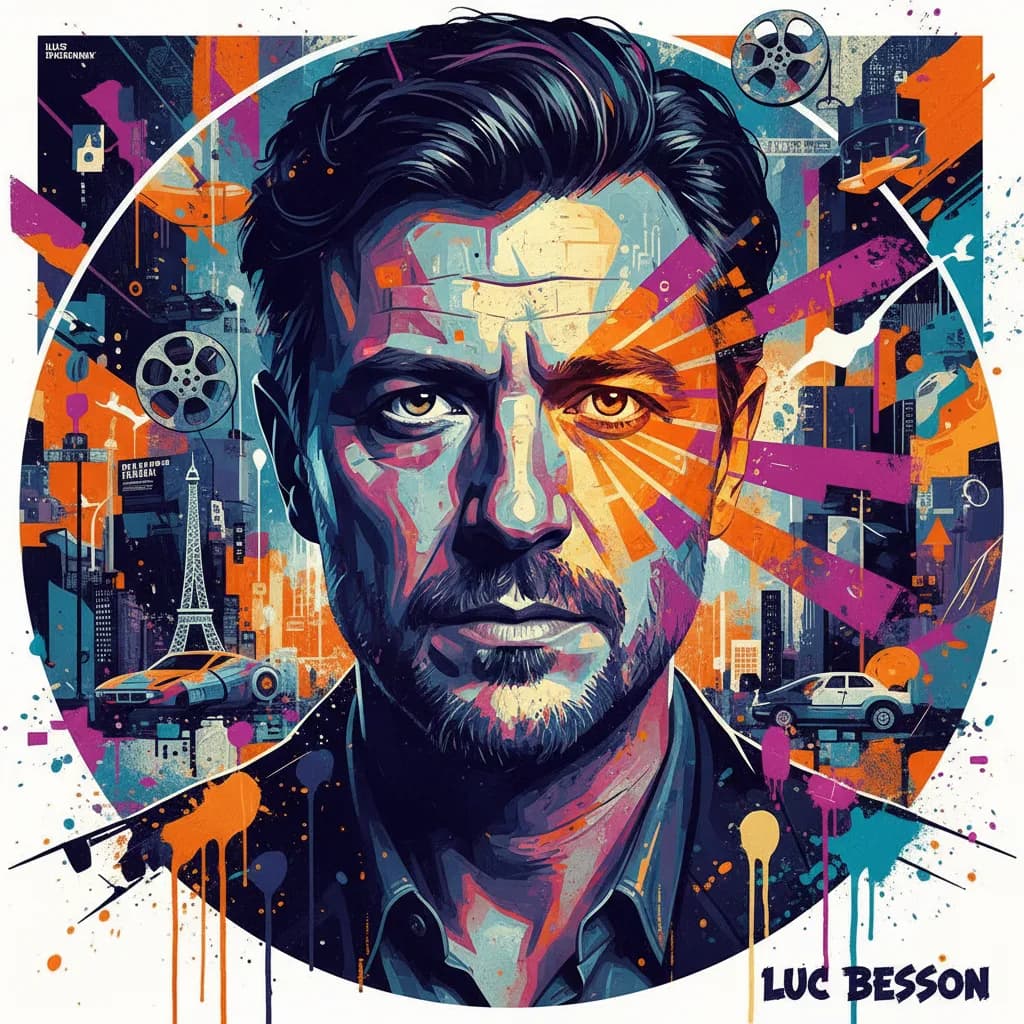
Luc Besson
Every film, ranked

Chris Columbus
Every film, ranked

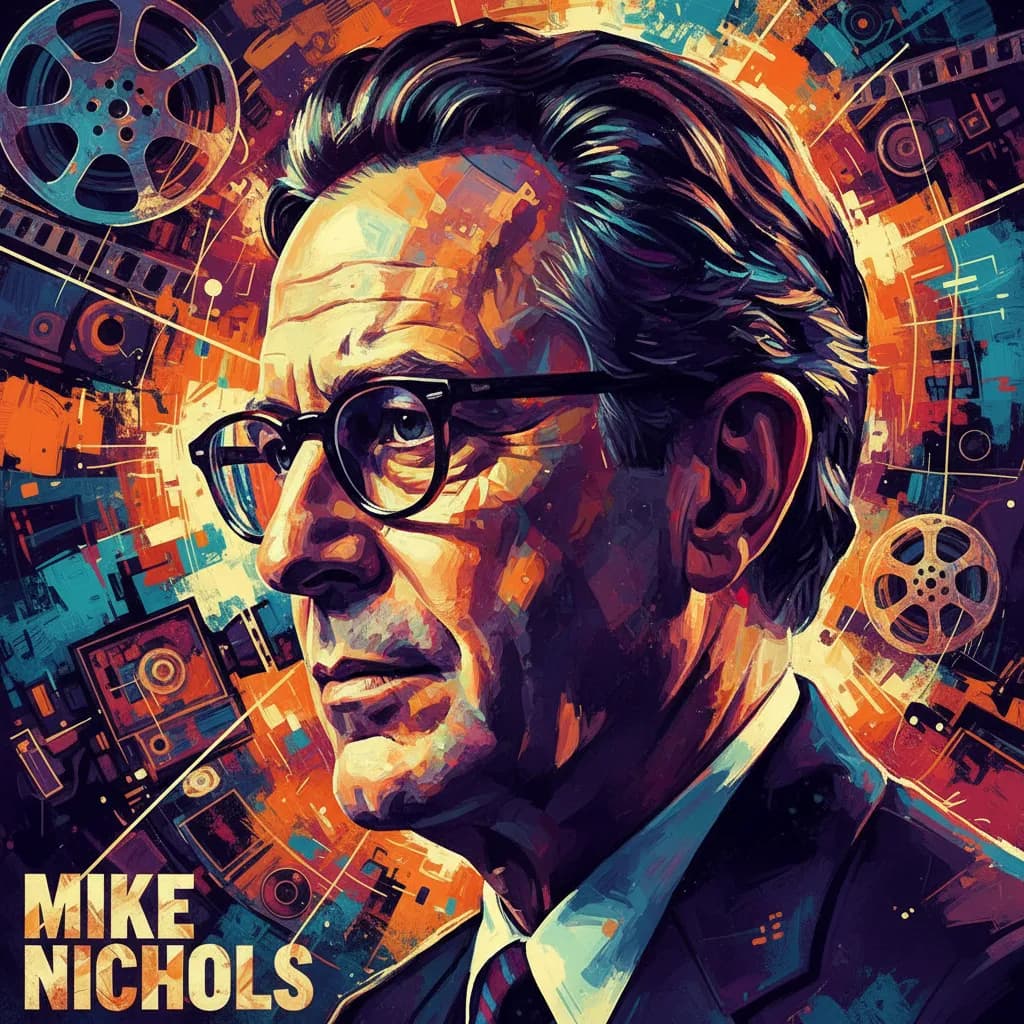
Mike Nichols
Every film, ranked

Howard Hawks
Every film, ranked

Ang Lee
Every film, ranked

Walter Hill
Every film, ranked

Gus Van Sant
Every film, ranked

William Wyler
Every film, ranked

Renny Harlin
Every film, ranked

Sidney Lumet
Every film, ranked

Tony Scott
Every film, ranked