Discover the visionary filmmakers behind cinema's greatest works.
Explore our selection of acclaimed directors and their remarkable films.
Showing 193-204 out of 4148

Andreas Prochaska is a renowned Austrian film director known for his distinct vision and masterful storytelling. With a career spanning several decades, Prochaska has made a significant impact on the world of cinema with his immersive directorial style and compelling narratives. His notable film "The Dark Valley" (2014) stands as a testament to his prowess in crafting gripping action, intense drama, and evocative Western settings. Prochaska's directorial style is characterized by a meticulous attention to detail, a keen sense of atmosphere, and a knack for bringing out raw, emotional performances from his actors. His films often exude a sense of brooding tension, coupled with breathtaking visuals that transport audiences into the heart of his meticulously crafted worlds. "The Dark Valley" exemplifies Prochaska's ability to merge traditional Western elements with a fresh, contemporary perspective, showcasing his penchant for infusing familiar genres with a unique and captivating allure. Throughout his career, Prochaska has demonstrated a penchant for exploring themes of vengeance, redemption, and the human condition, often within the backdrop of rugged, unforgiving landscapes. His films delve deep into the complexities of human nature, offering multi-layered characters and thought-provoking narratives that resonate long after the credits roll. Prochaska's directorial prowess lies in his ability to seamlessly blend thrilling action sequences with profound emotional depth, creating a cinematic experience that transcends mere entertainment. With "The Dark Valley," Prochaska has left an indelible mark on the Western genre, reinvigorating it with his distinct directorial sensibilities and redefining audience expectations. His contributions to film have solidified his status as a visionary director with a penchant for crafting resonant, visually stunning narratives that captivate audiences worldwide. As Prochaska continues to shape the cinematic landscape with his unique vision, audiences can eagerly anticipate future works that promise to push the boundaries of storytelling and visual splendor.

André Bonzel is a Belgian director known for his influential work in the film industry. He gained widespread recognition for his directorial debut with "Man Bites Dog" in 1992, a groundbreaking film that seamlessly blends comedy, crime, and drama. Bonzel's directorial style is characterized by its raw, documentary-like approach, blurring the lines between fiction and reality. His films often explore the darker aspects of human nature, challenging societal norms and provoking thought-provoking discussions. "Man Bites Dog" remains Bonzel's most notable film, earning critical acclaim for its daring and unconventional storytelling. The film follows a documentary crew as they immerse themselves in the life of a charming yet disturbingly sociopathic serial killer. Bonzel's directorial prowess shines in his ability to create an unsettling and immersive experience for the audience, blurring the boundaries between the observer and the observed. The film's black humor and unflinching portrayal of violence have solidified its status as a cult classic and a significant milestone in the crime genre. Bonzel's recurring themes often delve into the complexities of human behavior, morality, and the consequences of unchecked power. His films confront audiences with uncomfortable truths, challenging them to confront the darker aspects of humanity. Through his unique vision and uncompromising storytelling, Bonzel has left an indelible mark on cinema, inspiring a new generation of filmmakers to push the boundaries of traditional storytelling and visual language. André Bonzel's impact on cinema extends beyond his directorial work, influencing a wave of filmmakers who have been drawn to his innovative and thought-provoking approach. His ability to craft compelling narratives within the framework of a documentary-style aesthetic has set him apart as a visionary director. As audiences continue to seek out bold and boundary-pushing storytelling, Bonzel's legacy as a trailblazer in the industry remains firmly intact, solidifying his status as a director who has left an enduring mark on the world of film.

André Hunebelle, a French film director, is best known for his work on the iconic Fantômas film series. Born on August 1, 1896, in Meudon, France, Hunebelle began his career in the film industry as a cinematographer and editor before transitioning to directing. His directorial style was characterized by a flair for adventure, comedy, and crime, which he masterfully blended in his films. Hunebelle's films often featured a captivating mix of thrilling action sequences, witty humor, and intriguing crime plots, making him a pioneer in the genre of adventure comedy. Hunebelle's most significant contribution to cinema came with his directorial work on the Fantômas series, particularly the 1964 film "Fantômas." This cinematic masterpiece, based on the popular French novels, showcased Hunebelle's adeptness at creating a captivating blend of suspense, humor, and action. The film was a commercial success and garnered critical acclaim, solidifying Hunebelle's reputation as a visionary director with a unique storytelling ability. Throughout his career, Hunebelle's films often revolved around recurring themes of daring escapades, intriguing mysteries, and charismatic anti-heroes, captivating audiences with their thrilling narratives. His directorial prowess was evident in his ability to infuse his films with a sense of grandeur and spectacle, creating immersive cinematic experiences for viewers. Hunebelle's impact on cinema extends beyond his directorial endeavors, as he played a pivotal role in shaping the adventure comedy genre and influencing subsequent filmmakers. His unique vision and innovative approach to storytelling left an indelible mark on the film industry, inspiring a new generation of directors to explore the boundaries of adventure and crime genres. In conclusion, André Hunebelle's directorial career was defined by his exceptional ability to craft compelling narratives that seamlessly blended adventure, comedy, and crime. His directorial work on the Fantômas series remains a testament to his visionary storytelling and enduring impact on cinema. Hunebelle's legacy continues to inspire filmmakers and entertain audiences, cementing his status as a trailblazer in the world of adventure comedy filmmaking.

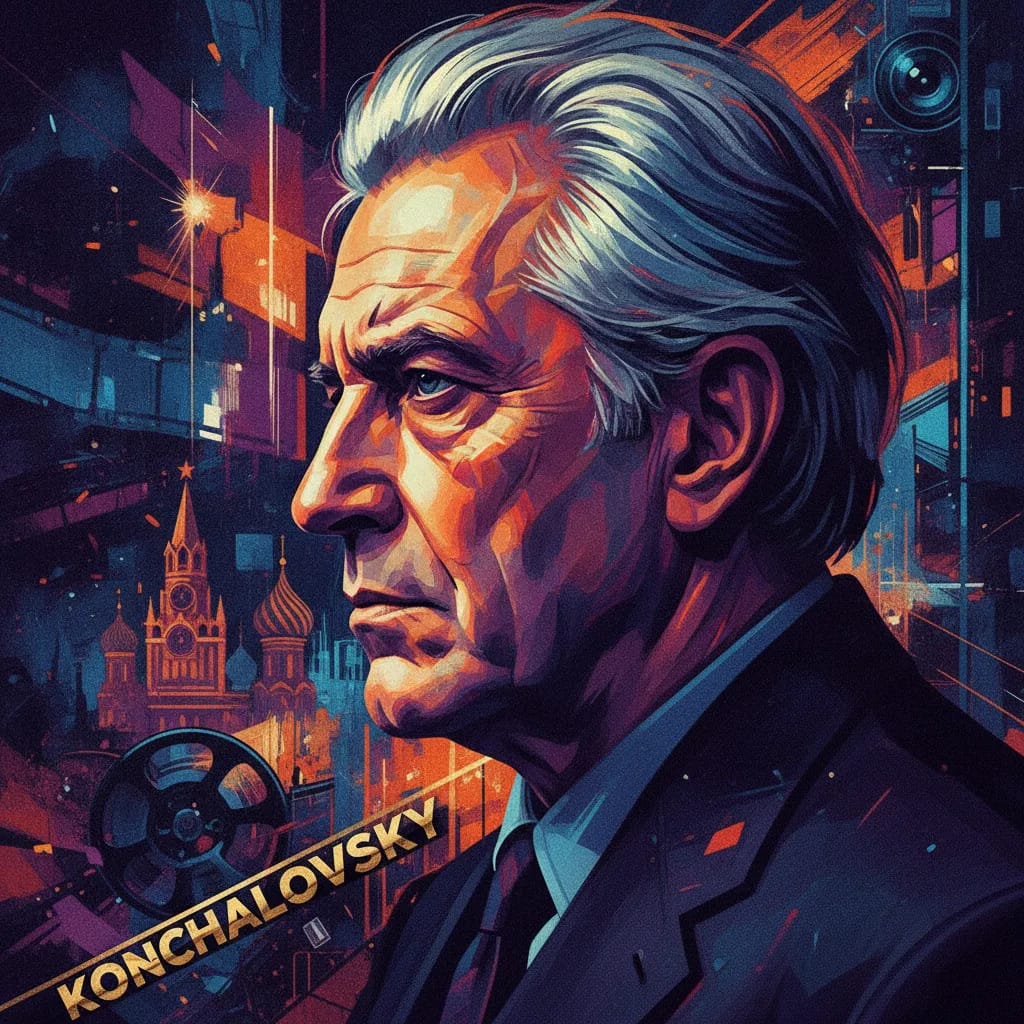
Andrei Konchalovsky is a Russian filmmaker known for his versatile directorial style and impactful contributions to cinema. With a career spanning over five decades, Konchalovsky has established himself as a prominent figure in both Russian and international film industries. His directorial style is characterized by a unique blend of visual flair, emotional depth, and thought-provoking storytelling, making his films compelling and memorable for audiences worldwide. One of Konchalovsky's notable films is the action-packed comedy "Tango & Cash" (1989), which he directed with a keen eye for dynamic visuals and exhilarating storytelling. The film, starring Sylvester Stallone and Kurt Russell, showcased Konchalovsky's ability to infuse high-octane action with comedic elements, demonstrating his versatility as a director across genres. Throughout his career, Konchalovsky has explored recurring themes such as the human condition, societal dynamics, and the complexities of relationships, often delving deep into the emotional and psychological aspects of his characters. His films often feature rich character development and intricate narratives, offering audiences a captivating and immersive cinematic experience. Konchalovsky's impact on cinema extends beyond his individual films, as he has influenced and inspired generations of filmmakers with his distinct directorial approach. His ability to seamlessly navigate between different genres while maintaining a cohesive and engaging storytelling style has cemented his reputation as a visionary director with a lasting legacy in the film industry. In conclusion, Andrei Konchalovsky's career is a testament to his artistic prowess and enduring influence on cinema. Through his diverse filmography, he has left an indelible mark on the world of filmmaking, earning acclaim for his directorial vision, storytelling finesse, and ability to connect with audiences on a profound level. His work continues to resonate with film enthusiasts, solidifying his status as a masterful director with a timeless cinematic legacy.

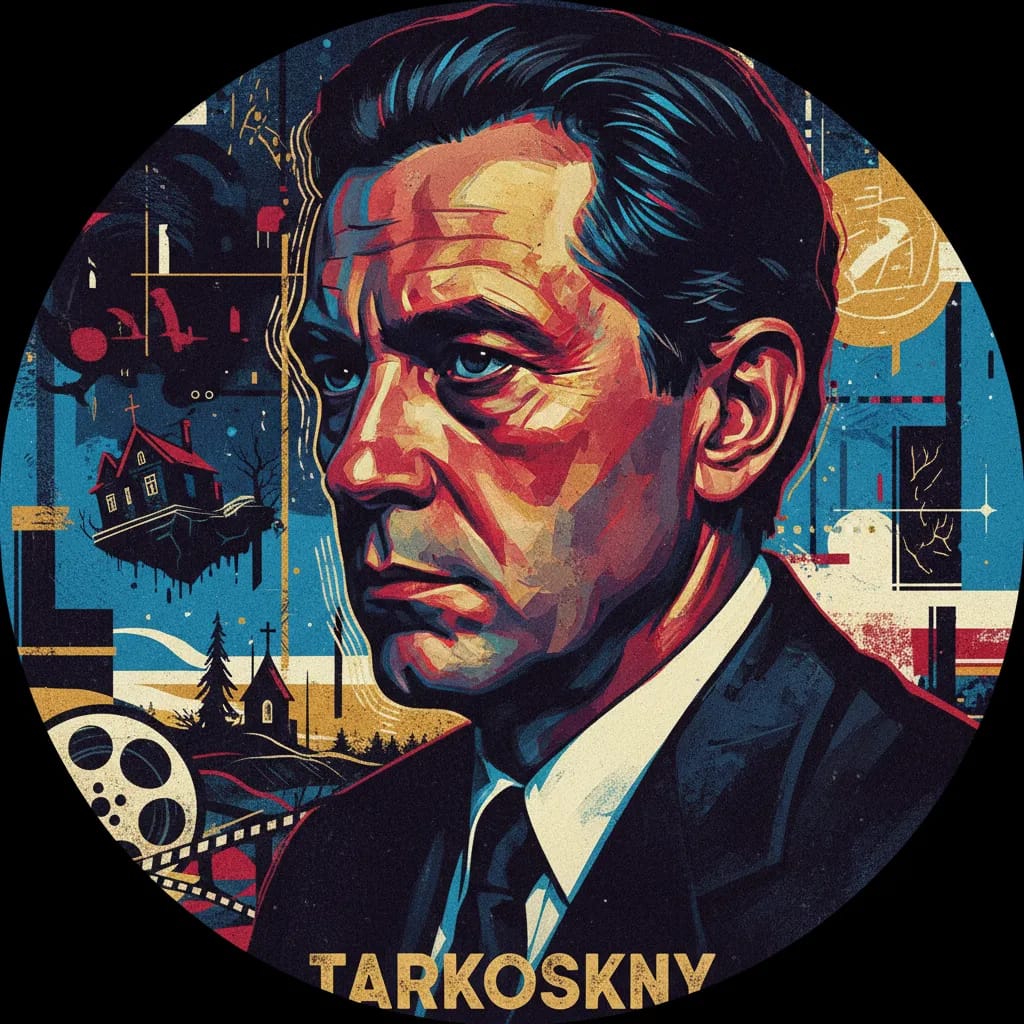
Andrei Tarkovsky is a legendary Soviet film director whose visionary approach and deep philosophical themes have left an indelible mark on world cinema. Born in 1932 in Russia, Tarkovsky's career spans only seven feature films, but each one is a masterpiece in its own right. His directorial style is characterized by long takes, atmospheric visuals, and a profound exploration of the human condition. Tarkovsky's filmography is a testament to his unparalleled talent and unique vision. His debut film, "Ivan's Childhood" (1962), set the stage for his signature blend of poetic storytelling and stunning visuals. It was followed by "Andrei Rublev" (1966), a monumental biographical drama that delves into the life of the iconic Russian icon painter. "Solaris" (1972) further showcased Tarkovsky's mastery of the science fiction genre, with its haunting portrayal of a space station orbiting a mysterious planet. Recurring themes in Tarkovsky's work include the nature of existence, memory, spirituality, and the human soul. His films often eschew conventional narrative structures in favor of a more introspective and meditative approach, inviting viewers to ponder life's profound questions. Tarkovsky's impact on cinema is immeasurable, influencing a generation of filmmakers with his uncompromising dedication to artistic integrity. Tarkovsky's final film, "The Sacrifice" (1986), is a fitting swan song to his illustrious career, a poignant exploration of faith and the apocalypse. Despite his premature death in 1986, Tarkovsky's legacy continues to inspire and captivate audiences, solidifying his status as one of the greatest directors in the history of cinema. His films remain enduring classics, cherished for their unparalleled beauty and intellectual depth.

André Øvredal is a Norwegian film director known for his unique and innovative approach to storytelling, particularly within the horror and fantasy genres. His directorial style is characterized by a keen sense of atmosphere, meticulous attention to detail, and a knack for creating tension and suspense. With a background in writing and directing, Øvredal has cultivated a reputation for crafting visually stunning and thought-provoking films that resonate with audiences worldwide. One of Øvredal's most notable works is "Troll Hunter" (2010), a mockumentary-style horror film that follows a group of students as they investigate a suspected bear poacher, only to discover a government conspiracy to cover up the existence of trolls. The film showcases Øvredal's ability to seamlessly blend folklore and mythology with a modern, found-footage aesthetic, creating a truly immersive and compelling cinematic experience. "Troll Hunter" received widespread critical acclaim for its originality and solidified Øvredal's status as a visionary director within the genre. In 2016, Øvredal further solidified his reputation with "The Autopsy of Jane Doe," a chilling horror-thriller that delves into the eerie world of a father-son coroner duo as they unravel the mystery behind an unidentified corpse. The film expertly showcases Øvredal's mastery of building suspense and crafting a haunting atmosphere, earning him praise for his ability to deliver a fresh and terrifying take on the horror genre. Most recently, Øvredal directed "Scary Stories to Tell in the Dark" (2019), a film adaptation of the iconic children's horror book series. Leveraging his skill in creating tension and crafting visually striking scenes, Øvredal brought these classic tales to life on the big screen, captivating audiences with his ability to evoke a sense of dread and wonder simultaneously. Overall, André Øvredal's impact on cinema is undeniable, as he continues to push the boundaries of storytelling and visual storytelling. With his distinct directorial style and unwavering commitment to captivating audiences, Øvredal stands as a visionary filmmaker whose contributions to the horror and fantasy genres have left an indelible mark on the industry.
Andrés Baiz is a Colombian film director known for his captivating storytelling and visually stunning cinematography. His notable film, "The Hidden Face" (2011), is a masterful blend of drama, horror, and mystery that showcases Baiz's unique directorial style and storytelling prowess. His ability to seamlessly intertwine multiple genres while maintaining a cohesive narrative sets him apart as a visionary director in contemporary cinema. Baiz's directorial style is marked by his meticulous attention to detail, atmospheric visuals, and an innate ability to build suspense. "The Hidden Face" exemplifies these qualities, as Baiz skillfully crafts a narrative that keeps audiences on the edge of their seats while delving into the complexities of human emotions and relationships. His command of suspense and his use of haunting imagery contribute to the film's chilling and immersive experience. Throughout his career, Baiz has demonstrated a penchant for exploring the human psyche and delving into the darker aspects of human behavior. His films often delve into themes of love, betrayal, and psychological turmoil, offering audiences a thought-provoking and emotionally resonant cinematic experience. Baiz's focus on human emotions and interpersonal dynamics adds depth and complexity to his work, earning him recognition as a director with a keen understanding of the human condition. "The Hidden Face" not only solidified Baiz's reputation as a director with a unique vision but also made a significant impact on Colombian and international cinema. The film received critical acclaim for its gripping narrative, compelling performances, and Baiz's directorial prowess. It garnered attention at film festivals and captivated audiences worldwide, cementing Baiz's status as a director to watch in the global film industry. Andrés Baiz's contributions to cinema extend beyond his directorial achievements, as he continues to push the boundaries of storytelling and visual storytelling. His ability to create immersive and emotionally resonant narratives sets him apart as a director with a distinct voice and a profound impact on the film industry. With an impressive body of work and a reputation for delivering compelling and thought-provoking cinema, Baiz remains a prominent figure in contemporary film direction.

Andrés Wood is a prominent Chilean film director known for his compelling storytelling and visually arresting cinematography. His directorial style is characterized by a keen eye for historical and social themes, and an ability to capture the nuances of human relationships. Wood's impact on cinema extends beyond his native Chile, as his work has garnered international acclaim and numerous awards. Wood burst onto the international scene with his critically acclaimed film "Machuca" in 2004. Set against the backdrop of Chile's political turmoil in the 1970s, the film masterfully intertwines the personal stories of two boys from different socioeconomic backgrounds amid the country's social upheaval. "Machuca" showcases Wood's talent for blending historical events with intimate character-driven narratives, a hallmark of his directorial approach. Wood's films often explore themes of identity, class struggle, and the impact of historical events on individual lives. His ability to humanize complex historical and social issues sets him apart as a director with a unique vision. His work resonates with audiences by providing a window into the human experience within the context of larger societal changes. In addition to "Machuca," Wood's filmography includes a diverse range of projects that further showcase his versatility as a director. His commitment to shedding light on untold stories and marginalized voices has cemented his reputation as a filmmaker with a strong social conscience. Throughout his career, Wood has continued to push boundaries and challenge audiences to confront uncomfortable truths, establishing himself as a trailblazer in Latin American cinema. Andrés Wood's impact on the film industry extends far beyond his individual films. His dedication to telling stories that matter, coupled with his distinct directorial style, has left an indelible mark on cinema. As audiences continue to seek out authentic and thought-provoking narratives, Wood's contributions to the medium will undoubtedly stand the test of time, solidifying his legacy as a visionary director.

Andrew Adamson is a highly acclaimed film director known for his masterful storytelling and visionary approach to filmmaking. Born in New Zealand, Adamson rose to international prominence with his directorial debut, "Shrek" (2001), a groundbreaking animated film that redefined the genre. His adept blend of humor, heart, and cutting-edge animation techniques made "Shrek" a cultural phenomenon and solidified Adamson as a director with a distinct and innovative style. Following the immense success of "Shrek," Adamson continued to captivate audiences with his remarkable adaptation of C.S. Lewis's beloved novel, "The Chronicles of Narnia: The Lion, the Witch and the Wardrobe" (2005). This epic fantasy film showcased Adamson's ability to bring enchanting worlds to life on the big screen, earning critical acclaim and resonating with audiences of all ages. His seamless integration of visual effects, compelling characters, and powerful storytelling cemented his reputation as a visionary director with an unparalleled ability to transport viewers to fantastical realms. Adamson's directorial prowess was further showcased in the wildly popular "Shrek 2" (2004), which continued to push the boundaries of animation and storytelling, solidifying the franchise's status as a beloved classic. Additionally, his directorial work on "The Chronicles of Narnia: Prince Caspian" (2008) demonstrated his versatility in seamlessly transitioning between animated and live-action filmmaking, further establishing him as a director capable of delivering compelling narratives across genres. Adamson's directorial style is characterized by his ability to infuse his films with depth, emotion, and visual splendor, creating immersive cinematic experiences that resonate with audiences on a profound level. His unique vision and unwavering commitment to storytelling have left an indelible mark on cinema, inspiring future generations of filmmakers and captivating audiences worldwide. In conclusion, Andrew Adamson's career is defined by his exceptional talent for crafting captivating and visually stunning films that transcend genres and resonate with viewers across the globe. His contributions to animation and fantasy filmmaking have left an enduring legacy, solidifying his status as a visionary director whose innovative approach continues to shape the cinematic landscape.

Andrew Ahn is a talented filmmaker known for his unique directorial style that beautifully captures the nuances of human relationships and identity. With a focus on authentic storytelling and emotional depth, Ahn has made a significant impact on cinema through his thought-provoking narratives and visually compelling storytelling. His filmography boasts a diverse range of projects, with "Fire Island" (2022) standing out as a notable addition to his body of work. This comedy romance film showcases Ahn's ability to blend heartwarming humor with poignant themes, further solidifying his reputation as a director with a keen eye for human connection. Ahn's directorial style is characterized by his ability to create intimate and relatable narratives that resonate with audiences on a deep emotional level. His films often explore themes of cultural identity, self-discovery, and the complexities of human interaction, offering a fresh perspective on universal experiences. With a keen attention to detail and a commitment to authenticity, Ahn's work has garnered critical acclaim for its raw honesty and emotional resonance, making him a standout voice in contemporary cinema. "Fire Island" (2022) serves as a testament to Ahn's directorial prowess, showcasing his ability to infuse lighthearted humor with genuine emotional depth. The film exemplifies his talent for crafting engaging narratives that delve into the complexities of love and relationships while celebrating the diversity of human experiences. Ahn's meticulous attention to character development and storytelling shines through in "Fire Island," further establishing him as a director with a distinct and compelling vision. Andrew Ahn's contributions to cinema have not only enriched the landscape of contemporary filmmaking but have also paved the way for underrepresented voices to thrive in the industry. Through his commitment to telling stories that resonate with diverse audiences and his ability to capture the intricacies of the human experience, Ahn has emerged as a trailblazing director with a lasting impact on the world of cinema. As he continues to craft compelling narratives that challenge conventions and inspire audiences, Andrew Ahn solidifies his status as a visionary filmmaker with a unique and unparalleled approach to storytelling.

Andrew Bergman is an American film director known for his unique blend of comedy, romance, and thriller elements. With a career spanning several decades, Bergman has made a significant impact on cinema with his distinct directorial style and storytelling prowess. His notable films include "Honeymoon in Vegas" (1992), "The Freshman" (1990), and "It Could Happen to You" (1994), each showcasing his ability to infuse humor and romance into unexpected and thrilling situations. Bergman's directorial style is characterized by his witty and sharp dialogue, as well as his penchant for blending genres to create engaging and entertaining narratives. His films often navigate the complexities of relationships and human emotions, while also incorporating elements of crime and suspense, resulting in a unique and compelling cinematic experience. Bergman's ability to seamlessly merge comedy with drama and romance has solidified his reputation as a versatile and innovative director. Throughout his career, Bergman has explored recurring themes such as love, chance, and the unpredictability of life, all of which are skillfully interwoven into his storytelling. His films often feature memorable characters placed in extraordinary circumstances, allowing Bergman to showcase his talent for crafting captivating and humorous narratives that resonate with audiences on a deep and emotional level. Andrew Bergman's contributions to film have left an indelible mark on the industry, inspiring and influencing subsequent generations of filmmakers. His ability to seamlessly blend genres and infuse his films with humor and heart has made him a respected figure in the world of cinema. Bergman's legacy as a director is defined by his unique vision and his ability to craft stories that are both entertaining and thought-provoking, cementing his status as a true auteur in the realm of filmmaking.

Andrew Currie is a Canadian director known for his unique blend of comedy, drama, and horror in his films. His standout work includes the 2006 film "Fido," which garnered critical acclaim for its inventive premise and dark humor. Currie's directorial style is characterized by a keen eye for blending genres and creating thought-provoking narratives that resonate with audiences. With a career spanning several decades, he has established himself as a versatile director with a knack for crafting compelling stories that push the boundaries of traditional filmmaking. "Fido" stands as a testament to Currie's directorial prowess, offering a satirical take on 1950s-style suburban living intertwined with a zombie-infested world. The film showcases his ability to infuse humor and social commentary into a genre-bending narrative, solidifying his reputation as a visionary director unafraid to explore unconventional themes. Currie's films often explore the human condition in unexpected ways, and "Fido" is no exception, delving into themes of societal conformity, individuality, and the complexities of human relationships. Currie's impact on cinema extends beyond his individual films, as he has contributed to the evolution of genre-bending storytelling. His ability to seamlessly blend comedy, drama, and horror has left an indelible mark on the film industry, inspiring a new wave of filmmakers to push the boundaries of traditional genre conventions. His dedication to crafting compelling narratives that challenge audiences' expectations has cemented his status as a director with a distinct and influential vision. In summary, Andrew Currie's directorial career has been defined by his ability to seamlessly blend genres and deliver thought-provoking narratives. With "Fido" as a standout example of his directorial prowess, Currie has left an indelible mark on cinema, inspiring a new wave of filmmakers to explore unconventional storytelling. His unique vision and contributions to genre-bending storytelling have solidified his place as a trailblazing director in the film industry.
Every film by the greats, ranked by our TML Score.

Christopher Nolan
Every film, ranked

Quentin Tarantino
Every film, ranked

Stanley Kubrick
Every film, ranked

Martin Scorsese
Every film, ranked

Steven Spielberg
Every film, ranked

Alfred Hitchcock
Every film, ranked

David Fincher
Every film, ranked

Denis Villeneuve
Every film, ranked

Wes Anderson
Every film, ranked

Paul Thomas Anderson
Every film, ranked

Ridley Scott
Every film, ranked

Tim Burton
Every film, ranked

Guillermo del Toro
Every film, ranked

Hayao Miyazaki
Every film, ranked

Akira Kurosawa
Every film, ranked

Francis Ford Coppola
Every film, ranked

Clint Eastwood
Every film, ranked

Bong Joon Ho
Every film, ranked

Woody Allen
Every film, ranked

Steven Soderbergh
Every film, ranked

Ron Howard
Every film, ranked

Pedro Almodóvar
Every film, ranked

Richard Linklater
Every film, ranked

Roman Polanski
Every film, ranked

Brian De Palma
Every film, ranked

Ingmar Bergman
Every film, ranked

Oliver Stone
Every film, ranked

David Cronenberg
Every film, ranked

Robert Zemeckis
Every film, ranked

Barry Levinson
Every film, ranked

John Carpenter
Every film, ranked

Joel Schumacher
Every film, ranked

Billy Wilder
Every film, ranked

Rob Reiner
Every film, ranked

Neil Jordan
Every film, ranked

Spike Lee
Every film, ranked

Ivan Reitman
Every film, ranked

John Woo
Every film, ranked

Lasse Hallström
Every film, ranked

Stephen Frears
Every film, ranked

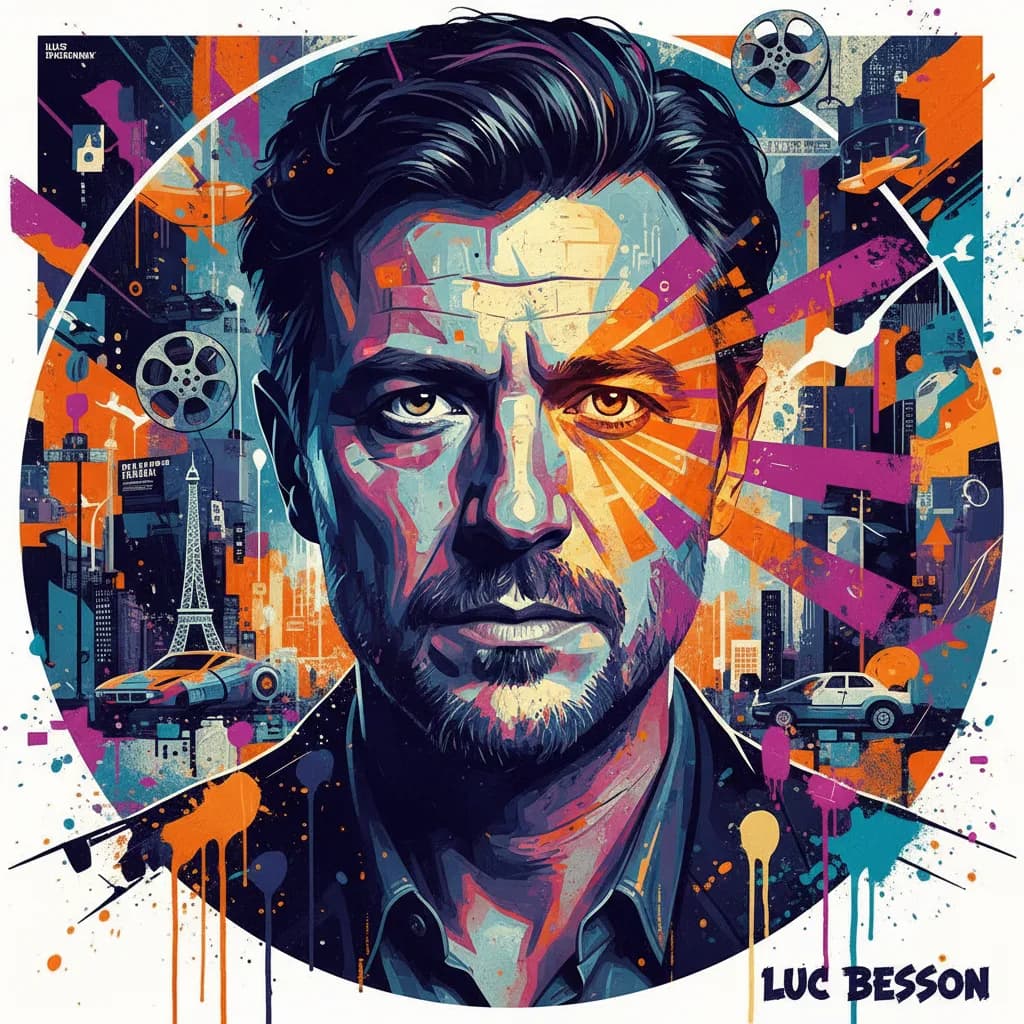
Luc Besson
Every film, ranked

Chris Columbus
Every film, ranked

Mike Nichols
Every film, ranked

Howard Hawks
Every film, ranked

Ang Lee
Every film, ranked

Walter Hill
Every film, ranked

Gus Van Sant
Every film, ranked

William Wyler
Every film, ranked

Renny Harlin
Every film, ranked

Sidney Lumet
Every film, ranked

Tony Scott
Every film, ranked