Discover the visionary filmmakers behind cinema's greatest works.
Explore our selection of acclaimed directors and their remarkable films.
Showing 217-228 out of 4148

Andrew Patterson made a significant impact on the film industry with his directorial debut, "The Vast of Night" (2019). This captivating drama, mystery, and sci-fi film garnered widespread acclaim for its innovative storytelling and masterful direction. Patterson's directorial style is characterized by his meticulous attention to detail, immersive cinematography, and a keen ability to build suspense and intrigue. His work has earned him a reputation as a visionary director with a distinct voice in the industry. "The Vast of Night" marked Patterson's entry into the world of feature films, and it immediately established him as a filmmaker to watch. The movie's seamless blending of genres, compelling narrative, and striking visual style showcased his ability to push boundaries and defy conventional storytelling norms. Patterson's directorial prowess was particularly evident in the film's long, uninterrupted tracking shots and his skillful use of sound design to create tension and atmosphere. Notable themes in Patterson's work include exploration of the unknown, human curiosity, and the intersection of science fiction and human drama. His ability to create a sense of wonder and mystery within his films has resonated with audiences and critics alike. Patterson's impact on cinema lies in his ability to infuse his directorial projects with a sense of originality and a fresh perspective, challenging the status quo and drawing attention to his unique vision. As a rising talent in the industry, Andrew Patterson has already made a lasting impression with "The Vast of Night." His commitment to storytelling innovation and his ability to captivate audiences with his directorial flair position him as a director with the potential to continue shaping the future of cinema. With his debut film, Patterson has solidified his place as a directorial force to be reckoned with, and audiences eagerly anticipate his future contributions to the world of film.
Andrew Rhymer is a talented film director known for his exceptional work in the comedy, drama, and romance genres. His most notable film, "Plus One" (2019), is a standout example of his directorial prowess. Rhymer's directorial style is characterized by a keen understanding of human relationships and a knack for infusing humor, heart, and authenticity into his storytelling. He has a remarkable ability to capture the intricacies of modern romance and friendship, making his films relatable and endearing to audiences. "Plus One" (2019) serves as a testament to Rhymer's directorial capabilities, receiving critical acclaim for its fresh take on the romantic comedy genre. The film's witty dialogue, genuine character dynamics, and insightful commentary on love and relationships showcase Rhymer's distinctive approach to storytelling. His keen eye for detail and ability to bring out authentic performances from his cast have solidified his reputation as a director to watch in the industry. Rhymer's recurring themes often revolve around the complexities of human connection, the humor found in everyday situations, and the navigation of love and friendship in the modern world. His films not only entertain but also resonate with audiences on a deeper emotional level. Rhymer's impact on cinema is evident through his ability to breathe new life into familiar genres, offering a fresh perspective that resonates with contemporary audiences. As a director, Andrew Rhymer continues to make waves in the industry, demonstrating a remarkable ability to craft compelling narratives that are both entertaining and thought-provoking. His unique vision and contributions to film have earned him a well-deserved place among the emerging talents shaping the future of cinema. With his distinct directorial style and storytelling prowess, Rhymer is poised to leave an indelible mark on the world of filmmaking for years to come.

Andrew Scheinman is a renowned film director known for his exceptional work in the comedy, family, and sports genres. With a career spanning several decades, Scheinman has left an indelible mark on the film industry with his unique directorial style and imaginative storytelling. His notable directorial work includes the beloved film "Little Big League" (1994), a heartwarming sports comedy that captivated audiences with its blend of humor, heart, and youthful exuberance. Scheinman's directorial style is characterized by his ability to infuse his films with genuine warmth and relatable characters, creating an immersive and entertaining experience for viewers of all ages. His keen understanding of family dynamics and the universal themes of determination, friendship, and perseverance is evident in his directorial work, making his films resonate with audiences on a profound level. "Little Big League" exemplifies Scheinman's adeptness at crafting endearing narratives that seamlessly blend humor and heart, cementing his reputation as a masterful storyteller. Throughout his career, Scheinman has consistently showcased a penchant for capturing the essence of sports and the unifying power of athletics, elevating the genre with his distinct directorial vision. His ability to seamlessly intertwine sports with heartfelt storytelling has made him a trailblazer in the realm of family-friendly sports films, inspiring and entertaining audiences worldwide. Scheinman's impact on cinema extends beyond his directorial prowess, as he has contributed to the cultural fabric of film by creating timeless works that continue to enchant and resonate with new generations of moviegoers. In conclusion, Andrew Scheinman's directorial legacy is a testament to his unparalleled talent and unwavering dedication to crafting captivating and resonant films. With "Little Big League" standing as a testament to his directorial prowess, Scheinman has solidified his status as a visionary filmmaker with a gift for creating timeless and beloved cinematic experiences. His contributions to the comedy, family, and sports genres have left an indelible mark on cinema, earning him a well-deserved place among the most influential directors in the industry.

Andrew Stanton stands as a pivotal figure in the film industry, particularly within the realm of animated cinema. His career arc has been marked by an innovative blend of storytelling prowess and technological advancement, establishing him as a linchpin at Pixar Animation Studios. Stanton's directorial catalogue, punctuated by successes such as "Finding Nemo," "WALL·E," "Finding Dory," and "A Bug's Life," showcases a rich tapestry of narratives that transcend age and demographics, illustrating his versatility and knack for resonating with a global audience. Although his foray into live-action with "John Carter" presented challenges, it underscored his ambition and willingness to push boundaries. Stanton's directorial style is notable for its depth and humanity, exploring themes of love, perseverance, and environmental consciousness. His films often spotlight the beauty of the unremarkable, imbuing them with a profound emotional gravity that speaks to the core of the human experience. This unique artistic vision, coupled with a penchant for pioneering animation technologies, has made his work distinctive and memorable. Among Stanton's filmography, "Finding Nemo" and "WALL·E" stand out as cornerstones of his career, both receiving critical acclaim and commercial success. These films underscore his influence on cinema, pushing the envelope in storytelling, visual presentation, and thematic exploration within the animated genre. Stanton's contributions have been widely recognized, with multiple Academy Awards to his name, including Best Animated Feature for "Finding Nemo" and "WALL·E." His work has not only elevated the status of animated features in the echelons of high cinema but has also inspired a generation of filmmakers to explore the boundless potential of animation. Stanton's enduring legacy in film is characterized by his commitment to storytelling excellence and his visionary approach to filmmaking.

Andrew Traucki is an Australian film director known for his gripping and immersive approach to storytelling in the genres of action, adventure, and horror. His directorial style is characterized by an intense focus on the natural world and its primal forces, as well as a keen ability to build tension and suspense. Traucki's notable films include "Black Water" (2007) and "The Reef" (2010), both of which showcase his talent for creating heart-pounding, visceral experiences for audiences. "Black Water" (2007) stands as one of Traucki's most impactful works, drawing inspiration from a real-life crocodile attack in Australia's Northern Territory. The film follows the harrowing struggle for survival of a group of individuals trapped in a mangrove swamp, as they face off against a relentless and cunning predator. Traucki's masterful direction immerses viewers in the claustrophobic and perilous environment, effectively capturing the raw fear and desperation of the characters. The film's success lies in Traucki's ability to craft a chilling and authentic experience, setting it apart as a standout in the survival horror subgenre. In "The Reef" (2010), Traucki once again delves into the realm of survival horror, this time exploring the terrifying predicament of a group of friends stranded in shark-infested waters after their yacht capsizes. The film showcases Traucki's skill in creating palpable tension and dread, as well as his gift for utilizing natural elements to heighten the stakes and intensify the sense of peril. With a focus on character dynamics and the primal struggle for survival, Traucki's directorial approach elevates "The Reef" to a visceral and unnerving experience that lingers long after the credits roll. Traucki's filmmaking is often marked by recurring themes of human confrontation with the untamed wilderness, the brutality of nature, and the resilience of the human spirit. His work reflects a profound understanding of the power of the natural world as a backdrop for intense and gripping narratives. As a director, Traucki has carved out a niche for himself by delivering captivating and adrenaline-fueled cinema that leaves a lasting impression on audiences. In summary, Andrew Traucki's unique vision and directorial prowess have left an indelible mark on cinema, particularly within the realms of action, adventure, and horror. His ability to craft gripping and immersive experiences, coupled with his focus on the raw power

Andrew V. McLaglen was an esteemed film director known for his impactful contributions to the Western and action genres. Born in London in 1920, McLaglen was the son of Oscar-winning actor Victor McLaglen, and his early exposure to the film industry laid the foundation for his illustrious career. His directorial style was characterized by a keen focus on rugged masculinity, loyalty, and honor, often depicted within the backdrop of the American West. Notable for his ability to infuse traditional values with modern storytelling, McLaglen's films are revered for their dynamic action sequences, compelling character development, and gripping narratives. McLaglen's directorial debut, "McLintock!" (1963), is a classic comedic Western featuring John Wayne and Maureen O'Hara. The film captured McLaglen's ability to seamlessly blend humor with the ruggedness of the frontier, setting the stage for his subsequent works. "Chisum" (1970) further solidified his reputation, offering a biographical and dramatic portrayal of the legendary cattle baron John Chisum, played by John Wayne. The film showcased McLaglen's knack for capturing the essence of larger-than-life historical figures while infusing the narrative with palpable tension and emotional depth. One of McLaglen's most enduring contributions to cinema is "The Wild Geese" (1978), an action-packed adventure film starring Richard Burton, Roger Moore, and Richard Harris. The film exemplifies his ability to helm high-stakes, adrenaline-fueled narratives while delving into themes of honor, sacrifice, and camaraderie. McLaglen's distinct directorial stamp is evident in the film's gripping combat sequences and the portrayal of complex, morally-driven characters. Throughout his career, McLaglen's films consistently reflected his reverence for traditional values, exploration of rugged landscapes, and celebration of stoic heroism. His impact on cinema is marked by a legacy of timeless Western and action films that continue to resonate with audiences, showcasing his ability to infuse the genre with depth and emotional resonance. Andrew V. McLaglen's unique vision and directorial prowess have left an indelible mark on the cinematic landscape, solidifying his status as a revered filmmaker in the annals of Hollywood history.

Andrey Konchalovskiy is a renowned Russian filmmaker whose career has spanned over five decades, leaving an indelible mark on world cinema. With a distinct directorial style characterized by a keen eye for human drama and powerful storytelling, Konchalovskiy has cemented his status as a visionary director. His notable film, "Runaway Train" (1985), is a testament to his directorial prowess and has solidified his reputation as a master of action, adventure, and drama. Konchalovskiy's directorial approach is marked by a meticulous attention to detail and a deep understanding of human emotions, which is evident in his body of work. His films often delve into the complexities of the human experience, portraying characters grappling with profound moral dilemmas and existential crises. Konchalovskiy's directorial style is characterized by a nuanced portrayal of emotions, which allows audiences to empathize with his characters on a profound level. "Runaway Train" stands as a testament to Konchalovskiy's ability to craft gripping narratives that resonate with audiences. The film's intense action sequences and profound exploration of human resilience against insurmountable odds showcase Konchalovskiy's directorial prowess. His ability to infuse adrenaline-pumping action with poignant human drama has solidified "Runaway Train" as a classic in the action-adventure genre. Throughout his career, Konchalovskiy has exhibited a penchant for exploring recurring themes such as the human spirit's resilience, the struggle for redemption, and the moral complexities of existence. His films often serve as thought-provoking reflections on the human condition, offering audiences profound insights into the depths of the human soul. Andrey Konchalovskiy's impact on cinema is undeniable, with his directorial contributions leaving an enduring legacy in the film industry. His unique vision and ability to infuse his films with profound emotional depth have earned him accolades and a dedicated following of cinephiles. As a master storyteller, Konchalovskiy continues to inspire future generations of filmmakers with his unparalleled directorial legacy.

Andrey Volgin is a Russian film director known for his work in action and war genres. His most prominent film to date is "The Balkan Line" (2019), a gripping war drama set during the Kosovo War in the late 1990s. Volgin's directorial style is characterized by his ability to seamlessly blend high-octane action sequences with deeply human storytelling, creating an immersive and emotional viewing experience for audiences. "The Balkan Line" serves as a testament to Volgin's keen eye for capturing the intensity and brutality of war, while also delving into the personal sacrifices and struggles of the characters involved. The film showcases his prowess in orchestrating large-scale battle scenes with meticulous attention to detail, as well as his skill in crafting nuanced character relationships amidst the chaos of conflict. Volgin's work often explores themes of heroism, sacrifice, and the human cost of war, resonating with audiences on a deeply emotional level. His ability to infuse his films with both heart-pounding action and poignant drama sets him apart as a director with a unique vision and storytelling prowess. In the world of cinema, Andrey Volgin's impact lies in his ability to bring a fresh perspective to the war genre, offering audiences a more profound exploration of the human experience within the context of conflict. His films stand as a testament to the power of storytelling in shedding light on the universal truths of humanity, and his contributions to the medium continue to inspire and captivate audiences around the world. In conclusion, Andrey Volgin's directorial career is defined by his ability to craft visually stunning and emotionally resonant films that transcend the confines of traditional action and war genres, elevating them into powerful explorations of the human spirit. As he continues to make his mark on the cinematic landscape, Volgin's work promises to leave a lasting impression on audiences and fellow filmmakers alike.

Andrey Zvyagintsev is a renowned Russian film director celebrated for his hauntingly beautiful and critically acclaimed works. With a directorial style marked by meticulous attention to detail and profound storytelling, Zvyagintsev has carved a niche for himself in the world of cinema. His films often delve into the complexities of human relationships, societal issues, and the human condition, captivating audiences with their thought-provoking narratives and striking visuals. Zvyagintsev made a striking directorial debut with "The Return" in 2003, a film that won the Golden Lion at the Venice Film Festival and announced his arrival as a formidable talent in world cinema. The film's exploration of paternal absence and its impact on two young boys set the stage for Zvyagintsev's recurring themes of familial dynamics and existential introspection. This thematic thread is further woven into his subsequent works, including "Elena" (2011), a gripping crime drama that delves into the moral dilemmas of its characters, and "Leviathan" (2014), a searing critique of power and corruption in contemporary Russia, which garnered widespread international acclaim and an Academy Award nomination for Best Foreign Language Film. Zvyagintsev's directorial prowess reached new heights with "Loveless" (2017), a profoundly moving drama that earned him the Jury Prize at the Cannes Film Festival. The film's unflinching portrayal of a disintegrating marriage and its impact on a young boy struck a chord with audiences and critics alike, solidifying Zvyagintsev's reputation as a master storyteller. His keen ability to plumb the depths of human emotion and societal malaise has firmly established him as a director whose work resonates on a universal level. With a filmography that brims with award-winning gems, Andrey Zvyagintsev continues to leave an indelible mark on cinema. His distinctive vision, coupled with a penchant for exploring the complexities of the human experience, has positioned him as a trailblazer in the realm of auteur filmmaking. Zvyagintsev's films stand as poignant reflections of the human condition, inviting audiences to contemplate the profound themes and ethical quandaries that permeate his narratives. As a director, he remains a formidable force, shaping the landscape of contemporary cinema with his unparalleled storytelling acumen and unwavering commitment to cinematic excellence.

Andrzej Bartkowiak is a Polish-American film director known for his impactful work in action, crime, and thriller genres. With a career spanning several decades, Bartkowiak has left an indelible mark on cinema through his unique directorial style and visual storytelling. His notable films include "Exit Wounds" (2001), "Romeo Must Die" (2000), "Doom" (2005), and "Cradle 2 the Grave" (2003), each showcasing his prowess in crafting high-octane, adrenaline-pumping experiences for audiences. Bartkowiak's directorial style is defined by his adeptness at capturing intense action sequences and creating visually stunning spectacles. He has a keen eye for dynamic cinematography and a flair for orchestrating pulse-pounding set pieces. His films often feature a blend of martial arts, gunfights, and high-stakes chases, demonstrating his mastery in delivering edge-of-your-seat entertainment. Throughout his filmography, Bartkowiak frequently explores themes of crime, redemption, and the dynamics of power. His characters often navigate through morally complex situations, adding depth to his narratives and engaging audiences on multiple levels. Furthermore, his films frequently feature diverse casts and multicultural themes, contributing to a more inclusive representation in the action genre. Bartkowiak's impact on cinema lies in his ability to push the boundaries of visual storytelling within the action genre. His work has influenced subsequent filmmakers and has set a standard for kinetic, immersive action filmmaking. With his distinct directorial vision and commitment to delivering high-energy narratives, Bartkowiak has solidified his place as a trailblazer in the action film landscape, leaving a lasting legacy in the industry. In conclusion, Andrzej Bartkowiak's directorial career has been defined by his dedication to crafting exhilarating cinematic experiences. His films continue to resonate with audiences, and his contributions to action cinema have made a lasting impact. With an impressive body of work, Bartkowiak's legacy as a visionary director remains firmly established in the annals of filmmaking.

Andrzej Sekula is a Polish-born film director known for his work in the horror, mystery, and sci-fi genres. With a career spanning several decades, Sekula has made a mark in the film industry, particularly with his directorial work on the cult classic "Cube²: Hypercube" (2002). Sekula's directorial style is characterized by his ability to create immersive and visually captivating worlds that draw audiences into the depths of mystery and suspense. Sekula's most notable film, "Cube²: Hypercube," is a gripping thriller that takes the concept of the original "Cube" film to new, mind-bending heights. His keen eye for visual storytelling and his ability to build tension through intricate set design and cinematography make the film a standout in the sci-fi horror genre. With "Cube²: Hypercube," Sekula showcases his talent for creating atmospheres that leave audiences on the edge of their seats, while also delving into thought-provoking themes of existentialism and the unknown. Throughout his career, Sekula has demonstrated a penchant for delving into the depths of the human psyche and exploring the complexities of the human experience. His films often feature enigmatic characters and labyrinthine plotlines that challenge audiences to unravel the mysteries within the narratives. Sekula's impact on cinema lies in his ability to push the boundaries of genre filmmaking, infusing his projects with a distinct blend of intellectual depth and visceral thrills. Sekula's work on "Cube²: Hypercube" solidifies his status as a director with a unique vision and a knack for crafting unforgettable cinematic experiences. His contributions to the horror, mystery, and sci-fi genres have left an indelible mark on the film industry, inspiring both audiences and fellow filmmakers alike. As a director, Andrzej Sekula continues to captivate audiences with his signature style and thought-provoking narratives, cementing his legacy as a visionary filmmaker in the realm of genre cinema.

Andrzej Wajda was a prominent Polish film director whose impactful career spanned over six decades. Known for his distinct directorial style and powerful storytelling, Wajda's films often explored the complexity of Polish history, politics, and society. His work has left an indelible mark on world cinema, earning him numerous accolades and recognition as a trailblazer in the industry. Wajda's directorial style is characterized by his masterful command of visual storytelling and his ability to evoke raw emotions from his audience. His films often featured intricate character studies and deeply layered narratives that delved into the human condition. Wajda's keen eye for capturing the essence of his characters and the historical backdrop of his stories set him apart as a visionary director with a unique perspective. One of Wajda's most notable films is "Ashes and Diamonds" (1958), a gripping drama set in the aftermath of World War II, which explores the moral dilemmas faced by its characters amidst political turmoil and personal struggles. The film showcases Wajda's adeptness at weaving together complex themes of love, loyalty, and disillusionment against the backdrop of war-ravaged Poland. "Katyn" (2007) is another standout work by Wajda, delving into the harrowing events of the Katyn massacre during World War II and its profound impact on Polish society. Both films exemplify Wajda's ability to confront historical traumas and societal upheavals with unflinching honesty and sensitivity. Throughout his career, Wajda's films often revolved around recurring themes such as heroism, sacrifice, and the resilience of the human spirit in the face of adversity. His unwavering commitment to shedding light on the complexities of Polish history and the struggles of its people has cemented his legacy as a director who fearlessly tackled challenging subject matter with unwavering authenticity. Andrzej Wajda's impact on cinema extends far beyond his own filmography, as he has inspired generations of filmmakers with his bold storytelling and unapologetic approach to addressing social and political issues. His influence on Polish cinema and his contributions to the global film landscape have solidified his status as a visionary director whose work continues to resonate with audiences worldwide. In conclusion, Andrzej Wajda's directorial career stands as a testament to the enduring power of cinema to provoke thought, evoke emotion, and confront the complexities of the human experience. His films remain timeless classics
Every film by the greats, ranked by our TML Score.

Christopher Nolan
Every film, ranked

Quentin Tarantino
Every film, ranked

Stanley Kubrick
Every film, ranked

Martin Scorsese
Every film, ranked

Steven Spielberg
Every film, ranked

Alfred Hitchcock
Every film, ranked

David Fincher
Every film, ranked

Denis Villeneuve
Every film, ranked

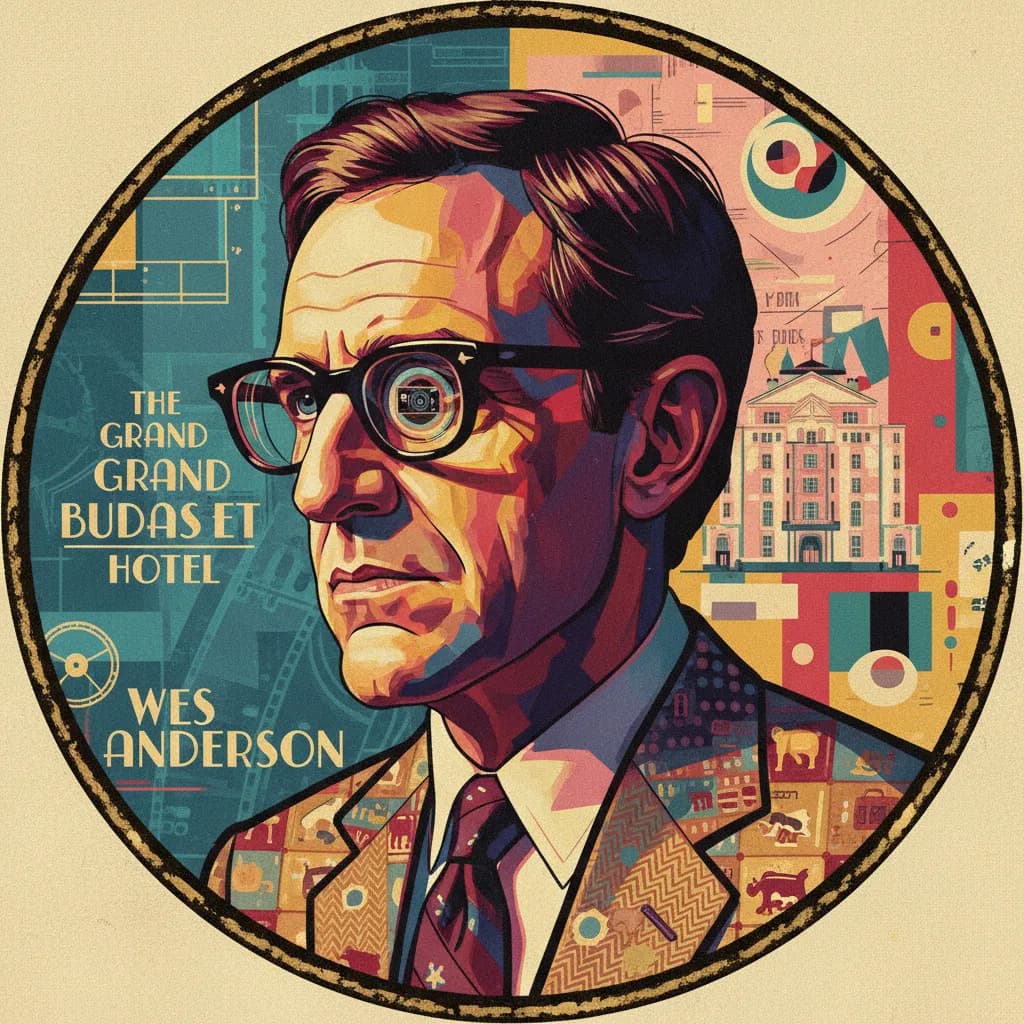
Wes Anderson
Every film, ranked

Paul Thomas Anderson
Every film, ranked

Ridley Scott
Every film, ranked

Tim Burton
Every film, ranked

Guillermo del Toro
Every film, ranked

Hayao Miyazaki
Every film, ranked

Akira Kurosawa
Every film, ranked

Francis Ford Coppola
Every film, ranked

Clint Eastwood
Every film, ranked

Bong Joon Ho
Every film, ranked

Woody Allen
Every film, ranked

Steven Soderbergh
Every film, ranked

Ron Howard
Every film, ranked

Pedro Almodóvar
Every film, ranked

Richard Linklater
Every film, ranked

Roman Polanski
Every film, ranked

Brian De Palma
Every film, ranked

Ingmar Bergman
Every film, ranked

Oliver Stone
Every film, ranked

David Cronenberg
Every film, ranked

Robert Zemeckis
Every film, ranked

Barry Levinson
Every film, ranked

John Carpenter
Every film, ranked

Joel Schumacher
Every film, ranked

Billy Wilder
Every film, ranked

Rob Reiner
Every film, ranked

Neil Jordan
Every film, ranked

Spike Lee
Every film, ranked

Ivan Reitman
Every film, ranked

John Woo
Every film, ranked

Lasse Hallström
Every film, ranked

Stephen Frears
Every film, ranked

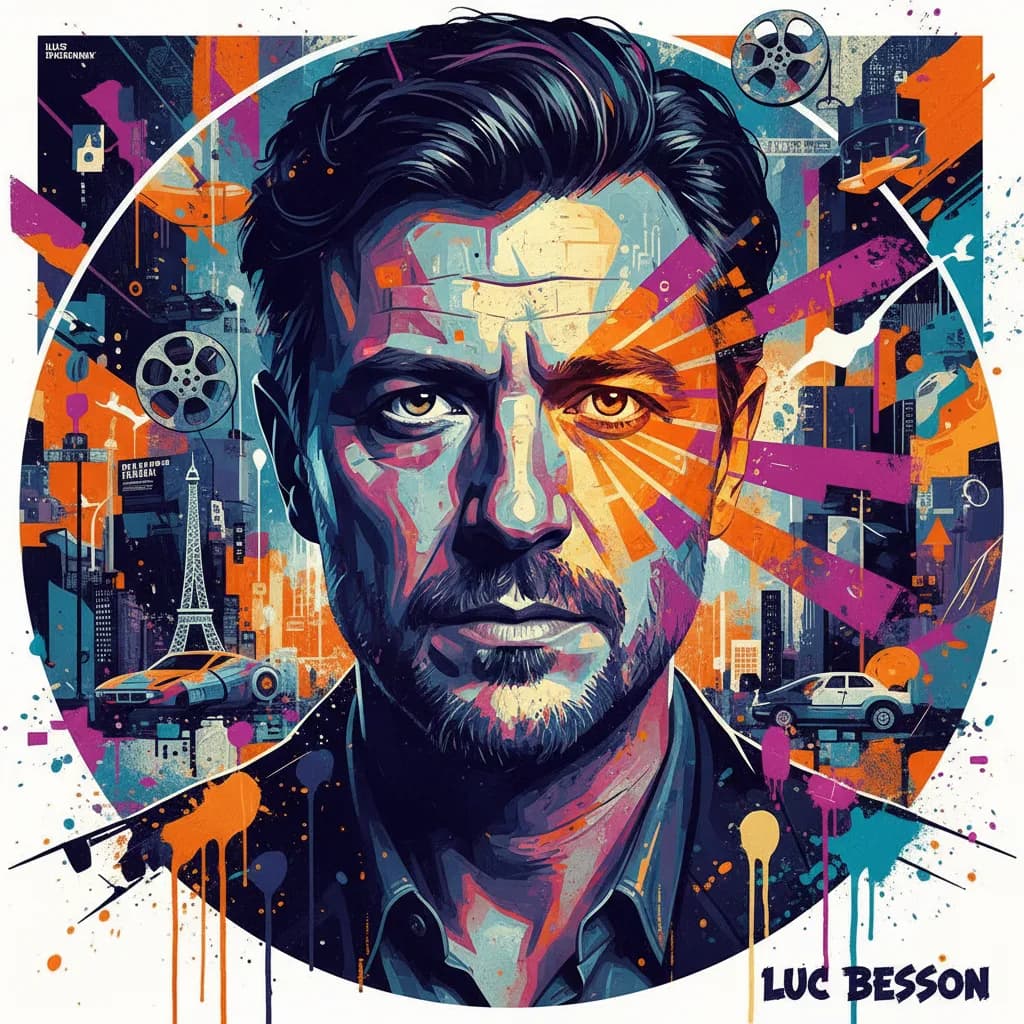
Luc Besson
Every film, ranked

Chris Columbus
Every film, ranked

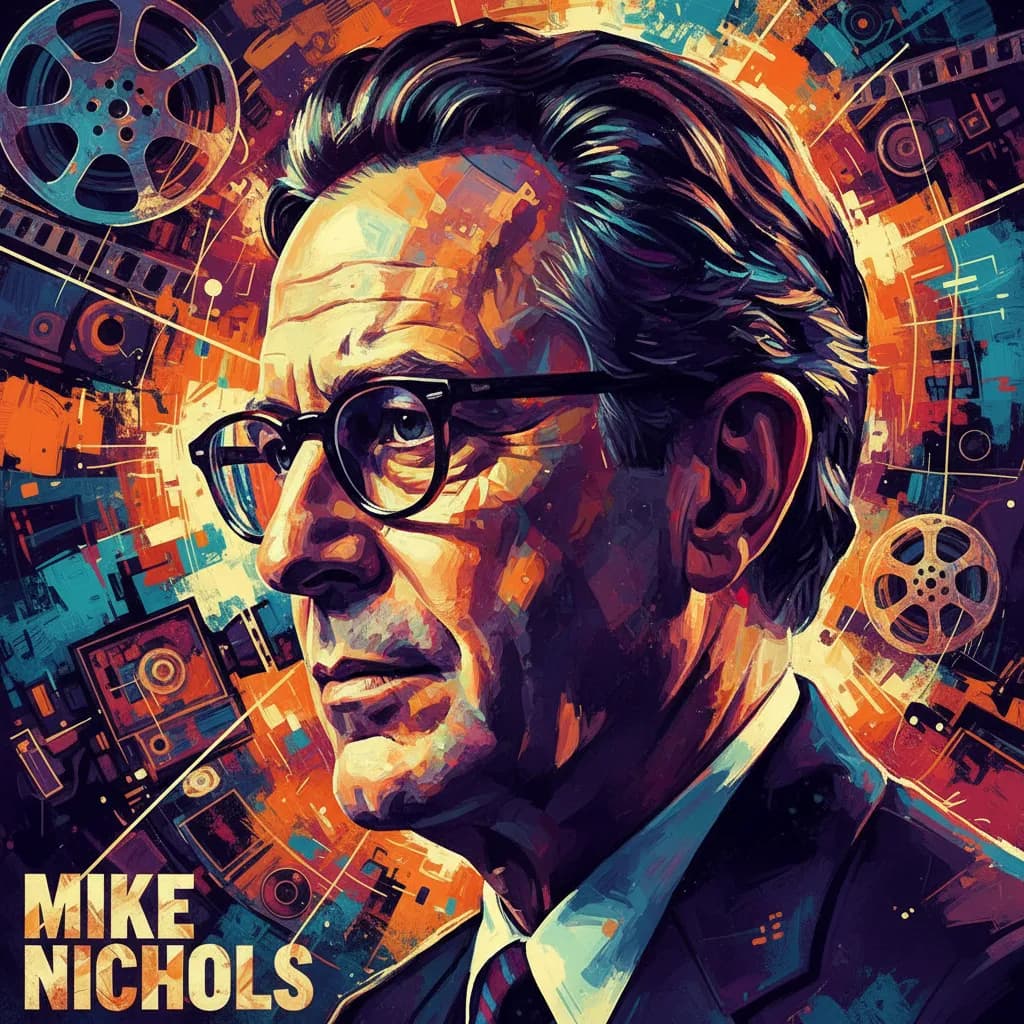
Mike Nichols
Every film, ranked

Howard Hawks
Every film, ranked

Ang Lee
Every film, ranked

Walter Hill
Every film, ranked

Gus Van Sant
Every film, ranked

William Wyler
Every film, ranked

Renny Harlin
Every film, ranked

Sidney Lumet
Every film, ranked

Tony Scott
Every film, ranked