Discover the visionary filmmakers behind cinema's greatest works.
Explore our selection of acclaimed directors and their remarkable films.
Showing 181-192 out of 4148

Amol Palekar is a renowned Indian film director known for his unique blend of comedy, drama, and fantasy in his films. With a career spanning several decades, Palekar has made a significant impact on Indian cinema with his distinct directorial style and storytelling prowess. One of his notable directorial works includes "Paheli" (2005), a captivating film that seamlessly weaves together elements of comedy, drama, and fantasy. As a director, Amol Palekar is celebrated for his ability to infuse his films with a delightful sense of humor while delving into thought-provoking themes. His directorial style often features a perfect balance of lighthearted moments and poignant storytelling, captivating audiences with his ability to evoke a wide range of emotions. "Paheli" stands as a testament to Palekar's directorial finesse, as he masterfully brings to life the magical world of folklore and fantasy, creating a visually stunning and emotionally resonant cinematic experience. Throughout his career, Palekar has shown a penchant for exploring themes of love, relationships, and the human experience, often presenting them through a lens of whimsy and charm. His films are known for their ability to transport audiences to enchanting worlds while addressing universal truths and emotions. "Paheli" exemplifies Palekar's skill in crafting a narrative that not only entertains but also offers deeper insights into the complexities of human relationships and the power of imagination. Amol Palekar's directorial contributions have left an indelible mark on Indian cinema, earning him a revered status among audiences and critics alike. His ability to seamlessly blend genres and evoke a myriad of emotions through his storytelling has solidified his place as a visionary director. As he continues to inspire audiences with his unique vision and storytelling prowess, Amol Palekar remains a celebrated figure in the world of cinema, leaving an enduring legacy through his captivating directorial works. In conclusion, Amol Palekar's directorial career is defined by his ability to infuse his films with humor, heart, and a touch of fantasy, creating immersive cinematic experiences that resonate with audiences on a profound level. With "Paheli" and other notable works, Palekar has established himself as a director with a distinctive vision, and his impact on Indian cinema continues to be felt, making him a revered figure in the industry.

Amy Heckerling is a trailblazing director known for her distinct comedic voice and ability to capture the essence of youth culture. With a diverse filmography spanning across comedy, romance, and drama, Heckerling has left an indelible mark on the film industry. Her directorial debut, "Fast Times at Ridgemont High" (1982), garnered critical acclaim for its authentic portrayal of teenage life and established Heckerling as a visionary director with an innate understanding of her characters. The film's success paved the way for her to helm a series of influential and beloved comedies, including "National Lampoon's European Vacation" (1985) and "Johnny Dangerously" (1984), showcasing her knack for blending humor with relatable storytelling. Heckerling's most iconic work, "Clueless" (1995), solidified her status as a director with a keen eye for cultural trends and satire. The film, a modern adaptation of Jane Austen's "Emma," became a pop culture phenomenon and continues to resonate with audiences for its sharp wit and timeless depiction of teenage life. Heckerling's ability to infuse her films with humor, heart, and social commentary has made her a revered figure in the realm of coming-of-age storytelling. Throughout her career, Heckerling has consistently explored themes of identity, love, and the complexities of human relationships, often through the lens of humor and wit. Her directorial style is marked by a seamless blend of satire and sincerity, creating films that are both entertaining and thought-provoking. With "Look Who's Talking" (1989), "I Could Never Be Your Woman" (2007), and "Vamps" (2012), Heckerling has continued to showcase her versatility and ability to connect with audiences across different genres. Amy Heckerling's impact on cinema is undeniable, as she has influenced a generation of filmmakers and continues to inspire with her distinctive storytelling approach. Her ability to capture the zeitgeist of various eras while infusing her work with humor and heart has cemented her as a pioneering director whose legacy will endure for generations to come. Keywords: Amy Heckerling, director, filmography, comedy, Fast Times at Ridgemont High, Clueless, directorial style, youth culture, satire, coming-of-age storytelling, humor, social commentary, iconic films, impact on cinema

Amy Holden Jones is a renowned film director known for her contributions to the horror genre. Jones made her directorial debut with the cult classic "The Slumber Party Massacre" in 1982. This film quickly established her as a director with a distinct vision and a talent for creating tension and suspense on screen. "The Slumber Party Massacre" remains a fan favorite in the horror genre, showcasing Jones' ability to craft a compelling and chilling narrative. Throughout her career, Jones has demonstrated a knack for creating atmospheres of fear and unease, often utilizing innovative storytelling techniques to keep audiences on the edge of their seats. Her directorial style is marked by a keen eye for detail and a commitment to delivering authentic and impactful experiences for viewers. Jones' films consistently feature strong, multidimensional female characters, a recurring theme that has resonated with audiences and contributed to her unique voice in the industry. In addition to "The Slumber Party Massacre," Jones has also made significant contributions to the film industry as a screenwriter and producer. Her diverse skill set has allowed her to bring a fresh perspective to her directorial projects, infusing them with depth and originality. Jones' impact on cinema is undeniable, as she has paved the way for female directors in the traditionally male-dominated horror genre and beyond. Overall, Amy Holden Jones has left an indelible mark on the film industry with her distinctive directorial style, memorable films, and commitment to elevating the representation of women on screen. Her contributions to the horror genre and cinema as a whole have solidified her status as a visionary director whose work continues to inspire and captivate audiences.

Amy Poehler is a versatile talent known for her comedic prowess as an actress and writer, and she has also made a mark as a director. In 2019, she made her directorial debut with "Wine Country," a delightful blend of adventure, comedy, and drama. The film follows a group of longtime friends who embark on a trip to Napa Valley to celebrate a 50th birthday, and it showcases Poehler's ability to navigate complex relationships with humor and heart. Her directorial style in "Wine Country" is characterized by sharp wit, genuine emotion, and a keen understanding of human dynamics. In 2021, Poehler continued to showcase her directorial talent with "Moxie," a coming-of-age comedy-drama with a musical twist. The film follows a shy 16-year-old who is inspired by her mother's rebellious past and starts a feminist revolution at her high school. "Moxie" reflects Poehler's commitment to empowering stories that resonate with audiences and capture the zeitgeist. Her directorial style in this film is marked by a blend of social commentary, infectious energy, and a celebration of individuality. Throughout her directorial career, Poehler has gravitated towards stories that center on female friendships, empowerment, and self-discovery. Her films often feature strong female leads and explore themes of resilience, solidarity, and the pursuit of authenticity. Poehler's impact on cinema lies in her ability to infuse her projects with humor, heart, and a refreshing perspective, all while championing diverse voices and experiences. As a director, Amy Poehler has carved out a niche for herself with her distinctive blend of comedy, drama, and social consciousness. Her films are a testament to her ability to craft compelling narratives that resonate with audiences on a profound level. With each project, she continues to expand the boundaries of storytelling, leaving an indelible mark on the cinematic landscape. Whether she's behind the camera or in front of it, Poehler's creative vision and directorial acumen have solidified her as a force to be reckoned with in the film industry.

Ana Lily Amirpour is a visionary and boundary-pushing director known for her unique blend of genres and striking visual style. Her breakout film, "A Girl Walks Home Alone at Night" (2014), redefined the vampire genre with its mesmerizing blend of drama, horror, and romance. Set in a fictional Iranian ghost town, the film captivated audiences with its hauntingly beautiful black-and-white cinematography and enigmatic storytelling. Amirpour's directorial style in "A Girl Walks Home Alone at Night" showcased her ability to create atmospheric, visually stunning narratives that transcend traditional genre conventions. Following the success of her debut, Amirpour continued to make waves in the industry with "The Bad Batch" (2016), an audacious and thought-provoking film that defies easy categorization. Blending elements of action, horror, and mystery, the film unfolds in a post-apocalyptic wasteland inhabited by societal outcasts. Amirpour's fearless approach to storytelling and willingness to explore unconventional themes and settings set her apart as a director unafraid to challenge audience expectations. Amirpour's films often explore themes of identity, alienation, and the human condition, offering a fresh perspective on familiar genres while delving into complex emotional landscapes. Her ability to create visually arresting and thematically rich narratives has firmly established her as a director with a distinct and compelling voice in contemporary cinema. Amirpour's impact on the industry extends beyond her individual films, as she has inspired a new generation of filmmakers to push the boundaries of storytelling and visual aesthetics. With her fearless approach to genre blending and her ability to craft visually stunning narratives, Ana Lily Amirpour has carved out a unique space in the world of cinema. Her films continue to captivate audiences and critics alike, and her influence on the industry is undeniable. As she continues to push the boundaries of storytelling and visual artistry, Amirpour remains a director to watch, with a promising career that is sure to leave an indelible mark on the world of film.

Anand Tucker is a British director known for his emotionally resonant storytelling and visually striking films. With a career spanning over two decades, Tucker has made a name for himself with his ability to craft compelling narratives that explore the complexities of human relationships. His directorial style is characterized by a keen attention to detail, nuanced character development, and a knack for capturing the subtleties of emotion on screen. One of Tucker's notable works is "Hilary and Jackie" (1998), a critically acclaimed biographical drama that delves into the intense and often tumultuous relationship between world-renowned cellist Jacqueline du Pré and her sister Hilary. The film showcases Tucker's skill in portraying the intricacies of sibling dynamics and the impact of fame and talent on personal relationships. Through his sensitive and thought-provoking direction, Tucker brings a depth of emotion to the screen, leaving a lasting impression on audiences. In "Shopgirl" (2005), Tucker demonstrates his versatility as a director by skillfully blending elements of drama and romance. Adapted from Steve Martin's novella, the film explores the complexities of modern relationships and the longing for connection. Tucker's visual flair and ability to evoke a sense of intimacy between characters elevate the film, making it a standout in the romantic drama genre. Tucker's directorial contribution to the romantic comedy genre is evident in "Leap Year" (2010), a charming and lighthearted film that follows a woman's journey to Ireland to propose to her boyfriend on leap day. With his keen eye for capturing picturesque landscapes and his ability to infuse humor and heart into the story, Tucker brings a fresh perspective to the romantic comedy genre, leaving a lasting impact on audiences. Overall, Anand Tucker's directorial career is defined by his ability to infuse his films with emotional depth, compelling storytelling, and visually captivating aesthetics. His unique vision and contributions have left an indelible mark on cinema, earning him a place among the most talented and respected directors in the industry. Whether tackling biographical dramas or romantic comedies, Tucker's films resonate with audiences, showcasing his enduring impact on the art of storytelling through film.

Anatole Litvak was a prolific and influential director whose career spanned from the 1920s to the 1970s. Litvak's directorial style was characterized by his meticulous attention to detail, and his ability to seamlessly blend genres, such as drama, film-noir, and mystery. He was known for his innovative storytelling techniques and his expert use of light and shadow to create atmospheric and visually striking scenes. Litvak's filmography boasts several notable films, including the critically acclaimed "Sorry, Wrong Number" (1948). This gripping drama, infused with elements of film-noir and mystery, remains a standout in Litvak's oeuvre. The film masterfully showcases his ability to create tension and suspense, while also delving into the complexities of human relationships and the consequences of one's actions. Throughout his career, Litvak often explored recurring themes such as the human psyche, moral ambiguity, and the impact of societal norms on individual lives. His films often delved into the psychological depths of his characters, presenting them with nuance and complexity, which resonated deeply with audiences. Litvak's impact on cinema cannot be overstated, as he was a trailblazer in his ability to navigate and elevate various genres. His influence can be seen in the work of many contemporary filmmakers, as his innovative storytelling techniques and visual flair continue to inspire new generations of directors. In conclusion, Anatole Litvak's unique vision and contributions to film have solidified his legacy as a director of immense talent and innovation. His ability to seamlessly blend genres, his exploration of complex themes, and his impact on cinema make him a formidable figure in the history of filmmaking.

Anders Thomas Jensen is a Danish film director renowned for his distinctive blend of dark humor, compelling drama, and offbeat storytelling. With an impressive filmography that includes Men & Chicken (2015), The Green Butchers (2003), Riders of Justice (2020), Adams æbler (2005), Adam's Apples (2005), and Flickering Lights (2000), Jensen has carved a niche for himself in the world of cinema with his unique directorial style and thought-provoking narratives. Jensen's films often explore the complexities of human nature, presenting characters grappling with moral dilemmas and existential questions while navigating absurd and surreal situations. His directorial style seamlessly weaves together elements of comedy, drama, and mystery, creating a cinematic experience that is as thought-provoking as it is entertaining. One of Jensen's most notable works, "Riders of Justice" (2020), exemplifies his ability to infuse action-packed sequences with dark humor and emotional depth. The film follows a group of unlikely allies seeking vengeance, combining elements of comedy and drama with a compelling narrative that subverts genre expectations. Throughout his career, Jensen has exhibited a penchant for exploring themes of redemption, forgiveness, and the human capacity for both good and evil. His films often feature morally ambiguous characters facing extraordinary circumstances, challenging audiences to confront the complexities of the human experience. Anders Thomas Jensen's impact on cinema extends beyond his directorial prowess, as he has solidified his reputation as a visionary filmmaker unafraid to push the boundaries of storytelling. His ability to seamlessly blend genres and tackle profound themes with a touch of dark humor has earned him a dedicated following and cemented his status as a director with a truly unique vision. In conclusion, Anders Thomas Jensen's directorial career is characterized by a remarkable ability to craft compelling narratives that transcend traditional genre boundaries. With a keen eye for dark humor, complex characters, and thought-provoking themes, Jensen continues to leave an indelible mark on the world of cinema, captivating audiences with his distinct directorial style and innovative storytelling.

Anders Walter is a Danish director known for his unique vision and storytelling abilities. His notable filmography includes the critically acclaimed "I Kill Giants" (2017), a gripping drama infused with elements of fantasy and thriller. With a keen eye for evocative visuals and emotionally resonant storytelling, Walter has made a significant impact on the cinematic landscape. Walter's directorial style is characterized by a masterful blend of fantasy and reality, often delving into the inner worlds of his characters to explore complex emotions and human experiences. "I Kill Giants" exemplifies his ability to craft visually stunning scenes while delving into the depths of human psyche, creating a mesmerizing and thought-provoking viewing experience. One of Walter's recurring themes is the exploration of the human condition, often through the lens of young protagonists grappling with personal challenges and inner turmoil. His ability to infuse fantastical elements into these narratives adds a layer of depth and metaphorical resonance to his work, captivating audiences and critics alike. "I Kill Giants" stands as a testament to Walter's impact on cinema, showcasing his ability to create immersive, emotionally charged narratives that resonate with audiences on a profound level. The film received widespread acclaim for its powerful storytelling, captivating performances, and striking visual aesthetics, solidifying Walter's status as a directorial talent to watch. Anders Walter's contributions to film are marked by his ability to infuse his work with a unique blend of fantasy, drama, and emotional depth, creating a distinct cinematic experience that lingers in the minds of viewers long after the credits roll. As he continues to carve his path in the film industry, audiences can eagerly anticipate future projects that will undoubtedly showcase his visionary storytelling and directorial prowess.

Andrea Arnold is a British filmmaker renowned for her emotionally raw and visually striking directorial style. With a background in television, Arnold made a resounding impact in the world of cinema with her feature film debut, "Red Road" (2006). This gripping drama, infused with elements of mystery and thriller, garnered widespread acclaim and marked the emergence of a distinct new voice in filmmaking. Arnold's directorial approach is characterized by a keen focus on the human experience, often exploring the lives of marginalized characters with unflinching honesty. In "Fish Tank" (2009), Arnold further showcased her prowess as a director, delving into the tumultuous coming-of-age journey of a teenage girl in a British housing estate. The film's raw, naturalistic performances and Arnold's unorthodox shooting style earned her the Jury Prize at the Cannes Film Festival, solidifying her reputation as a director unafraid to confront the complexities of human relationships. "American Honey" (2016) continued Arnold's exploration of the human condition, capturing the essence of youth and wanderlust against the backdrop of the American Midwest. The film's evocative portrayal of contemporary youth culture and stunning cinematography firmly established Arnold as a visionary director with a unique ability to capture the essence of her characters' inner lives. Arnold's films often revolve around themes of alienation, yearning, and the search for identity, resonating with audiences on a profound emotional level. Her unflinching portrayal of the human experience, coupled with her distinct visual style and ability to draw out authentic performances, has cemented her status as a directorial force to be reckoned with. Arnold's impact on cinema extends beyond her individual films, as she continues to inspire a new generation of filmmakers with her bold storytelling and uncompromising vision. In conclusion, Andrea Arnold's directorial career has been defined by a fearless exploration of the human condition, capturing the raw emotions and struggles of her characters with unparalleled authenticity. Her unique vision, coupled with a distinctive directorial style, has left an indelible mark on the world of cinema, earning her accolades and recognition as one of the most influential contemporary directors. Arnold's body of work stands as a testament to the power of cinema to illuminate the depths of human experience, solidifying her legacy as a visionary director and storyteller.

Andrea Berloff is a talented film director known for her work in the action, crime, and drama genres. Her most notable film to date is "The Kitchen" (2019), which showcases her distinct directorial style and storytelling prowess. Berloff's directorial approach is marked by a keen eye for detail, a deft handling of complex narratives, and an ability to draw out compelling performances from her actors. "The Kitchen" is a testament to Berloff's ability to craft gripping, character-driven narratives within the crime genre. Her directorial style is characterized by a blend of gritty realism and emotional depth, allowing audiences to connect with the characters on a profound level. Berloff's films often explore themes of empowerment, resilience, and the complexities of human relationships, making her work both engaging and thought-provoking. Throughout her career, Berloff has made a significant impact on cinema by challenging traditional genre conventions and offering fresh perspectives on familiar themes. Her commitment to showcasing strong, dynamic female characters in traditionally male-dominated genres has been particularly noteworthy. Berloff's directorial contributions have not only elevated the quality of storytelling in film but also opened doors for underrepresented voices in the industry. In conclusion, Andrea Berloff's directorial career is defined by her ability to infuse her films with raw authenticity, compelling narratives, and nuanced character dynamics. Her unique vision and directorial style have left an indelible mark on the cinema landscape, and her work continues to resonate with audiences around the world. As she continues to push boundaries and defy expectations, Andrea Berloff remains a trailblazing force in the world of filmmaking.

Andrea Di Stefano is an Italian director known for his compelling storytelling and visually immersive filmmaking style. His directorial career has been defined by a keen focus on character-driven narratives and gripping storytelling. Di Stefano's notable films include "The Informer" (2019) and "Escobar: Paradise Lost" (2014), both of which showcase his distinctive directorial approach and ability to delve into the complexities of human nature within the context of intense, high-stakes narratives. In "The Informer," Di Stefano demonstrates his flair for creating taut, action-packed sequences while delving into the moral dilemmas faced by the protagonist. The film's gritty portrayal of the criminal underworld and the protagonist's internal struggle reflect Di Stefano's penchant for exploring the darker facets of human behavior within the framework of crime and drama. Similarly, "Escobar: Paradise Lost" showcases Di Stefano's ability to craft a riveting historical drama, delving into the notorious drug lord Pablo Escobar's complex persona and the impact of his criminal empire on those around him. Di Stefano's directorial style is characterized by his ability to infuse his films with palpable tension, nuanced character development, and a meticulous attention to detail in capturing the intricacies of the human experience. His films often explore themes of loyalty, betrayal, and the blurred lines between right and wrong, offering audiences a thought-provoking and immersive cinematic experience. Through his directorial vision, Di Stefano has made a significant impact on the crime and drama genres, earning a reputation for delivering compelling narratives that resonate with audiences on a profound level. In the realm of cinema, Andrea Di Stefano has carved a niche for himself as a director who fearlessly confronts the complexities of human nature within the context of gripping, high-stakes narratives. His ability to craft visceral and emotionally charged stories, coupled with his distinct directorial style, has solidified his position as a filmmaker to watch. With a keen eye for detail and a talent for bringing multifaceted characters to life, Di Stefano continues to captivate audiences with his immersive storytelling and unwavering commitment to exploring the depths of the human psyche on the silver screen. As he continues to make his mark in the film industry, Andrea Di Stefano's directorial prowess promises to shape the future of cinema, leaving an indelible imprint on the ever-evolving landscape of storytelling through film.
Every film by the greats, ranked by our TML Score.

Christopher Nolan
Every film, ranked

Quentin Tarantino
Every film, ranked

Stanley Kubrick
Every film, ranked

Martin Scorsese
Every film, ranked

Steven Spielberg
Every film, ranked

Alfred Hitchcock
Every film, ranked

David Fincher
Every film, ranked

Denis Villeneuve
Every film, ranked

Wes Anderson
Every film, ranked

Paul Thomas Anderson
Every film, ranked

Ridley Scott
Every film, ranked

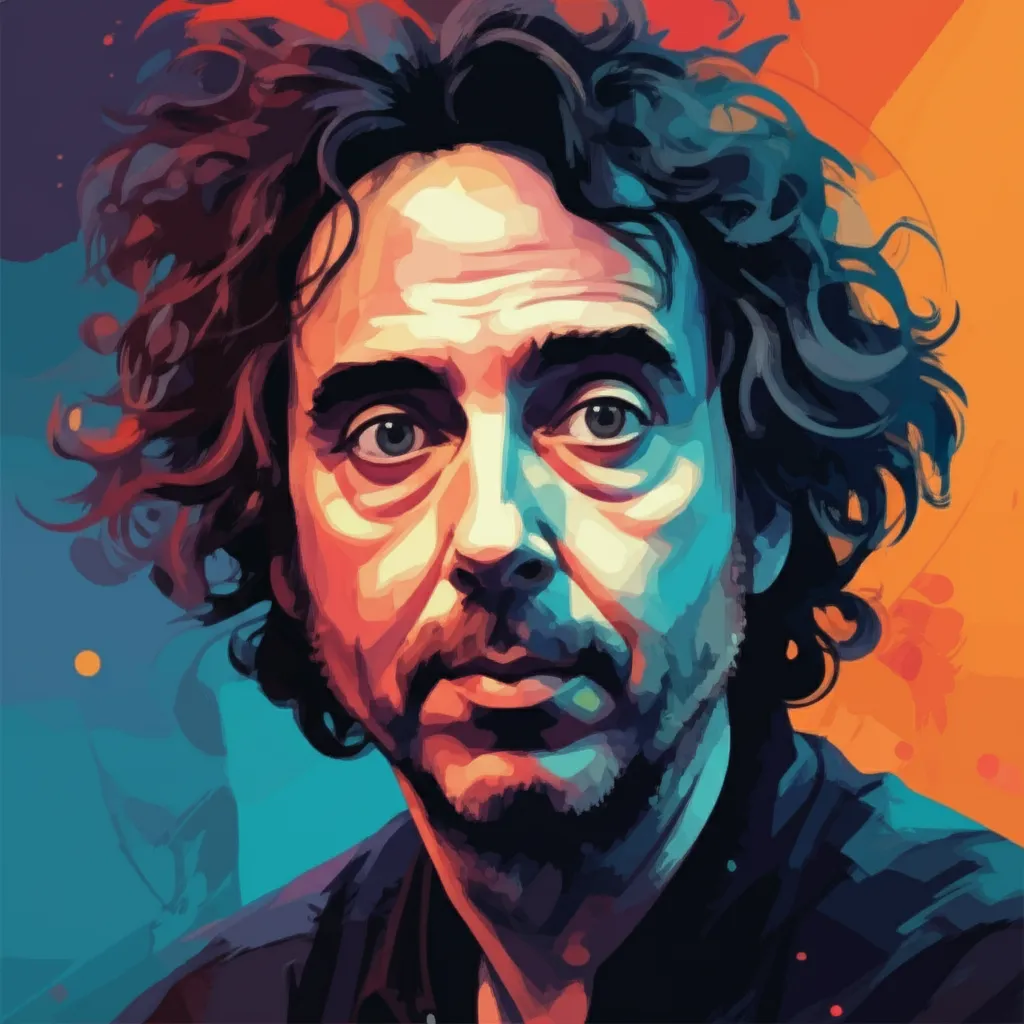
Tim Burton
Every film, ranked

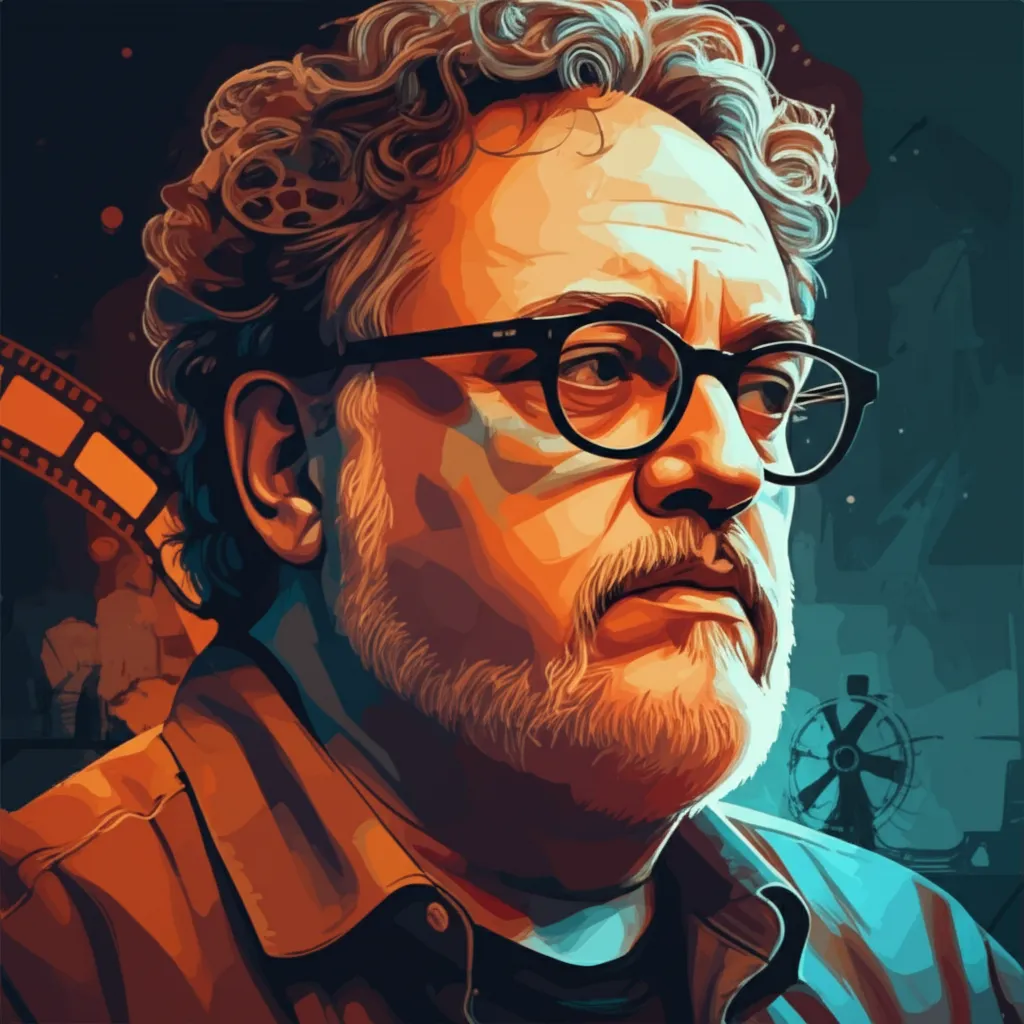
Guillermo del Toro
Every film, ranked

Hayao Miyazaki
Every film, ranked

Akira Kurosawa
Every film, ranked

Francis Ford Coppola
Every film, ranked

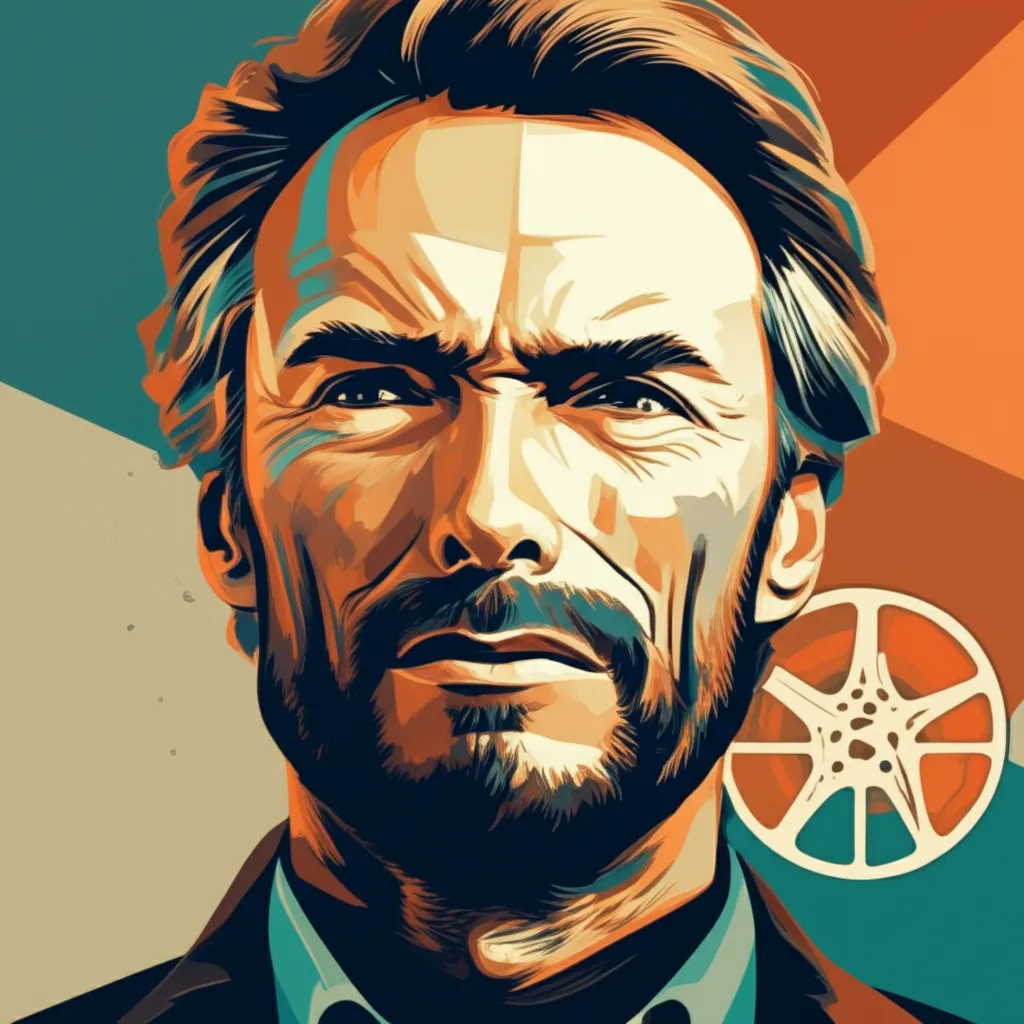
Clint Eastwood
Every film, ranked

Bong Joon Ho
Every film, ranked

Woody Allen
Every film, ranked

Steven Soderbergh
Every film, ranked

Ron Howard
Every film, ranked

Pedro Almodóvar
Every film, ranked

Richard Linklater
Every film, ranked

Roman Polanski
Every film, ranked

Brian De Palma
Every film, ranked

Ingmar Bergman
Every film, ranked

Oliver Stone
Every film, ranked

David Cronenberg
Every film, ranked

Robert Zemeckis
Every film, ranked

Barry Levinson
Every film, ranked

John Carpenter
Every film, ranked

Joel Schumacher
Every film, ranked

Billy Wilder
Every film, ranked

Rob Reiner
Every film, ranked

Neil Jordan
Every film, ranked

Spike Lee
Every film, ranked

Ivan Reitman
Every film, ranked

John Woo
Every film, ranked

Lasse Hallström
Every film, ranked

Stephen Frears
Every film, ranked

Luc Besson
Every film, ranked

Chris Columbus
Every film, ranked

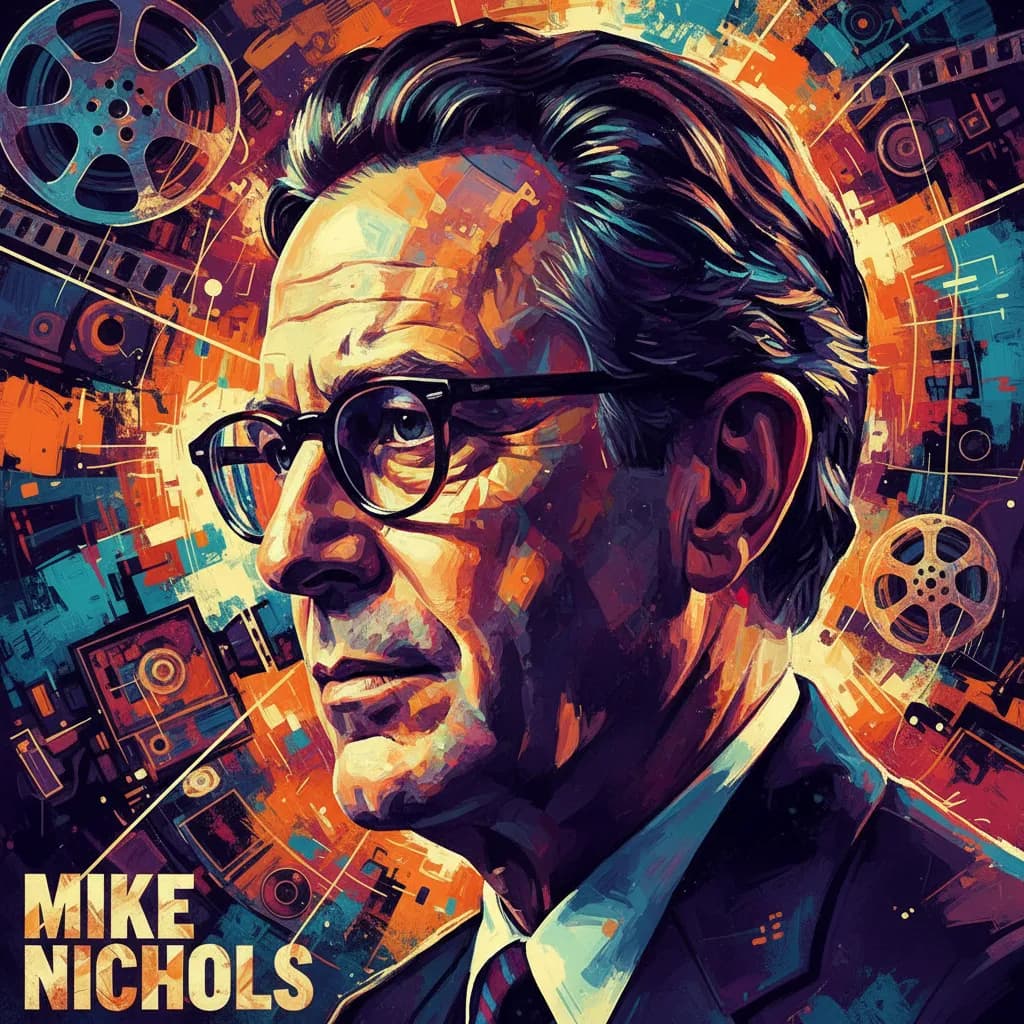
Mike Nichols
Every film, ranked

Howard Hawks
Every film, ranked

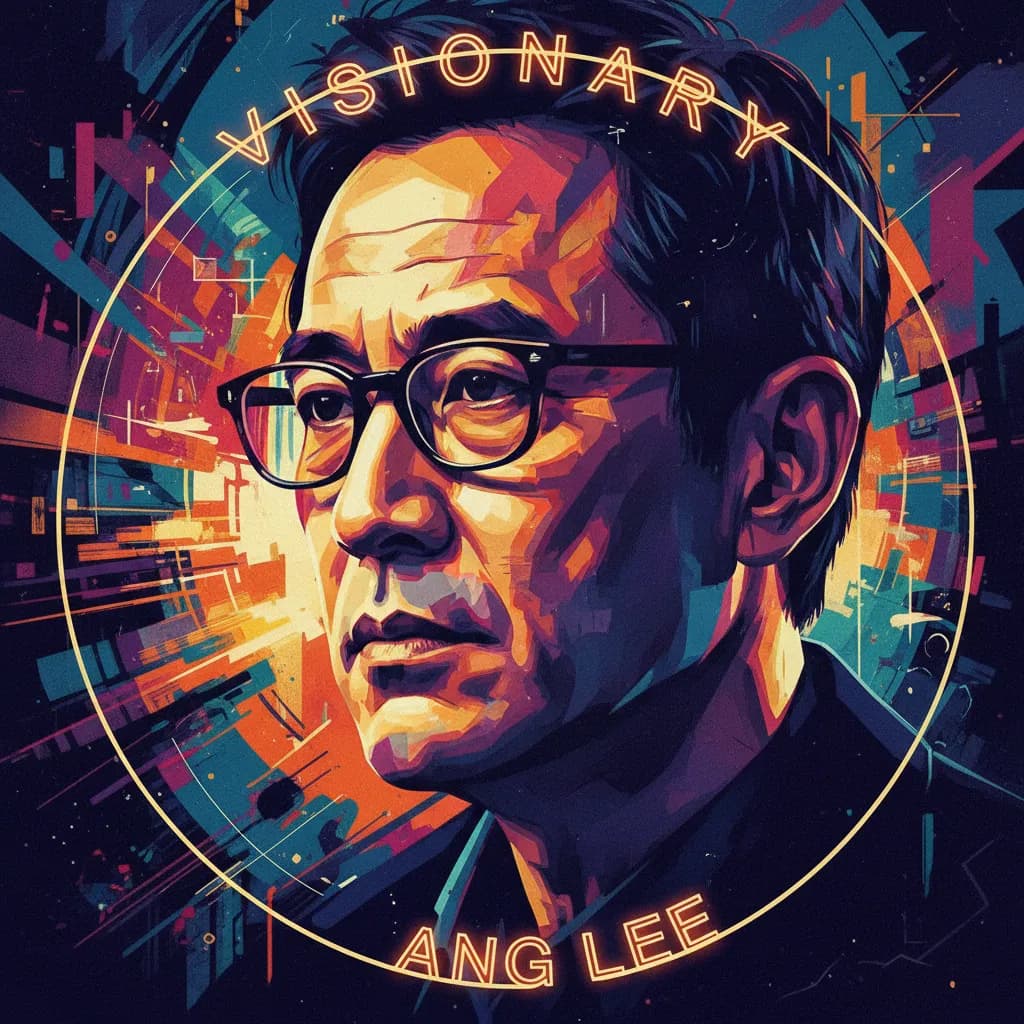
Ang Lee
Every film, ranked

Walter Hill
Every film, ranked

Gus Van Sant
Every film, ranked

William Wyler
Every film, ranked

Renny Harlin
Every film, ranked

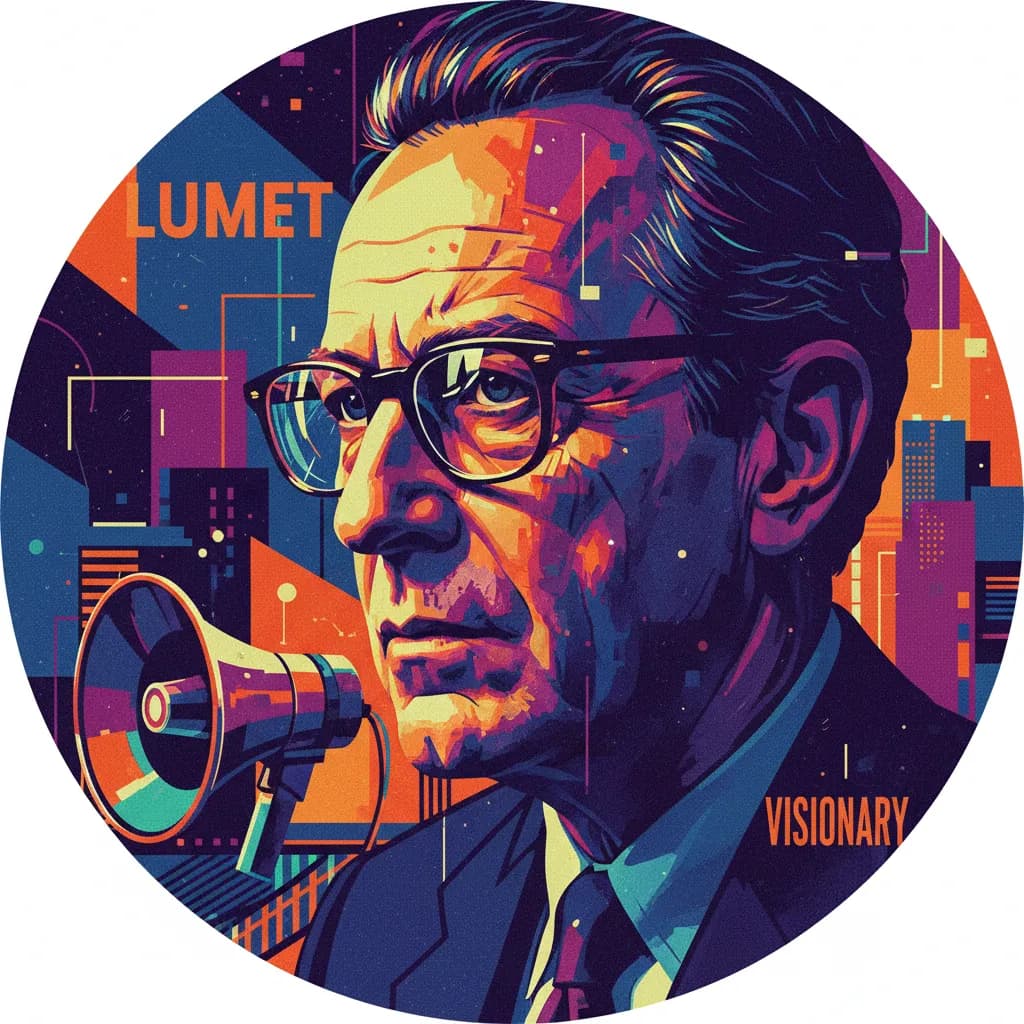
Sidney Lumet
Every film, ranked

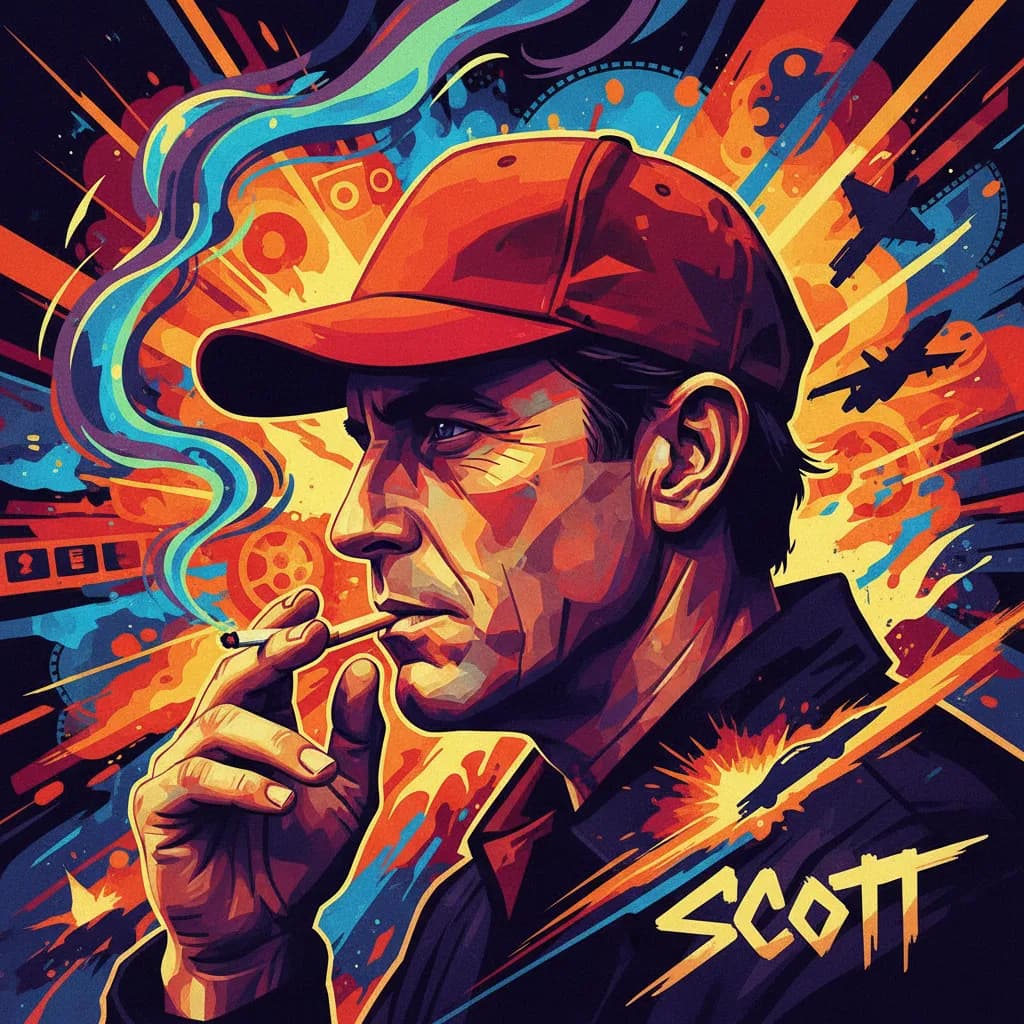
Tony Scott
Every film, ranked