Discover the visionary filmmakers behind cinema's greatest works.
Explore our selection of acclaimed directors and their remarkable films.
Showing 205-216 out of 4148

Andrew Davis is a prolific American film director known for his versatile directorial style and his ability to seamlessly blend action, drama, and suspense in his films. With a career spanning over three decades, Davis has left an indelible mark on the world of cinema, delivering a string of successful and memorable movies. His filmography boasts an array of genres including action, crime, drama, thriller, and adventure, showcasing his adeptness at engaging audiences across diverse cinematic experiences. One of Davis's most iconic works is the 1993 blockbuster "The Fugitive," which remains a benchmark in the action-thriller genre. The film's gripping narrative, intense chase sequences, and masterful direction earned Davis widespread acclaim and solidified his reputation as a director with a keen eye for storytelling and visual flair. Additionally, "Under Siege" (1992) and "Collateral Damage" (2002) further showcased Davis's ability to craft high-octane, adrenaline-fueled action films that resonate with audiences. Throughout his career, Davis has exhibited a penchant for crafting narratives that delve into themes of justice, survival, and the human spirit. His films often feature complex, morally ambiguous characters navigating intense situations, creating an immersive experience for viewers. Moreover, Davis's directorial prowess is evident in his ability to elicit powerful performances from his actors, effectively bringing his vision to life on the screen. Davis's impact on cinema extends beyond his individual films, as his work has influenced and inspired a new generation of filmmakers. His unique ability to infuse gripping action with compelling storytelling has contributed to the evolution of the action-thriller genre, setting a standard for excellence in cinematic craftsmanship. With a diverse body of work that continues to captivate audiences, Andrew Davis remains a visionary director whose contributions to film have left an enduring legacy in the industry.
Andrew Dominik is a visionary director known for his distinctive style and compelling storytelling. With a career spanning over two decades, Dominik has made a significant impact on cinema with his thought-provoking films that delve into the complexities of human nature. His directorial debut came with the critically acclaimed "Chopper" in 2000, a gripping biographical crime drama that showcased his ability to craft intense and raw narratives. The film garnered widespread praise for its unflinching portrayal of the notorious Australian criminal Chopper Read, establishing Dominik as a director to watch. In 2007, Dominik achieved further acclaim with "The Assassination of Jesse James by the Coward Robert Ford," a mesmerizing exploration of the legendary outlaw's final days. The film's poetic visuals and profound character study highlighted Dominik's talent for crafting atmospheric and emotionally resonant storytelling. His meticulous attention to detail and ability to capture the essence of his subjects have solidified his reputation as a master storyteller. Dominik's films often revolve around themes of crime, morality, and the human psyche, delving deep into the motivations and complexities of his characters. His unique directorial approach, characterized by striking visuals and immersive storytelling, sets him apart as a filmmaker with a distinct artistic vision. In 2012, Dominik further showcased his directorial prowess with "Killing Them Softly," a gripping crime drama that captivated audiences with its taut narrative and compelling performances. With the highly anticipated film "Blonde" set for release in 2022, Dominik continues to push boundaries and captivate audiences with his evocative storytelling. As a director, he has left an indelible mark on cinema, consistently delivering thought-provoking narratives that resonate with viewers on a profound level. Dominik's ability to infuse his films with emotional depth and visual poetry cements his status as a director whose work transcends the boundaries of traditional storytelling, leaving an enduring impact on the film industry and captivating audiences worldwide.

Andrew Douglas is a British director known for his work in the horror genre. He made his feature film debut with "The Amityville Horror" in 2005, a remake of the classic horror film. Douglas brought his unique directorial style to the film, infusing it with a sense of dread and tension that captured the essence of the original while adding his own creative spin. His approach to horror is characterized by a keen understanding of atmosphere and a talent for creating suspense, making him a standout in the genre. "The Amityville Horror" marked the beginning of Douglas's directorial career, and it showcased his ability to reimagine a beloved classic for modern audiences. The film's success solidified his reputation as a director with a knack for crafting chilling and visually striking horror experiences. Douglas's work often delves into psychological terror, exploring the darker aspects of human nature and the supernatural. His films are characterized by a sense of unease and an attention to detail, drawing audiences into his meticulously crafted worlds of horror. While "The Amityville Horror" remains one of his most notable works, Douglas's impact on cinema extends beyond this film. His contributions to the horror genre have influenced filmmakers and audiences alike, earning him a place among the contemporary masters of horror. His directorial style, marked by a meticulous attention to detail and a talent for building suspense, has left an indelible mark on the genre. In conclusion, Andrew Douglas has made a significant impact on cinema through his directorial work, particularly in the horror genre. His unique vision and directorial style have set him apart as a filmmaker with a keen understanding of atmosphere and tension. With "The Amityville Horror" as a standout example of his work, Douglas has solidified his reputation as a director capable of crafting haunting and immersive horror experiences. His contributions continue to resonate with audiences and fellow filmmakers, making him a noteworthy figure in contemporary cinema.

Andrew Erwin, along with his brother Jon Erwin, forms the dynamic duo behind some of the most emotionally resonant and uplifting films in contemporary cinema. The Erwin Brothers are known for their heartwarming and faith-based storytelling, often infusing their work with themes of love, hope, and the human spirit. Andrew Erwin's directorial style is marked by his ability to capture the essence of the human experience, creating narratives that inspire and uplift audiences. One of the Erwin Brothers' most notable films, "I Can Only Imagine" (2018), stands as a testament to Andrew Erwin's directorial prowess. The biographical drama, which chronicles the inspiring true story behind the beloved MercyMe song, resonated deeply with audiences and solidified the Erwin Brothers' reputation for crafting emotionally powerful narratives. Their ability to infuse their films with relatable characters and poignant storytelling has made their work a staple in the realm of faith-based cinema. In "Moms' Night Out" (2014), Andrew Erwin showcased his versatility by venturing into the comedy genre. The film, which follows a group of mothers on a chaotic night out, displayed his adeptness at capturing humor and heart in equal measure. This diversity in storytelling showcases his range as a director and his ability to connect with audiences across various genres. Erwin's recent works, including "I Still Believe" (2020) and "American Underdog" (2021), continue to exemplify his commitment to telling compelling real-life stories. "I Still Believe," a biographical drama centered on the life of Christian music star Jeremy Camp, and "American Underdog," which delves into the remarkable journey of NFL quarterback Kurt Warner, further solidify Erwin's dedication to portraying stories of perseverance, faith, and triumph. Andrew Erwin's impact on cinema is substantial, as he continues to deliver narratives that resonate with audiences on a profound level. His ability to craft narratives that uplift, inspire, and celebrate the human spirit has carved out a unique space for the Erwin Brothers in the film industry. Through his work, Erwin has proven himself to be a director with a distinct vision and an unwavering commitment to storytelling that touches the heart and soul of audiences worldwide.

Andrew Fleming is a versatile and accomplished film director known for his diverse body of work that spans across multiple genres. His directorial style is characterized by a keen sense of humor, sharp wit, and a knack for blending comedy with other genres such as drama, romance, and thriller. With a career that has produced a wide array of memorable films, Fleming has left a significant impact on the world of cinema through his unique vision and storytelling prowess. One of Fleming's notable films is "The Craft" (1996), a cult classic that delves into the world of teenage witchcraft, exploring themes of power, friendship, and the consequences of dabbling in the supernatural. The film showcased Fleming's ability to infuse fantasy and horror elements with a compelling narrative, earning him recognition for his directorial skills. Another standout in Fleming's filmography is "Threesome" (1994), a romantic comedy-drama that tackles complex themes of love, sexuality, and relationships with a refreshing and humorous approach. This film highlighted Fleming's ability to navigate sensitive subjects with thoughtfulness and humor, solidifying his reputation as a director with a distinct storytelling flair. Fleming's impact on cinema is also evident in his work on "Nancy Drew" (2007), a family-friendly comedy-crime film that brought the beloved literary character to the big screen with a modern twist. His adaptation captured the essence of the iconic sleuth while infusing the story with contemporary humor and intrigue, appealing to audiences of all ages. Additionally, "Hamlet 2" (2008) showcased Fleming's talent for combining comedy with music, creating an offbeat and entertaining film that pushed creative boundaries and delighted audiences with its irreverent humor. Throughout his career, Andrew Fleming has demonstrated a remarkable ability to tackle a wide range of genres with finesse, infusing his films with humor, heart, and a distinct directorial touch. His contributions to cinema have not only entertained audiences but also left a lasting impression, cementing his status as a director with a unique and enduring impact on the film industry.

Andrew Haigh is a British film director known for his unique storytelling and intimate exploration of human relationships. His directorial style is characterized by its raw authenticity, emotional depth, and keen focus on character-driven narratives. Haigh's notable films include "Weekend" (2011) and "Lean on Pete" (2017), both of which have garnered critical acclaim and cemented his reputation as a filmmaker with a distinct voice in contemporary cinema. In "Weekend," Haigh delves into the brief but intense romance between two men, examining the complexities of love, identity, and connection over the course of a weekend. The film's unflinching portrayal of its characters' emotional struggles and the delicate nuances of their interactions showcases Haigh's ability to capture the raw, unfiltered essence of human experiences. "Lean on Pete" takes a different narrative approach, following the journey of a teenage boy and his bond with a racehorse, delving into themes of loneliness, resilience, and the search for belonging. Haigh's directorial finesse shines through in his ability to evoke profound empathy and introspection while maintaining a sense of cinematic grace. Throughout his career, Haigh has demonstrated a commitment to exploring the complexities of human emotion and the impact of personal connections within the broader context of society. His films often revolve around characters on the fringes of societal norms, grappling with their inner turmoil and seeking solace in the relationships they form. Haigh's storytelling is marked by its unapologetic honesty and a deep understanding of the human condition, resonating with audiences on a profound and universal level. Andrew Haigh's impact on cinema lies in his ability to craft narratives that are deeply personal yet universally relatable. His films have earned praise for their genuine portrayal of human experiences, earning Haigh a reputation as a director who fearlessly confronts the complexities of love, identity, and the human spirit. With a keen eye for emotional nuance and a dedication to authentic storytelling, Haigh continues to be a driving force in contemporary cinema, inspiring audiences and fellow filmmakers alike with his exceptional body of work.

Andrew Jarecki is a celebrated filmmaker renowned for his distinct directorial style and thought-provoking storytelling. With a career spanning over several decades, Jarecki has left an indelible mark on the world of cinema through his compelling narratives and masterful direction. One of his most notable works is "All Good Things" (2010), a gripping crime drama that showcases his prowess in delving into the intricacies of human psychology and relationships. Jarecki's directorial style is characterized by its meticulous attention to detail and an immersive approach to storytelling. He has a remarkable ability to capture the essence of his characters, often delving deep into their emotional complexities and moral dilemmas. This is evident in "All Good Things," where Jarecki skillfully weaves a web of mystery and suspense, keeping audiences on the edge of their seats until the very end. Throughout his career, Jarecki has explored recurring themes such as power dynamics, moral ambiguity, and the darker aspects of human nature. His films often unravel the complexities of human relationships and the consequences of one's actions, offering audiences a profound and introspective cinematic experience. Jarecki's unique vision and ability to depict the human psyche have solidified his status as a director with a keen understanding of the human condition. In the realm of cinema, Jarecki's impact is palpable, as he has pushed the boundaries of traditional storytelling and challenged audiences to confront uncomfortable truths. His ability to craft compelling narratives that resonate on a profound level has earned him a dedicated following and critical acclaim. Jarecki's contributions to film have not only enriched the cinematic landscape but have also inspired aspiring filmmakers to delve deeper into the complexities of human experiences. In conclusion, Andrew Jarecki's directorial career is a testament to his unwavering commitment to storytelling and his exceptional ability to capture the human experience on screen. With "All Good Things" standing as a testament to his directorial prowess, Jarecki continues to be a trailblazer in the world of cinema, leaving an indelible mark with his insightful narratives and compelling characters.

Andrew Jay Cohen is a talented film director known for his work in the animation, comedy, and drama genres. His notable film, "The House" (2017), showcases his directorial style, which often incorporates humor, wit, and a keen understanding of human emotions. Cohen has made a significant impact on cinema through his ability to infuse his work with a distinct blend of entertainment and thought-provoking storytelling. "The House" is a prime example of Cohen's directorial prowess, as it skillfully weaves together comedic elements with dramatic undertones. His ability to balance humor with deeper emotional themes has resonated with audiences and critics alike. Cohen's films often explore the complexities of human relationships and the absurdities of everyday life, creating a unique and engaging cinematic experience. Throughout his career, Cohen has demonstrated a knack for bringing animated characters to life while also delving into the intricacies of human behavior. His directorial style is characterized by a sharp wit and a keen eye for visual storytelling, making his films both visually captivating and intellectually stimulating. Cohen's work stands out for its ability to entertain while also offering insightful commentary on the human experience. In conclusion, Andrew Jay Cohen has made a significant impact on the film industry through his unique directorial vision and his ability to craft compelling narratives that resonate with audiences. His film "The House" exemplifies his directorial style, showcasing his talent for blending comedy, drama, and animation into a seamless and engaging cinematic experience. Cohen's contributions to cinema have solidified his place as a director to watch, and his future projects are eagerly anticipated by fans and critics alike.

Andrew Lau is a Hong Kong film director known for his distinctive visual style and contributions to the action, crime, and drama genres. With a career spanning several decades, Lau has made a significant impact on cinema, particularly through his directorial work on the critically acclaimed film "Mou gaan dou" (2002), also known as "Infernal Affairs." This crime thriller, which he co-directed with Alan Mak, garnered international attention and has since become a cult classic. Lau's directorial style is characterized by his ability to create intense, high-octane action sequences while delving deep into the psychological complexities of his characters. He often employs innovative cinematography techniques and utilizes dynamic editing to heighten the tension and drama within his films. Notable for his collaboration with talented cinematographers and his keen eye for visually compelling storytelling, Lau's work has left an indelible mark on the action genre. "Mou gaan dou" stands as a testament to Lau's directorial prowess, as it skillfully navigates the entangled web of loyalty, betrayal, and moral ambiguity within the criminal underworld. The film's success not only solidified Lau's reputation as a visionary director but also inspired a Hollywood remake, "The Departed" (2006), directed by Martin Scorsese. Lau's recurring themes often revolve around the intricacies of human nature, moral dilemmas, and the consequences of one's choices, all set against the backdrop of gripping, adrenaline-fueled narratives. His ability to seamlessly blend thrilling action with compelling character-driven storytelling has solidified his status as a masterful director. Andrew Lau's impact on cinema extends beyond his directorial achievements, as he has significantly influenced and inspired a new generation of filmmakers through his innovative approach to storytelling and visual presentation. His work continues to resonate with audiences and has left an indelible mark on the action and crime genres, establishing him as a visionary director with a lasting legacy.

Andrew Levitas is a multi-talented artist who has made a significant impact on the film industry as a director, writer, producer, and actor. His directorial debut came with the release of "Lullaby" in 2014, a heartfelt drama that showcased Levitas's ability to explore complex human emotions and relationships on-screen. His unique directorial style is characterized by an emphasis on intimate storytelling, compelling character development, and an unflinching exploration of the human condition. In 2020, Levitas brought his directorial vision to the forefront with "Minamata," a powerful drama that delves into the real-life story of celebrated photojournalist W. Eugene Smith. The film stars Johnny Depp and explores Smith's impactful documentation of mercury poisoning in the Japanese village of Minamata. Levitas's ability to blend historical context with emotional depth and visual storytelling is evident in "Minamata," as he skillfully captures the resilience and humanity of the affected individuals while shedding light on the importance of social and environmental justice. Throughout his career, Levitas has demonstrated a commitment to storytelling that addresses important social issues and celebrates the strength of the human spirit. His films often grapple with themes of redemption, resilience, and the power of art to effect change. Levitas's directorial work stands as a testament to his dedication to shedding light on untold stories and amplifying the voices of those who have been marginalized or overlooked. Andrew Levitas's impact on cinema extends beyond his directorial work, as he continues to champion projects that challenge audiences and provoke meaningful conversations. His ability to infuse his films with emotional authenticity and thought-provoking narratives has solidified his reputation as a director with a distinctive vision and a commitment to elevating the art of storytelling on the silver screen. As he continues to evolve as a director, audiences can anticipate more impactful and resonant stories that bear the unmistakable imprint of Andrew Levitas's creative spirit.

Andrew Mogel is a talented film director known for his distinctive approach to storytelling and character development. His notable filmography includes "The D Train" (2015), a dark comedy-drama that showcases his knack for blending humor with thought-provoking themes. Mogel's directorial style is characterized by a keen understanding of human emotions and behavior, which he skillfully translates to the screen through nuanced performances and compelling narratives. In "The D Train," Mogel demonstrates his ability to explore complex interpersonal dynamics and the struggles of identity and self-discovery. His storytelling often delves into the depths of human nature, offering audiences a raw and unfiltered look at the human experience. Through his films, Mogel has carved out a niche for himself as a director unafraid to tackle challenging subjects with humor and empathy. One of Mogel's recurring themes is the exploration of the human psyche, often delving into the complexities of relationships and the quest for authenticity. His work resonates with audiences for its candid portrayal of the human condition, capturing the essence of the human experience with honesty and depth. Mogel's impact on cinema lies in his ability to infuse his projects with a distinct voice and perspective, offering audiences a refreshing take on familiar themes. As a director, Andrew Mogel continues to leave a lasting impression on the film industry, pushing the boundaries of storytelling and elevating the art of character-driven narratives. His unique vision and unwavering commitment to authenticity have solidified his position as a director to watch, with audiences eagerly anticipating his future projects. Mogel's contributions to film serve as a testament to the power of storytelling and the enduring impact of directors who fearlessly embrace the complexities of the human spirit.

Andrew Niccol is a visionary film director known for his thought-provoking and visually stunning movies that often delve into the realms of science fiction and dystopian worlds. Niccol's unique directorial style is characterized by his ability to blend compelling storytelling with cutting-edge visuals, creating immersive cinematic experiences that captivate audiences. Niccol burst onto the scene as a director with his 1997 film "Gattaca," a gripping sci-fi drama that explores themes of genetic engineering and discrimination in a futuristic society. The film's visually striking portrayal of a society obsessed with genetic perfection and its impact on individual identity showcased Niccol's talent for creating immersive and thought-provoking worlds. "Gattaca" remains a seminal work in the sci-fi genre and solidified Niccol's reputation as a director with a distinct vision. In "Lord of War" (2005), Niccol tackled the dark and morally complex world of arms trafficking, blending action, drama, and social commentary to create a film that resonated with audiences and critics alike. His ability to infuse gripping storytelling with social and political relevance solidified his status as a director unafraid to tackle challenging subjects while maintaining an engaging narrative. Niccol continued to explore futuristic and speculative themes in "In Time" (2011), a high-concept sci-fi thriller that delves into the consequences of a world where time is the ultimate currency. The film's visually stunning portrayal of a society where time is literally money showcased Niccol's ability to create immersive and thought-provoking cinematic worlds. With "Good Kill" (2014), Niccol shifted his focus to the psychological and ethical complexities of modern warfare, delivering a compelling drama that explores the impact of drone warfare on the human psyche. The film's powerful storytelling and nuanced exploration of moral dilemmas further cemented Niccol's reputation as a director unafraid to tackle weighty and relevant subject matter. Niccol's filmography also includes "S1m0ne" (2002), a satirical comedy that explores the implications of artificial intelligence in the entertainment industry, and "Anon" (2018), a gripping crime mystery set in a future where privacy is non-existent. Through his diverse body of work, Niccol has established himself as a director with a distinct visual style and a penchant for thought-provoking storytelling, solidifying his impact on the world of cinema. In summary, Andrew Niccol's directorial career is marked by his ability to create visually stunning and
Every film by the greats, ranked by our TML Score.

Christopher Nolan
Every film, ranked

Quentin Tarantino
Every film, ranked

Stanley Kubrick
Every film, ranked

Martin Scorsese
Every film, ranked

Steven Spielberg
Every film, ranked

Alfred Hitchcock
Every film, ranked

David Fincher
Every film, ranked

Denis Villeneuve
Every film, ranked

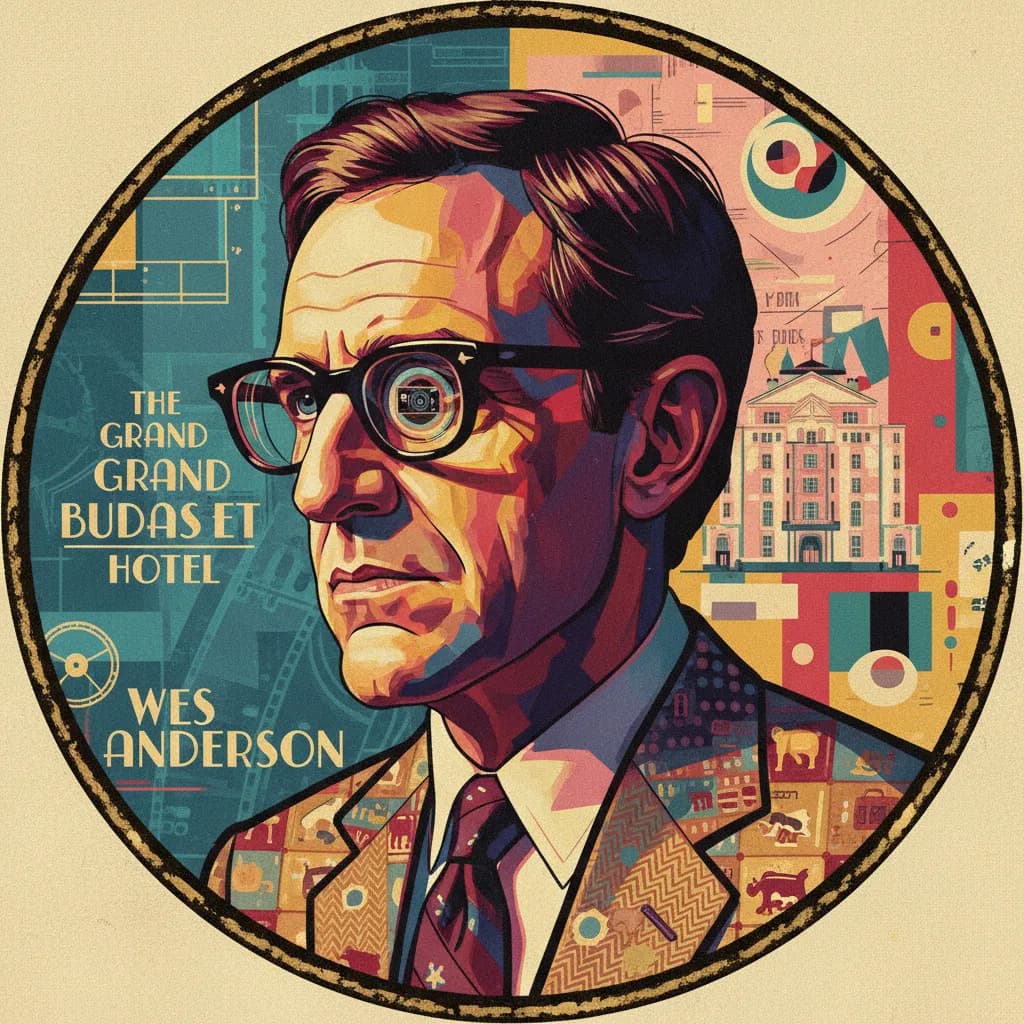
Wes Anderson
Every film, ranked

Paul Thomas Anderson
Every film, ranked

Ridley Scott
Every film, ranked

Tim Burton
Every film, ranked

Guillermo del Toro
Every film, ranked

Hayao Miyazaki
Every film, ranked

Akira Kurosawa
Every film, ranked

Francis Ford Coppola
Every film, ranked

Clint Eastwood
Every film, ranked

Bong Joon Ho
Every film, ranked

Woody Allen
Every film, ranked

Steven Soderbergh
Every film, ranked

Ron Howard
Every film, ranked

Pedro Almodóvar
Every film, ranked

Richard Linklater
Every film, ranked

Roman Polanski
Every film, ranked

Brian De Palma
Every film, ranked

Ingmar Bergman
Every film, ranked

Oliver Stone
Every film, ranked

David Cronenberg
Every film, ranked

Robert Zemeckis
Every film, ranked

Barry Levinson
Every film, ranked

John Carpenter
Every film, ranked

Joel Schumacher
Every film, ranked

Billy Wilder
Every film, ranked

Rob Reiner
Every film, ranked

Neil Jordan
Every film, ranked

Spike Lee
Every film, ranked

Ivan Reitman
Every film, ranked

John Woo
Every film, ranked

Lasse Hallström
Every film, ranked

Stephen Frears
Every film, ranked

Luc Besson
Every film, ranked

Chris Columbus
Every film, ranked

Mike Nichols
Every film, ranked

Howard Hawks
Every film, ranked

Ang Lee
Every film, ranked

Walter Hill
Every film, ranked

Gus Van Sant
Every film, ranked

William Wyler
Every film, ranked

Renny Harlin
Every film, ranked

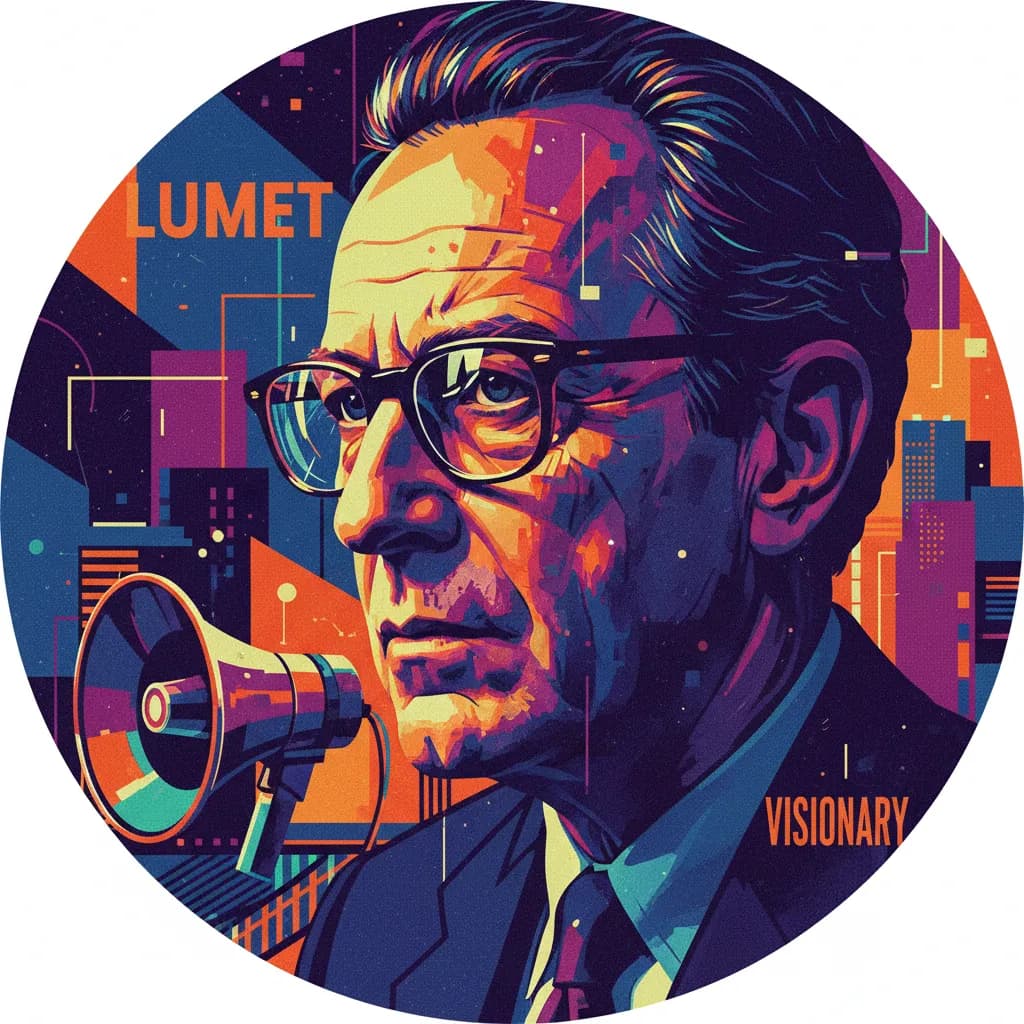
Sidney Lumet
Every film, ranked

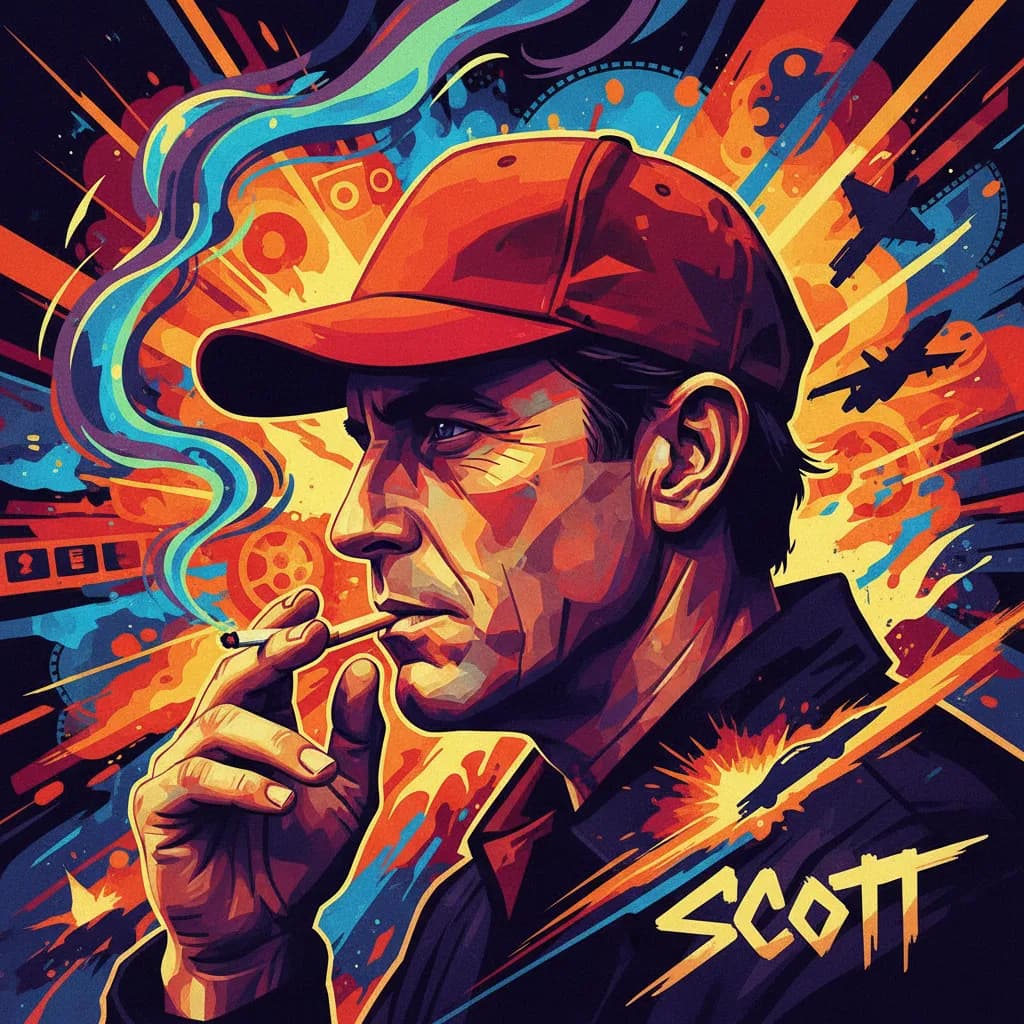
Tony Scott
Every film, ranked