Discover the visionary filmmakers behind cinema's greatest works.
Explore our selection of acclaimed directors and their remarkable films.
Showing 4105-4116 out of 4148

Yannick Dahan is a French film director best known for his work in the action-horror genre. He made his directorial debut with the intense and gritty film "The Horde" in 2009, which quickly established him as a rising talent in the industry. Dahan's directorial style is characterized by a visceral and unflinching approach to storytelling, often blending elements of action and horror to create a high-octane viewing experience. "The Horde" exemplifies Dahan's penchant for crafting adrenaline-pumping narratives set against the backdrop of intense and terrifying situations. The film follows a group of police officers and criminals who must band together to survive a zombie outbreak in the heart of Paris. Dahan's deft direction infuses the film with palpable tension, relentless action sequences, and a gritty visual style that immerses viewers in the chaos and terror of the situation. One of the notable aspects of Dahan's directorial approach is his ability to infuse his work with social commentary and underlying themes. "The Horde" delves into themes of survival, morality, and the breakdown of societal norms in the face of a catastrophic event. Dahan's skillful handling of these themes elevates the film beyond mere genre fare, adding depth and substance to the visceral thrills and carnage. Dahan's impact on cinema lies in his ability to push the boundaries of the action-horror genre, infusing it with a distinctively gritty and immersive style that resonates with audiences. His unique vision and directorial prowess have cemented his status as a filmmaker to watch, and his contributions to the genre have left an indelible mark on the cinematic landscape. As Dahan continues to chart his directorial path, audiences can eagerly anticipate more pulse-pounding and thought-provoking experiences from this talented filmmaker.
Yannick Rolandeau is a visionary film director known for his distinctive approach to storytelling and visually captivating cinematography. One of his most notable works is "Un Coeur en Hiver" (2023), a mesmerizing blend of drama, music, and romance that showcases Rolandeau's unparalleled ability to evoke raw emotions and human complexities on screen. Throughout his career, Rolandeau has established himself as a masterful storyteller, with a keen focus on interpersonal relationships and the intricacies of human emotion. His directorial style is characterized by meticulous attention to detail, striking visuals, and a profound exploration of the human psyche. Rolandeau's films often delve deep into the complexities of love, loss, and longing, captivating audiences with their raw and poignant narratives. "Un Coeur en Hiver" stands as a testament to Rolandeau's ability to craft compelling and emotionally resonant stories. The film's seamless integration of music, romance, and drama showcases his versatile storytelling prowess and his ability to create a truly immersive cinematic experience. Rolandeau's distinct visual style, combined with his gift for eliciting authentic performances from his actors, has solidified his reputation as a director with an unparalleled ability to capture the complexities of human relationships on film. In the realm of cinema, Yannick Rolandeau's impact is profound, as he continually pushes the boundaries of traditional storytelling and elevates the medium with his unique vision. His films have left an indelible mark on audiences and critics alike, earning him a well-deserved reputation as a director whose work transcends the constraints of genre and convention. As he continues to shape the landscape of contemporary cinema, Rolandeau's influence is sure to endure, inspiring future generations of filmmakers to explore the depths of human emotion with the same level of artistry and nuance.

Yann Samuell is a French film director known for his unique blend of whimsical storytelling and visually striking cinematography. His directorial debut came with the critically acclaimed "Jeux d'enfants" (Love Me If You Dare) in 2003, a romantic comedy-drama that captivated audiences with its unconventional narrative and emotionally resonant themes. This film showcased Samuell's penchant for infusing romance with dark humor and his ability to craft visually stunning sequences, which became hallmarks of his directorial style. "Love Me If You Dare" further solidified Samuell's reputation as a director with a distinctive vision. The film explores the complex dynamics of a love story through a series of daring and provocative challenges between the two protagonists, reflecting Samuell's recurring theme of love as a playful yet intense force. His ability to intertwine romance with elements of fantasy and psychological depth sets him apart as a director who deftly navigates the complexities of human emotions. Samuell's impact on cinema lies in his ability to create emotionally evocative narratives that resonate with audiences on a profound level. His visual storytelling, characterized by vibrant colors and imaginative sequences, elevates his films to a realm of heightened cinematic experience. Samuell's work has influenced a generation of filmmakers, inspiring them to explore the boundaries of storytelling and visual artistry. In conclusion, Yann Samuell's directorial career is defined by his unique ability to infuse romance with dark humor, visually stunning storytelling, and emotionally resonant themes. His films, particularly "Jeux d'enfants" and "Love Me If You Dare," have left an indelible mark on cinema, showcasing his visionary approach to storytelling and solidifying his status as a director with a distinct and influential voice in the industry.

Yaron Zilberman is an Israeli-American film director known for his distinct directorial style and poignant storytelling. Zilberman made a significant impact on the world of cinema with his 2012 drama film, "A Late Quartet," which showcased his ability to intertwine emotional depth with the power of music. His directorial approach often involves exploring complex human relationships and delving into the intricacies of characters' inner worlds. "A Late Quartet" stands as a testament to Zilberman's ability to capture the nuances of human emotions while utilizing music as a powerful storytelling tool. The film follows the members of a renowned string quartet as they grapple with personal and professional challenges, drawing parallels between the harmony of their music and the discord in their lives. Zilberman's keen eye for visual composition and his adeptness in creating a rich, immersive atmosphere make this film a standout in his filmography. Zilberman's directorial style is marked by a focus on introspection and the exploration of interpersonal dynamics. His films often center on themes of passion, ambition, and the pursuit of artistic excellence, all underscored by a profound understanding of human nature. Through his work, Zilberman has made a lasting impact on cinema by offering audiences thought-provoking narratives that resonate on a deeply emotional level. Zilberman continues to be recognized for his ability to craft compelling stories that resonate with audiences, and his contributions to the cinematic landscape have solidified his status as a director with a unique vision. As he continues to expand his body of work, audiences can anticipate further explorations of the human experience and the enduring power of art in Zilberman's future projects. With his distinctive directorial style and unwavering commitment to storytelling, Yaron Zilberman remains a director to watch in the world of cinema.

Yarrow Cheney is a highly acclaimed film director known for his exceptional contributions to the world of animation. With a career that spans over two decades, Cheney has left an indelible mark on the industry through his unique directorial style and visionary storytelling. His most notable work includes his directorial debut in the animated film "The Grinch" (2018), a heartwarming adaptation of Dr. Seuss' classic tale, which garnered widespread acclaim for its stunning visuals and endearing narrative. Cheney's directorial style is characterized by his ardent attention to detail and ability to infuse depth and emotion into his animated creations. His meticulous approach to storytelling and visual aesthetics has solidified his reputation as a master of the craft. Through his films, Cheney has displayed a penchant for exploring themes of redemption, empathy, and the enduring power of love, resonating with audiences of all ages. "The Grinch" stands as a testament to Cheney's prowess as a director, showcasing his ability to breathe new life into beloved stories while staying true to their original essence. The film's success not only cemented Cheney's status as a director to watch but also underscored his impact on the animation genre. His work continues to inspire and captivate audiences, setting a high bar for excellence in storytelling and visual innovation. Cheney's contributions to cinema have undoubtedly left an indelible mark, and his visionary approach to directing has redefined the animated film landscape. As he continues to push the boundaries of storytelling and animation, audiences eagerly anticipate his future projects, knowing that each new film will undoubtedly be a testament to his unparalleled talent and artistic vision. Yarrow Cheney's legacy as a director is one that will undoubtedly endure for generations to come, as his influence on the film industry continues to shape the landscape of animated cinema.

Yash Chopra, the legendary Indian film director, was a trailblazer in the world of Bollywood cinema. With a career spanning over five decades, Chopra's directorial style was characterized by his ability to seamlessly blend drama, romance, and action, creating timeless classics that continue to captivate audiences worldwide. His notable films, such as "Darr," "Deewaar," "Veer-Zaara," and "Dil to Pagal Hai," showcase his versatility and mastery in various genres, cementing his status as one of the most influential filmmakers in Indian cinema. Chopra's directorial approach was marked by his keen eye for capturing human emotions and relationships on screen. His films often delved into complex love stories, family dynamics, and societal issues, resonating with audiences on a profound level. Chopra's ability to infuse his narratives with captivating visuals, soulful music, and compelling storytelling set him apart as a visionary director whose impact on cinema remains unparalleled. Throughout his career, Chopra's films often explored recurring themes such as love transcending boundaries, the struggles of the common man, and the complexities of human nature. His distinctive storytelling and ability to evoke deep emotional connections with his characters have left an indelible mark on Bollywood cinema, inspiring generations of filmmakers and leaving a lasting legacy in the industry. Yash Chopra's contributions to film have been transformative, shaping the landscape of Indian cinema and influencing filmmakers globally. His unparalleled vision, coupled with his dedication to storytelling, has earned him accolades and admiration from audiences and critics alike. His legacy continues to thrive through his timeless films, which remain cherished classics in the world of cinema, solidifying his position as a visionary director whose impact will be felt for generations to come.

Yasin Uslu is a visionary Turkish filmmaker known for his unique directorial style and compelling storytelling. With a career spanning several years, Uslu has made a significant impact on the world of cinema with his thought-provoking narratives and visually stunning compositions. His directorial debut, "Our Story" (2015), is a testament to his ability to craft emotionally resonant dramas that delve into the complexities of human relationships and societal issues. Uslu's directorial style is characterized by his keen attention to detail and his ability to capture raw, authentic emotions on screen. His films often explore the human condition, delving into themes of love, loss, and redemption. Uslu's visual storytelling is marked by striking imagery and evocative cinematography, drawing audiences into the rich, immersive worlds he creates. "Our Story" stands as a testament to Uslu's directorial prowess, receiving critical acclaim for its poignant portrayal of love and sacrifice in the face of adversity. The film showcases Uslu's ability to infuse his narratives with depth and sincerity, resonating with audiences on a profound level. Uslu's directorial vision has contributed to the global cinematic landscape, offering a fresh perspective and elevating the art of storytelling through film. As Uslu continues to shape the cinematic landscape with his distinctive directorial voice, audiences can anticipate more captivating narratives and visually captivating storytelling from this talented filmmaker. With a commitment to pushing boundaries and exploring the human experience, Yasin Uslu remains a director to watch, leaving an indelible mark on the world of cinema with his thought-provoking narratives and visually stunning compositions.

Yasujirô Ozu was a highly influential Japanese film director known for his distinct and contemplative directorial style, which made a profound impact on the world of cinema. Born in Tokyo in 1903, Ozu's career spanned over five decades, during which he crafted a remarkable body of work that continues to resonate with audiences and filmmakers alike. Ozu's directorial style was characterized by his use of static camera shots, low-angle compositions, and deliberate pacing, which allowed for a deep exploration of the human condition. His films often revolved around family dynamics, generational conflicts, and the evolving social landscape in post-war Japan. Ozu's ability to capture the subtleties of everyday life and interpersonal relationships set him apart as a master of humanistic storytelling. Among Ozu's most notable works is "Tokyo Story" (1953), a poignant drama that has often been hailed as one of the greatest films ever made. The film explores the emotional distance between parents and their grown children, offering a profound meditation on aging, regret, and the passage of time. "Late Spring" (1949) is another masterpiece that delves into the complexities of familial obligations and societal expectations, showcasing Ozu's unparalleled skill in portraying the nuances of human emotions. Ozu's recurring themes of tradition versus modernity, the fragility of human connections, and the passage of time continue to resonate with audiences worldwide. His profound influence on subsequent generations of filmmakers, including renowned directors like Martin Scorsese and Wim Wenders, underscores the enduring relevance of Ozu's artistic vision. His meticulous attention to detail and unwavering commitment to authenticity have solidified his status as a luminary in the history of cinema. Yasujirô Ozu's legacy as a pioneering director continues to be celebrated, as his films remain essential viewing for cinephiles and aspiring filmmakers seeking to understand the profound impact of his humanistic storytelling. With a filmography that includes timeless classics such as "Good Morning" (1959) and "Tokyo Story," Ozu's contributions to the art of filmmaking endure as a testament to his unparalleled artistry and enduring influence on global cinema.

Yasushi Kawamura is a highly talented Japanese director known for his exceptional work in the anime and animation genres. Kawamura made his mark in the film industry with his directorial debut in the highly acclaimed and visually stunning film "Gantz: O" (2016). This animated feature, based on the popular manga series by Hiroya Oku, captivated audiences with its immersive storytelling, intense action sequences, and breathtaking visuals. Kawamura's adept direction brought the futuristic and dark world of "Gantz: O" to life, earning him widespread recognition and acclaim. Kawamura's directorial style is characterized by his meticulous attention to detail and his ability to seamlessly blend gripping narratives with cutting-edge animation techniques. His visionary approach to storytelling and visual aesthetics has set him apart as a director with a keen eye for creating immersive and emotionally resonant cinematic experiences. "Gantz: O" stands as a testament to Kawamura's ability to push the boundaries of animation and deliver a film that appeals to both fans of the original manga and newcomers to the genre. Notable for his directorial debut, Yasushi Kawamura's "Gantz: O" has left a lasting impact on the world of animation and has solidified his position as a visionary director with a unique ability to transport audiences to fantastical and thought-provoking realms. His work has garnered a dedicated fan base and has contributed to the global popularity of Japanese animation. With his keen storytelling instincts and innovative visual style, Kawamura continues to be a driving force in the evolution of animated cinema, inspiring and influencing future generations of filmmakers. Yasushi Kawamura's directorial career has only just begun, and his visionary approach to filmmaking promises to leave an indelible mark on the world of animation. As he continues to explore new creative horizons, audiences can anticipate being captivated by his distinct directorial style and the compelling narratives he brings to the screen. With "Gantz: O," Kawamura has firmly established himself as a director to watch, and his future projects are highly anticipated within the film industry and among fans of animated cinema.

Yavuz Turgul is a prominent Turkish director known for his compelling storytelling and poignant portrayal of human emotions. His directorial career spans several decades, during which he has left an indelible mark on the world of cinema. Turgul's films often delve into the complexities of human nature, showcasing a deep understanding of the human experience and societal dynamics. His directorial style is characterized by a masterful blend of drama, crime, and thriller elements, creating riveting narratives that captivate audiences worldwide. One of Turgul's most acclaimed works is "Eskiya" (The Bandit) (1996), a gripping crime drama that unfolds the turbulent journey of a notorious criminal seeking redemption and reconciliation. The film received widespread critical acclaim and solidified Turgul's reputation as a visionary director with an unparalleled ability to craft emotionally resonant narratives. Another notable entry in Turgul's filmography is "Mr. Muhsin" (1987), a captivating comedy-drama that showcases his versatility as a director, seamlessly blending humor and profound human insights. Turgul's films often explore themes of love, loyalty, and redemption, offering poignant reflections on the human condition. His keen ability to depict the intricacies of human relationships and the moral dilemmas faced by his characters sets him apart as a director with a profound understanding of the human psyche. Turgul's impact on Turkish cinema is undeniable, as his films have not only garnered international acclaim but have also significantly contributed to the global recognition of Turkish cinema. With a filmography that includes compelling works such as "Lovelorn" (2005) and "Hunting Season" (2010), Turgul continues to leave an indelible mark on the world of cinema, captivating audiences with his evocative storytelling and profound exploration of the human experience. His legacy as a director is defined by his ability to create deeply affecting narratives that resonate on a universal level, cementing his status as a visionary filmmaker with a unique and enduring impact on the cinematic landscape. Yavuz Turgul's contributions to film are a testament to his unparalleled talent and unwavering commitment to crafting timeless stories that resonate with audiences across the globe.

Yeon Sang-ho is a visionary South Korean film director known for his distinctive blend of action, horror, and thriller genres. With a career spanning over two decades, Yeon has carved a niche for himself in the global film industry with his unique storytelling and directorial style. His most notable works include "Train to Busan" (2016) and its sequel "Peninsula" (2020), both of which have garnered critical acclaim and commercial success. Yeon Sang-ho's directorial style is characterized by intense action sequences, heart-pounding suspense, and a keen focus on character-driven storytelling. His films often explore the human condition under extreme circumstances, delving into themes of survival, morality, and the resilience of the human spirit. Yeon's ability to seamlessly blend genres has set him apart as a versatile filmmaker capable of delivering compelling narratives that resonate with audiences worldwide. "Train to Busan" catapulted Yeon Sang-ho into the international spotlight, earning praise for its relentless tension, gripping performances, and innovative approach to the zombie genre. The film's success solidified Yeon's reputation as a master of crafting high-octane, emotionally resonant cinema. Its sequel, "Peninsula," further showcased Yeon's directorial prowess, expanding the post-apocalyptic world while delivering adrenaline-fueled action and thought-provoking themes. Yeon Sang-ho's impact on cinema extends beyond his individual films, as he has become a leading voice in contemporary South Korean cinema. His ability to infuse genre elements with social commentary and compelling characters has influenced a new generation of filmmakers, shaping the landscape of Asian cinema. With a growing international fan base and a reputation for pushing creative boundaries, Yeon continues to be a driving force in the evolution of genre filmmaking. In conclusion, Yeon Sang-ho's directorial career has been defined by a commitment to pushing the boundaries of genre filmmaking while infusing his works with thematic depth and emotional resonance. His ability to captivate audiences with thrilling narratives while exploring the human experience has cemented his status as a visionary director. As he continues to expand his cinematic universe, Yeon's impact on the global film industry and his contributions to the art of storytelling are sure to endure for years to come.

Yilmaz Erdogan is a prominent Turkish director, known for his captivating storytelling and visually stunning films. His directorial style often combines elements of drama, comedy, and historical narratives, creating a compelling and immersive experience for audiences. Erdogan's notable films include "The Butterfly's Dream" (2013), a poignant biographical drama set against the backdrop of World War II, and "Magic Carpet Ride" (2005), a charming comedy-drama that showcases his versatility as a director. One of Erdogan's recurring themes is his exploration of Turkish history and culture, which he skillfully weaves into his narratives. His films often delve into the complexities of human relationships and the resilience of the human spirit, offering profound insights into the human experience. Erdogan's ability to infuse his stories with emotional depth and authenticity has earned him critical acclaim and a dedicated fan base. Erdogan's impact on cinema extends beyond his directorial prowess. His work has played a significant role in showcasing Turkish cinema on the global stage, earning accolades and recognition at international film festivals. With a keen eye for detail and a distinctive storytelling approach, Erdogan continues to push the boundaries of filmmaking, leaving an indelible mark on the industry. Overall, Yilmaz Erdogan's unique vision and contributions to film have solidified his status as a prolific director with a remarkable body of work. His ability to craft compelling narratives that resonate with audiences, coupled with his commitment to exploring diverse themes, cements his place as a trailblazer in Turkish cinema. As Erdogan's career continues to evolve, audiences can anticipate more captivating storytelling and visually arresting films that showcase his unparalleled talent and creativity. Keywords: Yilmaz Erdogan, Turkish director, The Butterfly's Dream, Magic Carpet Ride, Turkish cinema, directorial style, recurring themes, impact on cinema
Every film by the greats, ranked by our TML Score.

Christopher Nolan
Every film, ranked

Quentin Tarantino
Every film, ranked

Stanley Kubrick
Every film, ranked

Martin Scorsese
Every film, ranked

Steven Spielberg
Every film, ranked

Alfred Hitchcock
Every film, ranked

David Fincher
Every film, ranked

Denis Villeneuve
Every film, ranked

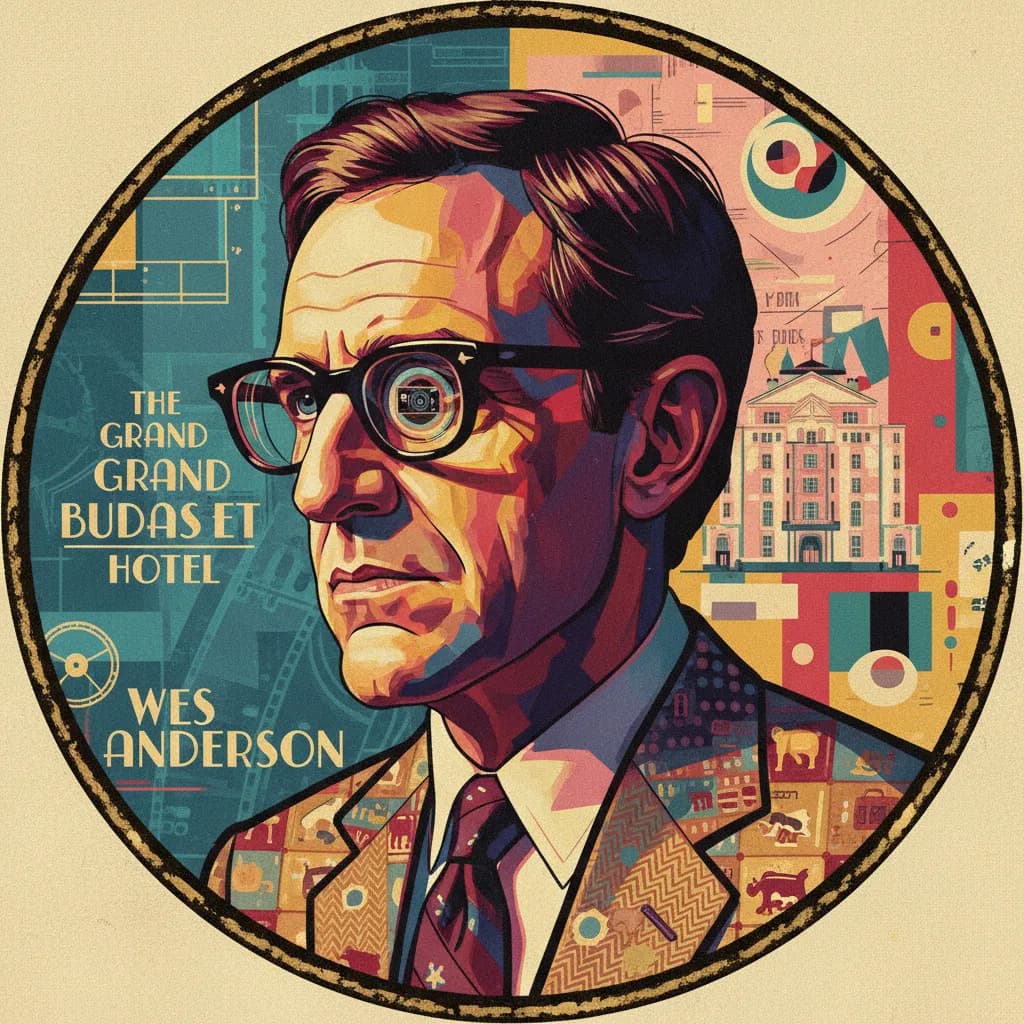
Wes Anderson
Every film, ranked

Paul Thomas Anderson
Every film, ranked

Ridley Scott
Every film, ranked

Tim Burton
Every film, ranked

Guillermo del Toro
Every film, ranked

Hayao Miyazaki
Every film, ranked

Akira Kurosawa
Every film, ranked

Francis Ford Coppola
Every film, ranked

Clint Eastwood
Every film, ranked

Bong Joon Ho
Every film, ranked

Woody Allen
Every film, ranked

Steven Soderbergh
Every film, ranked

Ron Howard
Every film, ranked

Pedro Almodóvar
Every film, ranked

Richard Linklater
Every film, ranked

Roman Polanski
Every film, ranked

Brian De Palma
Every film, ranked

Ingmar Bergman
Every film, ranked

Oliver Stone
Every film, ranked

David Cronenberg
Every film, ranked

Robert Zemeckis
Every film, ranked

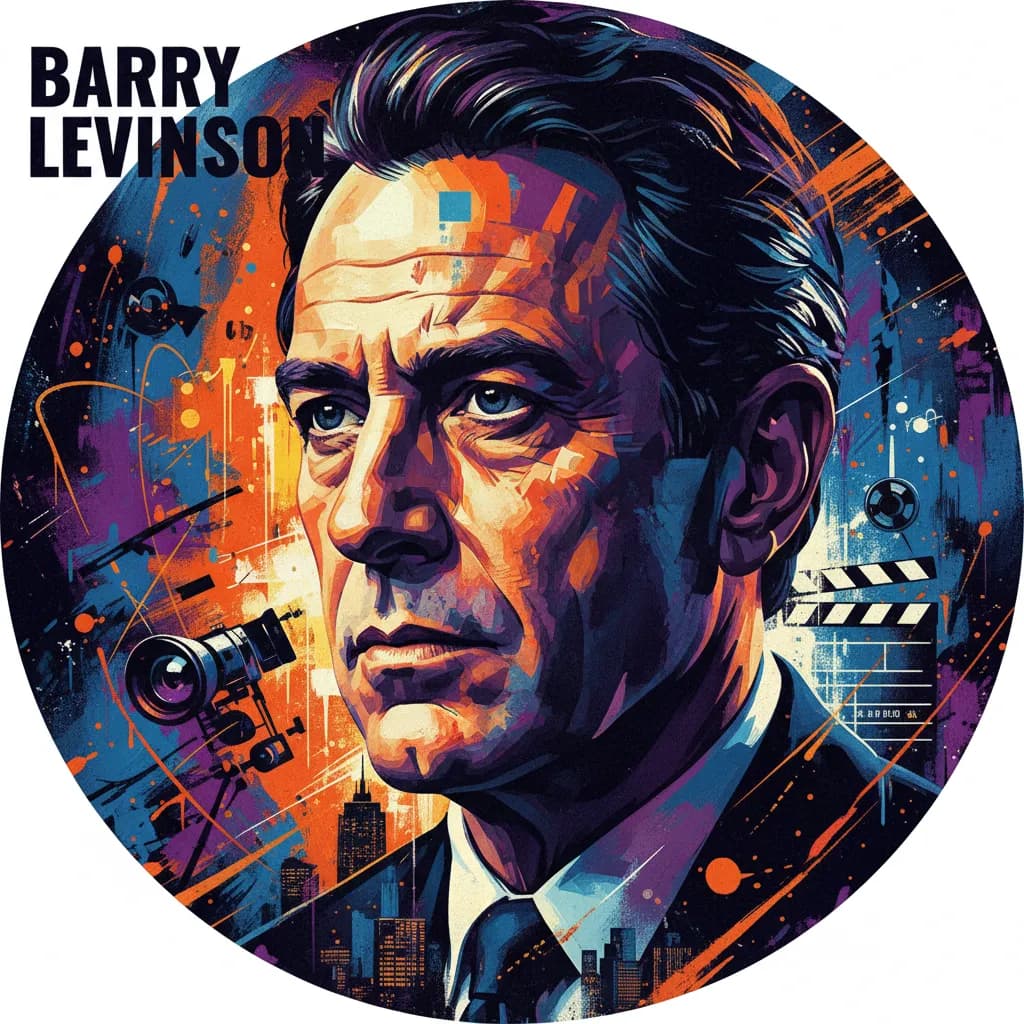
Barry Levinson
Every film, ranked

John Carpenter
Every film, ranked

Joel Schumacher
Every film, ranked

Billy Wilder
Every film, ranked

Rob Reiner
Every film, ranked

Neil Jordan
Every film, ranked

Spike Lee
Every film, ranked

Ivan Reitman
Every film, ranked

John Woo
Every film, ranked

Lasse Hallström
Every film, ranked

Stephen Frears
Every film, ranked

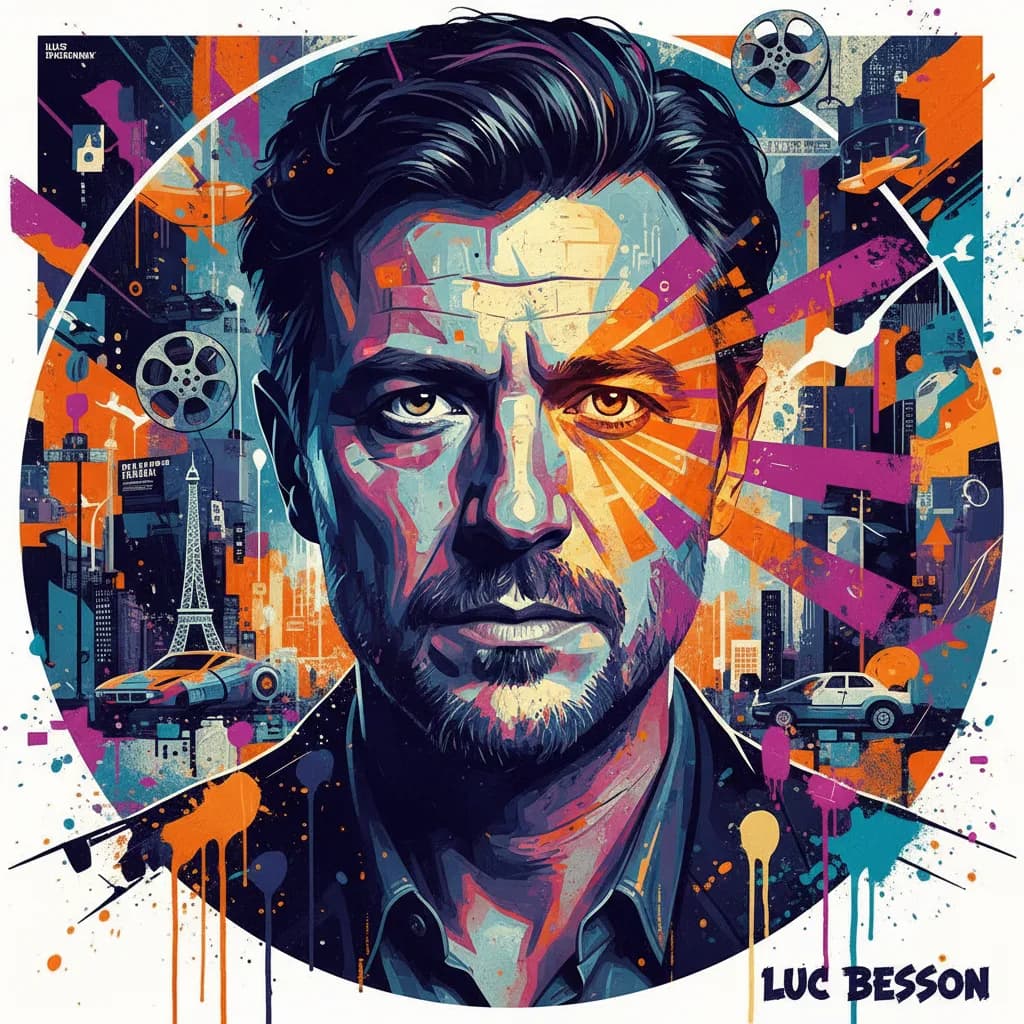
Luc Besson
Every film, ranked

Chris Columbus
Every film, ranked

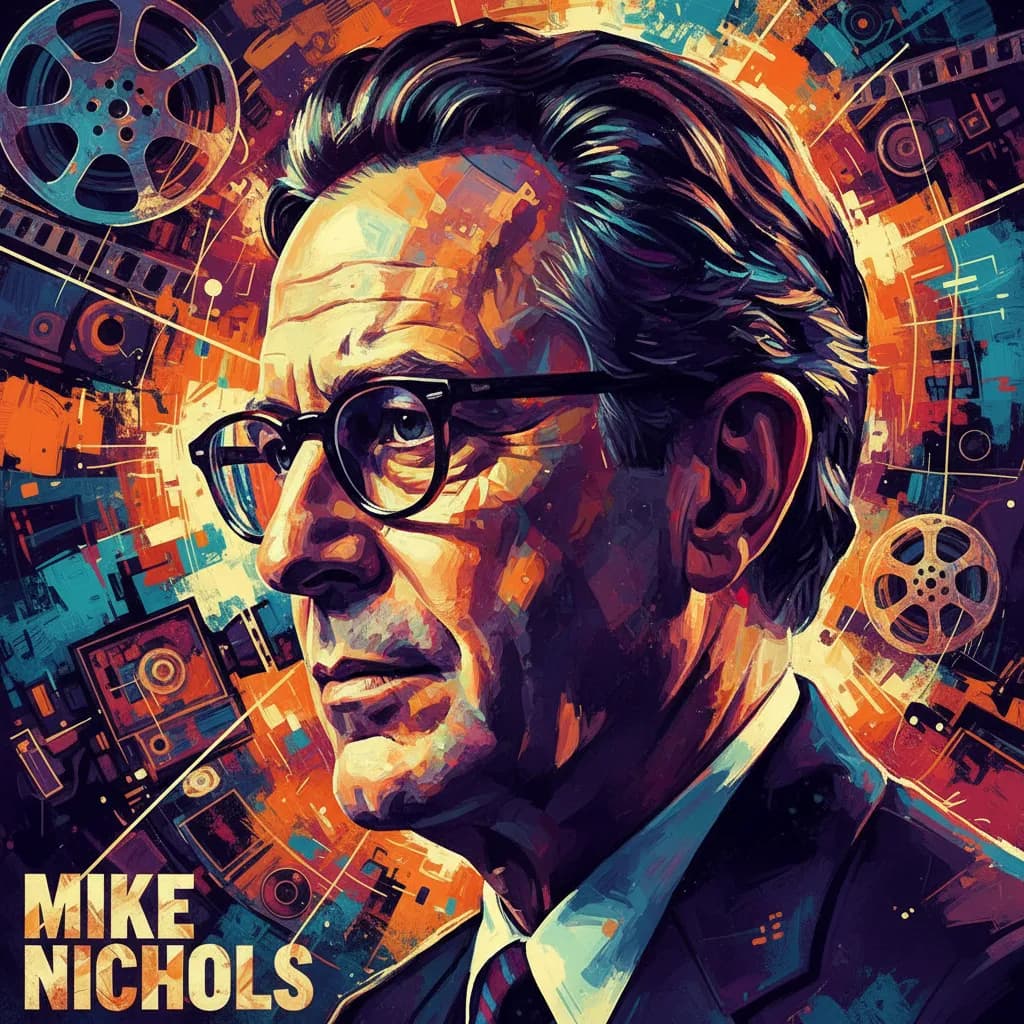
Mike Nichols
Every film, ranked

Howard Hawks
Every film, ranked

Ang Lee
Every film, ranked

Walter Hill
Every film, ranked

Gus Van Sant
Every film, ranked

William Wyler
Every film, ranked

Renny Harlin
Every film, ranked

Sidney Lumet
Every film, ranked

Tony Scott
Every film, ranked