Discover the visionary filmmakers behind cinema's greatest works.
Explore our selection of acclaimed directors and their remarkable films.
Showing 4129-4140 out of 4148

Yûgô Sakô is a visionary Japanese director known for his groundbreaking work in animation and his distinct directorial style that has left an indelible mark on the world of cinema. His most notable work includes the animated epic "Ramayana: The Legend of Prince Rama" (1993), a visually stunning and culturally rich retelling of the ancient Indian epic, which showcases Sakô's mastery of storytelling and animation techniques. Throughout his career, Sakô has demonstrated a keen ability to infuse his films with a sense of grandeur and emotional depth, capturing the essence of his subjects with meticulous attention to detail. His directorial style often incorporates a blend of traditional and cutting-edge animation techniques, resulting in visually stunning and immersive cinematic experiences that have captivated audiences worldwide. "Ramayana: The Legend of Prince Rama" stands as a testament to Sakô's ability to seamlessly blend action, adventure, and mythology to create a timeless and universally resonant story. His films often explore themes of heroism, destiny, and the human experience, earning him a reputation as a masterful storyteller with a gift for bringing ancient tales to life in a contemporary context. Sakô's impact on cinema is undeniable, as his work has inspired a new generation of animators and filmmakers, and has contributed to the global appreciation of animation as a powerful storytelling medium. His dedication to preserving and reimagining classic stories through the lens of animation has solidified his legacy as a visionary director whose influence continues to shape the landscape of cinema. In conclusion, Yûgô Sakô has left an indelible mark on the world of animation and filmmaking through his unparalleled directorial vision and his ability to breathe new life into timeless tales. His unique approach to storytelling and his commitment to pushing the boundaries of animation have cemented his status as a true pioneer in the world of cinema, and his films will undoubtedly continue to inspire and captivate audiences for generations to come.

Yuriy Bykov is a prominent Russian filmmaker known for his impactful and thought-provoking works. With a keen eye for social issues and a distinct directorial style, Bykov has made a significant mark on the international film scene. His notable film "The Fool" (2014) is a compelling exploration of crime, drama, and thriller genres, showcasing his ability to delve into complex narratives with depth and intensity. Bykov's directorial style is characterized by its raw authenticity and unflinching portrayal of societal injustices. He fearlessly tackles pressing issues, shedding light on corruption, inequality, and moral dilemmas. Through his films, he challenges viewers to confront uncomfortable truths and engage in critical reflection on the world around them. "The Fool" exemplifies Bykov's adeptness at weaving together suspenseful storytelling with profound social commentary, leaving a lasting impact on audiences. A recurring theme in Bykov's works is the examination of power dynamics and the human cost of systemic failures. His films often center around individuals who find themselves at the mercy of oppressive structures, navigating the moral complexities of their circumstances. Bykov's empathetic approach to storytelling allows him to capture the humanity within his characters, evoking empathy and introspection from viewers. Yuriy Bykov's contributions to cinema extend beyond his directorial prowess, as he has emerged as a vital voice in contemporary filmmaking. His works have garnered critical acclaim and recognition at prestigious international film festivals, solidifying his position as a visionary director with a distinctive perspective. Bykov's uncompromising commitment to showcasing the realities of the human condition through his art has cemented his legacy as a filmmaker unafraid to challenge the status quo. In conclusion, Yuriy Bykov's directorial career is defined by his bold storytelling, incisive social commentary, and unwavering dedication to illuminating the struggles of the marginalized. His impact on cinema reverberates through his compelling narratives and unyielding commitment to truth-telling. As audiences continue to be captivated by Bykov's work, his influence on the cinematic landscape remains enduring and indispensable.

Yvan Attal is a renowned French director, actor, and screenwriter known for his distinct storytelling style and thought-provoking narratives. With a career spanning over three decades, Attal has established himself as a versatile filmmaker with a keen eye for human emotions and relationships, often explored through the lens of comedy, drama, and romance. His directorial debut came with the film "Ma femme est une actrice" (2001), which garnered critical acclaim and set the stage for a successful career behind the camera. Attal's directorial style is characterized by a raw and intimate portrayal of human interactions, often delving into the complexities of love, identity, and existential dilemmas. His films frequently feature multi-layered characters and explore the intricacies of interpersonal relationships, offering audiences a deeply immersive cinematic experience. Notable for his ability to infuse humor with poignant moments, Attal's directorial approach resonates with audiences on a profound emotional level. One of Attal's most significant contributions to cinema is his directorial work on "New York, I Love You" (2008), a collaborative anthology film featuring a diverse ensemble cast and a collection of short stories set in the bustling city of New York. Attal's segment in the film masterfully captures the essence of human connections and the unpredictability of love, showcasing his adeptness at capturing authentic moments of vulnerability and passion. The film's success further solidified Attal's reputation as a director capable of crafting compelling narratives with universal appeal. Throughout his career, Attal has demonstrated a propensity for exploring themes of love, longing, and the human condition, often drawing inspiration from his own life experiences and observations. His nuanced approach to storytelling has left an indelible mark on the cinematic landscape, influencing a new generation of filmmakers and captivating audiences worldwide. With a commitment to authenticity and a deep understanding of the human psyche, Yvan Attal continues to shape the cinematic narrative, earning a well-deserved place among the most influential directors of his generation.

Zachary Donohue is an American film director best known for his work in the horror, mystery, and thriller genres. His standout film, "The Den" (2013), captivated audiences and critics alike with its innovative storytelling and immersive approach to the found footage genre. Donohue's directorial style is marked by a keen understanding of suspense and a mastery of visual storytelling techniques that create an intense and gripping cinematic experience for viewers. "The Den" emerged as a distinctive addition to the found footage subgenre, showcasing Donohue's ability to infuse tension and fear into a digital landscape, where the boundaries between the real and the virtual blur. His meticulous attention to detail and skillful use of technology as a storytelling tool set him apart as a visionary director with a unique perspective on the impact of modern technology on our lives. Throughout his career, Donohue has exhibited a penchant for exploring the darker aspects of human nature and the intersection of technology and society. His films often delve into themes of paranoia, isolation, and the consequences of our increasing reliance on digital platforms. Donohue's ability to create a sense of unease and foreboding through his direction has solidified his reputation as a director with a distinctive voice in the horror and thriller genres. As a director, Zachary Donohue has made a significant impact on cinema by pushing the boundaries of traditional storytelling and utilizing innovative techniques to immerse audiences in his narratives. With "The Den," he demonstrated a mastery of tension-building and a knack for crafting compelling characters within the confines of a digital world. His contributions have not only left a lasting impression on the horror genre but have also sparked conversations about the implications of technology on our collective psyche. In conclusion, Zachary Donohue's directorial career has been defined by his ability to create gripping and thought-provoking films that resonate with audiences on a visceral level. His unique vision and directorial prowess have established him as a filmmaker to watch, and his impact on cinema continues to reverberate within the industry. As he continues to push the boundaries of storytelling and visual innovation, Zachary Donohue remains a trailblazer in the realm of horror and thriller cinema.

Zach Braff is a multi-talented actor, writer, and director known for his distinctive directorial style and ability to infuse his projects with heart and humor. He first gained widespread recognition for his directorial debut, "Garden State" (2004), a coming-of-age comedy-drama that resonated with audiences and critics alike. Braff's directorial sensibilities are characterized by his knack for blending poignant storytelling with offbeat humor, creating films that are both emotionally resonant and entertaining. In "Garden State," Braff's directorial style is evident in his use of unique visual aesthetics and a carefully curated soundtrack, which contributed to the film's indie charm. The movie's themes of self-discovery, mental health, and the complexities of human relationships have become recurring motifs in Braff's subsequent directorial ventures. His follow-up film, "Wish I Was Here" (2014), further showcased his ability to craft emotionally rich narratives while infusing them with humor and relatability. Braff's most recent directorial endeavor, "Going in Style" (2017), demonstrated his versatility as a director by venturing into the realms of comedy and crime. This film, featuring an ensemble cast led by Morgan Freeman, Michael Caine, and Alan Arkin, allowed Braff to showcase his skill in orchestrating comedic timing while still grounding the story in genuine human emotion. His upcoming project, "A Good Person" (2023), promises to delve into new thematic territory, suggesting an evolution in Braff's directorial vision. Throughout his career, Zach Braff has left an indelible mark on cinema by creating films that resonate with audiences on a deeply personal level. His ability to blend humor with heartfelt storytelling and explore universal themes of human connection and self-discovery has solidified his place as a director with a unique vision and a lasting impact on the industry. Braff's directorial style continues to evolve, promising new and exciting contributions to the world of cinema in the years to come.
Zach Cregger is a multi-talented filmmaker known for his work as a director, writer, and actor. His distinct directorial style and unique vision have left an indelible mark on the world of cinema. Cregger's career took off with his directorial debut in the horror-mystery-thriller genre with "Barbarian" in 2022. This film showcased his ability to create tension, intrigue, and a sense of unease, solidifying his reputation as a versatile director capable of tackling different genres with finesse. Cregger's directorial breakthrough came with the 2009 comedy-romance "Miss March," which he co-directed with Trevor Moore. This film demonstrated Cregger's comedic sensibilities and his knack for crafting hilarious yet heartfelt stories. His directorial approach often incorporates a seamless blend of humor and genuine emotion, creating a captivating cinematic experience that resonates with audiences. Throughout his career, Cregger has exhibited a penchant for exploring diverse themes and narratives, showcasing his versatility as a director. His films often delve into the complexities of human relationships, the absurdity of everyday life, and the intricacies of the human psyche. Cregger's ability to infuse depth and nuance into his storytelling sets him apart as a director who continuously pushes the boundaries of conventional filmmaking. Cregger's impact on cinema extends beyond his individual films, as his work has inspired and influenced aspiring filmmakers and enthusiasts alike. His dedication to storytelling, coupled with his distinctive directorial voice, has cemented his status as a visionary filmmaker. With a promising career ahead, Cregger continues to captivate audiences with his compelling narratives, innovative storytelling techniques, and unparalleled directorial prowess. As Zach Cregger's filmography expands, audiences can eagerly anticipate the continued evolution of his directorial style and the captivating stories he brings to the screen.

I believe there might be a confusion, as Zach Galifianakis is primarily known as a comedic actor and comedian, rather than a film director. However, I can provide a brief overview of his notable works and impact on the entertainment industry. Zach Galifianakis is a multifaceted talent known for his offbeat humor and distinctive comedic style. He gained widespread recognition through his role in "The Hangover" film series, where his eccentric and improvisational comedic approach resonated with audiences worldwide. Galifianakis' deadpan delivery and unorthodox comedic timing have made him a beloved figure in the comedy genre. While Galifianakis is not primarily recognized as a film director, he did venture into directing with "Between Two Ferns: The Movie" in 2019. This comedy film, based on his popular web series, showcases his penchant for absurd humor and satirical interviews. As a director, Galifianakis brought his unique comedic sensibilities to the big screen, offering audiences a blend of irreverent humor and celebrity cameos. Galifianakis' impact on cinema lies in his ability to infuse his projects with subversive wit and unconventional storytelling. His directorial debut, "Between Two Ferns: The Movie," exemplifies his willingness to push boundaries and challenge comedic norms. Through his work, Galifianakis has carved out a niche that celebrates unconventional comedy and unapologetic originality. Overall, while Zach Galifianakis is primarily celebrated for his acting and stand-up comedy, his foray into directing with "Between Two Ferns: The Movie" demonstrates his willingness to expand his creative horizons and bring his distinct comedic vision to new artistic endeavors. His contributions to the comedy genre and his ability to captivate audiences with his idiosyncratic humor solidify his status as a pioneering figure in the entertainment industry.

Zach Helm is a visionary director known for his unique blend of whimsy, humor, and heartfelt storytelling. His notable film, "Mr. Magorium's Wonder Emporium" (2007), exemplifies his directorial style with its enchanting portrayal of a magical toy store and its eccentric owner. Helm's directorial approach is characterized by an imaginative and fantastical aesthetic, making him a standout in the genres of comedy, family, and fantasy. "Mr. Magorium's Wonder Emporium" stands as a testament to Helm's ability to create visually captivating worlds that resonate with audiences of all ages. The film's vibrant color palette, endearing characters, and imaginative narrative showcase Helm's talent for infusing his work with a sense of wonder and charm. His directorial touch brings a fresh and original perspective to the screen, earning him recognition as a director with a distinct and captivating vision. Throughout his career, Helm has demonstrated a penchant for exploring themes of imagination, friendship, and the power of belief. These recurring motifs are woven into the fabric of his storytelling, offering audiences a unique and immersive cinematic experience. His ability to infuse his films with a sense of childlike wonder and optimism sets him apart as a director who celebrates the magic of storytelling and the human spirit. Helm's impact on cinema is evident in the lasting impression left by "Mr. Magorium's Wonder Emporium" and his contributions to the comedy, family, and fantasy genres. His directorial approach has inspired audiences and fellow filmmakers alike, showcasing the enduring appeal of his imaginative storytelling and visual prowess. As a director, Helm continues to shape the landscape of contemporary cinema with his distinct voice and ability to transport audiences to enchanting worlds filled with joy, laughter, and a touch of magic.

Zack Snyder is a visionary director known for his distinct visual style and penchant for epic storytelling. His filmography includes a diverse range of genres, from action and adventure to fantasy and animation. With a keen eye for striking visuals and a talent for world-building, Snyder has left an indelible mark on the world of cinema. Snyder's career took off with his adaptation of Frank Miller's graphic novel "300" in 2006, which showcased his flair for stylized action and innovative use of visual effects. This film propelled him into the spotlight and set the stage for his subsequent projects. One of his most significant contributions to the superhero genre came with "Man of Steel" in 2013, a reboot of the Superman franchise that infused the character with modern sensibilities while retaining the mythic grandeur of the iconic hero. In 2009, Snyder brought Alan Moore and Dave Gibbons' revered graphic novel "Watchmen" to the big screen, demonstrating his ability to handle complex narratives and morally ambiguous characters. The film's dark and brooding tone, coupled with its thought-provoking themes, solidified Snyder's reputation as a director unafraid to tackle challenging material. Snyder's impact on cinema reached a crescendo with "Justice League" in 2017. While the film faced production challenges, Snyder's distinct directorial style and commitment to his artistic vision resonated with fans and critics alike. This led to the release of "Zack Snyder's Justice League" in 2021, a testament to his unwavering dedication to his craft and the power of fan advocacy. Snyder's films often explore themes of heroism, sacrifice, and the human condition, all presented within visually stunning and immersive worlds. His directorial style, characterized by dynamic action sequences and meticulous attention to detail, has set him apart as a director with a unique and influential voice in the industry. With his ability to blend spectacle with substance, Zack Snyder continues to leave an indelible mark on the cinematic landscape.

Zak Hilditch is an Australian filmmaker known for his unique and compelling storytelling style. His career took off with the release of "These Final Hours" in 2013, a gripping drama that blends elements of sci-fi and thriller genres. The film garnered widespread acclaim for its intense portrayal of a world facing its imminent demise. Hilditch's directorial prowess was evident in his ability to create a palpable sense of urgency and emotional depth, establishing him as a director to watch in the industry. Hilditch's directorial style is characterized by his adeptness at crafting thought-provoking narratives that delve into the human psyche under extreme circumstances. His films often explore themes of survival, morality, and the complexities of human relationships in the face of adversity. This thematic depth, combined with his visually arresting storytelling, has solidified his reputation as a director with a keen eye for compelling storytelling. "These Final Hours" stands as a testament to Hilditch's ability to infuse genre elements with profound emotional resonance, offering audiences a fresh perspective on familiar themes. His meticulous attention to detail and penchant for creating immersive cinematic experiences have set him apart as a visionary director with a distinct voice in the industry. Hilditch's impact on cinema lies in his ability to challenge traditional genre boundaries and offer audiences a fresh take on familiar themes. His directorial work has garnered attention for its ability to captivate and provoke thought, establishing him as a director with a promising future in the industry. As he continues to evolve as a filmmaker, audiences can anticipate more thought-provoking and visually stunning works from this visionary director.

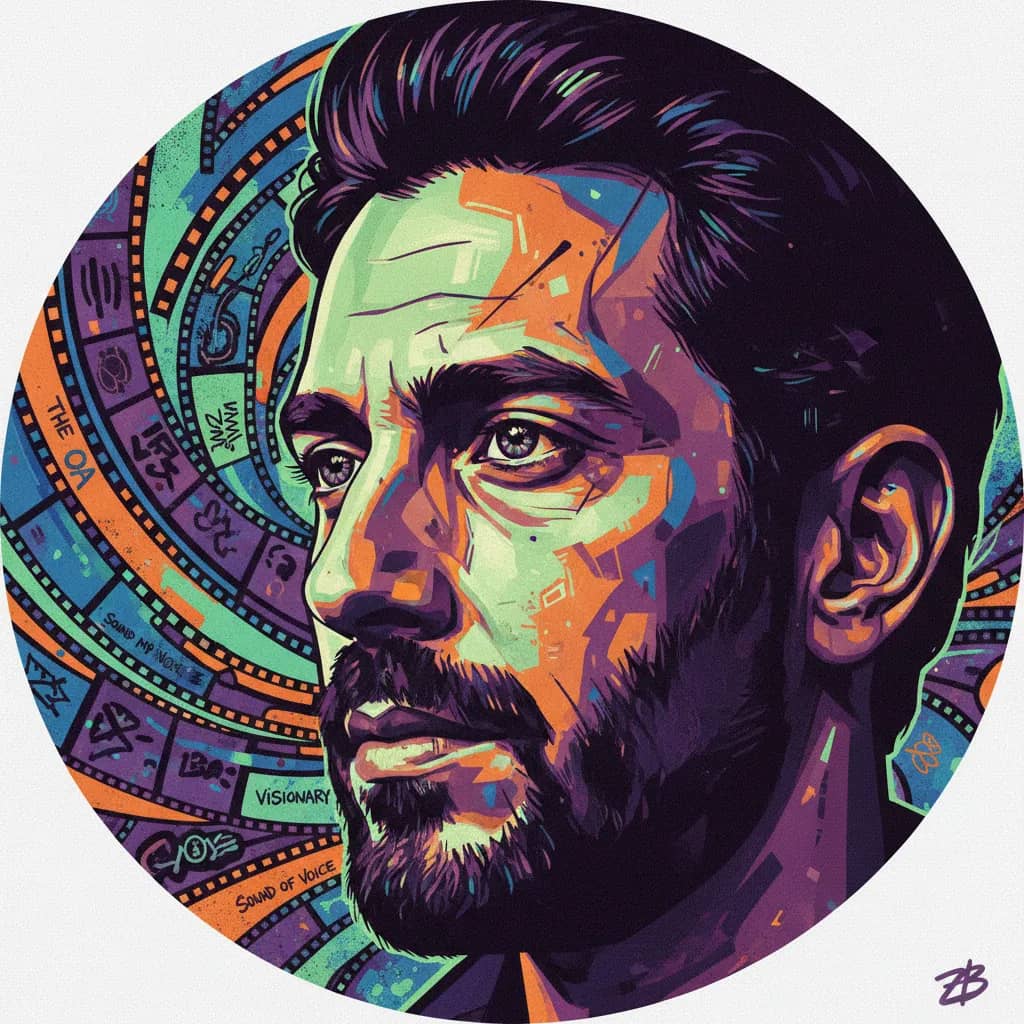
Zal Batmanglij is a visionary director known for his thought-provoking and genre-bending films. With a distinctive style and a penchant for exploring complex themes, Batmanglij has made a significant impact on contemporary cinema. His notable films include "The East" (2013) and "Sound of My Voice" (2011), both of which showcase his ability to blend genres and deliver compelling narratives. Batmanglij's directorial style is marked by a keen sense of storytelling and an immersive approach to filmmaking. He has a knack for creating atmospheric and suspenseful worlds that draw audiences in and keep them captivated until the credits roll. His films often blur the lines between reality and fiction, challenging viewers to question their perceptions and beliefs. One of the recurring themes in Batmanglij's work is the exploration of identity and the human experience. His films delve into the complexities of cults, espionage, and moral ambiguity, offering a deep and introspective look at the human condition. Through his storytelling, Batmanglij invites audiences to ponder existential questions and confront the often murky nature of truth and reality. In the realm of cinema, Batmanglij's contributions are undeniable. His ability to infuse social commentary with gripping narratives has earned him a dedicated following and critical acclaim. His films have left a lasting impression on the industry, inspiring a new wave of filmmakers to push boundaries and challenge traditional storytelling conventions. In summary, Zal Batmanglij is a director whose work transcends genres and defies expectations. His unique vision and thought-provoking storytelling have solidified his status as a trailblazer in contemporary cinema. With a filmography that continues to captivate audiences, Batmanglij's impact on the industry is sure to endure for years to come.

Zaza Urushadze was a highly esteemed Georgian film director known for his exceptional storytelling and profound insight into the human condition. His notable works include "Tangerines" (2013) and "Mandariinid" (2013), both of which garnered international acclaim and solidified his reputation as a director with a unique vision and an unwavering commitment to cinematic excellence. Urushadze's directorial style is characterized by its nuanced portrayal of human emotions and the exploration of complex interpersonal relationships against the backdrop of war and conflict. His films often delve into the psychological and emotional impact of war on individuals, offering a poignant and thought-provoking commentary on the human experience during times of adversity. "Tangerines" stands as one of Urushadze's most renowned works, earning widespread recognition and accolades, including an Academy Award nomination for Best Foreign Language Film. The movie masterfully captures the futility of war and the enduring power of compassion and humanity, showcasing Urushadze's ability to infuse profound depth into his storytelling. Urushadze's recurring themes often revolve around the universal concepts of empathy, resilience, and the enduring strength of the human spirit. His films serve as powerful reminders of the inherent goodness that can emerge even in the most dire circumstances, resonating with audiences on a deeply emotional level. Through his exceptional body of work, Zaza Urushadze made a lasting impact on cinema, leaving behind a legacy of thought-provoking storytelling and a profound exploration of the human experience. His contributions to the film industry continue to inspire and resonate with audiences worldwide, cementing his status as a visionary director with an unparalleled ability to capture the complexities of the human condition on screen. In conclusion, Zaza Urushadze's directorial career was marked by a profound commitment to storytelling that resonates with audiences on a deeply emotional level. His unique vision, insightful exploration of human emotions, and thought-provoking narratives have left an indelible mark on the world of cinema, solidifying his legacy as a director of exceptional talent and vision.
Every film by the greats, ranked by our TML Score.

Christopher Nolan
Every film, ranked

Quentin Tarantino
Every film, ranked

Stanley Kubrick
Every film, ranked

Martin Scorsese
Every film, ranked

Steven Spielberg
Every film, ranked

Alfred Hitchcock
Every film, ranked

David Fincher
Every film, ranked

Denis Villeneuve
Every film, ranked

Wes Anderson
Every film, ranked

Paul Thomas Anderson
Every film, ranked

Ridley Scott
Every film, ranked

Tim Burton
Every film, ranked

Guillermo del Toro
Every film, ranked

Hayao Miyazaki
Every film, ranked

Akira Kurosawa
Every film, ranked

Francis Ford Coppola
Every film, ranked

Clint Eastwood
Every film, ranked

Bong Joon Ho
Every film, ranked

Woody Allen
Every film, ranked

Steven Soderbergh
Every film, ranked

Ron Howard
Every film, ranked

Pedro Almodóvar
Every film, ranked

Richard Linklater
Every film, ranked

Roman Polanski
Every film, ranked

Brian De Palma
Every film, ranked

Ingmar Bergman
Every film, ranked

Oliver Stone
Every film, ranked

David Cronenberg
Every film, ranked

Robert Zemeckis
Every film, ranked

Barry Levinson
Every film, ranked

John Carpenter
Every film, ranked

Joel Schumacher
Every film, ranked

Billy Wilder
Every film, ranked

Rob Reiner
Every film, ranked

Neil Jordan
Every film, ranked

Spike Lee
Every film, ranked

Ivan Reitman
Every film, ranked

John Woo
Every film, ranked

Lasse Hallström
Every film, ranked

Stephen Frears
Every film, ranked

Luc Besson
Every film, ranked

Chris Columbus
Every film, ranked

Mike Nichols
Every film, ranked

Howard Hawks
Every film, ranked

Ang Lee
Every film, ranked

Walter Hill
Every film, ranked

Gus Van Sant
Every film, ranked

William Wyler
Every film, ranked

Renny Harlin
Every film, ranked

Sidney Lumet
Every film, ranked

Tony Scott
Every film, ranked