Discover the visionary filmmakers behind cinema's greatest works.
Explore our selection of acclaimed directors and their remarkable films.
Showing 4093-4104 out of 4148

Wong Kar-Wai is a visionary filmmaker renowned for his distinctive directorial style and evocative storytelling. With a career spanning over three decades, Wong has established himself as a master of romantic dramas and crime narratives, captivating audiences with his visually stunning and emotionally resonant films. His filmography boasts an impressive array of works, including "Ashes of Time" (1994), "Days of Being Wild" (1990), "In the Mood for Love" (2000), "Chungking Express" (1994), "Happy Together" (1997), "The Grandmaster" (2013), "My Blueberry Nights" (2007), and "Fallen Angels" (1995). Wong Kar-Wai's directorial style is characterized by his poetic and atmospheric approach to storytelling, marked by unconventional narrative structures, intimate character studies, and mesmerizing cinematography. His films often explore themes of love, longing, identity, and urban alienation, capturing the complexities of human emotions with profound sensitivity. Wong's unique visual language, characterized by lush colors, kinetic camera movements, and a keen eye for detail, has left an indelible imprint on the cinematic landscape, inspiring countless filmmakers and earning him a dedicated global following. Notable for his collaborations with acclaimed cinematographer Christopher Doyle, Wong's films are celebrated for their hypnotic visuals, intricate character dynamics, and immersive soundtracks. His works have garnered widespread critical acclaim and numerous accolades, cementing his reputation as a trailblazer in contemporary cinema. Wong Kar-Wai's impact on the film industry extends beyond his artistic prowess, as he has played a pivotal role in popularizing Hong Kong cinema on the international stage, contributing to the global recognition of Asian filmmaking. Wong's oeuvre continues to captivate audiences and influence filmmakers worldwide, as his body of work stands as a testament to the power of cinema to evoke profound emotions and transcend cultural boundaries. With his unparalleled storytelling sensibility and unparalleled visual artistry, Wong Kar-Wai remains a luminary in the world of cinema, leaving an indelible legacy that will continue to inspire and resonate for generations to come.

Won Shin-yeon is a South Korean film director known for his compelling storytelling and visually stunning films. With a career spanning over two decades, Won Shin-yeon has made a significant impact on the South Korean film industry and has garnered international acclaim for his work. His directorial style is characterized by a seamless blend of action, crime, and mystery, creating a captivating cinematic experience for audiences. One of Won Shin-yeon's most notable films is "Memoir of a Murderer" (2017), which showcases his prowess in crafting intense and gripping narratives. The film explores the psychological complexities of a former serial killer suffering from Alzheimer's disease and the gripping cat-and-mouse game that unfolds as he tries to protect his daughter from a new threat. "Memoir of a Murderer" exemplifies Won Shin-yeon's ability to delve into the darker aspects of human nature while maintaining a sense of suspense and intrigue throughout the film. Throughout his career, Won Shin-yeon has demonstrated a penchant for exploring themes of morality, justice, and the complexities of the human psyche. His films often delve into the moral ambiguities of crime and punishment, offering audiences a thought-provoking and immersive experience. With a keen eye for detail and a masterful command of storytelling, Won Shin-yeon has solidified his reputation as a director who fearlessly ventures into the depths of human emotion and behavior. Won Shin-yeon's impact on cinema extends beyond his native South Korea, as his films have garnered international recognition and praise. His ability to seamlessly weave together intricate plotlines, compelling characters, and breathtaking visuals has earned him a devoted global fanbase. As a visionary director, Won Shin-yeon continues to push the boundaries of storytelling and visual artistry, leaving an indelible mark on the world of cinema. In conclusion, Won Shin-yeon's career as a film director is defined by his distinct directorial style, thought-provoking themes, and ability to captivate audiences with his compelling narratives. His contributions to the film industry have solidified his status as a visionary filmmaker, and his body of work serves as a testament to his enduring impact on cinema. With an impressive filmography and a reputation for pushing creative boundaries, Won Shin-yeon stands as a revered figure in the world of filmmaking.

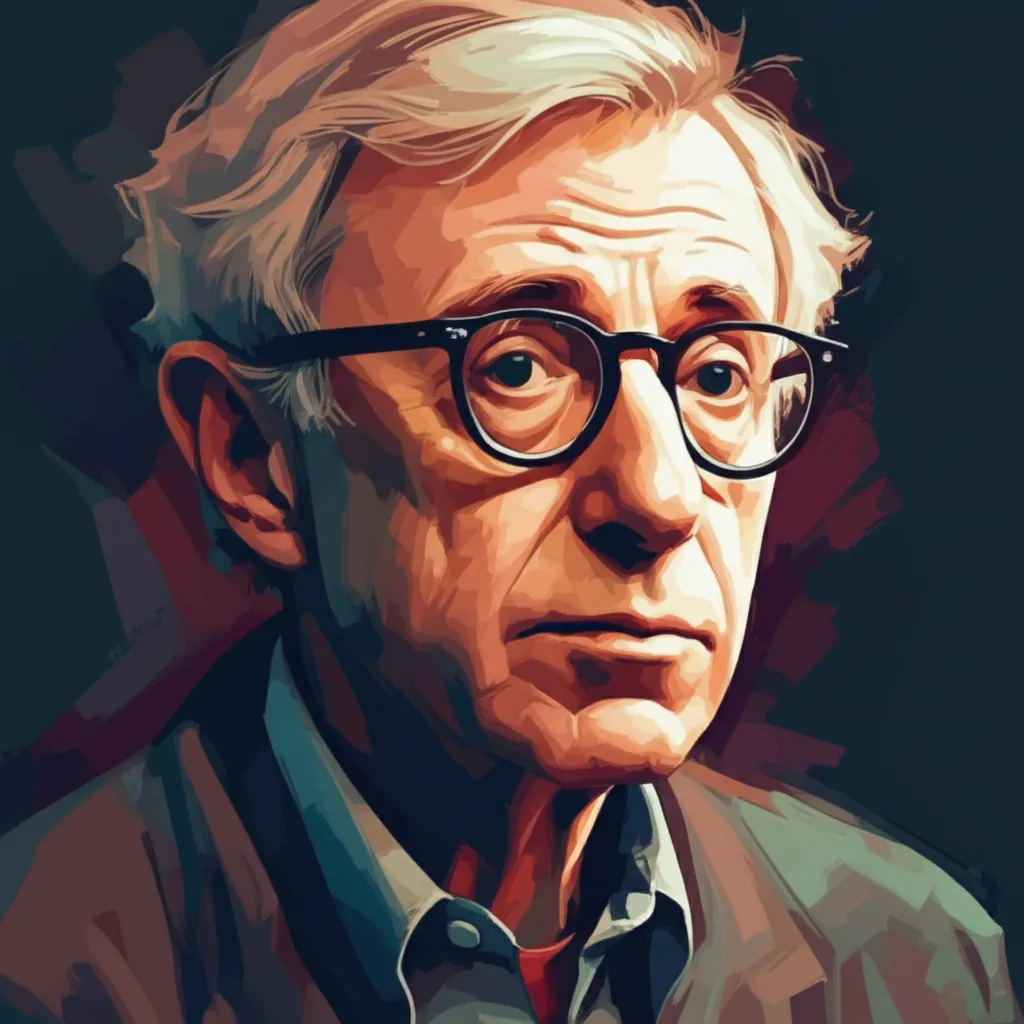
Woody Allen is a prolific and influential director known for his insightful and witty portrayals of urban life, relationships, and existential angst. With a career spanning over five decades, Allen has left an indelible mark on cinema with his unique directorial style and a diverse body of work. His films often blend comedy, drama, romance, and occasionally crime, showcasing his versatility as a filmmaker. One of Allen's most iconic works is "Annie Hall" (1977), a romantic comedy that earned him multiple Academy Awards, including Best Director and Best Original Screenplay. The film exemplifies his trademark blend of humor, neuroticism, and philosophical musings on love and identity. Another standout film is "Manhattan" (1979), which captures the beauty and complexity of New York City while exploring themes of love, infidelity, and the human condition. Throughout his career, Allen has consistently explored recurring themes such as the complexities of human relationships, the search for meaning in a chaotic world, and the intersection of comedy and tragedy in everyday life. His directorial approach often involves intimate character studies and sharp, intellectual dialogue, reflecting his deep understanding of human nature and the human experience. Allen's impact on cinema extends beyond his directorial prowess, as he has also been a prolific screenwriter and actor in many of his films. His ability to infuse humor with profound insights has influenced numerous filmmakers and has earned him a dedicated following of fans and admirers. From the whimsical humor of "Bananas" (1971) to the introspective drama of "Blue Jasmine" (2013), Woody Allen's filmography is a testament to his enduring creativity and storytelling mastery. His ability to blend comedy and introspection has solidified his status as a cinematic icon, and his contributions continue to inspire and resonate with audiences worldwide.


Woo-Ping Yuen is a legendary Hong Kong film director renowned for his groundbreaking work in the martial arts genre. With a career spanning over four decades, Yuen has left an indelible mark on the film industry, earning recognition for his distinctive directorial style and unparalleled choreography. Yuen's filmography boasts a plethora of iconic films, including "Iron Monkey" (1993) and "Snake in the Eagle's Shadow" (1978), both of which have solidified his reputation as a master of action cinema. Yuen's directorial style is characterized by his innovative approach to martial arts choreography, which seamlessly blends traditional techniques with contemporary flair. His keen eye for dynamic fight sequences and acrobatic stunts has set a new standard for action filmmaking, influencing countless directors and choreographers worldwide. Yuen's films often feature intricate, high-energy fight scenes that showcase his unparalleled skill in capturing the artistry and intensity of martial arts. Notable for his collaborations with martial arts icon Jackie Chan, Yuen has elevated the action genre with his unique blend of humor, athleticism, and spectacle. His films frequently explore themes of justice, honor, and the triumph of the underdog, resonating with audiences on a global scale. Yuen's ability to infuse his work with compelling storytelling and captivating action set pieces has cemented his status as a visionary director whose impact transcends cultural boundaries. Yuen's influence on cinema extends beyond his directorial achievements, as he has also made significant contributions as a fight choreographer and action director for numerous acclaimed films. His dedication to pushing the boundaries of martial arts cinema has earned him widespread acclaim and admiration from fans and peers alike. Yuen's enduring legacy continues to inspire a new generation of filmmakers, ensuring that his innovative spirit and unparalleled artistry will continue to shape the future of action cinema for years to come.

W.S. Van Dyke, born Woodbridge Strong Van Dyke II, was a prolific American film director whose career spanned the early decades of cinema. Known for his versatility and efficiency, Van Dyke's directorial style was marked by his ability to seamlessly transition between various genres, including comedy, crime, and mystery. His work often featured a fast pace, witty dialogue, and a keen sense of storytelling, earning him a reputation as a dependable and efficient director. One of Van Dyke's most notable contributions to cinema was his direction of the popular "Thin Man" series, which included the critically acclaimed films "The Thin Man" (1934) and "After the Thin Man" (1936). These films, based on Dashiell Hammett's novel, showcased Van Dyke's adeptness at blending elements of comedy, crime, and mystery, and his ability to bring out the best in his actors, particularly the iconic performances of William Powell and Myrna Loy. The "Thin Man" series not only solidified Van Dyke's reputation as a skilled director but also left an indelible mark on the detective genre, influencing subsequent filmmakers and shaping the conventions of the genre for years to come. Van Dyke's filmography also includes an impressive array of other notable works, such as "San Francisco" (1936), "The Prisoner of Zenda" (1937), and "Tarzan the Ape Man" (1932). His films often explored themes of adventure, romance, and intrigue, and were characterized by their dynamic storytelling and visual flair. Van Dyke's impact on cinema was significant, as he played a crucial role in shaping the narrative and aesthetic conventions of early Hollywood filmmaking. In summary, W.S. Van Dyke was a versatile and influential director whose body of work continues to resonate with audiences and filmmakers alike. His ability to seamlessly navigate various genres, coupled with his efficient and effective directorial style, solidified his status as a key figure in the history of cinema. Van Dyke's legacy lives on through his timeless films, which remain a testament to his unique vision and lasting impact on the art of filmmaking.

Xavier Beauvois is a renowned French film director known for his compelling storytelling and visually stunning films. His directorial style is characterized by a meticulous attention to detail, nuanced character development, and a deep exploration of moral and ethical dilemmas. Beauvois has made a significant impact on the world of cinema through his thought-provoking narratives and masterful direction. One of Beauvois' most notable films is "Of Gods and Men" (2010), a powerful drama that delves into the lives of a group of Trappist monks living in an impoverished Algerian community during the Algerian Civil War. The film masterfully examines the complexities of faith, sacrifice, and the human condition, earning critical acclaim and winning the Grand Prix at the Cannes Film Festival. Beauvois' meticulous attention to historical accuracy and his ability to capture the emotional depth of his characters have solidified his reputation as a visionary director. Throughout his career, Beauvois has demonstrated a commitment to exploring profound and universal themes such as spirituality, morality, and the human experience. His films often feature morally complex characters grappling with ethical dilemmas, and his keen observation of human behavior creates an immersive and deeply resonant cinematic experience. Beauvois' directorial vision is marked by a unique ability to evoke emotional depth and provoke contemplation in his audiences, establishing him as a master storyteller with an enduring impact on the world of cinema. In summary, Xavier Beauvois is a director of unparalleled vision and storytelling prowess, whose films have left an indelible mark on the world of cinema. His ability to craft emotionally resonant narratives and capture the complexities of the human experience has established him as a leading figure in contemporary filmmaking. With a career marked by critical acclaim and artistic achievement, Beauvois continues to inspire and captivate audiences with his thought-provoking films and masterful direction.

Xavier Dolan is a Canadian filmmaker who has made a significant impact on the world of cinema with his unique directorial style and emotionally charged storytelling. Born in 1989, Dolan made his directorial debut with the critically acclaimed "I Killed My Mother" in 2009, which he also wrote, produced, and starred in. The film garnered widespread praise for its raw and intimate portrayal of a tumultuous mother-son relationship, setting the stage for Dolan's reputation as a bold and uncompromising filmmaker. Dolan's directorial style is characterized by his keen visual aesthetic and his ability to delve deep into the complexities of human emotions. His films often feature intense and unflinching portrayals of love, loss, and family dynamics, drawing audiences into the inner worlds of his characters. His notable films include "Tom at the Farm" (2013), "It's Only the End of the World" (2016), "Heartbeats" (2010), "Laurence Anyways" (2012), and "Mommy" (2014), each showcasing his mastery of storytelling and visual storytelling. One of Dolan's recurring themes is the exploration of identity and self-discovery, often through the lens of LGBTQ+ experiences. His films frequently challenge societal norms and confront the complexities of human relationships, earning him a reputation as a fearless and boundary-pushing director. Additionally, Dolan's distinctive use of music and stylish cinematography further sets his work apart, creating a sensory experience that resonates long after the credits roll. Xavier Dolan's impact on cinema extends beyond his storytelling prowess; he has been celebrated for his ability to capture the raw essence of human emotion on screen, earning numerous awards and accolades throughout his career. His work has influenced a new generation of filmmakers, and his unapologetic approach to storytelling continues to resonate with audiences worldwide. Dolan's unique vision and uncompromising dedication to his craft have solidified his place as a trailblazer in contemporary cinema, and his future projects are eagerly anticipated by film enthusiasts and industry professionals alike.

Xavier Gens is a French director known for his distinctive vision and uncompromising approach to filmmaking. With a diverse filmography that spans across various genres, he has made a significant impact on the world of cinema. Gens made his directorial debut with "Frontier(s)" in 2007, a visceral and intense horror film that showcased his ability to create tension and atmosphere. The film's graphic violence and unflinching portrayal of terror established Gens as a filmmaker unafraid to explore the darker aspects of human nature. In 2007, Gens further solidified his reputation with "Hitman," an action-packed thriller based on the popular video game series. His keen eye for visually stunning and immersive storytelling was evident in the film's slick cinematography and adrenaline-pumping action sequences. Gens displayed his versatility as a director with "The Divide" in 2011, a harrowing post-apocalyptic drama that delved into the complexities of human relationships and survival instincts. The film's intense emotional impact and stark portrayal of human nature highlighted Gens' ability to provoke thought and evoke deep emotional responses from his audience. Gens continued to push boundaries with "Cold Skin" in 2017, a haunting and visually stunning fantasy horror film set on a remote island. The film's atmospheric storytelling and striking visuals demonstrated Gens' mastery of creating immersive cinematic experiences. Throughout his career, Gens has exhibited a penchant for exploring themes of human nature, survival, and the darker aspects of society. His directorial style is characterized by a raw and unflinching approach, often delving into the psychological depths of his characters and challenging the audience's perceptions. Xavier Gens' contributions to cinema have left an indelible mark, earning him a reputation as a director unafraid to confront the darkest aspects of humanity. His unique vision and uncompromising storytelling have garnered a dedicated following and cemented his status as a filmmaker who continues to defy conventions and push the boundaries of storytelling. Gens' films stand as a testament to his ability to create immersive and thought-provoking experiences, solidifying his place in the pantheon of visionary directors.

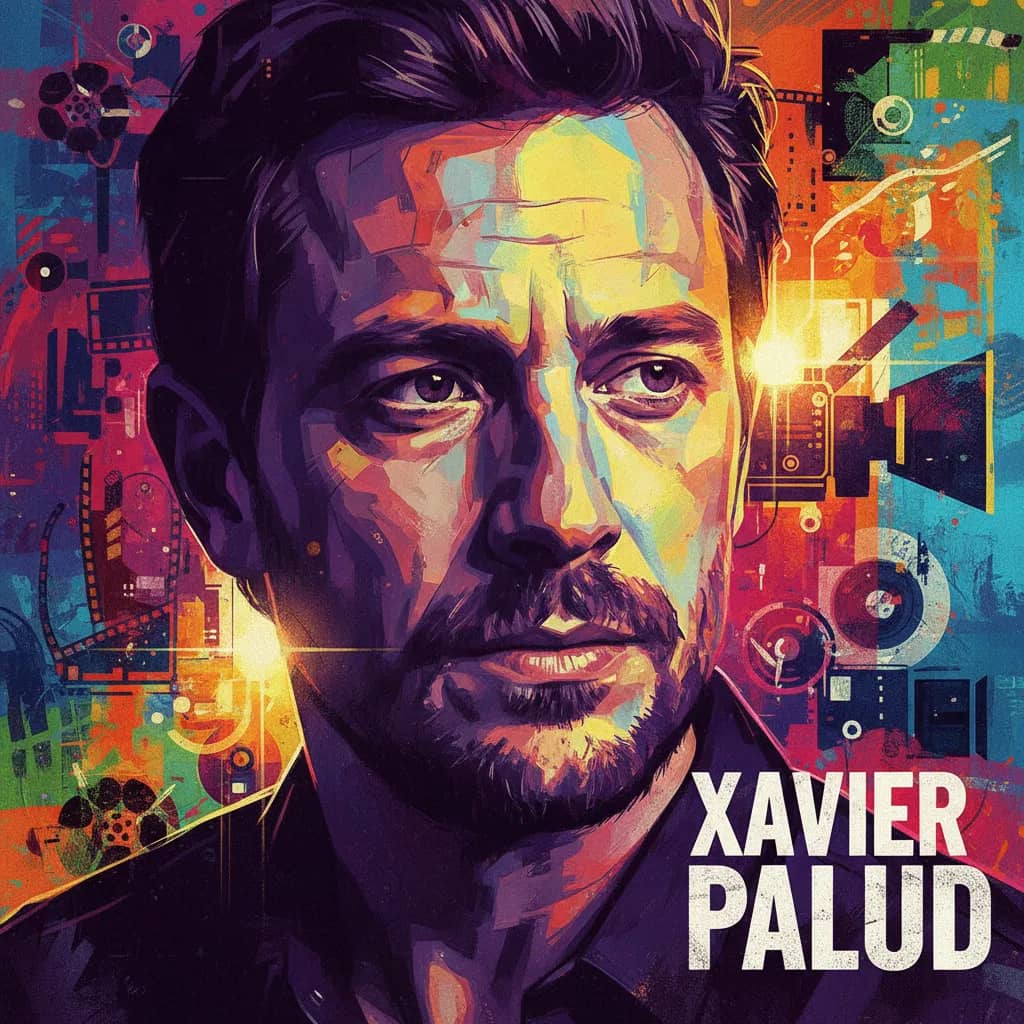
Xavier Palud, a French film director, made his mark in the horror genre with his notable work on "The Eye" in 2008. Known for his keen eye for creating tension and suspense, Palud's directorial style is characterized by his ability to immerse audiences in a world of fear and the unknown. His films often combine elements of fantasy, horror, and mystery, offering a unique and thrilling viewing experience. In "The Eye," Palud skillfully crafted a haunting atmosphere and a sense of unease that captivated audiences. The film's striking visuals and masterful storytelling revealed Palud's talent for creating a chilling and immersive cinematic experience. His ability to elicit strong emotional responses from viewers through his directorial choices has cemented his reputation as a prominent figure in the horror genre. Palud's work often delves into recurring themes of the supernatural, psychological terror, and the fragility of the human mind. His films are characterized by their thought-provoking narratives and ability to tap into primal fears, leaving a lasting impact on audiences. Through his unique vision and directorial prowess, Palud has contributed to the evolution of horror cinema, pushing boundaries and redefining the genre. Xavier Palud's directorial career has made a significant impact on the film industry, earning him recognition for his ability to create spine-tingling experiences that linger in the minds of viewers long after the credits roll. With his distinct directorial style and a penchant for crafting gripping narratives, Palud continues to be a celebrated figure in the world of horror and mystery cinema.

Yagmur Taylan is a Turkish director known for his unique vision and storytelling prowess. Having made a mark in the film industry with his distinct directorial style, Taylan's works often delve into the complexities of human relationships and emotions. His filmography includes notable works such as "Vavien" (2009) and "Stuck Apart" (2021), both of which showcase his ability to seamlessly blend comedy, drama, and thriller elements to create compelling narratives. In "Vavien," Taylan's directorial debut, he skillfully weaves a darkly comedic tale that follows a man's descent into madness as he grapples with his failing marriage and mounting frustrations. The film received critical acclaim for its innovative storytelling and compelling performances, establishing Taylan as a director to watch. "Stuck Apart," his latest offering, further solidifies his reputation as a versatile filmmaker, seamlessly blending comedy and drama to explore the complexities of modern life and the pursuit of happiness. Taylan's directorial style is characterized by his keen attention to character development and his ability to infuse depth and nuance into his narratives. His films often explore the human condition, delving into the intricacies of interpersonal relationships and the struggles of everyday life. With a keen eye for detail and a knack for capturing raw emotions on screen, Taylan's work resonates with audiences on a profound level. Taylan's impact on cinema lies in his ability to push the boundaries of storytelling, offering audiences thought-provoking narratives that challenge conventional norms. His films not only entertain but also provoke introspection, inviting viewers to contemplate the complexities of the human experience. As he continues to cement his place in the film industry, Yagmur Taylan stands as a director whose work deftly explores the profound intricacies of human existence, leaving an indelible mark on the world of cinema.

Yamauchi Shigeyasu is a revered Japanese animation director known for his exceptional work in the anime genre. With a career spanning several decades, Shigeyasu has left an indelible mark on the industry through his distinct directorial style and visionary storytelling. His notable film, "Dragon Ball Z: Revival Fusion," is a testament to his directorial prowess, showcasing his ability to seamlessly blend animation, action, and science fiction into a captivating cinematic experience. Shigeyasu's directorial style is characterized by his adeptness at infusing high-energy action sequences with deeply emotive storytelling. His keen eye for dynamic visuals and meticulously choreographed fight scenes has earned him a loyal following among anime enthusiasts. Moreover, his ability to explore complex themes within the framework of fantastical narratives has set him apart as a director with a profound understanding of the human experience. Throughout his career, Shigeyasu has demonstrated a penchant for delving into themes of heroism, friendship, and the enduring struggle between good and evil. His films often feature rich character development and a profound exploration of the human psyche, resonating with audiences on a deeply emotional level. Shigeyasu's commitment to crafting narratives that transcend the boundaries of the animated medium has solidified his reputation as a visionary director with a profound impact on cinema. Shigeyasu's influence extends beyond his individual films, as his work has contributed to the evolution of anime as a globally celebrated art form. His dedication to pushing the boundaries of storytelling within the animated medium has inspired a new generation of filmmakers and has helped elevate anime to a respected and influential genre in the world of cinema. As a pioneer in the anime industry, Shigeyasu continues to shape the landscape of animation with his unparalleled creativity and unwavering commitment to excellence. In conclusion, Yamauchi Shigeyasu stands as a luminary in the world of animation, with a directorial career marked by groundbreaking films that have resonated with audiences worldwide. His visionary storytelling, dynamic directorial style, and profound exploration of universal themes have cemented his legacy as a director whose impact on cinema is immeasurable. With an enduring commitment to pushing the boundaries of animated storytelling, Shigeyasu remains a revered figure in the anime industry, leaving an indelible mark on the art form for generations to come.

Yann Demange is a talented film director known for his distinct visual style and gripping storytelling. With a background in television directing, he made a significant impact on the film industry with his feature film debut, "White Boy Rick" in 2018. Demange's directorial style is characterized by a raw and immersive approach that delves deep into the human psyche and societal dynamics. His keen eye for detail and ability to capture the essence of his characters have earned him critical acclaim and a dedicated following. "White Boy Rick" stands as a testament to Demange's directorial prowess, showcasing his ability to blend gritty realism with poignant human drama. The film follows the true story of a teenage FBI informant turned drug dealer in 1980s Detroit. Through Demange's lens, the audience is thrust into the harsh realities of the era, where poverty, crime, and family dynamics collide. His meticulous attention to period detail and authentic depiction of the characters' struggles elevate the film to a powerful and thought-provoking experience. One of the recurring themes in Demange's work is the exploration of the human condition in extreme circumstances. His films often delve into the complexities of morality, survival, and the impact of societal structures on individuals. This thematic depth, coupled with his visually arresting storytelling, sets Demange apart as a director with a distinct and impactful vision. Yann Demange's contribution to cinema lies in his ability to capture the essence of human struggle and resilience, transcending the boundaries of genre and style. His work has left an indelible mark on the industry, inspiring audiences and fellow filmmakers alike. As he continues to push the boundaries of storytelling and visual narrative, Yann Demange remains a director to watch, with each new project promising a captivating exploration of the human experience.
Every film by the greats, ranked by our TML Score.

Christopher Nolan
Every film, ranked

Quentin Tarantino
Every film, ranked

Stanley Kubrick
Every film, ranked

Martin Scorsese
Every film, ranked

Steven Spielberg
Every film, ranked

Alfred Hitchcock
Every film, ranked

David Fincher
Every film, ranked

Denis Villeneuve
Every film, ranked

Wes Anderson
Every film, ranked

Paul Thomas Anderson
Every film, ranked

Ridley Scott
Every film, ranked

Tim Burton
Every film, ranked

Guillermo del Toro
Every film, ranked

Hayao Miyazaki
Every film, ranked

Akira Kurosawa
Every film, ranked

Francis Ford Coppola
Every film, ranked

Clint Eastwood
Every film, ranked

Bong Joon Ho
Every film, ranked

Woody Allen
Every film, ranked

Steven Soderbergh
Every film, ranked

Ron Howard
Every film, ranked

Pedro Almodóvar
Every film, ranked

Richard Linklater
Every film, ranked

Roman Polanski
Every film, ranked

Brian De Palma
Every film, ranked

Ingmar Bergman
Every film, ranked

Oliver Stone
Every film, ranked

David Cronenberg
Every film, ranked

Robert Zemeckis
Every film, ranked

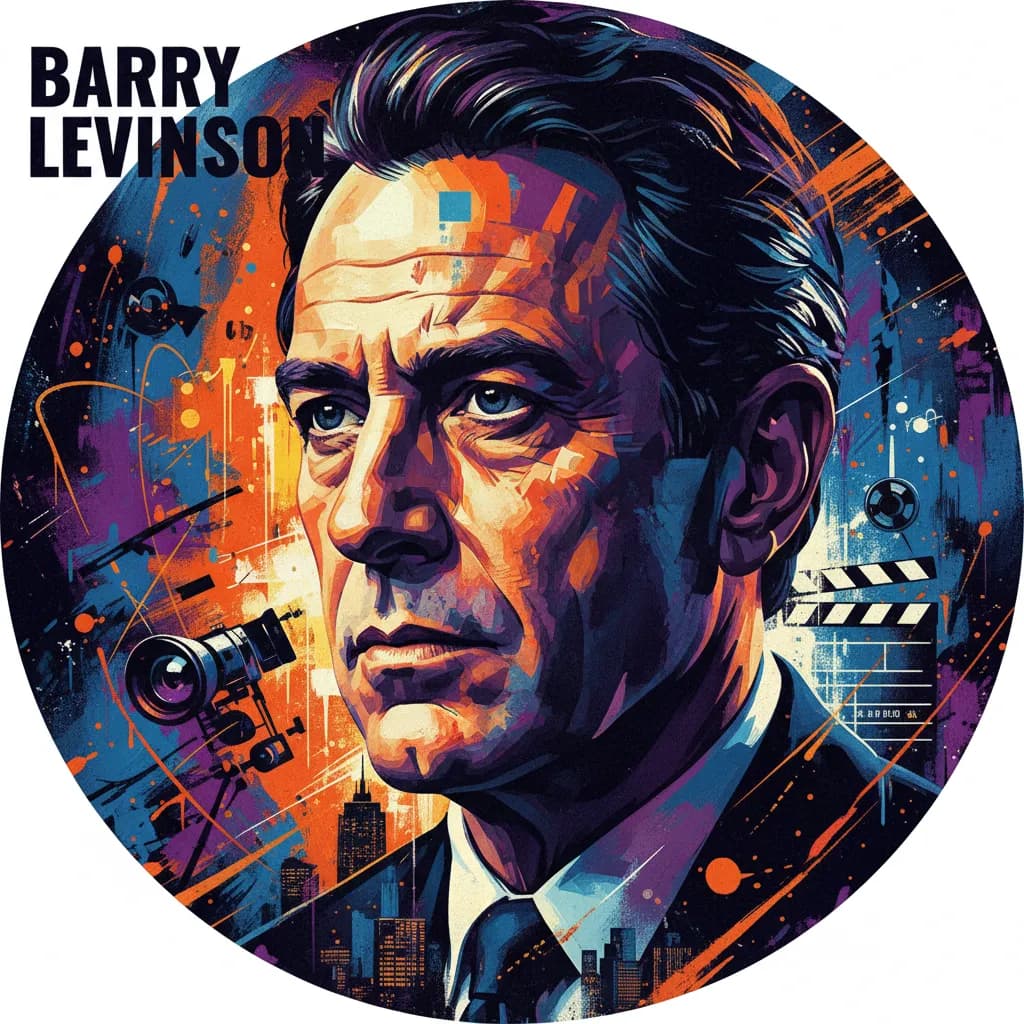
Barry Levinson
Every film, ranked

John Carpenter
Every film, ranked

Joel Schumacher
Every film, ranked

Billy Wilder
Every film, ranked

Rob Reiner
Every film, ranked

Neil Jordan
Every film, ranked

Spike Lee
Every film, ranked

Ivan Reitman
Every film, ranked

John Woo
Every film, ranked

Lasse Hallström
Every film, ranked

Stephen Frears
Every film, ranked

Luc Besson
Every film, ranked

Chris Columbus
Every film, ranked

Mike Nichols
Every film, ranked

Howard Hawks
Every film, ranked

Ang Lee
Every film, ranked

Walter Hill
Every film, ranked

Gus Van Sant
Every film, ranked

William Wyler
Every film, ranked

Renny Harlin
Every film, ranked

Sidney Lumet
Every film, ranked

Tony Scott
Every film, ranked