Yasujirô Ozu
Film Director4 films
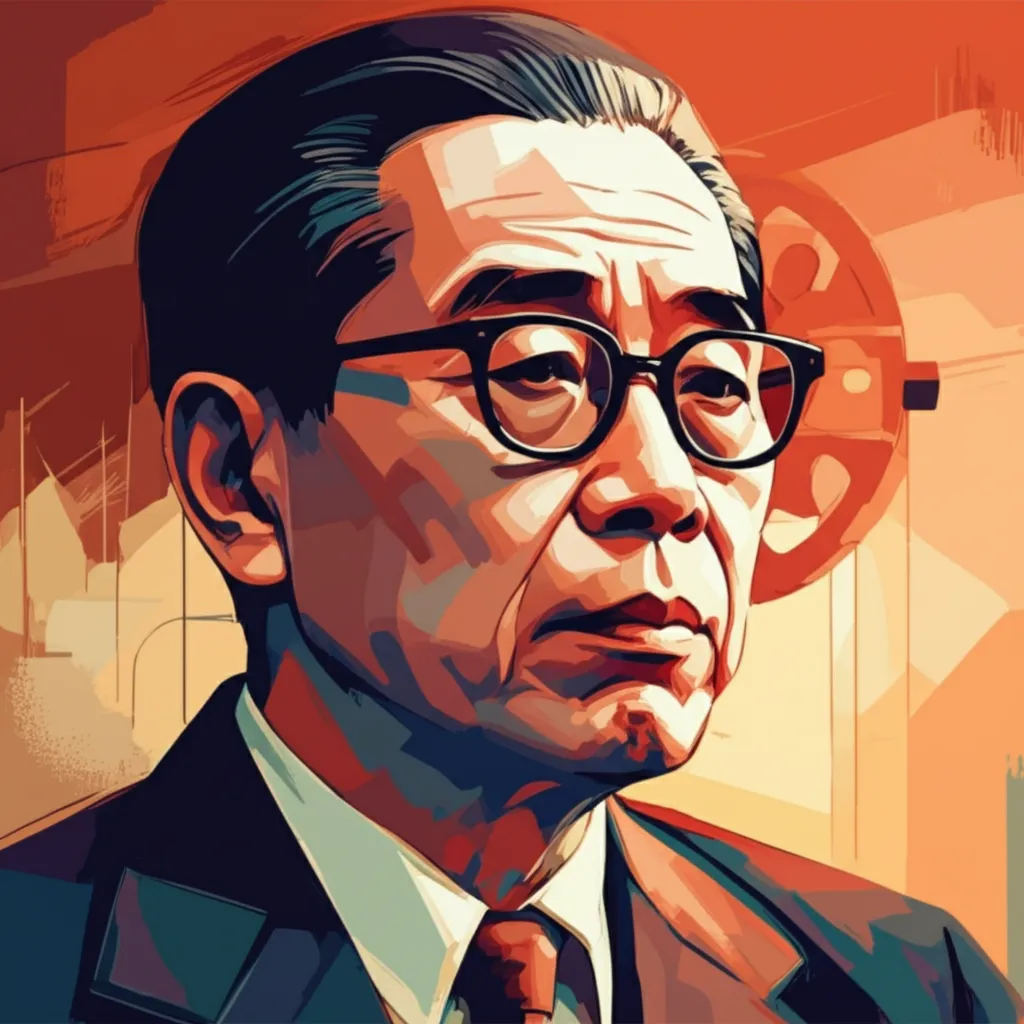
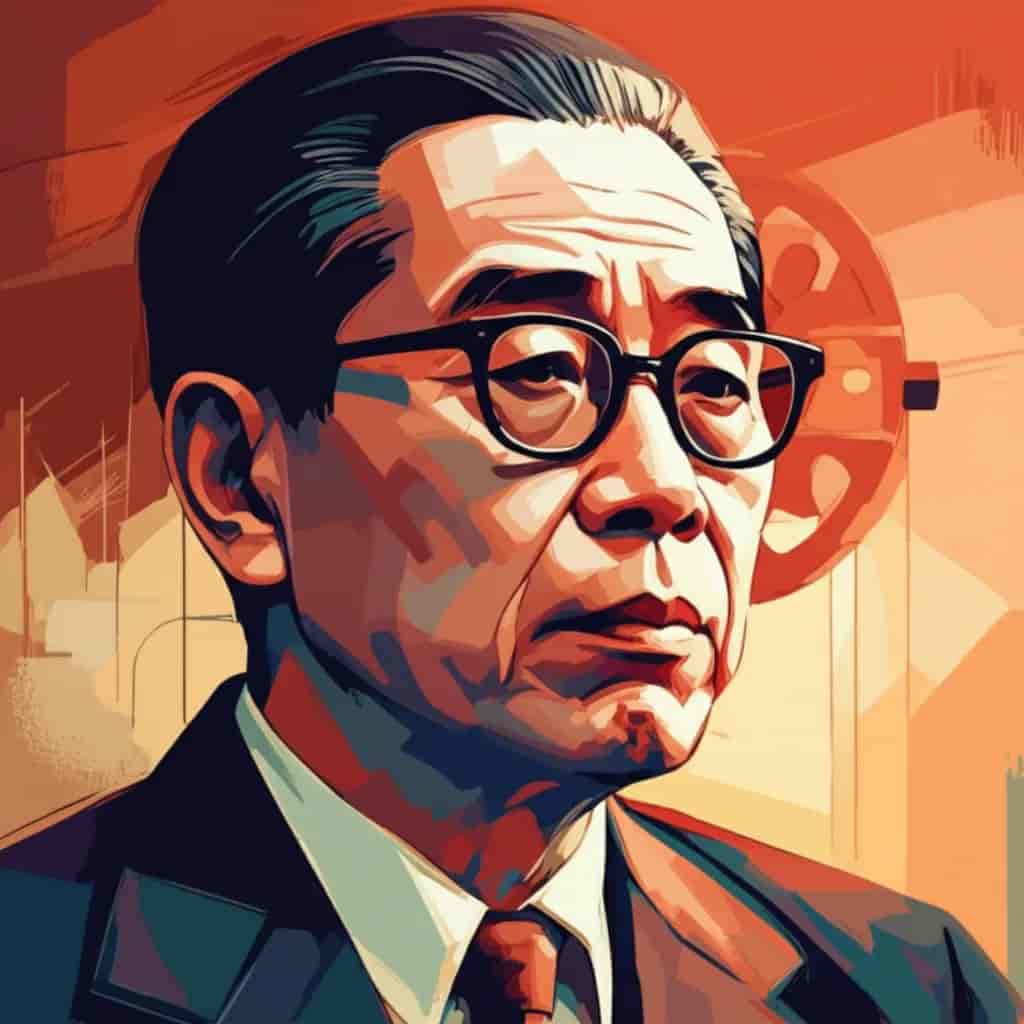
AI-generated for entertainment purposes only
Own & Stream
Career Summary
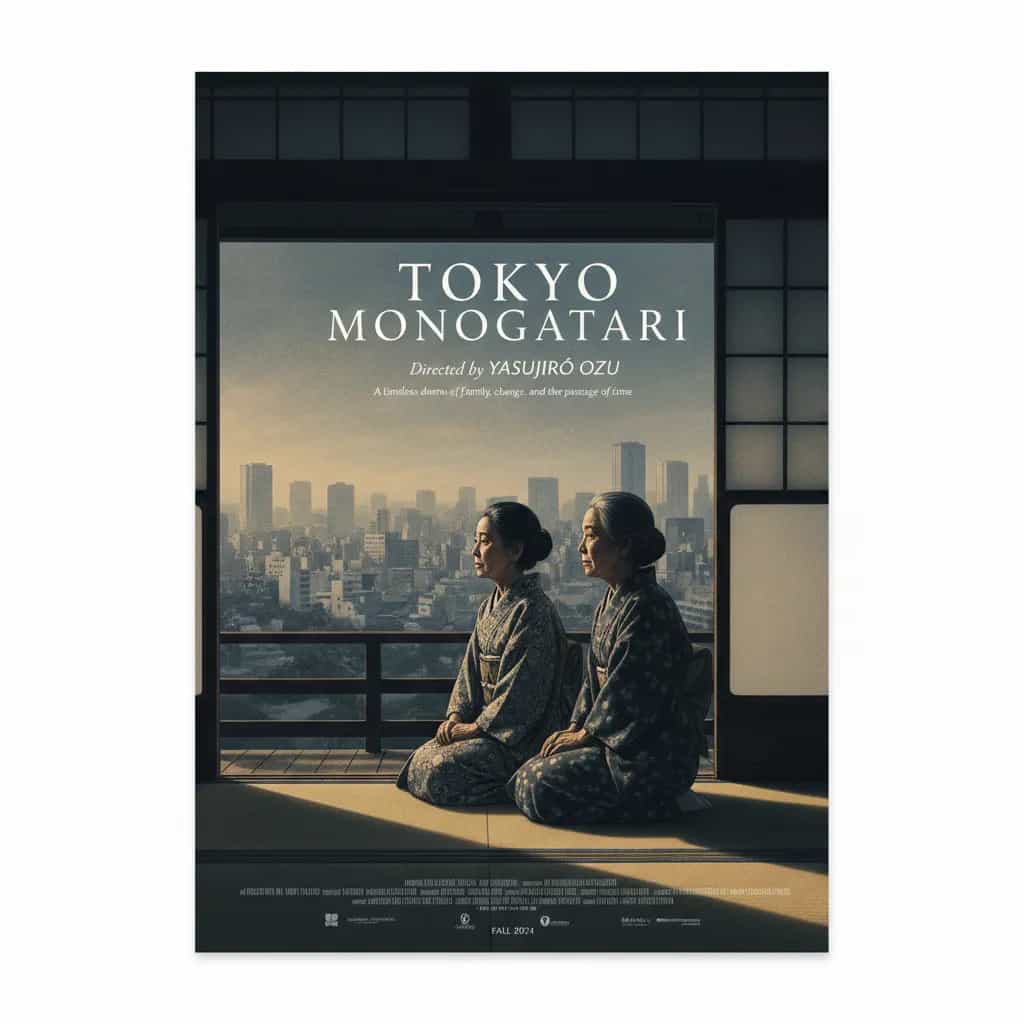
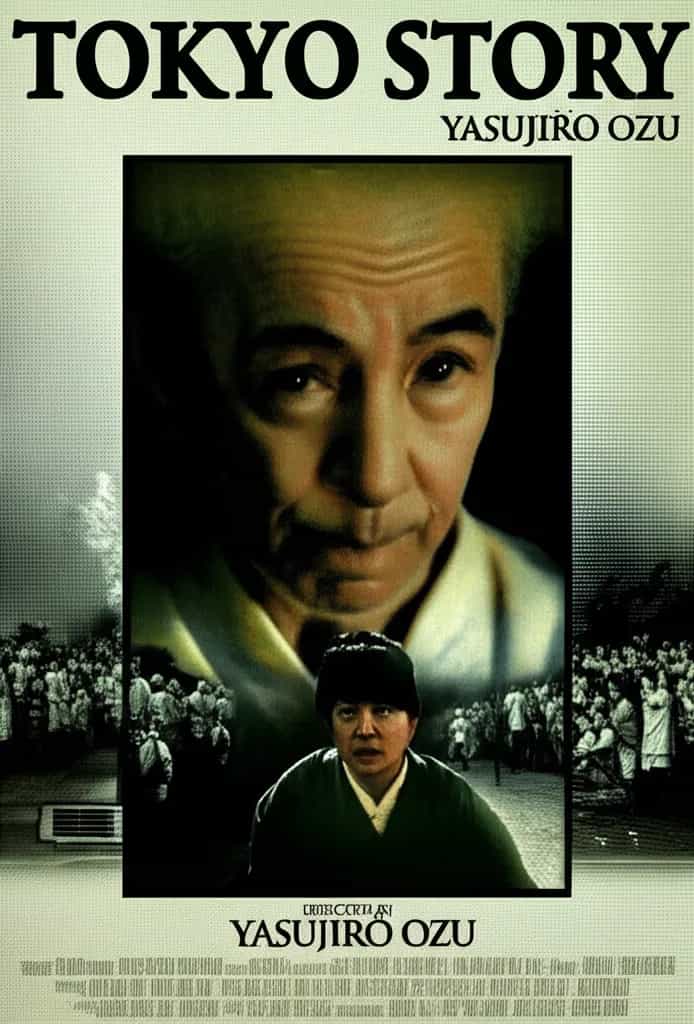
Yasujirô Ozu was a highly influential Japanese film director known for his distinct and contemplative directorial style, which made a profound impact on the world of cinema. Born in Tokyo in 1903, Ozu's career spanned over five decades, during which he crafted a remarkable body of work that continues to resonate with audiences and filmmakers alike. Ozu's directorial style was characterized by his use of static camera shots, low-angle compositions, and deliberate pacing, which allowed for a deep exploration of the human condition. His films often revolved around family dynamics, generational conflicts, and the evolving social landscape in post-war Japan. Ozu's ability to capture the subtleties of everyday life and interpersonal relationships set him apart as a master of humanistic storytelling. Among Ozu's most notable works is "Tokyo Story" (1953), a poignant drama that has often been hailed as one of the greatest films ever made. The film explores the emotional distance between parents and their grown children, offering a profound meditation on aging, regret, and the passage of time. "Late Spring" (1949) is another masterpiece that delves into the complexities of familial obligations and societal expectations, showcasing Ozu's unparalleled skill in portraying the nuances of human emotions. Ozu's recurring themes of tradition versus modernity, the fragility of human connections, and the passage of time continue to resonate with audiences worldwide. His profound influence on subsequent generations of filmmakers, including renowned directors like Martin Scorsese and Wim Wenders, underscores the enduring relevance of Ozu's artistic vision. His meticulous attention to detail and unwavering commitment to authenticity have solidified his status as a luminary in the history of cinema. Yasujirô Ozu's legacy as a pioneering director continues to be celebrated, as his films remain essential viewing for cinephiles and aspiring filmmakers seeking to understand the profound impact of his humanistic storytelling. With a filmography that includes timeless classics such as "Good Morning" (1959) and "Tokyo Story," Ozu's contributions to the art of filmmaking endure as a testament to his unparalleled artistry and enduring influence on global cinema.
This career summary is generated with AI assistance for entertainment purposes only. For official information, please refer to the director's official sources or representatives.
Find Books Inspired by Yasujirô Ozu
We've pre-filled the search so you can instantly explore Yasujirô Ozu related biographies — just hit Find Books!
Explore & Collect
Filmography
4 films total