Discover the visionary filmmakers behind cinema's greatest works.
Explore our selection of acclaimed directors and their remarkable films.
Showing 3817-3828 out of 4148

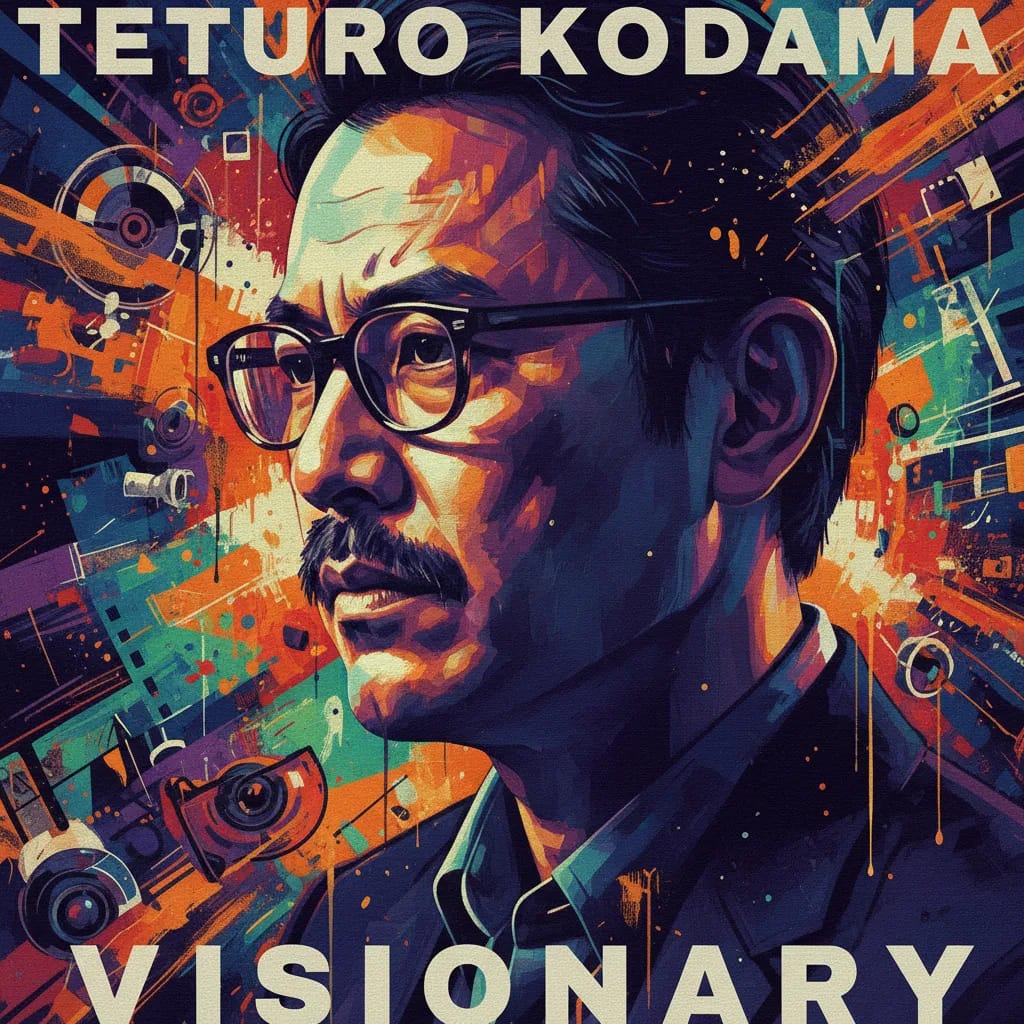
Tetsuro Kodama is a highly acclaimed Japanese director known for his exceptional work in animation, particularly in the realm of action and adventure films. His directorial career has been defined by a remarkable ability to bring beloved characters to life on the big screen, captivating audiences with visually stunning storytelling. Kodama's most recent directorial venture, "Dragon Ball Super: Super Hero" (2022), exemplifies his expertise in delivering exhilarating and visually captivating animated action sequences. Kodama's directorial style is characterized by a keen attention to detail and a mastery of visual storytelling that immerses viewers in the fantastical worlds he creates. His ability to infuse dynamic energy into his films has garnered widespread acclaim, making him a sought-after director in the realm of animated action and adventure. His work often showcases intricate fight choreography and larger-than-life battles, demonstrating a deep understanding of the genre and an unparalleled ability to bring excitement to the screen. "Dragon Ball Super: Super Hero" stands as a testament to Kodama's impact on cinema, as it continues the legacy of the immensely popular "Dragon Ball" franchise while pushing the boundaries of animation and action storytelling. Kodama's exceptional direction has solidified his reputation as a visionary in the realm of animated filmmaking, with his films leaving an indelible mark on the industry. Throughout his career, Kodama has demonstrated a penchant for exploring themes of heroism, friendship, and the triumph of good over evil, resonating with audiences on a profound level. His films often feature complex characters and high-stakes conflicts, drawing viewers into immersive narratives that transcend the boundaries of animation. Kodama's contributions to cinema have not only elevated the art of animated filmmaking but have also left an enduring impact on the broader landscape of cinema, inspiring future generations of filmmakers to push the boundaries of storytelling and visual artistry. In conclusion, Tetsuro Kodama's directorial career has been defined by a commitment to pushing the boundaries of animated action and adventure filmmaking, crafting visually stunning narratives that captivate audiences worldwide. His unparalleled ability to bring beloved characters to life on the big screen and his dedication to delivering exhilarating action sequences have solidified his status as a visionary director. With "Dragon Ball Super: Super Hero," Kodama continues to leave an indelible mark on cinema, cementing his legacy as a master of animated storytelling.

Tetsuya Nakashima is a visionary Japanese film director known for his distinctive storytelling style and visually stunning cinematography. With a career spanning several decades, Nakashima has left an indelible mark on the global film industry, particularly with his critically acclaimed films "Confessions" (2010) and "Kokuhaku" (2010). Through his unique directorial approach, Nakashima has established himself as a masterful storyteller whose films captivate audiences with their emotional depth and striking visuals. One of Nakashima's most celebrated works is "Confessions," a gripping drama-thriller that garnered widespread acclaim and earned numerous accolades, including multiple Japan Academy Prizes. The film showcases Nakashima's ability to delve into complex psychological narratives while maintaining a visually arresting aesthetic. "Kokuhaku," another standout in Nakashima's filmography, further solidified his reputation as a director with a distinct visual and narrative flair. Both films exemplify Nakashima's penchant for exploring dark and thought-provoking themes with a compelling artistic sensibility. Nakashima's directorial style is characterized by his bold use of color, innovative storytelling techniques, and a keen eye for detail. His films often feature nonlinear narratives, evocative imagery, and a meticulous attention to character development. Nakashima's ability to seamlessly blend genres, such as drama and thriller, has set him apart as a versatile and boundary-pushing filmmaker. Throughout his career, Nakashima has demonstrated a consistent exploration of themes such as trauma, vengeance, and the complexities of human nature. His films delve into the depths of the human psyche, often challenging audiences to confront uncomfortable truths and moral dilemmas. Nakashima's fearless approach to storytelling has earned him a dedicated following and cemented his status as a director unafraid to push cinematic boundaries. In the realm of Japanese cinema, Tetsuya Nakashima's impact is profound, as he continues to inspire a new generation of filmmakers with his innovative approach to storytelling and visual artistry. His contributions to the film industry have solidified his legacy as a director whose work transcends cultural and linguistic barriers, resonating with audiences worldwide. As Nakashima's career continues to unfold, anticipation for his future projects remains high, as he remains a leading force in shaping the landscape of contemporary cinema.

Tetsuya Nomura is a renowned Japanese video game artist, designer, and director who has made significant contributions to the world of animation and cinema. He is best known for his work on "Final Fantasy VII: Advent Children," a visually stunning animated film that seamlessly blends action, adventure, and fantasy elements. Nomura's directorial style is characterized by his ability to create immersive, visually striking worlds that captivate audiences and bring video game narratives to life on the big screen. "Final Fantasy VII: Advent Children" stands as a testament to Nomura's visionary talent, as the film received widespread acclaim for its breathtaking animation, compelling characters, and epic action sequences. His directorial prowess is evident in his meticulous attention to detail, dynamic camera work, and the seamless integration of CGI and traditional animation techniques. Nomura's ability to evoke emotion and deliver high-impact visual storytelling has firmly established him as a trailblazer in the realm of animated filmmaking. Throughout his career, Nomura has consistently explored themes of heroism, friendship, and the enduring power of hope in the face of adversity. His films often feature complex, multi-dimensional characters who navigate intricate narrative landscapes, showcasing Nomura's commitment to crafting compelling, emotionally resonant stories. His influence on cinema extends beyond his work in animation, as his directorial contributions have helped shape the landscape of video game adaptations and elevated the standards for visual storytelling in the medium. Tetsuya Nomura's impact on cinema is undeniable, as he continues to push the boundaries of animation and storytelling, leaving an indelible mark on the industry. With a keen eye for innovation and a dedication to creating immersive, unforgettable experiences, Nomura's work has solidified his status as a visionary director whose influence resonates far beyond the realm of video games. As he continues to captivate audiences with his unique vision and directorial prowess, Tetsuya Nomura remains a driving force in the evolution of animated filmmaking.

Thaddeus O'Sullivan is a celebrated Irish film director known for his diverse body of work that spans over four decades. With a keen eye for storytelling and a penchant for blending genres, O'Sullivan has left an indelible mark on the world of cinema. His notable film "Ordinary Decent Criminal" (2000) exemplifies his directorial prowess, seamlessly merging comedy and crime in a compelling narrative. O'Sullivan's directorial style is characterized by a deft ability to infuse his films with a distinct blend of wit, grit, and authenticity. His keen understanding of character dynamics and narrative pacing allows him to craft immersive cinematic experiences that resonate with audiences. "Ordinary Decent Criminal" stands as a testament to O'Sullivan's adeptness at navigating the complexities of human nature within the framework of a crime comedy, showcasing his versatility as a director. Throughout his career, O'Sullivan has demonstrated a penchant for delving into themes of morality, identity, and the human experience. His films often explore the intricacies of interpersonal relationships and the consequences of individual choices, offering audiences thought-provoking narratives that transcend traditional genre boundaries. O'Sullivan's ability to interweave these recurring themes into his work has solidified his reputation as a director with a profound understanding of the human condition. O'Sullivan's impact on cinema is undeniable, as he has consistently delivered compelling films that captivate and resonate with audiences on a global scale. His unique vision and unwavering commitment to storytelling have cemented his status as a revered director, inspiring aspiring filmmakers and earning the admiration of critics and cinephiles alike. As O'Sullivan continues to shape the cinematic landscape with his distinct directorial voice, his contributions to the art of filmmaking remain an enduring testament to his talent and artistry. In conclusion, Thaddeus O'Sullivan's illustrious career as a director is defined by his remarkable ability to craft films that transcend genre conventions, offering audiences compelling narratives that resonate on a profound level. With "Ordinary Decent Criminal" serving as a standout example of his directorial prowess, O'Sullivan has left an indelible mark on cinema through his unique vision, recurring themes, and impactful storytelling. As a trailblazer in the world of filmmaking, O'Sullivan's contributions continue to enrich the art form and inspire future generations of filmmakers.

Thea Sharrock is a British director known for her emotive storytelling and visually captivating films. With a background in theater, Sharrock seamlessly transitioned into the world of film, creating a unique blend of poignant drama, heartfelt romance, and lighthearted comedy. Her notable films include "The One and Only Ivan" (2020) and "Me Before You" (2016), which have solidified her reputation as a director with a keen eye for human emotion and relationships. In "The One and Only Ivan," Sharrock brings to life the heartwarming story of a gorilla navigating the complexities of human society. Her ability to seamlessly blend live-action and CGI elements showcases her skill in creating a visually immersive experience for audiences. Sharrock's directorial style in this film is marked by her sensitivity to the emotional depth of the characters, as well as her adeptness at crafting visually stunning and emotionally resonant scenes. "Me Before You" stands as another testament to Sharrock's directorial prowess, as she delicately navigates the complexities of love, life-altering decisions, and the human spirit. Her ability to capture the tender nuances of human relationships and the poignant moments of self-discovery has made this film a standout in the realm of romantic dramas. Sharrock's keen understanding of the emotional landscape of her characters has solidified her reputation as a director who brings a profound depth of feeling to her work. Sharrock's recurring themes often revolve around the human experience, relationships, and the resilience of the human spirit. Her films are marked by their ability to evoke genuine emotional responses from audiences, as she delicately weaves together the complexities of life, love, and personal growth. Sharrock's impact on cinema lies in her ability to create films that resonate deeply with viewers, offering a unique blend of visual artistry and emotional depth that sets her work apart. In conclusion, Thea Sharrock's directorial style is characterized by her ability to craft emotionally resonant narratives and visually stunning scenes. Her films, such as "The One and Only Ivan" and "Me Before You," stand as testaments to her talent for capturing the intricacies of human emotion, relationships, and personal growth. Sharrock's impact on cinema is undeniable, as she continues to bring her unique vision and storytelling prowess to the forefront of the film industry, captivating audiences with her heartfelt and visually compelling work.

T. Hee, a pioneering animator and film director, made a significant impact on the world of cinema through his exceptional work in the classic animated film "Pinocchio" (1940). Hee's directorial style, characterized by his innovative use of animation techniques and storytelling, has left an indelible mark on the industry. In "Pinocchio," T. Hee showcased his unparalleled talent for creating visually stunning and emotionally resonant animated sequences. His ability to infuse characters with depth and personality, along with his meticulous attention to detail, made the film a timeless masterpiece that continues to captivate audiences to this day. Hee's directorial approach emphasized the importance of storytelling through visually compelling and emotionally engaging animation, setting a new standard for the genre. Throughout his career, T. Hee demonstrated a remarkable ability to convey complex themes and emotions through his work. His keen understanding of character development and narrative structure allowed him to craft compelling stories that resonate with audiences of all ages. Hee's dedication to pushing the boundaries of animation and his commitment to excellence have cemented his status as a visionary director whose influence can be seen in the work of countless animators and filmmakers. T. Hee's profound impact on the animation industry is evident in the enduring legacy of "Pinocchio" and his other contributions to the art form. His innovative approach to directing and storytelling continues to inspire and influence contemporary filmmakers, ensuring that his remarkable legacy will endure for generations to come. In conclusion, T. Hee's directorial career, highlighted by the timeless classic "Pinocchio," has solidified his reputation as a visionary animator and director. His groundbreaking contributions to the art of animation and storytelling have left an indelible mark on cinema, earning him a well-deserved place among the most influential figures in the history of film.

Theodore Melfi is a celebrated American filmmaker known for his poignant storytelling and ability to bring compelling characters to life on the big screen. With a career spanning a diverse range of genres, Melfi has left an indelible mark on the world of cinema. His directorial style is characterized by a deft balance of heartwarming humor and profound emotional depth, making his films both entertaining and thought-provoking. One of Melfi's most notable works is "Hidden Figures" (2016), a critically acclaimed biographical drama that chronicles the untold story of three African-American female mathematicians who played pivotal roles at NASA during the Space Race. The film garnered widespread praise for its powerful performances and Melfi's adept direction, earning three Academy Award nominations and leaving a lasting impact on audiences and critics alike. In 2014, Melfi directed "St. Vincent," a heartwarming comedy-drama that showcased his knack for crafting endearing, multi-dimensional characters. The film, starring Bill Murray and Melissa McCarthy, received widespread acclaim for its touching portrayal of an unlikely friendship and the transformative power of empathy. Melfi's ability to infuse humor with genuine human emotion has become a hallmark of his directorial style, resonating with audiences across the globe. Melfi's most recent directorial endeavor, "The Starling" (2021), further solidified his reputation as a versatile filmmaker. This comedy-drama delves into themes of grief, healing, and the complexities of human relationships, once again highlighting Melfi's talent for navigating profound subject matter with warmth and authenticity. His dedication to telling stories that resonate on a deeply human level has established him as a director with a unique vision and a profound impact on the cinematic landscape. In conclusion, Theodore Melfi's directorial career is characterized by a remarkable ability to imbue his films with both levity and emotional resonance. Through his notable works such as "Hidden Figures," "St. Vincent," and "The Starling," Melfi has demonstrated a consistent commitment to crafting narratives that celebrate the triumph of the human spirit. His distinct directorial style and unwavering dedication to authentic storytelling have firmly established him as a director of significant influence in the world of cinema.

Theodoros Angelopoulos was a Greek film director known for his distinctive and poetic style, which often explored themes of history, memory, and the human condition. With a career spanning several decades, Angelopoulos left an indelible mark on world cinema, earning numerous accolades and cementing his legacy as a master of visual storytelling. His filmography includes the critically acclaimed "Eternity and a Day" (1998), a poignant drama that won the prestigious Palme d'Or at the Cannes Film Festival. Angelopoulos' directorial style was characterized by his use of long takes and sweeping, meditative visuals that reflected his deep contemplation of time and space. His films often featured complex narratives that intertwined personal and political histories, creating a rich tapestry of storytelling that resonated with audiences worldwide. Notable for his meticulous attention to detail and evocative cinematography, Angelopoulos crafted films that were both visually stunning and thematically profound. "Eternity and a Day" stands as a testament to Angelopoulos' directorial prowess, as it weaves a poignant tale of a terminally ill writer's introspective journey through time and memory. The film's exploration of life's fleeting moments and the search for meaning in the face of mortality encapsulates Angelopoulos' recurring themes of existentialism and the human experience. Through his masterful direction, he invites viewers to contemplate the interconnectedness of past, present, and future, leaving a lasting emotional impact. Angelopoulos' influence on cinema extends beyond his artistic achievements, as he played a pivotal role in shaping the landscape of Greek and international filmmaking. His commitment to storytelling that transcended cultural boundaries and delved into the universal aspects of the human condition solidified his reputation as a visionary director. As a revered auteur, Angelopoulos' body of work continues to inspire filmmakers and captivate audiences, leaving an enduring imprint on the art of cinema.

The Vicious Brothers, the Canadian filmmaking duo consisting of Colin Minihan and Stuart Ortiz, burst onto the horror scene with their directorial debut, "Grave Encounters" in 2011. This found footage horror film follows a paranormal investigation reality TV show that goes awry when the crew becomes trapped inside an abandoned asylum. With a blend of jump scares and psychological horror, the film received critical acclaim for its innovative approach to the found footage genre, garnering a dedicated cult following. Known for their distinct directorial style, The Vicious Brothers are skilled at creating tension and suspense through immersive storytelling and atmospheric visuals. Their work often features a visceral, handheld camera aesthetic, heightening the sense of immediacy and fear. "Grave Encounters" showcased their ability to deliver a fresh take on supernatural horror, utilizing claustrophobic settings and eerie visuals to terrify audiences. The Vicious Brothers' impact on cinema lies in their ability to revitalize the found footage subgenre and inject it with new life. Their approach to horror storytelling is characterized by a keen understanding of audience expectations and a willingness to subvert traditional tropes. Through their innovative use of cinematography and sound design, they have left an indelible mark on the horror landscape, inspiring a new wave of filmmakers to push the boundaries of the genre. While "Grave Encounters" remains their most notable film, The Vicious Brothers' influence extends beyond this single project. Their work often explores themes of isolation, psychological terror, and the unknown, tapping into primal fears to deliver spine-chilling experiences for audiences. With their commitment to pushing the boundaries of horror filmmaking, The Vicious Brothers continue to be revered as pioneers in the genre, leaving an enduring legacy in the world of cinema. In conclusion, The Vicious Brothers have cemented their status as visionary directors, redefining the found footage horror genre with their unique directorial style and innovative storytelling. Their impact on cinema can be felt through their ability to captivate audiences with immersive, fear-inducing experiences and their enduring influence on the next generation of horror filmmakers. With a keen eye for atmospheric visuals and a penchant for crafting unsettling narratives, The Vicious Brothers have solidified their place as trailblazers in the realm of horror cinema.


Thiagarajan Kumararaja is a trailblazing Indian film director known for his unconventional and boundary-pushing storytelling techniques. His most notable film, "Super Deluxe" (2019), is a genre-defying masterpiece that seamlessly weaves together elements of comedy, crime, and drama. Kumararaja's directorial style is characterized by his bold and audacious approach to storytelling, refusing to adhere to traditional genre boundaries and narrative structures. "Super Deluxe" garnered widespread critical acclaim for its innovative narrative, complex characters, and thought-provoking themes. Kumararaja's ability to seamlessly blend humor, suspense, and emotional depth has established him as a visionary director with a penchant for pushing the boundaries of cinema. The film's impact on Indian cinema has been profound, as it challenged conventional storytelling norms and paved the way for a new wave of experimental and daring filmmaking. Kumararaja's directorial vision often explores themes of morality, redemption, and the human experience, delving into the complexities of everyday life with a raw and unflinching gaze. His commitment to authenticity and originality has set him apart as a director unafraid to take risks and defy cinematic conventions. With "Super Deluxe," Kumararaja solidified his status as a maverick filmmaker, earning accolades for his fearless approach to storytelling and his ability to provoke introspection and discourse. In a cinematic landscape often dominated by formulaic storytelling, Thiagarajan Kumararaja stands out as a visionary director who fearlessly challenges the status quo. His impact on Indian cinema cannot be overstated, as he continues to inspire a new generation of filmmakers to embrace innovation, originality, and the fearless pursuit of artistic expression. As Kumararaja's career continues to unfold, his unique vision and groundbreaking contributions to film are sure to leave an indelible mark on the industry for years to come.

Thomas Bezucha is an accomplished director known for his unique blend of heartfelt storytelling and captivating visuals. With a career spanning over two decades, Bezucha has left an indelible mark on the film industry. His directorial debut came with the 2005 film "The Family Stone," a heartwarming comedy-drama that showcased his ability to craft compelling narratives while exploring the complexities of family dynamics. The film's success catapulted Bezucha into the spotlight, establishing him as a director with a keen eye for human emotions and relationships. In 2011, Bezucha ventured into the realm of adventure and comedy with "Monte Carlo," a delightful family film that further showcased his versatility as a director. His ability to infuse lighthearted humor with emotionally resonant storytelling endeared him to audiences and critics alike. Bezucha's keen sense of visual storytelling and his ability to create immersive cinematic experiences became evident in "Monte Carlo," solidifying his reputation as a director with a distinct and compelling vision. Bezucha's most recent directorial endeavor, "Let Him Go" (2020), marked a departure from his previous works, delving into the crime and thriller genres. The film, starring Kevin Costner and Diane Lane, underscored Bezucha's evolution as a director, demonstrating his adeptness at navigating diverse genres while maintaining his signature storytelling prowess. "Let Him Go" further underscored Bezucha's ability to elicit powerful performances from his cast and create an atmosphere of palpable tension, solidifying his status as a versatile and visionary director. Throughout his career, Bezucha has consistently explored themes of love, familial bonds, and the intricacies of human relationships. His ability to infuse these themes into narratives across genres has set him apart as a director with a profound understanding of the human experience. Bezucha's impact on cinema lies in his adeptness at crafting emotionally resonant stories that resonate with audiences on a profound level, making him a director to watch in the ever-evolving landscape of filmmaking. With a keen eye for detail and a commitment to storytelling, Thomas Bezucha continues to captivate audiences with his compelling directorial style and visionary approach to filmmaking.

Thomas Carter is a director known for his powerful storytelling and ability to capture the essence of human emotion in his films. With a diverse range of works that span across various genres, Carter has left an indelible mark on the world of cinema. His directorial style is characterized by a keen attention to detail and a knack for bringing out authentic performances from his cast. He has a talent for delving into the human psyche and bringing out the underlying emotions that drive his characters. One of Carter's most notable works is "Coach Carter" (2005), a biographical sports drama film that tells the story of a high school basketball coach who takes a stand against his players' poor academic performance. The film showcases Carter's ability to blend elements of sports, drama, and inspiration into a compelling narrative that resonates with audiences. Another standout film in Carter's repertoire is "When the Game Stands Tall" (2014), a heartwarming biographical drama that follows the journey of a high school football coach and his team as they navigate through triumph and adversity. Carter's skill in capturing the human spirit and the triumph of the human will is evident in this emotionally charged film. Carter's recurring themes often revolve around perseverance, mentorship, and the triumph of the human spirit. His films are often characterized by their ability to inspire and uplift audiences, showcasing the resilience of the human soul in the face of challenges. Carter's impact on cinema lies in his ability to craft narratives that transcend the screen, leaving a lasting impression on viewers. His unique vision and dedication to authentic storytelling have cemented his status as a director with a profound understanding of the human experience. In summary, Thomas Carter's directorial career is defined by a diverse body of work that encompasses a wide range of genres, each marked by his commitment to authentic storytelling and his ability to capture the complexities of the human spirit. With notable films such as "Coach Carter" and "When the Game Stands Tall," Carter has proven himself as a director capable of delivering emotionally resonant narratives that leave a lasting impact on audiences. His contributions to film have solidified his reputation as a director with a unique vision and a deep understanding of the human experience.
Every film by the greats, ranked by our TML Score.

Christopher Nolan
Every film, ranked

Quentin Tarantino
Every film, ranked

Stanley Kubrick
Every film, ranked

Martin Scorsese
Every film, ranked

Steven Spielberg
Every film, ranked

Alfred Hitchcock
Every film, ranked

David Fincher
Every film, ranked

Denis Villeneuve
Every film, ranked

Wes Anderson
Every film, ranked

Paul Thomas Anderson
Every film, ranked

Ridley Scott
Every film, ranked

Tim Burton
Every film, ranked

Guillermo del Toro
Every film, ranked

Hayao Miyazaki
Every film, ranked

Akira Kurosawa
Every film, ranked

Francis Ford Coppola
Every film, ranked

Clint Eastwood
Every film, ranked

Bong Joon Ho
Every film, ranked

Woody Allen
Every film, ranked

Steven Soderbergh
Every film, ranked

Ron Howard
Every film, ranked

Pedro Almodóvar
Every film, ranked

Richard Linklater
Every film, ranked

Roman Polanski
Every film, ranked

Brian De Palma
Every film, ranked

Ingmar Bergman
Every film, ranked

Oliver Stone
Every film, ranked

David Cronenberg
Every film, ranked

Robert Zemeckis
Every film, ranked

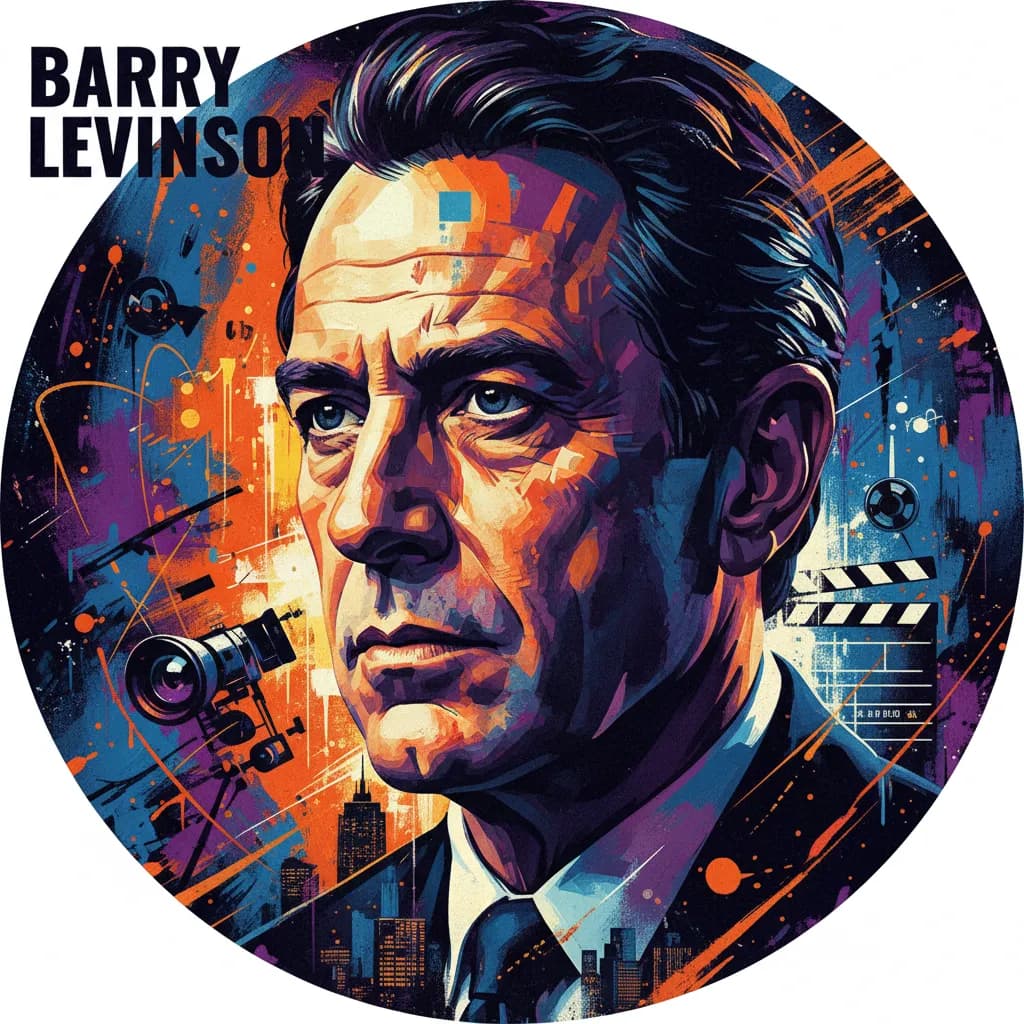
Barry Levinson
Every film, ranked

John Carpenter
Every film, ranked

Joel Schumacher
Every film, ranked

Billy Wilder
Every film, ranked

Rob Reiner
Every film, ranked

Neil Jordan
Every film, ranked

Spike Lee
Every film, ranked

Ivan Reitman
Every film, ranked

John Woo
Every film, ranked

Lasse Hallström
Every film, ranked

Stephen Frears
Every film, ranked

Luc Besson
Every film, ranked

Chris Columbus
Every film, ranked

Mike Nichols
Every film, ranked

Howard Hawks
Every film, ranked

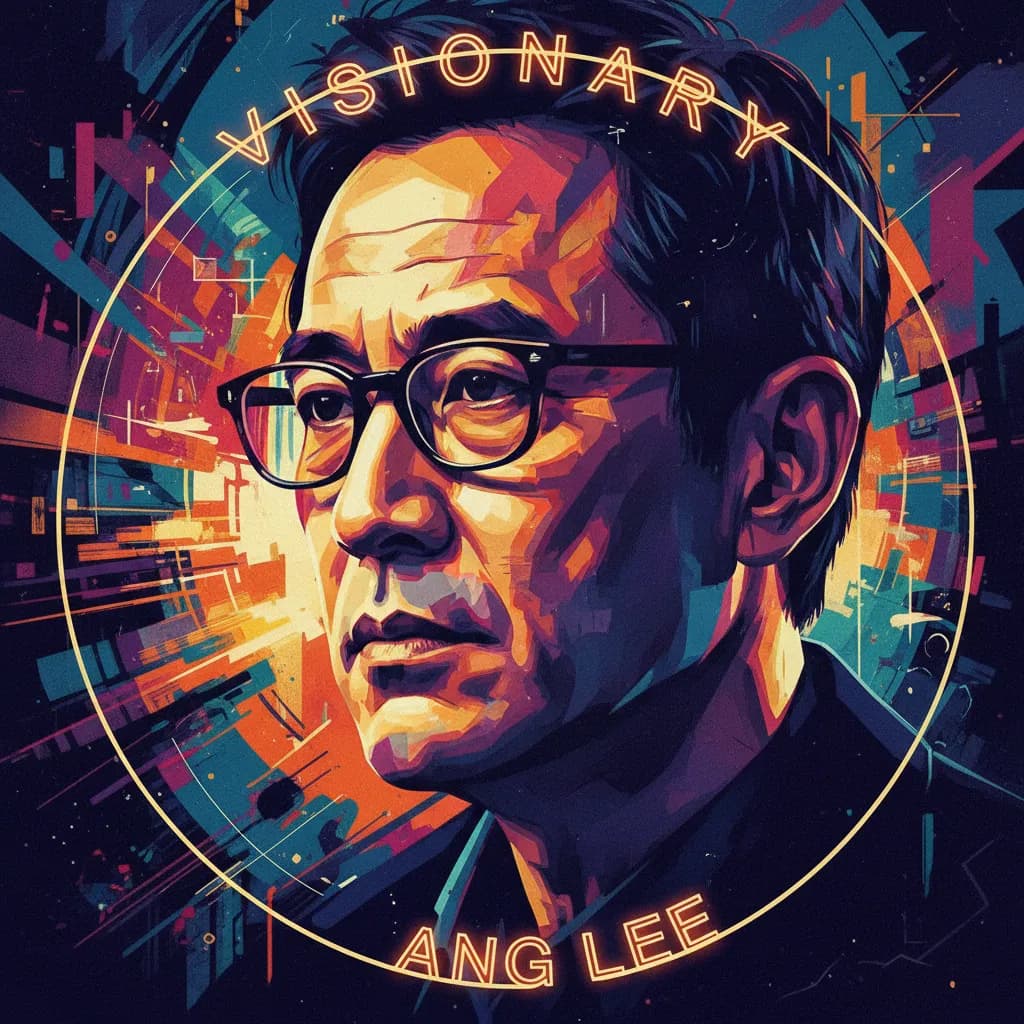
Ang Lee
Every film, ranked

Walter Hill
Every film, ranked

Gus Van Sant
Every film, ranked

William Wyler
Every film, ranked

Renny Harlin
Every film, ranked

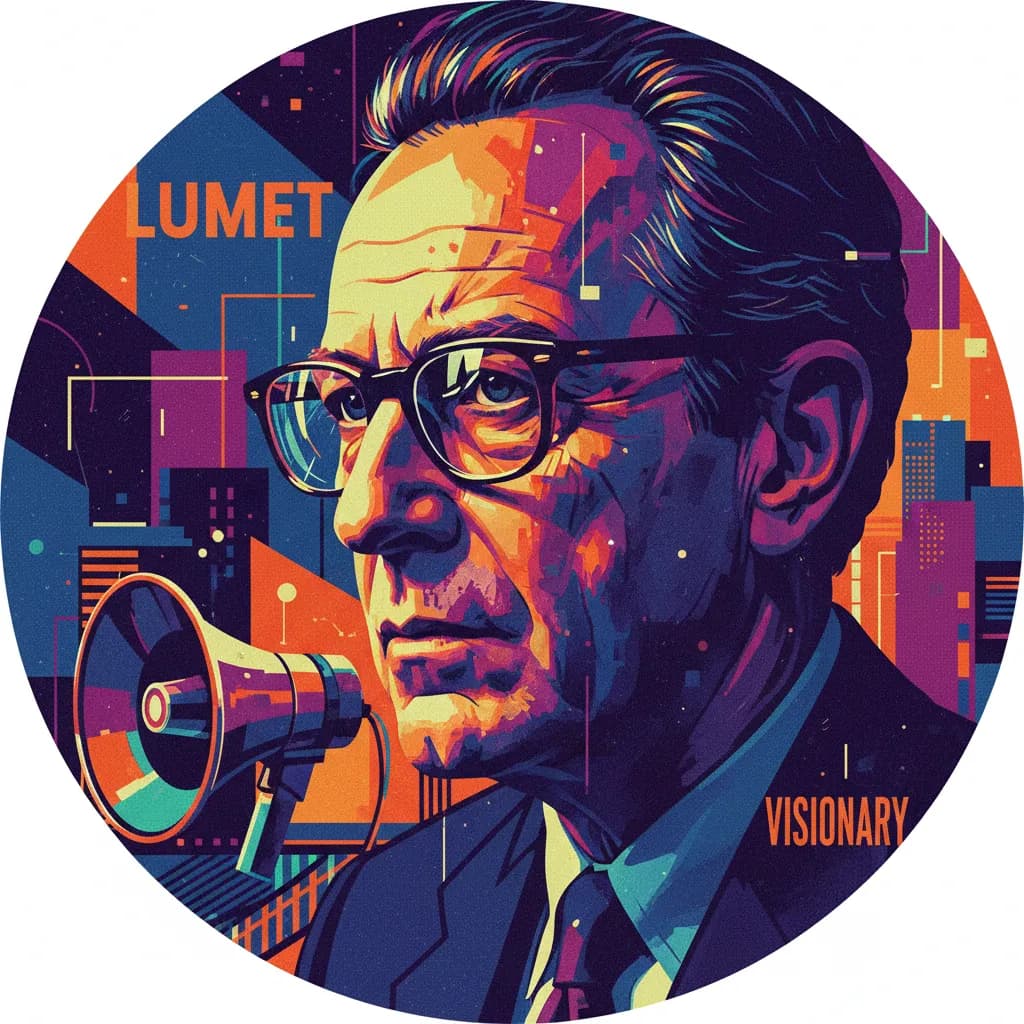
Sidney Lumet
Every film, ranked

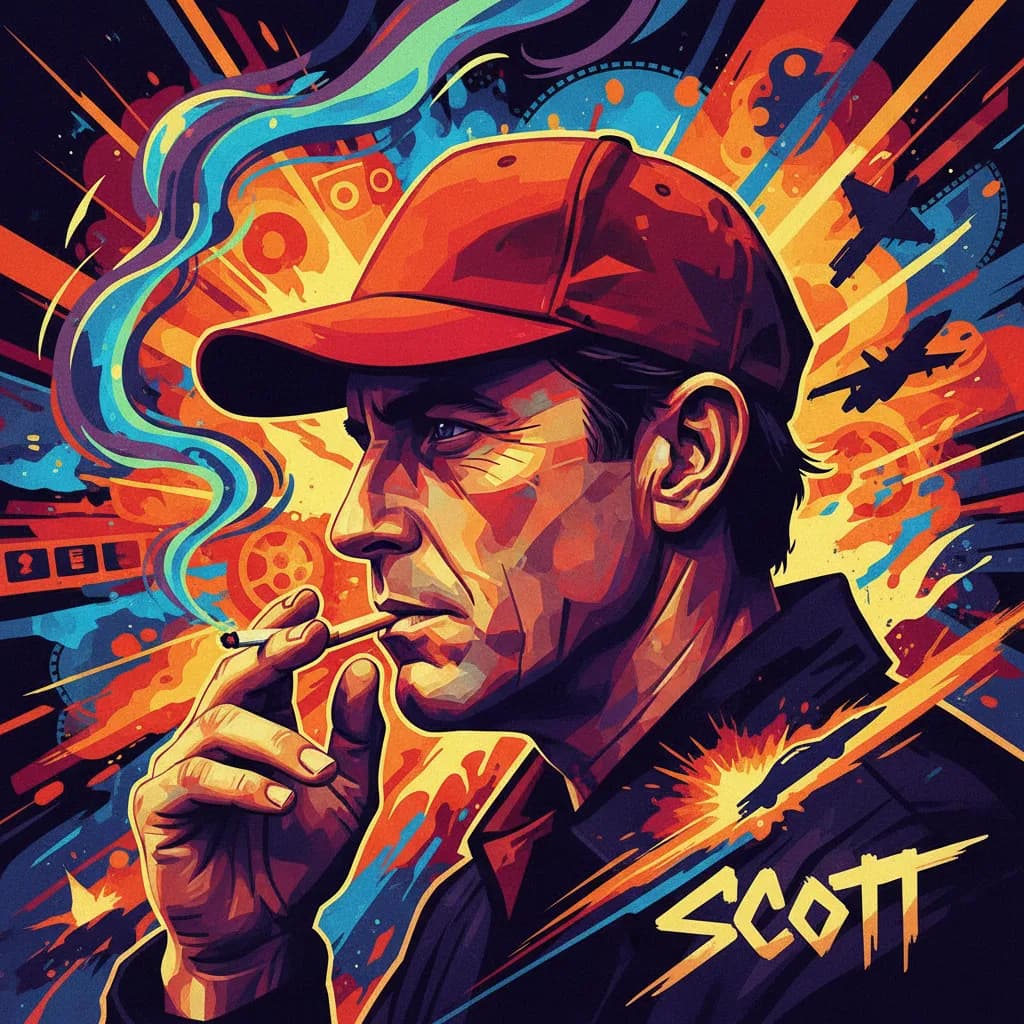
Tony Scott
Every film, ranked