Discover the visionary filmmakers behind cinema's greatest works.
Explore our selection of acclaimed directors and their remarkable films.
Showing 3529-3540 out of 4148

Sebastian Schipper is a German director known for his compelling and innovative approach to filmmaking. He first gained international acclaim with his groundbreaking film "Victoria" (2015), a mesmerizing one-take thriller that follows a young Spanish woman who gets caught up in a heist in Berlin. The film, shot in a single continuous 138-minute take, showcases Schipper's bold and audacious directorial style, pushing the boundaries of traditional filmmaking and immersing the audience in the heart-pounding intensity of the story. Schipper's directorial style is characterized by his meticulous attention to detail, immersive storytelling, and a willingness to experiment with unconventional techniques to create a visceral and captivating cinematic experience. His ability to seamlessly blend genres, from crime and drama to romance, demonstrates his versatility as a director and his commitment to pushing the boundaries of storytelling. "Victoria" not only garnered critical acclaim but also solidified Schipper's reputation as a director to watch. The film's raw energy, authentic performances, and gripping narrative captivated audiences and critics alike, earning Schipper accolades and awards, including the Silver Bear for Outstanding Artistic Contribution at the Berlin International Film Festival. One of Schipper's recurring themes is the exploration of human behavior under extreme circumstances, as well as the complexities of interpersonal relationships. His films often delve into the psychological and emotional dimensions of his characters, creating a deep sense of empathy and connection with the audience. Schipper's impact on cinema is undeniable, as he continues to inspire filmmakers and audiences with his fearless and boundary-pushing approach to storytelling. His dedication to innovation and his ability to captivate audiences with his unique vision have solidified his status as a visionary director in the world of cinema. As he continues to evolve and challenge the conventions of filmmaking, Sebastian Schipper remains a director whose work continues to leave a lasting impression on the industry.

Sebastián Silva is a Chilean director known for his unique blend of drama, horror, and thriller genres, as showcased in his notable film "Magic Magic" (2013). Silva's directorial style is characterized by a raw and unflinching approach to storytelling, often delving into the psychological and emotional depths of his characters. His films are marked by a haunting atmosphere, intense performances, and a palpable sense of unease, creating an immersive experience for audiences. "Magic Magic" stands as a testament to Silva's ability to craft deeply unsettling narratives that blur the lines between reality and nightmare. The film follows a young woman's descent into madness while traveling in Chile, as she becomes increasingly disconnected from her surroundings and the people around her. Silva's masterful direction heightens the tension and fear, creating a palpable sense of dread that lingers long after the credits roll. Silva's recurring themes often revolve around the fragility of the human psyche, the complexities of interpersonal relationships, and the disquieting nature of isolation. His films are a reflection of his keen insight into the human condition, as he fearlessly explores the darker corners of the human mind with unflinching honesty. Sebastián Silva's impact on cinema lies in his ability to push boundaries and challenge conventional storytelling norms. His uncompromising vision and fearless exploration of the human psyche have solidified his status as a director unafraid to confront the uncomfortable and the unknown. As a director, Silva continues to captivate audiences with his distinct voice and uncompromising storytelling, cementing his reputation as a visionary in the world of cinema.

Seiji Mizushima is a renowned Japanese film director known for his exceptional contributions to the world of animation and action-adventure cinema. His directorial style is characterized by a seamless blend of captivating storytelling, visually stunning animation, and compelling character development. Mizushima's keen eye for detail and his ability to infuse emotional depth into his narratives have solidified his reputation as a visionary director in the realm of anime filmmaking. One of Mizushima's most notable works is "Fullmetal Alchemist the Movie: Conqueror of Shamballa" (2005), a groundbreaking animated film that captivated audiences with its riveting storyline and breathtaking animation. The movie seamlessly combines elements of action, adventure, and fantasy, showcasing Mizushima's ability to create immersive and engaging cinematic experiences. The film's success not only solidified Mizushima's status as a masterful director but also cemented his influence on the anime genre. Throughout his career, Mizushima has consistently explored themes of resilience, sacrifice, and the human experience, often delving into complex moral and existential dilemmas within his narratives. His ability to intertwine these profound themes with exhilarating action sequences and visually striking animation has set him apart as a director with a unique and profound vision. Mizushima's impact on cinema extends beyond his individual works, as he has inspired a new generation of filmmakers and has left an indelible mark on the anime genre. His dedication to pushing the boundaries of storytelling and animation has not only garnered critical acclaim but has also garnered a dedicated global fanbase. Seiji Mizushima's directorial legacy is defined by his unparalleled ability to transport audiences into richly imagined worlds, where captivating characters and gripping narratives converge with breathtaking visuals. As a pioneering force in the realm of anime filmmaking, Mizushima's contributions have left an enduring imprint on the cinematic landscape, solidifying his status as a visionary director with an enduring legacy. Keywords: Seiji Mizushima, film director, Fullmetal Alchemist the Movie: Conqueror of Shamballa, animation, action, adventure, anime filmmaking, directorial style, visionary director, anime genre, cinematic experiences, storytelling, animation, influential filmmaker

Selçuk Aydemir is a prominent Turkish film director known for his distinct comedic style and knack for capturing the essence of everyday life in a hilariously relatable manner. With a career spanning over a decade, Aydemir has made a significant impact on Turkish cinema, particularly in the comedy genre. His notable films include "Dügün Dernek" (2013) and its sequel "Dügün Dernek 2: Sünnet" (2015), both of which have solidified his reputation as a master of comedic storytelling. Aydemir's directorial style is characterized by his ability to blend humor with genuine human emotions and experiences. His films often revolve around ordinary people caught up in extraordinary, often absurd, situations, and he expertly infuses these narratives with wit, satire, and heart. This unique approach has resonated with audiences, making his films both commercially successful and critically acclaimed. One of Aydemir's recurring themes is the exploration of cultural traditions and societal norms, often through the lens of family dynamics and relationships. He skillfully uses humor to shed light on the idiosyncrasies of Turkish culture, while also offering poignant insights into the universal themes of love, friendship, and the human experience. Aydemir's impact on Turkish cinema extends beyond his ability to elicit laughter; he has played a pivotal role in revitalizing the comedy genre and redefining the storytelling landscape. His films have not only entertained audiences but also sparked important conversations about societal conventions and familial bonds. Aydemir's unique vision and storytelling prowess have cemented his status as a visionary director who continues to shape the comedy genre in Turkish cinema. In conclusion, Selçuk Aydemir's career as a film director is marked by his exceptional ability to craft comedic narratives that resonate with audiences on a profound level. His films showcase a perfect blend of humor, heart, and cultural insight, making him a trailblazer in the comedy genre. With a keen eye for storytelling and a deep understanding of human nature, Aydemir continues to leave an indelible mark on Turkish cinema, solidifying his legacy as a visionary director.

Serdar Akar is a prolific Turkish director known for his compelling storytelling and visually stunning films. With a diverse filmography that spans across various genres, Akar has established himself as a versatile and visionary filmmaker. His directorial style is defined by a keen eye for detail, immersive storytelling, and a knack for capturing the raw emotions of his characters. Akar's notable films include "Behzat Ç.: Seni Kalbime Gömdüm," a gripping action, crime, and mystery film that showcases his ability to create intense and suspenseful narratives. Another standout in his career is "Valley of the Wolves: Iraq," an action-packed drama that delves into the complexities of war and its impact on individuals. Both films highlight Akar's adeptness at tackling hard-hitting subject matter while delivering captivating cinematic experiences. Throughout his career, Akar has explored recurring themes such as crime, drama, and thriller elements, often delving into the darker aspects of human nature and society. His films often feature complex characters navigating morally ambiguous situations, adding depth and nuance to his storytelling. Akar's impact on cinema extends beyond his impressive filmography; his ability to craft compelling narratives and evoke powerful performances from his actors has solidified his reputation as a director with a distinct and impactful vision. Serdar Akar's contributions to the film industry have not only left an indelible mark on Turkish cinema but have also garnered international acclaim for their artistic merit and thought-provoking storytelling. His unique ability to blend genres and tackle profound themes with finesse has cemented his position as a director to watch. With a career marked by a string of compelling films, Akar continues to captivate audiences with his distinctive directorial style and unwavering commitment to pushing the boundaries of storytelling on the silver screen. Keywords: Serdar Akar, Turkish director, Behzat Ç.: Seni Kalbime Gömdüm, Valley of the Wolves: Iraq, directorial style, crime, drama, thriller, impact on cinema, Turkish cinema, storytelling, international acclaim

Sergei Bodrov is a renowned Russian filmmaker known for his unique directorial style and his ability to bring epic tales to life on the big screen. With a career spanning several decades, Bodrov has left an indelible mark on the world of cinema with his visually stunning and emotionally resonant films. His notable works include "Mongol: The Rise of Genghis Khan" (2007) and "Seventh Son" (2014), showcasing his versatility and skill in crafting both historical epics and fantasy adventures. Bodrov's directorial style is characterized by his meticulous attention to detail, breathtaking cinematography, and compelling storytelling. His films often transport audiences to different time periods and fantastical worlds, immersing them in rich and vibrant landscapes while delving into the complexities of human nature and the human experience. Bodrov's ability to seamlessly blend action, drama, and biography in "Mongol" earned him widespread acclaim and established him as a masterful storyteller with a keen eye for historical accuracy and cultural authenticity. One of Bodrov's recurring themes is the exploration of the human spirit in the face of adversity, as evidenced by his portrayal of the rise of Genghis Khan in "Mongol" and the epic battles in "Seventh Son." His films often delve into the inner struggles and triumphs of his characters, creating deeply compelling narratives that resonate with audiences on a profound level. Bodrov's impact on cinema lies in his ability to transport viewers to distant lands and bygone eras, offering them a captivating glimpse into history and mythology while infusing his stories with timeless themes that transcend cultural boundaries. In conclusion, Sergei Bodrov's directorial career has been defined by his visionary approach to filmmaking, his ability to craft immersive and emotionally resonant narratives, and his dedication to bringing epic tales to life on the silver screen. His contributions to cinema have solidified his place as a master storyteller and a visual artist, earning him a well-deserved reputation as a director whose films leave a lasting impression on audiences worldwide.

Sergei Eisenstein was a pioneering Soviet film director who made an indelible mark on the cinematic landscape with his innovative techniques and visionary storytelling. Born in 1898, Eisenstein's career spanned the formative years of cinema, and he is widely regarded as one of the most influential directors in the history of film. His directorial style was characterized by a bold and experimental approach, marked by his use of montage, symbolism, and striking visual compositions. Eisenstein's most renowned work includes "Battleship Potemkin" (1925), a revolutionary film that depicted a dramatized portrayal of a 1905 mutiny on the titular battleship. This film is celebrated for its groundbreaking use of montage, which Eisenstein used to create emotional and psychological impact, and its powerful portrayal of social and political unrest. "Alexander Nevsky" (1938), a historical epic set in medieval Russia, showcased Eisenstein's mastery in crafting grand-scale battle sequences and his ability to infuse historical narratives with palpable drama and urgency. "Ivan the Terrible, Part I" (1944) further solidified Eisenstein's reputation as a director of historical epics, delving into the tumultuous reign of the infamous Russian tsar. This film exemplified his penchant for exploring themes of power, tyranny, and the human condition, all against a backdrop of rich historical context. Eisenstein's films were also notable for their social and political commentary, as he often used historical events as allegories for contemporary issues, earning him a reputation as an astute and socially conscious storyteller. Eisenstein's impact on cinema is immeasurable, as his pioneering techniques and fearless artistic vision laid the groundwork for modern filmmaking. His use of montage and innovative editing techniques have been emulated by countless directors, and his ability to infuse historical narratives with timeless relevance continues to inspire filmmakers to this day. Sergei Eisenstein's legacy as a master of visual storytelling and a trailblazer in the art of cinema is firmly cemented in the annals of film history, and his influence will continue to shape the craft for generations to come.

Sergei M. Eisenstein is an iconic figure in the history of cinema, renowned for his innovative techniques and profound impact on the art of filmmaking. Born in 1898 in Riga, Latvia, Eisenstein's career as a director began in the early 1920s, where he quickly gained recognition for his groundbreaking approach to editing and visual storytelling. His seminal work, "Bronenosets Potemkin" (Battleship Potemkin) in 1925, is widely regarded as one of the greatest films ever made and a pivotal milestone in film history. Eisenstein's directorial style was characterized by his use of montage, a revolutionary editing technique that juxtaposed images to create emotional and intellectual impact. His mastery of this method was evident in "Bronenosets Potemkin," where he crafted powerful sequences that captured the raw intensity of the Russian Revolution. The film's iconic "Odessa Steps" sequence, with its rapid cuts and dynamic composition, remains a testament to Eisenstein's unparalleled ability to evoke visceral reactions from audiences. In addition to his technical innovations, Eisenstein's films often explored themes of social upheaval, political struggle, and the human condition. His work reflected a deep commitment to social justice and a keen understanding of the power of visual imagery to incite change. His influence extended far beyond the borders of his native Russia, inspiring generations of filmmakers worldwide and shaping the language of cinema for decades to come. Eisenstein's legacy as a visionary director continues to resonate in contemporary filmmaking, with his impact evident in the works of directors such as Martin Scorsese, Francis Ford Coppola, and countless others. His uncompromising dedication to pushing the boundaries of cinematic expression and his enduring contributions to the art form have solidified his place as a true pioneer of the medium. Sergei M. Eisenstein's indelible mark on cinema endures as a testament to his unparalleled vision and lasting impact on the art of filmmaking.

Sergei Parajanov was a visionary Soviet-Armenian film director whose career was marked by a unique and unorthodox approach to filmmaking. He is best known for his masterpiece "The Color of Pomegranates" (1969), a visually stunning and poetic film that defies traditional narrative conventions. Parajanov's directorial style was characterized by his use of symbolism, striking imagery, and a non-linear storytelling structure, which set him apart from his contemporaries. "The Color of Pomegranates" remains Parajanov's most celebrated work, showcasing his distinctive visual style and mastery of cinematic storytelling. The film is a biographical portrayal of the 18th-century Armenian troubadour Sayat-Nova, depicted through a series of visually striking tableaux vivants that evoke the essence of Armenian culture and history. Parajanov's use of vibrant colors, meticulous composition, and symbolic imagery in "The Color of Pomegranates" established him as a groundbreaking auteur in the realm of world cinema. Throughout his career, Parajanov's films often explored themes of cultural identity, folklore, and the human spirit, reflecting his own experiences as an Armenian artist living within the confines of the Soviet Union. His uncompromising commitment to artistic expression, despite facing censorship and persecution, solidified his reputation as a maverick filmmaker. Parajanov's oeuvre continues to inspire directors and cinephiles alike, with his influence extending beyond his native Armenia to the global film community. Sergei Parajanov's impact on cinema is immeasurable, as his uncompromising vision and innovative storytelling techniques have left an indelible mark on the medium. His films are revered for their visual poetry, emotional resonance, and profound exploration of cultural heritage. Parajanov's legacy as a director transcends boundaries and continues to captivate audiences, cementing his status as an iconoclastic figure in the history of world cinema.

Sergey Bondarchuk was a visionary Soviet film director and actor, best known for his epic adaptation of Leo Tolstoy's "War and Peace" and his historical masterpiece "Waterloo." Born in 1920, Bondarchuk's early career as an actor laid the foundation for his directorial prowess. His directorial style was characterized by grandiosity, meticulous attention to historical detail, and a keen eye for capturing the human experience within sweeping historical events. Bondarchuk's magnum opus, "War and Peace," is a monumental achievement in cinema, spanning over 7 hours and featuring a cast of thousands. The film showcases his ability to seamlessly blend intimate character studies with grand-scale battle sequences, making it a true testament to his directorial vision. "Waterloo," a film that depicts Napoleon's defeat at the Battle of Waterloo, further solidified Bondarchuk's reputation as a master of historical epics. His meticulous attention to detail and ability to orchestrate large-scale battle sequences set a new standard for historical dramas in cinema. Throughout his career, Bondarchuk's films often explored themes of heroism, sacrifice, and the human condition within the backdrop of monumental historical events. His ability to infuse such themes with a palpable sense of emotion and authenticity set him apart as a director with a profound understanding of the human experience. His impact on cinema is indisputable, as he pushed the boundaries of what was possible in historical filmmaking, inspiring countless directors to explore ambitious storytelling on an epic scale. Sergey Bondarchuk's legacy as a director lives on through his timeless films, which continue to captivate audiences with their grandeur and emotional depth. His unique vision and unparalleled contributions to the art of historical filmmaking have left an indelible mark on the industry, cementing his status as a true cinematic visionary. Bondarchuk's films remain essential viewing for anyone seeking to appreciate the power of grand storytelling and the enduring impact of historical dramas in cinema.

Sergey Mokritskiy is a Ukrainian film director known for his gripping storytelling and visually stunning cinematography. He made a significant impact on cinema with his directorial debut, "Battle for Sevastopol" (2015), a powerful and emotional biographical drama set during World War II. Mokritskiy's directorial style is characterized by his ability to blend action-packed sequences with deep emotional resonance, creating a unique viewing experience for audiences. "Battle for Sevastopol" stands as a testament to Mokritskiy's directorial prowess, as he skillfully captures the brutal realities of war while delving into the personal journey of Lyudmila Pavlichenko, a Soviet sniper. The film's breathtaking visuals and intense battle scenes showcase Mokritskiy's keen eye for detail and his ability to immerse viewers in the harrowing experiences of his characters. Mokritskiy's filmography may be limited, but his impact on cinema is undeniable. Through "Battle for Sevastopol," he has demonstrated a penchant for exploring the human condition within the context of historical events, shedding light on the struggles, triumphs, and sacrifices of individuals caught in the turmoil of war. His recurring themes of resilience, heroism, and the human spirit resonate with audiences on a profound level, leaving a lasting impression long after the credits roll. As Mokritskiy continues to carve out his place in the film industry, his unique vision and directorial contributions are sure to shape the landscape of cinema. His dedication to telling compelling stories with depth and authenticity sets him apart as a director to watch, and his future projects are eagerly anticipated by cinephiles and critics alike. Sergey Mokritskiy's impact on cinema is poised to endure, leaving an indelible mark on the art of filmmaking for years to come.

Sergio Castellitto is a renowned Italian actor, director, and screenwriter known for his emotionally charged storytelling and intimate character exploration. Although primarily recognized for his acting prowess, Castellitto made a significant impact with his directorial debut, "Don't Move" in 2004. His directorial style is characterized by a profound exploration of complex human emotions and relationships, often delving into the depths of love, loss, and the human condition. In "Don't Move," Castellitto's directorial prowess was on full display as he crafted a poignant and raw narrative that delved into the complexities of an unexpected love affair. The film's stark portrayal of human vulnerability and the intricacies of relationships garnered critical acclaim and showcased Castellitto's adeptness at capturing the intricacies of human emotions on screen. In 2012, Castellitto further solidified his directorial reputation with "Twice Born," a compelling drama that navigates the tumultuous backdrop of the Bosnian War while delving into the complexities of motherhood and sacrifice. The film's seamless blend of romance, war, and emotional depth underscored Castellitto's ability to craft multi-layered narratives that resonate with audiences on a profound level. Throughout his directorial career, Castellitto has exhibited a penchant for delving into the depths of human emotion, often exploring themes of love, loss, and the resilience of the human spirit. His films are marked by their unflinching portrayal of raw emotions and the intricacies of human relationships, captivating audiences with their profound emotional resonance. Sergio Castellitto's impact on cinema extends beyond his directorial work, as he continues to shape the cinematic landscape with his deeply human narratives and profound storytelling. His ability to capture the complexities of the human experience on film has solidified his status as a director with a unique vision and an unwavering commitment to storytelling that resonates on a deeply emotional level.
Every film by the greats, ranked by our TML Score.

Christopher Nolan
Every film, ranked

Quentin Tarantino
Every film, ranked

Stanley Kubrick
Every film, ranked

Martin Scorsese
Every film, ranked

Steven Spielberg
Every film, ranked

Alfred Hitchcock
Every film, ranked

David Fincher
Every film, ranked

Denis Villeneuve
Every film, ranked

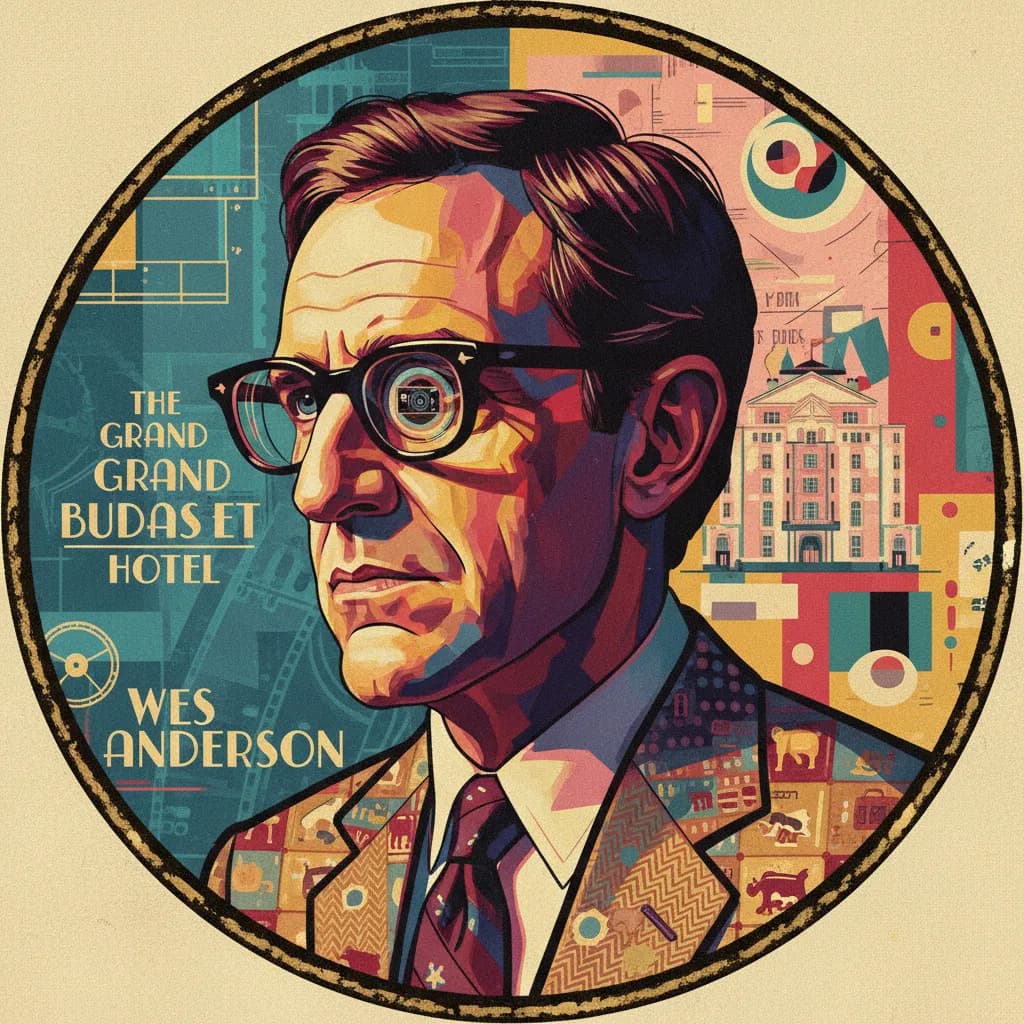
Wes Anderson
Every film, ranked

Paul Thomas Anderson
Every film, ranked

Ridley Scott
Every film, ranked

Tim Burton
Every film, ranked

Guillermo del Toro
Every film, ranked

Hayao Miyazaki
Every film, ranked

Akira Kurosawa
Every film, ranked

Francis Ford Coppola
Every film, ranked

Clint Eastwood
Every film, ranked

Bong Joon Ho
Every film, ranked

Woody Allen
Every film, ranked

Steven Soderbergh
Every film, ranked

Ron Howard
Every film, ranked

Pedro Almodóvar
Every film, ranked

Richard Linklater
Every film, ranked

Roman Polanski
Every film, ranked

Brian De Palma
Every film, ranked

Ingmar Bergman
Every film, ranked

Oliver Stone
Every film, ranked

David Cronenberg
Every film, ranked

Robert Zemeckis
Every film, ranked

Barry Levinson
Every film, ranked

John Carpenter
Every film, ranked

Joel Schumacher
Every film, ranked

Billy Wilder
Every film, ranked

Rob Reiner
Every film, ranked

Neil Jordan
Every film, ranked

Spike Lee
Every film, ranked

Ivan Reitman
Every film, ranked

John Woo
Every film, ranked

Lasse Hallström
Every film, ranked

Stephen Frears
Every film, ranked

Luc Besson
Every film, ranked

Chris Columbus
Every film, ranked

Mike Nichols
Every film, ranked

Howard Hawks
Every film, ranked

Ang Lee
Every film, ranked

Walter Hill
Every film, ranked

Gus Van Sant
Every film, ranked

William Wyler
Every film, ranked

Renny Harlin
Every film, ranked

Sidney Lumet
Every film, ranked

Tony Scott
Every film, ranked