Discover the visionary filmmakers behind cinema's greatest works.
Explore our selection of acclaimed directors and their remarkable films.
Showing 3541-3552 out of 4148

Sergio Corbucci was an influential Italian film director known for his work in the spaghetti western genre. Born on December 6, 1926, in Rome, Italy, Corbucci began his career as a director in the 1950s and went on to leave an indelible mark on the world of cinema. His directorial style was characterized by gritty realism, intense action sequences, and a focus on moral ambiguity, setting him apart from his contemporaries. Corbucci's films often featured anti-heroes, intricate plots, and stunning cinematography, earning him a reputation as a master of the western genre. One of Corbucci's most renowned works is the 1966 classic "Django," which has since become a cult favorite and a significant influence on subsequent filmmakers. The film's brutal portrayal of violence and its unflinching exploration of revenge captivated audiences and critics alike, solidifying Corbucci's status as a visionary director. "The Great Silence" (1968), another western masterpiece by Corbucci, further showcased his penchant for subverting genre conventions and delivering thought-provoking narratives. Corbucci's directorial career extended beyond the western genre, as evidenced by his 1981 adventure comedy "Who Finds a Friend Finds a Treasure." This lighthearted yet action-packed film demonstrated his versatility as a director and underscored his ability to craft compelling stories across diverse genres. Throughout his career, Corbucci's films often delved into themes of justice, morality, and the human condition, resonating with audiences on a profound level. Sergio Corbucci's impact on cinema is immeasurable, with his innovative approach to storytelling and visual style inspiring generations of filmmakers. His contributions to the spaghetti western genre have left an enduring legacy, and his influence can be seen in the works of directors worldwide. Corbucci's ability to infuse his films with social commentary and emotional depth has cemented his status as a pioneering force in the world of filmmaking, ensuring that his work continues to captivate and inspire audiences for years to come.

Sergio G. Sánchez is a Spanish film director known for his distinctive style and unique contributions to the world of cinema. With a passion for storytelling and a keen eye for visual aesthetics, Sánchez has made a significant impact on the industry through his directorial work. His notable film "Marrowbone" (2017) showcases his talent for blending adventure, drama, and horror elements to create a gripping and atmospheric cinematic experience. Sánchez's directorial style is characterized by its ability to immerse audiences in rich, evocative worlds while exploring complex human emotions and relationships. "Marrowbone" exemplifies his skill in crafting suspenseful narratives that delve into the depths of the human psyche, leaving a lasting impression on viewers. The film's haunting atmosphere and compelling characters demonstrate Sánchez's adeptness at combining genres and creating a sense of unease that lingers long after the credits roll. Throughout his career, Sánchez has consistently delved into themes of family dynamics, survival, and the supernatural, infusing his films with a sense of mystery and tension. His ability to seamlessly blend genres and craft emotionally resonant stories has established him as a director with a distinctive voice in the film industry. Sánchez's work has left an indelible mark on cinema, earning him recognition for his innovative approach to storytelling and his ability to captivate audiences with his unique vision. As a director, Sánchez continues to push boundaries and challenge conventions, cementing his status as a visionary filmmaker. His dedication to crafting compelling narratives and his mastery of creating atmospheric, thought-provoking cinema have solidified his reputation as a director to watch. With a promising career ahead, Sánchez's contributions to the film industry are sure to leave a lasting legacy, inspiring future generations of filmmakers to explore the boundless possibilities of storytelling on the silver screen.

Sergio Leone, an influential Italian film director, achieved legendary status through his groundbreaking work in the Western genre. Born in 1929, Leone made his mark on cinema with his distinctive directorial style, characterized by sweeping landscapes, epic storytelling, and intense close-ups. His films not only redefined the Western genre but also left an indelible mark on the world of filmmaking. Leone's filmography includes several iconic works such as "A Fistful of Dollars" (1964), "For a Few Dollars More" (1965), and "The Good, the Bad and the Ugly" (1966), collectively known as the "Dollars Trilogy." These films revolutionized the portrayal of the Wild West on screen, with Leone's trademark use of long, tension-filled shots and morally ambiguous characters becoming hallmarks of his directorial style. His collaboration with composer Ennio Morricone also resulted in some of the most iconic film scores in cinematic history, further enhancing the impact of his work. In addition to his Westerns, Leone ventured into other genres with films like "Once Upon a Time in the West" (1968) and "Once Upon a Time in America" (1984), showcasing his ability to craft compelling narratives across diverse settings and time periods. His films often explored themes of greed, betrayal, and the pursuit of power, resonating with audiences and critics alike. Leone's influence on cinema extends beyond his directorial achievements, as his innovative techniques and storytelling have inspired countless filmmakers and continue to shape the landscape of modern filmmaking. His legacy as a visionary director and his unparalleled impact on the Western genre firmly place him among the most revered figures in film history. In summary, Sergio Leone's directorial career was defined by his unique vision, revolutionary approach to storytelling, and enduring impact on cinema. His contributions to the Western genre and his ability to craft compelling narratives across different genres have solidified his status as a cinematic trailblazer, leaving an indelible mark on the art of filmmaking.

Sergio Pablos is a visionary director known for his groundbreaking work in the animation industry. With a career spanning over two decades, Pablos has made a significant impact on cinema with his unique directorial style and storytelling prowess. His most notable film, "Klaus" (2019), stands as a testament to his creative genius and innovative approach to animation. Pablos' directorial style is characterized by his ability to infuse depth and emotion into his animated films. He has a keen eye for visual storytelling and a meticulous attention to detail, which is evident in the stunning visuals and captivating narratives of his work. "Klaus" showcases Pablos' distinct directorial voice, blending heartwarming storytelling with breathtaking animation to deliver a truly unforgettable cinematic experience. Not only is Pablos known for his technical mastery, but he also explores profound and universal themes in his films. His works often delve into the human condition, empathy, and the power of kindness, resonating with audiences of all ages. Pablos' ability to balance entertainment with meaningful storytelling has earned him widespread acclaim and solidified his status as a visionary director in the animation genre. Throughout his career, Pablos has continuously pushed the boundaries of animation, setting new standards for the industry. His contributions have left an indelible mark on cinema, inspiring a new generation of animators and directors to explore the limitless potential of the medium. With "Klaus," Pablos has not only redefined the animated film genre but also reaffirmed his position as a pioneering director whose work will continue to influence and shape the future of cinema. In conclusion, Sergio Pablos' directorial career has been defined by his unparalleled creativity, storytelling prowess, and innovative approach to animation. With "Klaus" as a crowning achievement, Pablos has solidified his legacy as a visionary director whose impact on cinema will be felt for years to come.

Seth Barrish is an accomplished film director known for his distinctive directorial style that seamlessly blends comedy, drama, and romance. His notable film, "Sleepwalk with Me" (2012), showcases his ability to create compelling narratives that resonate with audiences on an emotional level. Barrish's directorial approach often involves infusing humor with deep, poignant moments, resulting in a unique and engaging storytelling experience. Throughout his career, Barrish has developed a reputation for exploring themes of self-discovery, personal growth, and the complexities of human relationships. His films often delve into the inner workings of the human psyche, offering insightful character studies and thought-provoking examinations of the human experience. This thematic depth, combined with his skillful direction, has solidified Barrish as a director with a keen understanding of the human condition. "Sleepwalk with Me" stands as a testament to Barrish's ability to craft emotionally resonant stories that leave a lasting impact on audiences. The film's seamless blend of humor and introspection, coupled with Barrish's adept direction, has earned it critical acclaim and a dedicated following. Barrish's contributions to cinema extend beyond mere entertainment, as his work often prompts viewers to reflect on their own lives and relationships, fostering a deeper connection to the stories being told on screen. In the world of cinema, Seth Barrish's unique vision and directorial prowess have left an indelible mark, influencing the landscape of comedy, drama, and romance films. His ability to infuse his work with authenticity and emotional depth has garnered widespread praise from both critics and audiences alike. As a director, Barrish continues to captivate viewers with his compelling storytelling and nuanced approach to filmmaking, solidifying his status as a visionary director with a profound impact on the industry.

Seth Gordon is a talented film director known for his ability to blend comedy with other genres, creating entertaining and memorable films that have resonated with audiences worldwide. With a career spanning over a decade, Gordon has established himself as a versatile director with a knack for bringing out the best in his actors and infusing his projects with a distinct blend of humor and heart. Gordon's directorial debut came with the 2007 documentary "The King of Kong: A Fistful of Quarters," which showcased his talent for capturing compelling real-life stories and characters. He then transitioned to feature films, making a splash with the uproarious comedy "Four Christmases" (2008), which showcased his ability to balance humor with genuine emotional moments. One of Gordon's most notable works is "Horrible Bosses" (2011), a dark comedy that delves into the absurdities of the workplace and the lengths to which individuals will go to rid themselves of oppressive superiors. The film's success solidified Gordon's reputation as a director with a keen eye for comedic timing and a knack for crafting engaging ensemble pieces. In "Identity Thief" (2013), Gordon once again demonstrated his skill in blending comedy with other genres, this time infusing the narrative with elements of crime and drama. The film's success further established Gordon as a director capable of delivering commercially successful and critically acclaimed films that resonate with a wide audience. Gordon's foray into action-comedy with "Baywatch" (2017) showcased his versatility as a director, proving that he could tackle different genres while maintaining his signature blend of humor and entertainment. While the film received mixed reviews, Gordon's ability to infuse the action genre with his comedic sensibilities demonstrated his willingness to take creative risks and push the boundaries of his craft. Overall, Seth Gordon's career is characterized by his ability to inject humor and heart into a variety of genres, from comedy to action, and his knack for crafting entertaining and memorable films. His unique directorial style and ability to bring out the best in his actors have left an indelible mark on the film industry, making him a director to watch for his future projects.

Seth Grossman is a talented film director known for his work in the crime, sci-fi, and thriller genres. His notable filmography includes "The Butterfly Effect 3: Revelations" (2009), which showcases his ability to craft gripping narratives within the realms of psychological thriller and science fiction. Grossman's directorial style is marked by a keen attention to detail, a penchant for suspenseful storytelling, and a knack for delving into the complexities of human nature. In "The Butterfly Effect 3: Revelations," Grossman demonstrates his skill in creating a tense and thought-provoking atmosphere, blending elements of mystery and science fiction to captivate audiences. His ability to weave intricate plotlines and explore the darker aspects of the human psyche sets him apart as a director with a unique vision. Throughout his career, Grossman has shown a penchant for delving into themes of cause and effect, the nature of reality, and the consequences of our choices, which are all evident in "The Butterfly Effect 3: Revelations." His films often challenge audiences to question their perceptions of time, identity, and the intricacies of the human experience. Grossman's impact on cinema lies in his ability to push the boundaries of traditional genre filmmaking, infusing his work with a distinct blend of psychological depth and thrilling narrative. His storytelling prowess and ability to create immersive cinematic experiences have solidified his place as a director to watch in the realms of crime, sci-fi, and thriller genres. With a promising career ahead, Grossman continues to leave his mark on the industry, captivating audiences with his unique approach to storytelling and direction.

Seth Kearsley is a talented and versatile film director known for his work in animation, comedy, and musical genres. His notable filmography includes the animated holiday comedy "Eight Crazy Nights" (2002), which showcases his distinct directorial style and comedic sensibilities. Kearsley's career has been defined by his ability to infuse his projects with humor, heart, and visually captivating animation, earning him a dedicated following and critical acclaim. Kearsley's directorial style is characterized by his keen sense of timing, visual storytelling, and a knack for creating memorable characters. In "Eight Crazy Nights," he skillfully blends zany humor with heartfelt moments, delivering a film that resonates with audiences of all ages. His ability to balance comedic elements with emotional depth has made him a sought-after director in the animation and comedy genres. One of Kearsley's recurring themes is his exploration of the human experience through humor and music. "Eight Crazy Nights" exemplifies his penchant for infusing his projects with catchy musical numbers and witty dialogue that resonate with audiences long after the credits roll. Kearsley's ability to infuse his films with relatable themes and memorable storytelling has solidified his reputation as a director with a unique vision and a profound impact on animated cinema. Kearsley's contributions to film extend beyond entertainment, as he has left an indelible mark on the animation and comedy genres. His innovative approach to storytelling and his ability to connect with audiences on a profound level have cemented his status as a director to watch. As he continues to captivate audiences with his unique brand of humor and visual storytelling, Seth Kearsley remains a director whose work is celebrated for its enduring impact on the world of cinema.

Seth MacFarlane is a multitalented filmmaker known for his distinctive directorial style, blending irreverent humor with unexpected genres. Rising to prominence as the creator of the animated TV series "Family Guy," MacFarlane made a successful transition to the big screen with his directorial debut, "Ted" (2012). This comedy, infused with MacFarlane's signature wit and boundary-pushing humor, was a commercial and critical hit, showcasing his ability to subvert traditional storytelling tropes. In "A Million Ways to Die in the West" (2014), MacFarlane ventured into the Western genre, infusing it with his trademark comedic sensibilities. Known for his sharp dialogue and pop culture references, MacFarlane's directorial style is characterized by his ability to push the boundaries of conventional humor while maintaining a genuine emotional core. With "Ted 2" (2015), he continued to explore the comedic potential of unlikely premises, further establishing himself as a director unafraid to tackle unconventional subjects. MacFarlane's films often explore themes of friendship, love, and the absurdities of modern life, all while deftly balancing humor with genuine emotion. His impact on cinema lies in his ability to push the boundaries of comedy, infusing his work with a unique blend of irreverence and heart. Despite the controversies that sometimes surround his work, MacFarlane's influence on the comedy genre is undeniable, and his ability to surprise and entertain audiences has solidified his status as a director with a distinct and impactful vision. In the world of film, Seth MacFarlane stands out as a director who fearlessly challenges the status quo, infusing his projects with a blend of humor, heart, and innovative storytelling. With a penchant for subverting expectations and exploring unconventional themes, MacFarlane continues to leave an indelible mark on cinema, proving himself as a director with a unique and unapologetic vision.


Seth Rogen is a multi-talented Canadian-American actor, comedian, writer, producer, and director known for his unique brand of humor and comedic timing. While he may be better known for his acting and producing roles, Rogen has also made inroads into directing, showcasing his distinct directorial style in films that blend comedy with other genres. His directorial debut came with the 2013 film "This Is the End," a comedy-fantasy that he co-directed with Evan Goldberg. The film was a critical and commercial success, showcasing Rogen's ability to infuse humor into even the most fantastical scenarios. In 2014, Rogen co-directed "The Interview," an action-adventure comedy that garnered significant attention for its controversial subject matter. The film, which Rogen also co-wrote and starred in, brought a fresh and irreverent perspective to the action-comedy genre. Rogen's directorial style is characterized by a clever blend of humor, satire, and unexpected twists, making his films a standout in the comedy genre. Rogen's films often explore recurring themes of friendship, loyalty, and the absurdity of everyday life, all while delivering laugh-out-loud moments that have become synonymous with his brand. His impact on cinema extends beyond his directorial work, as he has been a driving force in pushing the boundaries of comedy and redefining the genre's conventions. With his unique vision and ability to infuse comedy into unexpected genres, Seth Rogen has left an indelible mark on the film industry. His directorial efforts have not only entertained audiences but have also challenged the traditional norms of comedy filmmaking, paving the way for a new wave of boundary-pushing, genre-blending cinema. As Rogen continues to expand his directorial repertoire, audiences can look forward to more innovative and hilarious films that showcase his distinct directorial style.

Severin Fiala is a renowned Austrian film director known for his unique and chilling approach to horror and mystery. His directorial style is characterized by a meticulous attention to detail, a penchant for psychological depth, and a commitment to creating an unsettling atmosphere that lingers long after the credits roll. Fiala's notable films include "The Lodge" (2019) and "Goodnight Mommy" (2014), both of which have solidified his reputation as a master of the horror genre. "The Lodge" received critical acclaim for its haunting narrative and Fiala's ability to build tension through atmospheric storytelling. The film delves into the psychological turmoil of a family trapped in a remote cabin during a snowstorm, where dark secrets and twisted events unfold. Fiala's directorial prowess shines through in his ability to manipulate the audience's emotions and expectations, crafting an experience that is as unsettling as it is thought-provoking. Fiala's earlier work on "Goodnight Mommy" further showcased his talent for creating spine-tingling cinema. The film follows the story of twin brothers who become increasingly suspicious of their mother's identity after she undergoes facial surgery. Fiala's meticulous direction and skillful manipulation of tension and suspense make "Goodnight Mommy" a standout in the horror genre, earning it widespread acclaim and cementing Fiala's status as a visionary director. Throughout his career, Fiala has explored recurring themes of familial trauma, isolation, and the fragility of the human psyche. His films often delve into the darker aspects of human nature, challenging audiences to confront their deepest fears and anxieties. Fiala's impact on cinema lies in his ability to push the boundaries of horror and mystery, offering audiences a fresh and unnerving perspective on the genre. In conclusion, Severin Fiala's directorial vision and contributions to film have solidified his status as a master of psychological horror. His meticulous attention to detail, penchant for unsettling atmospheres, and exploration of deeply disturbing themes have left an indelible mark on the genre. As Fiala continues to captivate audiences with his unique storytelling, his influence on cinema is sure to endure for years to come.

Shainee Gabel is a talented American director known for her distinctive storytelling style and thought-provoking narratives. Her notable work in the film industry includes the critically acclaimed drama "A Love Song for Bobby Long" (2004), which showcased her ability to craft emotionally resonant and character-driven narratives. Gabel's directorial approach is characterized by her keen insight into the complexities of human relationships and her ability to delve into the emotional depths of her characters. In "A Love Song for Bobby Long," Gabel skillfully weaves a compelling and poignant narrative that explores themes of redemption, loss, and the power of human connection. Her directorial style is marked by an authentic and intimate portrayal of her characters, allowing audiences to deeply empathize with their struggles and triumphs. Gabel's ability to create rich, multi-dimensional characters and evoke strong emotional responses from her audience sets her apart as a director with a unique and impactful vision. Throughout her career, Gabel has demonstrated a commitment to telling stories that resonate on a deeply human level, often delving into themes of love, loss, and the complexities of the human experience. Her work reflects a distinct ability to capture the raw and unfiltered essence of her characters, drawing audiences into their inner worlds and eliciting profound emotional connections. Gabel's contributions to cinema have left a lasting impression, as she continues to inspire audiences and fellow filmmakers with her evocative storytelling and masterful direction. In conclusion, Shainee Gabel's directorial career is defined by her ability to create emotionally compelling narratives that resonate with audiences on a profound level. Her unique vision and directorial style have made a lasting impact on cinema, solidifying her reputation as a filmmaker with a keen insight into the human condition. With each project, Gabel continues to captivate audiences with her thought-provoking storytelling and unwavering commitment to authentic and impactful filmmaking. Keywords: Shainee Gabel, director, A Love Song for Bobby Long, filmmaking, storytelling, human relationships, emotional narratives, character-driven, cinema, directorial style, impactful vision, human experience.
Every film by the greats, ranked by our TML Score.

Christopher Nolan
Every film, ranked

Quentin Tarantino
Every film, ranked

Stanley Kubrick
Every film, ranked

Martin Scorsese
Every film, ranked

Steven Spielberg
Every film, ranked

Alfred Hitchcock
Every film, ranked

David Fincher
Every film, ranked

Denis Villeneuve
Every film, ranked

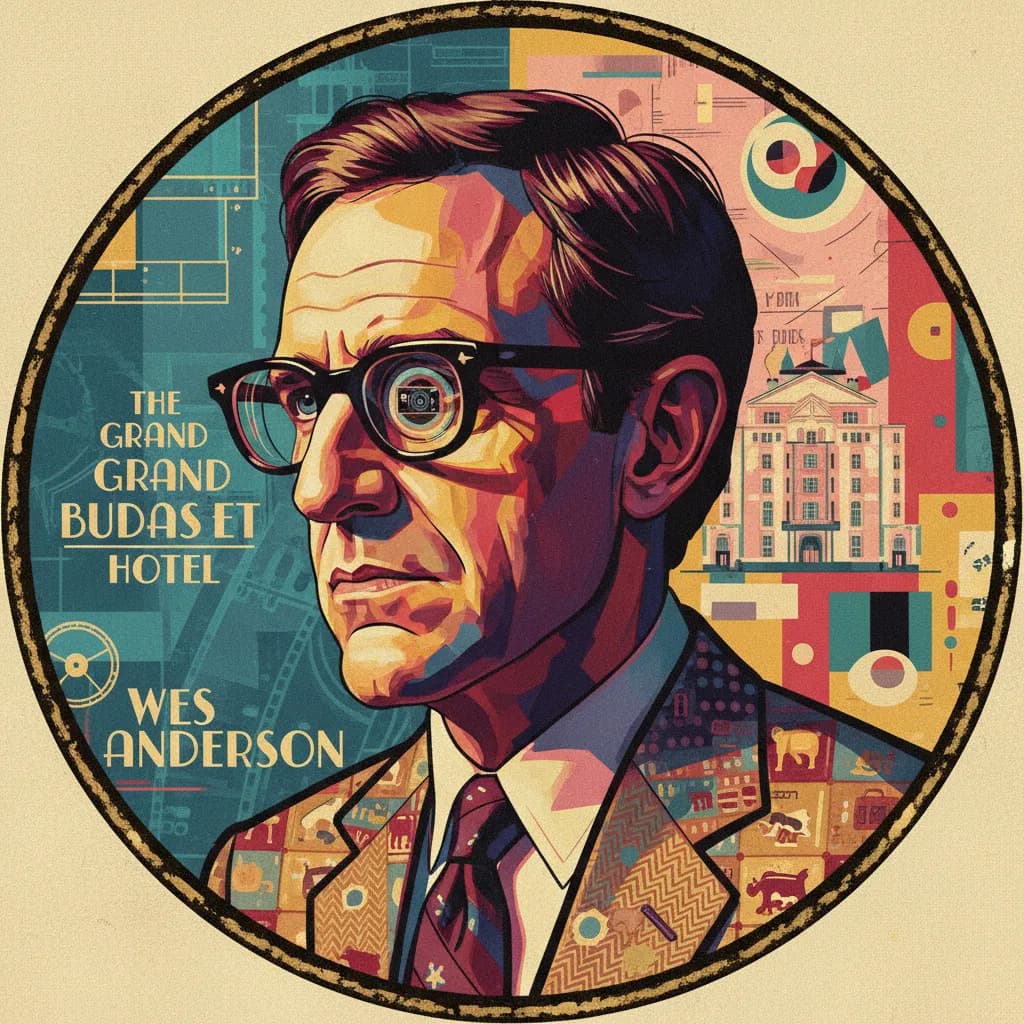
Wes Anderson
Every film, ranked

Paul Thomas Anderson
Every film, ranked

Ridley Scott
Every film, ranked

Tim Burton
Every film, ranked

Guillermo del Toro
Every film, ranked

Hayao Miyazaki
Every film, ranked

Akira Kurosawa
Every film, ranked

Francis Ford Coppola
Every film, ranked

Clint Eastwood
Every film, ranked

Bong Joon Ho
Every film, ranked

Woody Allen
Every film, ranked

Steven Soderbergh
Every film, ranked

Ron Howard
Every film, ranked

Pedro Almodóvar
Every film, ranked

Richard Linklater
Every film, ranked

Roman Polanski
Every film, ranked

Brian De Palma
Every film, ranked

Ingmar Bergman
Every film, ranked

Oliver Stone
Every film, ranked

David Cronenberg
Every film, ranked

Robert Zemeckis
Every film, ranked

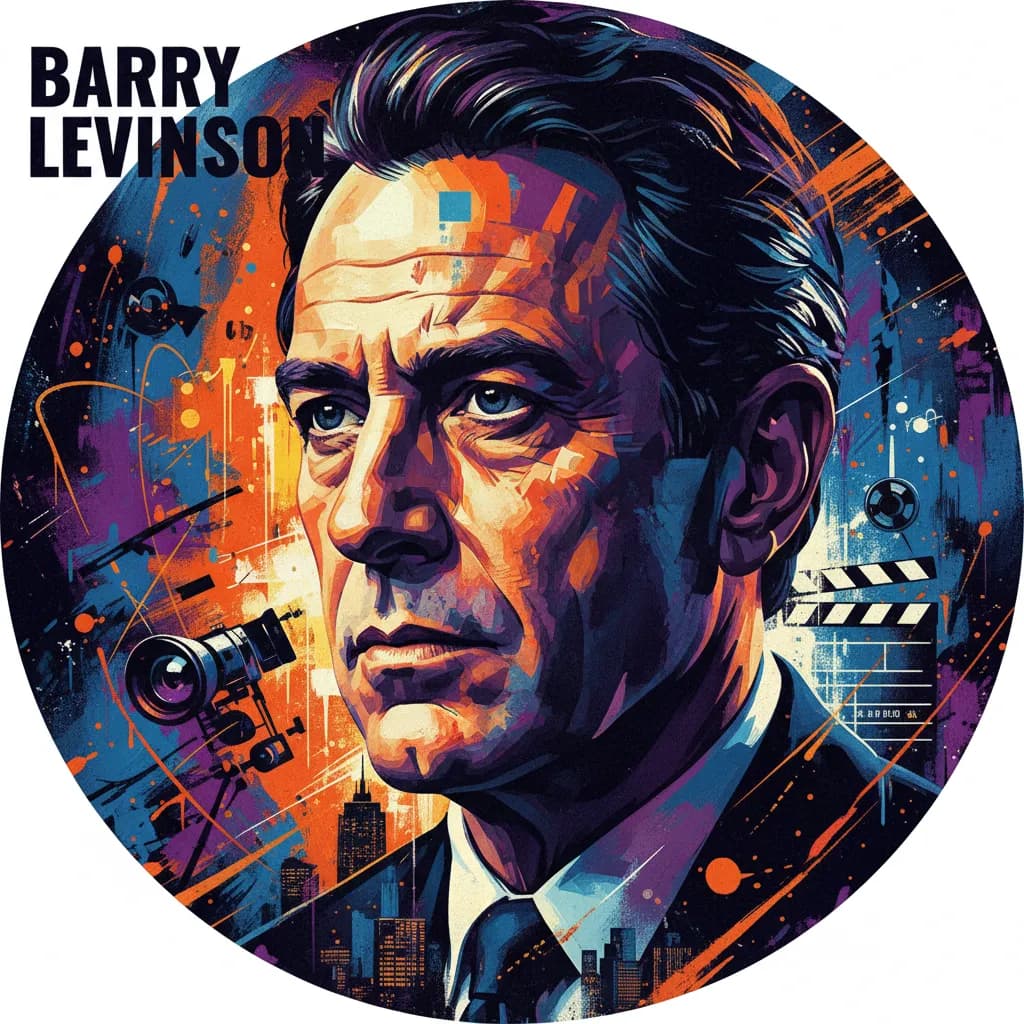
Barry Levinson
Every film, ranked

John Carpenter
Every film, ranked

Joel Schumacher
Every film, ranked

Billy Wilder
Every film, ranked

Rob Reiner
Every film, ranked

Neil Jordan
Every film, ranked

Spike Lee
Every film, ranked

Ivan Reitman
Every film, ranked

John Woo
Every film, ranked

Lasse Hallström
Every film, ranked

Stephen Frears
Every film, ranked

Luc Besson
Every film, ranked

Chris Columbus
Every film, ranked

Mike Nichols
Every film, ranked

Howard Hawks
Every film, ranked

Ang Lee
Every film, ranked

Walter Hill
Every film, ranked

Gus Van Sant
Every film, ranked

William Wyler
Every film, ranked

Renny Harlin
Every film, ranked

Sidney Lumet
Every film, ranked

Tony Scott
Every film, ranked