Discover the visionary filmmakers behind cinema's greatest works.
Explore our selection of acclaimed directors and their remarkable films.
Showing 3517-3528 out of 4148

Sean Durkin is a highly acclaimed film director known for his distinct directorial style and thought-provoking narratives. Durkin made a powerful debut with his feature film "Martha Marcy May Marlene" in 2011. This psychological drama, mystery, and thriller received widespread critical acclaim and garnered attention for its haunting storytelling and compelling performances. Durkin's ability to craft a gripping and unsettling atmosphere earned him recognition as a director with a unique vision. In 2020, Durkin once again captivated audiences with "The Nest," a drama that delves into the complexities of family dynamics and personal ambition. The film showcases Durkin's ability to explore the intricacies of human relationships and the emotional turmoil that accompanies them. His directorial style often incorporates a blend of atmospheric tension, nuanced character development, and evocative storytelling, establishing him as a master of creating immersive cinematic experiences. Durkin's films often explore themes of identity, trauma, and the darker aspects of human behavior, resonating with audiences on a profound level. His storytelling prowess and keen eye for detail have solidified his reputation as a director who fearlessly confronts the complexities of the human psyche, leaving a lasting impact on the cinematic landscape. Durkin's ability to elicit raw and authentic performances from his actors further underscores his skill as a director, creating a palpable sense of realism in his films. As a visionary director, Sean Durkin continues to push the boundaries of storytelling, offering audiences thought-provoking narratives that leave a lasting impression. His ability to craft emotionally resonant and visually captivating films has cemented his status as a director to watch, with a promising career trajectory that is sure to leave an indelible mark on the world of cinema for years to come.

Sean Ellis is a British film director known for his diverse range of work spanning various genres. He first gained attention with his feature film debut, "Cashback" (2006), a charming comedy-drama that showcased his knack for blending poignant storytelling with a touch of whimsy. The film's unique visual style and poetic narration established Ellis as a director with a keen eye for inventive storytelling techniques. In 2008, Ellis ventured into darker territory with "The Broken," a haunting blend of drama, horror, and thriller elements. This film demonstrated his ability to create an atmosphere of palpable tension and psychological unease, solidifying his reputation as a director unafraid to explore the depths of human emotion and fear. Ellis continued to push boundaries with "Anthropoid" (2016), a gripping action-drama based on the true story of Operation Anthropoid during World War II. The film showcased his ability to infuse historical events with intense drama and visceral storytelling, earning critical acclaim for its immersive portrayal of wartime bravery and sacrifice. In 2021, Ellis delved into the realms of fantasy, horror, and mystery with "The Cursed," further showcasing his versatility as a director. With this latest work, Ellis continues to explore new storytelling landscapes while maintaining his signature visual flair and narrative depth. Throughout his career, Ellis has demonstrated a penchant for crafting visually stunning films that delve into the complexities of human experience. His directorial style often blends atmospheric cinematography with compelling narratives, creating an immersive viewing experience for audiences. With a filmography that spans genres and themes, Ellis continues to leave an indelible mark on cinema, consistently challenging conventions and delivering thought-provoking storytelling that resonates with audiences worldwide.

Sean Foley is a British film director known for his unique blend of comedy and thriller genres, as showcased in his notable film "Mindhorn" (2016). Foley's directorial style is characterized by a sharp wit, clever storytelling, and a keen eye for blending humor with suspense. His work often explores the absurdity of human behavior and the complexities of identity, making his films a delightful and thought-provoking experience for audiences. In "Mindhorn," Foley masterfully weaves together elements of comedy and thriller, creating a film that is both entertaining and compelling. The movie follows the story of a washed-up actor who played a detective with a bionic eye in a popular 1980s TV show. When a real-life criminal demands to speak with the fictional character, the actor gets dragged into a real-life crime investigation. Foley's direction infuses the film with a distinct visual style and a sharp sense of humor, making it a standout in the comedy-thriller genre. Foley's films often explore themes of identity, delving into the complexities of human nature and the absurdities of modern society. His ability to infuse his work with both humor and depth has earned him a reputation as a director with a unique vision and a knack for storytelling. His impact on cinema is evident in his ability to seamlessly blend genres, creating films that resonate with audiences and critics alike. Foley's contributions to film have solidified his status as a director to watch, with his distinct directorial style and ability to craft engaging narratives setting him apart in the industry. As he continues to evolve as a filmmaker, audiences can eagerly anticipate more captivating and thought-provoking work from this talented director.

Sean Garrity is a highly talented Canadian film director known for his unique blend of comedy and romance, as showcased in his notable film "An Awkward Sexual Adventure" (2012). With a career spanning several decades, Garrity has made a significant impact on the cinema landscape with his distinct directorial style and storytelling prowess. Garrity's directorial approach is characterized by his ability to infuse humor and emotional depth into his narratives, creating a compelling and relatable cinematic experience. His keen understanding of human relationships and dynamics is evident in "An Awkward Sexual Adventure," where he masterfully explores themes of intimacy, vulnerability, and personal growth. Garrity's films often feature flawed yet endearing characters, and he skillfully navigates the complexities of love and connection with authenticity and humor. "An Awkward Sexual Adventure" stands as a testament to Garrity's directorial finesse, earning critical acclaim for its engaging storytelling, well-crafted humor, and heartfelt portrayal of human experiences. The film's success solidified Garrity's reputation as a director with a unique vision and an innate ability to capture the intricacies of human behavior on screen. Garrity's impact on cinema extends beyond his individual films, as he has contributed to the enrichment of Canadian cinema through his compelling storytelling and directorial craftsmanship. His ability to blend comedy and romance in a way that resonates with audiences has cemented his status as a noteworthy director in the industry. Overall, Sean Garrity's career is defined by his ability to create authentic, emotionally resonant narratives that reflect the complexities of human relationships. His directorial style and thematic exploration have left an indelible mark on cinema, making him a director to watch for those seeking compelling, character-driven storytelling.

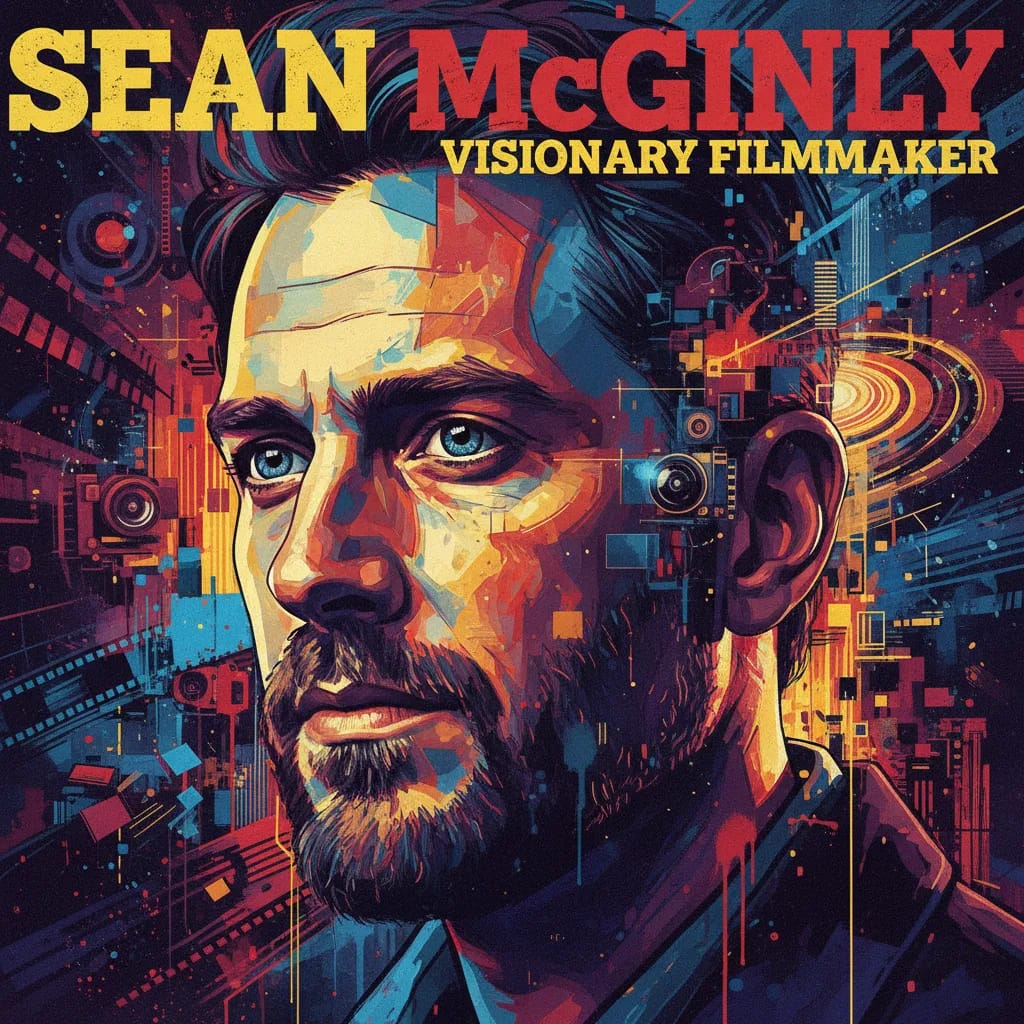
Sean McGinly is an American film director recognized for his distinctive storytelling and engaging directorial style. McGinly's most notable work includes the 2008 film "The Great Buck Howard," a captivating adventure-comedy-drama that showcases his ability to seamlessly blend genres and deliver a thought-provoking narrative. With a keen eye for detail and a penchant for character-driven storytelling, McGinly has made a significant impact on the world of cinema through his unique vision and exceptional directorial prowess. "The Great Buck Howard" stands as a testament to McGinly's directorial finesse, featuring a compelling storyline and a stellar cast led by John Malkovich and Colin Hanks. The film's exploration of the enigmatic world of magic and entertainment serves as a prime example of McGinly's ability to infuse his work with humor, depth, and emotional resonance. His directorial style is characterized by a seamless blend of wit and poignancy, creating an immersive cinematic experience for audiences. McGinly's body of work often delves into themes of ambition, resilience, and the human experience, resonating with audiences on a profound level. His skillful direction and ability to capture the complexities of human relationships have cemented his reputation as a director with a distinctive voice in the industry. McGinly's dedication to crafting compelling narratives and bringing multidimensional characters to life has earned him a dedicated following and critical acclaim. With "The Great Buck Howard," Sean McGinly has solidified his status as a director with a keen understanding of storytelling and an unparalleled ability to captivate audiences. His contribution to cinema extends beyond mere entertainment, as his films often serve as poignant reflections of the human condition. As McGinly continues to shape the landscape of contemporary cinema with his evocative storytelling and visionary approach, his impact on the industry remains indelible.

Sean McNamara is an accomplished film director known for his work in family-friendly and inspirational films. With a career spanning over two decades, McNamara has left an indelible mark on cinema through his directorial style, which often combines elements of drama, music, and biography to create emotionally resonant stories. His notable films include "Raise Your Voice" (2004), "Spare Parts" (2015), and "Soul Surfer" (2011), all of which showcase his ability to bring real-life stories to the screen with heartfelt sincerity. McNamara's directorial style is characterized by his adeptness at navigating emotional narratives with sensitivity and authenticity. He has a keen eye for capturing the human experience, particularly in stories of triumph over adversity. His films often explore themes of resilience, hope, and the power of the human spirit, resonating deeply with audiences of all ages. McNamara's commitment to uplifting storytelling has made him a beloved figure in the realm of family-oriented cinema. "Soul Surfer," based on the true story of surfer Bethany Hamilton, exemplifies McNamara's ability to infuse real-life accounts with cinematic poignancy. The film received critical acclaim for its stirring portrayal of Hamilton's journey following a shark attack, balancing heart-wrenching moments with a message of unwavering determination. Similarly, "Spare Parts" delves into the inspiring true story of a group of underprivileged high school students who enter a robotics competition, showcasing McNamara's penchant for celebrating the triumphs of the human spirit. McNamara's impact on cinema lies in his unwavering commitment to crafting films that uplift, inspire, and resonate on a personal level. His dedication to telling stories of courage and perseverance has solidified his status as a director with a unique vision for heartfelt storytelling. As he continues to contribute to the cinematic landscape, audiences can anticipate more emotionally resonant narratives that celebrate the resilience of the human experience. Sean McNamara's filmography stands as a testament to the enduring power of storytelling to touch hearts and uplift spirits. In conclusion, Sean McNamara's directorial career has been defined by his ability to infuse real-life stories with emotional depth and authenticity. His films, including "Raise Your Voice," "Spare Parts," and "Soul Surfer," have left an indelible mark on cinema, resonating with audiences through their uplifting narratives and inspiring themes. As a director,

Sean Penn is a multi-talented figure in the entertainment industry, known not only for his acting prowess but also for his directorial ventures. His directorial style is characterized by a deep exploration of human emotions, often delving into complex and thought-provoking narratives. Penn's films are known for their intense and raw portrayal of human nature, often dealing with themes of redemption, moral ambiguity, and the human struggle for connection and purpose. One of Penn's notable directorial works is "The Crossing Guard" (1995), a drama thriller that showcases his ability to capture the raw emotions of his characters. The film delves into the aftermath of a tragic accident and the complex emotions that arise from grief, guilt, and the search for forgiveness. Penn's keen eye for human psychology and his ability to draw out powerful performances from his cast are evident in this film. Another standout in Penn's directorial career is "Into the Wild" (2007), an adventure biography drama that follows the real-life story of Christopher McCandless, a young man who embarks on a journey of self-discovery into the Alaskan wilderness. The film is a poignant exploration of the human desire for freedom and the quest for meaning in a world filled with societal expectations. Penn's direction brings out the beauty and harshness of nature, while also delving deep into the complexities of the human spirit. Penn's recurring themes often revolve around the human condition, the search for identity and purpose, and the moral dilemmas that people face. His impact on cinema is marked by his ability to craft emotionally resonant stories that linger in the minds of audiences long after the credits roll. Penn's unique vision and dedication to bringing authentic and challenging narratives to the screen have solidified his place as a respected director in the film industry. In conclusion, Sean Penn's directorial career is a testament to his innate storytelling abilities and his commitment to exploring the depths of human experience. His films stand as powerful testaments to the complexities of human emotions and the universal struggles that bind us all. With each directorial endeavor, Penn continues to leave an indelible mark on cinema, earning acclaim for his thought-provoking and emotionally charged narratives.

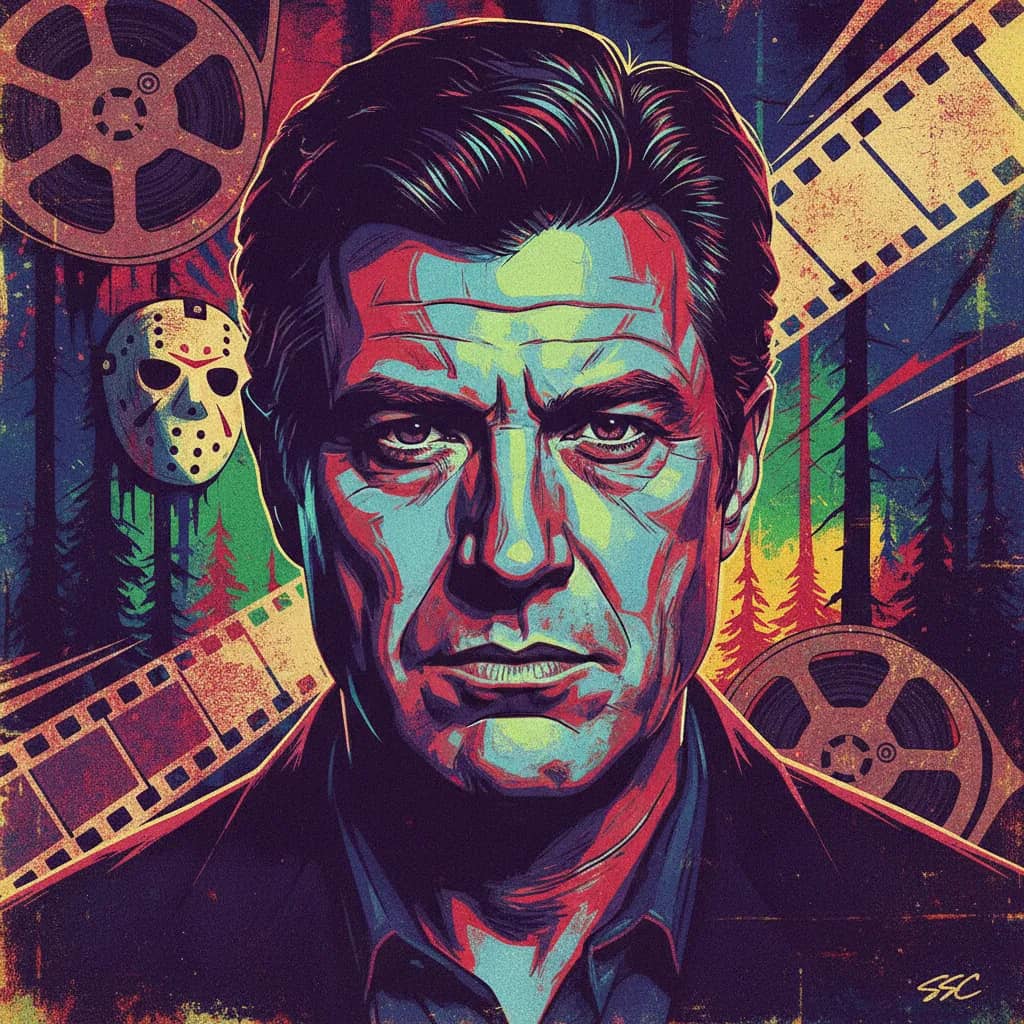
Sean S. Cunningham is a legendary film director who has made significant contributions to the horror and thriller genres. He is best known for his groundbreaking work on the iconic horror film "Friday the 13th" (1980), which not only became a cultural phenomenon but also solidified his status as a master of suspense and terror. Cunningham's directorial style is characterized by his ability to create intense and nail-biting experiences for audiences, often utilizing innovative camera work and a keen understanding of pacing to build tension. In "Friday the 13th," Cunningham skillfully crafted a chilling atmosphere, utilizing the element of surprise and a sense of impending doom to create an enduring horror classic. His directorial prowess in this film set a new standard for the slasher genre, influencing countless filmmakers and leaving an indelible mark on the horror landscape. Additionally, Cunningham's work on "DeepStar Six" (1989) showcased his versatility, blending elements of action, horror, and sci-fi to deliver a thrilling and immersive cinematic experience. One of Cunningham's recurring themes is the exploration of primal fears and the unknown, often delving into the darker aspects of human nature and the consequences of unchecked terror. His ability to tap into these universal fears has resonated with audiences worldwide and has cemented his legacy as a visionary director. Cunningham's impact on cinema extends beyond his individual films, as he has played a pivotal role in shaping the horror genre and inspiring future generations of filmmakers. Overall, Sean S. Cunningham's directorial career is characterized by his ability to craft gripping narratives that captivate and terrify audiences. His influential work has left an indelible mark on the horror and thriller genres, and his innovative approach to storytelling continues to inspire filmmakers to this day. Cunningham's legacy as a master of suspense and horror is a testament to his enduring impact on the world of cinema.

Sebastián Borensztein is an Argentine film director known for his compelling storytelling and ability to infuse humor into dramatic narratives. With a career spanning over two decades, Borensztein has made a significant impact on the world of cinema with his distinct directorial style and thought-provoking films. His notable work includes the 2019 film "Heroic Losers," which seamlessly blends adventure, comedy, and crime elements to deliver a captivating cinematic experience. Borensztein's directorial style is characterized by his adeptness at crafting narratives that resonate with audiences on an emotional level while incorporating elements of humor and adventure. His keen understanding of human nature and the complexities of interpersonal relationships shines through in his films, elevating them beyond mere entertainment to thought-provoking works of art. "Heroic Losers" exemplifies Borensztein's ability to weave together a compelling story with a perfect balance of humor and suspense, showcasing his mastery of the craft. Throughout his career, Borensztein has exhibited a penchant for exploring themes of resilience, camaraderie, and the triumph of the human spirit in the face of adversity. His films often feature characters who navigate challenging circumstances with wit and determination, offering audiences a powerful portrayal of the human experience. Borensztein's ability to infuse his narratives with these recurring themes has cemented his reputation as a director with a unique and impactful storytelling approach. As a director, Borensztein has made significant contributions to the world of cinema, earning acclaim for his ability to create compelling narratives that resonate with diverse audiences. His films have not only entertained viewers but also sparked meaningful conversations about the human condition and the power of unity in the face of obstacles. With "Heroic Losers" and his body of work, Borensztein has solidified his status as a director whose storytelling prowess continues to captivate and inspire audiences worldwide.

Sebastián Cordero is an Ecuadorian film director known for his unique ability to blend genres and storytelling techniques to create thought-provoking and visually stunning films. With a career spanning over two decades, Cordero has established himself as a visionary director with a keen eye for detail and a penchant for pushing the boundaries of traditional filmmaking. Cordero's most notable film, "Europa Report" (2013), showcases his directorial style, which often combines elements of adventure, drama, and mystery. The film follows a group of astronauts on a mission to Jupiter's moon, Europa, and employs a found footage format to immerse viewers in the tension and uncertainty of space exploration. Cordero's meticulous attention to scientific accuracy and his ability to create a palpable sense of isolation and claustrophobia have cemented "Europa Report" as a standout film in the science fiction genre. Throughout his career, Cordero has demonstrated a propensity for exploring themes of human resilience, the unknown, and the intersection of science and morality. His films often delve into the psychological and emotional depths of his characters, inviting audiences to confront their fears and uncertainties. Cordero's directorial vision is characterized by a commitment to authenticity and a willingness to challenge conventional storytelling norms, resulting in films that are both intellectually stimulating and visually captivating. Cordero's impact on cinema extends beyond his individual films, as he has paved the way for Latin American filmmakers to gain recognition on the international stage. His ability to seamlessly blend cultural influences with universal themes has contributed to a more diverse and inclusive landscape in the world of cinema. With a reputation for pushing boundaries and a track record of creating compelling and immersive experiences, Sebastián Cordero continues to be a leading figure in contemporary filmmaking, inspiring audiences and aspiring directors alike with his unique vision and storytelling prowess.

Sebastian Gutierrez is a versatile filmmaker known for his distinct directorial style and unique storytelling. With a career spanning over two decades, Gutierrez has made a significant impact on the film industry through his thought-provoking narratives and visually compelling work. His notable film, "Rise: Blood Hunter" (2007), showcases his ability to seamlessly blend action, crime, and horror genres, solidifying his reputation as a director with a penchant for creating captivating and immersive cinematic experiences. Gutierrez's directorial style is characterized by a bold and unapologetic approach to storytelling, often delving into dark and provocative themes while maintaining a visually striking aesthetic. His films are known for their intense and atmospheric cinematography, which adds depth and dimension to the narratives he brings to life on screen. In "Rise: Blood Hunter," Gutierrez masterfully weaves together elements of horror and crime, creating a gripping tale that keeps audiences on the edge of their seats. Throughout his career, Gutierrez has demonstrated a consistent exploration of recurring themes such as the supernatural, human nature's darker aspects, and the complexities of morality. His ability to infuse these themes into his work has contributed to his reputation as a director with a distinct and compelling creative vision. Gutierrez's impact on cinema extends beyond his individual films, as his unique storytelling and directorial approach have influenced and inspired aspiring filmmakers, contributing to the evolution of the industry. As a filmmaker, Sebastian Gutierrez has carved out a niche for himself through his ability to deliver captivating and multi-layered narratives that resonate with audiences. His dedication to pushing artistic boundaries and challenging conventional storytelling norms has cemented his status as a director to watch in the ever-evolving landscape of cinema. With a body of work that continues to captivate and intrigue, Gutierrez's contributions to the film industry are a testament to his passion for creating thought-provoking and visually stunning cinematic experiences.

Sebastián Lelio is a renowned Chilean film director known for his unique storytelling and visually striking films. With a career spanning over two decades, Lelio has made a significant impact on the world of cinema with his thought-provoking narratives and engaging directorial style. His notable films include "A Fantastic Woman" (2017), "Gloria Bell" (2018), "Disobedience" (2017), and his latest work, "The Wonder" (2022). Lelio's directorial style is characterized by his ability to delve deep into complex human emotions and interpersonal relationships. He is known for creating rich, multi-dimensional characters and infusing his films with a sense of authenticity that resonates with audiences. His visual storytelling often combines intimate, character-driven narratives with stunning cinematography, showcasing his keen eye for detail and atmosphere. One of Lelio's most acclaimed works, "A Fantastic Woman," garnered international acclaim and won the Academy Award for Best Foreign Language Film. The film explores themes of identity, resilience, and societal acceptance through the captivating story of a transgender woman navigating love and loss in Santiago, Chile. Lelio's ability to sensitively address relevant social issues while maintaining a compelling narrative has solidified his reputation as a master storyteller. In "Gloria Bell," Lelio skillfully captures the complexities of human relationships and the pursuit of happiness through the lens of a middle-aged woman navigating love and self-discovery. With a soundtrack that perfectly complements the emotional journey of the protagonist, Lelio once again demonstrates his ability to seamlessly integrate music into his storytelling, creating a captivating audio-visual experience. Lelio's films often explore themes of identity, resilience, and the human experience, with a focus on marginalized voices and societal norms. His work has made a significant impact on cinema, contributing to the representation of diverse narratives and challenging traditional storytelling conventions. As Lelio continues to push boundaries and captivate audiences with his compelling directorial vision, his influence on the film industry remains undeniable, cementing his legacy as a visionary filmmaker.
Every film by the greats, ranked by our TML Score.

Christopher Nolan
Every film, ranked

Quentin Tarantino
Every film, ranked

Stanley Kubrick
Every film, ranked

Martin Scorsese
Every film, ranked

Steven Spielberg
Every film, ranked

Alfred Hitchcock
Every film, ranked

David Fincher
Every film, ranked

Denis Villeneuve
Every film, ranked

Wes Anderson
Every film, ranked

Paul Thomas Anderson
Every film, ranked

Ridley Scott
Every film, ranked

Tim Burton
Every film, ranked

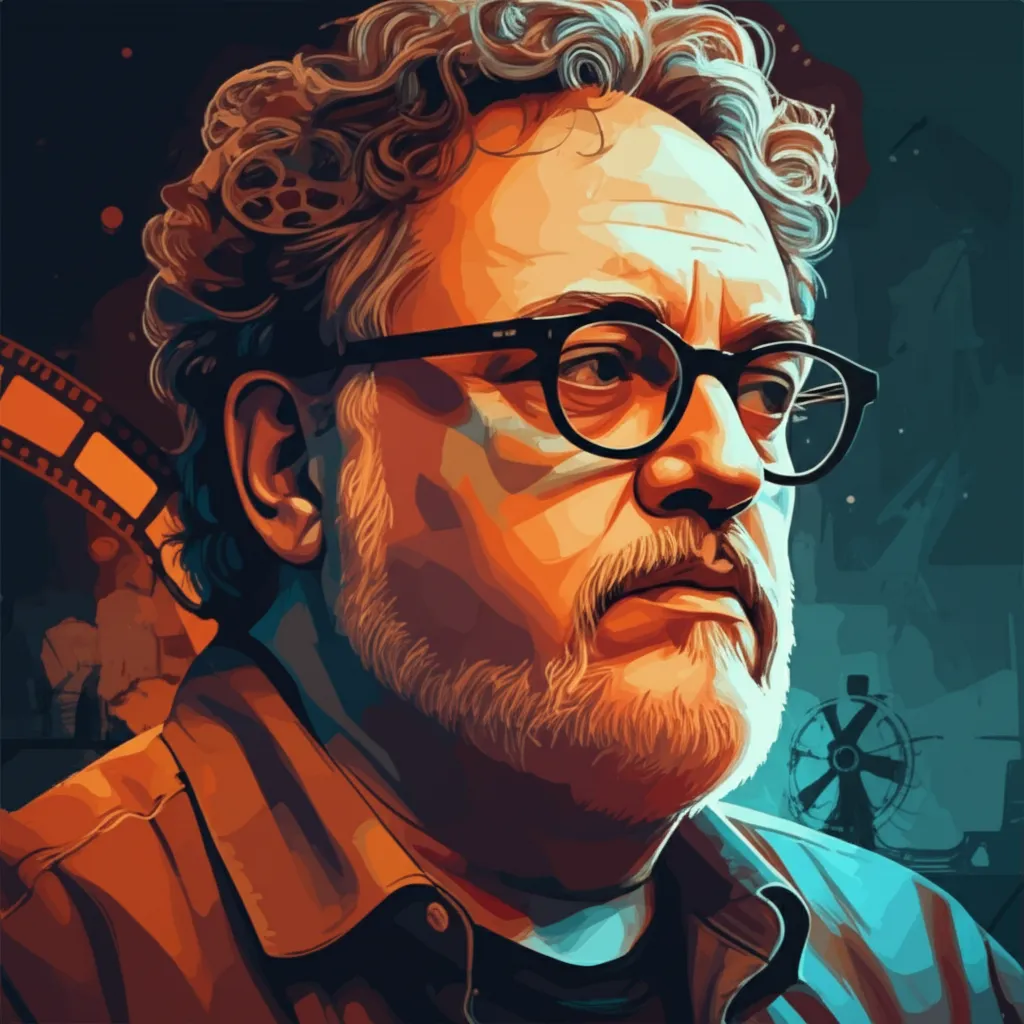
Guillermo del Toro
Every film, ranked

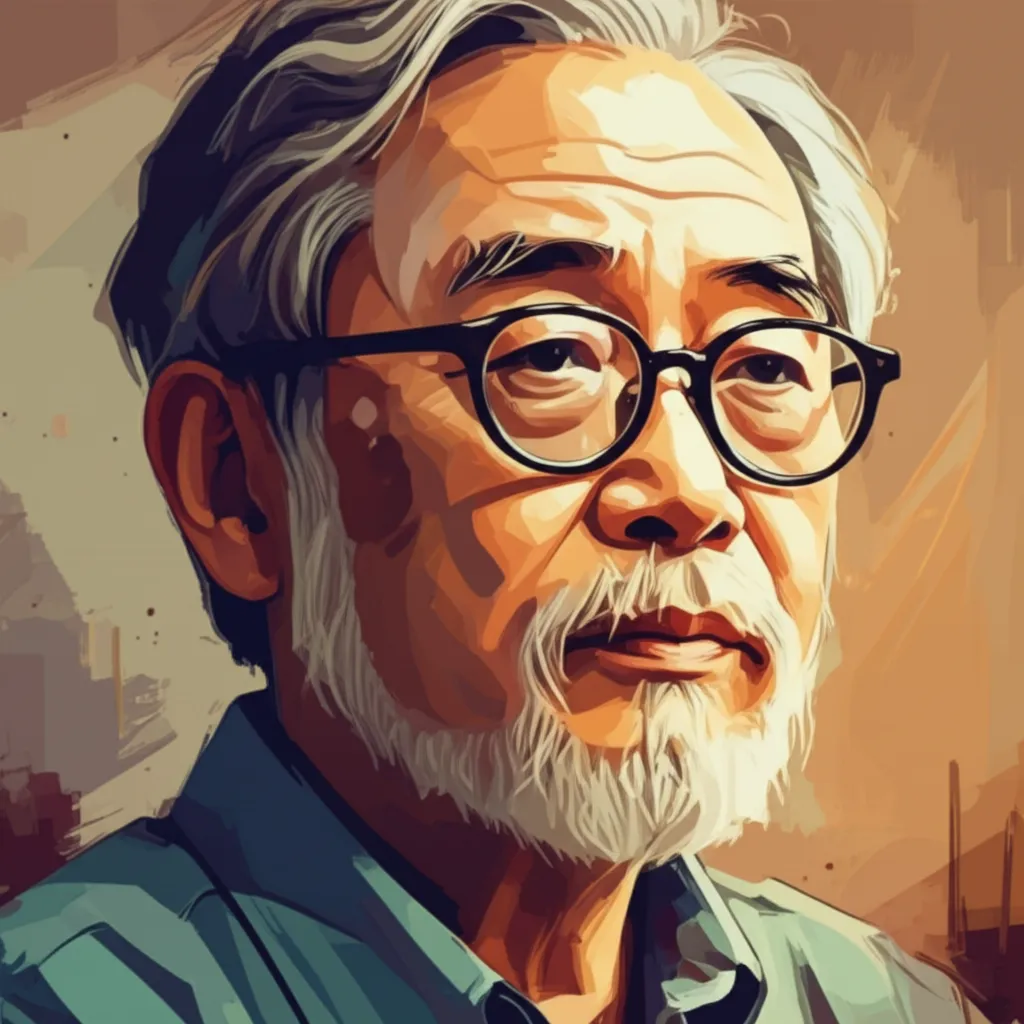
Hayao Miyazaki
Every film, ranked

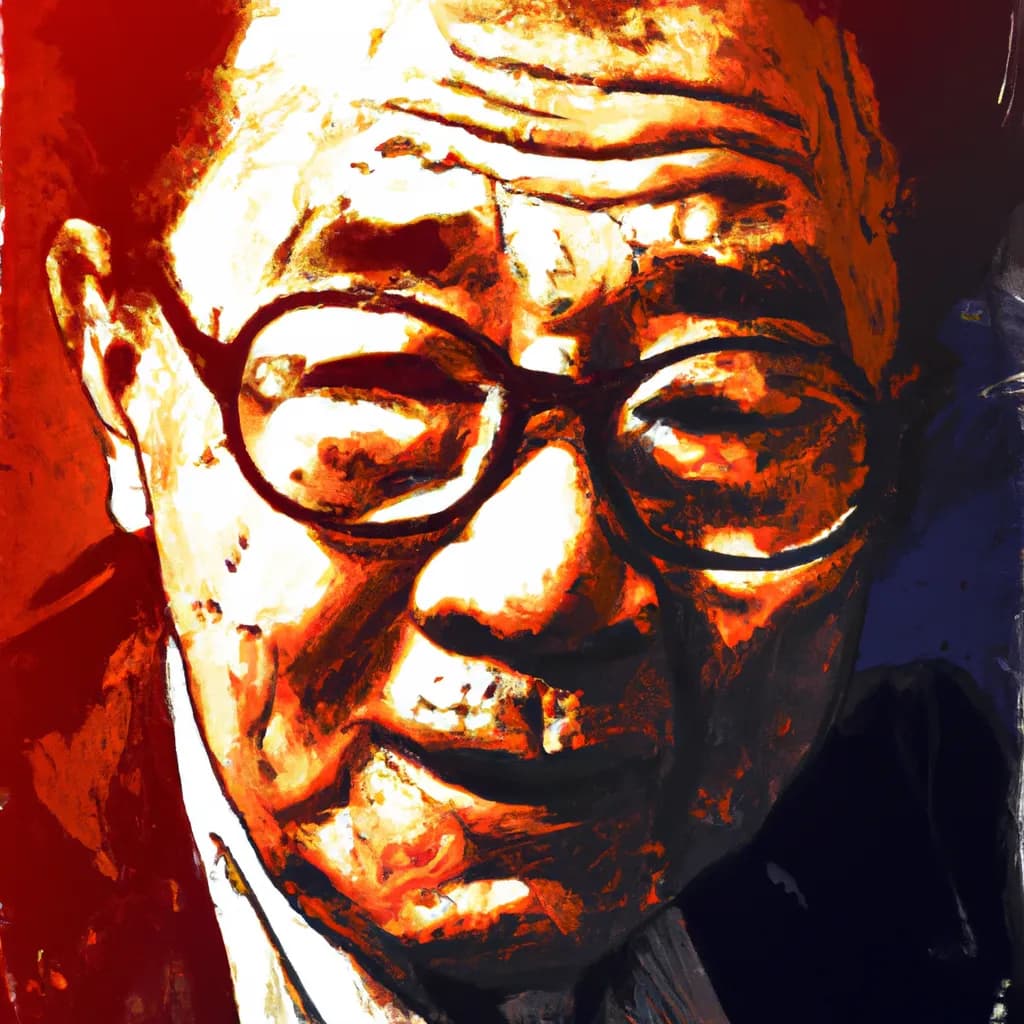
Akira Kurosawa
Every film, ranked

Francis Ford Coppola
Every film, ranked

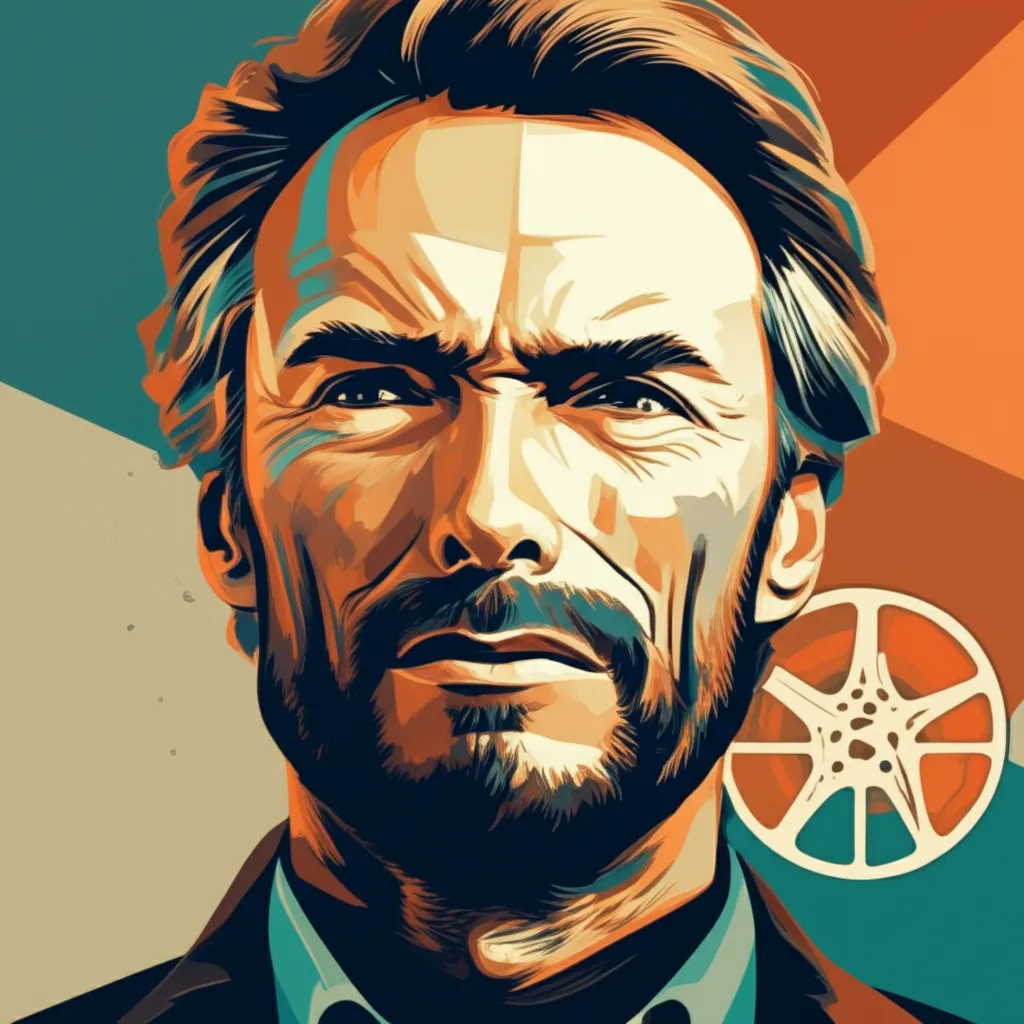
Clint Eastwood
Every film, ranked

Bong Joon Ho
Every film, ranked

Woody Allen
Every film, ranked

Steven Soderbergh
Every film, ranked

Ron Howard
Every film, ranked

Pedro Almodóvar
Every film, ranked

Richard Linklater
Every film, ranked

Roman Polanski
Every film, ranked

Brian De Palma
Every film, ranked

Ingmar Bergman
Every film, ranked

Oliver Stone
Every film, ranked

David Cronenberg
Every film, ranked

Robert Zemeckis
Every film, ranked

Barry Levinson
Every film, ranked

John Carpenter
Every film, ranked

Joel Schumacher
Every film, ranked

Billy Wilder
Every film, ranked

Rob Reiner
Every film, ranked

Neil Jordan
Every film, ranked

Spike Lee
Every film, ranked

Ivan Reitman
Every film, ranked

John Woo
Every film, ranked

Lasse Hallström
Every film, ranked

Stephen Frears
Every film, ranked

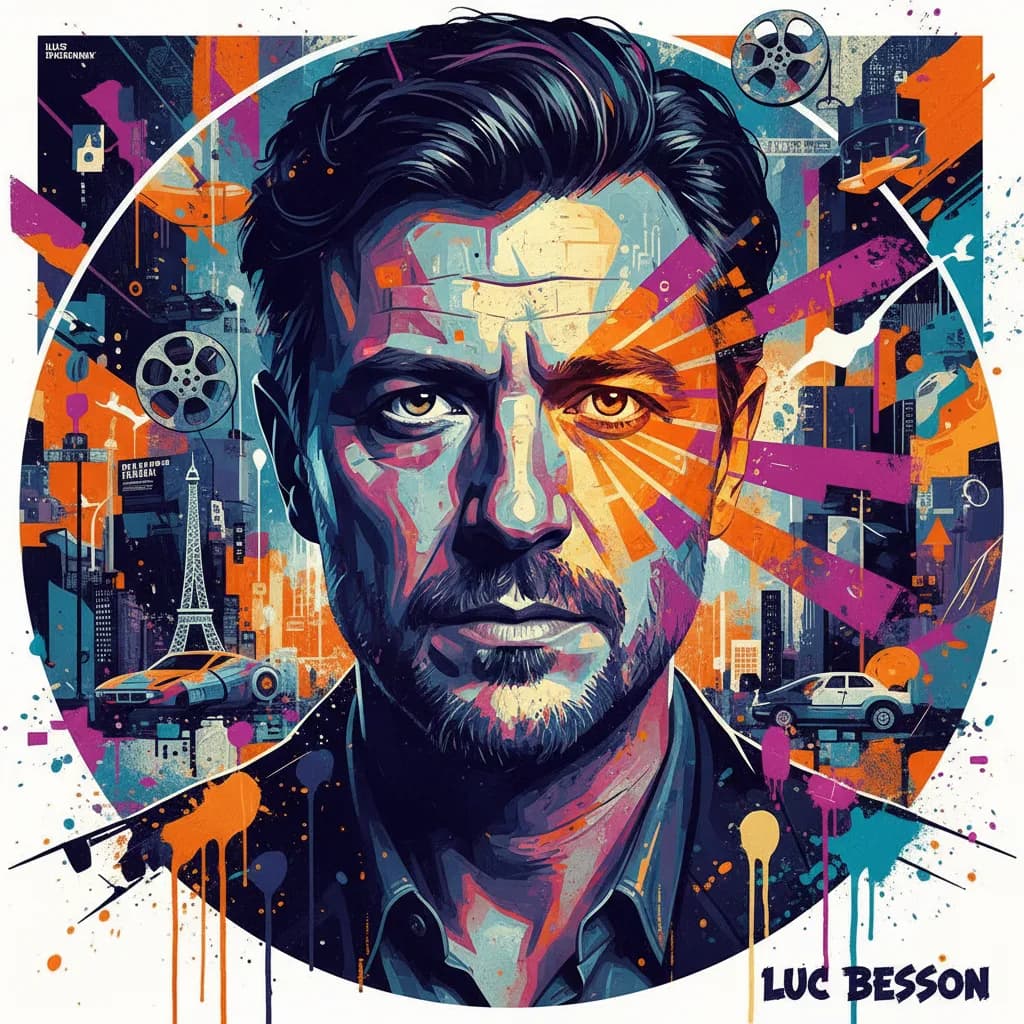
Luc Besson
Every film, ranked

Chris Columbus
Every film, ranked

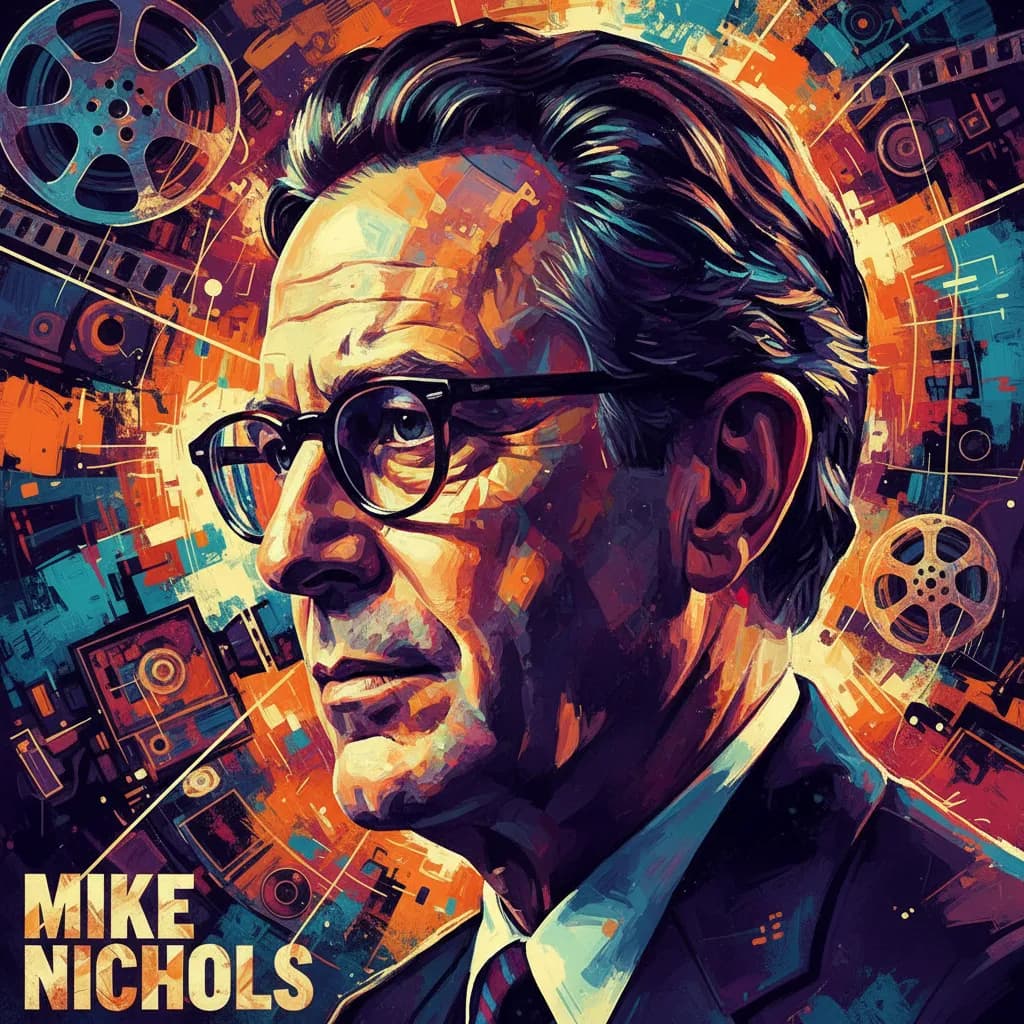
Mike Nichols
Every film, ranked

Howard Hawks
Every film, ranked

Ang Lee
Every film, ranked

Walter Hill
Every film, ranked

Gus Van Sant
Every film, ranked

William Wyler
Every film, ranked

Renny Harlin
Every film, ranked

Sidney Lumet
Every film, ranked

Tony Scott
Every film, ranked