Discover the visionary filmmakers behind cinema's greatest works.
Explore our selection of acclaimed directors and their remarkable films.
Showing 2845-2856 out of 4148

Nicholas Hytner is a renowned British film and theater director celebrated for his ability to bring captivating stories to life on the screen. With a career spanning over three decades, Hytner has left an indelible mark on the entertainment industry with his unique directorial style and compelling storytelling. Hytner's directorial style is characterized by his adeptness at blending historical and contemporary narratives with rich character development. His films often feature a perfect balance of drama, comedy, and romance, creating a multi-dimensional viewing experience for audiences. Notable for his keen attention to detail and meticulous approach to storytelling, Hytner's works are lauded for their ability to capture the essence of the human experience with authenticity and emotional depth. One of Hytner's most acclaimed films is "The Madness of King George" (1994), a biographical comedy-drama that garnered widespread critical acclaim and earned him an Academy Award nomination for Best Director. The film's success solidified Hytner's reputation as a visionary director capable of bringing historical narratives to life with unparalleled artistry and finesse. "The Crucible" (1996), based on Arthur Miller's classic play, showcased Hytner's ability to navigate complex historical themes while infusing the story with contemporary relevance, earning him further acclaim. Throughout his career, Hytner has demonstrated a penchant for exploring the intricacies of human relationships, ambition, and the pursuit of identity. His film "The History Boys" (2006) exemplifies his ability to delve into the complexities of adolescence and education, offering a poignant and humorous take on the coming-of-age experience. Additionally, "The Lady in the Van" (2015) showcased Hytner's mastery in adapting real-life stories to the screen, delivering a compelling biographical comedy-drama that resonated with audiences and critics alike. Hytner's impact on cinema is evident in his ability to create immersive and thought-provoking narratives that transcend time and genre. His films continue to resonate with audiences, and his influence on the industry is undeniable. With a legacy defined by his unique vision and contributions to the art of storytelling, Nicholas Hytner stands as a revered director whose work continues to inspire and captivate audiences worldwide.

Nicholas Jarecki is an accomplished film director known for his compelling storytelling and thought-provoking narratives. With a keen eye for human drama and moral dilemmas, Jarecki's directorial style is marked by his ability to weave complex characters into gripping, tension-filled narratives. His notable films include "Arbitrage" (2012) and "Crisis" (2021), both of which showcase his mastery in crafting intense, character-driven dramas within the worlds of finance and pharmaceuticals. In "Arbitrage," Jarecki delves into the high-stakes world of corporate finance and moral ambiguity, as he explores the life of a hedge fund magnate embroiled in a web of deceit and manipulation. The film's taut pacing and intricate plot reflect Jarecki's knack for creating suspenseful, morally-charged narratives that resonate with audiences. In "Crisis," Jarecki's directorial prowess is once again on display as he delves into the dark underbelly of the pharmaceutical industry, examining the intersection of power, greed, and the opioid epidemic. Both films exemplify Jarecki's ability to tackle socially relevant issues with nuance and depth, offering audiences a compelling cinematic experience. Jarecki's recurring themes often revolve around moral ambiguity, ethical dilemmas, and the complexities of human nature. His films delve into the psychological and emotional landscapes of his characters, often blurring the lines between right and wrong, and challenging audiences to confront uncomfortable truths. With a keen understanding of the human condition, Jarecki's work resonates with viewers on a profound level, prompting introspection and critical examination of societal issues. Nicholas Jarecki's impact on cinema lies in his ability to craft gripping, socially relevant narratives that provoke thought and spark conversation. His unique vision and directorial finesse have positioned him as a formidable voice in contemporary filmmaking. As he continues to push boundaries and explore the intricacies of human behavior, Jarecki remains a director to watch, with a promising future in shaping the landscape of thought-provoking cinema.

Nicholas Mastandrea is a director known for his work in the action, comedy, and horror genres. His notable filmography includes "The Breed" (2006), a thrilling horror film that showcases Mastandrea's unique directorial style. With a focus on creating tension and delivering heart-pounding scares, Mastandrea has solidified himself as a director with a knack for crafting intense and captivating narratives within the horror genre. Mastandrea's directorial style often combines elements of action and comedy with horror, resulting in films that are not only terrifying but also entertaining and engaging. His ability to blend these genres seamlessly has set him apart in the filmmaking industry, earning him a dedicated following among horror enthusiasts and movie buffs alike. "The Breed" stands as a testament to Mastandrea's talent for creating atmospheres of dread and suspense, as well as his ability to craft compelling characters and storylines that keep audiences on the edge of their seats. His keen eye for detail and mastery of visual storytelling have established him as a director with a distinct vision and a penchant for delivering memorable cinematic experiences. Mastandrea's impact on cinema lies in his commitment to pushing the boundaries of the horror genre, infusing it with elements of action and comedy to create a unique and exhilarating viewing experience. His contributions to the film industry have cemented his status as a director to watch, with his films continuing to resonate with audiences and critics alike. As Mastandrea's career continues to evolve, his signature style and innovative approach to storytelling are sure to leave a lasting impression on the world of cinema.


Nicholas McCarthy is a talented American film director known for his contributions to the horror and mystery genres. His directorial style is characterized by a masterful ability to create spine-tingling atmospheres and craft compelling narratives that delve into the darkest corners of the human psyche. McCarthy's knack for infusing his films with an unsettling sense of dread has garnered him a dedicated following among horror enthusiasts. One of McCarthy's most notable works is "The Pact" (2012), a gripping horror-mystery-thriller that showcases his ability to build tension and deliver shocking twists. The film received critical acclaim for its chilling atmosphere and taut storytelling, establishing McCarthy as a promising new voice in the genre. His subsequent film, "Holidays" (2016), further solidified his reputation as a director with a penchant for crafting unsettling and thought-provoking narratives within the horror and mystery realms. In 2019, McCarthy added to his impressive filmography with "The Prodigy," a supernatural horror film that further showcased his ability to blend elements of horror and mystery into a captivating and terrifying cinematic experience. Through his work, McCarthy has demonstrated a consistent commitment to exploring the darker aspects of human existence, often delving into themes of the supernatural, psychological turmoil, and the unknown. McCarthy's impact on cinema lies in his ability to push the boundaries of traditional horror and mystery storytelling, offering audiences fresh and compelling narratives that leave a lasting impression. His unique vision and dedication to creating atmospheric and unsettling experiences have cemented his status as a director to watch in the world of genre filmmaking. As McCarthy continues to evolve as a director, audiences can look forward to being captivated by his distinct brand of storytelling and his ongoing contributions to the horror and mystery genres.

Nicholas Meyer is a prolific and versatile film director known for his contributions to adventure, drama, comedy, and sci-fi genres. His directorial style is marked by a keen eye for storytelling, character development, and a knack for blending genres seamlessly. Meyer's career took off with the 1979 film "Time After Time," a captivating adventure that combined elements of drama and sci-fi. This early success set the stage for a career marked by a diverse range of projects that showcased Meyer's ability to tackle various storytelling styles with finesse. One of Meyer's most significant contributions to cinema came with his work on the "Star Trek" franchise. He directed two of the most beloved films in the series, "Star Trek II: The Wrath of Khan" (1982) and "Star Trek VI: The Undiscovered Country" (1991). Meyer's impact on the sci-fi genre is undeniable, as he infused the "Star Trek" films with a sense of adventure, action, and thought-provoking themes that resonated with audiences worldwide. His ability to balance intricate character dynamics with thrilling action set pieces solidified his reputation as a masterful director within the genre. Meyer's recurring themes often revolve around the human condition, morality, and the consequences of one's actions, as evidenced in his "Star Trek" films. His films often explore the complexities of human nature and the ethical dilemmas that arise in the face of adversity. This thematic depth, combined with his skillful direction, has cemented Meyer's status as a director with a unique vision and a profound impact on the films he helms. In summary, Nicholas Meyer's directorial career is a testament to his versatility, creativity, and enduring impact on cinema. His ability to seamlessly blend genres, coupled with his thought-provoking storytelling and impactful themes, has solidified his status as a director of immense talent. Whether it's through his early works like "Time After Time" or his iconic contributions to the "Star Trek" franchise, Meyer's films continue to captivate audiences and inspire future generations of filmmakers.

Nicholas Ray, an influential American film director, is best known for his innovative approach to storytelling and his profound impact on the evolution of cinema. With a career spanning several decades, Ray's directorial style was marked by its emotional intensity, psychological depth, and visually striking compositions. He was a pioneer in capturing the raw and unfiltered emotions of his characters, often delving into complex psychological landscapes. Ray's films were characterized by their exploration of themes such as alienation, rebellion, and the search for identity, resonating deeply with audiences and leaving an indelible mark on the world of cinema. One of Ray's most iconic films, "Rebel Without a Cause" (1955), is a timeless classic that continues to be celebrated for its portrayal of teenage angst and rebellion. Starring James Dean in a career-defining role, the film is a poignant exploration of youthful disillusionment and the struggle to find one's place in the world. Ray's keen understanding of the human psyche and his ability to evoke authentic performances from his actors elevated "Rebel Without a Cause" to legendary status, cementing its place in cinematic history. In "In a Lonely Place" (1950), another masterpiece directed by Ray, the filmmaker delved into the darker realms of human nature, weaving a gripping tale of love, suspicion, and psychological turmoil. The film, a seminal work in the film-noir genre, showcased Ray's masterful command of mood and atmosphere, as well as his ability to probe the complexities of human relationships with unflinching honesty. "Johnny Guitar" (1954), a unique blend of drama and Western, further exemplifies Ray's innovative approach to storytelling. The film challenges traditional gender roles and subverts genre conventions, offering a thought-provoking exploration of power dynamics and the nature of heroism. Ray's ability to infuse his films with social commentary and psychological depth set him apart as a visionary director whose work continues to inspire and captivate audiences to this day. Nicholas Ray's impact on cinema extends far beyond his individual films, as he was a trailblazer whose innovative techniques and bold storytelling paved the way for future generations of filmmakers. His uncompromising vision and willingness to push boundaries have left an enduring legacy, solidifying his status as a true auteur whose contributions to the art of filmmaking remain unparalleled.

Nicholas Stoller is an American film director known for his comedic prowess and ability to infuse heart and emotion into his storytelling. With a career spanning over a decade, Stoller has made a significant impact on the comedy genre with his distinctive directorial style and memorable films. Stoller's directorial debut came with the 2008 hit "Forgetting Sarah Marshall," a comedy-drama that showcased his talent for blending humor with genuine human emotions. This film set the tone for Stoller's subsequent work, as he continued to explore the complexities of relationships and personal growth in films like "The Five-Year Engagement" (2012) and "Neighbors" (2014). One of Stoller's notable strengths as a director is his ability to balance laugh-out-loud comedy with poignant storytelling. His films often delve into themes of friendship, love, and self-discovery, resonating with audiences on a deeper level while still delivering the comedic punch that has become his signature. In 2016, Stoller expanded his repertoire by co-directing the animated feature "Storks," showcasing his versatility and creativity in the realm of animation. His ability to transition seamlessly between live-action and animation further solidified his status as a versatile and visionary director. With the upcoming release of "Bros" (2022), a romantic comedy that promises to captivate audiences with Stoller's trademark blend of humor and heart, it's clear that his impact on cinema is far from over. Nicholas Stoller's unique vision and ability to craft relatable, emotionally rich comedies have left an indelible mark on the film industry, making him a director to watch for years to come.

Nicholas Tomnay is an Australian director best known for his work on the 2010 film "The Perfect Host," a genre-bending comedy-crime-thriller that showcases his unique directorial style and storytelling prowess. Tomnay's background in theater and television is evident in his ability to create tension-filled, character-driven narratives that keep audiences on the edge of their seats. "The Perfect Host" serves as a testament to his skill in blending elements of dark comedy with thrilling suspense, offering a fresh and captivating take on the genre. In "The Perfect Host," Tomnay demonstrates his knack for infusing his work with a sense of unpredictability and dark humor, creating a cinematic experience that defies conventional categorization. The film's success lies in Tomnay's ability to seamlessly weave together elements of comedy and crime while maintaining a taut and gripping narrative. His directorial style is marked by a meticulous attention to detail, allowing him to craft intricately layered characters and scenarios that challenge audience expectations. While "The Perfect Host" stands as Tomnay's most notable directorial effort to date, it serves as a testament to his ability to push the boundaries of traditional genre filmmaking and deliver a wholly unique cinematic experience. His work often delves into the complexities of human nature, exploring themes of deception, manipulation, and the unexpected twists of fate. Tomnay's impact on cinema lies in his ability to carve out a niche for himself as a director unafraid to defy genre conventions and offer audiences something truly original and thought-provoking. In the years following "The Perfect Host," Nicholas Tomnay has continued to showcase his directorial talent through various projects, solidifying his status as a filmmaker with a distinct and compelling vision. As he continues to carve out his place in the industry, audiences can eagerly anticipate further contributions from Tomnay that promise to challenge, entertain, and captivate in equal measure. With his unique blend of dark comedy, suspense, and innovative storytelling, Nicholas Tomnay remains a director to watch, poised to leave an indelible mark on the world of cinema.

Nicholaus Goossen is an American film director known for his work in the comedy genre. He made his feature film directorial debut with the 2006 cult classic "Grandma's Boy," which quickly became a fan favorite for its irreverent humor and memorable characters. Goossen's directorial style is characterized by a sharp wit, clever visual gags, and a knack for capturing the absurdities of everyday life, making his films a delight for audiences seeking lighthearted entertainment. "Grandma's Boy" stands as a testament to Goossen's comedic prowess, as the film effortlessly blends outrageous scenarios with heartfelt moments, showcasing his ability to balance humor with genuine emotion. The movie has since gained a dedicated following, solidifying Goossen's reputation as a director with a keen understanding of what resonates with audiences. His work on "Grandma's Boy" has left an indelible mark on the comedy genre, inspiring a new wave of filmmakers to push the boundaries of comedic storytelling. Throughout his career, Goossen has demonstrated a penchant for exploring the absurdities of adulthood, often infusing his films with themes of friendship, personal growth, and the importance of embracing one's inner child. His ability to infuse humor with relatable human experiences has endeared him to audiences and critics alike, earning him a reputation as a director who can deliver both laughs and heartfelt moments in equal measure. In the world of cinema, Nicholaus Goossen's contributions have left an enduring impact, as his unique vision and comedic sensibilities have helped redefine the boundaries of what comedy can achieve on screen. With "Grandma's Boy" as his standout directorial work, Goossen has solidified his status as a director who can craft a comedic masterpiece that resonates with audiences for years to come. As he continues to make his mark in the industry, audiences can eagerly anticipate more of his signature blend of humor and heart in future projects.

Nick Bruno is a highly acclaimed director who has made a significant impact in the world of animation and film. He is best known for his work on the 2019 animated action-adventure film "Spies in Disguise." As a director, Bruno has demonstrated a keen eye for visually stunning storytelling, bringing unique and imaginative concepts to life on the big screen. "Spies in Disguise" showcases Bruno's directorial style, which seamlessly blends high-octane action sequences with heartwarming and comedic moments. His ability to balance these elements makes his films accessible to a wide audience, from children to adults. Bruno's attention to detail and dedication to storytelling are evident in every frame, making his work both visually captivating and emotionally engaging. Throughout his career, Bruno has shown a penchant for exploring themes of friendship, identity, and the power of teamwork, which are recurrent in "Spies in Disguise." His films often feature characters who undergo personal growth and transformation, coupled with a strong emphasis on the importance of collaboration and acceptance. This thematic depth adds layers of meaning to his work, resonating with audiences on a profound level. In addition to his directorial prowess, Nick Bruno's contributions to the world of cinema have solidified his status as a visionary filmmaker. His ability to push the boundaries of animation and storytelling has set new standards for the industry, inspiring future generations of filmmakers to think outside the box and embrace innovation. With "Spies in Disguise," Bruno has left an indelible mark on the animation genre, earning critical acclaim and cementing his legacy as a director with a unique vision and storytelling prowess. In conclusion, Nick Bruno's career as a director has been defined by his ability to craft visually stunning, emotionally resonant, and thematically rich films. His work on "Spies in Disguise" exemplifies his unique directorial style and storytelling sensibilities, showcasing his impact on the world of animation and cinema at large. As a visionary filmmaker, Bruno continues to shape the landscape of filmmaking, leaving an enduring legacy that will undoubtedly inspire future generations of storytellers.

Nick Cassavetes is a versatile filmmaker known for his emotionally charged dramas and compelling storytelling. Born into a family deeply rooted in the entertainment industry, Cassavetes has carved out a distinct niche for himself within the realm of cinema. His directorial style often delves into the complexities of human relationships, tackling themes of love, loss, and the challenges of everyday life. Cassavetes' breakout film, "The Notebook" (2004), remains a beloved classic in the romance genre. The film's enduring popularity and impact on audiences solidified Cassavetes as a director capable of crafting deeply affecting narratives. His ability to evoke raw, genuine emotions from his actors and translate them onto the screen has become a hallmark of his work. In "John Q" (2002), Cassavetes explored the ethical and moral dilemmas of a father pushed to extreme measures to save his son's life. The film's intense and thought-provoking storyline showcased Cassavetes' adeptness at blending social commentary with gripping drama. "Alpha Dog" (2006) further exemplified his skill in portraying raw human experiences, delving into the harrowing true story of a young man caught in a web of crime and betrayal. Cassavetes' filmography also includes "The Other Woman" (2014) and "My Sister's Keeper" (2009), both of which reflect his penchant for delving into the complexities of familial bonds and the resilience of the human spirit. His films often feature multi-dimensional characters grappling with profound challenges, allowing audiences to connect with the raw and authentic portrayal of human experiences. Nick Cassavetes' impact on cinema lies in his ability to infuse his works with a deep sense of empathy and understanding. His films resonate with audiences on a deeply emotional level, offering a poignant and unflinching look at the human condition. Through his unique vision and storytelling prowess, Cassavetes has left an indelible mark on the film industry, consistently delivering compelling narratives that continue to captivate and move audiences worldwide.

Nick Castle is a highly versatile film director known for his diverse range of work across different genres. With a career spanning several decades, Castle has made a significant impact on the world of cinema. He is particularly admired for his imaginative and visually captivating approach to filmmaking, as well as his ability to infuse his projects with a sense of adventure and humor. Castle's directorial style is characterized by a keen sense of storytelling and a knack for bringing out the best in his actors. His films often blend action, adventure, and elements of science fiction, resulting in visually stunning and emotionally resonant narratives. Notable works from his filmography include "The Last Starfighter" (1984), a beloved sci-fi adventure that showcases Castle's ability to create immersive and thrilling cinematic experiences. The film remains a cult classic and a testament to Castle's directorial prowess. In addition to his work in the sci-fi genre, Castle has also ventured into family-friendly and comedic territory with films such as "Major Payne" (1995) and "Dennis the Menace" (1993). These films demonstrate Castle's versatility as a director, as he effortlessly transitions from crafting action-packed spectacles to helming heartwarming and comedic tales that resonate with audiences of all ages. Throughout his career, Castle has exhibited a penchant for crafting stories that explore themes of bravery, camaraderie, and the triumph of the human spirit. His films often feature relatable characters facing extraordinary circumstances, and he has a talent for infusing his narratives with a sense of wonder and whimsy. Nick Castle's impact on cinema is undeniable, as his body of work continues to inspire and entertain audiences around the world. His unique vision and storytelling prowess have solidified his status as a respected director in the industry, and his films remain timeless classics that continue to captivate viewers of all ages. In conclusion, Nick Castle's career is a testament to his ability to transcend genres and deliver captivating, visually stunning films that leave a lasting impression on audiences. His contributions to the world of cinema have cemented his legacy as a director with a distinct and enduring impact.
Every film by the greats, ranked by our TML Score.

Christopher Nolan
Every film, ranked

Quentin Tarantino
Every film, ranked

Stanley Kubrick
Every film, ranked

Martin Scorsese
Every film, ranked

Steven Spielberg
Every film, ranked

Alfred Hitchcock
Every film, ranked

David Fincher
Every film, ranked

Denis Villeneuve
Every film, ranked

Wes Anderson
Every film, ranked

Paul Thomas Anderson
Every film, ranked

Ridley Scott
Every film, ranked

Tim Burton
Every film, ranked

Guillermo del Toro
Every film, ranked

Hayao Miyazaki
Every film, ranked

Akira Kurosawa
Every film, ranked

Francis Ford Coppola
Every film, ranked

Clint Eastwood
Every film, ranked

Bong Joon Ho
Every film, ranked

Woody Allen
Every film, ranked

Steven Soderbergh
Every film, ranked

Ron Howard
Every film, ranked

Pedro Almodóvar
Every film, ranked

Richard Linklater
Every film, ranked

Roman Polanski
Every film, ranked

Brian De Palma
Every film, ranked

Ingmar Bergman
Every film, ranked

Oliver Stone
Every film, ranked

David Cronenberg
Every film, ranked

Robert Zemeckis
Every film, ranked

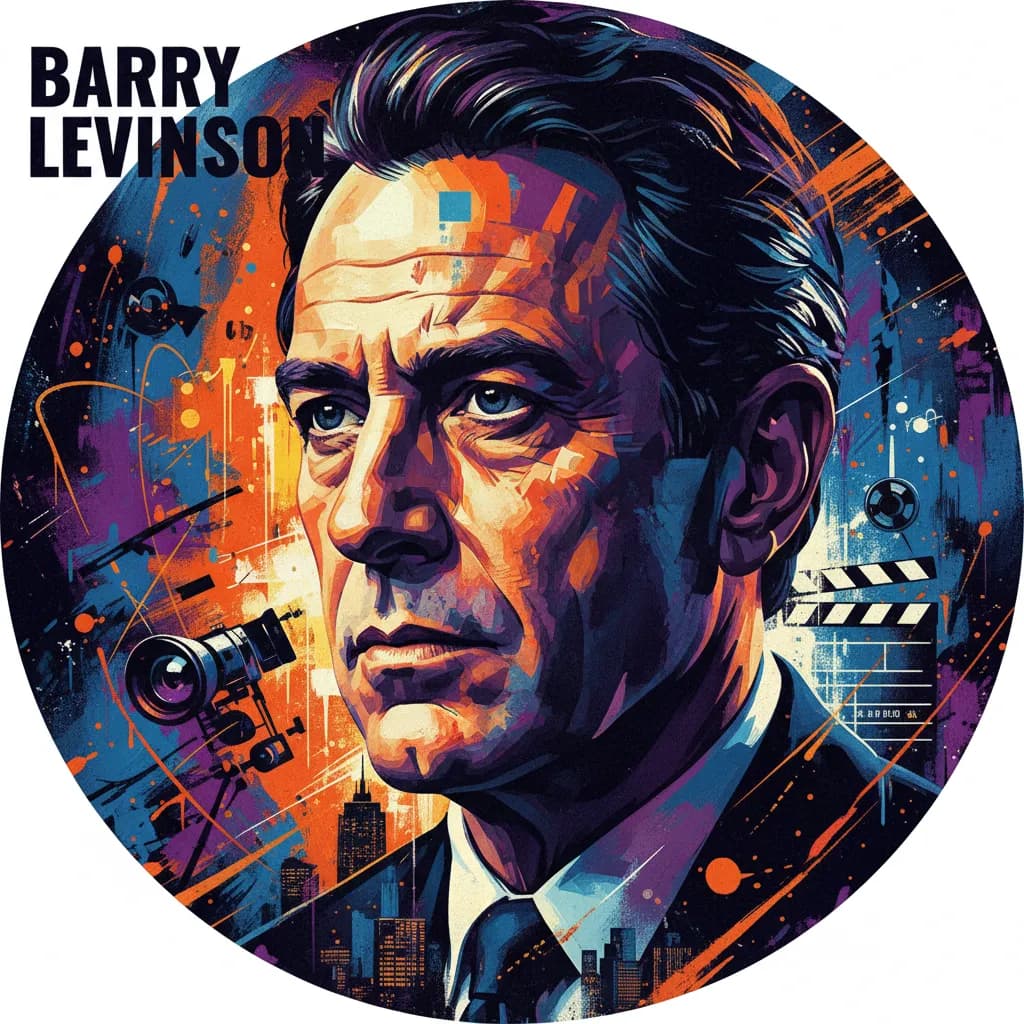
Barry Levinson
Every film, ranked

John Carpenter
Every film, ranked

Joel Schumacher
Every film, ranked

Billy Wilder
Every film, ranked

Rob Reiner
Every film, ranked

Neil Jordan
Every film, ranked

Spike Lee
Every film, ranked

Ivan Reitman
Every film, ranked

John Woo
Every film, ranked

Lasse Hallström
Every film, ranked

Stephen Frears
Every film, ranked

Luc Besson
Every film, ranked

Chris Columbus
Every film, ranked

Mike Nichols
Every film, ranked

Howard Hawks
Every film, ranked

Ang Lee
Every film, ranked

Walter Hill
Every film, ranked

Gus Van Sant
Every film, ranked

William Wyler
Every film, ranked

Renny Harlin
Every film, ranked

Sidney Lumet
Every film, ranked

Tony Scott
Every film, ranked