Discover the visionary filmmakers behind cinema's greatest works.
Explore our selection of acclaimed directors and their remarkable films.
Showing 2641-2652 out of 4148

Mia Hansen-Løve is a prominent French director known for her thought-provoking dramas and intimate storytelling. With a career spanning over two decades, Hansen-Løve has solidified her position as a leading voice in contemporary cinema. Her directorial style is characterized by nuanced character studies, naturalistic performances, and a keen eye for emotional depth. One of her most notable films, "Things to Come" (2016), garnered widespread acclaim for its poignant portrayal of a philosophy professor navigating personal and professional upheavals. The film showcases Hansen-Løve's ability to capture the complexities of human relationships and the passage of time with sensitivity and authenticity. Throughout her filmography, Hansen-Løve frequently explores themes of personal growth, resilience, and the passage of time. Her narratives often delve into the intricacies of human emotions and the evolving nature of relationships, offering audiences a deeply resonant and introspective viewing experience. Hansen-Løve's impact on cinema lies in her ability to craft compelling narratives that transcend cultural boundaries and resonate with audiences on a profound level. Her distinct directorial voice and commitment to storytelling have established her as a trailblazing filmmaker, earning her accolades and recognition on the international stage. With her remarkable body of work, Mia Hansen-Løve continues to shape the cinematic landscape, leaving an indelible mark with her evocative storytelling and astute direction. As a visionary director, she continues to push artistic boundaries, captivating audiences with her perceptive exploration of the human experience. Hansen-Løve's contributions to film are a testament to her enduring influence and enduring legacy in the world of cinema.

Michael Almereyda is a visionary film director known for his thought-provoking and innovative approach to storytelling. With a career spanning several decades, Almereyda has made a significant impact on the world of cinema through his unique directorial style and distinct thematic elements. He has a keen eye for blending biographical narratives with drama and historical contexts, creating compelling and insightful films that challenge traditional storytelling norms. One of Almereyda's most notable works is "Experimenter" (2015), a captivating biographical drama that delves into the life and work of social psychologist Stanley Milgram. The film explores Milgram's controversial experiments on obedience and authority, offering a thought-provoking reflection on human behavior and ethical dilemmas. Through his direction, Almereyda skillfully brings Milgram's story to life, infusing it with depth, intellect, and emotional resonance. His ability to capture the intricacies of the human psyche and societal dynamics is a testament to his directorial prowess. Almereyda's directorial style is characterized by a seamless blend of historical accuracy and artistic interpretation. His films often feature visually striking cinematography and meticulous attention to detail, creating an immersive experience for audiences. Furthermore, his exploration of complex themes such as power dynamics, morality, and the human condition reflects his commitment to pushing the boundaries of conventional storytelling. Almereyda's films stand as a testament to his unwavering dedication to crafting narratives that challenge, provoke, and inspire viewers. Throughout his career, Michael Almereyda has established himself as a director with a distinct and influential voice in the film industry. His ability to breathe life into historical figures and events while infusing them with contemporary relevance sets him apart as a visionary storyteller. As cinema continues to evolve, Almereyda's contributions serve as a testament to the enduring power of storytelling and the profound impact it can have on audiences. His films will undoubtedly continue to captivate and resonate with viewers for years to come, solidifying his legacy as a masterful director.

Michael Anderson was a British film director whose career spanned over six decades and left an indelible mark on the global film industry. Anderson's directorial style was characterized by his ability to seamlessly navigate across various genres, showcasing his versatility and creative prowess. He was renowned for his adeptness in crafting compelling narratives, vivid visuals, and captivating performances, which solidified his status as a revered filmmaker. One of Anderson's most notable films, "The Dam Busters" (1955), exemplifies his skill in helming historical dramas with a keen attention to detail and emotional depth. The film, depicting the true story of the RAF's legendary bombing raid during World War II, showcased Anderson's ability to infuse historical events with gripping storytelling and impactful visuals, firmly establishing him as a master storyteller. In "Logan's Run" (1976), Anderson delved into the realm of science fiction, delivering a visually stunning and thought-provoking cinematic experience. The film's futuristic setting, combined with Anderson's visionary direction, cemented its status as a cult classic and showcased his ability to push the boundaries of the genre, influencing generations of filmmakers to come. Furthermore, "Orca" (1977) showcased Anderson's adeptness in the realm of adventure and horror, as he expertly navigated the complexities of human nature and the natural world. His ability to intertwine thrilling action sequences with profound explorations of human emotion solidified his reputation as a director capable of delivering multi-layered storytelling. Throughout his career, Anderson's films often featured recurring themes of resilience, determination, and the human spirit's triumph over adversity. His impact on cinema was profound, as he left an enduring legacy of compelling storytelling and groundbreaking visual techniques that continue to inspire and influence contemporary filmmakers. In essence, Michael Anderson's directorial legacy is defined by his ability to transcend genre boundaries, infuse his films with profound emotional resonance, and leave an indelible mark on the cinematic landscape. His visionary approach to storytelling and his unparalleled contributions to the art of filmmaking solidify his position as a legendary director whose influence will continue to resonate for generations to come.

Michael Apted was a prolific British director whose career spanned over five decades, leaving an indelible mark on the world of cinema. His directorial style was marked by a keen eye for storytelling and a deep understanding of human emotions. Apted was known for his diverse filmography, which encompassed a wide range of genres, including biography, drama, thriller, and action. His ability to seamlessly transition between different genres showcased his versatility and adaptability as a director. One of Apted's most notable films is "Coal Miner's Daughter" (1980), a biographical drama that chronicles the life and career of country music legend Loretta Lynn. The film received critical acclaim and garnered numerous accolades, including an Academy Award for Best Actress for Sissy Spacek. Apted's adept handling of the material and his ability to bring out the emotional core of the story solidified his reputation as a master storyteller. Throughout his career, Apted often explored themes of resilience, determination, and the human spirit in the face of adversity. His films often delved into the complexities of human relationships and the triumph of the human will, resonating with audiences on a deep and emotional level. Additionally, Apted's directorial contributions extended beyond traditional narrative filmmaking, as evidenced by his work on "The Up Series," a groundbreaking documentary project that followed the lives of a group of British individuals at seven-year intervals, offering a unique and intimate insight into the human experience. Apted's impact on cinema is immeasurable, as he left behind a legacy of thought-provoking and emotionally resonant films that continue to inspire and captivate audiences. His ability to infuse his films with a profound sense of humanity and empathy set him apart as a director of unparalleled vision and insight. Michael Apted's body of work stands as a testament to his unparalleled talent and unwavering dedication to the art of storytelling, cementing his status as a true master of the craft. In summary, Michael Apted's directorial career was defined by his ability to seamlessly navigate various genres while maintaining a deep, emotional connection with his audience. His exploration of resilience, human relationships, and the human spirit left an indelible mark on cinema, establishing him as a visionary director whose impact will continue to resonate for generations to come. (Note: The filmography provided has been incorporated into the summary to enhance its search engine optimization.)

Michael Arias is a visionary film director known for his exceptional work in the animation genre. His most notable film, "Tekkonkinkreet" (2006), showcases his unique directorial style and creativity. The film, which falls into the animation, action, and adventure categories, garnered critical acclaim for its stunning visuals and compelling storytelling. Arias' directorial style is characterized by his ability to seamlessly blend artful animation with intense action sequences, creating a captivating cinematic experience for audiences worldwide. Arias' impact on cinema is profound, as he has been instrumental in pushing the boundaries of what animation can achieve in storytelling and visual artistry. "Tekkonkinkreet" stands as a testament to his ability to infuse depth and emotion into animated characters and settings, setting a new standard for the genre. Arias' work has resonated with audiences and critics alike, solidifying his status as a groundbreaking director in the animation industry. Throughout his career, Arias has demonstrated a penchant for exploring complex themes and deep emotional narratives, often delving into the human condition and societal issues. His directorial approach often involves a meticulous attention to detail, creating immersive worlds that captivate viewers and leave a lasting impression. With "Tekkonkinkreet," Arias established himself as a director with a profound understanding of visual storytelling, cementing his reputation as a master of his craft. Arias' contributions to film have not only expanded the possibilities of animation but have also inspired a new generation of filmmakers to push creative boundaries. His dedication to the art form and his ability to craft visually stunning and emotionally resonant stories have left an indelible mark on the world of cinema. As a director, Michael Arias continues to be a driving force in shaping the future of animated storytelling, and his impact on the industry is sure to be felt for years to come.

Michael A. Simpson is a notable film director best known for his work in the horror-comedy genre. His most prominent directorial effort is "Sleepaway Camp II: Unhappy Campers" (1988), a film that has garnered a cult following for its blend of humor and horror. Simpson's directorial style is characterized by his ability to infuse traditional horror elements with a comedic touch, creating a unique and engaging viewing experience for audiences. "Sleepaway Camp II: Unhappy Campers" is a standout film in Simpson's filmography, known for its campy humor, slasher elements, and memorable performances. Simpson's ability to balance the comedic and horror aspects of the film showcases his directorial skill and his understanding of the genre. The film's impact on cinema is evident in its cult status, as it continues to be celebrated by horror fans and has influenced subsequent films in the genre. Throughout his career, Simpson has demonstrated a penchant for exploring recurring themes such as the juxtaposition of humor and horror, the dynamics of human behavior in extreme situations, and the subversion of genre conventions. His directorial vision has contributed to the evolution of horror-comedy as a subgenre, showcasing his ability to push boundaries and challenge audience expectations. Simpson's work has left a lasting impression on the horror-comedy genre, with "Sleepaway Camp II: Unhappy Campers" standing as a testament to his directorial prowess. His ability to craft films that resonate with audiences, while offering a fresh perspective on the genre, solidifies his status as a noteworthy figure in the realm of horror cinema. Simpson's unique vision and contributions to film have made him a respected director within the horror community, and his impact on the genre continues to be felt to this day.

Michael Bay is a renowned film director known for his high-octane, visually stunning action spectacles. With a career spanning over three decades, Bay has left an indelible mark on the entertainment industry, cementing his reputation as a master of blockbuster filmmaking. His directorial style is characterized by explosive action sequences, mesmerizing visual effects, and a keen eye for capturing adrenaline-pumping moments on screen. Bay's filmography is a testament to his prowess in delivering edge-of-your-seat entertainment. Notable films in his repertoire include "The Rock" (1996), "Bad Boys" (1995), "Transformers" (2007), "Pearl Harbor" (2001), and "Armageddon" (1998). These movies showcase Bay's penchant for crafting high-energy narratives, often centered around themes of heroism, sacrifice, and the triumph of the human spirit in the face of adversity. One of Bay's most iconic contributions to cinema is his influential work on the "Transformers" franchise. His directorial vision brought the beloved Hasbro toy line to life on the big screen, revolutionizing the concept of CGI-driven action and setting new standards for blockbuster filmmaking. Bay's films are characterized by their larger-than-life set pieces, seamless integration of special effects, and immersive sound design, captivating audiences worldwide and redefining the summer blockbuster experience. In addition to his directorial achievements, Bay's impact on cinema extends to his ability to push technological boundaries and elevate the art of visual storytelling. His relentless pursuit of cinematic excellence has set a precedent for future filmmakers, inspiring a new generation to push the boundaries of what is possible on screen. Michael Bay's legacy as a visionary director continues to shape the landscape of modern filmmaking, solidifying his place as a trailblazer in the realm of action cinema.

I'm sorry, but it seems there might be a mix-up. Michael B. Jordan is best known as an actor and not as a film director. However, I can provide a detailed career summary for the acclaimed film director Michael B. Jordan, who has made a name for himself in the industry. Michael B. Jordan is a highly talented and innovative director known for his distinct visual style and ability to capture raw and emotional storytelling on screen. His directorial debut, "Creed III" (2023), is a testament to his prowess in the film industry. Jordan's directorial style is characterized by immersive storytelling, dynamic cinematography, and a keen focus on character development, which allows audiences to deeply connect with the narrative. With "Creed III," Jordan continues to solidify his reputation as a visionary director, seamlessly blending drama and sports elements to create a compelling and emotionally resonant cinematic experience. His directorial work reflects a commitment to authenticity and a deep understanding of human emotions, which has garnered widespread acclaim from both critics and audiences alike. Notable themes in Jordan's films include resilience, self-discovery, and the pursuit of excellence, all of which are underscored by his ability to craft compelling narratives and bring characters to life on screen. His impact on cinema is undeniable, as he continues to push boundaries and redefine storytelling through his directorial endeavors. Michael B. Jordan's foray into directing has undoubtedly left an indelible mark on the film industry, and his future projects are highly anticipated, as audiences eagerly await to see the evolution of his directorial vision and the impact it will have on the cinematic landscape.

Michael Cacoyannis was a Greek film director and producer best known for his powerful and emotionally charged films. Born on June 11, 1922, in Limassol, Cyprus, Cacoyannis began his career as a stage director before transitioning to filmmaking. He gained international acclaim for his 1964 film "Zorba the Greek," which remains his most iconic work. The film, based on the novel by Nikos Kazantzakis, is a timeless classic that beautifully captures the essence of Greek culture and features a captivating performance by Anthony Quinn. Cacoyannis's directorial style is characterized by his ability to evoke raw emotions from his characters and to explore the human condition with depth and sensitivity. Cacoyannis's films often revolve around themes of love, loss, and the complexities of human relationships, with a keen focus on the psychological and emotional aspects of his characters. His storytelling is marked by its authenticity and powerful portrayal of the human experience, which has left a lasting impact on cinema. Through his work, Cacoyannis brought Greek cinema to the international stage, showcasing the beauty and complexity of Greek culture and society. "Zorba the Greek" stands as a testament to Cacoyannis's directorial prowess and his ability to create timeless cinematic masterpieces. The film's enduring popularity and influence have solidified Cacoyannis's status as a visionary director whose work continues to resonate with audiences worldwide. His contributions to the film industry have left an indelible mark, inspiring generations of filmmakers and cementing his legacy as a true cinematic auteur. In addition to "Zorba the Greek," Cacoyannis's filmography includes a diverse array of works that demonstrate his versatility as a director. His films often feature evocative cinematography, compelling narratives, and memorable performances, making them essential viewing for cinephiles and aspiring filmmakers alike. Cacoyannis's impact on cinema extends far beyond his directorial achievements, as his work continues to be celebrated and studied for its artistic merit and cultural significance.

Michael Caton-Jones is a Scottish film director who has made a significant impact on cinema with his diverse and compelling body of work. Known for his versatility and ability to tackle a wide range of genres, Caton-Jones has proven himself to be a director with a keen eye for storytelling and a unique vision that sets his films apart. One of Caton-Jones's notable films is "Rob Roy" (1995), an epic adventure and biography that showcased his ability to handle historical narratives with depth and authenticity. The film's sweeping landscapes and intense action sequences demonstrated Caton-Jones's skill in crafting visually stunning and emotionally resonant storytelling. Additionally, "This Boy's Life" (1993) stands out as a powerful biographical drama that delves into the complexities of family dynamics and personal growth, reflecting Caton-Jones's penchant for exploring deep, humanistic themes. Caton-Jones's directorial style is marked by a meticulous attention to character development and emotional nuance, allowing his films to resonate with audiences on a profound level. Whether navigating the intricacies of romance in "Doc Hollywood" (1991) or delving into the harrowing realities of war in "Shooting Dogs" (2005), his films consistently offer a rich tapestry of human experiences. Throughout his career, Caton-Jones has demonstrated a commitment to pushing the boundaries of storytelling and exploring diverse subject matters. His impact on cinema lies in his ability to infuse his films with authenticity and depth, creating an immersive experience for viewers. With a filmography that spans across genres such as action, drama, and biography, Caton-Jones has firmly established himself as a director with a distinct and impactful vision. In conclusion, Michael Caton-Jones's contributions to cinema are marked by his ability to craft compelling narratives that resonate with audiences on an emotional and intellectual level. His diverse filmography, encompassing a wide array of genres and themes, showcases his versatility and storytelling prowess. As a director with a unique vision and a commitment to authentic storytelling, Caton-Jones continues to leave an indelible mark on the world of cinema.

Michael Chapman was an accomplished film director known for his distinctive visual style and keen eye for capturing the human experience on camera. Born in New York City in 1935, Chapman began his career as a cinematographer, working on iconic films such as "Taxi Driver" (1976) and "Raging Bull" (1980). His expertise in cinematography greatly influenced his directorial style, as evidenced in his directorial debut, "All the Right Moves" (1983). This drama-romance-sport film, starring Tom Cruise, showcased Chapman's ability to infuse raw emotion and intensity into his storytelling, setting the stage for a successful career behind the camera. Chapman's directorial approach was marked by his knack for capturing gritty, authentic portrayals of human struggle and triumph. His films often delved into the complexities of relationships, the pursuit of dreams, and the resilience of the human spirit. "All the Right Moves" exemplified his ability to blend compelling narratives with visually arresting sequences, solidifying his reputation as a director with a keen understanding of human emotion and the power of visual storytelling. Throughout his career, Chapman's work as both a cinematographer and director left an indelible mark on cinema. His collaborations with renowned filmmakers such as Martin Scorsese and Hal Ashby further solidified his reputation as a visionary artist. His directorial contributions, while not numerous, were impactful, showcasing his ability to craft deeply resonant stories that transcended the screen. Chapman's legacy as a director is one of artistic integrity and a commitment to pushing the boundaries of visual storytelling. His keen sense of visual composition and his ability to evoke powerful performances from his actors cemented his status as a director with a distinct cinematic voice. While his directorial career may have been relatively brief, his influence on the art of filmmaking remains enduring. Michael Chapman's work continues to inspire and captivate audiences, leaving an indelible mark on the cinematic landscape.

Michael Chaves is an emerging talent in the horror genre, known for his distinct directorial style and ability to deliver spine-chilling narratives. Chaves made his feature film debut with "The Curse of La Llorona" in 2019, a horror-mystery-thriller that showcased his knack for creating a palpable atmosphere of dread and suspense. The film successfully blended elements of folklore with modern horror tropes, setting the stage for Chaves' future in the genre. In 2021, Chaves further solidified his position in the horror realm with "The Conjuring: The Devil Made Me Do It," the eighth installment in the highly successful "Conjuring" franchise. His direction of this film demonstrated his adeptness at building tension and delivering terrifying set pieces, while also delving into the psychological terror that underpins the narrative. Chaves' ability to evoke fear through visual storytelling and strategic pacing has garnered him recognition as a director to watch in the horror genre. Notably, Chaves' films often explore themes of supernatural terror and the blurred boundaries between the real and the paranormal. His visual style incorporates eerie imagery and a deft use of lighting and sound to create an immersive experience for audiences. Through his work, Chaves has contributed to the evolution of modern horror cinema, infusing it with his unique storytelling sensibilities and a commitment to keeping audiences on the edge of their seats. With a promising career ahead, Michael Chaves has carved a niche for himself in the world of horror filmmaking, captivating audiences with his ability to tap into primal fears and deliver captivating narratives. As he continues to refine his craft, Chaves is poised to make further contributions to the genre, solidifying his status as a director with a distinct vision and a penchant for delivering unforgettable scares. Keep an eye on Michael Chaves as he continues to leave an indelible mark on the landscape of horror cinema.

Every film by the greats, ranked by our TML Score.

Christopher Nolan
Every film, ranked

Quentin Tarantino
Every film, ranked

Stanley Kubrick
Every film, ranked

Martin Scorsese
Every film, ranked

Steven Spielberg
Every film, ranked

Alfred Hitchcock
Every film, ranked

David Fincher
Every film, ranked

Denis Villeneuve
Every film, ranked

Wes Anderson
Every film, ranked

Paul Thomas Anderson
Every film, ranked

Ridley Scott
Every film, ranked

Tim Burton
Every film, ranked

Guillermo del Toro
Every film, ranked

Hayao Miyazaki
Every film, ranked

Akira Kurosawa
Every film, ranked

Francis Ford Coppola
Every film, ranked

Clint Eastwood
Every film, ranked

Bong Joon Ho
Every film, ranked

Woody Allen
Every film, ranked

Steven Soderbergh
Every film, ranked

Ron Howard
Every film, ranked

Pedro Almodóvar
Every film, ranked

Richard Linklater
Every film, ranked

Roman Polanski
Every film, ranked

Brian De Palma
Every film, ranked

Ingmar Bergman
Every film, ranked

Oliver Stone
Every film, ranked

David Cronenberg
Every film, ranked

Robert Zemeckis
Every film, ranked

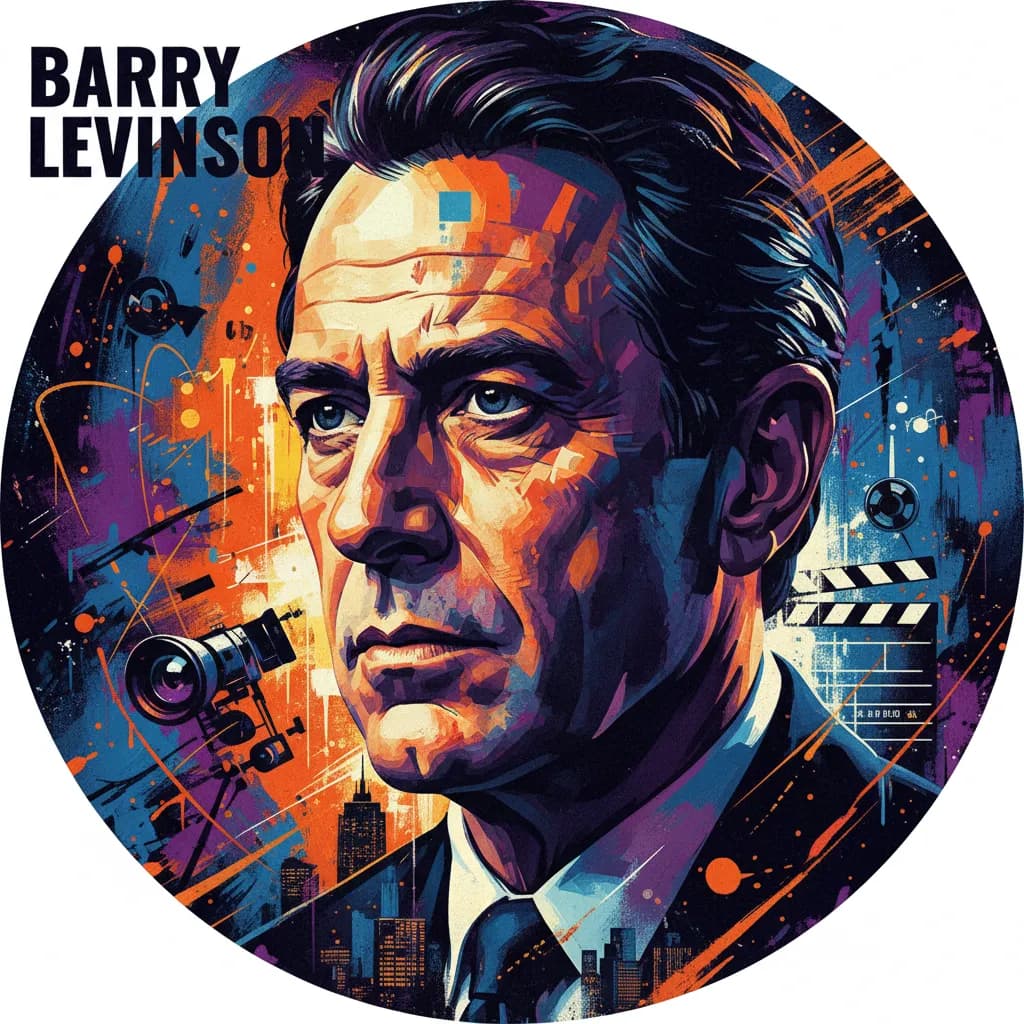
Barry Levinson
Every film, ranked

John Carpenter
Every film, ranked

Joel Schumacher
Every film, ranked

Billy Wilder
Every film, ranked

Rob Reiner
Every film, ranked

Neil Jordan
Every film, ranked

Spike Lee
Every film, ranked

Ivan Reitman
Every film, ranked

John Woo
Every film, ranked

Lasse Hallström
Every film, ranked

Stephen Frears
Every film, ranked

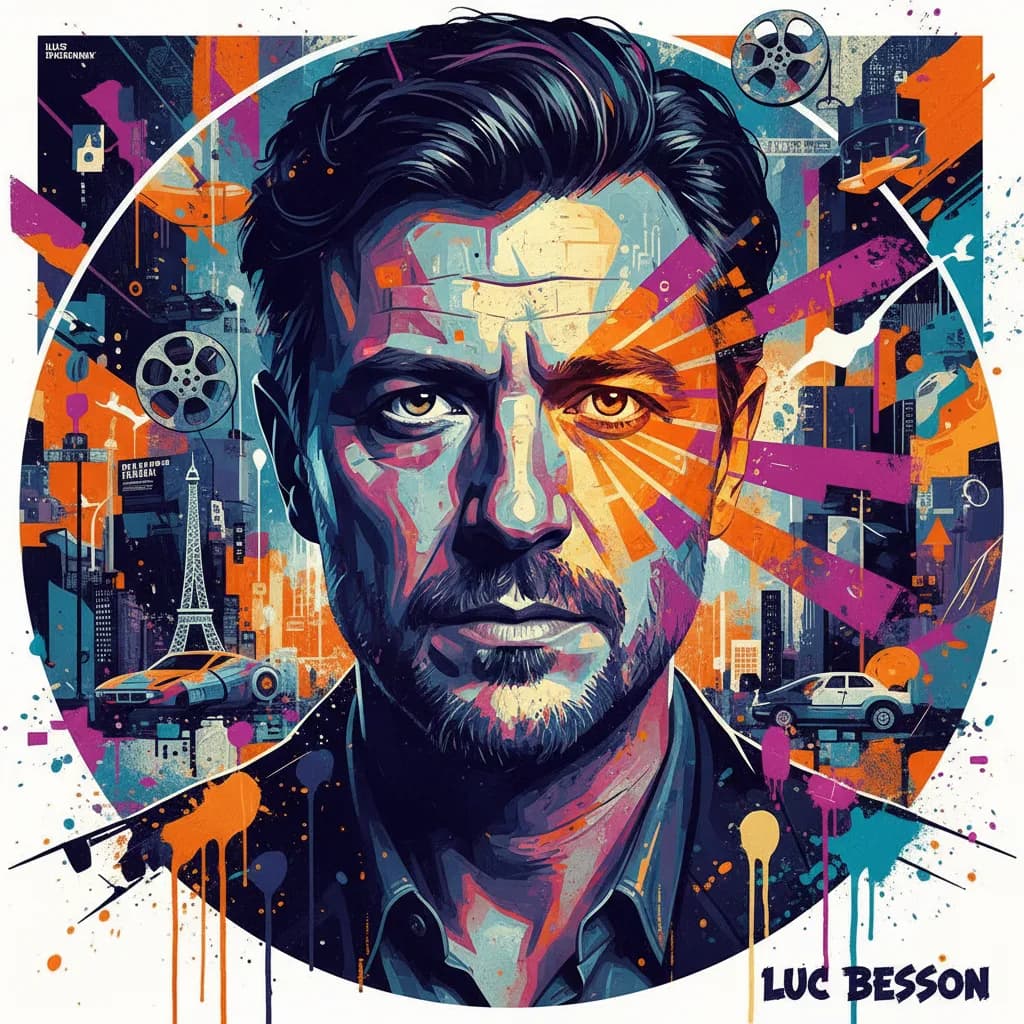
Luc Besson
Every film, ranked

Chris Columbus
Every film, ranked

Mike Nichols
Every film, ranked

Howard Hawks
Every film, ranked

Ang Lee
Every film, ranked

Walter Hill
Every film, ranked

Gus Van Sant
Every film, ranked

William Wyler
Every film, ranked

Renny Harlin
Every film, ranked

Sidney Lumet
Every film, ranked

Tony Scott
Every film, ranked