Discover the visionary filmmakers behind cinema's greatest works.
Explore our selection of acclaimed directors and their remarkable films.
Showing 2629-2640 out of 4148

Melina Matsoukas is a visionary director renowned for her groundbreaking work in film and music videos. With a distinct directorial style that blends raw emotion, social commentary, and visually stunning aesthetics, Matsoukas has left an indelible mark on the world of cinema. Her notable film "Queen & Slim" (2019) is a testament to her storytelling prowess and ability to captivate audiences with compelling narratives. Matsoukas' directorial style is characterized by a keen eye for detail and a fearless approach to tackling complex and thought-provoking subject matter. In "Queen & Slim," she skillfully navigates the genre of crime, drama, and romance, infusing the film with a palpable sense of urgency and emotional depth. Her ability to seamlessly blend genres while maintaining a strong focus on character development has solidified her reputation as a director with a unique and powerful voice. Throughout her career, Matsoukas has explored recurring themes such as identity, social justice, and the human experience. Her work often delves into the complexities of relationships and the impact of societal pressures on individuals, offering a poignant and unflinching portrayal of the human condition. This thematic depth, coupled with her visually arresting cinematography, has cemented Matsoukas as a director unafraid to challenge conventions and push boundaries. Matsoukas' impact on cinema extends beyond her directorial achievements, as she has been a trailblazer in championing diversity and inclusion in the film industry. As one of the few female directors of color to helm a major studio production, she has paved the way for a new generation of filmmakers and continues to inspire others with her uncompromising vision and commitment to authentic storytelling. In conclusion, Melina Matsoukas' directorial career is a testament to her unparalleled talent and unwavering dedication to creating impactful and resonant cinema. With "Queen & Slim" standing as a testament to her directorial prowess, Matsoukas continues to push the boundaries of storytelling, leaving an indelible mark on the world of film and inspiring audiences and filmmakers alike.

Melisa Wallack is a versatile and talented film director known for her impactful work in the industry. Wallack made her directorial debut with the 2007 film "Meet Bill," a compelling blend of comedy and drama. The film, which garnered attention for its sharp wit and poignant storytelling, served as a testament to Wallack's directorial prowess. Wallack's directorial style is marked by a keen ability to infuse her films with emotional depth while maintaining a lighthearted and relatable tone. "Meet Bill" exemplifies Wallack's knack for crafting authentic, multidimensional characters and navigating complex human emotions with grace and authenticity. Her directorial approach strikes a delicate balance between humor and poignancy, resonating with audiences on a profound level. Notable for her ability to tackle universal themes with nuance and sensitivity, Wallack's impact on cinema is undeniable. Through "Meet Bill" and her subsequent work, she has demonstrated a commitment to showcasing the complexities of human relationships and the human experience. Her directorial contributions have enriched the cinematic landscape by offering thought-provoking narratives that resonate with a wide audience. Wallack's directorial vision and storytelling prowess have cemented her status as a filmmaker to watch. Her dedication to crafting compelling narratives and her ability to elicit genuine, heartfelt performances from her cast have solidified her reputation as a director with a distinct and resonant voice in the industry. With her impressive debut film and potential for future projects, Melisa Wallack continues to make a significant impact on the world of cinema with her compelling directorial style and storytelling prowess.

Mel Smith was a prolific British director known for his unique comedic touch and versatile talent. Throughout his career, Smith made a significant impact on the film industry, particularly in the realm of comedy. His directorial style was characterized by a keen understanding of timing, physical humor, and an ability to seamlessly blend slapstick with wit. Smith's notable film "Bean" (1997) perfectly encapsulates his directorial prowess, as he brought the beloved character created by Rowan Atkinson to life on the big screen with unparalleled charm and humor. This film, based on the popular television series "Mr. Bean," showcases Smith's ability to infuse the narrative with light-hearted comedy while delivering a heartwarming and entertaining family adventure. One of the recurring themes in Smith's work was his ability to capture the essence of human folly and absurdity, often through the lens of humor. His directorial approach emphasized the importance of laughter as a universal language, and his films often resonated with audiences across generations. Smith's impact on cinema can be attributed to his adeptness at creating timeless, feel-good movies that continue to bring joy to viewers worldwide. Smith's directorial legacy is not only reflected in his filmography but also in his influential contributions to the comedy genre. His ability to blend physical comedy with intelligent humor set him apart as a director with a distinct vision. Smith's work continues to serve as a source of inspiration for filmmakers and comedians, leaving an indelible mark on the industry. As a director, he demonstrated a remarkable talent for bringing laughter to the forefront of storytelling, and his films remain cherished for their ability to evoke genuine, lighthearted amusement. In conclusion, Mel Smith's career as a director was defined by his ability to craft endearing and enduring comedies that have left an indelible mark on cinema. His talent for blending physical humor with wit, as evidenced in "Bean," solidified his status as a director with a unique vision and a lasting impact. Smith's legacy continues to live on through his timeless films, which have brought joy to countless audiences and secured his place as an influential figure in the world of comedy filmmaking.

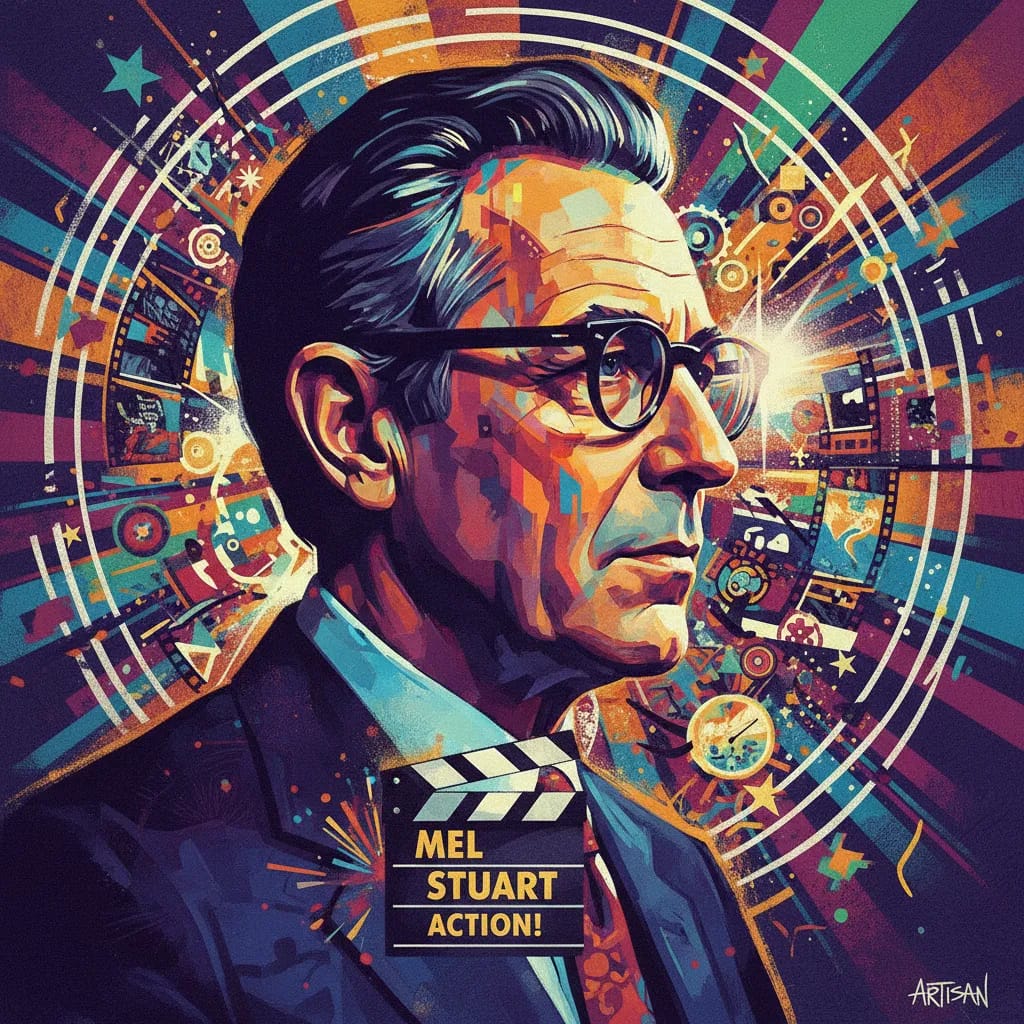
Mel Stuart was an accomplished American film director, best known for his iconic work on "Willy Wonka & the Chocolate Factory" (1971). Born on September 2, 1928, in New York City, Stuart embarked on a prolific career that spanned over five decades. With a focus on family-friendly entertainment, fantasy, and musical genres, Stuart left an indelible mark on the world of cinema, captivating audiences with his unique directorial style and storytelling prowess. Stuart's directorial approach was characterized by his ability to infuse whimsy and wonder into his films, creating immersive and enchanting worlds that resonated with viewers of all ages. His keen eye for visual storytelling and his adeptness at capturing the essence of childhood fantasies made him a revered figure in the industry. "Willy Wonka & the Chocolate Factory," based on Roald Dahl's beloved novel, showcased Stuart's exceptional talent for bringing larger-than-life characters and settings to the silver screen, solidifying his reputation as a visionary director. In addition to his groundbreaking work on "Willy Wonka & the Chocolate Factory," Stuart's filmography also includes a diverse array of projects that underscore his versatility and creative range. His commitment to exploring themes of imagination, adventure, and the triumph of the human spirit resonates throughout his body of work, making him a revered figure in the realm of family-friendly cinema. Whether it was his foray into musicals or his ventures into the fantastical, Stuart's films continue to stand the test of time, enchanting audiences and leaving an enduring legacy in the world of entertainment. Mel Stuart's impact on cinema is undeniable, as his directorial contributions have left an indelible mark on the industry. By infusing his films with a sense of wonder and magic, Stuart captured the hearts of audiences worldwide, cementing his status as a masterful storyteller and a pioneer of family-friendly entertainment. His ability to transport viewers into enchanting realms and ignite their imaginations has solidified his place in cinematic history, ensuring that his legacy will endure for generations to come. In conclusion, Mel Stuart's directorial career stands as a testament to his unparalleled vision and creative ingenuity. With "Willy Wonka & the Chocolate Factory" serving as a crowning achievement, Stuart's impact on the world of cinema transcends mere entertainment, as his films continue to inspire, delight, and enchant audiences across the globe. As a trailblazer in the realm of family-friendly

Melvin Frank was a prolific film director, screenwriter, and producer known for his exceptional work in the comedy genre. His career spanned several decades, during which he left an indelible mark on the film industry. Born in 1913, Frank gained prominence in Hollywood as a director with a keen eye for crafting entertaining and enduring films. His directorial style was characterized by an adept ability to blend humor, adventure, and family-friendly themes, captivating audiences with his exceptional storytelling and visual flair. One of Melvin Frank's most iconic films is "The Court Jester" (1955), which stands as a testament to his directorial prowess. This swashbuckling adventure-comedy has endured as a timeless classic, captivating generations of viewers with its blend of slapstick humor, witty dialogue, and memorable performances. Frank's directorial vision shines through in the film's seamless integration of action, comedy, and heartwarming moments, showcasing his ability to create a truly unforgettable cinematic experience. Throughout his career, Melvin Frank's films often explored themes of wit, charm, and lighthearted humor, resonating with audiences across the globe. His unique directorial approach to comedy and family-oriented storytelling set him apart as a visionary filmmaker with an enduring impact on cinema. Frank's dedication to creating immersive and entertaining films solidified his legacy as a director who effortlessly bridged the gap between laughter and adventure, leaving an indelible mark on the history of filmmaking. Melvin Frank's contributions to the world of cinema continue to inspire filmmakers and entertain audiences, cementing his status as a revered director whose films remain timeless and beloved. His ability to infuse his works with a distinct blend of humor, adventure, and heart has left an indelible legacy that continues to shape the landscape of filmmaking. Through his remarkable body of work, Melvin Frank has secured his place as a visionary director whose impact on cinema endures to this day.

Menahem Golan, a prolific film director, producer, and screenwriter, is best known for his work in the action genre. Born in Israel, Golan co-founded The Cannon Group, a film production company that churned out a plethora of action-packed films throughout the 1980s. His directorial style often emphasized fast-paced action, larger-than-life characters, and high-stakes drama, making his films a mainstay in the era of blockbuster cinema. Golan's directorial career boasted several notable films, with "The Delta Force" (1986) and "Over the Top" (1987) standing out as prime examples of his penchant for adrenaline-pumping action and high-octane drama. "The Delta Force," starring Chuck Norris and Lee Marvin, exemplifies Golan's affinity for patriotic themes and heroic narratives, while "Over the Top," featuring Sylvester Stallone, showcased his ability to infuse sports drama with intense action sequences. Throughout his career, Golan's films often revolved around themes of heroism, triumph over adversity, and the indomitable human spirit. His storytelling frequently featured underdog protagonists overcoming insurmountable odds, resonating with audiences seeking compelling narratives and exhilarating escapism. Golan's impact on cinema is undeniable, as his films not only entertained audiences but also influenced the action genre, setting a precedent for the larger-than-life, explosive storytelling that became synonymous with 1980s cinema. Golan's unique vision and contributions to film were instrumental in shaping the action genre, as his directorial prowess and production acumen propelled him to the forefront of Hollywood's commercial success. His films continue to be celebrated for their unabashed embrace of spectacle, grandeur, and unapologetic entertainment, solidifying his legacy as a trailblazing director who left an indelible mark on the landscape of action cinema.

Menhaj Huda is a British film director known for his compelling storytelling and his ability to capture the raw essence of urban life. Huda made his directorial debut with the groundbreaking film "Kidulthood" in 2006. This crime drama and romance film offered an unflinching portrayal of adolescence in London, delving into themes of violence, drugs, and the search for belonging. The film was a critical success and resonated with audiences, firmly establishing Huda as a director with a keen understanding of the complexities of modern society. Huda's directorial style is characterized by its gritty realism and unapologetic exploration of societal issues. He has a knack for creating authentic and relatable characters, drawing audiences into their struggles and triumphs. Huda's films often feature a diverse cast and offer a nuanced portrayal of multicultural urban environments, shedding light on the experiences of marginalized communities. "Kidulthood" remains one of Huda's most notable works, leaving a lasting impact on British cinema. The film garnered attention for its fearless approach to storytelling and its unvarnished depiction of urban life. Huda's directorial vision has influenced a new generation of filmmakers, inspiring them to tackle similar themes with honesty and depth. Huda's contributions to cinema extend beyond his directorial work. He has been an advocate for diversity and representation in the film industry, using his platform to amplify underrepresented voices and champion inclusive storytelling. His commitment to authenticity and social commentary has helped shape the landscape of contemporary British cinema, paving the way for a more inclusive and thought-provoking film culture. In conclusion, Menhaj Huda's directorial career has been defined by his bold storytelling, insightful exploration of societal issues, and dedication to diversity in cinema. Through films like "Kidulthood," he has left an indelible mark on the industry, challenging conventions and amplifying underrepresented narratives. Huda's unique vision and unwavering commitment to authenticity continue to resonate with audiences, cementing his status as a pioneering force in British filmmaking.

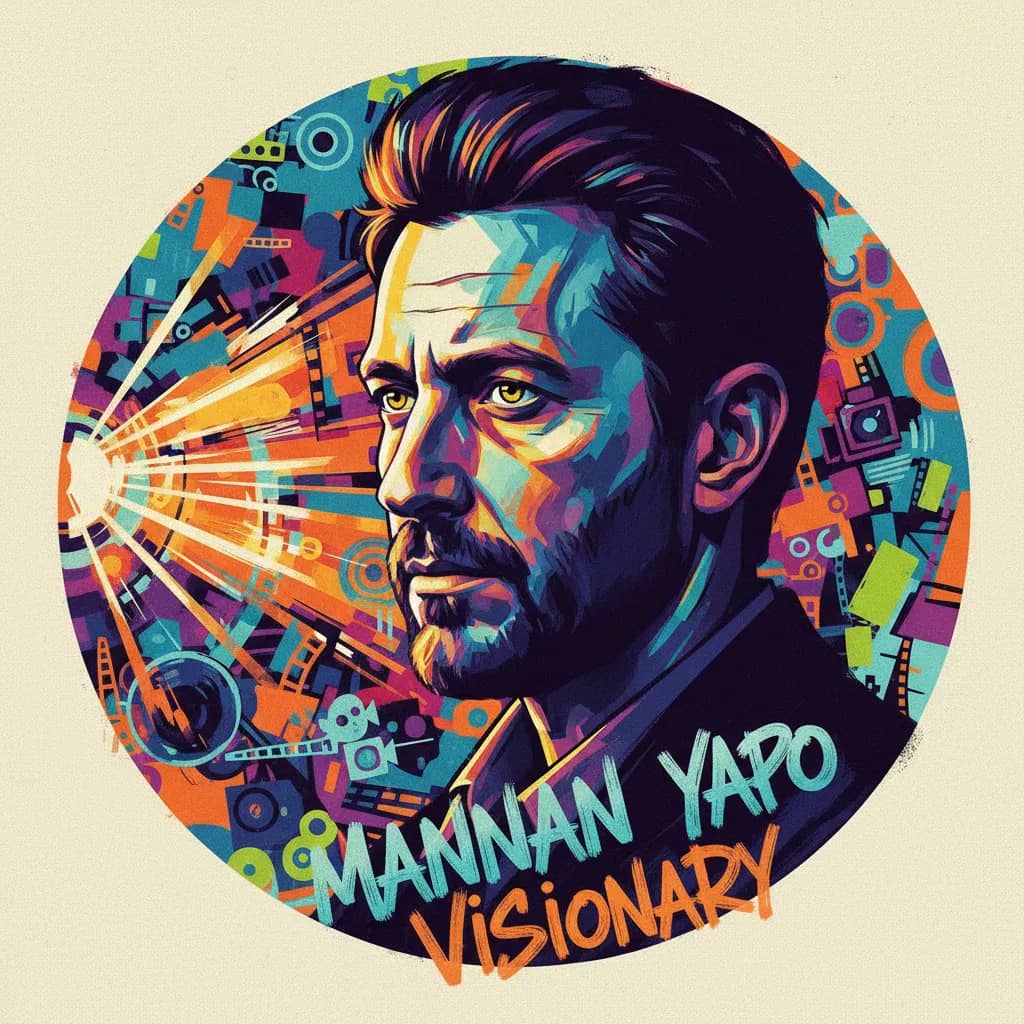
Mennan Yapo is a German-Turkish director best known for his work on the 2007 psychological thriller "Premonition." Yapo's directorial style is characterized by a keen sense of visual storytelling and an ability to blend genres, as evident in "Premonition," which seamlessly weaves elements of drama, fantasy, and mystery. His unique vision and meticulous attention to detail have earned him a reputation as a director with a distinct flair for creating atmospheric and thought-provoking cinema. "Premonition" stands as the pinnacle of Yapo's career, showcasing his ability to craft a gripping narrative that deftly explores themes of fate, time, and the human psyche. The film follows Linda Hanson, played by Sandra Bullock, as she grapples with the sudden death of her husband and experiences a series of disorienting time shifts that challenge her perception of reality. Yapo's masterful direction and the film's haunting atmosphere captivate audiences, leaving a lasting impact long after the credits roll. Yapo's filmography may be limited, but his impact on cinema is undeniable. "Premonition" remains a testament to his ability to infuse psychological depth into genre-bending narratives, solidifying his status as a director with a penchant for delivering gripping and thought-provoking storytelling. With a career defined by quality over quantity, Yapo continues to be a filmmaker to watch, as audiences eagerly anticipate his next directorial endeavor. In conclusion, Mennan Yapo has left an indelible mark on the film industry with his directorial prowess, particularly through his standout work on "Premonition." His ability to seamlessly blend genres and delve into complex themes has cemented his status as a director with a unique vision and a lasting impact on cinema. As Yapo's career continues to unfold, his contributions to the art of storytelling are sure to remain a source of inspiration for filmmakers and audiences alike.

Menno Meyjes is a distinguished filmmaker, who, over the years, has carved a niche for himself in the film industry with his distinctive directorial style and profound thematic explorations. Starting his career in Hollywood as a screenwriter, Meyjes garnered acclaim with his work on "The Color Purple," which earned him an Academy Award nomination. This early success laid the groundwork for his foray into directing, where he continued to explore nuanced narratives and compelling character studies. Meyjes's directorial style is characterized by its emotional depth and meticulous attention to character development. His films often explore themes of identity, family, and belonging, seeking to uncover the intricate layers of human relationships and individual psyche. Meyjes possesses a unique ability to craft storylines that are both intimate and universally resonant, allowing audiences to connect deeply with the characters and their journeys. Among his directorial ventures, "Martian Child" stands out as his most notable work. The film, a poignant exploration of adoption and the meaning of family, showcases Meyjes's skill in blending emotional storytelling with elements of whimsy and heart. Its critical acclaim underscores Meyjes's talent for navigating complex emotional landscapes, making it a hallmark of his career. Meyjes's influence on cinema extends beyond his directorial achievements. His contributions to screenwriting have significantly impacted the film industry, bringing to life stories that combine historical depth with compelling narratives. Although not extensively celebrated with major awards as a director, his work in screenwriting has been recognized, most notably with an Oscar nomination. Meyjes's career represents a significant contribution to specific genres, particularly drama, where his focus on character-driven stories and emotional authenticity sets his films apart. Through his work, Meyjes has not only shaped narrative filmmaking but also inspired a generation of filmmakers to pursue heartfelt storytelling.

Merian C. Cooper was a pioneering film director, producer, and screenwriter whose career spanned the early decades of cinema. He is best known for his groundbreaking work on the iconic film "King Kong" (1933), a timeless adventure, horror, and sci-fi classic that has left an indelible mark on the world of cinema. Cooper's directorial style was characterized by his bold and visionary approach to storytelling, as well as his unparalleled ability to bring larger-than-life narratives to the screen. His passion for epic storytelling and his innovative use of special effects in "King Kong" revolutionized the way that audiences experienced fantasy and adventure on film. Cooper's directorial prowess and his ability to seamlessly blend action, suspense, and spectacle have solidified his status as a true pioneer of the fantasy-adventure genre. "King Kong" stands as a testament to Cooper's enduring impact on cinema, showcasing his penchant for pushing the boundaries of visual storytelling and immersing audiences in fantastical worlds. The film's enduring popularity and influence on subsequent generations of filmmakers speak to Cooper's lasting legacy and his profound impact on the art of cinematic storytelling. Throughout his career, Cooper's work often explored themes of exploration, adventure, and the human fascination with the unknown. His ability to transport audiences to exotic and uncharted territories through his films underscored his dedication to crafting immersive and captivating cinematic experiences. Merian C. Cooper's contributions to film have left an indelible mark on the industry, and his legacy continues to inspire filmmakers and audiences alike. His visionary storytelling, pioneering special effects work, and enduring impact on the fantasy-adventure genre have cemented his status as a trailblazing director whose influence will be felt for generations to come.

Mert Baykal is a prominent Turkish film director known for his compelling storytelling, visually stunning cinematography, and seamless blend of comedy and drama. His notable film "Pardon" (2005) is a testament to his directorial prowess, as he skillfully intertwines humor and emotion to create a thought-provoking and entertaining cinematic experience. Baykal's directorial style is characterized by his ability to delve into the complexities of human relationships while infusing his narratives with humor and genuine emotion. With "Pardon," he adeptly explores themes of forgiveness, redemption, and the intricacies of love, showcasing his knack for crafting multi-dimensional characters and engaging storylines. His use of picturesque landscapes and evocative visuals further adds depth to his storytelling, immersing audiences in the world he creates on screen. "Pardon" stands as a testament to Baykal's impact on Turkish cinema, as it garnered critical acclaim and resonated with audiences, solidifying his position as a director with a unique vision and storytelling prowess. His ability to navigate the delicate balance between comedy and drama has set him apart in the industry, earning him a dedicated following and cementing his reputation as a director with a keen understanding of human nature and the human experience. Mert Baykal's influence on cinema extends beyond his directorial achievements, as his work continues to inspire emerging filmmakers and contribute to the evolution of Turkish cinema. His distinct directorial style and ability to craft compelling narratives have left an indelible mark on the film industry, making him a revered figure in the world of cinema. With a career marked by impactful storytelling and memorable films, Mert Baykal remains a director to watch, with a legacy that continues to shape the landscape of contemporary filmmaking.

Mervyn LeRoy was a prolific director whose career spanned over four decades, leaving an indelible mark on Hollywood with his diverse filmography. He began as a production assistant and swiftly rose through the ranks to become one of the most influential directors of the Golden Age of Hollywood. Known for his versatility, LeRoy delved into various genres, showcasing his adeptness in crafting compelling narratives across drama, romance, war, comedy, and crime. LeRoy's directorial style was characterized by his ability to evoke deep emotional resonance from his audiences, often infusing his films with a powerful sense of humanity and empathy. His films were renowned for their meticulous attention to detail, striking visuals, and nuanced storytelling. Notable works such as "Waterloo Bridge," "Mister Roberts," and "The Bad Seed" exemplify his skill in creating captivating, multi-dimensional characters and engrossing narratives. Throughout his career, LeRoy's films often explored themes of resilience, morality, and the human condition. His ability to navigate complex subject matter with finesse and sensitivity set him apart as a director with a profound understanding of the human experience. His impact on cinema is undeniable, as his films continue to resonate with audiences and inspire filmmakers to this day. LeRoy's legacy is further cemented by his groundbreaking contributions to the film industry. His directorial prowess and creative vision not only shaped the cinematic landscape of his era but also paved the way for future generations of filmmakers. His timeless classics such as "Little Caesar," "I Am a Fugitive from a Chain Gang," and "Quo Vadis" stand as testaments to his enduring influence on the art of storytelling through film. In conclusion, Mervyn LeRoy's illustrious career as a director exemplifies his unparalleled talent, versatility, and profound impact on cinema. His ability to seamlessly navigate diverse genres, coupled with his insightful exploration of the human experience, solidifies his status as a visionary filmmaker whose contributions continue to enrich the tapestry of cinematic history.
Every film by the greats, ranked by our TML Score.

Christopher Nolan
Every film, ranked

Quentin Tarantino
Every film, ranked

Stanley Kubrick
Every film, ranked

Martin Scorsese
Every film, ranked

Steven Spielberg
Every film, ranked

Alfred Hitchcock
Every film, ranked

David Fincher
Every film, ranked

Denis Villeneuve
Every film, ranked

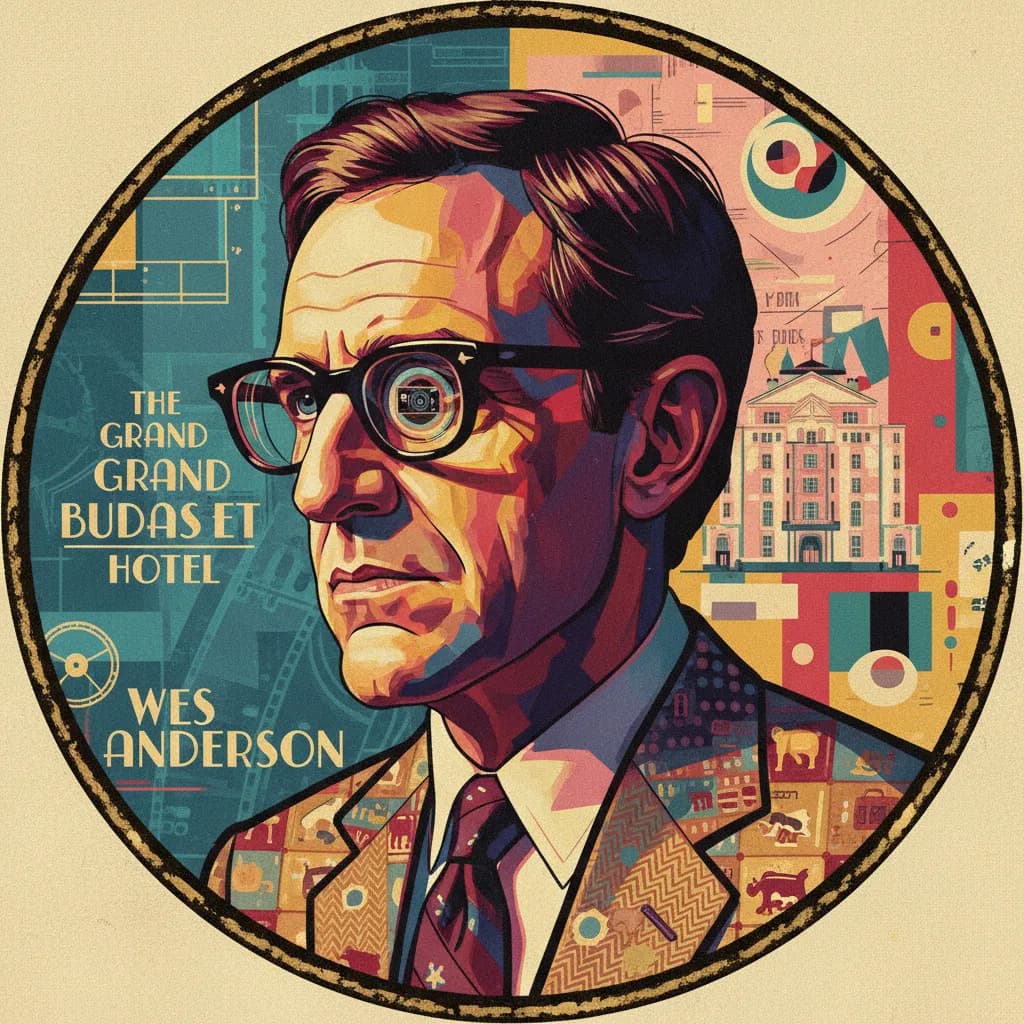
Wes Anderson
Every film, ranked

Paul Thomas Anderson
Every film, ranked

Ridley Scott
Every film, ranked

Tim Burton
Every film, ranked

Guillermo del Toro
Every film, ranked

Hayao Miyazaki
Every film, ranked

Akira Kurosawa
Every film, ranked

Francis Ford Coppola
Every film, ranked

Clint Eastwood
Every film, ranked

Bong Joon Ho
Every film, ranked

Woody Allen
Every film, ranked

Steven Soderbergh
Every film, ranked

Ron Howard
Every film, ranked

Pedro Almodóvar
Every film, ranked

Richard Linklater
Every film, ranked

Roman Polanski
Every film, ranked

Brian De Palma
Every film, ranked

Ingmar Bergman
Every film, ranked

Oliver Stone
Every film, ranked

David Cronenberg
Every film, ranked

Robert Zemeckis
Every film, ranked

Barry Levinson
Every film, ranked

John Carpenter
Every film, ranked

Joel Schumacher
Every film, ranked

Billy Wilder
Every film, ranked

Rob Reiner
Every film, ranked

Neil Jordan
Every film, ranked

Spike Lee
Every film, ranked

Ivan Reitman
Every film, ranked

John Woo
Every film, ranked

Lasse Hallström
Every film, ranked

Stephen Frears
Every film, ranked

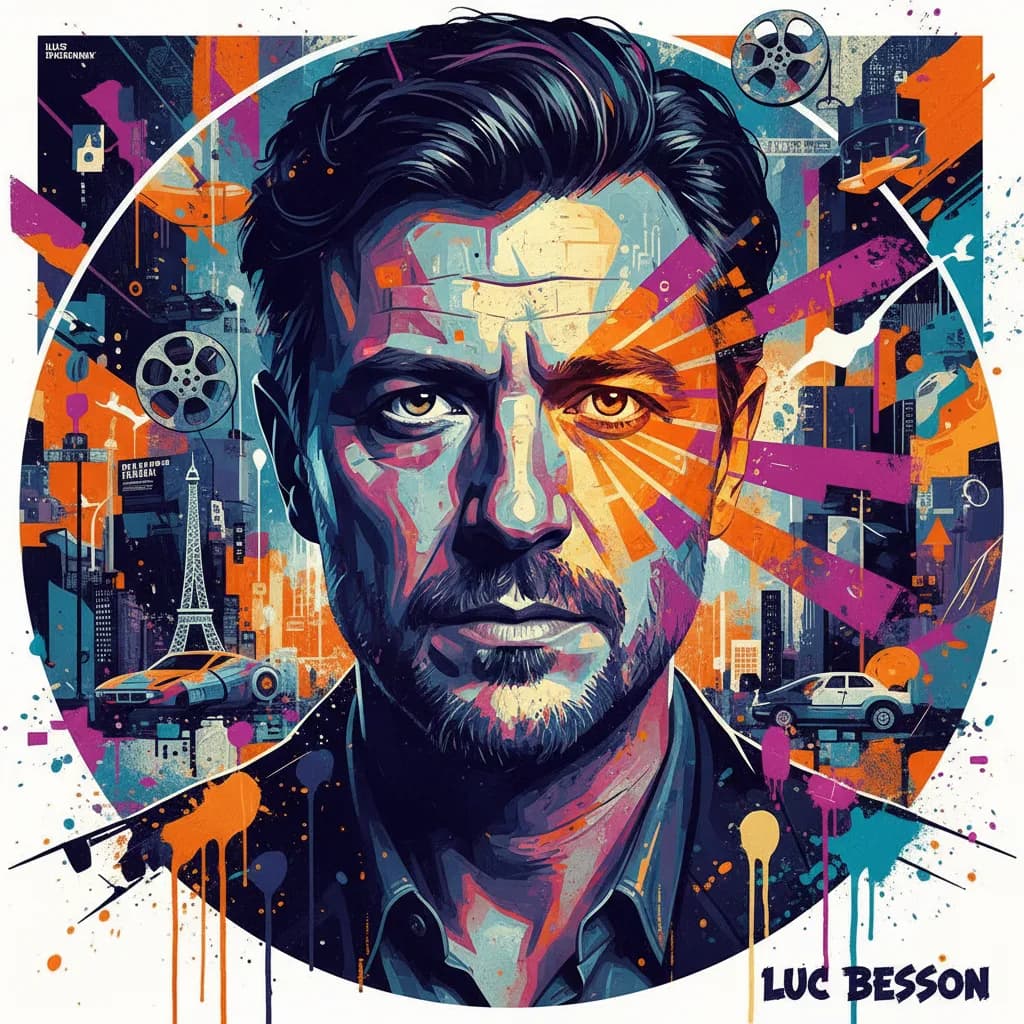
Luc Besson
Every film, ranked

Chris Columbus
Every film, ranked

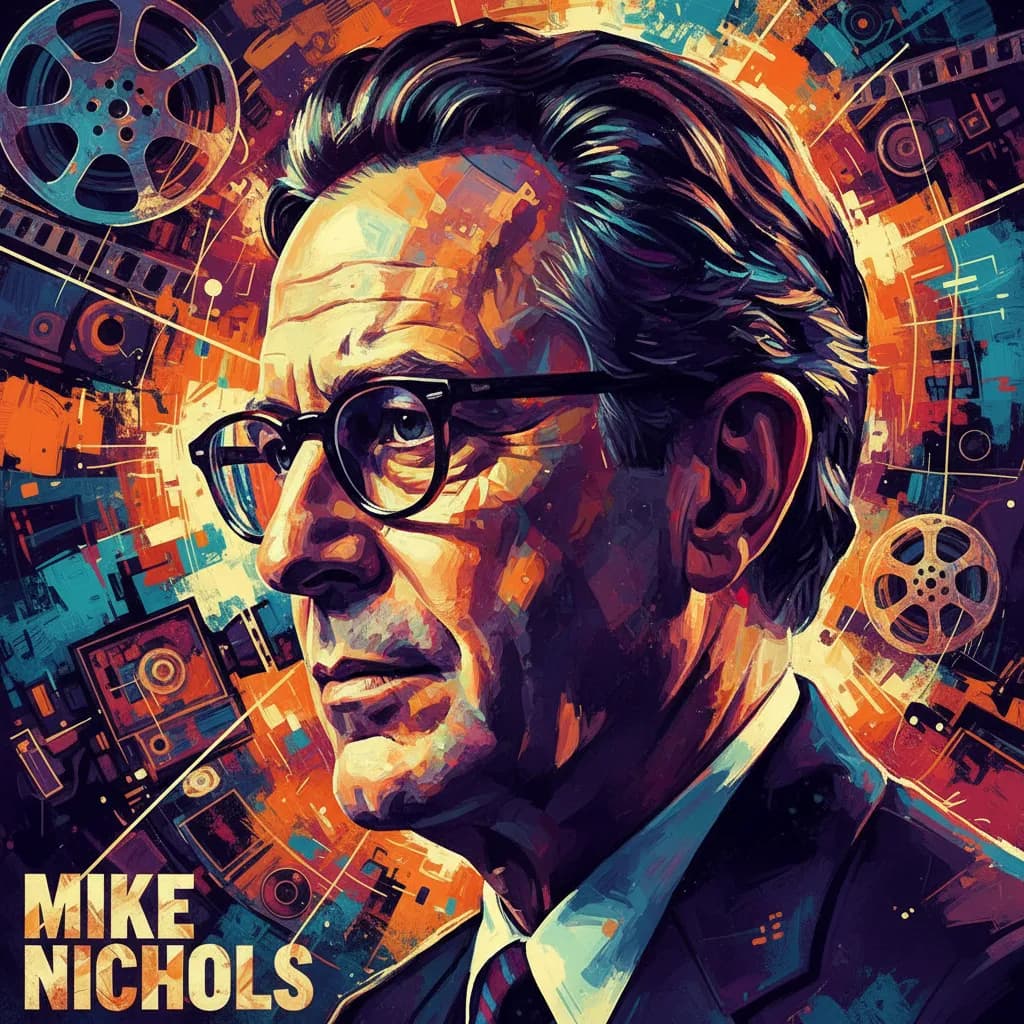
Mike Nichols
Every film, ranked

Howard Hawks
Every film, ranked

Ang Lee
Every film, ranked

Walter Hill
Every film, ranked

Gus Van Sant
Every film, ranked

William Wyler
Every film, ranked

Renny Harlin
Every film, ranked

Sidney Lumet
Every film, ranked

Tony Scott
Every film, ranked