Discover the visionary filmmakers behind cinema's greatest works.
Explore our selection of acclaimed directors and their remarkable films.
Showing 2665-2676 out of 4148

Michael Goi is an accomplished film director and cinematographer known for his exceptional work in the horror genre. With a career spanning over three decades, Goi has made a significant impact on the world of cinema through his unique directorial style and his ability to evoke strong emotions from his audience. His most notable film, "Megan Is Missing" (2011), is a haunting and visceral exploration of the dangers of online predators, leaving a lasting impression on viewers with its raw and unflinching approach to storytelling. Goi's directorial style is characterized by his keen ability to create an atmosphere of palpable tension and unease, often utilizing handheld camera work and naturalistic lighting to immerse the audience in his narratives. His films are known for their unapologetic exploration of dark and disturbing themes, delving deeply into the human psyche and the horrors that lurk within. Goi's work often leaves a lasting impact on viewers, provoking introspection and sparking important conversations about the darker aspects of society. "Megan Is Missing" stands as a testament to Goi's ability to craft a harrowing and unforgettable cinematic experience. The film's uncompromising portrayal of the dangers faced by young people in the digital age solidified Goi's reputation as a director unafraid to tackle challenging subject matter. With this film, Goi demonstrated his willingness to push boundaries and shed light on uncomfortable truths, cementing his status as a director with a distinct and powerful voice in the industry. Goi's contribution to the horror genre has been significant, as he has consistently delivered films that resonate with audiences on a deep and visceral level. His ability to tap into primal fears and expose the darker aspects of human nature has earned him a dedicated following among horror enthusiasts. With his uncompromising vision and fearless storytelling, Michael Goi continues to make a lasting impact on cinema, leaving an indelible mark on the genre and inspiring future generations of filmmakers to fearlessly explore the depths of human experience through the art of visual storytelling.

Michael Goldbach is a Canadian director known for his debut feature film "Daydream Nation" (2010), which seamlessly blends elements of drama and romance. Goldbach's directorial style is characterized by a keen eye for emotional depth and a talent for crafting complex narratives. His work often explores the complexities of human relationships, presenting them against visually striking backdrops that captivate audiences. "Daydream Nation" showcases Goldbach's ability to create a thought-provoking and visually stunning film that resonates with viewers long after the credits roll. In "Daydream Nation," Goldbach delves into the lives of his characters, capturing their inner turmoil and desires with a raw and unflinching honesty. The film's narrative weaves together themes of love, adolescence, and the challenges of finding one's place in the world, all against the backdrop of a small town. Goldbach's ability to infuse his storytelling with depth and nuance elevates "Daydream Nation" into a compelling exploration of the human experience. Goldbach's impact on cinema lies in his ability to create films that transcend genre conventions, offering audiences a fresh and innovative take on familiar themes. His directorial debut firmly established him as a filmmaker with a unique vision and a talent for crafting emotionally resonant stories. Goldbach's work continues to inspire and engage audiences, cementing his status as a director to watch in the contemporary film landscape. In the years since "Daydream Nation," Goldbach has continued to make waves in the film industry, and audiences eagerly anticipate his future projects. His ability to infuse his films with emotional depth, visually striking imagery, and thought-provoking narratives sets him apart as a director with a distinctive and compelling voice. Goldbach's contributions to cinema have undoubtedly left a lasting impression, and his work remains a testament to the power of storytelling in the hands of a visionary director.

Michael Gordon was an American film director known for his contributions to the romantic comedy genre. With a career spanning several decades, Gordon made a significant mark on the golden age of Hollywood. He was particularly recognized for his work on the iconic film "Pillow Talk" (1959), a classic romantic comedy that starred Doris Day and Rock Hudson. Through his distinct directorial style, Gordon brought a delightful blend of humor, romance, and sophistication to the silver screen. Gordon's directorial approach was characterized by his ability to infuse charm and wit into his films, creating an irresistible allure for audiences. His keen understanding of comedic timing and his knack for capturing the essence of romantic entanglements made his work stand out. "Pillow Talk" is a prime example of Gordon's directorial prowess, as he expertly navigated the complexities of love and miscommunication with a lighthearted touch, earning critical acclaim and leaving an indelible mark on the romantic comedy genre. Throughout his career, Gordon demonstrated a consistent flair for crafting stories that revolved around the intricacies of human relationships. His films often explored themes of love, attraction, and the comedic misunderstandings that arise between characters, resonating with audiences on a deeply relatable level. Gordon's impact on cinema can be seen in the enduring popularity of his films, which continue to entertain and inspire audiences to this day. In the annals of Hollywood history, Michael Gordon's legacy as a director remains a testament to his ability to capture the essence of romance and comedy on film. His timeless contributions to the romantic comedy genre have left an indelible imprint on the medium, cementing his status as a revered filmmaker whose work continues to enchant audiences worldwide.

Michael Gornick is a highly regarded American film director known for his work in the fantasy and horror genres. Gornick's most notable directorial achievement is "Creepshow 2" (1987), a sequel to the 1982 horror anthology film "Creepshow," which was directed by the legendary George A. Romero. Gornick's directorial style is characterized by his adeptness at creating a palpable atmosphere of dread and suspense, often accompanied by visually striking and eerie cinematography. His films frequently explore the darker aspects of human nature and the supernatural, captivating audiences with their chilling narratives and haunting imagery. "Creepshow 2" stands as a testament to Gornick's directorial prowess, featuring three terrifying tales that showcase his ability to craft compelling and unsettling stories. Gornick's keen eye for detail and his skillful use of practical effects and lighting techniques contribute to the creation of an immersive and spine-tingling viewing experience. His work on "Creepshow 2" solidified his reputation as a master of horror and fantasy filmmaking, earning him a dedicated following among genre enthusiasts. Throughout his career, Gornick has demonstrated a penchant for exploring themes of fear, mortality, and the unknown, often delving into the macabre and the supernatural. His films are renowned for their ability to elicit a strong emotional response from audiences, as well as for their enduring impact on the horror genre. Gornick's contributions to cinema have left an indelible mark, inspiring future generations of filmmakers and influencing the evolution of horror and fantasy storytelling on the silver screen. In conclusion, Michael Gornick's directorial career has been defined by his exceptional talent for crafting immersive and chilling cinematic experiences. With "Creepshow 2" as a standout achievement in his filmography, Gornick has solidified his status as a visionary director in the realm of horror and fantasy cinema. His enduring impact on the genre and his ability to evoke fear and fascination through his storytelling make him a revered figure in the world of filmmaking.
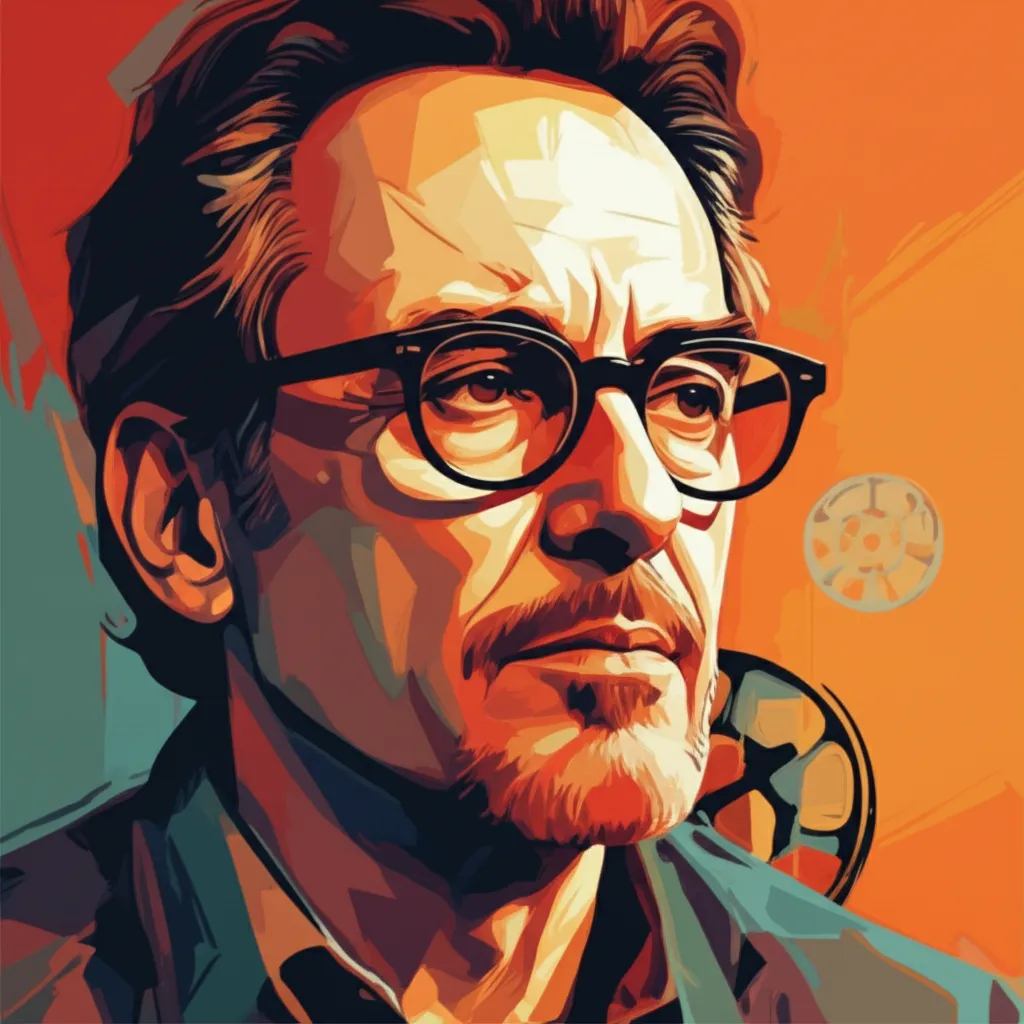
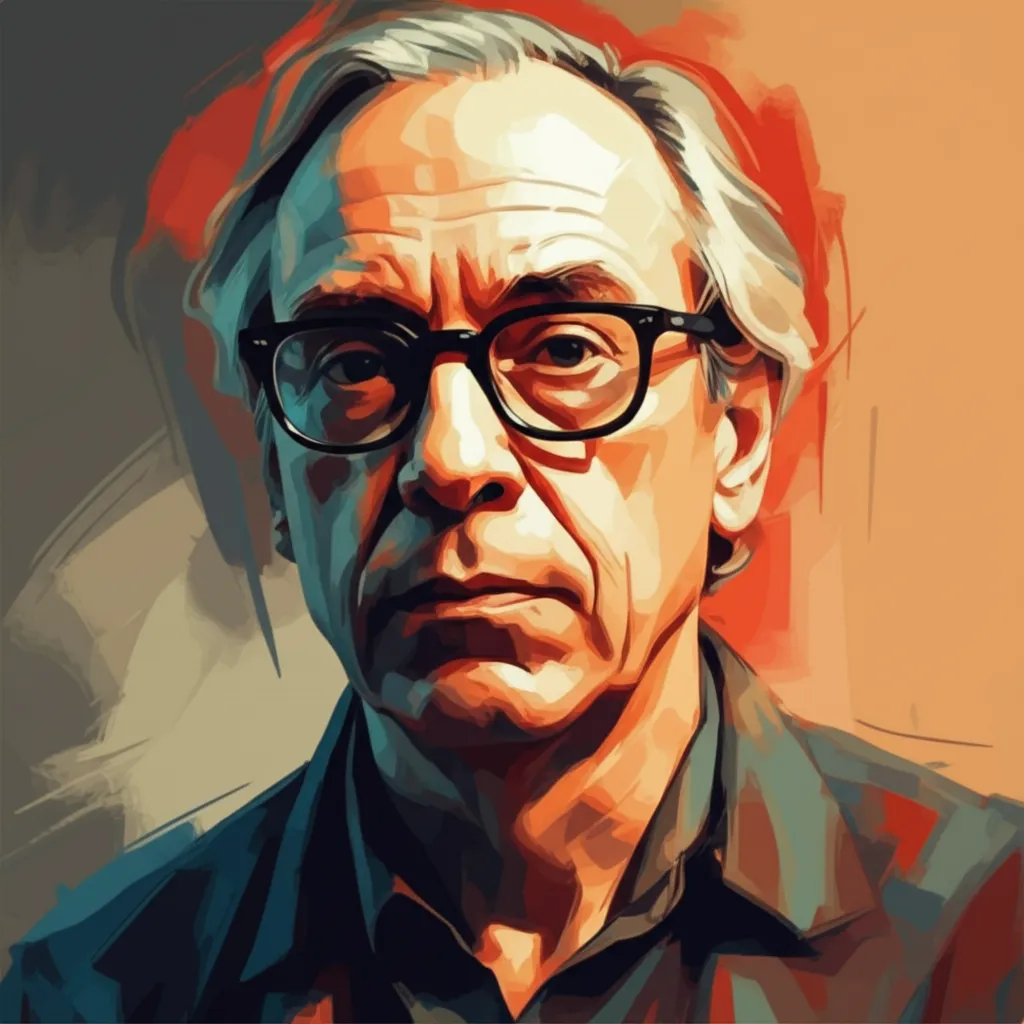
Michael Gottlieb is an American film director best known for his work on the 1987 romantic comedy fantasy film, "Mannequin." Gottlieb's directorial style blends elements of comedy, romance, and fantasy to create whimsical and lighthearted storytelling. "Mannequin" remains a beloved cult classic, showcasing Gottlieb's ability to infuse fantastical elements into relatable and heartwarming narratives. Gottlieb's directorial debut with "Mannequin" showcased his talent for crafting imaginative and enchanting worlds while exploring the theme of true love transcending time and space. The film's enduring popularity is a testament to Gottlieb's ability to create memorable and endearing characters within a fantastical backdrop. His directorial approach often incorporates elements of humor and charm, creating a unique cinematic experience that continues to resonate with audiences. "Mannequin" not only solidified Gottlieb's reputation as a director with a penchant for blending romance and fantasy but also left an indelible mark on popular culture. The film's enduring legacy and devoted fan base are a testament to Gottlieb's impact on the romantic comedy genre. His ability to infuse storytelling with a sense of magic and whimsy has influenced subsequent filmmakers and contributed to the enduring appeal of fantasy-tinged romantic comedies. While "Mannequin" remains Gottlieb's most iconic directorial work, its impact on cinema is undeniable. His unique vision and ability to seamlessly blend romance, comedy, and fantasy have left an indelible mark on the romantic comedy genre. Gottlieb's directorial contributions continue to inspire filmmakers and entertain audiences, cementing his status as a visionary director with a distinct storytelling style.

Michael Gracey is an Australian film director known for his exceptional work in the biographical drama musical genre. He gained widespread acclaim for his directorial debut with "The Greatest Showman" in 2017. Gracey's directorial style is characterized by his ability to seamlessly blend captivating storytelling with visually stunning musical sequences, drawing audiences into the worlds he creates on screen. "The Greatest Showman" proved to be a pivotal moment in Gracey's career, showcasing his talent for crafting emotionally resonant narratives set against the backdrop of dazzling musical performances. The film's success not only solidified Gracey's reputation as a visionary director but also left an indelible mark on the world of musical cinema. His meticulous attention to detail and innovative approach to choreography and cinematography have set a new standard for the genre. Gracey's work often explores themes of ambition, perseverance, and the triumph of the human spirit, resonating with audiences on a profound level. His ability to infuse his films with a sense of grandeur and spectacle while maintaining a focus on the intimate emotional journeys of the characters has set him apart as a director with a truly unique vision. With "The Greatest Showman," Gracey has firmly established himself as a director capable of creating cinematic experiences that leave a lasting impact. His contributions to the world of film have reinvigorated the musical genre and inspired a new generation of filmmakers to push the boundaries of storytelling through the powerful combination of music and visuals. Gracey's future projects are highly anticipated, as audiences eagerly await the next chapter in the career of this visionary director.

Michael Grandage is a renowned British director who has made a significant impact on the world of cinema with his distinct directorial style and impressive body of work. With a career spanning across both stage and screen, Grandage's directorial approach is marked by a keen attention to detail, compelling storytelling, and stirring character development. Throughout his career, he has seamlessly transitioned between genres, showcasing his versatility and ability to breathe life into a wide range of narratives. Grandage's directorial portfolio boasts several noteworthy films, with "Genius" (2016) standing out as a powerful biographical drama that delves into the complex relationship between acclaimed author Thomas Wolfe and his editor, Maxwell Perkins. This film is a testament to Grandage's ability to craft emotionally resonant narratives and draw out compelling performances from his cast. Additionally, "My Policeman" (2022) further demonstrates Grandage's directorial prowess, as he adeptly navigates the intricacies of human emotions and relationships in this captivating drama. Throughout his filmography, Grandage consistently explores themes of creativity, human connection, and the impact of personal relationships on artistic endeavors. His films often delve into the complexities of the human psyche, offering audiences a thought-provoking and immersive cinematic experience. Grandage's unique vision and storytelling sensibilities have left an indelible mark on cinema, earning him a reputation as a director who fearlessly tackles emotionally charged narratives with finesse and nuance. As a director, Michael Grandage has made a lasting impact on the film industry, captivating audiences with his compelling narratives, striking visuals, and nuanced character portrayals. His ability to seamlessly navigate between genres and infuse his films with emotional depth has solidified his status as a visionary director. With a remarkable body of work that continues to resonate with audiences, Michael Grandage stands as a testament to the enduring power of storytelling in cinema and the profound impact of a director with a distinct and compelling artistic vision.

Michael Greenspan is a Canadian filmmaker known for his directorial debut in the gripping survival thriller "Wrecked" (2010). This film showcases Greenspan's ability to create tension and suspense through his masterful use of visuals and storytelling. "Wrecked" follows a man, played by Adrien Brody, who wakes up in a car wreck, trapped in the wilderness with no memory of how he got there. Greenspan's directorial style in "Wrecked" is characterized by its intense atmosphere, compelling visuals, and the exploration of the human psyche under extreme circumstances. The director's keen eye for creating an immersive and intense cinematic experience is evident in "Wrecked," as he skillfully builds tension and drama throughout the film. Greenspan's ability to convey the protagonist's struggle for survival and sanity in a desolate setting is a testament to his directorial prowess. The film's emphasis on mystery, survival, and human resilience aligns with recurring themes in Greenspan's work, highlighting his fascination with the human condition and the complexities of the human mind. Greenspan's impact on cinema lies in his ability to craft a compelling narrative that captivates audiences and delves into the psychological and emotional depths of his characters. His directorial debut, "Wrecked," garnered critical acclaim for its immersive storytelling and Brody's compelling performance. Greenspan's unique vision as a director is marked by his commitment to creating thought-provoking narratives and pushing the boundaries of visual storytelling. In conclusion, Michael Greenspan's directorial career is defined by his ability to create compelling, atmospheric films that delve into the complexities of human nature and the human spirit. "Wrecked" serves as a testament to his directorial talent, showcasing his ability to craft intense and immersive cinematic experiences. As he continues to make his mark in the industry, audiences can anticipate more thought-provoking and visually arresting works from this talented filmmaker. Keywords: Michael Greenspan, director, Wrecked, survival thriller, filmmaker, cinematic experience, human condition, storytelling, psychological depth

Michael Haneke is an Austrian film director known for his uncompromising and thought-provoking approach to filmmaking. Throughout his career, Haneke has consistently challenged audiences with his exploration of human nature, society's ills, and the complexities of interpersonal relationships. His directorial style is characterized by long, unbroken takes, minimal use of music, and a stark, unflinching portrayal of his subjects. Haneke's films often delve into uncomfortable and taboo subjects, offering a searing critique of contemporary society. One of Haneke's most renowned works is "Caché (Hidden)," a gripping drama-thriller that delves into issues of guilt, surveillance, and the consequences of repressed history. The film is emblematic of Haneke's signature use of suspense and tension to explore deeper societal and psychological themes. Another standout in his filmography is "Amour," a poignant and tender portrayal of an elderly couple facing the challenges of aging and illness. The film garnered widespread critical acclaim and won the Palme d'Or at the Cannes Film Festival, solidifying Haneke's reputation as a master of emotional storytelling. Haneke's recurring themes include the deconstruction of violence in media and the impact of technology on human behavior, as seen in films like "Funny Games" and "Benny's Video." His unflinching examination of the darker aspects of human nature has earned him a reputation as a provocateur and a leading figure in European cinema. Haneke's impact on the film industry is undeniable, as his work continues to influence and inspire a new generation of filmmakers. His uncompromising vision and dedication to pushing boundaries have cemented his status as a cinematic trailblazer, leaving an indelible mark on the world of cinema. In summary, Michael Haneke's directorial career is defined by a fearless exploration of the human condition, societal critique, and unrelenting storytelling. His films provoke, challenge, and resonate, leaving an enduring impact on audiences and the world of cinema. Haneke's uncompromising vision and unwavering commitment to his craft have solidified his place as one of the most influential and revered directors in contemporary filmmaking.

Michael Herbig, widely known as "Bully," is a German director and comedian whose career has left an indelible mark on the world of cinema. Herbig's directorial style is characterized by a seamless blend of humor, drama, and historical context, creating a unique and immersive viewing experience for audiences. His notable films include "Manitou's Shoe" (2001) and "Balloon" (2018), each showcasing his versatility and storytelling prowess. "Manitou's Shoe" catapulted Herbig to international acclaim, establishing him as a master of blending comedy with other genres. This Western parody, set in the 19th century, delighted audiences with its slapstick humor, compelling narrative, and memorable characters. Herbig's keen sense of comedic timing and penchant for whimsical storytelling make "Manitou's Shoe" a timeless classic that continues to captivate viewers worldwide. In "Balloon," Herbig's directorial acumen shines as he delves into a gripping historical drama. The film, based on true events, follows the daring escape of two families from East to West Germany in a homemade hot air balloon during the Cold War. Herbig expertly navigates the tension and suspense of the thriller genre while infusing the narrative with emotional depth and historical significance. "Balloon" stands as a testament to Herbig's ability to craft compelling, thought-provoking stories that resonate with audiences on a profound level. Throughout his career, Herbig has demonstrated a recurring theme of pushing boundaries and defying cinematic conventions, seamlessly blending genres to create captivating and unforgettable films. His impact on cinema extends beyond mere entertainment, as he has brought a fresh perspective to storytelling, breathing new life into established genres and historical narratives. With his unique vision and storytelling prowess, Michael Herbig continues to be a trailblazing force in the world of film, leaving an enduring legacy that will inspire and captivate audiences for generations to come.

Michael Herz is a pioneering filmmaker and co-founder of Troma Entertainment, a renowned independent film production and distribution company. Herz's career took off with the release of the cult classic "The Toxic Avenger" in 1984, which he co-directed with Lloyd Kaufman. The film, a unique blend of action, comedy, and horror, quickly gained a devoted following and solidified Herz's reputation as a maverick director with an unapologetically offbeat and irreverent style. Herz's directorial approach is characterized by a fearless embrace of the unconventional, often blending over-the-top humor with graphic violence and social commentary. His films frequently push the boundaries of taste and propriety, challenging audiences to confront taboo subjects with a subversive and satirical edge. With a keen eye for absurdity and a penchant for shock value, Herz's work has left an indelible mark on the cult cinema landscape. "The Toxic Avenger" remains Herz's most iconic and influential work, earning a place in the pantheon of B-movie classics. The film's success spurred a franchise, multiple sequels, and a musical adaptation, cementing Herz's legacy as a trailblazer in the realm of exploitation cinema. His films often explore themes of underdog triumph, societal outcasts, and the grotesque, all filtered through a lens of dark humor and gleeful subversion. Michael Herz's impact on cinema extends beyond his directorial achievements, as Troma Entertainment has provided a platform for countless independent filmmakers, championing boundary-pushing, low-budget, and DIY filmmaking. Through his relentless dedication to independent, outsider cinema, Herz has inspired a generation of filmmakers to embrace their creative freedom and challenge the status quo. In conclusion, Michael Herz's directorial career is defined by an uncompromising dedication to audacious storytelling, boundary-pushing content, and a steadfast commitment to independent filmmaking. His contributions to the world of cult cinema have left an indelible mark, shaping the landscape of underground and alternative filmmaking for decades to come. With a penchant for the bizarre and a fearless approach to taboo subject matter, Herz's legacy as a director and provocateur continues to resonate with audiences and filmmakers alike.

Michael Hoffman is an accomplished film director known for his diverse range of work spanning across various genres. His directorial style is characterized by a keen eye for storytelling, emotional depth, and an ability to bring out authentic performances from his actors. With a career that has produced an impressive body of work, Hoffman has left an indelible mark on the world of cinema. One of Hoffman's notable films, "A Midsummer Night's Dream" (1999), is a whimsical adaptation of William Shakespeare's classic play. The film showcases Hoffman's ability to seamlessly blend comedy, fantasy, and romance, while staying true to the original source material. This film exemplifies his knack for creating visually stunning and thematically rich narratives. In "The Last Station" (2009), Hoffman delves into the biographical drama genre, offering a poignant portrayal of the final year in the life of renowned author Leo Tolstoy. The film received critical acclaim for its compelling storytelling, nuanced character development, and evocative cinematography. Hoffman's adept direction brought this historical narrative to life, leaving a lasting impact on audiences and critics alike. Hoffman's filmography also includes the romantic drama "The Best of Me" (2014), the charming comedy "One Fine Day" (1996), the witty crime caper "Gambit" (2012), the lighthearted "Soapdish" (1991), and the thought-provoking "The Emperor's Club" (2002). This diverse range of films underscores his versatility as a director, showcasing his ability to navigate across different genres with finesse and creativity. Throughout his career, Michael Hoffman has demonstrated a commitment to storytelling that resonates with audiences on an emotional level. His films often explore themes of love, ambition, human relationships, and the complexities of the human experience. Hoffman's unique vision and directorial prowess have left an indelible mark on cinema, earning him a place among the most respected and influential filmmakers of his generation. In summary, Michael Hoffman's prolific career as a director has been defined by his ability to craft compelling narratives across a wide spectrum of genres. His unique directorial style, ability to bring out authentic performances from his actors, and his exploration of universal themes have solidified his reputation as a visionary filmmaker. With a filmography that boasts both critical and commercial successes, Hoffman's impact on cinema is undeniable, and his contributions to the art of storytelling continue to inspire and captivate audiences
Every film by the greats, ranked by our TML Score.

Christopher Nolan
Every film, ranked

Quentin Tarantino
Every film, ranked

Stanley Kubrick
Every film, ranked

Martin Scorsese
Every film, ranked

Steven Spielberg
Every film, ranked

Alfred Hitchcock
Every film, ranked

David Fincher
Every film, ranked

Denis Villeneuve
Every film, ranked

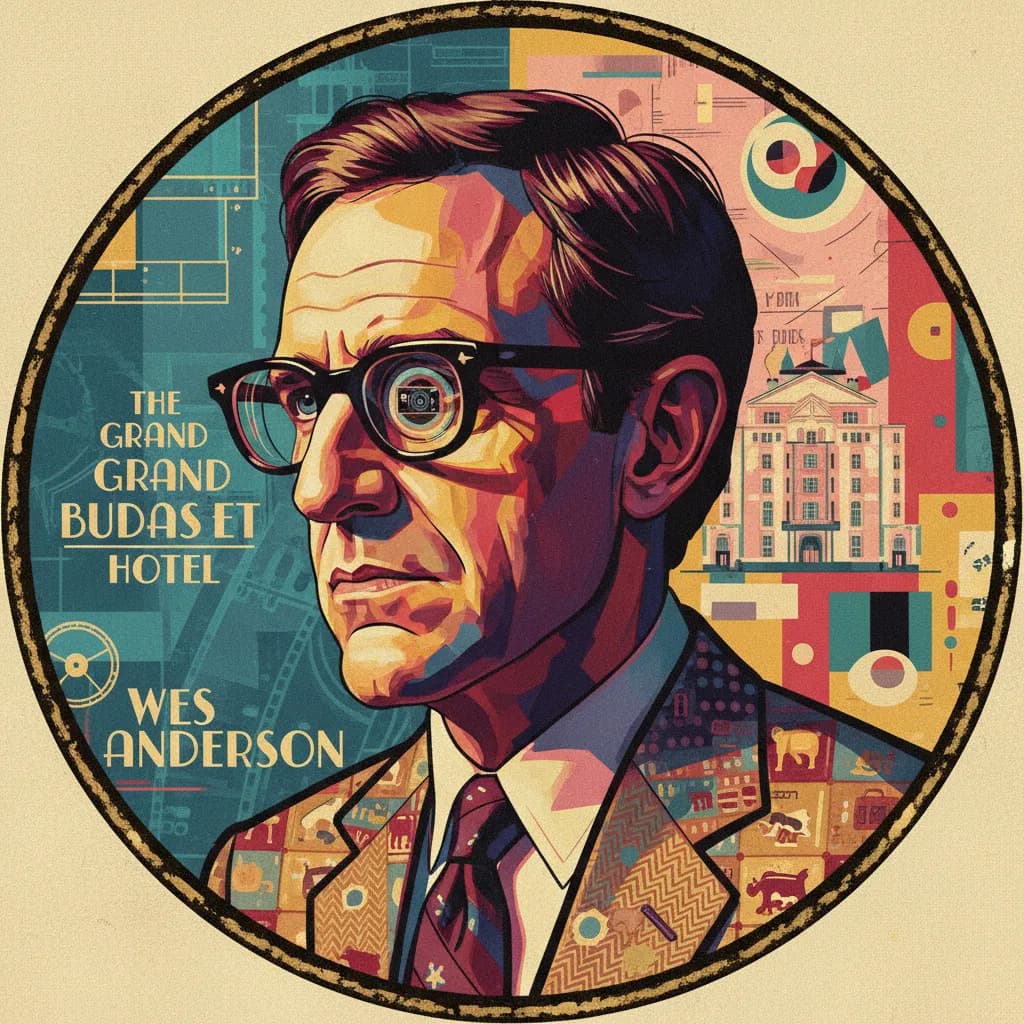
Wes Anderson
Every film, ranked

Paul Thomas Anderson
Every film, ranked

Ridley Scott
Every film, ranked

Tim Burton
Every film, ranked

Guillermo del Toro
Every film, ranked

Hayao Miyazaki
Every film, ranked

Akira Kurosawa
Every film, ranked

Francis Ford Coppola
Every film, ranked

Clint Eastwood
Every film, ranked

Bong Joon Ho
Every film, ranked

Woody Allen
Every film, ranked

Steven Soderbergh
Every film, ranked

Ron Howard
Every film, ranked

Pedro Almodóvar
Every film, ranked

Richard Linklater
Every film, ranked

Roman Polanski
Every film, ranked

Brian De Palma
Every film, ranked

Ingmar Bergman
Every film, ranked

Oliver Stone
Every film, ranked

David Cronenberg
Every film, ranked

Robert Zemeckis
Every film, ranked

Barry Levinson
Every film, ranked

John Carpenter
Every film, ranked

Joel Schumacher
Every film, ranked

Billy Wilder
Every film, ranked

Rob Reiner
Every film, ranked

Neil Jordan
Every film, ranked

Spike Lee
Every film, ranked

Ivan Reitman
Every film, ranked

John Woo
Every film, ranked

Lasse Hallström
Every film, ranked

Stephen Frears
Every film, ranked

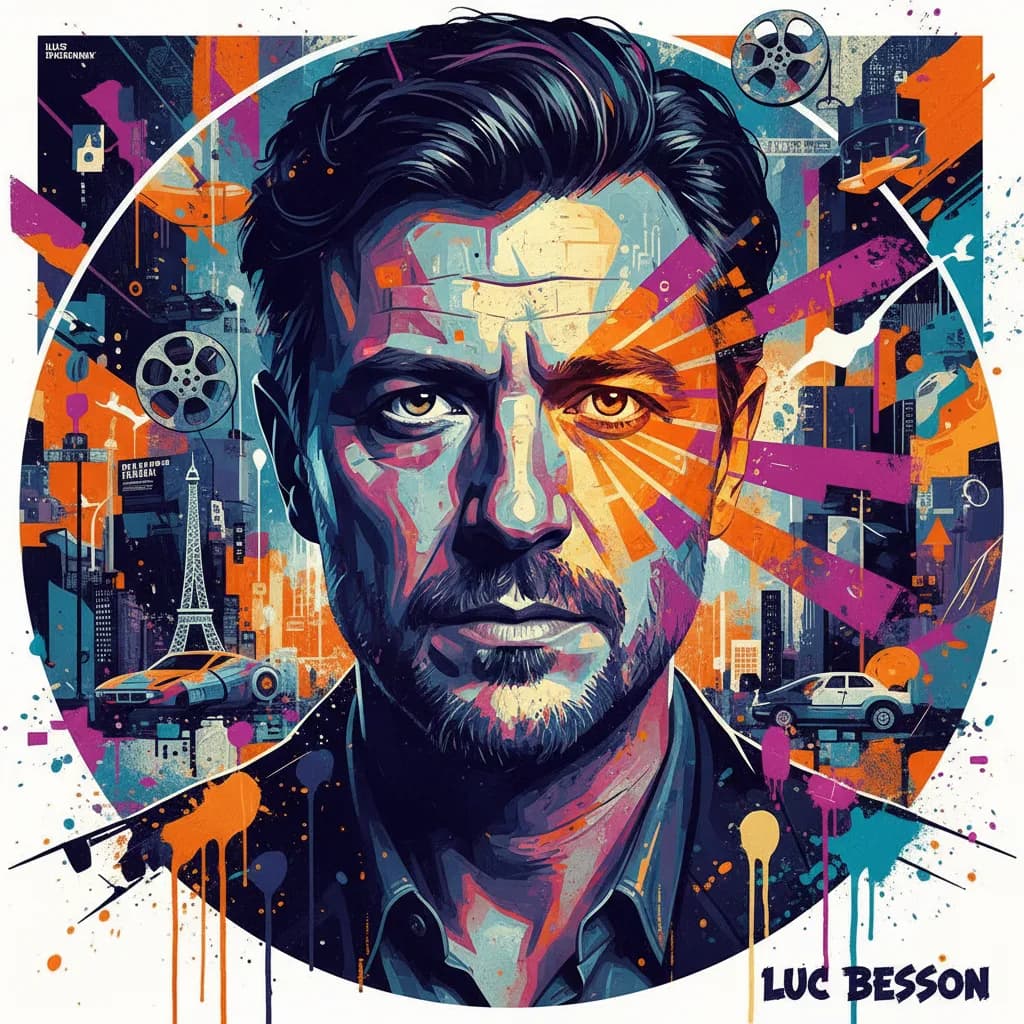
Luc Besson
Every film, ranked

Chris Columbus
Every film, ranked

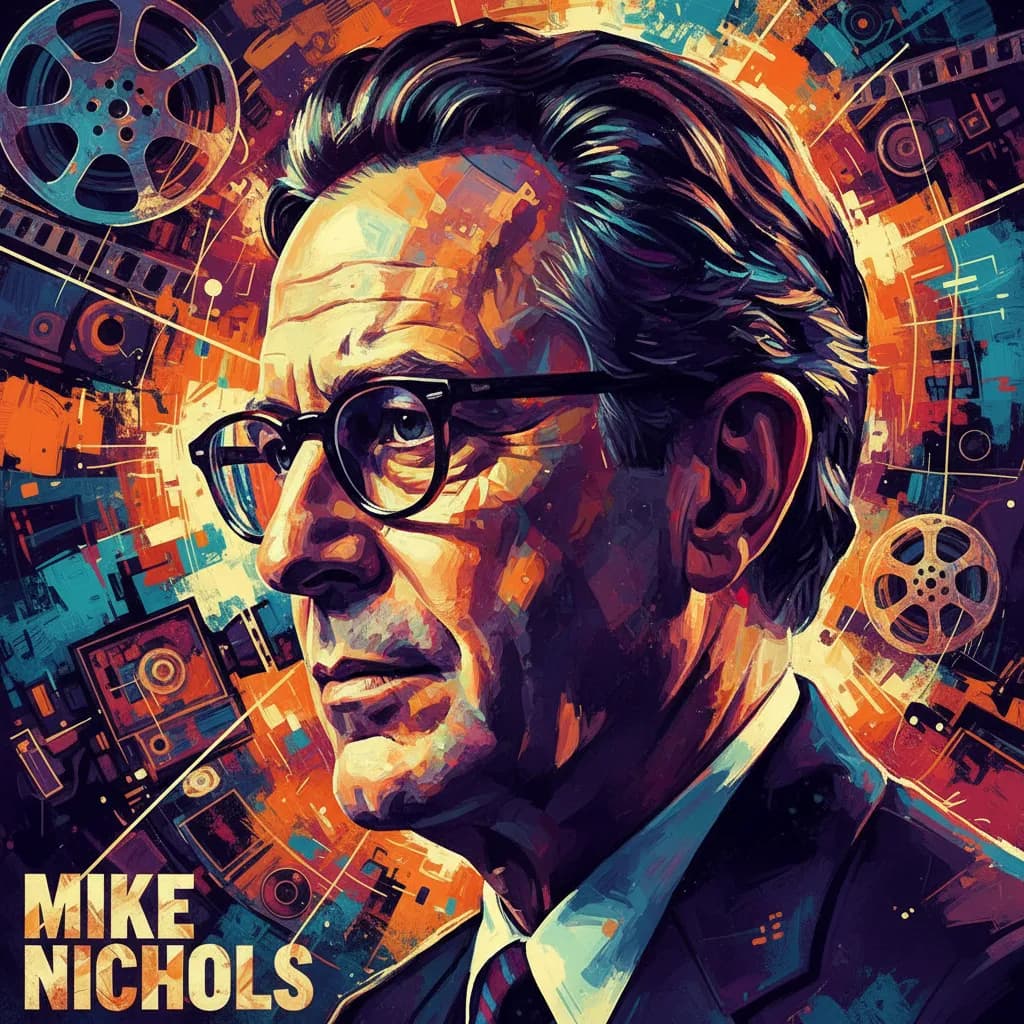
Mike Nichols
Every film, ranked

Howard Hawks
Every film, ranked

Ang Lee
Every film, ranked

Walter Hill
Every film, ranked

Gus Van Sant
Every film, ranked

William Wyler
Every film, ranked

Renny Harlin
Every film, ranked

Sidney Lumet
Every film, ranked

Tony Scott
Every film, ranked