Discover the visionary filmmakers behind cinema's greatest works.
Explore our selection of acclaimed directors and their remarkable films.
Showing 2605-2616 out of 4148

Matt Ruskin is a visionary director known for his gripping storytelling and ability to bring real-life events to the screen with depth and authenticity. His most notable film to date is "Boston Strangler" (2023), a captivating blend of crime, drama, and history that showcases Ruskin's talent for delving into complex narratives and capturing the human experience. Ruskin's directorial style is characterized by a meticulous attention to detail and a commitment to presenting stories in a thought-provoking and compelling manner. His films often explore themes of justice, morality, and the human condition, drawing audiences into the emotional and ethical dilemmas faced by his characters. "Boston Strangler" exemplifies Ruskin's knack for meticulously researching historical events and humanizing the individuals involved, creating a gripping and immersive viewing experience. Throughout his career, Ruskin has made a significant impact on cinema by shedding light on lesser-known stories and shedding light on the human stories behind the headlines. His work resonates with audiences by offering a fresh perspective on familiar narratives and raising important questions about society and the human experience. "Boston Strangler" exemplifies Ruskin's ability to tackle challenging subject matter with nuance and sensitivity, cementing his reputation as a director with a keen eye for detail and a deep understanding of the human psyche. With "Boston Strangler," Ruskin continues to cement his status as a director who fearlessly tackles complex subject matter, leaving a lasting impression on audiences and further establishing himself as a master storyteller whose work transcends the screen. As Ruskin continues to push boundaries and challenge audiences with his thought-provoking narratives, he remains a director to watch, poised to leave an indelible mark on the world of cinema.

Matt Shakman is a multifaceted director who has left an indelible mark on the world of cinema. His standout film "Cut Bank" (2014) is a gripping crime thriller that showcases his ability to infuse tension and suspense into his storytelling. With a keen eye for detail and a knack for crafting compelling narratives, Shakman has proven himself to be a director with a distinct vision and a penchant for pushing the boundaries of traditional filmmaking. Shakman's directorial style is characterized by his meticulous attention to character development and his adeptness at creating immersive, atmospheric settings. "Cut Bank" exemplifies his skill at building suspense and drawing audiences into the intricate web of his narratives. His ability to elicit powerful performances from his cast members further underscores his talent as a director. Notable for his exploration of complex human emotions and moral ambiguity, Shakman's work often delves into the darker aspects of the human psyche. His films frequently feature morally conflicted characters navigating challenging circumstances, adding depth and complexity to his storytelling. This thematic richness has contributed to his standing as a director capable of crafting thought-provoking and emotionally resonant cinema. Shakman's impact on cinema lies in his ability to create films that captivate audiences and provoke introspection. His unique vision and commitment to storytelling have earned him a dedicated following and critical acclaim. With a promising future ahead, he is poised to continue shaping the cinematic landscape with his distinctive directorial voice and compelling narratives. In summary, Matt Shakman stands as a directorial force to be reckoned with, distinguished by his immersive storytelling, nuanced character portrayals, and compelling thematic explorations. His directorial prowess and unique vision have solidified his status as a director who consistently delivers thought-provoking and impactful cinema.

Mattson Tomlin is a rising star in the world of filmmaking, known for his distinct directorial style and innovative storytelling. His notable film "Mother/Android" (2021) has garnered attention for its captivating blend of drama, sci-fi, and thriller elements. Tomlin's directorial style is marked by a keen sense of visual storytelling and a knack for weaving thought-provoking narratives that resonate with audiences. In "Mother/Android," Tomlin showcases his ability to seamlessly blend genres, creating a narrative that is both emotionally resonant and intellectually stimulating. His keen eye for detail and ability to elicit powerful performances from his cast are evident throughout the film, solidifying his status as a director to watch in the industry. One of the recurring themes in Tomlin's work is the exploration of humanity's relationship with technology, often delving into the moral and ethical implications of technological advancement. This thematic exploration adds depth and relevance to his films, making them not only entertaining but also thought-provoking experiences for audiences. Tomlin's impact on cinema is notable for his ability to push boundaries and challenge conventions, offering audiences fresh perspectives and compelling narratives. As he continues to make his mark in the industry, it's clear that his unique vision and innovative approach to storytelling will continue to captivate and inspire audiences for years to come. With "Mother/Android," Tomlin has firmly established himself as a director with a distinct voice and a promising future in the world of filmmaking.

Matt Spicer is a talented American director known for his distinct vision and storytelling prowess. His breakout film, "Ingrid Goes West" (2017), is a dark comedy-drama that received critical acclaim for its sharp social commentary and engaging narrative. Spicer's directorial style is characterized by its blend of dark humor, compelling character dynamics, and thought-provoking exploration of contemporary societal issues. "Ingrid Goes West" stands as a testament to Spicer's ability to craft films that resonate with audiences. The film follows a social media-obsessed young woman who becomes fixated on a lifestyle influencer, leading to a series of darkly comedic and poignant events. Spicer's keen eye for dissecting the impact of social media on human behavior and relationships is a recurring theme in his work, showcasing his knack for delving into the complexities of modern existence. Spicer's directorial debut made a significant impact on the indie film scene, establishing him as a director to watch. His ability to infuse dark humor with astute observations on the human condition has solidified his place in the realm of contemporary cinema. With "Ingrid Goes West," Spicer has proven himself as a director capable of tackling relevant and timely subject matter with nuance and authenticity, making him a vital voice in the industry. As Spicer continues to carve out his place in the film world, his unique vision and ability to capture the zeitgeist of modern society are sure to leave a lasting impression on cinema. With his distinct directorial style and insightful storytelling, Spicer's future projects are eagerly anticipated by both audiences and industry insiders alike. Matt Spicer's impact on cinema is undeniable, and his contributions to the art of storytelling are destined to leave a lasting legacy in the world of film.

Matt Williams is a versatile and accomplished film director, best known for his work on the 2000 comedy-drama-romance "Where the Heart Is." Williams' directorial style is characterized by his ability to blend heartwarming storytelling with moments of genuine humor and emotional depth. Throughout his career, he has demonstrated a keen eye for capturing the complexities of human relationships and the universal themes of love, resilience, and personal growth. "Where the Heart Is" stands as a testament to Williams' talent for creating emotionally resonant narratives that resonate with audiences. The film follows the journey of a pregnant teenager who finds herself stranded in a small town, where she forms unexpected connections and discovers the true meaning of home. With Williams at the helm, the film strikes a delicate balance between poignant drama and lighthearted comedic moments, ultimately delivering a touching and memorable cinematic experience. In his body of work, Williams often explores themes of family dynamics, the pursuit of self-discovery, and the transformative power of human connections. His directorial approach prioritizes authenticity and relatability, as he crafts narratives that invite viewers to empathize with the characters' experiences and emotional journeys. This commitment to storytelling with depth and heart has solidified Williams' reputation as a director capable of eliciting genuine, heartfelt performances from his cast while capturing the essence of human experience on screen. Williams' impact on cinema lies in his ability to create films that resonate with audiences on a deeply personal level. His directorial contributions have enriched the landscape of contemporary cinema by offering narratives that celebrate the triumphs and struggles of the human spirit. As a director, Williams continues to inspire and connect with viewers through his compelling storytelling and his unwavering commitment to portraying the complexities of the human experience with authenticity and empathy.

Mat Whitecross is a British film director known for his compelling storytelling and thought-provoking narratives. His career took off with the critically acclaimed docudrama "The Road to Guantanamo" (2006), which he co-directed with Michael Winterbottom. This film, based on the true story of three British citizens held in Guantanamo Bay detention camp, showcased Whitecross's ability to blend gripping drama with real-life events, earning him widespread recognition and several prestigious awards. Whitecross's directorial style is characterized by his penchant for delving into topical and politically charged subject matter, often shedding light on human rights issues and social injustices. His films are marked by a raw and unflinching portrayal of reality, drawing audiences into the emotional turmoil of his characters. "The Road to Guantanamo" exemplifies Whitecross's skill in capturing the harrowing experiences of individuals caught in the throes of war and political turmoil, showcasing his ability to evoke empathy and provoke contemplation. With a relatively modest filmography, Whitecross's impact on cinema is undeniable, as he continues to push the boundaries of storytelling through his unique directorial vision. His work reflects a commitment to shedding light on marginalized voices and shedding light on pressing global issues, solidifying his reputation as a socially conscious filmmaker. As Whitecross continues to contribute to the cinematic landscape, audiences can anticipate further thought-provoking narratives that challenge conventions and incite meaningful conversations. In an industry inundated with commercial blockbusters, Whitecross stands out for his dedication to addressing pertinent societal issues and amplifying the voices of the oppressed. His directorial finesse and unwavering commitment to storytelling have cemented his status as a noteworthy filmmaker, and enthusiasts of socially relevant cinema eagerly await his future endeavors. Mat Whitecross's career trajectory signifies a promising journey filled with resonant narratives and a steadfast dedication to advocating for social justice through the lens of cinema.

Max Barbakow is a rising talent in the film industry, known for his directorial debut in the critically acclaimed "Palm Springs" (2020). This comedy, fantasy, and mystery film garnered widespread praise for its fresh and inventive take on the time-loop subgenre. Barbakow's directorial style is characterized by a seamless blend of humor, emotional depth, and thought-provoking storytelling, making him a director to watch in the coming years. "Palm Springs" immediately catapulted Barbakow into the spotlight, showcasing his ability to craft a narrative that resonates with audiences while delivering unexpected twists and turns. The film's exploration of existential themes and the nature of human connection underpins Barbakow's directorial approach, demonstrating his penchant for infusing depth into comedic storytelling. Barbakow's impact on cinema is evident through his ability to breathe new life into familiar genres, injecting them with his unique vision and storytelling prowess. His directorial debut has set a high bar for future projects, as audiences eagerly anticipate his next ventures. With "Palm Springs," Barbakow has proven himself as a director capable of delivering compelling narratives that resonate with a wide audience. One of Barbakow's notable strengths lies in his ability to create characters that feel authentic and relatable, further elevating the emotional resonance of his films. His exploration of human relationships, personal growth, and the intricacies of the human experience showcases a directorial style that is both introspective and entertaining. As Max Barbakow continues to carve out his place in the film industry, his unique perspective and directorial finesse are sure to leave a lasting impact on cinema, making him a director to keep an eye on in the years to come. In conclusion, Max Barbakow's directorial debut with "Palm Springs" has solidified his position as a visionary director with a knack for blending genres and crafting narratives that resonate on multiple levels. His ability to infuse humor with profound insights into the human condition distinguishes him as a director to watch, and his impact on the film industry is poised to grow as he continues to bring his unique vision to the big screen.

Max Giwa is a British film director known for his work in the drama, music, and romance genres. His most notable film to date is "StreetDance 3D" (2010), which showcased his unique directorial style and cemented his reputation as a filmmaker with a keen eye for visually stunning dance sequences and emotionally resonant storytelling. Giwa's directorial style is characterized by his ability to seamlessly integrate music and dance into the narrative, creating a visceral and immersive experience for the audience. In "StreetDance 3D," he captured the energy and passion of street dance culture, elevating it to the forefront of the film's narrative and using it as a powerful storytelling tool. His innovative approach to choreographing and filming dance sequences set a new standard for the genre and drew widespread acclaim from audiences and critics alike. One of Giwa's recurring themes is the celebration of diversity and the transformative power of art. Through his films, he has consistently championed the idea that dance and music have the ability to transcend social and cultural barriers, bringing people together and fostering a sense of unity and empowerment. This thematic thread runs through his work, resonating with audiences and leaving a lasting impact on the cinematic landscape. In the realm of British cinema, Max Giwa has made significant contributions by pushing the boundaries of the dance and music genres, injecting them with fresh perspectives and innovation. His work has not only garnered commercial success but has also left an indelible mark on the industry, inspiring a new generation of filmmakers to explore the intersection of music, dance, and storytelling. Overall, Max Giwa's directorial career has been defined by his unwavering commitment to creating visually captivating films that celebrate the universal language of music and dance. His influence on cinema continues to be felt, as his work remains a touchstone for those seeking to merge artistry with entertainment, and his impact on the industry is sure to endure for years to come.

Max Joseph is a versatile director known for his captivating storytelling and visually stunning filmmaking. Although he has a relatively short filmography, Joseph's impact on cinema is undeniable. His most notable work includes "We Are Your Friends" (2015), a coming-of-age drama that delves into the world of electronic dance music, romance, and the pursuit of one's dreams. In "We Are Your Friends," Joseph showcases his directorial style through vibrant and energetic visuals, capturing the pulsating energy of the electronic music scene. His keen eye for detail and ability to immerse audiences in the characters' emotional journeys make his work truly memorable. Joseph's directorial debut demonstrates his knack for infusing music, romance, and drama into a cohesive narrative, setting him apart as a director with a unique vision. One of the recurring themes in Joseph's work is the exploration of youthful ambition and the pursuit of passion. His films often delve into the complexities of young adulthood, the struggles of chasing dreams, and the transformative power of music. Joseph's ability to intertwine these themes with visually stunning cinematography has solidified his reputation as a director with a distinct creative voice. Max Joseph's impact on cinema lies in his ability to capture the essence of contemporary youth culture and translate it onto the screen. His films resonate with audiences, offering a glimpse into the universal experiences of young people navigating love, friendship, and the pursuit of success. Through his unique directorial style and compelling storytelling, Joseph has left an indelible mark on the film industry, and his future projects are eagerly anticipated by fans and critics alike.

Max Mayer is a renowned film director known for his insightful storytelling and emotionally resonant character-driven narratives. His notable film "Adam" (2009) is a poignant blend of comedy, drama, and romance that showcases Mayer's adeptness at crafting intricately layered human relationships within the backdrop of contemporary society. With a keen eye for detail and a knack for eliciting authentic performances from his actors, Mayer's directorial style is characterized by its sensitivity and thought-provoking exploration of the human experience. "Adam" stands as a testament to Mayer's ability to delve into complex themes such as love, loss, and the intricacies of human connection. The film's portrayal of a man with Asperger's syndrome navigating the challenges of romantic relationships is a testament to Mayer's commitment to shedding light on underrepresented perspectives with empathy and nuance. Through his meticulous approach to storytelling, Mayer has established himself as a director who consistently delivers films that resonate on both an emotional and intellectual level. Mayer's impact on cinema lies in his unwavering dedication to crafting narratives that challenge societal norms and offer a fresh perspective on the human condition. His ability to infuse his films with genuine emotion and authenticity has earned him acclaim from audiences and critics alike. With "Adam," Mayer has proven himself as a director capable of bridging the gap between entertainment and profound, thought-provoking storytelling, cementing his status as a filmmaker with a distinct voice and a profound understanding of the human psyche. In summary, Max Mayer's directorial career is defined by his ability to infuse his films with emotional depth, tackling complex themes with grace and sincerity. "Adam" stands as a testament to Mayer's talent for crafting narratives that resonate on a deeply personal level, solidifying his reputation as a director with a unique vision and a profound impact on cinema. Mayer's work continues to inspire and provoke thought, making him a celebrated figure in the world of contemporary filmmaking.

Max Nichols is an American film director known for his work in the romantic comedy genre. He made his directorial debut with the 2014 film "Two Night Stand," which garnered attention for its fresh take on modern romance and relationships. Nichols' directorial style is characterized by a blend of humor, emotional depth, and a keen understanding of interpersonal dynamics, making his films relatable and engaging for audiences. "Two Night Stand" stands out as a notable addition to Nichols' filmography, showcasing his ability to infuse traditional romantic comedy tropes with contemporary sensibilities. The film explores the complexities of modern dating and the challenges of forming genuine connections in a digital age. Nichols' direction brings a lighthearted yet authentic touch to the narrative, capturing the nuances of human interaction with wit and warmth. One of the recurring themes in Nichols' work is the exploration of human relationships and the evolving dynamics between individuals. His films often delve into the intricacies of love, communication, and personal growth, offering a blend of humor and introspection. Through his distinct directorial approach, Nichols has made a notable impact on the romantic comedy genre, infusing it with a fresh perspective and resonating with audiences seeking genuine storytelling. Max Nichols' contributions to cinema lie in his ability to craft relatable and entertaining narratives that reflect the complexities of contemporary relationships. His unique vision and directorial finesse have established him as a filmmaker with a keen understanding of human emotions and interpersonal connections. As he continues to expand his body of work, audiences can anticipate more heartfelt and insightful storytelling from this talented director. In summary, Max Nichols has made a mark in the film industry by bringing a contemporary and insightful approach to romantic comedies. With "Two Night Stand" as a standout feature in his filmography, Nichols' directorial style resonates with audiences through its blend of humor, emotional depth, and relatable storytelling. As a director, he continues to contribute to the evolution of the romantic comedy genre, offering engaging narratives that capture the essence of modern relationships.


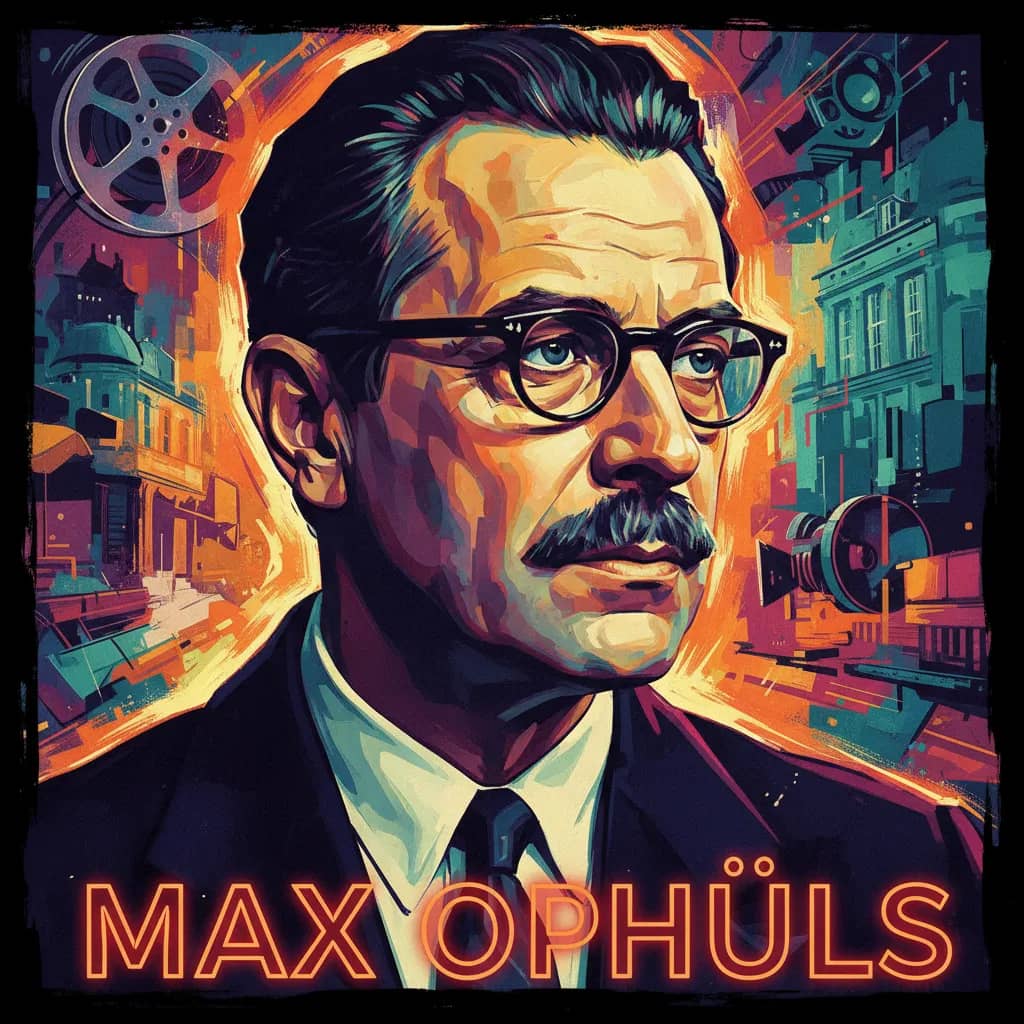
Max Ophüls was a German-born film director known for his unique visual style and sophisticated storytelling. Born in 1902, Ophüls began his career in the German film industry before fleeing to France due to the rise of the Nazi regime. In France, he directed a series of acclaimed films, including "Letter from an Unknown Woman" (1948), a poignant drama that showcases Ophüls' mastery of romantic storytelling and elegant camera work. The film is a testament to Ophüls' ability to create emotionally resonant narratives with a focus on complex characters and intricate relationships. One of Ophüls' most iconic works is "The Earrings of Madame De..." (1953), a sumptuous drama that exemplifies his signature visual style characterized by elaborate tracking shots and intricate mise-en-scène. The film's exploration of love, betrayal, and societal expectations showcases Ophüls' recurring themes of romanticism and human folly. Ophüls' meticulous attention to detail and his ability to capture the nuances of human emotion have solidified his reputation as a master of romantic storytelling. Ophüls' impact on cinema is profound, as his visually stunning films have influenced countless directors and filmmakers. His innovative use of camera movement and intricate set designs have left an indelible mark on the language of cinema, inspiring generations of filmmakers to push the boundaries of visual storytelling. Ophüls' legacy continues to be celebrated for his ability to infuse his films with a sense of timeless elegance and emotional depth. In conclusion, Max Ophüls' directorial style is characterized by his exquisite visual compositions, intricate storytelling, and profound exploration of human emotions. His films, such as "The Earrings of Madame De..." and "Letter from an Unknown Woman," stand as timeless classics that continue to captivate audiences with their beauty and emotional resonance. Ophüls' impact on cinema is undeniable, as he remains a revered figure whose contributions to the art of filmmaking continue to inspire and influence filmmakers around the world.
Every film by the greats, ranked by our TML Score.

Christopher Nolan
Every film, ranked

Quentin Tarantino
Every film, ranked

Stanley Kubrick
Every film, ranked

Martin Scorsese
Every film, ranked

Steven Spielberg
Every film, ranked

Alfred Hitchcock
Every film, ranked

David Fincher
Every film, ranked

Denis Villeneuve
Every film, ranked

Wes Anderson
Every film, ranked

Paul Thomas Anderson
Every film, ranked

Ridley Scott
Every film, ranked

Tim Burton
Every film, ranked

Guillermo del Toro
Every film, ranked

Hayao Miyazaki
Every film, ranked

Akira Kurosawa
Every film, ranked

Francis Ford Coppola
Every film, ranked

Clint Eastwood
Every film, ranked

Bong Joon Ho
Every film, ranked

Woody Allen
Every film, ranked

Steven Soderbergh
Every film, ranked

Ron Howard
Every film, ranked

Pedro Almodóvar
Every film, ranked

Richard Linklater
Every film, ranked

Roman Polanski
Every film, ranked

Brian De Palma
Every film, ranked

Ingmar Bergman
Every film, ranked

Oliver Stone
Every film, ranked

David Cronenberg
Every film, ranked

Robert Zemeckis
Every film, ranked

Barry Levinson
Every film, ranked

John Carpenter
Every film, ranked

Joel Schumacher
Every film, ranked

Billy Wilder
Every film, ranked

Rob Reiner
Every film, ranked

Neil Jordan
Every film, ranked

Spike Lee
Every film, ranked

Ivan Reitman
Every film, ranked

John Woo
Every film, ranked

Lasse Hallström
Every film, ranked

Stephen Frears
Every film, ranked

Luc Besson
Every film, ranked

Chris Columbus
Every film, ranked

Mike Nichols
Every film, ranked

Howard Hawks
Every film, ranked

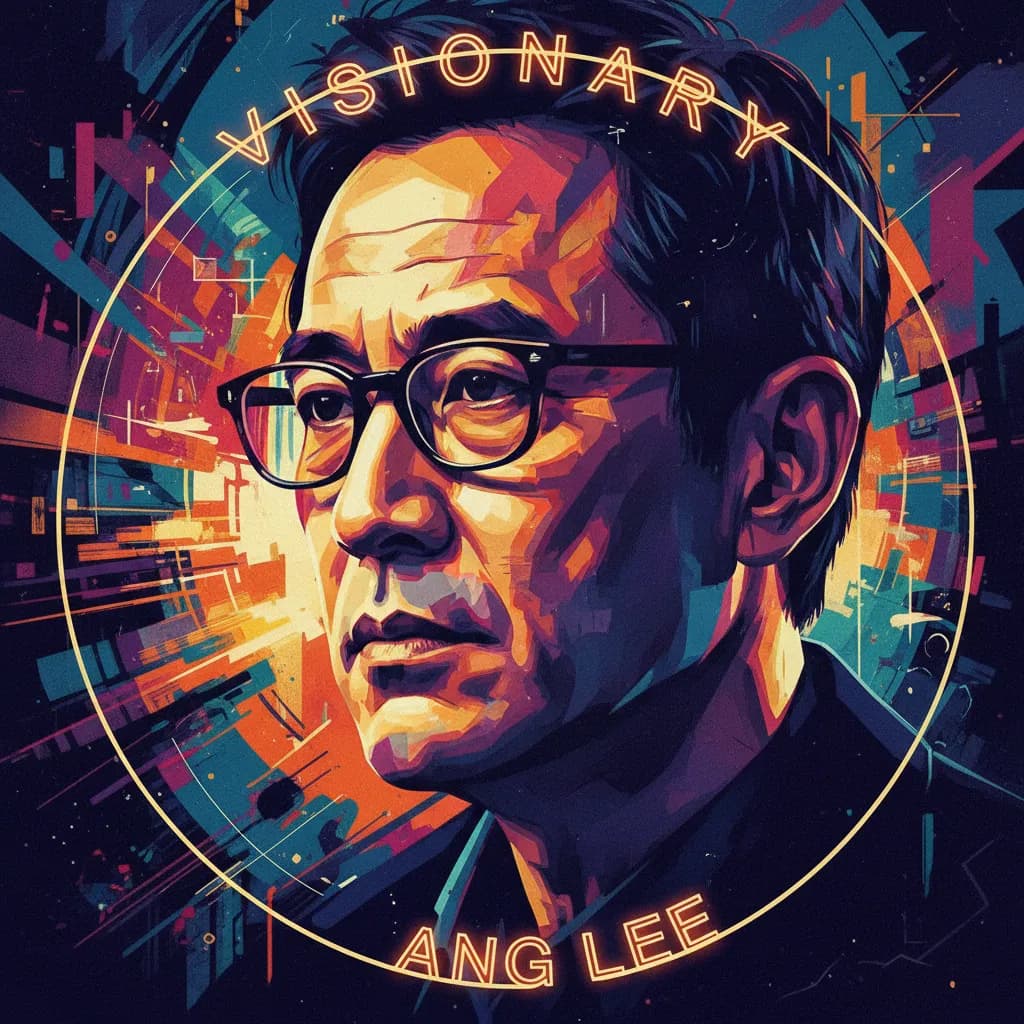
Ang Lee
Every film, ranked

Walter Hill
Every film, ranked

Gus Van Sant
Every film, ranked

William Wyler
Every film, ranked

Renny Harlin
Every film, ranked

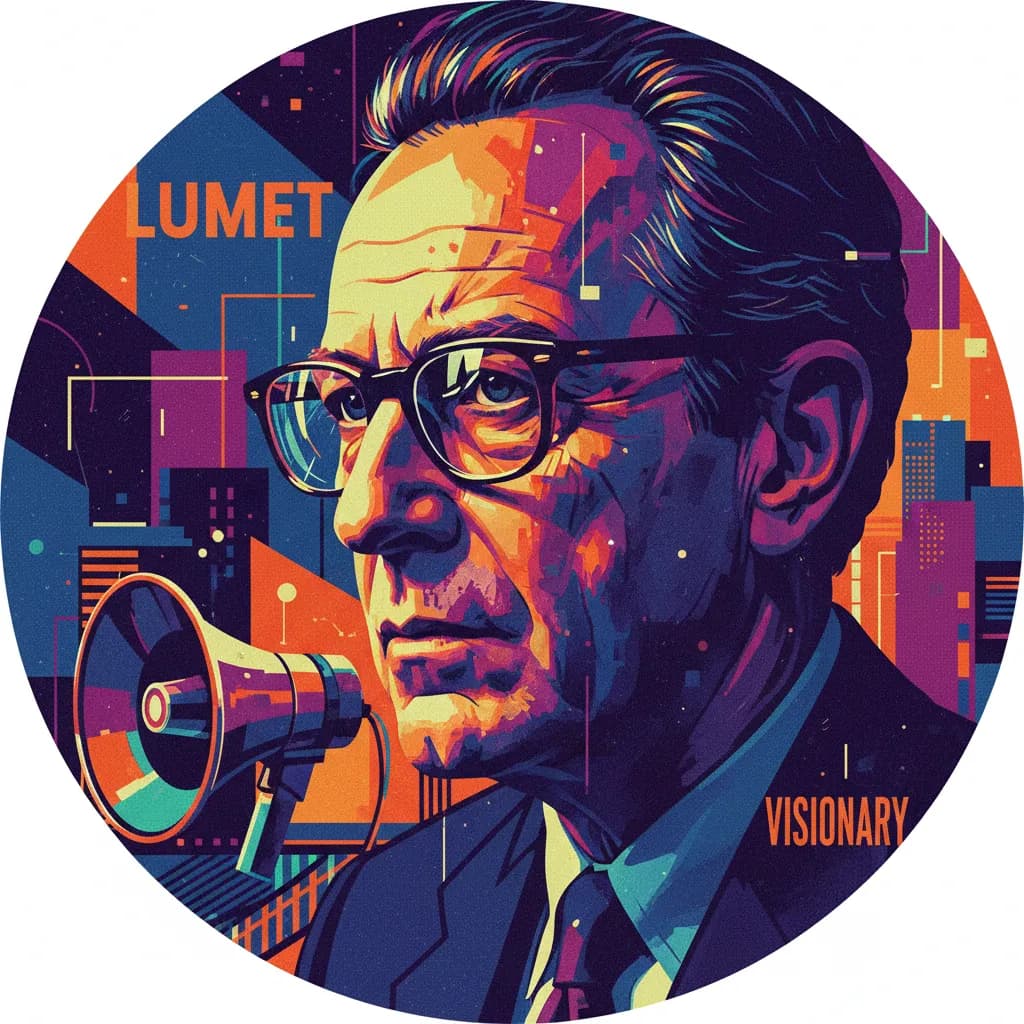
Sidney Lumet
Every film, ranked

Tony Scott
Every film, ranked