Discover the visionary filmmakers behind cinema's greatest works.
Explore our selection of acclaimed directors and their remarkable films.
Showing 2593-2604 out of 4148

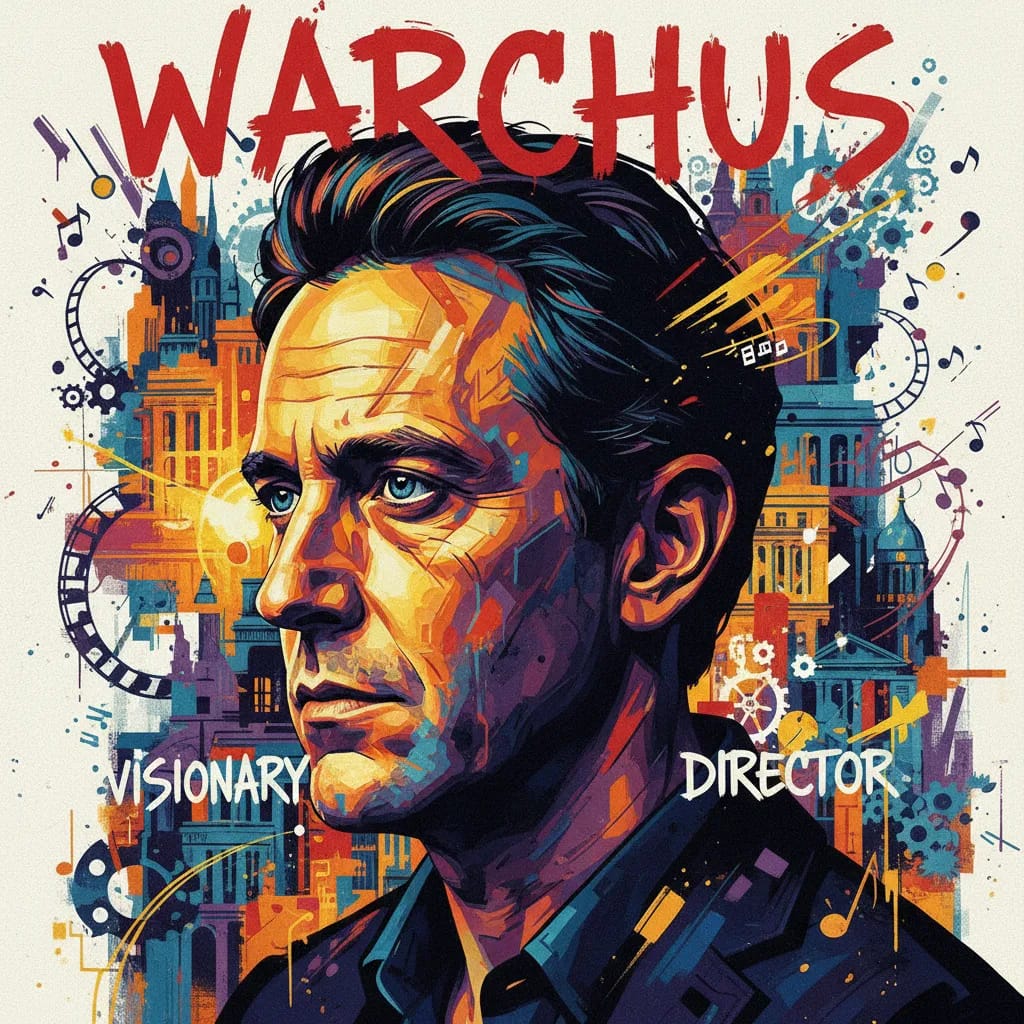
Matthew Warchus is a British film and theatre director known for his versatile talents and ability to capture the human experience on screen. Warchus made a significant impact with his directorial work on the critically acclaimed film "Pride" (2014), which masterfully blends biography, comedy, and drama. The film is a testament to Warchus's ability to bring together a diverse range of genres while maintaining a cohesive and emotionally resonant narrative. Warchus's directorial style is characterized by his keen understanding of human relationships and his ability to infuse his projects with heart and humor. "Pride" exemplifies his knack for balancing poignant storytelling with moments of levity, resulting in a film that is both deeply moving and thoroughly entertaining. Warchus's skillful direction in "Pride" earned widespread praise from audiences and critics alike, solidifying his reputation as a director with a unique and impactful vision. One of the recurring themes in Warchus's work is the celebration of solidarity and the power of collective action. "Pride" beautifully captures the spirit of unity and resilience as it depicts the unlikely alliance between LGBTQ activists and striking miners in 1980s Britain. Warchus's ability to intertwine this historical narrative with humor and humanity speaks to his talent for crafting stories that resonate on both personal and societal levels. Warchus's directorial contributions have left an indelible mark on cinema, as he continues to demonstrate his ability to breathe life into diverse genres and subject matter. His work on "Pride" stands as a testament to his skill as a storyteller and his dedication to portraying the triumph of the human spirit. As a director, Warchus's commitment to authenticity and emotional depth has solidified his status as a visionary filmmaker with a profound impact on the industry.

Matthew Weiner is a highly acclaimed director known for his unique directorial style, which seamlessly blends comedy and drama to create thought-provoking and emotionally resonant films. Best known for his directorial debut, "Are You Here" (2013), Weiner's work is characterized by its introspective exploration of complex human relationships, sharp wit, and profound emotional depth. His films often delve into the intricacies of the human experience, addressing themes such as friendship, love, and personal growth. Weiner's directorial debut, "Are You Here," showcases his ability to craft compelling narratives that navigate the complexities of life with a delicate balance of humor and poignancy. The film offers a profound exploration of friendship, family dynamics, and the pursuit of happiness, drawing audiences into a world enriched by multifaceted characters and rich storytelling. Weiner's directorial style is marked by his keen insight into the human condition, as he skillfully weaves together intricate character dynamics and authentic dialogue. His films resonate with audiences by presenting relatable and nuanced portrayals of human struggles and triumphs, earning him a reputation as a director with a unique ability to capture the essence of the human experience on screen. Weiner's impact on cinema lies in his deft ability to craft films that transcend genre boundaries, offering audiences a deeply immersive and emotionally resonant experience. His work stands as a testament to the power of storytelling, as he continues to captivate audiences with his thought-provoking narratives and compelling directorial vision. With an impressive directorial debut and a promising career ahead, Matthew Weiner's contributions to the film industry are poised to leave a lasting legacy.

Matthias Hoene is a British-German director known for his unique blend of action, comedy, and horror in the film "Cockneys vs Zombies" (2012). His directorial style is characterized by a dynamic and eclectic approach, seamlessly intertwining various genres to create a distinct and engaging cinematic experience. Hoene's ability to infuse humor into traditionally intense and terrifying themes sets him apart as a versatile and innovative director. In "Cockneys vs Zombies," Hoene skillfully combines adrenaline-pumping action sequences with laugh-out-loud comedic moments, all within the backdrop of a zombie-infested London. The film's success lies in Hoene's ability to balance the horror elements with witty dialogue and entertaining characters, showcasing his knack for delivering a well-rounded and entertaining movie. One of Hoene's notable strengths as a director is his ability to explore the human condition amidst extraordinary circumstances. His films often delve into themes of survival, camaraderie, and the resilience of the human spirit, providing audiences with compelling narratives that resonate on a deeper level. Furthermore, Hoene's distinctive visual style and innovative storytelling techniques have left a lasting impact on the horror-comedy genre, influencing a new wave of filmmakers and captivating audiences worldwide. With "Cockneys vs Zombies," Matthias Hoene solidified his position as a director with a keen eye for blending genres and delivering captivating storytelling. His ability to inject humor into the horror genre while maintaining a thrilling and engaging narrative has established him as a director to watch in the industry. As his career continues to unfold, audiences can anticipate more boundary-pushing and genre-defying work from this visionary filmmaker.

Matthias Schweighöfer is a multi-talented German actor, director, and producer known for his work in the action, comedy, and crime genres. In 2011, he made his directorial debut with the romantic comedy "What a Man," which showcased his ability to infuse light-hearted humor with genuine emotional depth. Schweighöfer's directorial style is characterized by his keen understanding of human emotions, combined with a flair for crafting visually dynamic and entertaining narratives. One of Schweighöfer's most notable directorial works is the 2021 film "Army of Thieves," a spin-off prequel to Zack Snyder's "Army of the Dead." This action-packed heist film demonstrates Schweighöfer's penchant for blending high-stakes thrills with offbeat humor, creating a unique cinematic experience. His directorial approach in "Army of Thieves" showcases his ability to balance intense action sequences with moments of levity, captivating audiences with his distinct storytelling style. Throughout his career, Schweighöfer has explored themes of camaraderie, resilience, and the triumph of the human spirit in the face of adversity. His films often feature complex characters navigating challenging circumstances, resonating with audiences on a profound and relatable level. Schweighöfer's directorial work reflects his commitment to delivering compelling narratives that entertain, provoke thought, and evoke genuine emotional responses from viewers. As a director, Schweighöfer has made a significant impact on German and international cinema, garnering acclaim for his ability to inject fresh perspectives into familiar genres. His innovative approach to storytelling and his dedication to pushing creative boundaries have cemented his status as a versatile and influential filmmaker. With "Army of Thieves," Schweighöfer continues to solidify his reputation as a director capable of delivering exhilarating, genre-defying cinema that captivates audiences worldwide. In conclusion, Matthias Schweighöfer's directorial career is defined by his ability to craft engaging and emotionally resonant films that transcend traditional genre conventions. With "Army of Thieves," he has once again demonstrated his directorial prowess, offering audiences a captivating blend of action, comedy, and crime. Schweighöfer's unique vision and impact on cinema continue to inspire and entertain, solidifying his position as a formidable force in the world of filmmaking.

Matthieu Delaporte is a French film director known for his work in the comedy-drama genre. His notable film "What's in a Name?" (2012) showcases his talent for blending humor with thought-provoking storytelling. Delaporte's directorial style is characterized by his ability to capture the complexities of human relationships with wit and insight. In "What's in a Name?" Delaporte explores the dynamics of friendship and family as a dinner party takes an unexpected turn when a seemingly harmless discussion about baby names escalates into a confrontation of long-held secrets and beliefs. The film's sharp dialogue and nuanced character development reflect Delaporte's skill in creating authentic and relatable narratives. Delaporte's recurring themes often revolve around the intricacies of human communication and the impact of words on relationships. His films delve into the misunderstandings, conflicts, and revelations that arise from interpersonal interactions, offering audiences a blend of laughter and introspection. This thematic focus has resonated with viewers, earning Delaporte a reputation for crafting emotionally resonant and entertaining stories. With "What's in a Name?" Delaporte made a significant impact on cinema by demonstrating his ability to infuse comedic storytelling with depth and emotional resonance. The film received critical acclaim and was well-received by audiences, establishing Delaporte as a director capable of delivering compelling narratives with a distinct voice. His contributions to the comedy-drama genre have solidified his position as a filmmaker with a unique vision and a keen understanding of human behavior. Overall, Matthieu Delaporte's directorial career is marked by his ability to create engaging, thought-provoking films that resonate with audiences. His talent for blending humor with poignant storytelling has set him apart as a director with a distinctive voice in the world of cinema. As he continues to explore the complexities of human relationships and communication in his work, Delaporte's impact on the film industry is sure to endure.

Matthijs van Heijningen Jr. is a Dutch film director best known for his work in the drama and war genres. With a career spanning several decades, he has made significant contributions to the film industry with his unique directorial style and storytelling prowess. Van Heijningen's most notable film to date is "The Forgotten Battle" (2020), a powerful and poignant drama set against the backdrop of war, which showcases his ability to capture the human experience amidst conflict. Van Heijningen's directorial style is characterized by his keen attention to detail, immersive storytelling, and the ability to evoke raw emotions from his audience. His films often delve into the complexities of human relationships, the impact of war on individuals, and the resilience of the human spirit in the face of adversity. Through his compelling narratives and visually striking cinematography, van Heijningen has established himself as a director with a distinct and evocative vision. "The Forgotten Battle" stands as a testament to van Heijningen's talent, as it masterfully portrays the untold stories of war and the enduring human connections that transcend the chaos of battle. The film's critical acclaim and audience reception further solidify van Heijningen's impact on cinema, as he continues to push the boundaries of storytelling and cinematic artistry. As a director, van Heijningen's recurring themes often center around the human experience, the impact of historical events on individuals, and the resilience of the human spirit. His ability to bring these themes to life on the screen has earned him recognition as a visionary filmmaker with a profound understanding of the human condition. Van Heijningen's career is a testament to his ability to craft compelling narratives that resonate with audiences on a deep and emotional level. With "The Forgotten Battle" and his other notable works, he has left an indelible mark on the film industry, and his contributions continue to shape the landscape of contemporary cinema. Van Heijningen's dedication to storytelling and his unique directorial vision ensure that his legacy as a filmmaker will endure for years to come.

Matt Maiellaro is a prolific director, writer, and producer known for his work in animation, particularly for the cult classic "Aqua Teen Hunger Force Colon Movie Film for Theaters" (2007). As a co-creator of the "Aqua Teen Hunger Force" series, Maiellaro has made a significant impact on the animation landscape with his irreverent and boundary-pushing style. Maiellaro's directorial style is characterized by a blend of offbeat humor, surreal storytelling, and a penchant for pushing the boundaries of conventional animation. His work often features unconventional characters and absurd scenarios, creating a unique and memorable viewing experience for audiences. "Aqua Teen Hunger Force Colon Movie Film for Theaters" exemplifies Maiellaro's directorial approach, combining elements of animation, action, and adventure with his trademark comedic sensibilities. Notable for its off-kilter humor and unconventional storytelling, "Aqua Teen Hunger Force Colon Movie Film for Theaters" showcases Maiellaro's ability to create a distinct and memorable cinematic experience. The film's success solidified Maiellaro's status as a visionary director, revered for his ability to infuse animated storytelling with a subversive and audacious spirit. Maiellaro's recurring themes often explore the absurdities of everyday life, blending surrealism with humor to create a distinctive and engaging narrative. His impact on cinema extends beyond traditional boundaries, as he has carved a niche for himself within the animation genre, influencing a new wave of creators and leaving an indelible mark on the industry. In summary, Matt Maiellaro's directorial career is defined by his unique vision, offbeat humor, and willingness to challenge the norms of animation. With "Aqua Teen Hunger Force Colon Movie Film for Theaters," Maiellaro has cemented his legacy as a director who fearlessly pushes the boundaries of storytelling, leaving an indelible mark on the animation landscape.


Matt Palmer is a rising star in the world of film direction, known for his gripping storytelling and penchant for exploring the darker facets of human nature. His standout work includes the 2018 thriller "Calibre," which cemented his reputation as a director with an uncanny ability to immerse audiences in tension-filled narratives. Palmer's directorial style is marked by a keen attention to detail, masterful pacing, and an ability to elicit raw, visceral emotions from his viewers. His work often delves into the psychological complexities of his characters, creating an atmosphere of palpable suspense and unease. "Calibre" stands as a testament to Palmer's directorial prowess, as the film's taut narrative and intense performances garnered critical acclaim. The movie follows two friends whose hunting trip in the Scottish Highlands takes a harrowing turn, resulting in a series of chilling events that unravel the fabric of their friendship. Palmer's adept handling of the film's suspenseful sequences and exploration of moral dilemmas firmly established him as a director to watch. Palmer's films frequently delve into themes of morality, guilt, and the consequences of human actions, creating thought-provoking experiences that resonate long after the credits roll. His ability to craft narratives that are both gripping and thematically rich has set him apart in the industry. As a director, Palmer has demonstrated a remarkable ability to draw audiences into the moral quandaries faced by his characters, resulting in an immersive and impactful viewing experience. In the realm of contemporary cinema, Matt Palmer's contributions have left an indelible mark, with "Calibre" serving as a testament to his directorial acumen. His distinct vision and ability to craft compelling, emotionally resonant narratives have positioned him as a formidable talent in the film industry. As he continues to hone his craft, audiences and critics alike eagerly anticipate the next chapter in Matt Palmer's directorial journey.

Matt Peters is a highly talented film director known for his exceptional work in the animation, action, and adventure genres. His most prominent directorial effort, "Injustice," released in 2021, showcases his remarkable storytelling abilities and visual expertise. Peters' directorial style is distinguished by his ability to seamlessly blend intricate animation with compelling narratives, resulting in films that captivate audiences of all ages. "Injustice" stands as a testament to Peters' prowess in creating visually stunning and emotionally resonant animated features. His keen eye for detail, coupled with a penchant for crafting complex characters and engaging plotlines, has solidified his position as a sought-after director within the animation industry. Notably, Peters' films often center around themes of heroism, morality, and the human condition, inviting viewers to contemplate deeper philosophical questions while being enthralled by his cinematic creations. Peters' impact on cinema extends beyond his directorial achievements, as he has contributed significantly to the evolution of animated storytelling. His commitment to pushing the boundaries of animation as a medium for compelling narratives has earned him widespread acclaim and a dedicated following. With "Injustice," Peters has once again demonstrated his ability to deliver an immersive and thought-provoking cinematic experience, further cementing his status as a visionary director. As a director, Matt Peters continues to inspire and influence both aspiring filmmakers and audiences worldwide, leaving an indelible mark on the landscape of animated cinema. His dedication to storytelling, coupled with his innovative approach to animation, ensures that his directorial legacy will endure for years to come. Whether through his captivating visuals, compelling characters, or thought-provoking themes, Peters' contributions to film remain an integral part of the cinematic tapestry, solidifying his reputation as a director of unparalleled vision and artistry.

Matt Piedmont is an accomplished film director known for his unique blend of comedy and Western genres. His notable filmography includes the 2012 comedy-western "Casa de mi Padre," which showcased his distinct directorial style and comedic sensibilities. Piedmont's directorial approach is characterized by a clever juxtaposition of traditional Western themes with comedic elements, resulting in a fresh and entertaining cinematic experience. In "Casa de mi Padre," Piedmont skillfully incorporated elements of spoof and satire, creating a distinct brand of humor that resonated with audiences. His directorial style seamlessly merged the visual aesthetics of classic Westerns with modern comedic storytelling, showcasing his ability to innovate within established genres. The film's success can be attributed to Piedmont's keen understanding of comedic timing and his knack for subverting audience expectations, solidifying his reputation as a visionary director with a penchant for blending diverse genres. Piedmont's directorial contributions have left a lasting impact on cinema, as he continues to push creative boundaries and challenge conventional genre conventions. His ability to infuse comedy into unconventional settings, such as the Western genre, has garnered him critical acclaim and a dedicated following. Through his distinct directorial vision, Piedmont has demonstrated a commitment to delivering original and engaging storytelling, cementing his status as a director to watch in the industry. Overall, Matt Piedmont's directorial career is defined by his innovative approach to storytelling, his unique blend of comedy and Western themes, and his ability to captivate audiences with his distinct directorial style. As he continues to contribute to the cinematic landscape, Piedmont's impact on the industry remains undeniable, and his work stands as a testament to the enduring power of visionary directors who fearlessly challenge genre boundaries.

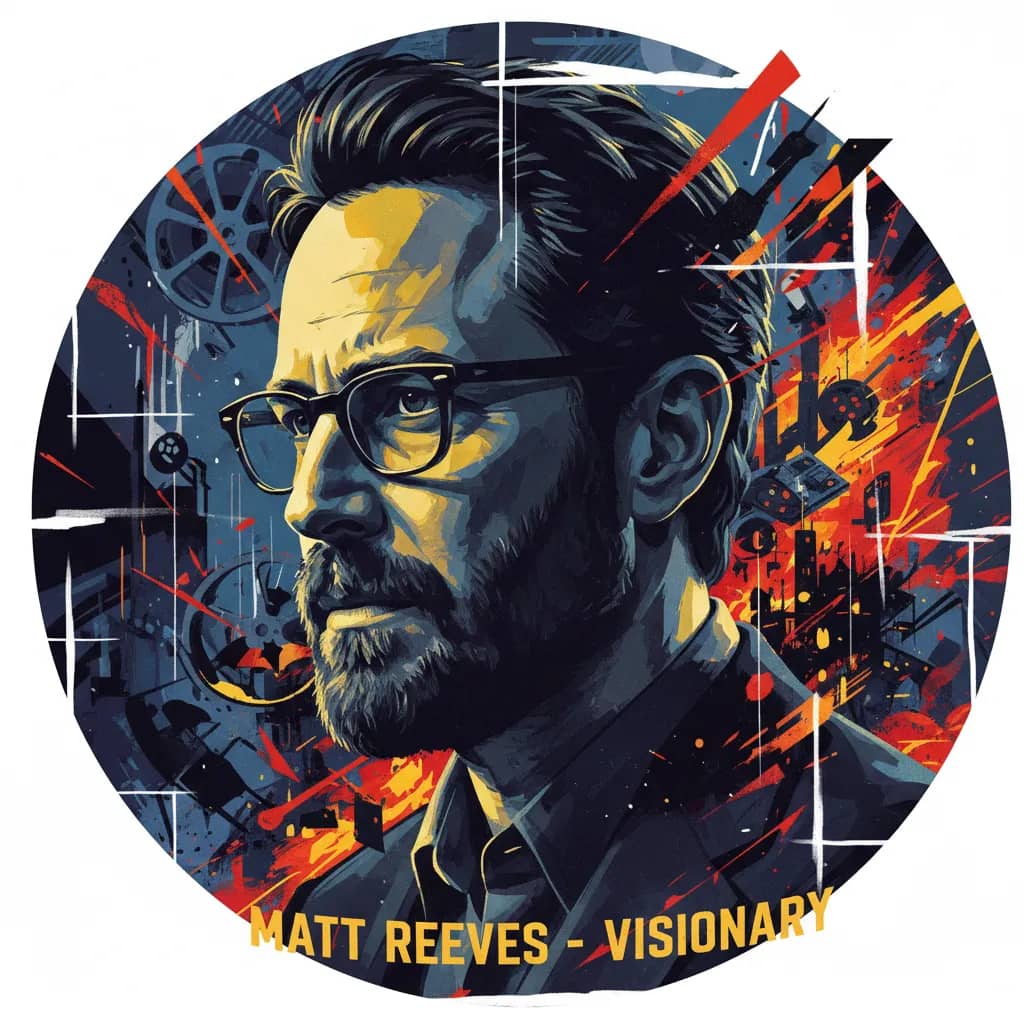
Matt Reeves is a visionary director known for his unique ability to infuse action-packed blockbusters with deep emotional resonance and thought-provoking themes. With a career spanning over two decades, Reeves has established himself as a master storyteller, delivering gripping narratives that resonate with audiences across the globe. His filmography boasts a diverse range of genres, from heart-pounding action to spine-chilling horror and heartwarming romance, showcasing his versatility as a director. Reeves first gained widespread attention with his directorial debut, "The Pallbearer" (1996), a charming romantic comedy that exhibited his knack for capturing the complexities of human relationships with warmth and humor. However, it was his foray into the realm of science fiction and horror with "Cloverfield" (2008) that truly solidified his reputation as a director to watch. The found-footage monster film captivated audiences with its innovative storytelling and intense, immersive experience, earning Reeves acclaim for his ability to inject freshness into the genre. Reeves continued to push creative boundaries with his involvement in the critically acclaimed "Dawn of the Planet of the Apes" (2014) and its sequel "War for the Planet of the Apes" (2017). These films showcased his adeptness at crafting epic, visually stunning spectacles while delving into profound themes of power, morality, and the nature of humanity. Reeves' directorial prowess was further exemplified in "Let Me In" (2010), a haunting vampire drama that demonstrated his ability to infuse the supernatural with poignant human emotion, cementing his status as a director with a keen eye for storytelling that transcends genre boundaries. In 2022, Reeves is set to unleash his highly anticipated vision of the iconic superhero in "The Batman." With his trademark blend of gripping action, complex characters, and thematic depth, Reeves is poised to redefine the superhero genre once again. His impact on cinema is undeniable, as he continues to captivate audiences with his distinctive directorial style, leaving an indelible mark on the film industry with each new project. Matt Reeves stands as a director whose visionary storytelling and ability to elicit powerful performances from his cast have solidified his status as a true auteur in the world of filmmaking.

Matt Ross is an accomplished American actor, writer, and director known for his unique directorial style and thought-provoking storytelling. Ross made his directorial debut with the critically acclaimed film "28 Hotel Rooms" in 2012, but it was his second feature, "Captain Fantastic" (2016), that truly solidified his reputation as a director to watch. The film, a captivating blend of comedy and drama, garnered widespread acclaim and earned Ross a nomination for the prestigious Palme d'Or at the Cannes Film Festival. Ross's directorial style is characterized by its thoughtful exploration of complex family dynamics and societal norms. In "Captain Fantastic," he skillfully navigates the story of a non-conformist father raising his six children off the grid in the Pacific Northwest. The film is marked by its poignant performances and Ross's ability to infuse the narrative with both humor and profound emotional depth. His keen eye for visual storytelling and his adept handling of intimate human experiences have established him as a director with a distinct and compelling vision. Notable for his ability to tackle weighty themes with a deft touch, Ross's work often delves into the tensions between individuality and societal expectations. "Captain Fantastic" exemplifies this, as it grapples with the clash between the unconventional, self-reliant lifestyle of the protagonist and the demands of mainstream society. Ross's films consistently provoke thought and invite audiences to consider the complexities of human relationships and the pursuit of personal authenticity. Through "Captain Fantastic," Ross has made a significant impact on contemporary cinema, earning accolades for his directorial prowess and his ability to craft engaging, emotionally resonant narratives. His work stands out for its ability to captivate audiences while delving into profound existential questions. As Ross continues to evolve as a director, his distinct voice and commitment to storytelling that challenges and inspires ensure that he remains a filmmaker of note in the industry.
Every film by the greats, ranked by our TML Score.

Christopher Nolan
Every film, ranked

Quentin Tarantino
Every film, ranked

Stanley Kubrick
Every film, ranked

Martin Scorsese
Every film, ranked

Steven Spielberg
Every film, ranked

Alfred Hitchcock
Every film, ranked

David Fincher
Every film, ranked

Denis Villeneuve
Every film, ranked

Wes Anderson
Every film, ranked

Paul Thomas Anderson
Every film, ranked

Ridley Scott
Every film, ranked

Tim Burton
Every film, ranked

Guillermo del Toro
Every film, ranked

Hayao Miyazaki
Every film, ranked

Akira Kurosawa
Every film, ranked

Francis Ford Coppola
Every film, ranked

Clint Eastwood
Every film, ranked

Bong Joon Ho
Every film, ranked

Woody Allen
Every film, ranked

Steven Soderbergh
Every film, ranked

Ron Howard
Every film, ranked

Pedro Almodóvar
Every film, ranked

Richard Linklater
Every film, ranked

Roman Polanski
Every film, ranked

Brian De Palma
Every film, ranked

Ingmar Bergman
Every film, ranked

Oliver Stone
Every film, ranked

David Cronenberg
Every film, ranked

Robert Zemeckis
Every film, ranked

Barry Levinson
Every film, ranked

John Carpenter
Every film, ranked

Joel Schumacher
Every film, ranked

Billy Wilder
Every film, ranked

Rob Reiner
Every film, ranked

Neil Jordan
Every film, ranked

Spike Lee
Every film, ranked

Ivan Reitman
Every film, ranked

John Woo
Every film, ranked

Lasse Hallström
Every film, ranked

Stephen Frears
Every film, ranked

Luc Besson
Every film, ranked

Chris Columbus
Every film, ranked

Mike Nichols
Every film, ranked

Howard Hawks
Every film, ranked

Ang Lee
Every film, ranked

Walter Hill
Every film, ranked

Gus Van Sant
Every film, ranked

William Wyler
Every film, ranked

Renny Harlin
Every film, ranked

Sidney Lumet
Every film, ranked

Tony Scott
Every film, ranked