Discover the visionary filmmakers behind cinema's greatest works.
Explore our selection of acclaimed directors and their remarkable films.
Showing 2461-2472 out of 4148

Marc Caro is a visionary French director renowned for his unique blend of dark fantasy, dystopian settings, and surreal storytelling. His collaboration with Jean-Pierre Jeunet resulted in two critically acclaimed and visually stunning films, "Delicatessen" (1991) and "The City of Lost Children" (1995). Caro's directorial style is characterized by his meticulous attention to detail, atmospheric world-building, and a penchant for blending genres such as drama, fantasy, and sci-fi. "Delicatessen" marked Caro's directorial debut and instantly established him as a master of dark humor and visually striking imagery. Set in a post-apocalyptic world, the film weaves a twisted tale of love, cannibalism, and eccentric characters living in a dilapidated apartment building. Caro's keen eye for creating a foreboding yet strangely enchanting atmosphere is evident throughout the film, making it a cult classic beloved by audiences and critics alike. In "The City of Lost Children," Caro continued to showcase his flair for crafting visually arresting and thematically rich narratives. Teaming up with Jeunet once again, the duo created a phantasmagorical world inhabited by bizarre characters, intricate steampunk-inspired settings, and a poignant exploration of the nature of dreams and childhood. The film's stunning production design, innovative special effects, and Caro's distinct directorial imprint solidified his status as a trailblazing filmmaker with an unparalleled imagination. Caro's films often revolve around themes of societal decay, the resilience of the human spirit, and the blurred lines between reality and fantasy. His influence on cinema is undeniable, inspiring a generation of filmmakers and captivating audiences with his darkly poetic storytelling. With a relatively small but impactful body of work, Marc Caro has left an indelible mark on the film industry, and his films continue to enchant and bewitch viewers with their haunting beauty and profound depth. In conclusion, Marc Caro's directorial career is characterized by a bold and singular vision that transcends traditional genre boundaries, creating a cinematic universe that is both mesmerizing and thought-provoking. His collaborations with Jean-Pierre Jeunet resulted in timeless masterpieces that have cemented Caro's legacy as a true auteur. With an unmistakable aesthetic and a penchant for crafting immersive and emotionally resonant narratives, Marc Caro remains a revered figure in the realm of visionary filmmaking.

Marcel Camus was a visionary Brazilian film director whose impactful career left an indelible mark on the world of cinema. Born in 1912 in Rio de Janeiro, Camus's directorial style was characterized by a fusion of vibrant storytelling, rhythmic music, and captivating visuals, showcasing the rich cultural tapestry of Brazil. His most celebrated film, "Black Orpheus" (1959), is a timeless masterpiece that garnered critical acclaim and solidified his reputation as a pioneering filmmaker. "Black Orpheus" is a mesmerizing blend of drama, music, and romance, inspired by the Greek myth of Orpheus and Eurydice and set against the backdrop of Rio de Janeiro's vibrant Carnival. Camus's directorial prowess shines through in the film's captivating visuals, evocative use of music, and poignant storytelling, earning him the prestigious Palme d'Or at the Cannes Film Festival and the Academy Award for Best Foreign Language Film. The film's enduring impact on cinema is a testament to Camus's ability to craft a mesmerizing cinematic experience that transcends cultural and linguistic barriers. Throughout his career, Camus's films often explored themes of love, passion, and the human spirit, set against the backdrop of Brazil's rich cultural heritage. His unique directorial vision and ability to seamlessly integrate music and dance into his narratives set him apart as a trailblazer in the realm of musical cinema. Camus's directorial legacy continues to inspire filmmakers and audiences alike, serving as a testament to the enduring power of his storytelling prowess and his profound influence on Brazilian and global cinema. Marcel Camus's illustrious career as a director continues to be celebrated for its groundbreaking contributions to the world of cinema, cementing his status as a visionary auteur whose indelible mark on film endures to this day. His directorial style, marked by a harmonious blend of music, vibrant visuals, and poignant storytelling, remains a source of inspiration for filmmakers seeking to craft evocative and culturally resonant narratives. From "Black Orpheus" to his other notable works, Marcel Camus's legacy as a pioneering filmmaker continues to captivate audiences and enrich the cinematic landscape with its unparalleled artistry and cultural significance.

Marcel Carné, a pioneering figure in French cinema's poetic realism movement, is widely regarded as one of the most influential film directors of the 20th century. Born in 1906, Carné's directorial career spanned several decades and produced a remarkable body of work that continues to captivate audiences worldwide. His directorial style is characterized by his meticulous attention to detail, emotionally rich storytelling, and a deep exploration of human emotions and desires. Carné's most renowned film, "Children of Paradise" (1945), stands as a monumental achievement in cinematic history. Set in 19th-century Paris, the film is a sprawling epic that weaves together intricate narratives of love, jealousy, and passion. Its grand scale, lush cinematography, and complex characters have solidified its status as a masterpiece of world cinema, earning accolades for its profound storytelling and visual opulence. Throughout his career, Carné exhibited a penchant for exploring themes of love, fate, and the human condition. His films often delved into the complexities of human relationships and the struggles of individuals against societal constraints, creating a rich tapestry of emotions and experiences. His directorial vision was marked by a keen sensitivity to the human experience, capturing the essence of life's triumphs and tragedies with profound depth and authenticity. Carné's impact on cinema extends beyond his artistic contributions. His directorial prowess and innovative storytelling techniques have left an indelible mark on the evolution of film, influencing generations of filmmakers and shaping the trajectory of cinematic expression. By pushing the boundaries of visual storytelling and infusing his films with profound emotional resonance, Carné has secured his place as a visionary director whose legacy continues to inspire and captivate audiences worldwide.

Marcel Langenegger is a Swiss film director known for his compelling storytelling and visually striking cinematic style. He made his directorial debut with the 2008 film "Deception," a gripping crime thriller that delves into the world of intrigue, seduction, and betrayal. The film, starring Ewan McGregor, Hugh Jackman, and Michelle Williams, showcases Langenegger's adeptness at creating tension and mystery on screen. His directorial style is characterized by meticulous attention to detail, skillful pacing, and a keen eye for atmospheric visuals. "Deception" exemplifies Langenegger's penchant for exploring the darker aspects of human nature and the complexities of interpersonal relationships. His storytelling often revolves around themes of trust, manipulation, and the blurred lines between illusion and reality. Through his films, Langenegger invites audiences to question their perceptions and confront the moral ambiguity of the characters' actions. Langenegger's impact on cinema lies in his ability to craft narratives that keep viewers on the edge of their seats while weaving thought-provoking themes into the fabric of his storytelling. His directorial contributions have carved a niche in the crime thriller genre, earning him recognition for his ability to infuse suspense with psychological depth. His directorial approach sets him apart as a filmmaker who skillfully balances commercial appeal with artistic integrity, resonating with audiences on both emotional and intellectual levels. With "Deception," Marcel Langenegger demonstrated his adeptness at crafting a taut and emotionally charged narrative, leaving an indelible mark on the crime thriller genre. His unique vision and directorial prowess continue to captivate audiences, solidifying his status as a director to watch in the realm of suspenseful and enigmatic storytelling. Langenegger's commitment to pushing the boundaries of conventional storytelling and his ability to engage audiences with gripping narratives ensure that his contributions to cinema remain impactful and enduring.

Marcello Fondato is an Italian film director who made a significant impact on the international film scene. Fondato's directorial style is characterized by his ability to seamlessly blend action and comedy, creating a unique and memorable cinematic experience. His notable film "Watch Out, We're Mad" (1974) exemplifies his knack for crafting high-energy, comedic action films that resonate with audiences across generations. Fondato's directorial career was defined by his ability to infuse his films with a sense of lightheartedness and entertainment, while also addressing underlying social and cultural themes. "Watch Out, We're Mad" is an exemplar of his directorial prowess, as it showcases his talent for creating adrenaline-pumping action sequences alongside laugh-out-loud comedic moments. Fondato's filmography reflects his commitment to delivering engaging and entertaining content that captivates audiences of all ages. Throughout his career, Fondato demonstrated a penchant for exploring themes of friendship, adventure, and the triumph of the underdog. His films often feature dynamic characters embarking on thrilling escapades, resonating with viewers through their relatability and charm. Fondato's directorial contributions have left an indelible mark on the action-comedy genre, inspiring future filmmakers and captivating audiences with his timeless storytelling. Marcello Fondato's impact on cinema extends beyond his directorial achievements, as he has contributed to the enduring popularity of action-comedy films. His ability to balance heart-pounding action with side-splitting comedy has solidified his place in the annals of cinematic history. Fondato's unique vision and directorial finesse have made him a revered figure in the film industry, with "Watch Out, We're Mad" standing as a testament to his enduring legacy as a master of action-comedy filmmaking. In conclusion, Marcello Fondato's directorial career has left an indelible mark on the world of cinema, with "Watch Out, We're Mad" serving as a testament to his unparalleled talent for crafting action-packed, comedic masterpieces. His ability to seamlessly blend adrenaline-fueled sequences with uproarious humor showcases his distinctive directorial style, making him a revered figure in the realm of action-comedy filmmaking. Fondato's enduring impact on cinema continues to resonate with audiences, solidifying his status as a visionary director whose contributions have shaped the landscape of modern filmmaking.

Marcelo Piñeyro, the acclaimed Argentine director, has made a significant impact on the world of cinema with his unique directorial style and thought-provoking storytelling. With a career spanning over three decades, Piñeyro has established himself as a visionary filmmaker, known for his ability to seamlessly blend drama and thriller elements to create compelling narratives that resonate with audiences worldwide. One of Piñeyro's most notable works is "The Method" (2005), a gripping drama-thriller that delves into the cutthroat world of corporate recruitment. The film, which revolves around a group of candidates competing for a coveted job at a prestigious company, showcases Piñeyro's keen eye for psychological tension and complex character dynamics. With its intense performances and taut storytelling, "The Method" solidified Piñeyro's reputation as a master of suspense and intrigue. Throughout his career, Piñeyro has explored recurring themes such as power dynamics, moral ambiguity, and the human psyche, often using them as a lens to examine societal issues and interpersonal relationships. His directorial style is characterized by meticulous attention to detail, evocative cinematography, and a knack for eliciting raw, emotionally charged performances from his actors. Piñeyro's impact on cinema extends beyond his individual films, as he has inspired a new generation of filmmakers to push the boundaries of storytelling and visual storytelling. His ability to craft multi-layered narratives that challenge and engage audiences has solidified his status as a trailblazer in the world of international cinema. In conclusion, Marcelo Piñeyro's directorial career is a testament to his unwavering commitment to creating thought-provoking, emotionally resonant films. With "The Method" and other acclaimed works, he has left an indelible mark on the cinematic landscape, and his legacy as a visionary director continues to inspire and captivate audiences around the world.

Marcel Sarmiento is a visionary director known for his bold, boundary-pushing approach to filmmaking. With a career spanning over a decade, Sarmiento has established himself as a prominent figure in the horror genre, captivating audiences with his unique storytelling and visually stunning compositions. His notable film "Deadgirl" (2008) garnered widespread acclaim for its unflinching exploration of the human psyche and the macabre, solidifying Sarmiento as a director unafraid to tackle controversial and thought-provoking subject matter. Sarmiento's directorial style is characterized by his meticulous attention to detail and his ability to create an atmosphere of palpable tension and unease. His films often delve into the darker aspects of human nature, challenging viewers to confront their deepest fears and desires. Through his distinct visual language and evocative storytelling, Sarmiento has carved out a niche for himself as a director who fearlessly pushes the boundaries of conventional horror cinema. "Deadgirl" remains a standout in Sarmiento's filmography, showcasing his penchant for subverting genre expectations and crafting narratives that linger in the subconscious long after the credits roll. The film's exploration of taboo themes and its unapologetic approach to horror cemented Sarmiento's reputation as a director unafraid to confront the darkest corners of the human experience. Sarmiento's impact on cinema extends beyond his individual films, as he has contributed to the evolution of the horror genre by infusing it with his distinct perspective and unapologetic storytelling. His work serves as a testament to the power of cinema to provoke and challenge audiences, solidifying his status as a director whose creative vision continues to leave an indelible mark on the film industry. In summary, Marcel Sarmiento's career is defined by his unwavering commitment to pushing the boundaries of horror cinema and his fearless exploration of the human psyche. With "Deadgirl" as a standout example of his visionary storytelling, Sarmiento has left an indelible mark on the horror genre, establishing himself as a director whose work continues to captivate and provoke audiences.

Marc Evans is a visionary film director whose career has been marked by a series of innovative and emotionally resonant works that have significantly contributed to the film industry. Beginning his journey in the early 1990s, Evans quickly distinguished himself as a filmmaker unafraid to explore complex narratives and delve into the depths of human emotions. His directorial style is characterized by a unique blend of psychological depth, nuanced storytelling, and a keen eye for visual storytelling, making him a standout presence in cinema. Themes of isolation, human connection, and the exploration of digital culture’s impact on society are recurrent in Evans's oeuvre. He skillfully uses these themes to weave stories that are both intimate and universally relatable, demonstrating a deep understanding of the human condition. Evans's artistic vision is evident in his meticulous approach to character development and his ability to create visually compelling narratives that challenge and engage audiences. Among his most notable works are "Snow Cake," a poignant drama that explores themes of grief and redemption, and "My Little Eye," a thriller that innovatively employs the concept of surveillance in a reality TV-obsessed society. "Snow Cake," in particular, showcased his ability to draw out deeply moving performances from his cast while balancing delicate subject matter with grace and sensitivity. Evans's influence on cinema extends beyond his films' immediate impact. He has contributed to the evolution of storytelling within the psychological thriller and drama genres, pushing boundaries and exploring new narrative techniques. His work has not only garnered critical acclaim but has also influenced aspiring filmmakers to pursue a more introspective and experimental approach to film direction. While specific awards may not define his career, Marc Evans's legacy is evident in the lasting impact of his films on audiences and critics alike. His contribution to the film industry is a testament to the power of cinema as a medium for exploring the complexities of the human experience.

Marc Forster is a Swiss-born director known for his diverse filmography spanning various genres, from intense dramas to heartwarming family stories to pulse-pounding action. His directorial style is characterized by a keen attention to emotional depth, nuanced storytelling, and visually striking cinematography. Forster's ability to tackle a wide range of genres with finesse has made him a sought-after director in the industry. One of Forster's notable works is "Finding Neverland" (2004), a poignant biographical drama that explores the life of playwright J.M. Barrie and his inspiration for the beloved character Peter Pan. This film showcases Forster's talent for capturing the essence of human emotion and the power of imagination. Another standout in his filmography is "Monster's Ball" (2001), a raw and compelling drama that delves into themes of love, loss, and redemption. Forster also left an indelible mark on the action genre with "Quantum of Solace" (2008), the 22nd installment in the James Bond series. His unique approach to directing action sequences and his ability to infuse depth into the iconic spy character earned him acclaim from both audiences and critics. Additionally, "World War Z" (2013) demonstrated his skill in helming large-scale, apocalyptic thrillers, showcasing his versatility as a director. Throughout his career, Forster has consistently explored themes of human resilience, the power of imagination, and the complexity of relationships. His films often delve into the depths of the human psyche, offering audiences thought-provoking narratives and compelling character studies. With a knack for bringing out powerful performances from his actors and a visually arresting storytelling style, Forster continues to make a significant impact on the cinematic landscape. In summary, Marc Forster's directorial career is defined by his ability to seamlessly navigate across genres while maintaining a distinct, emotionally resonant storytelling approach. His films have left an indelible mark on audiences, showcasing his unique vision and contributions to the art of filmmaking. With a penchant for crafting compelling narratives and exploring the human experience, Forster's work continues to captivate and inspire audiences worldwide.


Marc Lawrence is a veteran director known for his expertise in crafting heartfelt, comedic stories that resonate with audiences. With a career spanning over two decades, Lawrence has left an indelible mark on the film industry through his distinct directorial style and a penchant for blending humor and romance. One of his most recent directorial endeavors, "Noelle" (2019), exemplifies his ability to infuse family-friendly adventure with witty comedy, showcasing his versatility in navigating various genres. Lawrence's directorial repertoire is punctuated by a string of successful romantic comedies, including "Did You Hear About the Morgans?" (2009), "Music and Lyrics" (2007), "The Rewrite" (2014), and "Two Weeks Notice" (2002). These films underscore Lawrence's knack for weaving endearing romances with comedic flair, a signature element that has resonated with audiences globally. His keen understanding of human dynamics and genuine emotions is evident in his storytelling, as he skillfully navigates the complexities of relationships and the whimsical nature of love. Throughout his career, Lawrence has established a reputation for infusing his films with relatable characters, sharp dialogue, and an underlying charm that sets his work apart. His recurring themes center on the intricacies of human connection, the pursuit of love, and the transformative power of second chances. Lawrence's impact on cinema lies in his ability to capture the essence of human experiences while eliciting genuine laughter and heartfelt moments from his audiences. In the ever-evolving landscape of filmmaking, Marc Lawrence continues to be a prominent figure, offering a refreshing blend of humor and romance that transcends generations. His directorial vision, coupled with his ability to craft compelling narratives, has solidified his status as a revered filmmaker in the realm of romantic comedies. Whether through his penchant for witty banter or his adept storytelling, Lawrence's contributions to the film industry remain a testament to his enduring influence and cinematic legacy.

Marc Meyers is a visionary director known for his compelling storytelling and ability to craft gripping narratives that captivate audiences across diverse genres. With a keen eye for detail and an innate understanding of character development, Meyers has made a significant impact on the film industry through his thought-provoking works. His directorial style is characterized by a seamless blend of horror, drama, and psychological thriller elements, creating an immersive cinematic experience that resonates with viewers long after the credits roll. One of Meyers' most notable films is "My Friend Dahmer" (2017), a chilling biographical drama that delves into the formative years of notorious serial killer Jeffrey Dahmer. With a nuanced approach, Meyers skillfully navigates the complexities of Dahmer's adolescence, offering a haunting portrayal that is as haunting as it is thought-provoking. The film showcases Meyers' ability to tackle challenging subject matter with sensitivity and insight, solidifying his reputation as a director unafraid to push boundaries and explore the darker aspects of human nature. In "We Summon the Darkness" (2019), Meyers demonstrates his versatility as a director, seamlessly transitioning into the horror-thriller genre. The film masterfully intertwines elements of music, suspense, and psychological terror, showcasing Meyers' ability to create a palpable sense of unease and tension. Through his meticulous attention to detail and innovative storytelling techniques, Meyers has redefined the horror genre, earning acclaim for his ability to deliver spine-tingling narratives that leave audiences on the edge of their seats. Meyers' films often explore themes of psychological turmoil, the complexities of human behavior, and the blurred lines between reality and illusion. His distinctive directorial voice has cemented his status as a visionary filmmaker who fearlessly challenges conventions and elevates the art of storytelling. With a string of critically acclaimed works to his name, Meyers continues to push the boundaries of cinema, leaving an indelible mark on the industry and inspiring a new generation of filmmakers to embrace bold, inventive storytelling.

Marco Bellocchio is an Italian film director renowned for his thought-provoking and emotionally charged works that delve into the complexities of human nature and society. With a career spanning over six decades, Bellocchio has left an indelible mark on Italian cinema and has solidified his position as a masterful storyteller. His directorial style is characterized by his unflinching exploration of political and social issues, often weaving them into deeply personal narratives. Bellocchio's films are marked by their intense emotional depth and nuanced character portrayals, which have resonated with audiences and critics alike. One of Bellocchio's most acclaimed works is "The Traitor" (2019), a gripping biographical crime drama that follows the true story of Tommaso Buscetta, a Sicilian mafia boss turned informant. The film received widespread acclaim for its taut direction, powerful performances, and the unflinching portrayal of organized crime and its impact on individuals and society. Bellocchio's adept handling of the complex narrative and his ability to humanize even the most morally ambiguous characters further solidified his reputation as a master storyteller. Throughout his career, Bellocchio has consistently explored themes such as power dynamics, morality, and the struggle for individual agency in the face of societal pressures. His films often confront the darker aspects of human behavior while also offering moments of profound introspection and empathy. Bellocchio's impact on cinema extends beyond his storytelling prowess, as he has also been an influential voice in shaping the landscape of Italian filmmaking, inspiring a new generation of directors with his bold and uncompromising vision. Bellocchio's unique ability to blend political commentary with intimate human drama has positioned him as a filmmaker of immense significance. His films continue to provoke critical discourse and resonate with audiences worldwide, cementing his legacy as one of Italy's most visionary and influential directors. Marco Bellocchio's unparalleled talent for crafting emotionally resonant narratives has left an indelible mark on the world of cinema, and his contributions to the medium will continue to inspire and captivate audiences for years to come.
Every film by the greats, ranked by our TML Score.

Christopher Nolan
Every film, ranked

Quentin Tarantino
Every film, ranked

Stanley Kubrick
Every film, ranked

Martin Scorsese
Every film, ranked

Steven Spielberg
Every film, ranked

Alfred Hitchcock
Every film, ranked

David Fincher
Every film, ranked

Denis Villeneuve
Every film, ranked

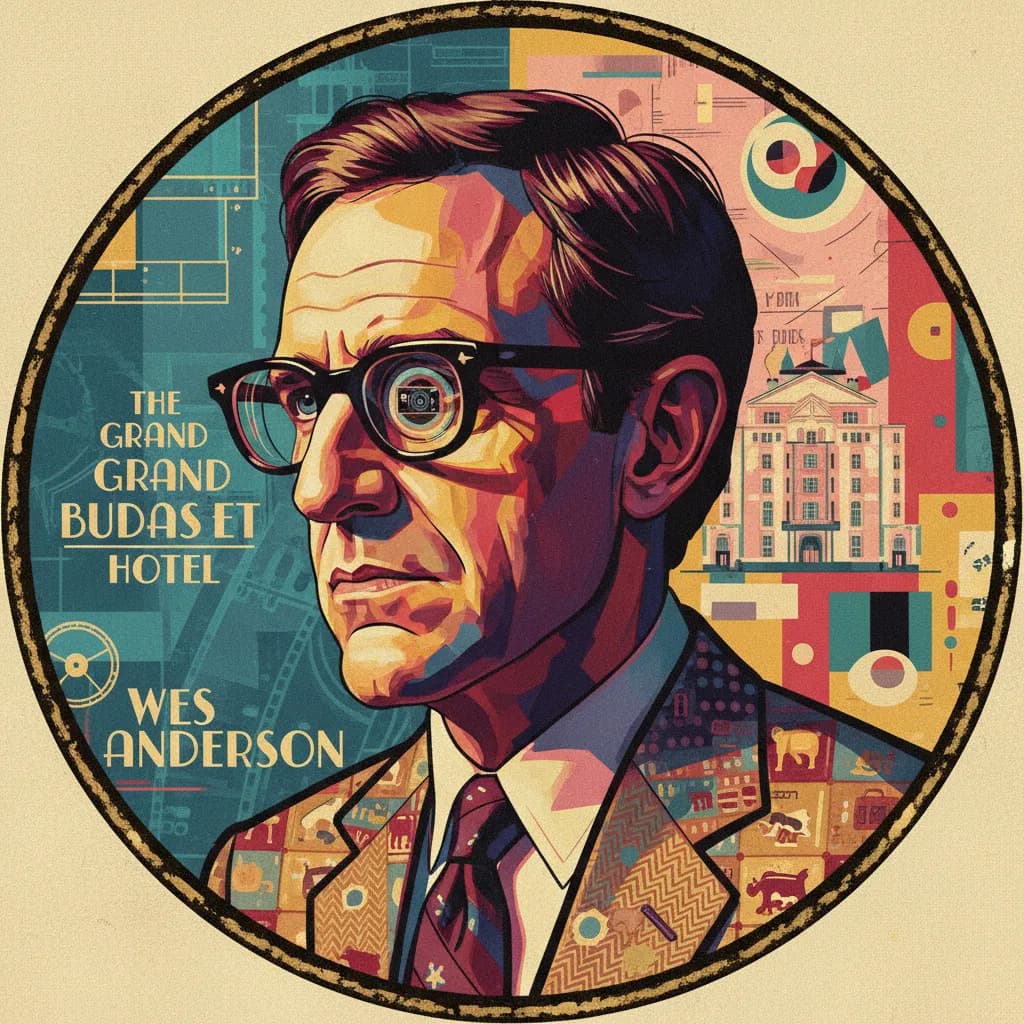
Wes Anderson
Every film, ranked

Paul Thomas Anderson
Every film, ranked

Ridley Scott
Every film, ranked

Tim Burton
Every film, ranked

Guillermo del Toro
Every film, ranked

Hayao Miyazaki
Every film, ranked

Akira Kurosawa
Every film, ranked

Francis Ford Coppola
Every film, ranked

Clint Eastwood
Every film, ranked

Bong Joon Ho
Every film, ranked

Woody Allen
Every film, ranked

Steven Soderbergh
Every film, ranked

Ron Howard
Every film, ranked

Pedro Almodóvar
Every film, ranked

Richard Linklater
Every film, ranked

Roman Polanski
Every film, ranked

Brian De Palma
Every film, ranked

Ingmar Bergman
Every film, ranked

Oliver Stone
Every film, ranked

David Cronenberg
Every film, ranked

Robert Zemeckis
Every film, ranked

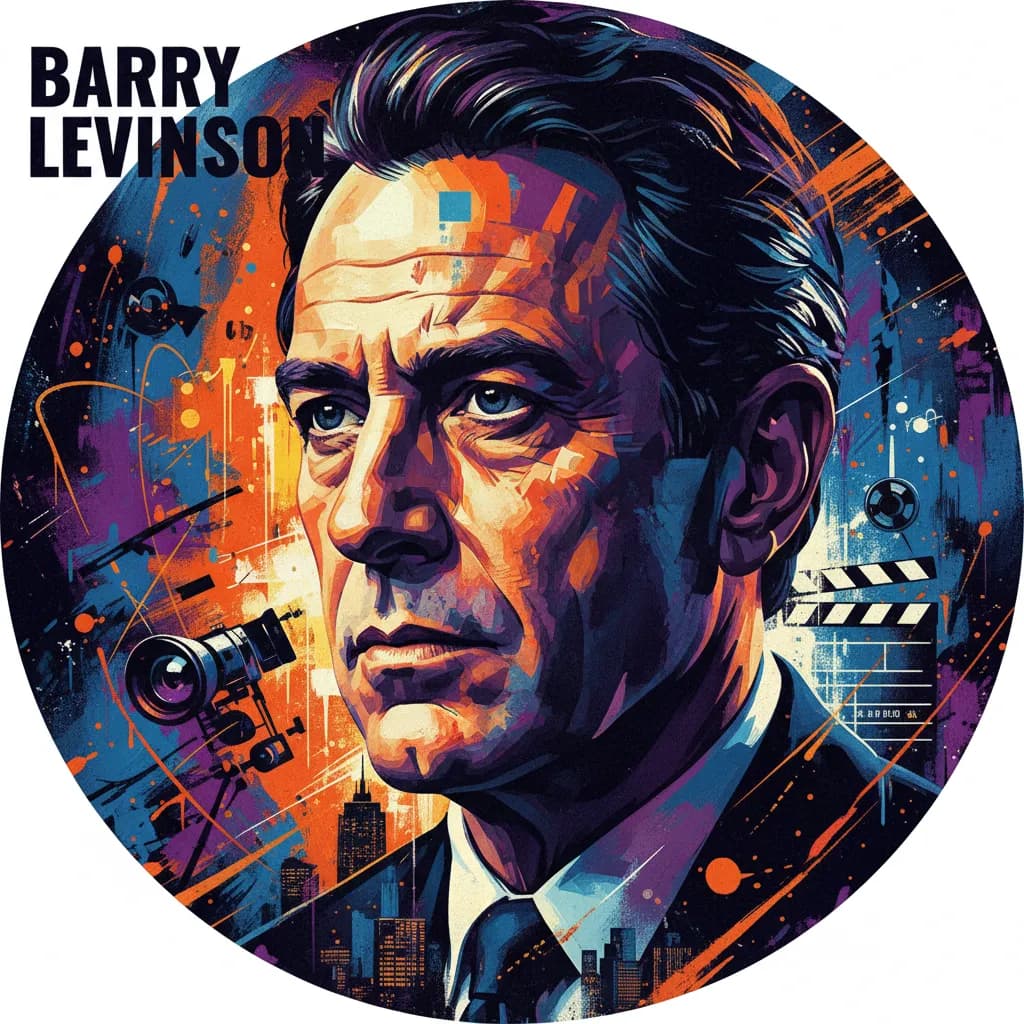
Barry Levinson
Every film, ranked

John Carpenter
Every film, ranked

Joel Schumacher
Every film, ranked

Billy Wilder
Every film, ranked

Rob Reiner
Every film, ranked

Neil Jordan
Every film, ranked

Spike Lee
Every film, ranked

Ivan Reitman
Every film, ranked

John Woo
Every film, ranked

Lasse Hallström
Every film, ranked

Stephen Frears
Every film, ranked

Luc Besson
Every film, ranked

Chris Columbus
Every film, ranked

Mike Nichols
Every film, ranked

Howard Hawks
Every film, ranked

Ang Lee
Every film, ranked

Walter Hill
Every film, ranked

Gus Van Sant
Every film, ranked

William Wyler
Every film, ranked

Renny Harlin
Every film, ranked

Sidney Lumet
Every film, ranked

Tony Scott
Every film, ranked