Discover the visionary filmmakers behind cinema's greatest works.
Explore our selection of acclaimed directors and their remarkable films.
Showing 2485-2496 out of 4148

Marcus Nispel is a German film director known for his distinctive visual style and his ability to infuse intense, visceral storytelling into his works. Nispel made his mark in Hollywood with his 2003 remake of "The Texas Chainsaw Massacre," a film that garnered both critical acclaim and commercial success. He demonstrated an innate understanding of horror and crime genres, establishing a reputation for creating dark, atmospheric, and psychologically gripping narratives. Nispel continued to exhibit his directorial prowess with "Pathfinder" in 2007, a visually stunning action-adventure film that showcased his penchant for epic storytelling and breathtaking cinematography. His ability to craft immersive and visually striking worlds has set him apart as a director with a distinct and captivating vision. Notable for his ability to blend heart-pounding suspense with stunning visuals, Nispel's films often explore themes of survival, primal instincts, and the human psyche. His directorial style features a unique blend of gritty realism and artistic flair, creating a potent cinematic experience that resonates with audiences. Nispel's impact on cinema lies in his ability to elevate genre films, infusing them with a level of artistry and depth that transcends traditional conventions. His contributions to the horror, crime, and adventure genres have left an indelible mark on the industry, inspiring a new generation of filmmakers to push the boundaries of storytelling and visual aesthetics. In summary, Marcus Nispel's directorial career is defined by his ability to craft visually arresting and emotionally charged narratives that leave a lasting impression on audiences. His films have redefined genre conventions, setting a new standard for immersive storytelling and cinematic excellence. Nispel's unique vision and directorial prowess continue to resonate with film enthusiasts and industry professionals, solidifying his legacy as a visionary director with an enduring impact on cinema.

Marcus Raboy is a dynamic and versatile director known for his work in comedy and drama. With a keen eye for capturing the humor and heart of his subjects, Raboy has left an indelible mark on the film industry. One of his most notable films is "Friday After Next" (2002), a hilarious and heartwarming comedy that showcases his ability to blend humor with genuine emotion. Raboy's directorial style is characterized by his adeptness at navigating the intricacies of human relationships and the absurdities of everyday life. He brings a sense of authenticity to his storytelling, allowing audiences to connect with the characters and their experiences on a personal level. His films often feature sharp wit, relatable characters, and poignant moments that resonate long after the credits roll. Throughout his career, Raboy has demonstrated a knack for infusing his projects with a sense of lightheartedness, even when tackling serious subjects. His unique ability to balance humor and drama has solidified his reputation as a director who can capture the complexities of the human experience with warmth and sincerity. Raboy's impact on cinema is undeniable, as he continues to push boundaries and defy genre conventions. His work serves as a testament to the power of storytelling and the enduring appeal of heartfelt, resonant narratives. As a director, he has proven himself to be a master of his craft, consistently delivering films that entertain, enlighten, and inspire audiences worldwide. In conclusion, Marcus Raboy's directorial career is a testament to his unparalleled talent and his unwavering commitment to creating compelling, memorable cinema. His ability to blend comedy and drama with authenticity and heart has firmly established him as a director to watch in the industry. With a body of work that continues to captivate audiences, Raboy's contributions to film are sure to endure for years to come.

Marc Webb is a talented film director known for his ability to seamlessly blend genres and capture the complexities of human relationships on the silver screen. His directorial debut came with the critically acclaimed "500 Days of Summer" in 2009, a refreshing take on the romantic comedy genre that showcased Webb's knack for infusing humor with heartfelt emotion. This breakout hit established him as a director with a keen understanding of human dynamics and a unique storytelling approach. Webb's directorial style often revolves around delving into the intricacies of interpersonal connections, often tinged with a sense of poignancy and authenticity. His films, such as "Gifted" (2017) and "The Only Living Boy in New York" (2017), further exemplify his ability to craft compelling narratives that explore the human experience with depth and sincerity. Webb's storytelling is characterized by its ability to resonate with audiences on an emotional level, drawing them into the lives of his characters and their relatable struggles. Notably, Webb also made a significant impact on the superhero genre with his work on "The Amazing Spider-Man" (2012) and its sequel "The Amazing Spider-Man 2" (2014). He brought a fresh perspective to the iconic character, infusing the films with a balance of action-packed sequences and emotional depth. Webb's approach to the superhero genre showcased his versatility as a director, further solidifying his reputation as a filmmaker capable of navigating diverse themes and genres. In the realm of cinema, Marc Webb stands out for his ability to capture the complexities of human emotions and relationships, leaving a lasting impression on audiences. His body of work reflects a directorial vision that combines wit, sensitivity, and depth, cementing his status as a filmmaker with a distinct voice in the industry. As he continues to helm compelling projects, Webb's contributions to film are sure to endure, leaving an indelible mark on the cinematic landscape.

Marek Kanievska is a renowned film director known for his distinct visual style and ability to bring complex characters and compelling narratives to the screen. His notable work includes the 1987 film "Less Than Zero," a gripping crime drama that delves into themes of drug addiction, privilege, and the disillusionment of youth in Los Angeles. Kanievska's directorial approach is characterized by his keen eye for capturing the raw emotions of his characters and infusing his films with a gritty and atmospheric quality that immerses audiences in the world he creates. "Less Than Zero" stands as a testament to Kanievska's ability to tackle dark and challenging subject matter with sensitivity and authenticity. The film's unflinching portrayal of addiction and its impact on relationships resonated with audiences and critics alike, cementing Kanievska's reputation as a director unafraid to confront the harsh realities of contemporary society. His emphasis on character-driven storytelling and evocative visuals has left an indelible mark on the crime drama genre, influencing subsequent filmmakers and earning him a devoted following. Kanievska's directorial style is characterized by a nuanced approach to storytelling, often exploring the complexities of human nature and the struggles of individuals grappling with inner turmoil and external pressures. His films frequently delve into the darker aspects of human experience, offering thought-provoking narratives that challenge audiences to confront uncomfortable truths. With "Less Than Zero," Kanievska demonstrated his ability to create an immersive and emotionally resonant cinematic experience that continues to captivate audiences decades after its initial release. In the realm of cinema, Marek Kanievska's contributions as a director have left an enduring impact, earning him a place among the visionary filmmakers who have shaped the landscape of contemporary storytelling. His ability to infuse his work with a potent mix of raw emotion and social commentary has solidified his status as a director whose films transcend the boundaries of time and genre. Kanievska's distinctive vision and unwavering commitment to crafting compelling narratives have solidified his place in the pantheon of influential directors, ensuring that his legacy will continue to inspire and provoke audiences for years to come.

Marek Koterski is a renowned Polish film director known for his distinctive style and thought-provoking storytelling. His career took off with the release of "Day of the Wacko" in 2002, a dark comedy-drama that garnered critical acclaim and solidified Koterski's position as a visionary director. The film, which explores the complexities of human behavior and societal norms, showcases Koterski's unique ability to blend humor with profound social commentary. Koterski's directorial style is marked by his unflinching exploration of the human psyche, often delving into themes of mental health, existentialism, and the absurdity of everyday life. His films are characterized by a raw and unapologetic portrayal of human emotions, challenging audiences to confront uncomfortable truths with a mix of dark humor and poignant introspection. "Day of the Wacko" remains one of Koterski's most celebrated works, praised for its bold narrative and compelling characters. The film's success solidified Koterski's status as a leading figure in Polish cinema, and it continues to resonate with audiences worldwide for its candid portrayal of the human condition. Koterski's impact on cinema extends beyond his directorial achievements, as he has inspired a new generation of filmmakers to push the boundaries of storytelling and delve into the complexities of the human experience. His uncompromising approach to filmmaking has earned him a dedicated following and cemented his legacy as a trailblazer in the world of cinema. In conclusion, Marek Koterski's career is defined by his fearless exploration of the human experience and his unwavering commitment to pushing the boundaries of storytelling. With "Day of the Wacko" as a cornerstone of his filmography, Koterski has left an indelible mark on cinema, inspiring audiences and fellow filmmakers alike to embrace the raw, unfiltered truths of the human condition.

Maren Ade is a German director known for her unique and thought-provoking approach to filmmaking. Her most notable work, "Toni Erdmann" (2016), received widespread critical acclaim and established her as a leading figure in contemporary cinema. Ade's directorial style is characterized by her meticulous attention to detail, nuanced character development, and a keen sense of humor that often navigates through deep emotional and societal themes. "Toni Erdmann" is a prime example of Ade's directorial prowess, seamlessly blending comedy and drama to create a deeply affecting and multi-layered narrative. The film follows the unconventional relationship between a father and daughter, delving into the complexities of familial dynamics and the pursuit of personal fulfillment. Ade's ability to infuse genuine emotion into comedic moments sets her apart as a director with a distinct storytelling voice. Throughout her career, Ade has consistently explored themes of human connection, identity, and the struggle to find authenticity in a world driven by societal expectations. Her films often feature complex and relatable characters, and she skillfully navigates through the intricacies of human relationships with empathy and insight. Ade's impact on cinema lies in her ability to create deeply resonant narratives that challenge conventional storytelling tropes and offer a fresh perspective on the human experience. Ade's contribution to international cinema has solidified her position as a visionary director, with "Toni Erdmann" earning accolades and nominations at prestigious awards, including the Academy Awards and the Cannes Film Festival. Her work continues to inspire and influence a new generation of filmmakers, cementing her legacy as a trailblazer in the world of contemporary cinema. With a keen eye for storytelling and an unwavering commitment to authenticity, Maren Ade remains a force to be reckoned with in the global film industry.

Margarethe von Trotta is a German film director who has made a significant impact on cinema with her thought-provoking and visually stunning films. Throughout her career, she has established herself as a prominent figure in the world of cinema, known for her unique directorial style and powerful storytelling. Von Trotta's films often explore complex and compelling characters, delving deep into their inner conflicts and the sociopolitical landscapes that surround them. One of her most notable works, "Hannah Arendt" (2012), exemplifies von Trotta's directorial prowess. This biographical drama delves into the life of the influential philosopher Hannah Arendt, exploring her controversial coverage of the Adolf Eichmann trial and her concept of the "banality of evil." Von Trotta's meticulous attention to detail and her ability to capture the essence of her characters make this film a standout in her filmography. Throughout her career, von Trotta has showcased a recurring theme of strong, independent female protagonists. Her films often depict the struggles and triumphs of women in various societal contexts, shedding light on their resilience and determination. This thematic focus has solidified von Trotta's reputation as a feminist filmmaker, contributing to the diversification of perspectives in cinema. Von Trotta's impact on cinema extends beyond her directorial work, as she has been a trailblazer for female filmmakers in the industry. Her distinct storytelling style and unwavering commitment to exploring complex themes have inspired a new generation of directors. Von Trotta's contributions to cinema have not only expanded the narrative possibilities within the medium but also paved the way for greater representation and inclusivity in filmmaking. In conclusion, Margarethe von Trotta's directorial career is defined by her unwavering commitment to telling captivating stories and her dedication to portraying the multifaceted experiences of women. Her films continue to resonate with audiences, leaving a lasting impression with their profound narratives and compelling characters. Von Trotta stands as a pioneering figure in the world of cinema, and her influence on the industry is a testament to her enduring impact as a director.

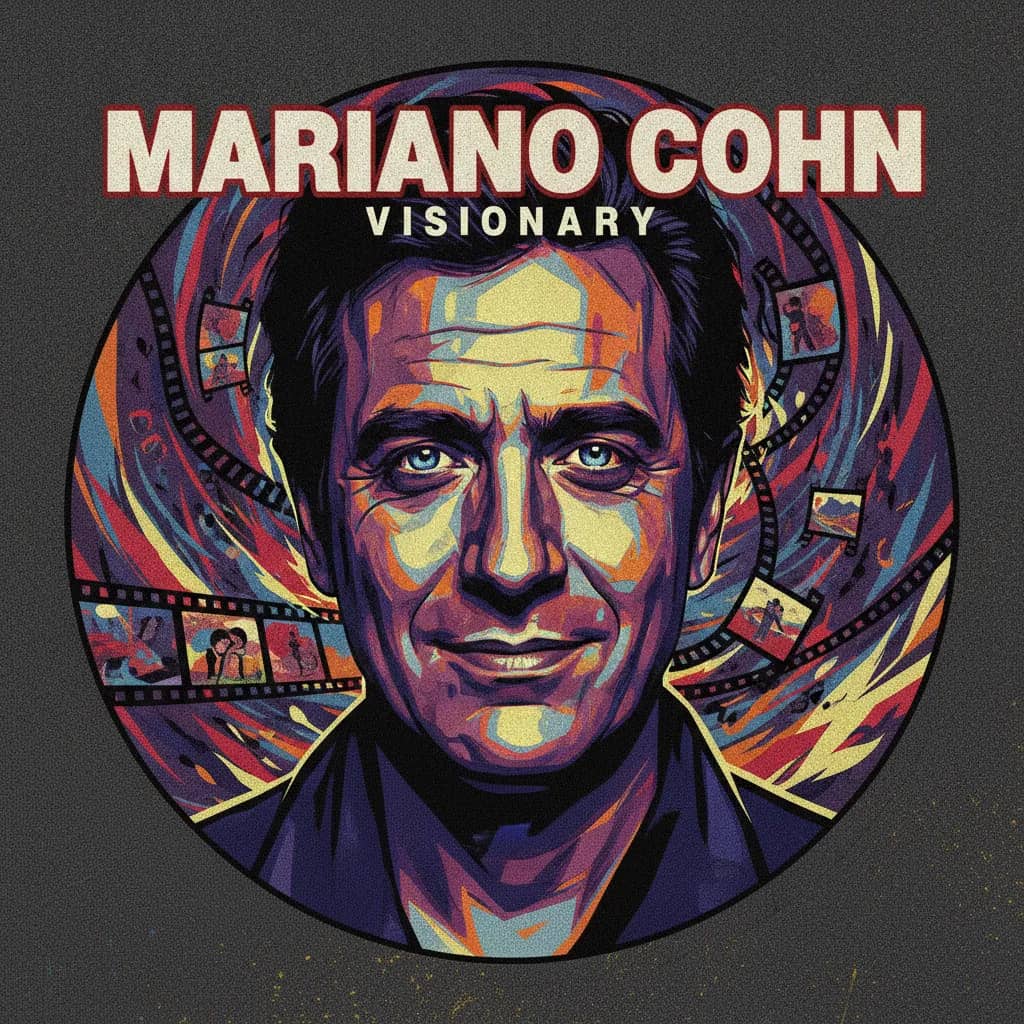
Mariano Cohn is a renowned Argentine film director known for his unique blend of comedy and drama, which has captivated audiences and critics alike. His directorial style is marked by a keen attention to human behavior and societal dynamics, often exploring the complexities of human relationships and the absurdities of everyday life. With a career spanning over two decades, Cohn has left an indelible mark on the world of cinema, creating thought-provoking and emotionally resonant films that have garnered international acclaim. One of Cohn's most notable films is "The Distinguished Citizen" (2016), a dark comedy-drama that follows the story of a Nobel Prize-winning writer who returns to his hometown, only to be confronted with the idiosyncrasies and challenges of small-town life. The film delves into themes of identity, fame, and the contrast between urban and rural life, showcasing Cohn's ability to infuse humor with deep introspection. "The Distinguished Citizen" received widespread praise, earning several awards, including the Best Actor award at the Venice Film Festival. In 2021, Cohn further solidified his reputation with "Official Competition," a satirical comedy-drama that offers a behind-the-scenes look at the cutthroat world of filmmaking. The film cleverly explores the ego clashes and power struggles that arise during the production of a movie, offering a witty commentary on the film industry itself. Cohn's sharp wit and astute observations shine through in "Official Competition," cementing his status as a visionary director with a knack for blending humor and social commentary. Cohn's impact on cinema extends beyond his individual films, as he has consistently challenged traditional storytelling conventions and pushed the boundaries of genre. His films often confront societal norms and expectations, offering incisive critiques of contemporary culture while maintaining a lighthearted and entertaining approach. Cohn's ability to navigate the complexities of human nature and societal dynamics has earned him a dedicated following and established him as a director whose work transcends geographical and cultural boundaries. Overall, Mariano Cohn's directorial career is characterized by a commitment to crafting compelling narratives that resonate with audiences on a profound level. His films stand as a testament to his ability to seamlessly blend humor with poignant social commentary, creating a body of work that continues to inspire and provoke thought. As a visionary director, Cohn has made an indelible mark on the world of cinema, and his contributions are sure to be celebrated for

Maria Schrader is a renowned German film director and actress known for her unique directorial style and thought-provoking storytelling. With a career that spans over two decades, Schrader has made a significant impact on the international film industry. Her directorial work often delves into complex human emotions and relationships, offering a fresh and insightful perspective on contemporary issues. Schrader's directorial style is characterized by its nuanced approach to storytelling, blending drama, history, and romance to create compelling narratives. Her attention to detail, coupled with her ability to evoke powerful performances from her actors, has earned her critical acclaim and a dedicated following. Schrader's films often explore the complexities of human nature, delving into themes such as identity, love, and societal norms. One of Schrader's notable directorial works is "I'm Your Man" (2021), a thought-provoking comedy-drama that challenges traditional notions of love and relationships through the lens of artificial intelligence. The film garnered widespread praise for its innovative storytelling and Schrader's adept direction, solidifying her reputation as a visionary filmmaker. Additionally, her latest directorial venture, "She Said" (2022), further demonstrates her ability to tackle historical subjects with sensitivity and depth, cementing her status as a versatile director capable of handling diverse genres. Schrader's impact on cinema extends beyond her individual films, as she continues to push boundaries and defy genre conventions. Her body of work reflects a commitment to storytelling that is both intellectually stimulating and emotionally resonant, establishing her as a leading voice in contemporary cinema. With an impressive filmography and a reputation for delivering captivating narratives, Maria Schrader remains a director to watch, with each new project adding to her legacy as a pioneering filmmaker.

Marielle Heller is an accomplished film director known for her unique ability to bring complex, emotional stories to life on the screen. Her directorial style is characterized by an empathetic and nuanced approach to storytelling, often delving into the inner lives of her characters with sensitivity and insight. Heller's notable films showcase her versatility and range, spanning genres such as biography, drama, comedy, and romance. In "The Diary of a Teenage Girl" (2015), Heller made her directorial debut with a coming-of-age comedy-drama that garnered critical acclaim for its raw and honest portrayal of adolescence and sexuality. The film marked Heller as a director unafraid to tackle challenging and thought-provoking subject matter with authenticity and depth. Heller's directorial prowess was further showcased in "Can You Ever Forgive Me?" (2018), a biographical comedy-drama that earned widespread praise for its sharp wit, compelling performances, and astute exploration of literary forgery. Her adeptness in navigating the complexities of human behavior and relationships solidified her reputation as a director with a keen eye for emotional resonance and narrative depth. In "A Beautiful Day in the Neighborhood" (2019), Heller demonstrated her ability to infuse biographical drama with warmth and poignancy, delivering a heartfelt portrayal of the beloved TV personality Fred Rogers. Her skillful direction brought depth and authenticity to the story, elevating the film beyond a traditional biopic and cementing her status as a director capable of crafting profoundly moving cinematic experiences. Heller's impact on cinema lies in her unwavering commitment to storytelling that resonates on a profound emotional level. Her films consistently explore themes of self-discovery, human connection, and the complexities of personal identity, inviting audiences to engage with the universal experiences and emotions that define the human condition. With her distinctive vision and unwavering dedication to authentic storytelling, Marielle Heller continues to leave an indelible mark on the world of cinema, shaping the landscape of contemporary filmmaking with her artistry and insight.

Marie Pillet is a French film director known for her unique blend of comedy, drama, and romance in her works. Her notable film "Two Days in New York" (2012) showcases her distinct directorial style, which has made her a standout figure in the industry. Pillet's films often explore the complexities of human relationships, cultural clashes, and the humor found in everyday life, making her a master at capturing the intricacies of human emotions on screen. In "Two Days in New York," Pillet's directorial prowess shines through as she deftly navigates the narrative with a balance of wit, heart, and relatability. Her ability to infuse humor into emotionally charged moments and create authentic character dynamics has cemented her status as a director with a keen understanding of human nature. Pillet's works often feature strong, multi-dimensional female characters, adding a refreshing perspective to her storytelling. Pillet's impact on cinema lies in her ability to create films that resonate with audiences on a deeply personal level. Her recurring themes of love, family, and cultural identity have struck a chord with viewers worldwide, earning her a dedicated following. Through her work, Pillet has contributed to the diversification of storytelling in cinema and has paved the way for more inclusive and authentic narratives to take center stage. Overall, Marie Pillet's directorial career is marked by her compelling storytelling, nuanced character development, and her ability to infuse her films with a delightful blend of humor and heart. As she continues to captivate audiences with her distinct vision, Pillet remains a director to watch, with her contributions leaving an indelible mark on the world of cinema.

Mario Bava is a legendary Italian director known for his influential work in the horror and thriller genres. With a career spanning several decades, Bava's filmography includes iconic titles such as "Black Sunday" (1960), "Black Sabbath" (1963), "A Bay of Blood" (1971), and "Blood and Black Lace" (1964). His directorial style is characterized by atmospheric visuals, striking use of color, and a keen eye for creating tension and suspense. Bava's impact on cinema is immeasurable, particularly within the horror genre. "Black Sunday" is often cited as one of the most influential horror films of all time, with its gothic imagery and chilling storytelling setting the standard for subsequent horror directors. "Black Sabbath" further solidified Bava's reputation as a master of horror, showcasing his ability to weave together multiple eerie tales into a cohesive and spine-tingling anthology. Recurring themes in Bava's work include the exploration of human fear, the supernatural, and the macabre. His films often delve into the darker aspects of human nature, while his visual flair creates an immersive and haunting experience for audiences. Bava's influence can be seen in the work of contemporary horror directors, as his innovative techniques and storytelling continue to inspire new generations of filmmakers. Bava's unique vision and contributions to film have left an indelible mark on the horror genre, with his films standing as timeless classics that continue to captivate and terrify audiences. Mario Bava's legacy as a visionary director and master of horror ensures that his work will be celebrated and studied for generations to come.
Every film by the greats, ranked by our TML Score.

Christopher Nolan
Every film, ranked

Quentin Tarantino
Every film, ranked

Stanley Kubrick
Every film, ranked

Martin Scorsese
Every film, ranked

Steven Spielberg
Every film, ranked

Alfred Hitchcock
Every film, ranked

David Fincher
Every film, ranked

Denis Villeneuve
Every film, ranked

Wes Anderson
Every film, ranked

Paul Thomas Anderson
Every film, ranked

Ridley Scott
Every film, ranked

Tim Burton
Every film, ranked

Guillermo del Toro
Every film, ranked

Hayao Miyazaki
Every film, ranked

Akira Kurosawa
Every film, ranked

Francis Ford Coppola
Every film, ranked

Clint Eastwood
Every film, ranked

Bong Joon Ho
Every film, ranked

Woody Allen
Every film, ranked

Steven Soderbergh
Every film, ranked

Ron Howard
Every film, ranked

Pedro Almodóvar
Every film, ranked

Richard Linklater
Every film, ranked

Roman Polanski
Every film, ranked

Brian De Palma
Every film, ranked

Ingmar Bergman
Every film, ranked

Oliver Stone
Every film, ranked

David Cronenberg
Every film, ranked

Robert Zemeckis
Every film, ranked

Barry Levinson
Every film, ranked

John Carpenter
Every film, ranked

Joel Schumacher
Every film, ranked

Billy Wilder
Every film, ranked

Rob Reiner
Every film, ranked

Neil Jordan
Every film, ranked

Spike Lee
Every film, ranked

Ivan Reitman
Every film, ranked

John Woo
Every film, ranked

Lasse Hallström
Every film, ranked

Stephen Frears
Every film, ranked

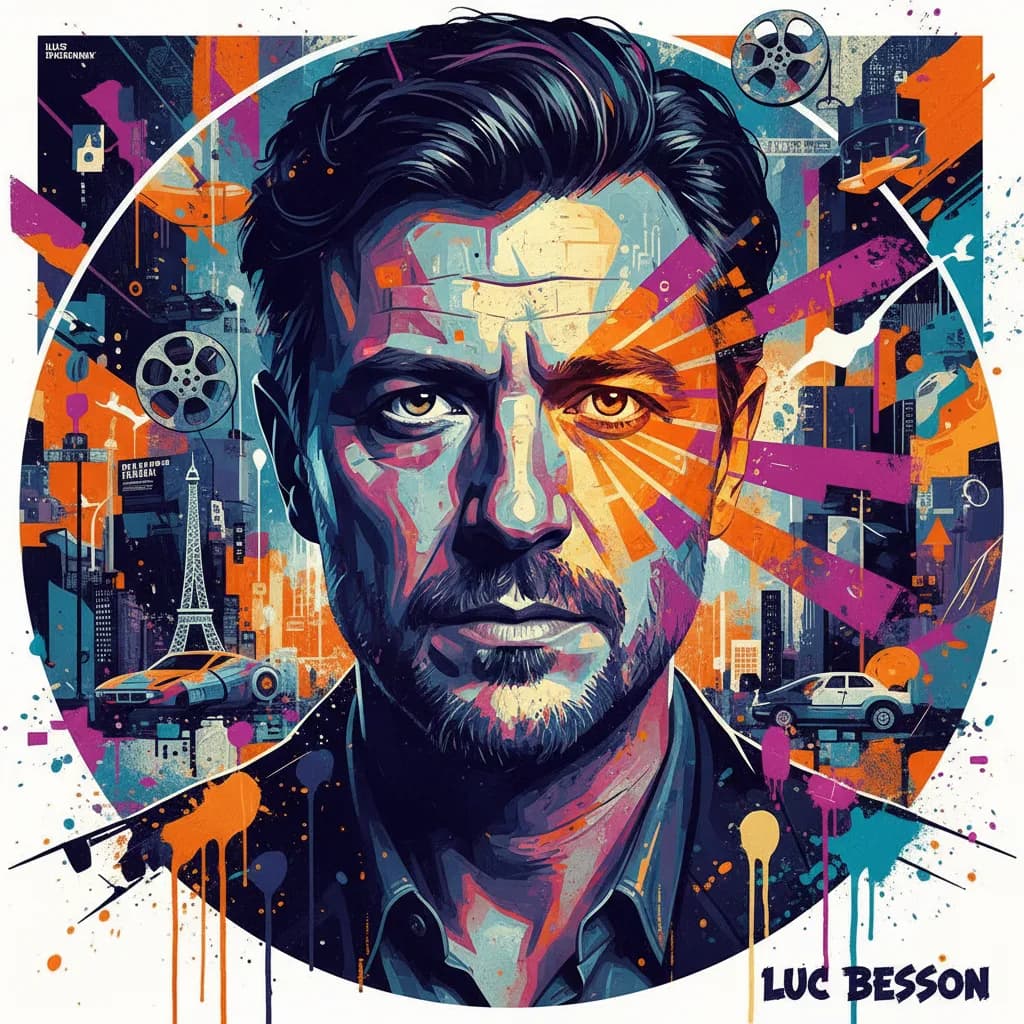
Luc Besson
Every film, ranked

Chris Columbus
Every film, ranked

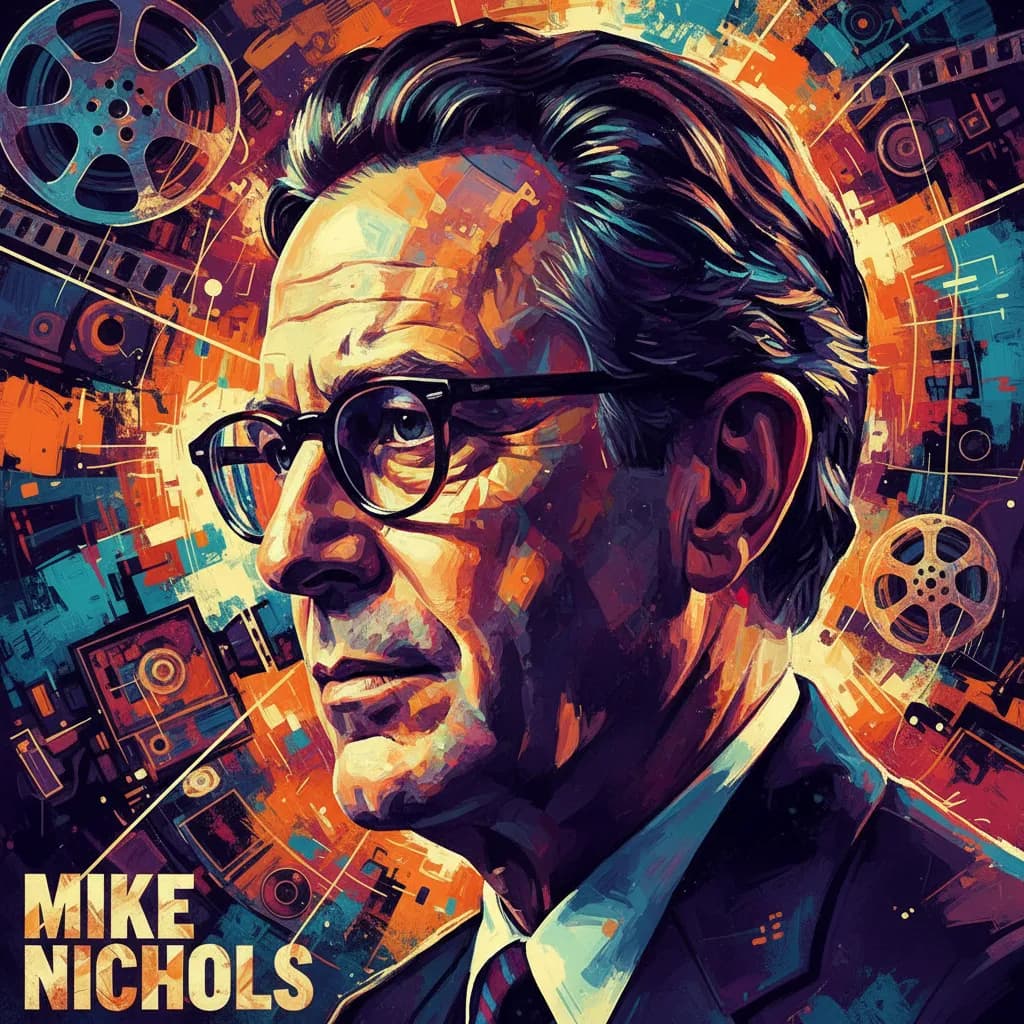
Mike Nichols
Every film, ranked

Howard Hawks
Every film, ranked

Ang Lee
Every film, ranked

Walter Hill
Every film, ranked

Gus Van Sant
Every film, ranked

William Wyler
Every film, ranked

Renny Harlin
Every film, ranked

Sidney Lumet
Every film, ranked

Tony Scott
Every film, ranked