Discover the visionary filmmakers behind cinema's greatest works.
Explore our selection of acclaimed directors and their remarkable films.
Showing 2449-2460 out of 4148

Malcolm D. Lee is a prominent film director known for his distinctive blend of comedy, drama, and music, which has resonated with audiences worldwide. His career took off with the 1999 hit "The Best Man," a romantic comedy-drama that showcased his ability to infuse heartfelt storytelling with witty humor. Lee's directorial style often revolves around exploring the complexities of relationships, infusing his narratives with authentic emotions and relatable characters. This approach has been evident in subsequent films like "The Best Man Holiday" and "Welcome Home, Roscoe Jenkins," where he has further delved into the dynamics of friendship, love, and family ties. One of Lee's most notable works, "Girls Trip," stands out as a testament to his directorial prowess. This adventurous comedy-drama not only garnered critical acclaim but also became a box office sensation, solidifying Lee's status as a director capable of delivering commercial success without compromising artistic integrity. Furthermore, his directorial venture in "Undercover Brother" showcased his ability to seamlessly blend action and comedy, resulting in a film that resonated with audiences for its sharp wit and social commentary. Lee's impact on cinema extends beyond his individual works, as he has consistently championed diversity and representation in his projects. His commitment to telling stories that reflect the multifaceted experiences of marginalized communities has contributed to a more inclusive landscape in the film industry. With "Night School" and "Barbershop: The Next Cut," Lee continued to explore societal issues while infusing his trademark comedic touch, demonstrating his versatility as a director unafraid to tackle relevant themes. Overall, Malcolm D. Lee's directorial body of work is defined by its ability to blend humor with poignant storytelling, creating films that resonate with audiences on a profound level. His distinct directorial style, emphasis on authentic relationships, and dedication to diverse storytelling have left an indelible mark on cinema, making him a trailblazer in the industry. As he continues to bring his unique vision to the big screen, Malcolm D. Lee remains a director to watch, continually shaping the landscape of contemporary filmmaking. SEO Keywords: Malcolm D. Lee, film director, comedy-drama, Girls Trip, The Best Man, directorial style, diversity in cinema, societal themes, impact on film industry

Malcolm Venville is a British director known for his unique blend of comedy, crime, and drama in his films. His notable work includes "Henry's Crime" (2010), a captivating heist film that showcases his distinct directorial style. Venville's approach to storytelling often revolves around complex characters and intricate plots, creating an immersive and engaging experience for the audience. In "Henry's Crime," Venville demonstrates his ability to infuse humor into a crime drama, offering a fresh take on the genre. His directorial style balances the tension of the criminal underworld with the comedic elements, resulting in a film that is both entertaining and thought-provoking. Venville's skillful direction allows the characters to shine, bringing depth and authenticity to their performances. Throughout his career, Venville has explored recurring themes such as redemption, the human experience, and the consequences of one's actions. His films often delve into the psychological and emotional motivations of his characters, providing audiences with a deeper understanding of the human condition. Venville's ability to intertwine these themes with compelling narratives has solidified his reputation as a director with a keen eye for storytelling. Venville's impact on cinema lies in his ability to push the boundaries of traditional genre conventions, creating films that defy categorization and resonate with diverse audiences. His unique vision and innovative approach to storytelling have contributed to the evolution of crime and comedy genres, establishing him as a director with a distinct voice in the industry. As Venville continues to explore new avenues in filmmaking, his contributions to the art form are sure to leave a lasting impression on future generations of filmmakers and film enthusiasts alike.

Malik Bader is a visionary filmmaker known for his gripping storytelling and visually stunning direction. With a keen eye for action and crime genres, Bader has made a significant impact on cinema with his unique directorial style. His notable film, "Killerman" (2019), stands as a testament to his ability to captivate audiences with intense and thrilling narratives. Bader's directorial style is characterized by its raw and visceral portrayal of crime and action, often delving into the gritty underbelly of society. His films are marked by their immersive and high-octane sequences, which draw audiences into the heart of the action. Bader's masterful command of pacing and tension keeps viewers on the edge of their seats, making his films an exhilarating and unforgettable experience. "Killerman" (2019) is a prime example of Bader's directorial prowess, showcasing his ability to create a compelling narrative within the action and crime genres. The film's seamless blend of adrenaline-pumping sequences and character-driven storytelling underscores Bader's talent for crafting immersive and emotionally resonant cinematic experiences. Throughout his career, Bader has consistently explored themes of redemption, morality, and the consequences of one's actions. His films often present complex characters navigating morally ambiguous situations, adding depth and nuance to the genre. Bader's ability to infuse his narratives with profound human emotions sets him apart as a director with a distinct and thought-provoking vision. In the realm of action and crime cinema, Malik Bader's contributions are undeniably influential. His commitment to pushing the boundaries of storytelling within these genres has solidified his reputation as a director with a bold and uncompromising vision. As he continues to make his mark on the industry, audiences can anticipate more electrifying and impactful films from this visionary director.

Mamoru Hosoda is a visionary Japanese director acclaimed for his emotionally resonant and visually stunning animated films. His directorial style is characterized by a seamless blend of fantastical elements with deeply human narratives, captivating audiences with his ability to infuse depth and emotion into his storytelling. Hosoda's films often explore themes of family, identity, and the passage of time, creating a profound connection with viewers. Notable films in Hosoda's filmography include "Wolf Children" (2012), a poignant exploration of the challenges and joys of single motherhood, and "Mirai" (2018), a beautifully crafted tale of a young boy's magical encounter with his future sister. His earlier works, such as "The Girl Who Leapt Through Time" (2006) and "Summer Wars" (2009), showcase his adeptness at blending adventure and comedy with heartfelt storytelling. "The Boy and the Beast" (2015) further solidified Hosoda's reputation, as it delved into themes of mentorship and self-discovery within the backdrop of a captivating fantasy world. Hosoda's impact on cinema is far-reaching, as he has carved a niche for himself in the animation industry by creating films that transcend age demographics and cultural boundaries. His unique vision has garnered critical acclaim and a devoted international fanbase. With his exceptional ability to infuse his films with both emotional depth and stunning visuals, Hosoda has become a trailblazer in the world of animation, influencing a new generation of filmmakers and captivating audiences worldwide. In conclusion, Mamoru Hosoda's directorial career is a testament to his unparalleled ability to craft emotionally resonant and visually captivating animated films. His recurring themes of family, self-discovery, and the passage of time have left an indelible mark on cinema, earning him a well-deserved reputation as a visionary director. As he continues to push the boundaries of animated storytelling, Hosoda remains a driving force in the industry, leaving an enduring legacy of innovation and inspiration for future filmmakers.

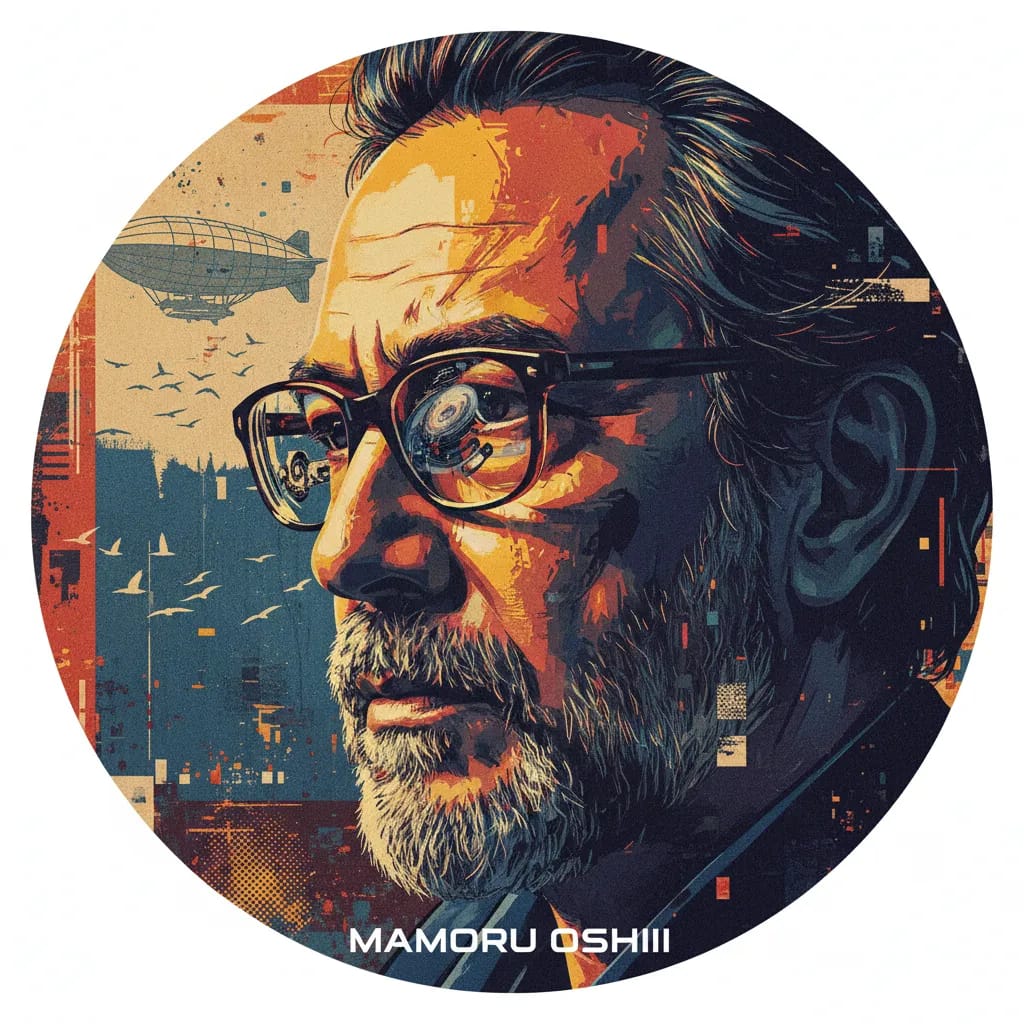
Mamoru Oshii is a visionary Japanese director known for his groundbreaking work in animation and live-action cinema. With a career spanning several decades, Oshii has left an indelible mark on the industry with his distinct directorial style and thought-provoking storytelling. Oshii's filmography includes a diverse range of projects, from the iconic "Kôkaku Kidôtai" (1995) to the mesmerizing "Avalon" (2001) and the visually stunning "Ghost in the Shell 2.0" (2008) and "Ghost in the Shell 2: Innocence" (2004). Oshii's directorial style is characterized by his meticulous attention to detail, visually striking imagery, and thought-provoking narratives. His films often explore complex themes such as identity, consciousness, and the intersection of humanity and technology. Oshii's ability to seamlessly blend animation and live-action elements has set him apart as a true innovator in the industry, earning him a dedicated global fanbase and critical acclaim. Notable for his exploration of existential and philosophical themes, Oshii's films often delve into the nature of reality, consciousness, and the impact of technology on humanity. His thought-provoking narratives and visually stunning aesthetics have solidified his reputation as a director with a unique and influential vision. Oshii's impact on cinema extends beyond his individual films, as he has inspired countless filmmakers and artists with his innovative approach to storytelling and visual design. His influence can be seen in the work of contemporary directors and animators, cementing his legacy as a trailblazer in the world of animation and live-action filmmaking. As a director, Mamoru Oshii has left an indelible mark on the industry, with a body of work that continues to captivate and inspire audiences around the world.

Mandie Fletcher is a highly acclaimed British film and television director known for her exceptional storytelling and comedic flair. With a career spanning several decades, Fletcher has made a significant impact on the entertainment industry. Her directorial style is characterized by sharp wit, vibrant visuals, and a keen understanding of comedic timing, making her a standout talent in the world of comedy filmmaking. One of Fletcher's most notable works is "Absolutely Fabulous: The Movie" (2016), an uproarious comedy film based on the beloved British television series. The movie showcases Fletcher's ability to seamlessly translate a cult classic to the big screen while infusing it with her own creative energy. Known for her adept handling of comedic material, Fletcher expertly navigates the film's blend of humor and crime elements, delivering a riotous and visually stunning cinematic experience. Throughout her career, Fletcher has demonstrated a remarkable talent for capturing the essence of flawed yet endearing characters, often delving into themes of friendship, identity, and the absurdity of everyday life. Her distinctive directorial vision has left an indelible mark on cinema, earning her a dedicated following of fans and critical acclaim from industry peers. Fletcher's contributions to film have not only entertained audiences but also paved the way for female filmmakers in a predominantly male-dominated industry. Her ability to bring complex characters to life with humor and heart has solidified her status as a trailblazer in the world of comedy directing, inspiring future generations of filmmakers. In conclusion, Mandie Fletcher's illustrious career as a director has left an indelible mark on the entertainment industry. With her exceptional storytelling prowess, comedic sensibilities, and unique directorial vision, she continues to be a driving force in the world of cinema, captivating audiences with her unforgettable characters and captivating narratives.


Maneesh Sharma is a prominent Indian film director known for his distinctive directorial style and knack for capturing the essence of contemporary Indian society. With a career marked by a string of successful films, Sharma has made a significant impact on Indian cinema. His directorial debut came in 2010 with the critically acclaimed "Band Baaja Baaraat," a refreshing take on the Indian wedding industry that garnered widespread praise for its vibrant storytelling and captivating performances. Sharma's directorial style is characterized by his ability to blend comedy, drama, and romance seamlessly, creating films that resonate with audiences across various demographics. His films often revolve around relatable themes such as love, ambition, and societal norms, presenting them in a refreshingly authentic and engaging manner. "Ladies vs. Ricky Bahl" (2011) and "Shuddh Desi Romance" (2013) further cemented Sharma's reputation as a director with a keen eye for human relationships and societal dynamics, while also showcasing his versatility in navigating different genres. One of Sharma's most notable films is "Fan" (2016), a groundbreaking action thriller that explored the complex relationship between a celebrity and his devoted fan. With this film, Sharma delved into uncharted territory, delivering a gripping narrative that challenged conventional storytelling norms. The film's innovative approach and intense portrayal of obsession solidified Sharma's reputation as a director unafraid to push creative boundaries and explore new cinematic frontiers. Sharma's impact on Indian cinema extends beyond his individual films, as he has played a pivotal role in redefining the narrative and visual language of contemporary Indian storytelling. His ability to infuse depth and authenticity into his characters, coupled with his innovative storytelling techniques, has set a new standard for Indian filmmakers. Maneesh Sharma's contributions have undoubtedly left an indelible mark on the industry, and his unique vision continues to inspire a new generation of filmmakers. In conclusion, Maneesh Sharma's career as a film director has been defined by his ability to craft compelling narratives that resonate with audiences on a profound level. With a diverse filmography that spans genres and themes, Sharma has consistently demonstrated his prowess in capturing the intricacies of human emotions and societal dynamics. His impact on Indian cinema is undeniable, and his visionary approach to storytelling has solidified his status as a pioneering force in the industry. As he continues to push the boundaries of cinematic expression, Maneesh Sharma remains a director to watch, with his influence reverberating throughout the

Mani Ratnam is a highly acclaimed and influential Indian film director known for his distinctive storytelling and visually arresting cinema. With a career spanning over four decades, Ratnam has crafted a diverse and impressive filmography that has left an indelible mark on the Indian film industry. His directorial style is characterized by a seamless blend of compelling narratives, powerful performances, and breathtaking visuals, making him a true auteur in every sense. One of Ratnam's most notable films is "Nayakan" (1987), a crime drama that is widely regarded as a masterpiece in Indian cinema. The film showcases Ratnam's ability to delve into complex characters and explore the human condition with depth and nuance. Another standout work is "Roja" (1992), a gripping romantic thriller that garnered international acclaim and brought Ratnam's work to a global audience. His collaboration with renowned composer A.R. Rahman in "Roja" also marked the beginning of a prolific partnership that has produced some of the most iconic soundtracks in Indian cinema. Ratnam's recurring themes often revolve around love, politics, and societal issues, presented with a keen sense of realism and emotional depth. His ability to tackle complex subjects with sensitivity and authenticity has earned him widespread praise and cemented his status as a trailblazer in Indian filmmaking. Additionally, his films often feature breathtaking cinematography and innovative storytelling techniques, further solidifying his reputation as a visionary director. Ratnam's impact on cinema extends beyond his individual films, as he has contributed significantly to the evolution of Indian filmmaking and storytelling. His ability to seamlessly blend commercial success with artistic integrity has inspired countless filmmakers and set a standard for excellence in the industry. With his upcoming epic "Ponniyin Selvan" (2022, 2023), Ratnam continues to push boundaries and redefine cinematic storytelling, further solidifying his legacy as one of the most influential directors in Indian cinema.

Måns Mårlind is a Swedish film director known for his work in the action, fantasy, and horror genres. His most notable film to date is "Underworld: Awakening" (2012), the fourth installment in the popular "Underworld" series. Mårlind's directorial style is characterized by his ability to blend high-octane action sequences with dark, atmospheric visuals, creating a sense of tension and suspense that captivates audiences. In "Underworld: Awakening," Mårlind brought his unique vision to the franchise, infusing the film with his signature flair for dynamic, visually striking cinematography and intense, pulse-pounding action set pieces. His skillful direction elevated the film, contributing to its success at the box office and solidifying his reputation as a director capable of delivering thrilling cinematic experiences. Mårlind's work often explores themes of supernatural beings, the battle between good and evil, and the complexities of the human condition, all of which are prevalent in "Underworld: Awakening." His ability to immerse audiences in fantastical worlds while grounding his characters in relatable emotions has been a hallmark of his directorial career. Mårlind's impact on cinema lies in his ability to breathe new life into established franchises and deliver visually stunning, adrenaline-fueled spectacles that resonate with audiences. His contributions to the action, fantasy, and horror genres have cemented his status as a director to watch, and his future projects are eagerly anticipated by fans and critics alike. In conclusion, Måns Mårlind's directorial career has been defined by his distinctive style, notable contributions to popular franchises, and his ability to craft immersive, visually captivating films that leave a lasting impression on audiences. With "Underworld: Awakening," he solidified his standing as a visionary director capable of delivering high-impact cinematic experiences, and his ongoing influence on the action, fantasy, and horror genres ensures that his work will continue to shape the landscape of modern filmmaking.

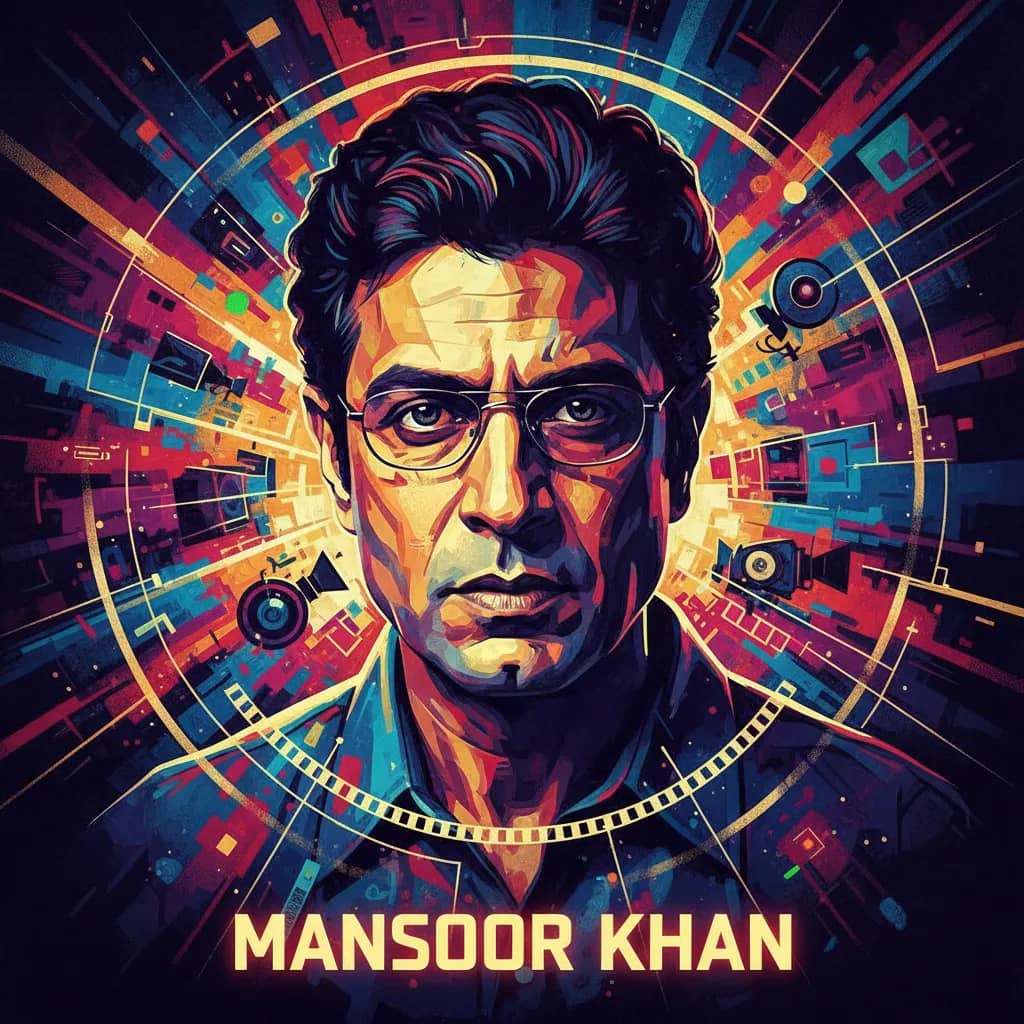
Mansoor Khan is a renowned Indian film director known for his exceptional storytelling and captivating directorial style. Born into a family deeply rooted in the Indian film industry, Mansoor Khan made his directorial debut with the groundbreaking romantic drama "Qayamat Se Qayamat Tak" in 1988. This film not only marked the debut of Aamir Khan but also introduced a fresh and youthful perspective to Indian cinema. Mansoor Khan's directorial prowess was evident in the way he seamlessly blended drama, romance, and music, setting the stage for his future cinematic endeavors. One of Mansoor Khan's most iconic works is "Jo Jeeta Wohi Sikandar" (1992), a coming-of-age sports drama that resonated with audiences across generations. This film showcased Khan's ability to infuse a compelling narrative with elements of comedy, romance, and intense drama. His unique directorial style was characterized by his skillful portrayal of complex human emotions, reflected through vibrant characters and relatable storylines. The film's impact was felt not only in the realm of Indian cinema but also in its influence on subsequent sports-themed films. In "Josh" (2000), Mansoor Khan ventured into the action genre, once again showcasing his versatility as a filmmaker. The film masterfully combined high-octane action sequences with poignant storytelling and soul-stirring musical compositions. This marked a pivotal moment in Khan's career, demonstrating his ability to transcend genre boundaries while maintaining his signature directorial flair. Throughout his career, Mansoor Khan has consistently delivered films that resonate with audiences on an emotional level, earning him a reputation as a visionary director with a keen understanding of human dynamics. Mansoor Khan's films often revolve around themes of love, rivalry, and the triumph of the human spirit, resonating with audiences worldwide. His directorial contributions have left an indelible mark on Indian cinema, inspiring a new wave of filmmakers and shaping the industry's narrative landscape. With a penchant for crafting compelling narratives and a distinct directorial style, Mansoor Khan continues to be celebrated for his invaluable contributions to the world of cinema.

Marc Abraham is a highly acclaimed film director known for his compelling storytelling and ability to bring real-life stories to the big screen with authenticity and emotional depth. Throughout his career, Abraham has made a significant impact on cinema through his directorial work, with a focus on biographical and dramatic films. His notable film, "Flash of Genius" (2008), exemplifies his directorial style and commitment to portraying the complexities of human experience. In "Flash of Genius," Abraham skillfully captures the real-life story of college professor and inventor Robert Kearns, who fought against the automotive industry for recognition of his invention, the intermittent windshield wiper. Abraham's meticulous attention to detail and his ability to delve into the emotional and ethical dilemmas faced by his characters are evident throughout the film. His directorial style emphasizes the human aspect of the story, creating a deeply moving and thought-provoking cinematic experience for audiences. Abraham's directorial approach often revolves around portraying the resilience and determination of individuals facing adversity, as seen in "Flash of Genius." He has a unique talent for bringing out the human element in his films, showcasing the triumphs and struggles of his characters in a way that resonates with audiences on a profound level. His films often explore themes of justice, perseverance, and the pursuit of truth, reflecting his commitment to telling stories that inspire and provoke contemplation. As a director, Abraham has made a significant impact on cinema by bringing important true stories to the forefront and shedding light on the remarkable achievements and challenges faced by real-life figures. His ability to infuse his films with authenticity and emotional depth has cemented his reputation as a director with a unique vision and a profound understanding of the human experience. With his compelling storytelling and dedication to capturing the essence of his subjects, Marc Abraham continues to leave an indelible mark on the world of cinema.

Marçal Forés is a visionary director known for his unique blend of comedy, drama, and romance in his films. His directorial style is characterized by a delicate balance of humor and emotional depth, which allows him to explore complex human relationships with authenticity and sensitivity. Forés first gained recognition for his directorial debut, "Animals" (2012), a coming-of-age drama that showcased his ability to capture the intricacies of adolescence with raw honesty and poignancy. The film received critical acclaim and established Forés as a promising talent in the industry. In 2022, Forés released "Through My Window," a captivating exploration of love, friendship, and self-discovery. The film exemplifies his ability to infuse profound emotional resonance into lighthearted storytelling, making it a delightful yet thought-provoking cinematic experience. Forés' narrative prowess and keen insight into human nature are evident in his storytelling, as he masterfully crafts multifaceted characters and compelling interpersonal dynamics. His films often feature a rich tapestry of emotions, from heartwarming moments to poignant revelations, all underscored by his keen understanding of human behavior and the complexities of the human experience. Forés' work frequently revolves around themes of identity, self-acceptance, and the universal quest for connection, resonating with audiences on a deeply personal level. His directorial approach is marked by an exquisite blend of visual storytelling and nuanced character development, creating a captivating cinematic world that invites viewers to immerse themselves in the intricacies of the human condition. With "Through My Window," Forés continues to leave an indelible mark on cinema, reaffirming his status as a director with a distinct voice and a profound understanding of the human experience. Marçal Forés' contributions to the film industry have not only showcased his exceptional storytelling abilities but also demonstrated his commitment to portraying authentic and relatable narratives. His films have resonated with audiences worldwide, earning him a dedicated following of cinephiles who eagerly anticipate his next directorial endeavor. As Forés continues to evolve as a filmmaker, his distinct vision and artistic integrity position him as a significant voice in contemporary cinema, shaping the landscape of storytelling with his evocative and insightful narratives.
Every film by the greats, ranked by our TML Score.

Christopher Nolan
Every film, ranked

Quentin Tarantino
Every film, ranked

Stanley Kubrick
Every film, ranked

Martin Scorsese
Every film, ranked

Steven Spielberg
Every film, ranked

Alfred Hitchcock
Every film, ranked

David Fincher
Every film, ranked

Denis Villeneuve
Every film, ranked

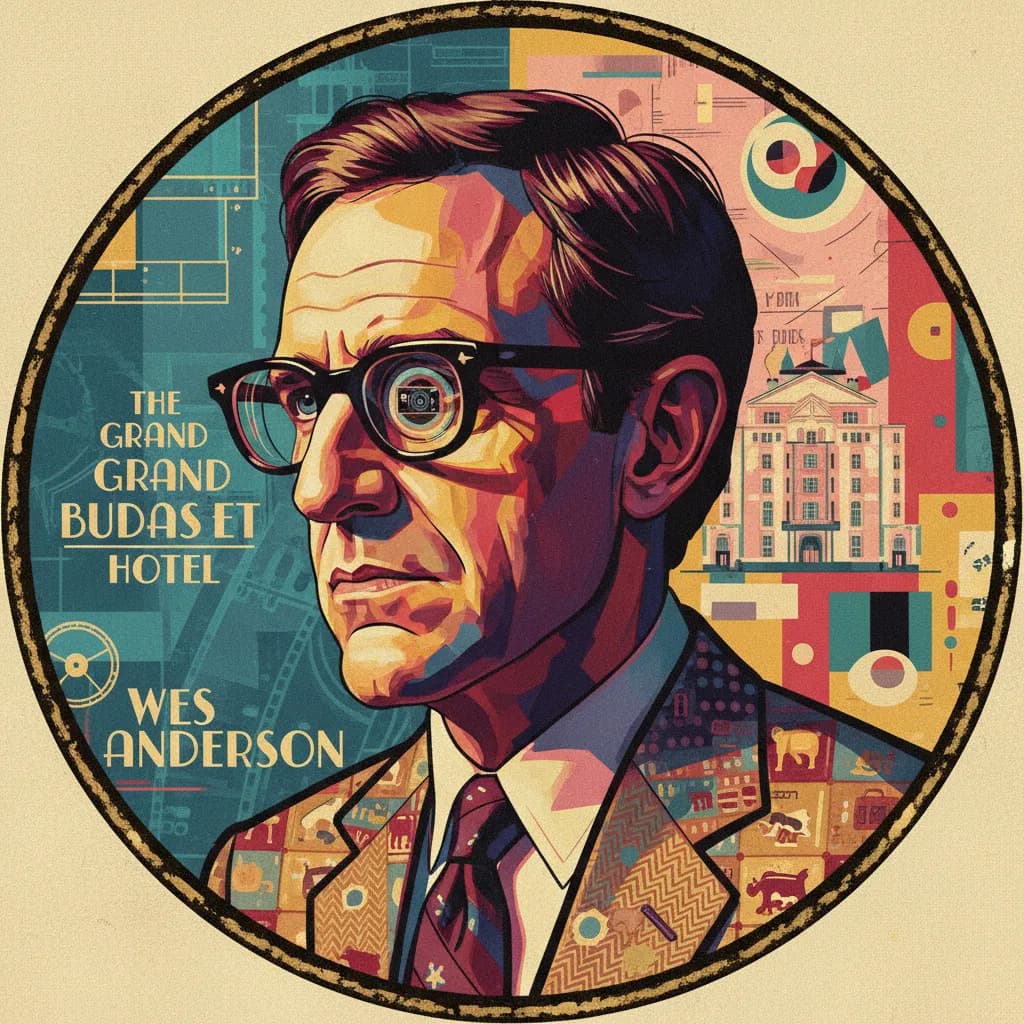
Wes Anderson
Every film, ranked

Paul Thomas Anderson
Every film, ranked

Ridley Scott
Every film, ranked

Tim Burton
Every film, ranked

Guillermo del Toro
Every film, ranked

Hayao Miyazaki
Every film, ranked

Akira Kurosawa
Every film, ranked

Francis Ford Coppola
Every film, ranked

Clint Eastwood
Every film, ranked

Bong Joon Ho
Every film, ranked

Woody Allen
Every film, ranked

Steven Soderbergh
Every film, ranked

Ron Howard
Every film, ranked

Pedro Almodóvar
Every film, ranked

Richard Linklater
Every film, ranked

Roman Polanski
Every film, ranked

Brian De Palma
Every film, ranked

Ingmar Bergman
Every film, ranked

Oliver Stone
Every film, ranked

David Cronenberg
Every film, ranked

Robert Zemeckis
Every film, ranked

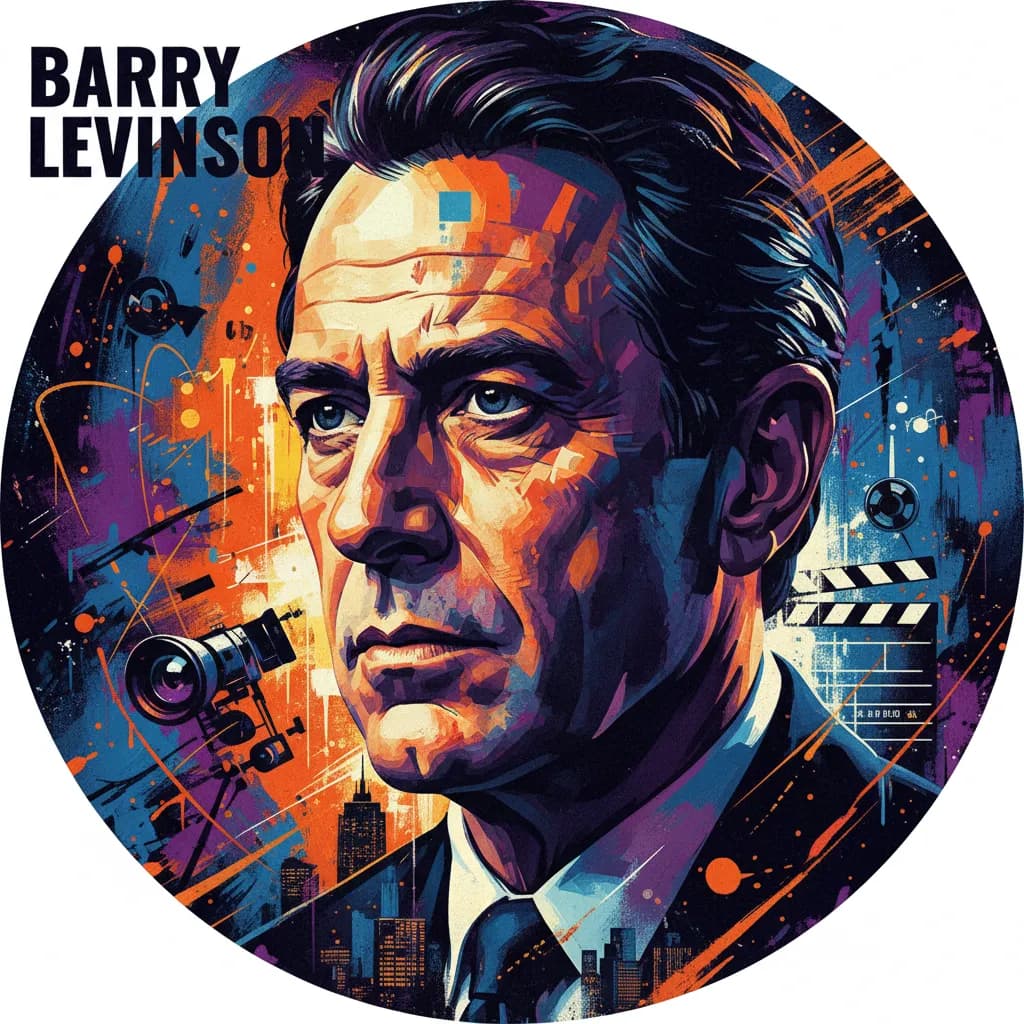
Barry Levinson
Every film, ranked

John Carpenter
Every film, ranked

Joel Schumacher
Every film, ranked

Billy Wilder
Every film, ranked

Rob Reiner
Every film, ranked

Neil Jordan
Every film, ranked

Spike Lee
Every film, ranked

Ivan Reitman
Every film, ranked

John Woo
Every film, ranked

Lasse Hallström
Every film, ranked

Stephen Frears
Every film, ranked

Luc Besson
Every film, ranked

Chris Columbus
Every film, ranked

Mike Nichols
Every film, ranked

Howard Hawks
Every film, ranked

Ang Lee
Every film, ranked

Walter Hill
Every film, ranked

Gus Van Sant
Every film, ranked

William Wyler
Every film, ranked

Renny Harlin
Every film, ranked

Sidney Lumet
Every film, ranked

Tony Scott
Every film, ranked