Discover the visionary filmmakers behind cinema's greatest works.
Explore our selection of acclaimed directors and their remarkable films.
Showing 241-252 out of 4148

Ángel Gómez Hernández is a Spanish film director known for his unique blend of adventure, drama, and horror. His notable film, "Don't Listen" (2020), showcases his directorial style, which is characterized by a masterful command of atmospheric tension, immersive storytelling, and a keen eye for creating spine-chilling visuals. Gómez Hernández's work often delves into the darker aspects of human nature, while also incorporating elements of the supernatural and the unknown. With a career that continues to gain momentum, he has made a significant impact on the horror genre, carving out his niche as a director with a penchant for crafting haunting narratives that linger long after the credits roll. "Don't Listen" (2020) stands as a testament to Gómez Hernández's ability to keep audiences on the edge of their seats with its gripping storyline and meticulously crafted scares. The film's success further solidifies Gómez Hernández's reputation as a director who is able to infuse the horror genre with fresh and compelling storytelling. His work often explores themes of grief, loss, and the blurred lines between the natural and the supernatural, making for a captivating and thought-provoking viewing experience. Gómez Hernández's impact on cinema is evident in his ability to push the boundaries of traditional horror storytelling, offering audiences a fresh perspective on the genre. His directorial vision is marked by a commitment to creating immersive and atmospheric worlds that draw viewers into the heart of the terror. With "Don't Listen" (2020), Gómez Hernández has firmly established himself as a director to watch, with a promising future ahead in the realm of horror cinema. In summary, Ángel Gómez Hernández's directorial career has been defined by his ability to craft compelling and chilling narratives that leave a lasting impression on audiences. His unique vision and contributions to the horror genre have cemented his status as a director with the skill and creativity to captivate and terrify viewers in equal measure. As he continues to make his mark on cinema, Gómez Hernández's work serves as a testament to the enduring power of storytelling in the realm of horror filmmaking.

Angel Gracia is a talented film director known for his work in the action, comedy, and drama genres. His notable directorial debut came with the 2011 film "From Prada to Nada," which garnered attention for its fresh take on the classic rags-to-riches narrative. Gracia's directorial style is characterized by his ability to infuse humor and emotion into compelling storytelling, creating a unique and engaging cinematic experience for audiences. In "From Prada to Nada," Gracia demonstrated his flair for capturing the complexities of human relationships while infusing the narrative with lighthearted moments and poignant drama. The film's success marked Gracia as a director to watch in the industry, showcasing his ability to blend genres seamlessly and create a visually stunning and emotionally resonant film. Gracia's work often explores themes of family dynamics, personal growth, and the pursuit of happiness, resonating with audiences on a deep and relatable level. His films are known for their strong character development and insightful exploration of human experiences, making them stand out in the competitive landscape of contemporary cinema. Angel Gracia's impact on the film industry lies in his ability to bring diverse genres together while delivering compelling narratives that resonate with audiences worldwide. His unique vision and directorial prowess have earned him a place among the most promising contemporary directors, and his contribution to the world of cinema continues to be celebrated by film enthusiasts and industry professionals alike. In conclusion, Angel Gracia's directorial career is marked by his exceptional ability to blend action, comedy, and drama into captivating and emotionally impactful films. With his distinct directorial style and insightful storytelling, Gracia has made a significant impact on the film industry, and his work continues to inspire and entertain audiences around the globe.

Angelina Jolie, known for her illustrious acting career, made a remarkable transition to directing with her debut feature "In the Land of Blood and Honey" in 2011. This powerful drama set against the backdrop of the Bosnian War showcased Jolie's distinct directorial style, marked by raw emotional storytelling and unflinching portrayals of human suffering. The film earned critical acclaim for its poignant exploration of love and survival during wartime, solidifying Jolie's reputation as a formidable director with a keen eye for compelling narratives. Jolie continued to demonstrate her directorial prowess with "Unbroken" in 2014, a gripping biographical war drama that highlighted her ability to capture the resilience of the human spirit amidst adversity. This film further established Jolie as a director unafraid to tackle complex historical subjects with sensitivity and depth, cementing her status as a visionary filmmaker with a penchant for thought-provoking storytelling. In 2017, Jolie directed "First They Killed My Father," a deeply personal and evocative portrayal of the Cambodian genocide, based on the memoir by Loung Ung. Jolie's directorial approach in this biographical drama deftly navigated the harrowing experiences of the protagonist, showcasing her commitment to shedding light on untold stories and amplifying marginalized voices through her work. Jolie's directorial style is characterized by its immersive and authentic portrayal of human experiences, drawing audiences into the emotional core of her narratives with compelling visuals and resonant storytelling. Throughout her directorial career, Jolie has exhibited a recurring theme of resilience, survival, and the human capacity for hope in the face of adversity. Her films often explore the complexities of human relationships and the enduring strength of the human spirit, resonating with audiences on a profound and emotional level. Jolie's impact on cinema is undeniable, as she continues to contribute to the medium with her distinctive vision and unwavering commitment to bringing compelling stories to the forefront of the global stage. As an actor-turned-director, Jolie has seamlessly transitioned into a multifaceted filmmaker, leaving an indelible mark on the industry with her directorial achievements and groundbreaking contributions to the art of storytelling through cinema. In conclusion, Angelina Jolie's directorial career is defined by her unwavering commitment to crafting emotionally resonant narratives that shed light on the human experience. Her films stand as powerful testaments to the enduring strength of the human spirit and the importance of empathy
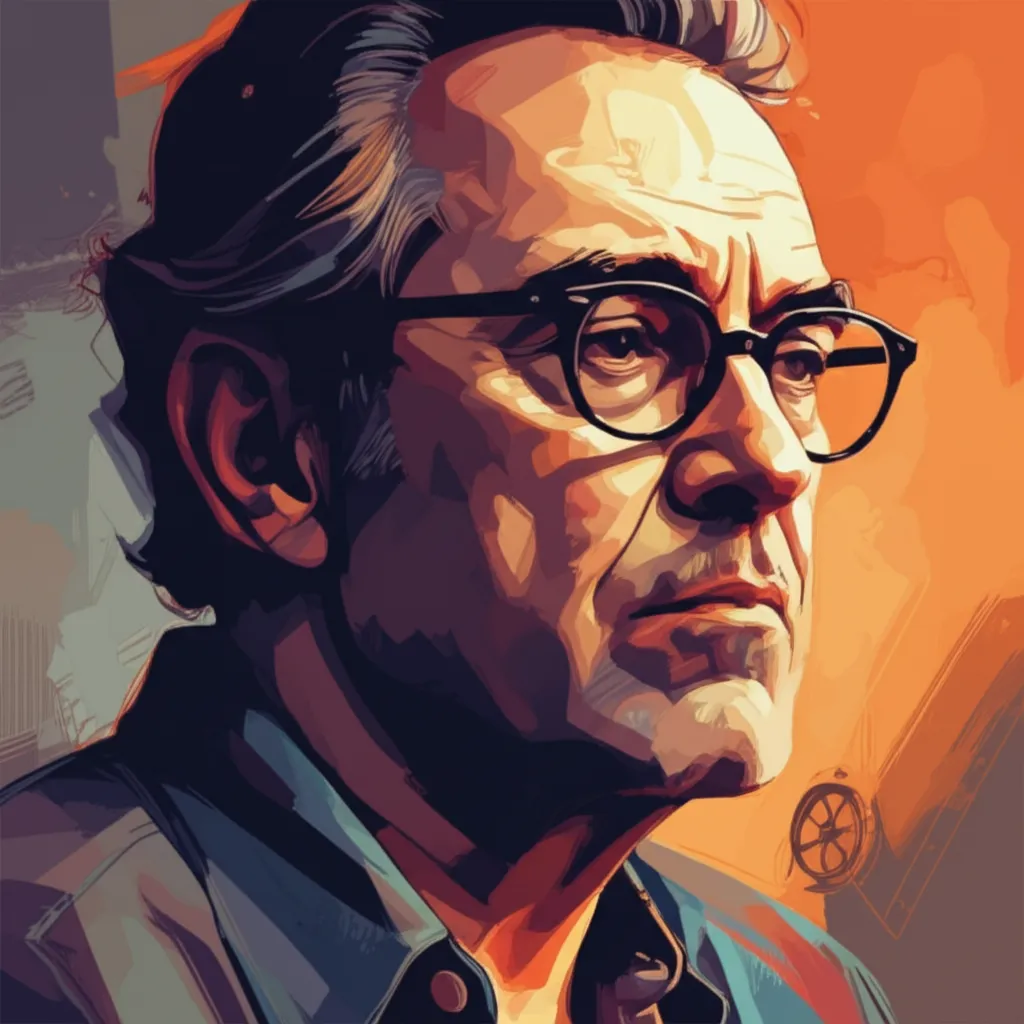

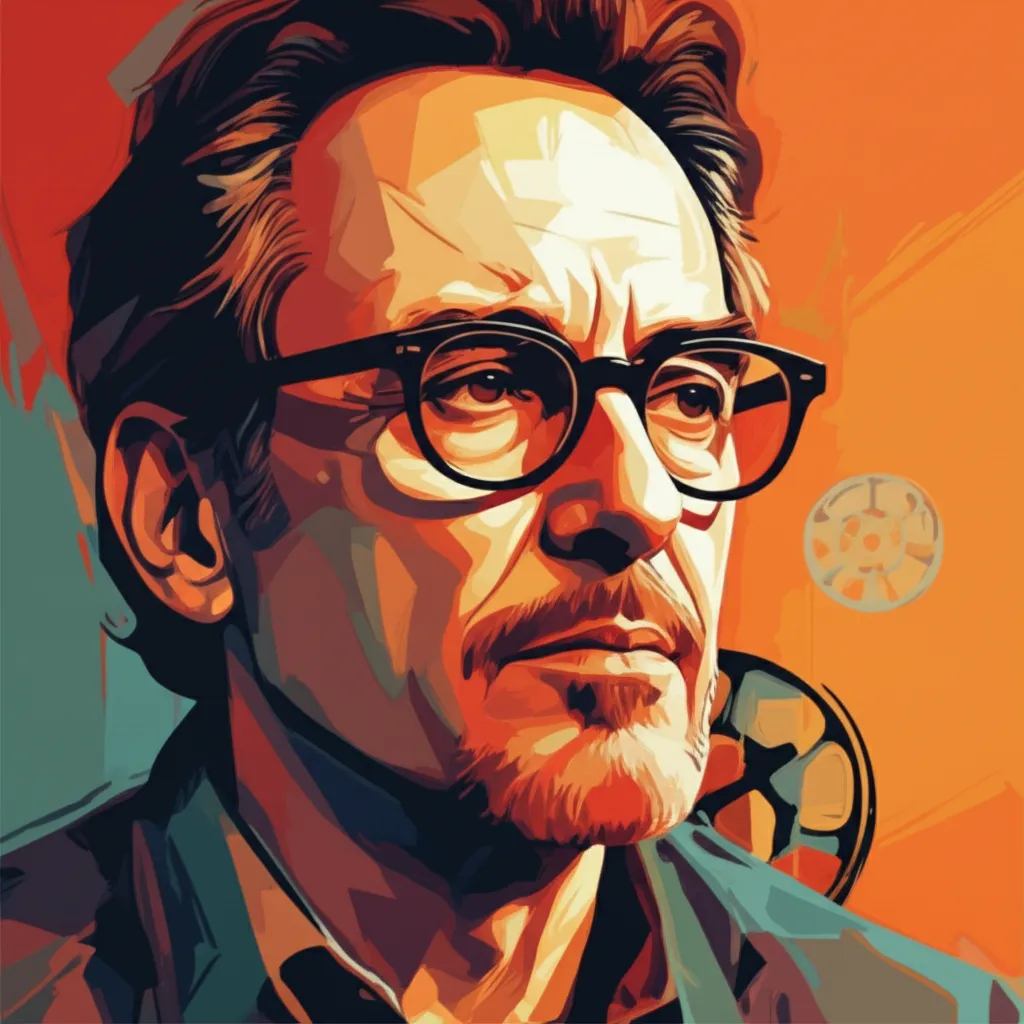
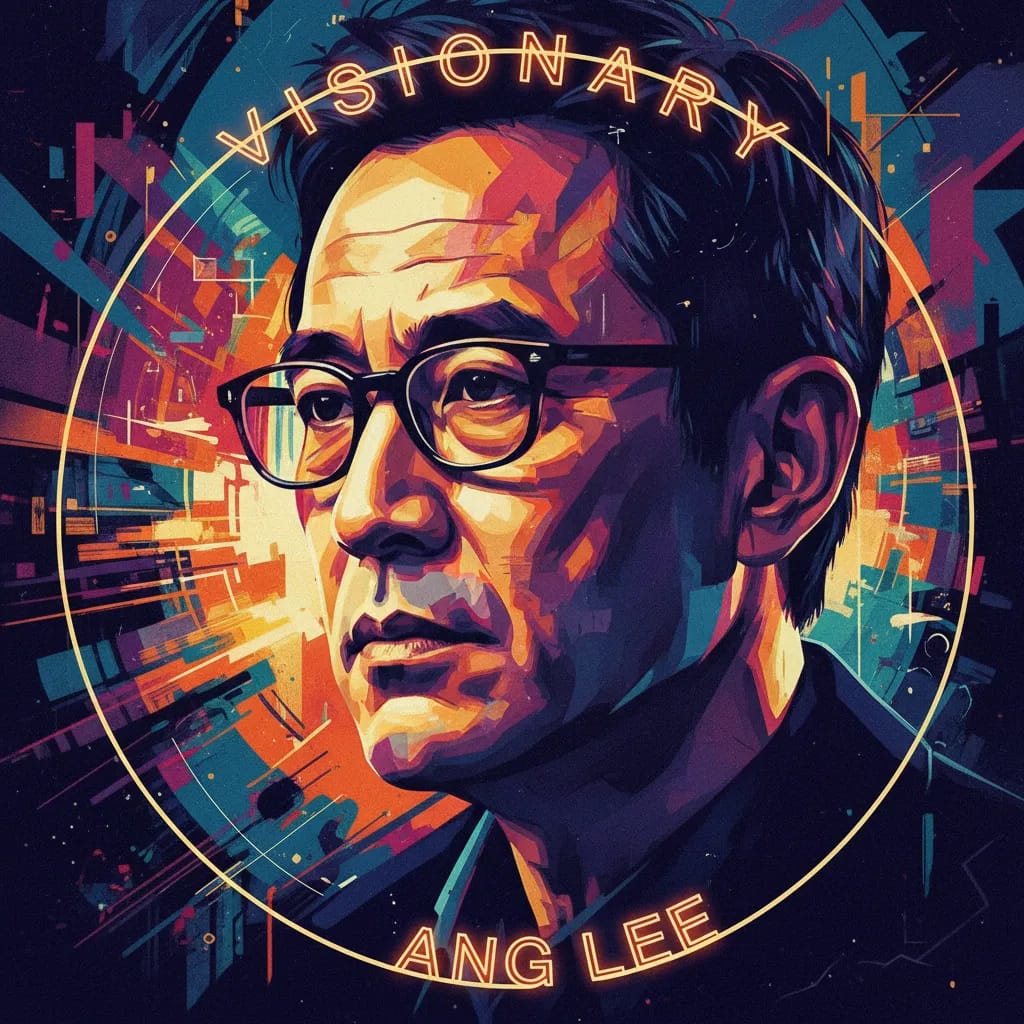
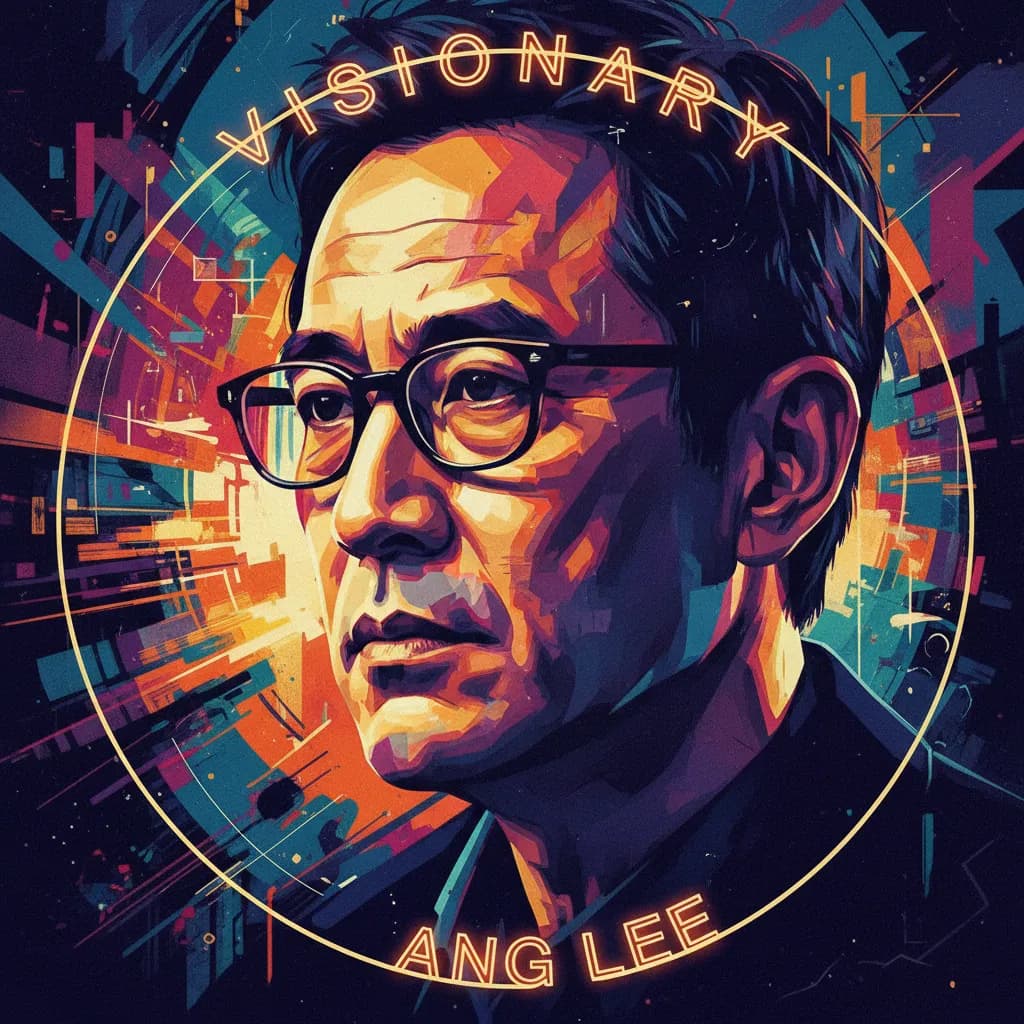
Ang Lee, the Taiwanese-born filmmaker, has carved out a distinguished career marked by versatility and a profound ability to capture the complexities of human emotion. With a filmography spanning across various genres, Lee has consistently demonstrated an unparalleled mastery of storytelling, cementing his status as a visionary director. His directorial style is characterized by a keen attention to detail, exquisite visual compositions, and a profound exploration of human relationships and internal conflicts. Lee's filmography is a testament to his diverse interests and talents. His breakthrough came with "The Wedding Banquet" (1993), a tender comedy-drama that delves into themes of identity and tradition. This marked the beginning of his exploration of cultural clashes and personal dilemmas, a theme that would resurface in several of his subsequent works. Lee further solidified his reputation as a director of immense emotional depth and sensitivity with "Sense and Sensibility" (1995), an adaptation of Jane Austen's classic novel that earned him widespread acclaim and an Academy Award nomination for Best Director. In 2000, Lee shifted gears and made cinematic history with "Crouching Tiger, Hidden Dragon," a martial arts epic that captivated audiences worldwide and garnered critical acclaim. The film's breathtaking action sequences and poignant storytelling further underscored Lee's ability to transcend cultural and linguistic barriers, solidifying his status as a true auteur. This success was followed by "Brokeback Mountain" (2005), a groundbreaking romantic drama that fearlessly explored the forbidden love between two cowboys. The film earned Lee an Academy Award for Best Director, making him the first Asian filmmaker to achieve this honor. Lee's foray into groundbreaking technology with "Gemini Man" (2019) demonstrated his willingness to push the boundaries of visual effects and storytelling. His ability to seamlessly integrate cutting-edge technology with compelling narratives showcases his commitment to innovation and experimentation. Furthermore, his magnum opus, "Life of Pi" (2012), stands as a testament to his unparalleled skill in bringing literary works to life on the big screen. Throughout his illustrious career, Lee has continuously challenged conventional storytelling norms, pushing the boundaries of cinematic expression and representation. His relentless pursuit of authenticity and emotional resonance has left an indelible mark on the film industry, inspiring generations of filmmakers and captivating audiences worldwide. Ang Lee's unmatched ability to infuse his films with depth, empathy, and visual splendor has solidified his status as a true trailblazer in contemporary cinema.

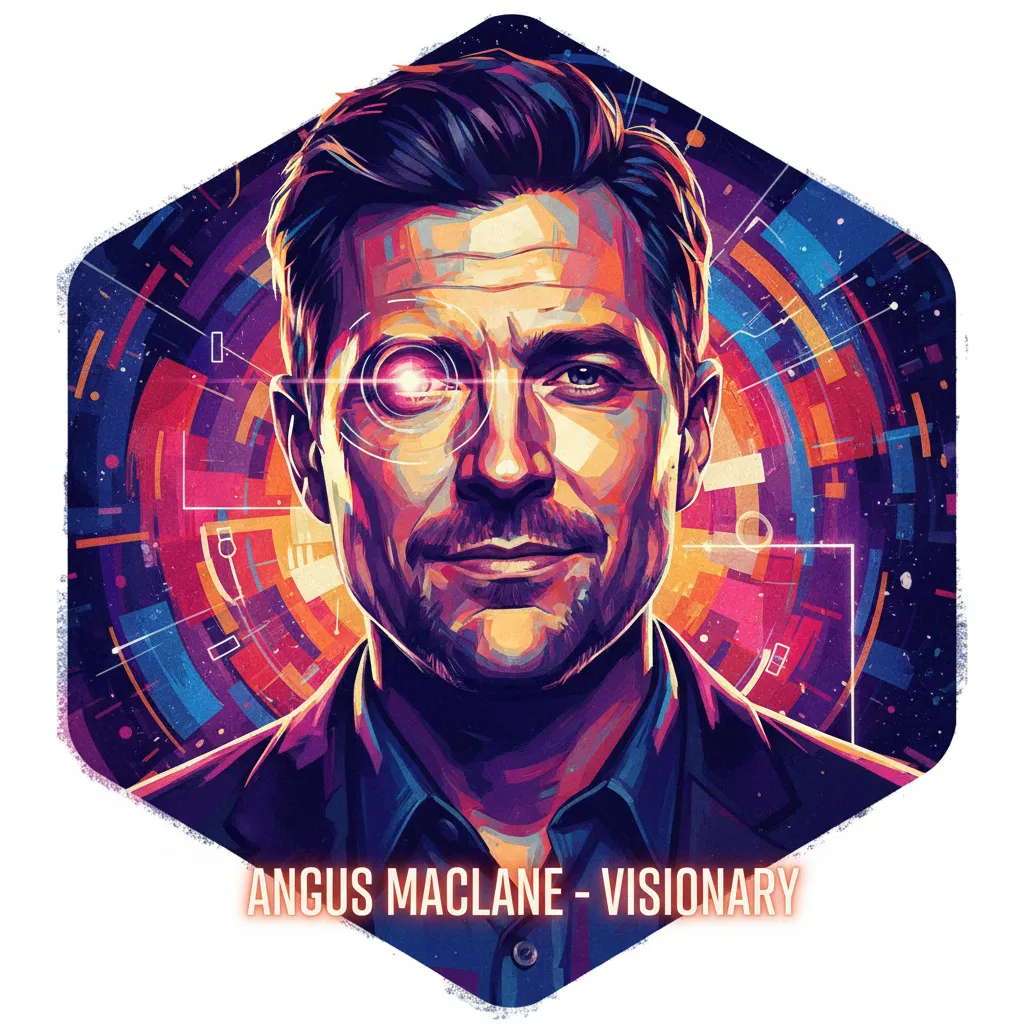
Angus MacLane is a highly acclaimed film director known for his exceptional work in the animation genre. With a career spanning over two decades, MacLane has made significant contributions to the world of animated cinema, leaving an indelible mark with his unique directorial style and creative vision. He is best known for his directorial debut in the heartwarming and visually stunning "Finding Dory" (2016), which not only garnered widespread critical acclaim but also achieved tremendous commercial success, solidifying MacLane's position as a formidable force in the animation industry. In "Finding Dory," MacLane showcased his ability to seamlessly blend humor, adventure, and emotion, creating a film that resonated with audiences of all ages. His keen eye for detail and mastery of storytelling shone through in this beloved sequel to the iconic "Finding Nemo." MacLane's directorial style is characterized by his ability to infuse his animated works with genuine emotion and relatable characters, making his films both visually captivating and deeply engaging on an emotional level. MacLane's upcoming project, "Lightyear" (2022), has generated immense anticipation among fans and industry insiders alike. As the director of this highly anticipated film, MacLane is poised to once again demonstrate his prowess in crafting compelling narratives and pushing the boundaries of animation. "Lightyear" promises to showcase MacLane's penchant for creating immersive and action-packed storytelling, further cementing his status as a visionary director in the animation genre. Throughout his career, MacLane has consistently demonstrated a commitment to exploring profound themes and delivering impactful storytelling through the medium of animation. His ability to craft compelling narratives and bring characters to life has had a lasting impact on the world of cinema, inspiring future generations of filmmakers and animators. With a remarkable body of work and a reputation for delivering exceptional quality, Angus MacLane continues to be a driving force in the evolution of animated filmmaking, leaving an enduring legacy in the industry.

Anh Hung Tran is a Vietnamese-born film director renowned for his visually stunning and emotionally evocative works. Tran's directorial style is characterized by his meticulous attention to detail, poetic imagery, and the exploration of complex human emotions. He has made a significant impact on world cinema, earning critical acclaim for his unique vision and storytelling prowess. Tran's notable films include "Norwegian Wood" (2010), an adaptation of Haruki Murakami's acclaimed novel. The film skillfully captures the melancholic and introspective essence of the source material, showcasing Tran's ability to delve into the inner lives of his characters with profound sensitivity. Through his masterful use of cinematography and evocative storytelling, Tran creates a hauntingly beautiful cinematic experience that resonates with audiences on a deeply emotional level. Recurring themes in Tran's work include the exploration of love, loss, memory, and the human experience. His films often convey a sense of longing and nostalgia, immersing viewers in richly atmospheric settings that reflect the inner turmoil of his characters. Tran's visual storytelling and nuanced approach to character development have solidified his reputation as a director with a keen understanding of the human condition. Tran's impact on cinema extends beyond his individual films, as he has contributed to the global appreciation of Vietnamese and Asian cinema. His ability to transcend cultural boundaries and connect with audiences on a universal level has cemented his status as a visionary filmmaker. Tran's work continues to inspire and influence a new generation of directors, leaving an indelible mark on the cinematic landscape. In conclusion, Anh Hung Tran is a director whose artistry and storytelling prowess have left an indelible mark on world cinema. His visually captivating films, profound exploration of human emotions, and ability to transcend cultural barriers have solidified his reputation as a master filmmaker. Tran's contributions to the art of filmmaking have earned him a well-deserved place among the most influential and visionary directors of his generation.

Anil Sharma is a prominent Indian film director known for his impactful and visually stunning movies. With a career spanning several decades, Sharma has left an indelible mark on Indian cinema. His most notable film, "Gadar: Ek Prem Katha" (2001), is a powerful action-drama-romance that captured the hearts of audiences and cemented his status as a master storyteller. Sharma's directorial style is characterized by grandeur, high-octane action sequences, and emotionally resonant storytelling. He has a knack for crafting larger-than-life narratives that tackle love, patriotism, and social issues with a cinematic flair. His films often feature breathtaking landscapes and meticulously choreographed action sequences, showcasing his exceptional directorial prowess. "Gadar: Ek Prem Katha" is a testament to Sharma's directorial brilliance. The film, set against the backdrop of the Partition of India, weaves a compelling love story amidst the turmoil of a nation in flux. It struck a chord with audiences, becoming one of the highest-grossing Indian films of its time and earning widespread critical acclaim. Sharma's ability to blend intense action with heartfelt romance made the film a cultural phenomenon and solidified his reputation as a visionary director. Throughout his career, Sharma has explored recurring themes of love, sacrifice, and the resilience of the human spirit. His films often celebrate the triumph of love over adversity and the enduring strength of the human heart. Sharma's impact on Indian cinema is undeniable, as he has inspired a new generation of filmmakers to push the boundaries of storytelling and spectacle. Anil Sharma's cinematic legacy continues to resonate with audiences, and his contributions to Indian cinema have left an indelible mark on the industry. With a penchant for crafting epic narratives and delivering emotionally charged storytelling, Sharma remains a revered figure in the world of filmmaking. SEO Keywords: Anil Sharma, Indian film director, Gadar: Ek Prem Katha, directorial style, impact on cinema, visionary director, Indian cinema, storytelling, larger-than-life narratives, action-drama-romance

Aniruddha Roy Chowdhury is an acclaimed Indian film director known for his impactful storytelling and thought-provoking narratives. With a career spanning over two decades, Chowdhury has made a significant mark on Indian cinema through his distinct directorial style and compelling storytelling. He is best known for his critically acclaimed film "Pink" (2016), a powerful drama-thriller that garnered widespread praise for its portrayal of societal issues and strong female characters. Chowdhury's directorial style is characterized by its emphasis on realism and social commentary. His films often tackle pertinent social issues, shedding light on topics such as gender inequality, justice, and the complexities of human relationships. Chowdhury's meticulous attention to detail and ability to evoke raw emotions from his audience have solidified his reputation as a director with a keen eye for human drama and societal critique. "Pink" stands as a testament to Chowdhury's directorial prowess, earning him accolades for his sensitive handling of the subject matter and his ability to create a gripping narrative that resonates with audiences. The film's success catapulted Chowdhury into the limelight, establishing him as a director with a unique voice and a deep understanding of the human condition. Throughout his career, Chowdhury has consistently explored themes of justice, morality, and the complexities of human behavior, showcasing a commitment to creating films that challenge societal norms and provoke meaningful conversations. His impact on Indian cinema is undeniable, as he continues to push boundaries and inspire audiences with his poignant storytelling and thought-provoking narratives. As Aniruddha Roy Chowdhury continues to captivate audiences with his insightful directorial vision, his contributions to the world of cinema stand as a testament to his enduring legacy as a visionary filmmaker. His ability to blend powerful storytelling with social relevance has cemented his status as a director to watch, and his influence on Indian cinema is sure to resonate for years to come.

Anirudh Iyer is an exciting new talent in the world of filmmaking, known for his dynamic visual style and ability to seamlessly blend action, comedy, and crime genres. His directorial debut, "An Action Hero" (2022), showcases his distinctive approach to storytelling and filmmaking. With a focus on fast-paced action, sharp wit, and engaging characters, Iyer's directorial style sets him apart as a filmmaker to watch in the industry. "An Action Hero" (2022) serves as a testament to Iyer's directorial prowess, with its expertly choreographed action sequences, clever comedic moments, and a gripping crime narrative. Iyer's ability to balance these diverse elements within a single film demonstrates his versatility and skill as a director. Throughout his career, Iyer has exhibited a penchant for exploring themes of heroism, identity, and the blurred lines between right and wrong, often through the lens of his action-packed narratives. His films are known for their high-energy pacing, compelling characters, and unexpected plot twists, which have captivated audiences and garnered critical acclaim. Iyer's impact on cinema lies in his ability to push the boundaries of genre filmmaking, infusing his work with a fresh and modern sensibility while paying homage to classic action and crime cinema. His directorial style is characterized by a bold and innovative approach, which has resonated with audiences and critics alike. As Iyer continues to make his mark in the industry, his unique vision and contributions to film are sure to leave a lasting impression, solidifying his status as a directorial force to be reckoned with. With "An Action Hero" (2022) as a strong debut, audiences can eagerly anticipate Iyer's future projects, as he continues to redefine the action, comedy, and crime genres with his distinct directorial voice.

Anjali Menon is a highly acclaimed Indian film director known for her unique storytelling style and ability to capture the nuances of human relationships on screen. Her most notable film, "Bangalore Days" (2014), is a heartwarming comedy-drama that follows the lives of three cousins as they navigate love, friendship, and the challenges of urban life. Menon's directorial style is characterized by its ability to blend humor and emotion seamlessly, creating a compelling narrative that resonates with audiences on a deep level. Throughout her career, Menon has explored themes of love, family, and personal growth, often depicting complex characters facing relatable struggles. Her keen eye for detail and authentic portrayal of human emotions has earned her a dedicated following and critical acclaim. "Bangalore Days" in particular, received widespread praise for its engaging storytelling, well-developed characters, and vibrant cinematography, solidifying Menon's reputation as a director with a distinct and captivating vision. Anjali Menon's impact on Indian cinema extends beyond her individual films, as she has been instrumental in shaping the narrative of contemporary Malayalam cinema. Her directorial prowess and ability to create immersive cinematic experiences have elevated the standard of storytelling in Indian cinema, inspiring a new generation of filmmakers to explore complex human relationships and emotions in their work. With a keen understanding of the human experience and a talent for crafting compelling narratives, Anjali Menon continues to be a trailblazer in the world of Indian cinema. Her ability to infuse her films with warmth, humor, and genuine emotion sets her apart as a director with a distinct voice and a lasting impact on the film industry. As audiences eagerly await her next directorial venture, it's clear that Anjali Menon's contributions to cinema will continue to be celebrated for years to come.

Anna Biller is a distinguished American filmmaker known for her distinct visual style and meticulous attention to detail. Her most notable work to date is "The Love Witch" (2016), a unique blend of comedy, horror, and romance that showcases her talent as a writer, director, producer, and production designer. Biller's directorial approach is characterized by her dedication to recreating and subverting genre tropes, combined with a deep understanding of visual storytelling. Her films often feature vibrant color palettes, elaborate set designs, and a keen eye for period-specific details, creating a visually immersive experience for audiences. "The Love Witch" is a prime example of Biller's signature style, with its retro aesthetic reminiscent of 1960s Technicolor melodramas. The film not only pays homage to classic cinema but also provides a contemporary feminist perspective, exploring themes of love, power, and gender dynamics. Biller's ability to seamlessly blend homage with modern commentary sets her apart as a visionary director with a distinctive voice. Throughout her career, Anna Biller has been celebrated for her commitment to independent filmmaking and her unwavering dedication to maintaining creative control over her projects. Her work has left a lasting impact on the industry, inspiring fellow filmmakers and earning her a devoted following of fans who appreciate her unique vision and storytelling prowess. As a filmmaker, Biller continues to push boundaries and challenge conventions, solidifying her status as a trailblazer in contemporary cinema. In conclusion, Anna Biller's filmography, particularly "The Love Witch," stands as a testament to her artistry and her ability to craft visually stunning and thematically rich narratives. Her films not only entertain but also provoke thoughtful discussions about gender, sexuality, and the power dynamics at play in storytelling. With her distinctive style and unwavering commitment to her craft, Anna Biller has undoubtedly made an indelible mark on the world of cinema and continues to be a pioneering force in independent filmmaking.

Anna Boden is a talented film director known for her unique directorial style and diverse filmography. Boden, along with her directing partner Ryan Fleck, has made a significant mark on the film industry with her thought-provoking and emotionally resonant storytelling. Boden's directorial vision is often characterized by her ability to infuse humor, drama, and compelling character dynamics into her films. Boden's career took off with the release of "It's Kind of a Funny Story" in 2010, a comedy-drama that showcased her ability to navigate complex emotional landscapes with sensitivity and authenticity. The film's exploration of mental health issues and the human experience set the stage for Boden's future works, establishing her as a director unafraid to tackle challenging subject matter. In 2015, Boden co-directed "Mississippi Grind," a captivating comedy-drama that further solidified her reputation as a director with a keen eye for nuanced storytelling. The film's exploration of friendship, addiction, and the search for redemption demonstrated Boden's ability to delve into the complexities of the human condition with empathy and insight. Boden's career reached new heights with the release of "Captain Marvel" in 2019, a groundbreaking addition to the Marvel Cinematic Universe. Co-directing alongside Ryan Fleck, Boden brought her signature directorial style to the superhero genre, delivering a film that combined exhilarating action with a compelling exploration of identity and empowerment. "Captain Marvel" not only shattered box office records but also marked Boden as the first female director to helm a Marvel Studios film, further cementing her impact on the industry. Throughout her career, Boden has demonstrated a consistent commitment to telling stories that resonate on a profound level, often focusing on themes of identity, resilience, and the human spirit. Her collaborative work with Ryan Fleck has yielded a body of work that reflects her unique directorial vision and has left an indelible mark on cinema. Anna Boden continues to be a trailblazing force in the film industry, and her future projects are eagerly anticipated by audiences and critics alike.
Every film by the greats, ranked by our TML Score.

Christopher Nolan
Every film, ranked

Quentin Tarantino
Every film, ranked

Stanley Kubrick
Every film, ranked

Martin Scorsese
Every film, ranked

Steven Spielberg
Every film, ranked

Alfred Hitchcock
Every film, ranked

David Fincher
Every film, ranked

Denis Villeneuve
Every film, ranked

Wes Anderson
Every film, ranked

Paul Thomas Anderson
Every film, ranked

Ridley Scott
Every film, ranked

Tim Burton
Every film, ranked

Guillermo del Toro
Every film, ranked

Hayao Miyazaki
Every film, ranked

Akira Kurosawa
Every film, ranked

Francis Ford Coppola
Every film, ranked

Clint Eastwood
Every film, ranked

Bong Joon Ho
Every film, ranked

Woody Allen
Every film, ranked

Steven Soderbergh
Every film, ranked

Ron Howard
Every film, ranked

Pedro Almodóvar
Every film, ranked

Richard Linklater
Every film, ranked

Roman Polanski
Every film, ranked

Brian De Palma
Every film, ranked

Ingmar Bergman
Every film, ranked

Oliver Stone
Every film, ranked

David Cronenberg
Every film, ranked

Robert Zemeckis
Every film, ranked

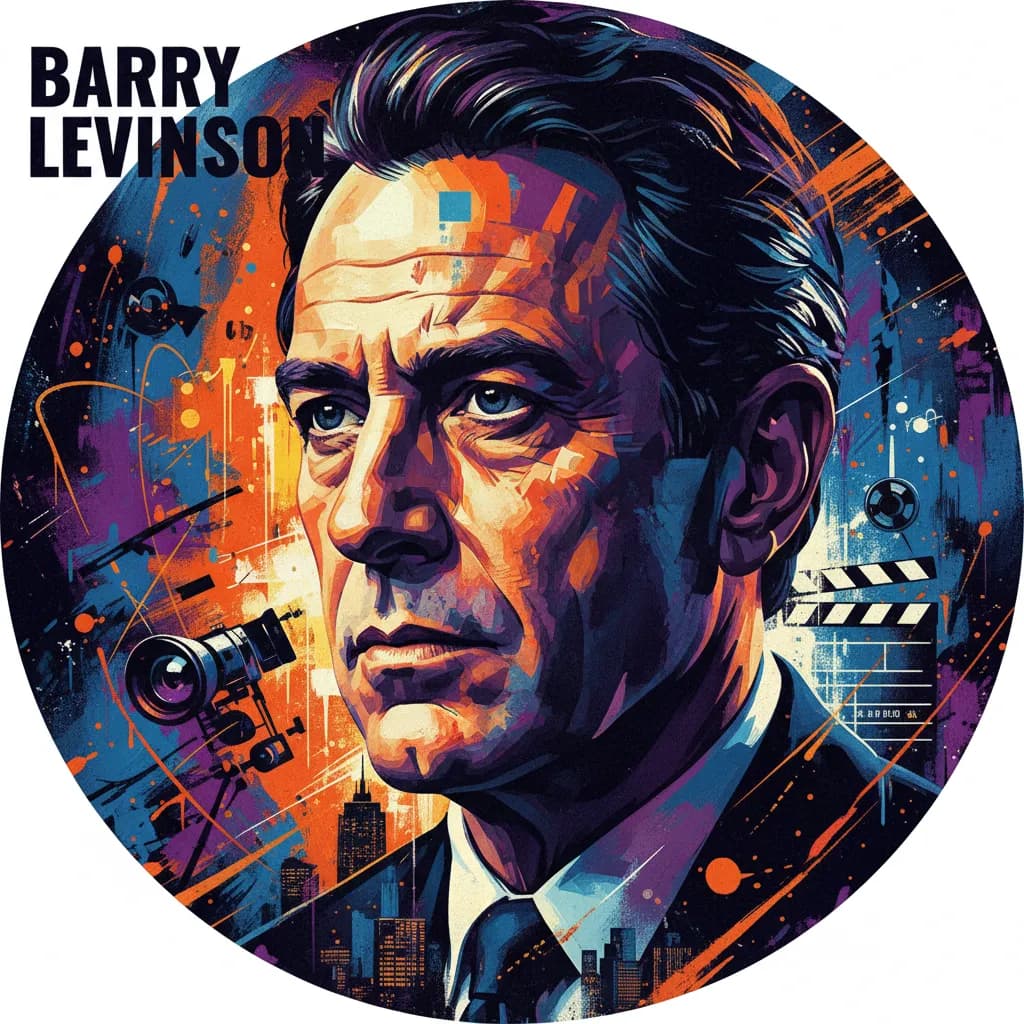
Barry Levinson
Every film, ranked

John Carpenter
Every film, ranked

Joel Schumacher
Every film, ranked

Billy Wilder
Every film, ranked

Rob Reiner
Every film, ranked

Neil Jordan
Every film, ranked

Spike Lee
Every film, ranked

Ivan Reitman
Every film, ranked

John Woo
Every film, ranked

Lasse Hallström
Every film, ranked

Stephen Frears
Every film, ranked

Luc Besson
Every film, ranked

Chris Columbus
Every film, ranked

Mike Nichols
Every film, ranked

Howard Hawks
Every film, ranked

Ang Lee
Every film, ranked

Walter Hill
Every film, ranked

Gus Van Sant
Every film, ranked

William Wyler
Every film, ranked

Renny Harlin
Every film, ranked

Sidney Lumet
Every film, ranked

Tony Scott
Every film, ranked